

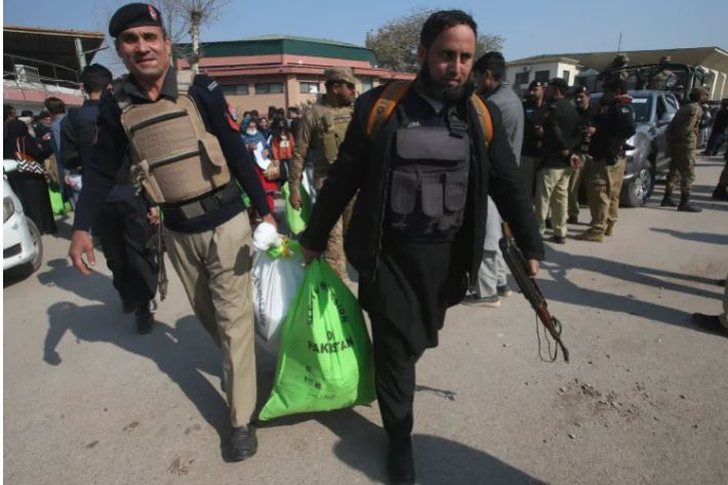
The elections in Pakistan are bloody/ More than 20 victims from the bomb blasts
Twin bomb blasts have killed at least 22 people in Pakista...


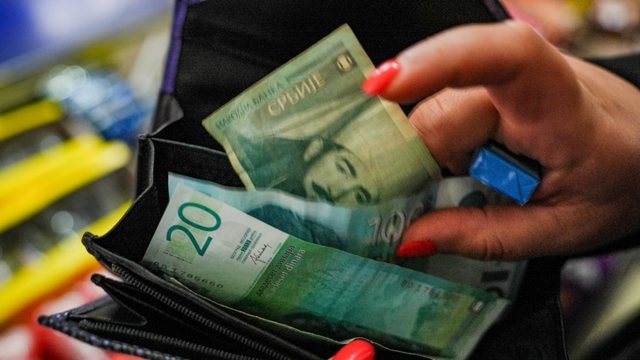
The People's Bank of Serbia said that the authorities in Kosovo on February 7 did not allow funds in dinars to enter the territory of this country.
After this announcement of the Serbian People's Bank, Radio Free Europe contacted the Kosovo Customs. However, this institution said that they cannot immediately declare on this issue.
According to the People's Bank of Serbia, the funds were intended to pay salaries, pensions, social contributions and other payments to Serbs living in Kosovo.
"Based on a common practice, the vehicle of the People's Bank of Serbia with means in dinars was sent today to the crossing point in Jarinje, where the money for further transport would be taken from the vehicle of the company 'Henderson', which has a license from the authorities of Pristina for the transport of money. But, it has been returned without any explanation", said the People's Bank of Serbia through an announcement on February 7.
This bank said the money was destined to go to the vault it has in Leposaviq, one of four municipalities in northern Kosovo, where Serbs are the majority.
"The People's Bank of Serbia strongly condemns today's incident and reiterates that it is necessary to immediately abolish the discriminatory and illegal measures taken by the interim authorities in Pristina, to enable the smooth transportation and distribution of dinars and to prevent the restriction of the living conditions of the Serbian population in 'Kosovo and Metohija'", the announcement said.
Since February 1, a regulation of the Central Bank of Kosovo has entered into force in Kosovo. This regulation provides for the euro to be the only currency for payments in Kosovo, prohibiting the use of the Serbian dinar.
However, this regulation states that institutions licensed to operate in Kosovo can import and export currencies. Kosovo Customs and Police are the responsible authorities that ensure that the cross-border import or export of euros or other currencies from and to Kosovo can only be allowed "by presenting proof of license and authorization issued by the CBK".
Serbia pays Kosovo Serbs - through a parallel system - salaries, pensions, social benefits, and other benefits.
Serbs in Kosovo usually receive pensions from the budget of Serbia on the 10th of each month. However, the president of Serbia, Aleksandar Vucic, declared on February 2 that the funds from the Serbian budget dedicated to the Serbs in Kosovo will be sent earlier than planned.
"Today we started to pay the salaries, pensions and social benefits for our people in Kosovo in advance. Much earlier than it was planned", stated Vu?i?.
Meanwhile, education and health workers, who work on the basis of the Serbian system, receive their salary in two parts, February 6 and 21, while those employed in local self-government on the 10th day of each month.
Vucic has shown that his country has 31,831 employees in Kosovo, 29,115 pensioners - of which 4,700 receive their pensions - as well as 31,586 beneficiaries of social assistance.
The Prime Minister of Kosovo, Albin Kurti, has stated that the CBK regulation for cash operations is not against the Serbian dinar and that Serbs who receive pensions and other assistance from Serbia in dinars can continue to receive them, but those payments must be deposited in bank accounts in Kosovo in euros.
Kosovo has said that the implementation of the CBK regulation for cash operations will be done through a transition period, without specifying how long this period will last.
The international community has called on Kosovo to postpone the implementation of the regulation, as they have argued that it entered into force without prior consultations. The United States and the European Union have expressed concern that the regulation could have a negative impact on the Serbian population living in Kosovo.
Lista Serbe, the largest party of Serbs in Kosovo that enjoys the support of official Belgrade, has criticized the decision of the CBK, and the head of this party, Zlatan Ellek, said on February 3 that the ban on the use of the dinar "means the expulsion of the Serbs and all Serbian institutions" from the territory of Kosovo.
According to Ellek, close to 100,000 Serbs will be directly affected by the CBK's decision to ban the use of the dinar./ REL

Twin bomb blasts have killed at least 22 people in Pakista...
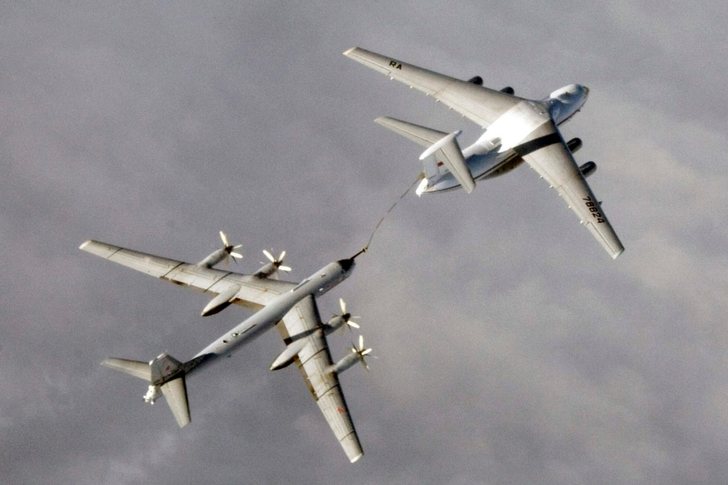
Russia said on Wednesday that two of its Tu-95MC strategic...
Beijing will not allow any Chinese entity or individual to...
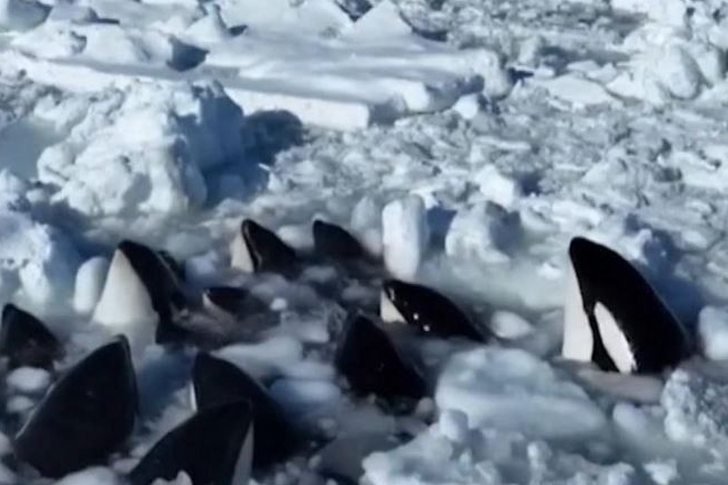
Një grup balenash vrasëse kanë ngelur në një zonë me a...
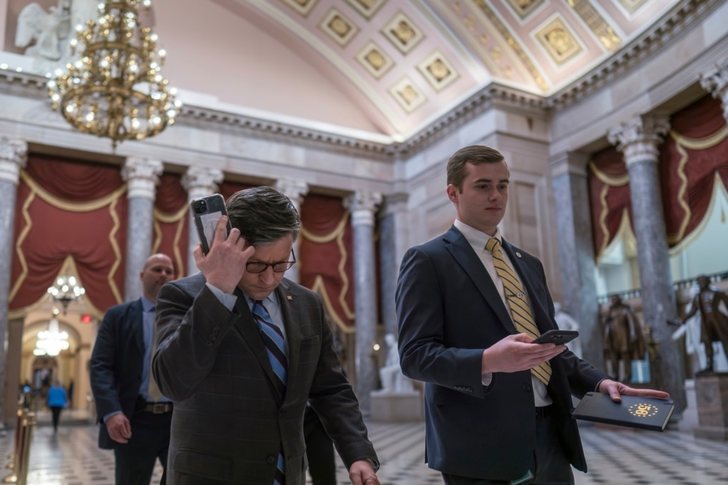
The House of Representatives failed to pass a bill Wednesd...
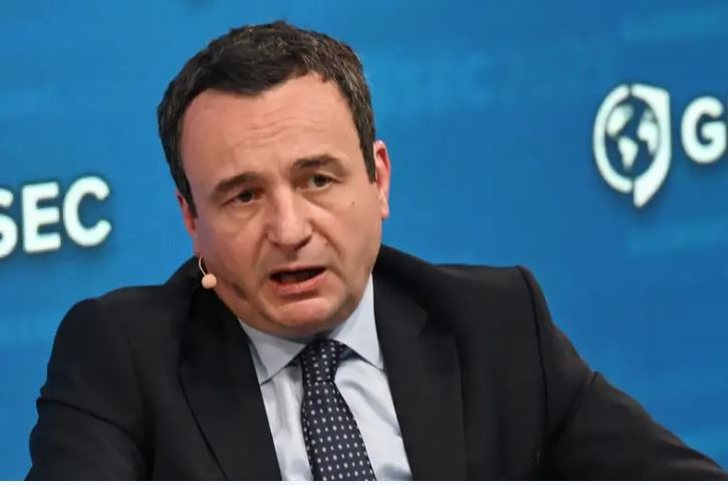
The Prime Minister of Kosovo, Albin Kurti, took into a...
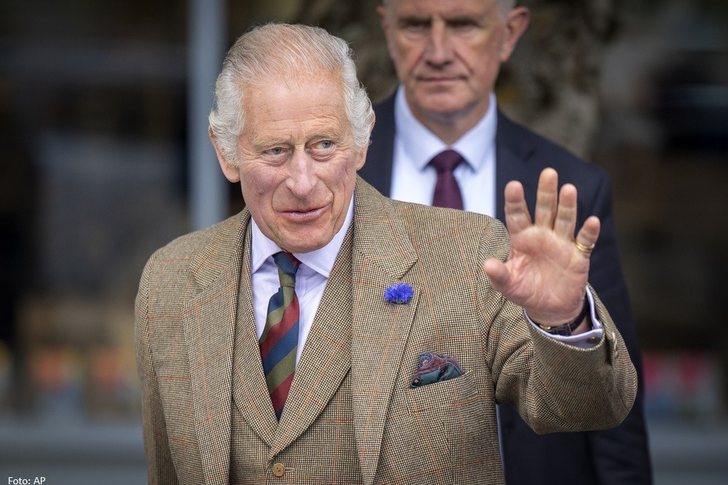
In fact, it was a routine prostate surgery, which often ha...
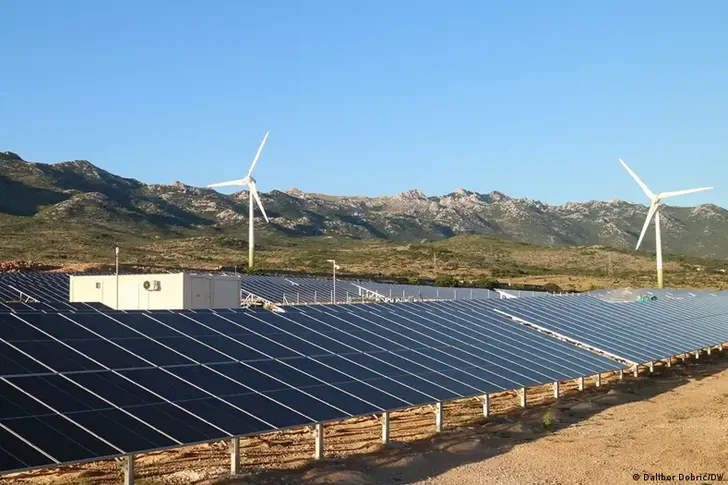
"It's a checkerboard situation," says Goran Cacic when ask...
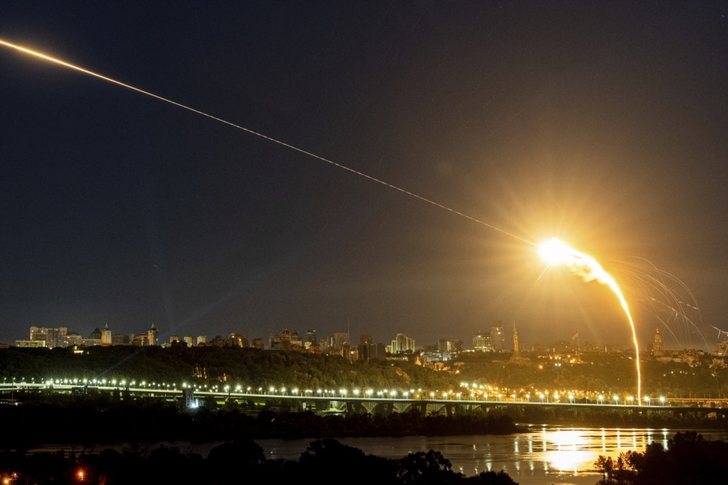
Russia has carried out a series of missile attacks on Kiev...
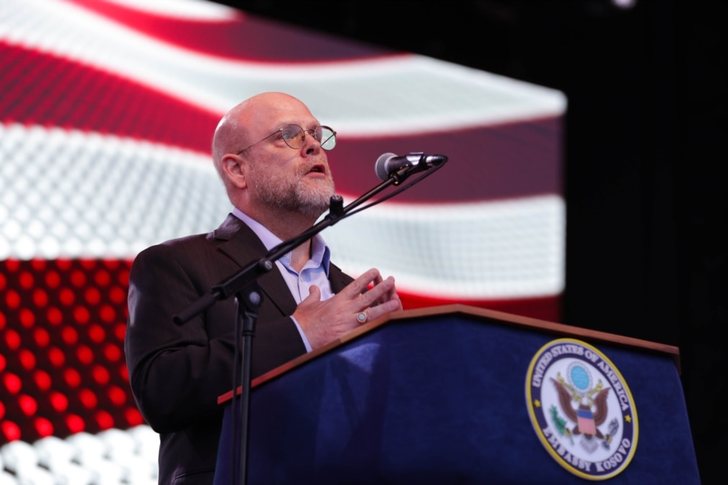
The American ambassador in Pristina, Jeff Hovenier, said t...

The member of the Presidency of the Democratic League of K...

US President Joe Biden has called on Congress to pass ...
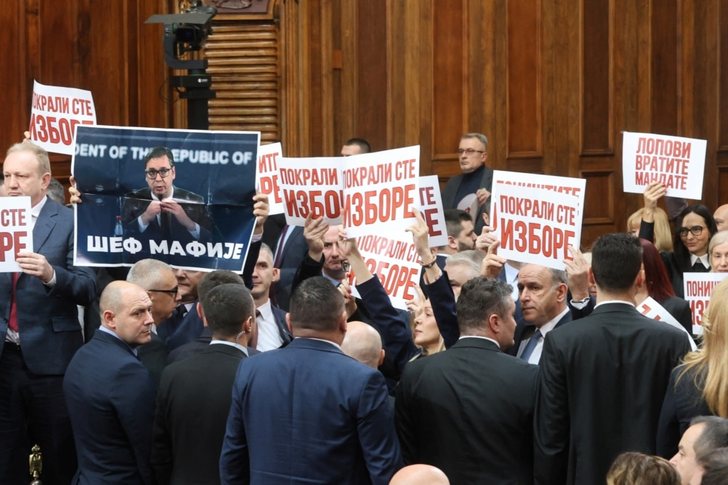
Serbia's parliament convened on Tuesday for its first sess...
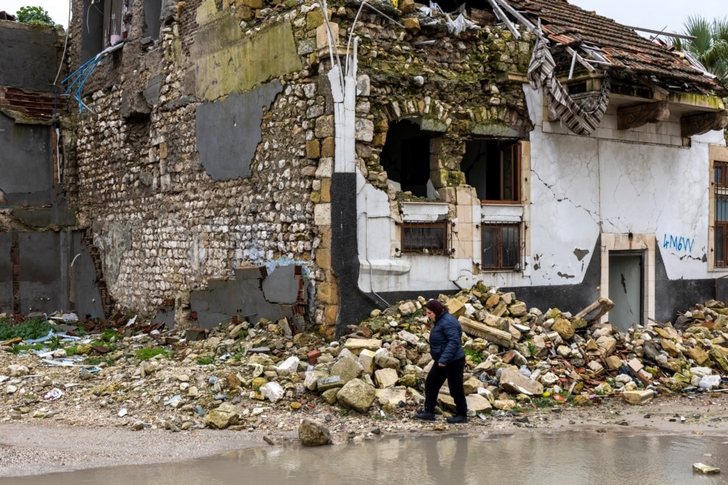
Turkey must quickly build homes for the millions left home...

A federal appeals court has ruled that Mr. Donald Trum...

The European Commission has proposed stricter criminal rul...
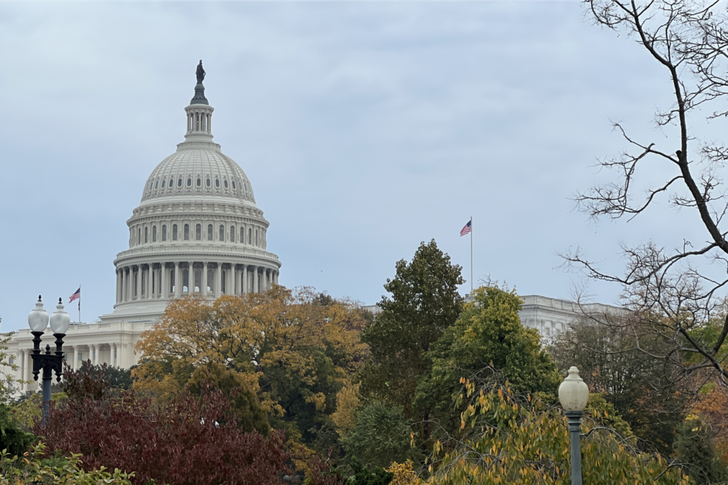
After months of negotiations, US senators will vote this w...
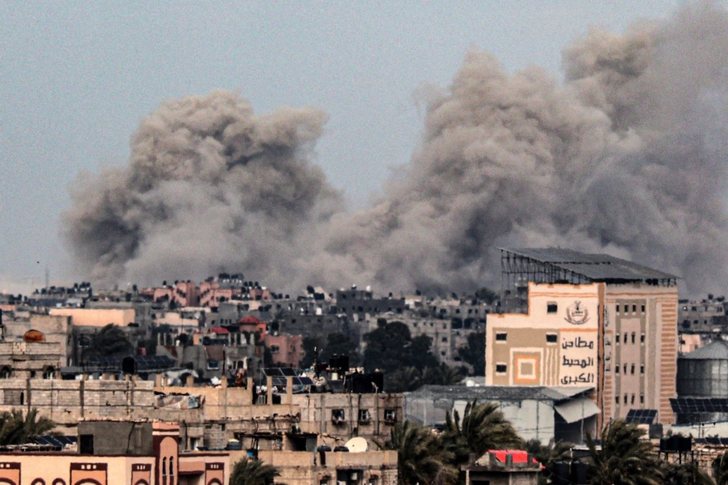
About 8,000 displaced people have been evacuated from the ...
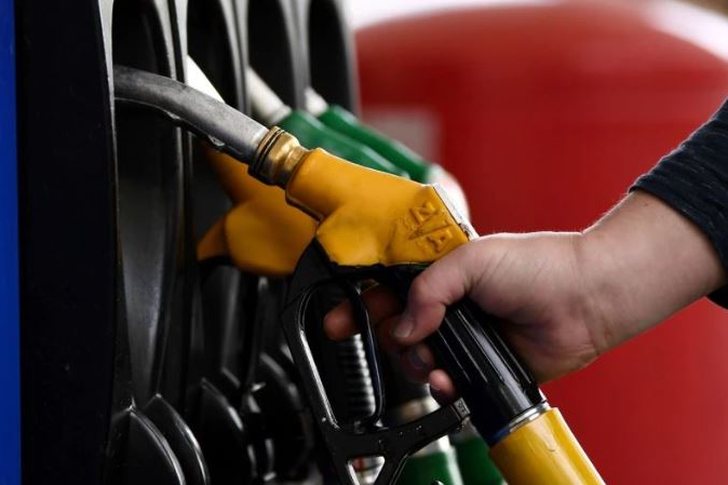
Fuel prices in Kosovo have been increasing recently. Curr...
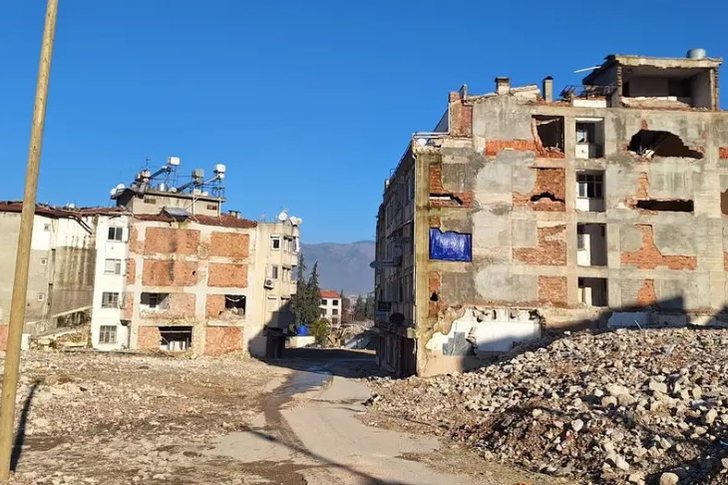
On February 6, 2023, southeast Turkey and northern Syria w...

CNA has launched another investigation that could lead to ...

Irfan Hysenbelliu is a businessman that we call "Irfan the...

In March 2026, CNA launched another investigation centered...
The arrested mayor of Tirana, Erion Veliaj, with 13 charge...

The Special Board of Appeal (KPA) decided this Monday ...

The KPA vetting decided this Thursday to dismiss the p...

Suela Salavaçi, a prosecutor in the Prosecutor's Offic...

The Special Board of Appeal reinstated the prosecutor ...
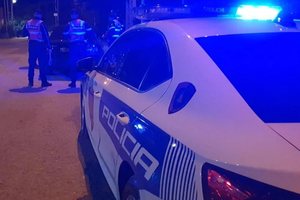
A conflict occurred this Thursday evening in the toy area ...
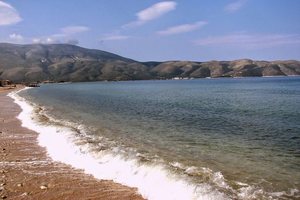
A person has died today on Orikum beach. According to repo...
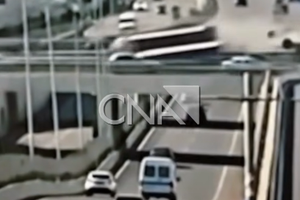
Footage emerges from the serious accident that occurred th...
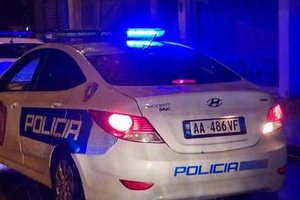
A Shkodra traffic police officer was hit with hard objects...

Children without parental care, for whom alternative famil...

On Thursday, our country will be under the influence of st...
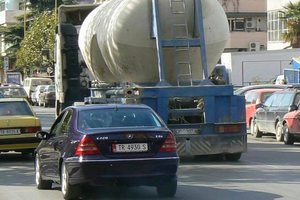
A serious accident that occurred this Wednesday with the c...

The Institute of Geosciences has shared a forecast for wea...
The European Union Office in Kosovo has called on all poli...
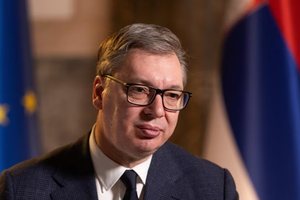
Serbian President Aleksandar Vučić, at a press conference ...
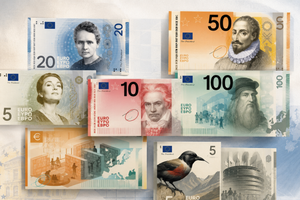
For the first time since the launch of the euro, European ...

Artificial intelligence (AI) models from the American comp...

At a time when industrial products are increasingly taking...

Trust among people is not just a three-syllable word. It c...
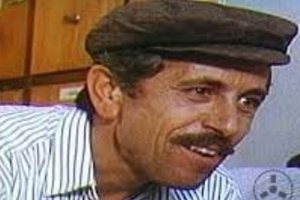
Master of humor Todi Llupi has passed away at the age of 7...
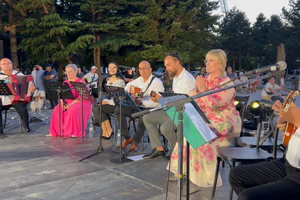
The ninth edition of "MIK Festival" kicked off with one of...
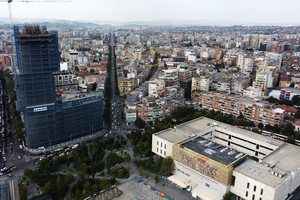
The average sale price of apartments in Tirana reaches rec...
This Thursday, one US dollar is bought for 81.5 lek and so...
The price of diesel reached 206 lek per liter from 198 lek...

Businesses will no longer be required to simply register t...