

Cancer diagnosis/ What is known so far about King Charles
King Charles has been diagnosed with cancer, Buckingha...


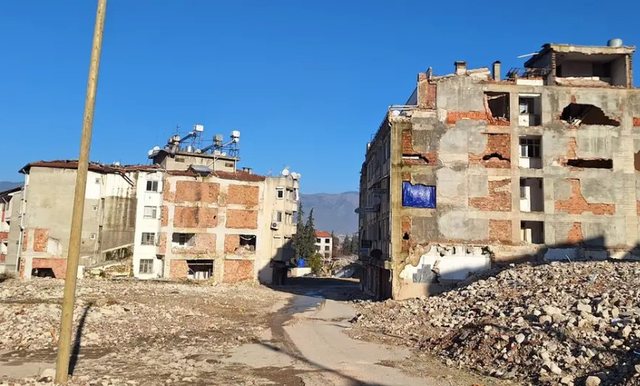
On February 6, 2023, southeast Turkey and northern Syria were rocked by a powerful earthquake. According to official data, more than 50,000 people died from the earthquake, more than 125,000 were injured. The city of Hatay on the border with Syria was the most affected by the earthquake. Where the rubble and debris have been removed, there is nothing left. Many neighborhoods of Hatay have turned into ghost neighborhoods.
After the earthquake many residents left, those who have stayed live largely in containers, which were meant to be temporary shelters. About 200 of them rose rapidly in the area around Hatay. More than 187,000 people have found shelter there. Today the discontent is great. Residents complain that there is too little room in the containers. Whole families live in many of them. Serap Selcuk shares a container with two children and five other people. She says that they asked for a second container, but they have not yet received an answer. "The living conditions are difficult," the teacher told DW. "The children and I have great difficulty finding ourselves here." Meryem Kataras also lives in temporary shelters. "Life here is hard, but we are trying to do our best," says Mereym, a mother of three. Water and electricity are often lacking.
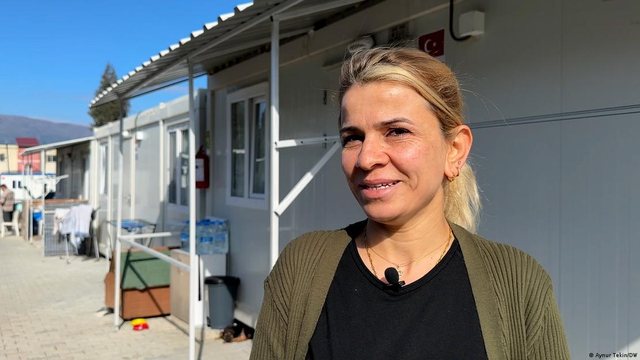
In the first days after the earthquake, people were given free food and other items, but humanitarian aid has now been cut off. Serap Selcuk reports that he has received only two aid packages from the Turkish Disaster Authority, AFAD. This authority came under fire in the days after the earthquake for not reacting in time.
In Hatay, the problem is not only the lack of water and electricity, but also the damaged roads. Some of them are impassable, and when it rains, the problem becomes difficult, because the water does not flow. Serap Selcuk also complains about the increasing criminality. At first, police and guards looked after the container village "Today there are only a few cameras," says Serap. "A few days ago someone threatened a resident with a gun." No one intervened.
Only 25 apartments ready
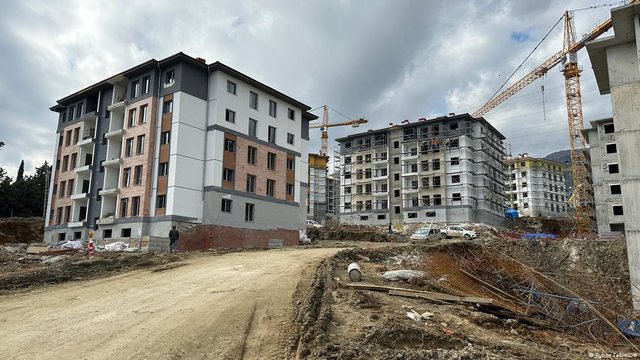
The construction of new apartments in Hatay shows how slow the reconstruction is. The plan was to build 45,000 new apartments. But only 2600 of them are before completion. Only 25 apartments are ready to move in, according to official data. Meryem Kataras says that the number of new constructions is not enough. The buildings have been moved to a remote part of the city, they are still unfinished and the roads are not ready. "It seems impossible to help all those affected here," says Karatas, who had her own home before the earthquake.
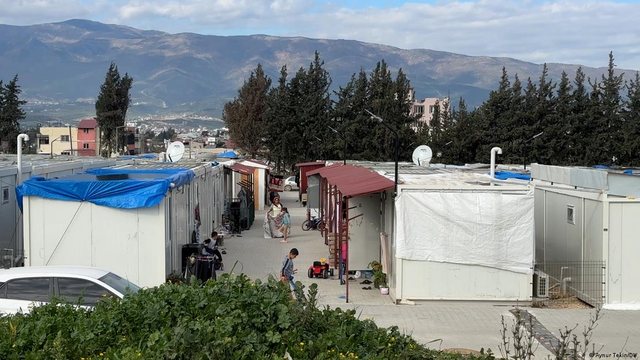
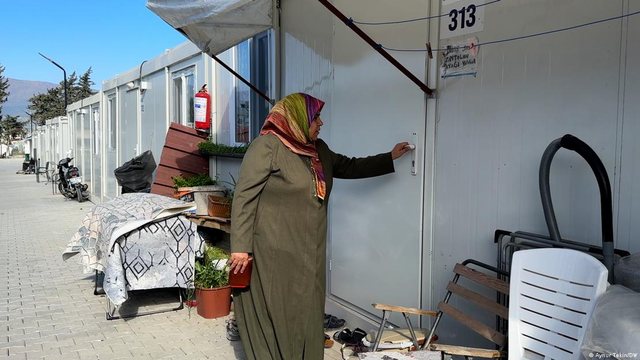
Many residents want to stay in Hatay, like Mustafa Bayir. "I didn't run away from my city after the earthquake. But the state has left Hatay to its fate," he says. Mustafai lives with the naval family in a small container. "We had an apartment of 179 square meters. Now we have to live in 21 square meters," confesses 70-year-old Abudlsamet Pulat. However, he is grateful to the state. "We didn't die of hunger or thirst, at least we had a shelter over our heads."
Even in Hatay's industrial area, 95% of the buildings were destroyed. Ethem Icer, the baker, has reopened the shop in an almost destroyed building. The number of customers has dropped significantly since the earthquake, he says. Instead of the 4,000 loaves he used to sell, today he sells only 1,000. Out of seven workers, he has only one left. Ethemi is angry with the state that small shopkeepers like him do not receive aid.
"The state has forgotten us," mechanic Levent Icency tells DW. "Many people want to work again, but they are not supported enough by the state. We used to have very good masters here. But they have left now and are not coming back. This is a great loss." Even the taxi driver Ekrem Özturk is the last of the 15 drivers of his enterprise. "Many say that things have normalized here," says Ekremi. "But that's not true. Sometimes I wish I had died from the earthquake. I wouldn't have to see everything like this today."/ DW

King Charles has been diagnosed with cancer, Buckingha...
A Moscow court has issued an arrest warrant for prominent ...
Authorities in Istanbul have prevented a terrorist att...

The European Union clarified today that the reactions over...

US Secretary of State Antony Blinken left for the Middle E...
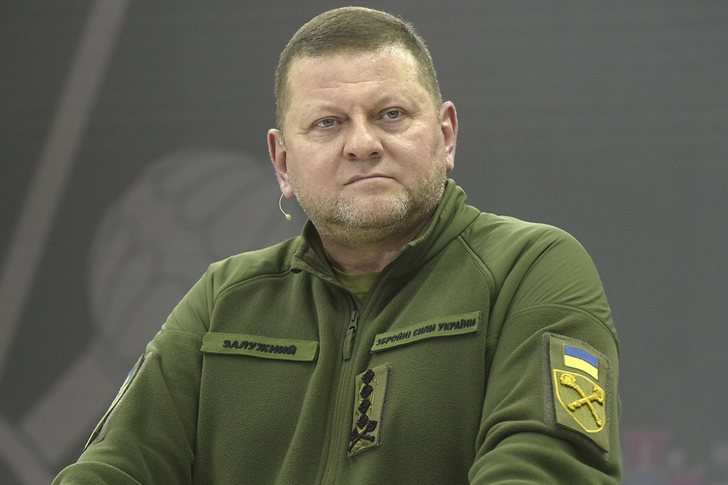
The news took over the media this week: Ukrainian Presiden...

The European Union and the United States of America ha...
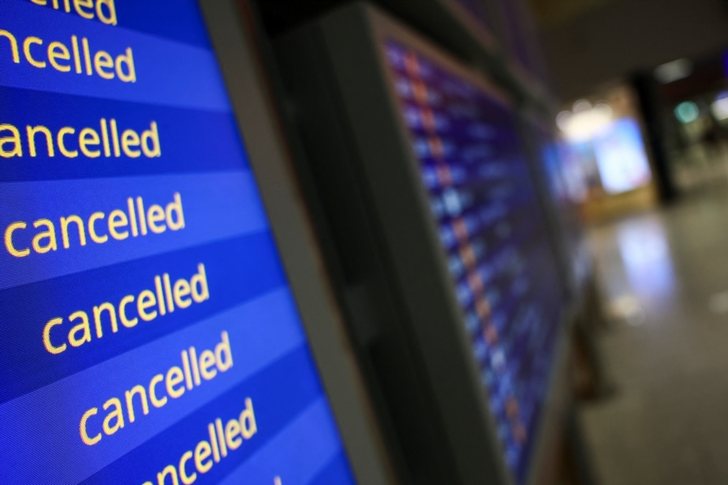
The workers' union, Verdi, has called on the ground staff ...

Germany needs foreign workers. The population is aging, Ge...
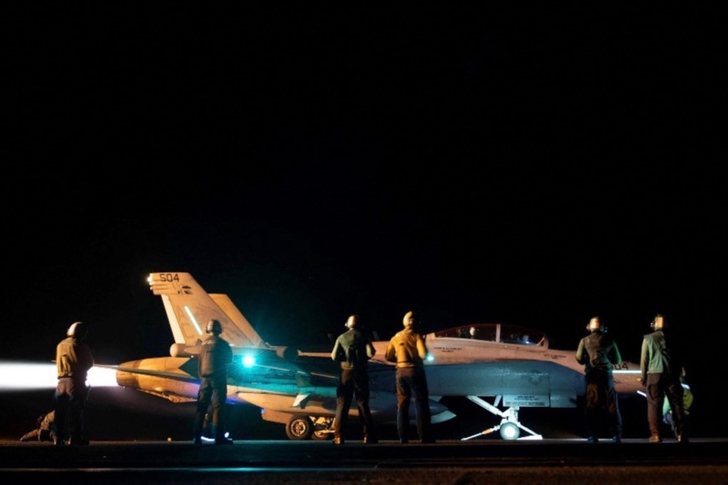
US forces carried out airstrikes against five missiles in ...

Republican lawmakers will propose a $17.6 billion military...
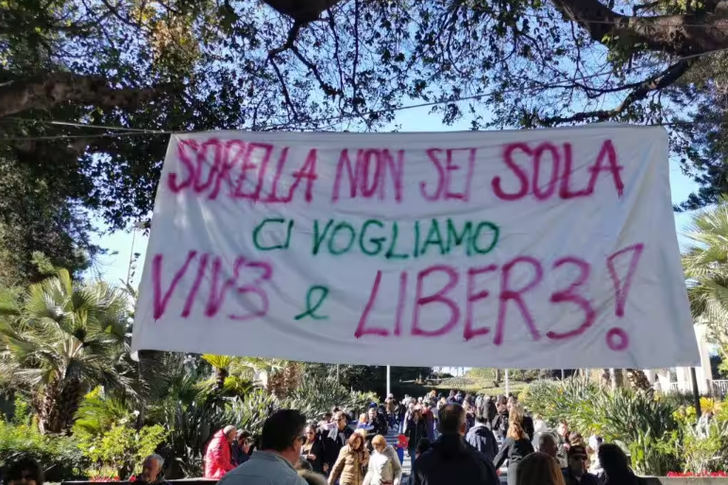
Catania is still in shock after the sexual violence ag...
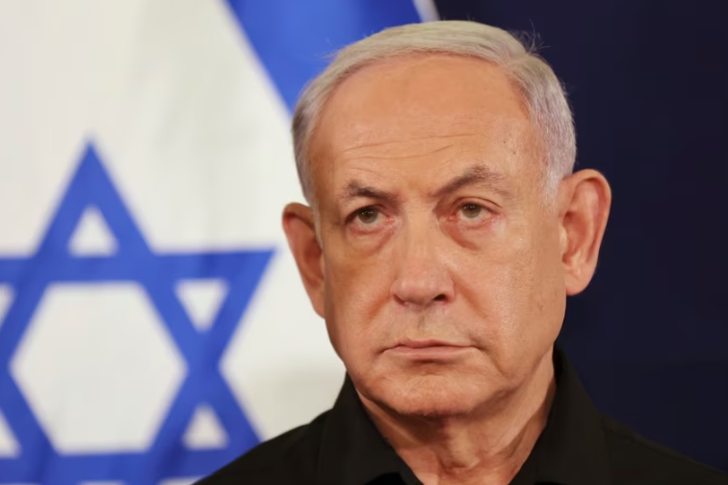
Israeli Prime Minister Benjamin Netanyahu reconfirmed on S...
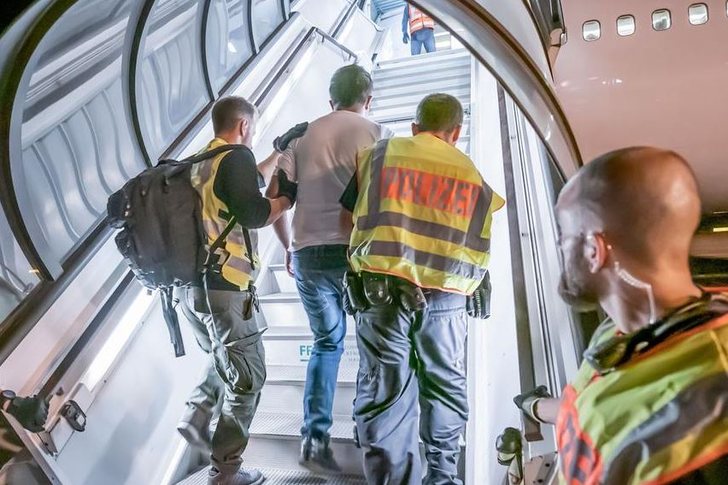
Një sërë masash do të duhet të pengojnë në të ardhmen ...
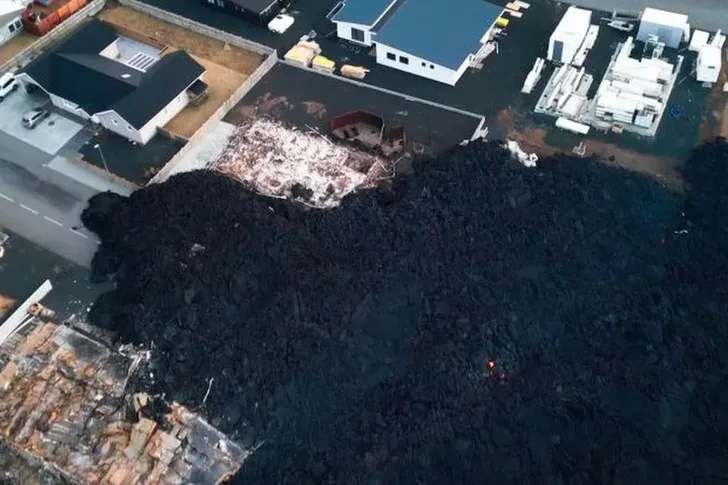
The community of Grindavik has experienced the relentless ...
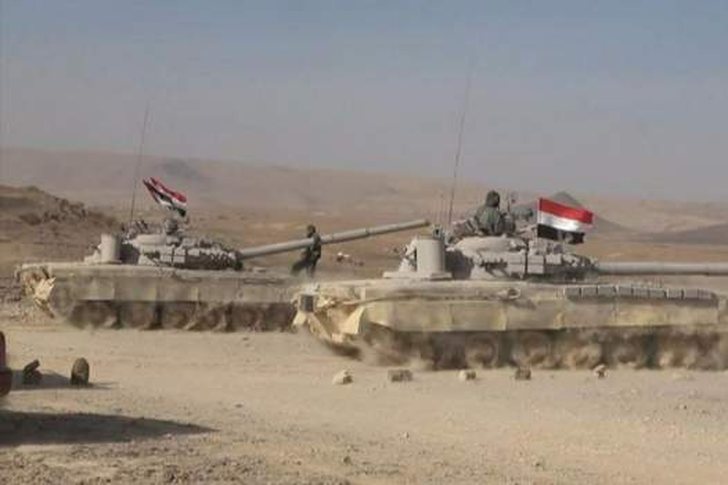
The US and UK have launched joint strikes on 36 Houthi...
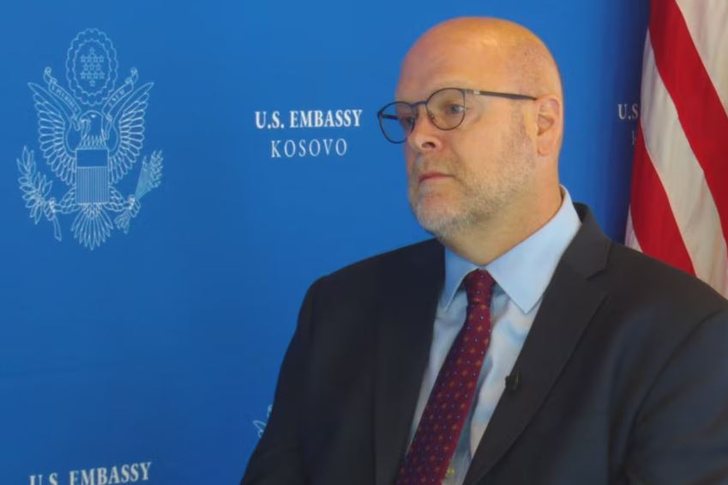
The American ambassador in Pristina, Jeff Hovenier, ac...
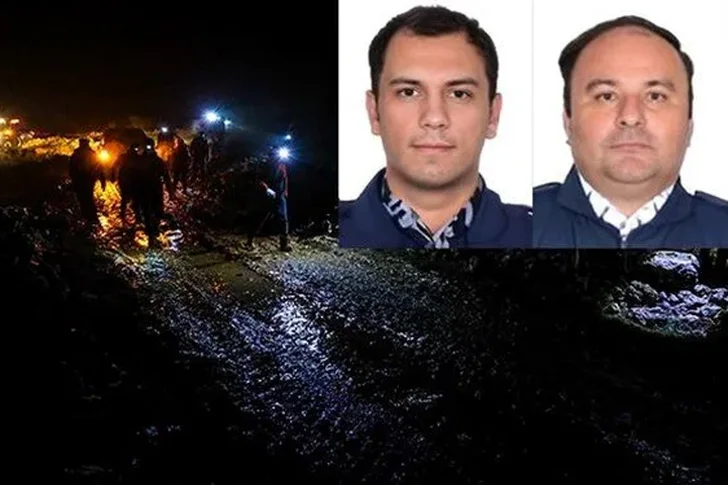
A police helicopter has crashed in Gaziantep, Turkey under...
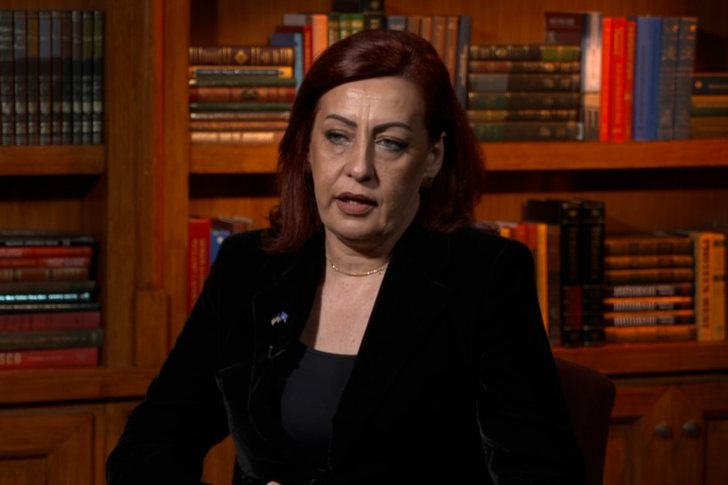
The Deputy Prime Minister of Kosovo, Emilija Rexhepi, call...
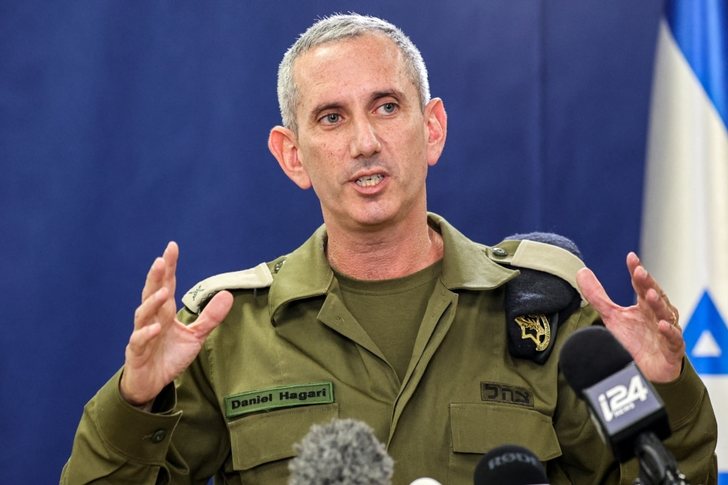
The Israeli military said on Saturday that since the outbr...

CNA has launched another investigation that could lead to ...

Irfan Hysenbelliu is a businessman that we call "Irfan the...

In March 2026, CNA launched another investigation centered...
The arrested mayor of Tirana, Erion Veliaj, with 13 charge...

The Special Board of Appeal (KPA) decided this Monday ...

The KPA vetting decided this Thursday to dismiss the p...

Suela Salavaçi, a prosecutor in the Prosecutor's Offic...

The Special Board of Appeal reinstated the prosecutor ...
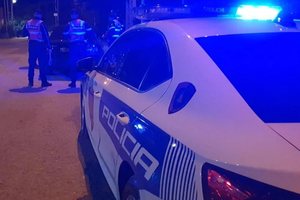
A conflict occurred this Thursday evening in the toy area ...
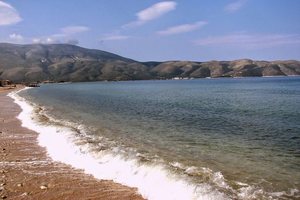
A person has died today on Orikum beach. According to repo...
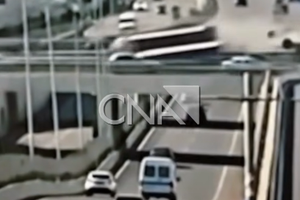
Footage emerges from the serious accident that occurred th...
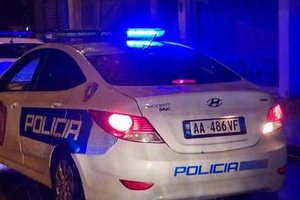
A Shkodra traffic police officer was hit with hard objects...

Children without parental care, for whom alternative famil...

On Thursday, our country will be under the influence of st...
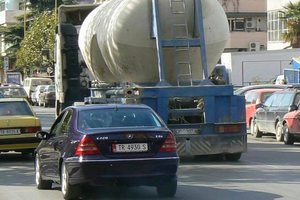
A serious accident that occurred this Wednesday with the c...

The Institute of Geosciences has shared a forecast for wea...
The European Union Office in Kosovo has called on all poli...
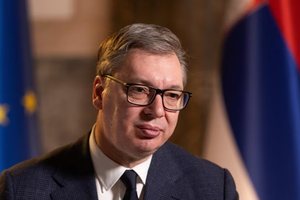
Serbian President Aleksandar Vučić, at a press conference ...

For the first time since the launch of the euro, European ...

Artificial intelligence (AI) models from the American comp...

At a time when industrial products are increasingly taking...

Trust among people is not just a three-syllable word. It c...

Master of humor Todi Llupi has passed away at the age of 7...

The ninth edition of "MIK Festival" kicked off with one of...
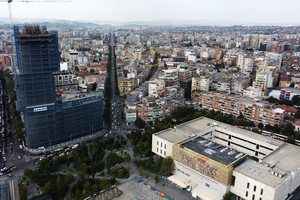
The average sale price of apartments in Tirana reaches rec...

This Thursday, one US dollar is bought for 81.5 lek and so...
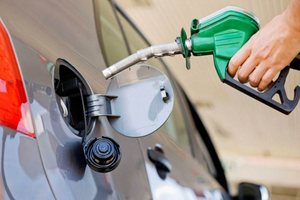
The price of diesel reached 206 lek per liter from 198 lek...

Businesses will no longer be required to simply register t...