


USA, new attacks on the Houthis
US forces carried out airstrikes against five missiles in ...


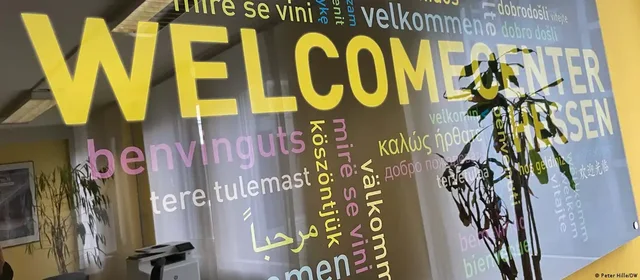
Germany needs foreign workers. The population is aging, Germany's baby boomers are retiring, and there is already a shortage of skilled workers everywhere. Therefore, it is the stated goal of the federal government to make the country as attractive as possible to foreign skilled workers. The Internet portal "Make it in Germany" has existed for ten years and aims to offer those interested assistance in various languages ??on their way to Germany.
The Organization of Industrialized Countries OECD surveyed tens of thousands of skilled workers from non-EU countries over a long period of time through this portal. The aim was to learn more about the motivation, hopes and fears of people considering working in Germany.
"This is a unique global study in which we follow people from the moment they become interested in a country over a period of time," says Thomas Liebig of the OECD. Almost 30,000 people were surveyed in a first round in the summer /autumn 2022. Of these, about six months later, around 10,000 people answered further questions from OECD researchers.Finally, in autumn/winter 2023, a final survey of around 6,000 people was done.
The most important countries of origin of the respondents are Turkey (13 percent), India (ten percent) and Colombia (nine percent). Up to four percent of workers from Egypt, Algeria, Argentina, Mexico, the Philippines and Russia were also surveyed.
Who took part in the survey? "They are mostly men, 75 percent," says study leader Liebig. "They are mostly highly qualified: 75 percent have a university degree, a third of them have a master's or doctorate. Most have families, meaning they have partners and/or children. A high percentage, 60 percent, have at least a basic knowledge of German, and one in three of them even have an advanced knowledge of the language."
"Germany remains an attractive destination for many highly qualified people abroad," the study says. However, many complain about the long waits for visas. In Turkey, one in three respondents (30 percent) rated their experiences with the German immigration system as "fairly bad" or "very bad." In Algeria it was one in five (21 percent).
Friends, family or colleagues were the main drivers of these people's interest in Germany. Most people cited the hope of good jobs and career opportunity as the main reason for considering moving to Germany. Security, good health, democracy and the rule of law, a good education system and opportunities for partners and relatives were mentioned frequently.
In the more than twelve months that passed between the various survey rounds, only a small fraction (five percent) actually managed to come to Germany. They were mostly people who had good networks and knowledge of German. In Germany, almost everyone (93 percent) works full-time. About half work in engineering and information technology (IT), and one in ten work in health and healthcare.
Almost half earn more than 4,000 euros gross per month, 13 percent earn more than 6,000 euros, while ten percent earn less than 2,000 euros gross per month. The majority (59 percent) are generally "quite satisfied" or "very satisfied" with their life in Germany. The quality of life, the German culture and mentality, as well as the welcoming culture in Germany were particularly positively emphasized by the respondents. But many respondents are "dissatisfied" or "fairly dissatisfied" with their contacts with immigration authorities (40 percent) and with their income and financial situation (40 percent).
Many of the respondents were very worried about the possibility of being a victim of discrimination and racism in Germany. While those who came to Germany and work here, they cannot say that there is no racism and discrimination. On the contrary: reality is worse than fear.
"Of those who have come to Germany, more than half say they were discriminated against and that they had problems in the housing market. A very large number, almost 40 percent, also report experiences of discrimination and racism in shops, restaurants and on the road," says Thomas Liebig. "These are shockingly high numbers." According to respondents, only their experiences with the police and in the schools their children attend were better than they had feared.
The authors of the OECD study recommend that the Federal Republic of Germany have better trained staff in visa offices abroad and immigration authorities in Germany. Also, support for learning the German language abroad should be expanded. Something must be done urgently against discrimination and racism, they recommend.
According to the latest OECD migration report, a good half of the foreigners who settle permanently in Germany come from other EU countries. The second largest group (21 percent) are refugees, followed by family members joining their relatives already living in Germany (15 percent). While people who come to Germany from countries outside the EU to work make up the smallest group of immigrants with 14 percent./ DW

US forces carried out airstrikes against five missiles in ...

Republican lawmakers will propose a $17.6 billion military...
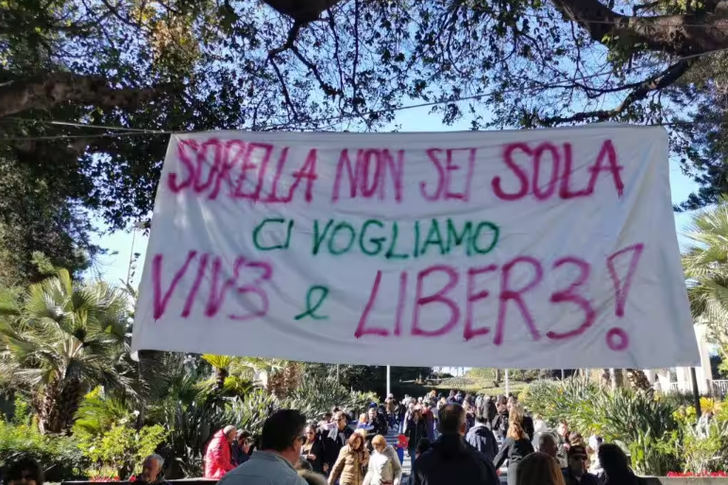
Catania is still in shock after the sexual violence ag...

Israeli Prime Minister Benjamin Netanyahu reconfirmed on S...
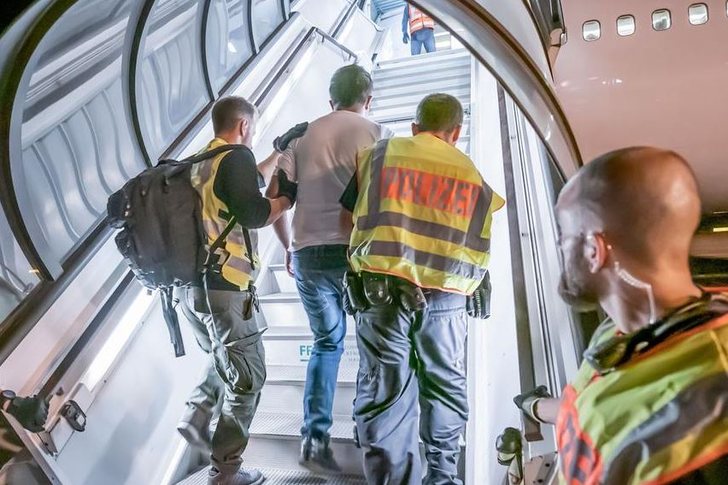
Një sërë masash do të duhet të pengojnë në të ardhmen ...
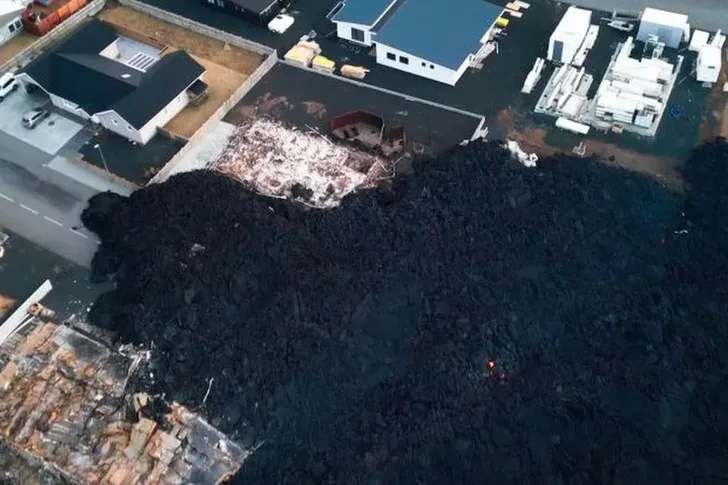
The community of Grindavik has experienced the relentless ...

The US and UK have launched joint strikes on 36 Houthi...
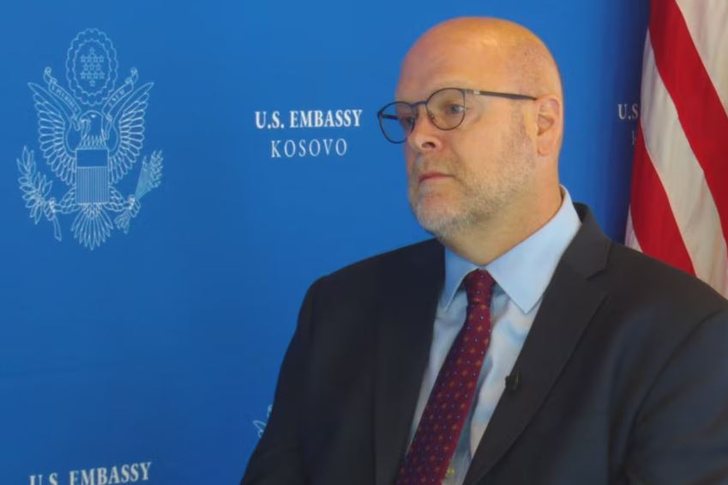
The American ambassador in Pristina, Jeff Hovenier, ac...
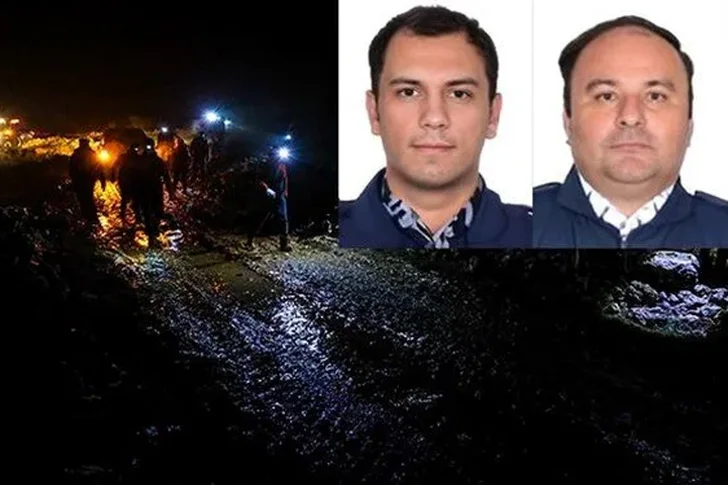
A police helicopter has crashed in Gaziantep, Turkey under...
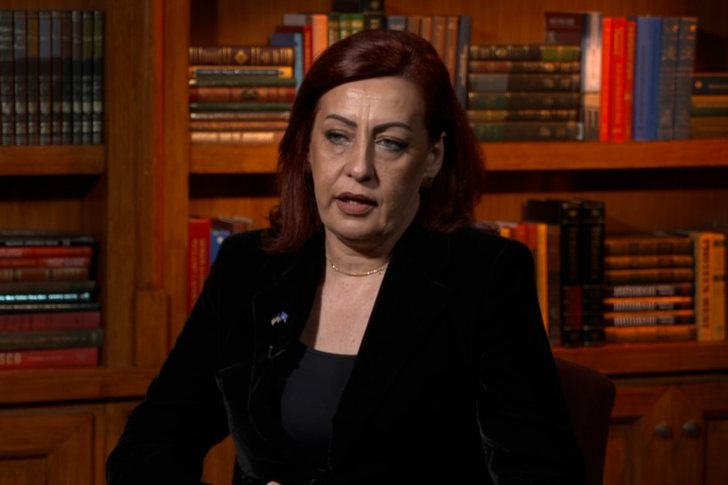
The Deputy Prime Minister of Kosovo, Emilija Rexhepi, call...
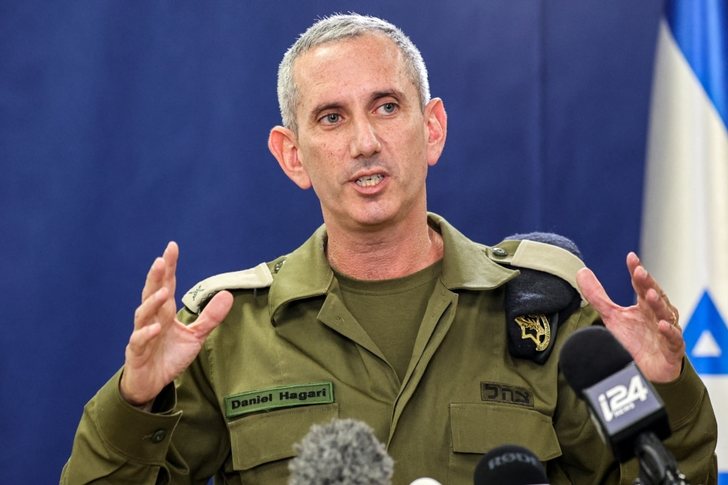
The Israeli military said on Saturday that since the outbr...
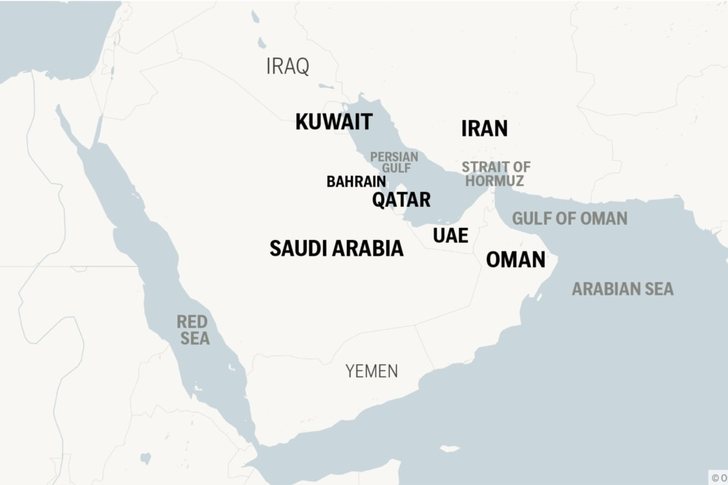
Hussein al-Mosawi, spokesman for Harakat al-Nujaba, one of...
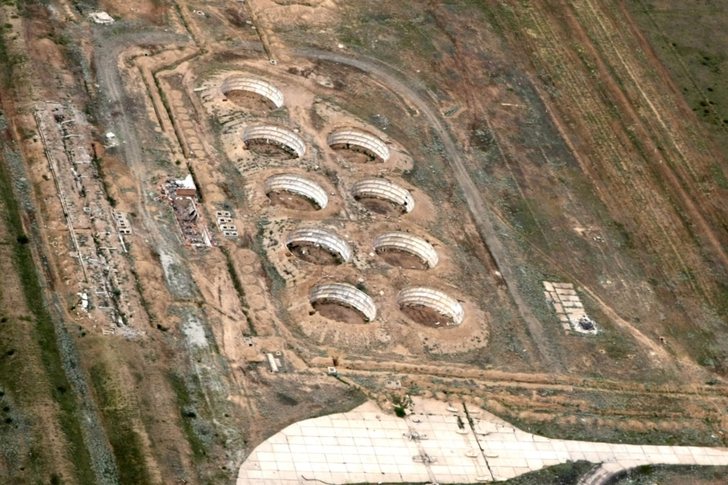
In Kazakhstan, a site where nuclear tests were once conduc...
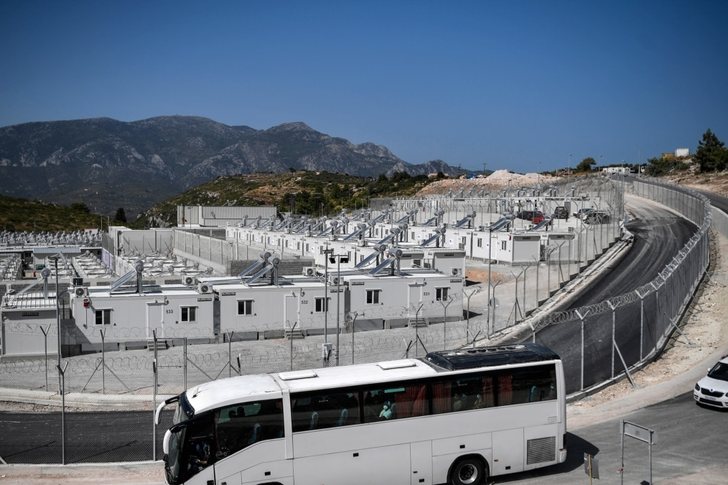
The Greek island of Samos is the scene of a grim reality f...
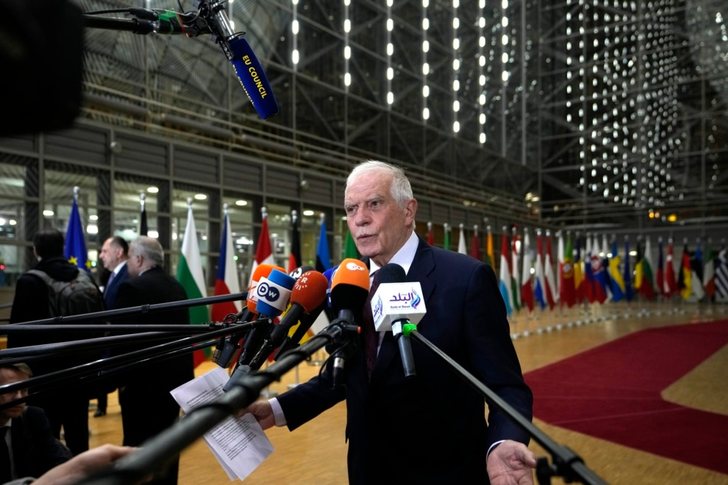
The European Union has expressed concern about reports tha...

The United States launched airstrikes in Iraq and Syria on...
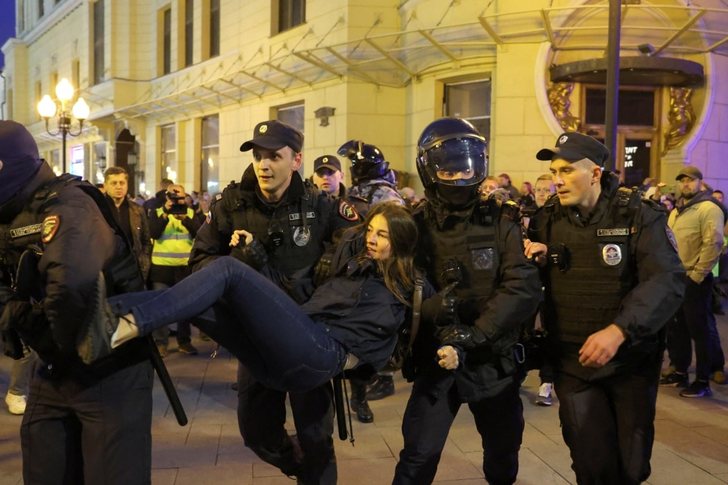
Russian police on Saturday arrested around 30 people in ce...

Several tens of thousands of people responded to the call ...
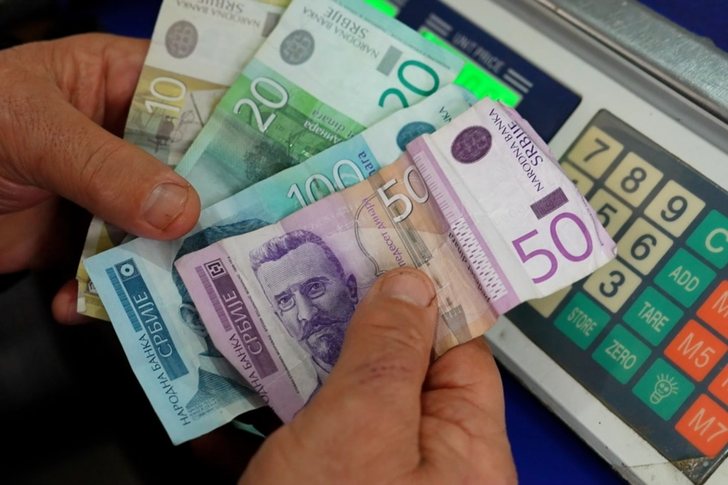
The chairman of Lista Serbe, the largest party of Kosovo S...

Pakistan's former prime minister Imran Khan and his wife B...

CNA has launched another investigation that could lead to ...

Irfan Hysenbelliu is a businessman that we call "Irfan the...

In March 2026, CNA launched another investigation centered...
The arrested mayor of Tirana, Erion Veliaj, with 13 charge...

The Special Board of Appeal (KPA) decided this Monday ...

The KPA vetting decided this Thursday to dismiss the p...

Suela Salavaçi, a prosecutor in the Prosecutor's Offic...

The Special Board of Appeal reinstated the prosecutor ...

A conflict occurred this Thursday evening in the toy area ...

A person has died today on Orikum beach. According to repo...

Footage emerges from the serious accident that occurred th...

A Shkodra traffic police officer was hit with hard objects...

Children without parental care, for whom alternative famil...

On Thursday, our country will be under the influence of st...
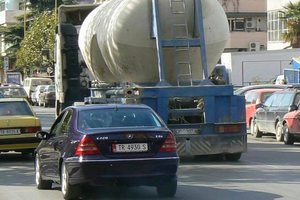
A serious accident that occurred this Wednesday with the c...

The Institute of Geosciences has shared a forecast for wea...

The European Union Office in Kosovo has called on all poli...
Serbian President Aleksandar Vučić, at a press conference ...
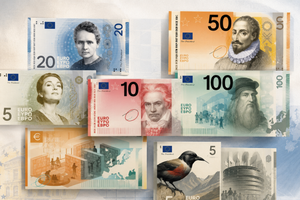
For the first time since the launch of the euro, European ...

Artificial intelligence (AI) models from the American comp...

At a time when industrial products are increasingly taking...

Trust among people is not just a three-syllable word. It c...

Master of humor Todi Llupi has passed away at the age of 7...
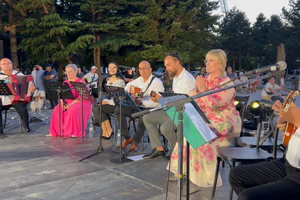
The ninth edition of "MIK Festival" kicked off with one of...

The average sale price of apartments in Tirana reaches rec...

This Thursday, one US dollar is bought for 81.5 lek and so...

The price of diesel reached 206 lek per liter from 198 lek...

Businesses will no longer be required to simply register t...