

Russia, new missile attacks on Kiev and other Ukrainian cities
Russia has carried out a series of missile attacks on Kiev...


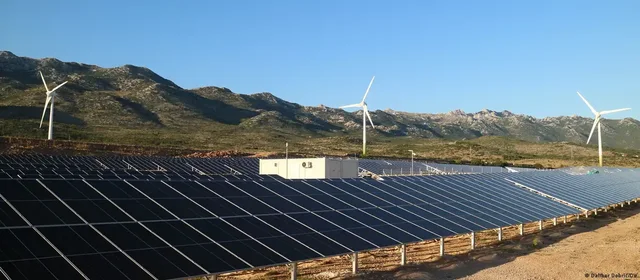
"It's a checkerboard situation," says Goran Cacic when asked about the technical and legal issues that prevent his association, Kooperativa e Energjie e Gelbër, from turning into a community of citizens for energy, with full rights. Cacic wants, in addition to producing energy, as it currently does, his renewable energy collective to be able to provide electricity to others.
"The regulators of the energy system of Croatia say that we must be registered in order to organize the energy communities, but the court does not recognize our activity as an official activity and does not register us," he explains.
But this is not the only obstacle facing the civic energy communities, two years after the approval of the law by the Croatian parliament.
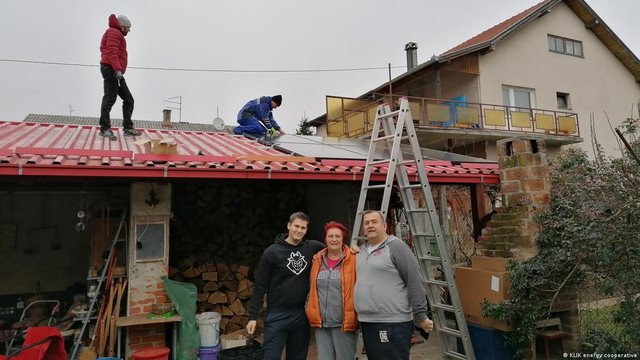
Environmental activist Vjeran Pirsic from the island of Krk, which aims to become the first Croatian island to be autonomous in energy matters, uses the word "sabotage" to describe the situation. He says that the development of renewable energy sources in this country of four million residents, has long been blocked by the powerful coal, gas and nuclear power lobbies.
For individual solar energy producers in Croatia, the situation has improved a lot since 2018. The number of documents required has dropped from 66 to just three, for example, says Pirsic.
In addition, the EU has offered financial incentives and since Russia's war against Ukraine in 2022, the Croatian government has waived taxes on all solar installations.
In fact, energy communities continue to remain an unsolved problem in Croatia. The law on the five models of citizen energy communities in Croatia is a national law, but it contains restrictions that are not part of the directives given by the EU.
For example, the Croatian authorities limit the energy produced by the community energy park to 500 kilowatts, which limits the number of solar panels to 1,000.
In addition, the community must be non-profit and must employ an expert, a difficult requirement to meet in a non-profit citizen project. In fact, citizen energy communities have to meet as many requirements as large wind energy projects worth hundreds of millions of euros, says Cacic.
The EU's 2019 directives on energy communities talk about "decarbonisation, digitalisation, decentralization and democratisation, which pose a major threat to power," says Pirsic, adding that this is where wind power producers come in. "They don't want to lose the control they have over the energy sector."
According to the documentation, Croatia is one of the most ecological countries in the EU. In 2023, renewable energy reached the level of 60 percent of energy produced from different sources in the country. But this record figure has been reached thanks to the hydropower plants built on the rivers of Croatia in the socialist period, and the heavy rains of 2023.
In fact, Croatia, a country with sunshine and 1,750 kilometers of coastline, continues to receive a quarter of its electricity needs from Serbia and Bosnia-Herzegovina, which also produce their energy by burning coal.
Croatia is unlikely to meet its target of a 35 percent reduction in carbon dioxide emissions by 2030 compared to 1990 levels. A recent European Commission assessment of climate protection and energy projects says Croatia has not achieved the goals in creating efficient and renewable energy sources.
Despite the huge potential in solar energy, Croatia is one of seven EU countries where installed solar capacity is below one gigawatt, says solar lobby SolarPower Europe.
The development of renewable energy sources in Croatia is mainly focused on wind power, which covers 13 percent of the country's electricity needs. But even the expansion of wind power in the last eight years has been blocked by inadequate laws and an understaffed administration.
However, some progress has been made on the energy community front. The volunteer firemen's association in Spickovina, a village in northwestern Croatia, plans to build a solar energy park that will function as a true green energy community, according to EU standards.
"The energy system will continue to transform, moving away from the traditional big players who manage large areas and large energy projects," says Slavica Robic of the regional energy agency, REGEA, an agency in northwestern Croatia, which is assisting Spickovina firefighters with assistance .The agency regularly receives calls from interested parties who have heard of Spickovina and want to set up their own power generation system.
But this is exactly what the big players in the energy sector don't want, says Pirsic, who created in 2012 in Krk a non-governmental association that produces and distributes energy.
State power company HEP, which once had a monopoly on power production in Croatia, has failed to understand how small producers can help balance the grid and reduce emergency peak-hour needs, Pirsic says.
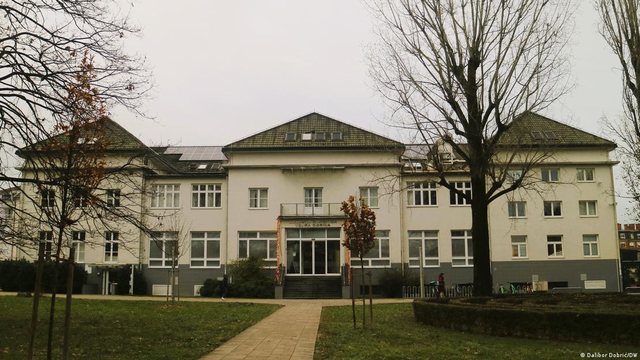
Although HEP is no longer the only player in the field, it remains the largest producer, supplier and network operator in the country.
"Energy communities are not in the interest of energy suppliers," says Sanela Mikulcis Santic, manager of the energy association, KLIK from the small town of Krizevac in northern Croatia. KLIK has helped about 100 citizens install panels on their roofs in recent years. solar energy and has plans to double the installation capacity in 2024.
The Pirsic Association has helped citizens, businessmen and municipalities build more than 200 small solar energy parks.
Associations like this are paving the way for a more democratic future in the energy field, but for now they have not made plans to be registered as civic energy municipalities, because the legislation prevents their creation. What is changing is that more and more Croatians want to produce their own energy and now they have the EU supporting them./ DW

Russia has carried out a series of missile attacks on Kiev...
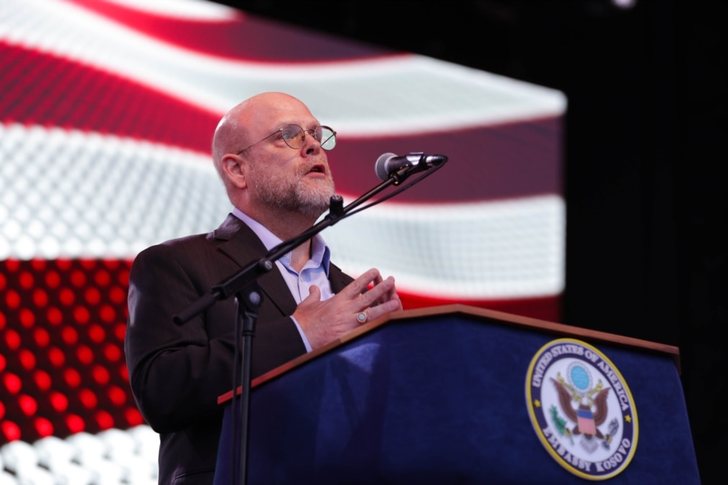
The American ambassador in Pristina, Jeff Hovenier, said t...

The member of the Presidency of the Democratic League of K...

US President Joe Biden has called on Congress to pass ...
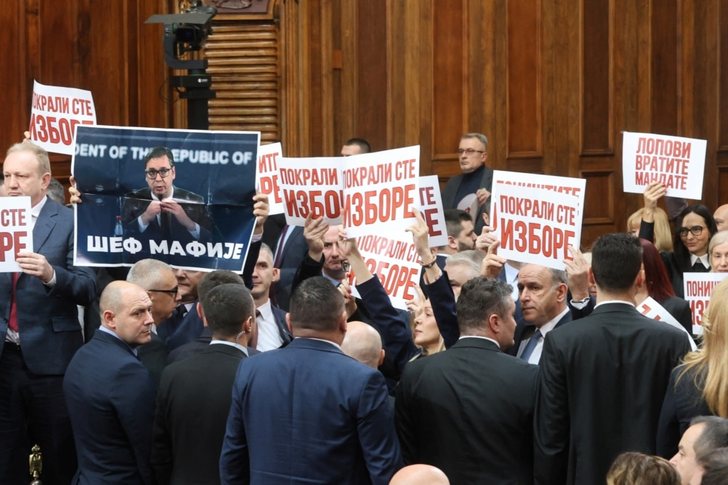
Serbia's parliament convened on Tuesday for its first sess...
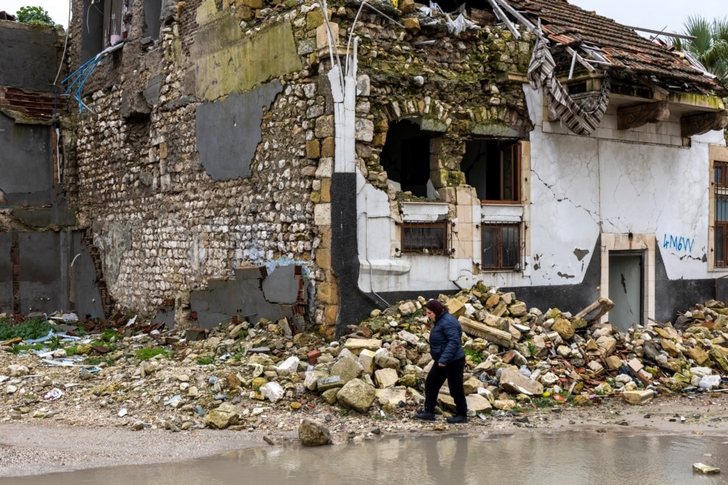
Turkey must quickly build homes for the millions left home...

A federal appeals court has ruled that Mr. Donald Trum...

The European Commission has proposed stricter criminal rul...
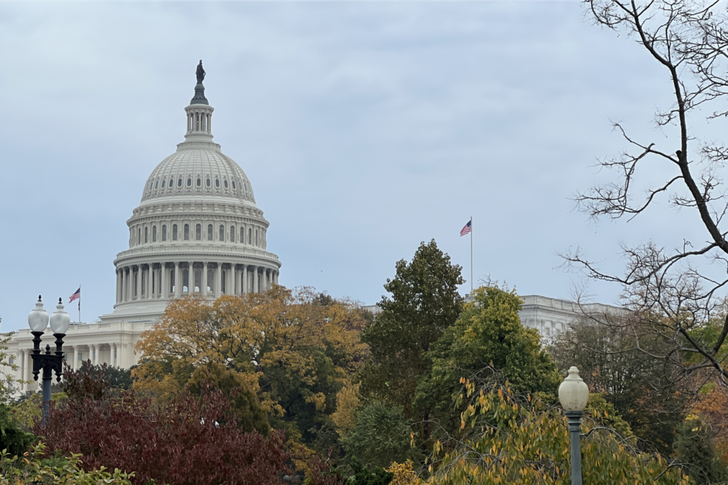
After months of negotiations, US senators will vote this w...
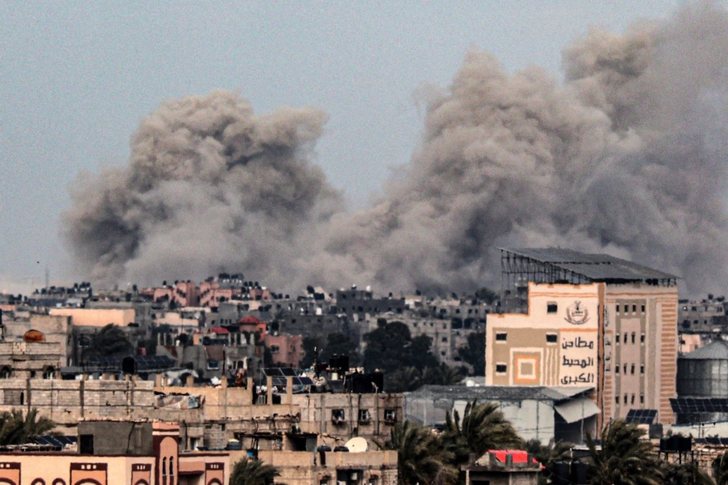
About 8,000 displaced people have been evacuated from the ...
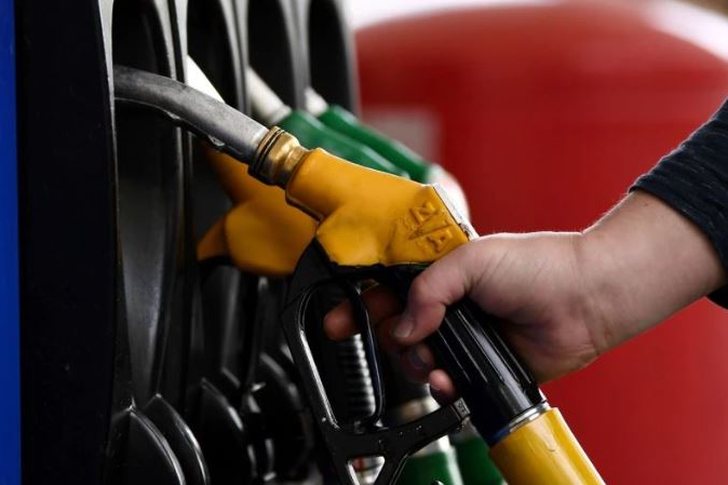
Fuel prices in Kosovo have been increasing recently. Curr...
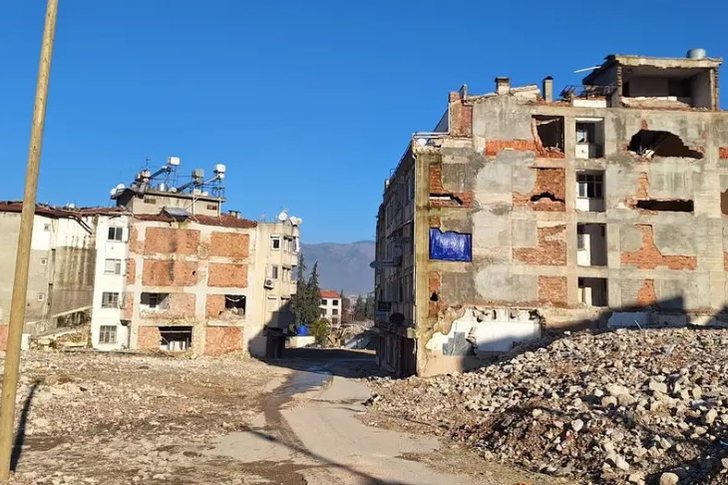
On February 6, 2023, southeast Turkey and northern Syria w...
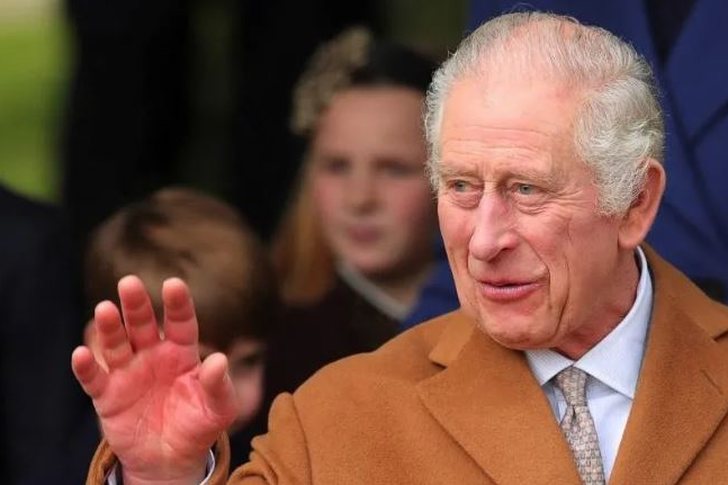
King Charles has been diagnosed with cancer, Buckingha...
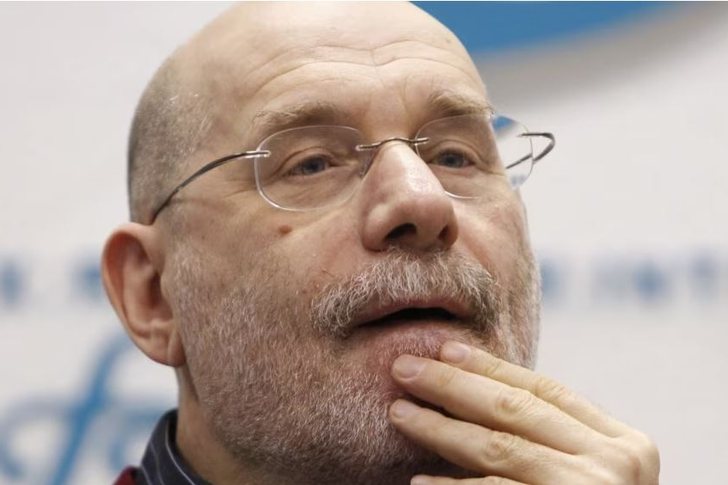
A Moscow court has issued an arrest warrant for prominent ...
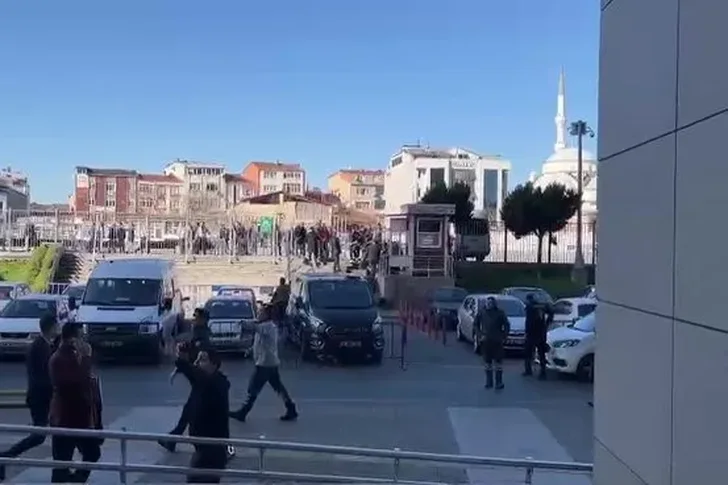
Authorities in Istanbul have prevented a terrorist att...

The European Union clarified today that the reactions over...

US Secretary of State Antony Blinken left for the Middle E...
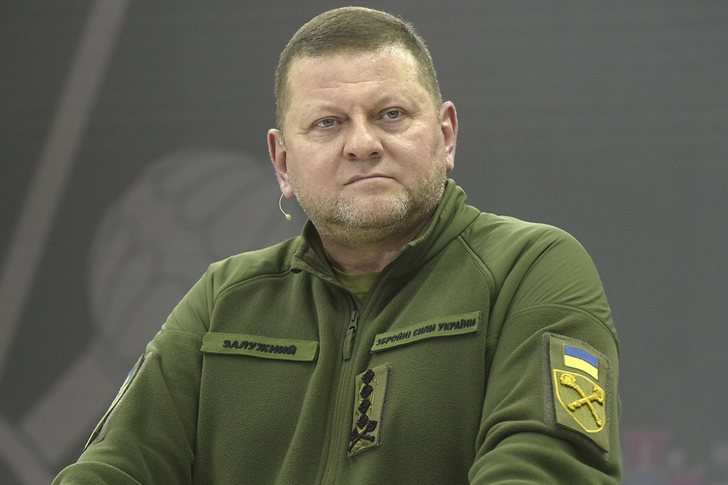
The news took over the media this week: Ukrainian Presiden...

The European Union and the United States of America ha...
The workers' union, Verdi, has called on the ground staff ...

CNA has launched another investigation that could lead to ...

Irfan Hysenbelliu is a businessman that we call "Irfan the...

In March 2026, CNA launched another investigation centered...
The arrested mayor of Tirana, Erion Veliaj, with 13 charge...

The Special Board of Appeal (KPA) decided this Monday ...

The KPA vetting decided this Thursday to dismiss the p...

Suela Salavaçi, a prosecutor in the Prosecutor's Offic...

The Special Board of Appeal reinstated the prosecutor ...
A conflict occurred this Thursday evening in the toy area ...
A person has died today on Orikum beach. According to repo...
Footage emerges from the serious accident that occurred th...
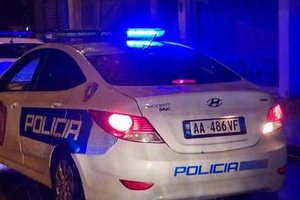
A Shkodra traffic police officer was hit with hard objects...

Children without parental care, for whom alternative famil...
On Thursday, our country will be under the influence of st...
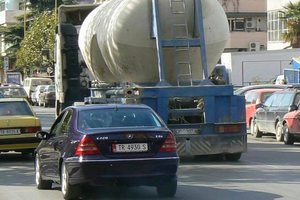
A serious accident that occurred this Wednesday with the c...

The Institute of Geosciences has shared a forecast for wea...
The European Union Office in Kosovo has called on all poli...
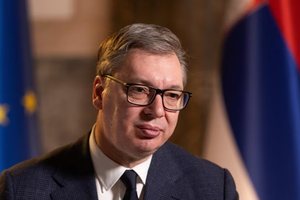
Serbian President Aleksandar Vučić, at a press conference ...
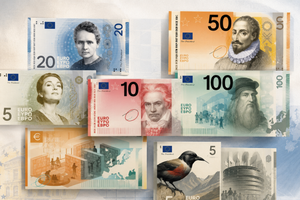
For the first time since the launch of the euro, European ...

Artificial intelligence (AI) models from the American comp...

At a time when industrial products are increasingly taking...

Trust among people is not just a three-syllable word. It c...

Master of humor Todi Llupi has passed away at the age of 7...

The ninth edition of "MIK Festival" kicked off with one of...
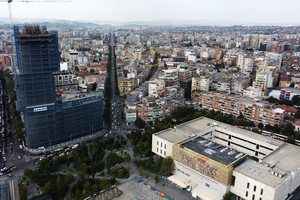
The average sale price of apartments in Tirana reaches rec...
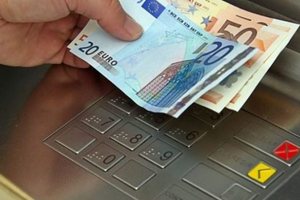
This Thursday, one US dollar is bought for 81.5 lek and so...
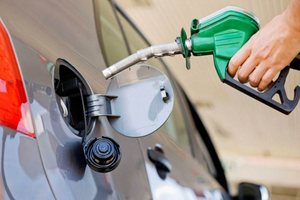
The price of diesel reached 206 lek per liter from 198 lek...

Businesses will no longer be required to simply register t...