

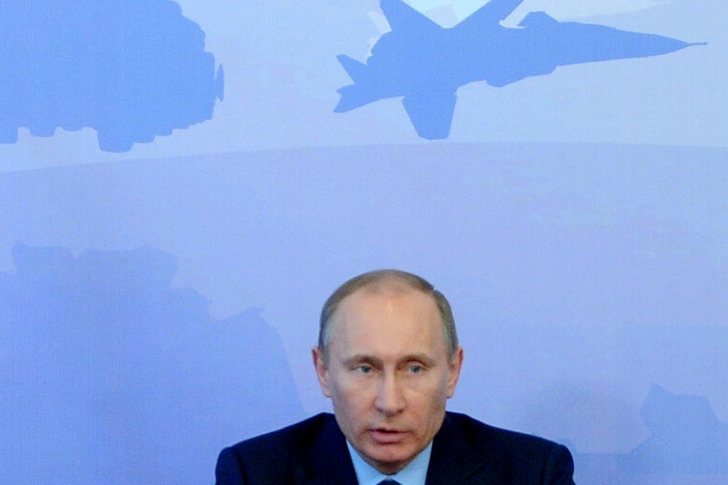
Massive explosion near the Russian city where the factory for the production of rockets is located
A large explosion lit up the sky on the evening of Februar...


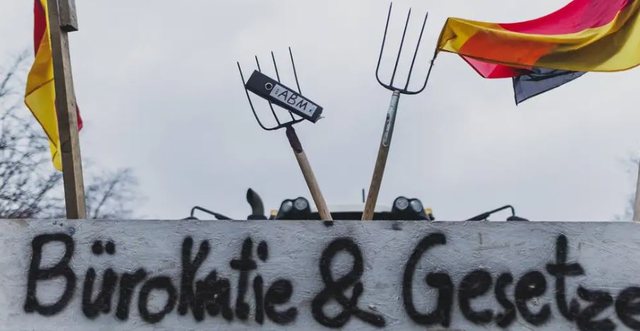
Although the coalition of the three ruling parties in Germany is certainly not an ideal example of unity, the liberal leader and Minister of Finance, Christian Lindner, as well as the Minister of Economy, the environmentalist Robert Habeck have at least one common goal. They think that entrepreneurs in Germany should be relieved of many taxes in order to strengthen the economy. The government is debating the right way to achieve this goal.
Habeck spoke in favor of a special investment fund that would provide tax relief. Finance Minister Lindner is not in favor, arguing that this would mean an increase in debt. Lindner proposed the abolition of the solidarity tax for companies - this tax is paid in the west of the country for the development of the eastern part, the former GDR. Greens leader Ricarda Lang criticized Lindner's proposal, claiming she had not heard how the missing funds would then be compensated.
Two different philosophies
Stefan Kooths of the Institute for the World Economy (IfW) from Kiel believes that these are two completely different philosophies. According to him, Habeck does not care about reducing taxes for companies in total, "but to immediately connect the management of the economy with it". He must formulate exactly which specific investments are subject to tax relief.
And under Lindner's proposal, says Kooths, there is no aim to manage economic flows, but a general reduction in costs for companies. The head of the Institute for Economic Research (ifo) from Munich, Clemens Fuest, says that the German government lacks an economic-political strategy. "There is a big divergence between the Ministry of Economy and the Ministry of Finance and therefore a lot of uncertainty", says Feust.
Economists are divided when it comes to new debt. Karsten Basensky, chief economist of ING Bank, believes that strengthening the economy is not possible without borrowing: "When we have government spending that reaches almost fifty percent of the gross domestic product, then theoretically I have the right to say, that we can catch something here and there." But the political reality is different, so it is easier to get new loans.
Stefan Kooths doesn't think so. He opposes easing the credit economy and warns that there is already a conflict over the distribution of money: "We are entering a phase of demographic change, which unfortunately brings with it the intensification of conflicts over distribution in Germany." Kooths adds that the loans only mean postponement of the conflict for the future.
What does the chancellor think?
German Chancellor Olaf Scholz intervened in the debate between Lindner and Habeck. He noted that a "Growth Opportunity Act" should be drafted, which provides tax incentives for investments and technologies that help protect the climate.
"I hope that even with the consent of the Länder, something will come of this very concrete and practical project, which should facilitate the investment activity of companies", said Scholz. Currently, the law is stuck in the Mediation Commission between the two parliamentary chambers. The Länder criticize the law , because they believe it would charge them most of the costs. That is why it is unclear when the law will be approved. The Mediation Commission will meet again on February 21.
Habeck fears that the countries could reduce the planned economic relief by eight billion euros: "In the end the value will be three billion, so the package is getting smaller, almost homeopathic," warned Economy Minister Habeck, in a presentation on the first German television, ARD.
Germany is weakening internationally
An economic-political storm is brewing in Berlin, which has been caused by inaction elsewhere. In January, according to polls, the mood of businessmen deteriorated again. More and more companies report missing orders in both industry and service activities. The consequences are predictable.
Germany will continue to lag behind international competition. Economists predict higher growth in Spain, Italy or France than in Germany. It seems that the difference compared to the United States of America will be particularly large, because the economy there has recently grown by three percent.
Low taxes are not a magic wand
Economists are unanimous in their assessment that low tax spending alone is not enough to help the economy recover. Kooths notes that the economic attractiveness of a country depends on a number of factors. But he warns that Germany is slowly running out of arguments to convince the world that it is still a good place for businessmen./ DW

A large explosion lit up the sky on the evening of Februar...
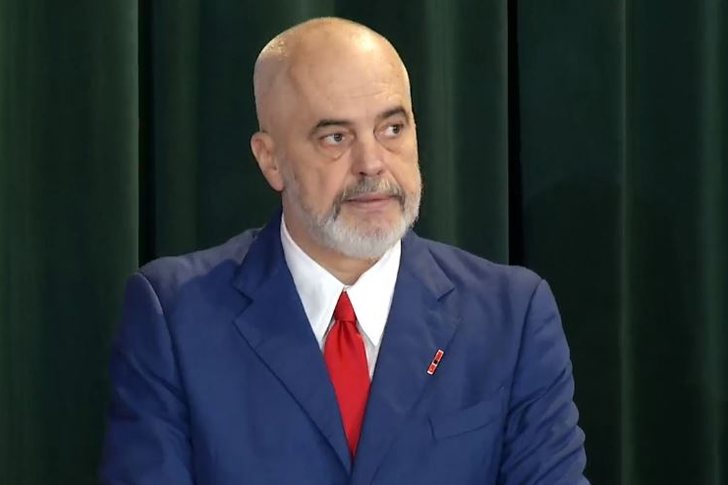
The President of Azerbaijan, Ilham Aliyev, has been re...

Një biznesmen në Greqi është qëlluar me kallashnikov në zo...
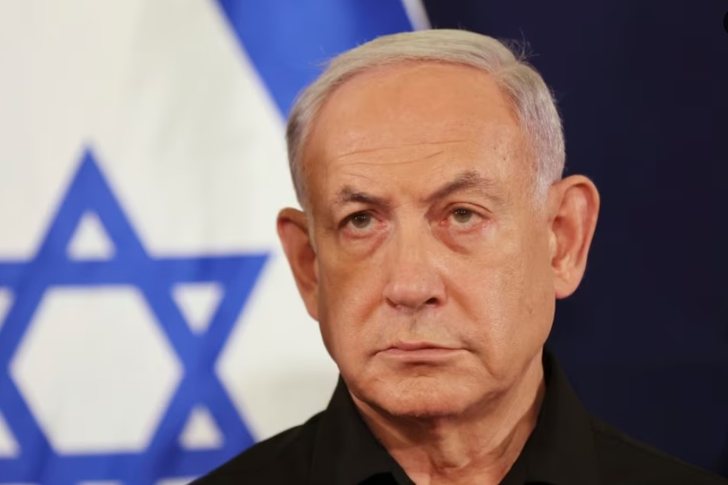
Israeli Prime Minister Benjamin Netanyahu has opposed the ...
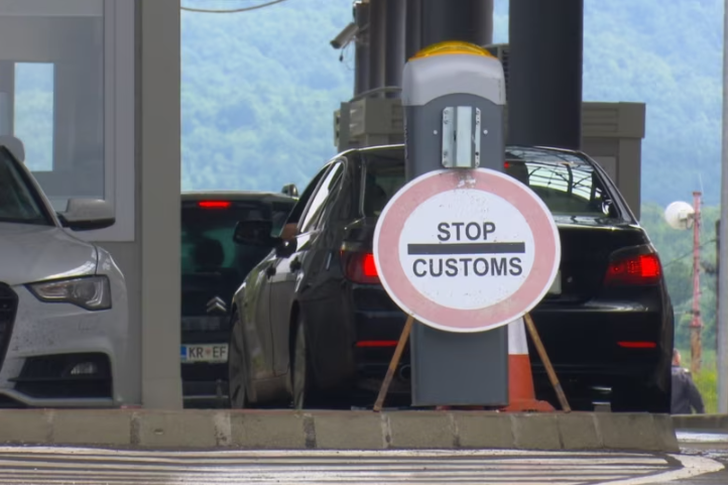
The People's Bank of Serbia announced on Wednesday that th...
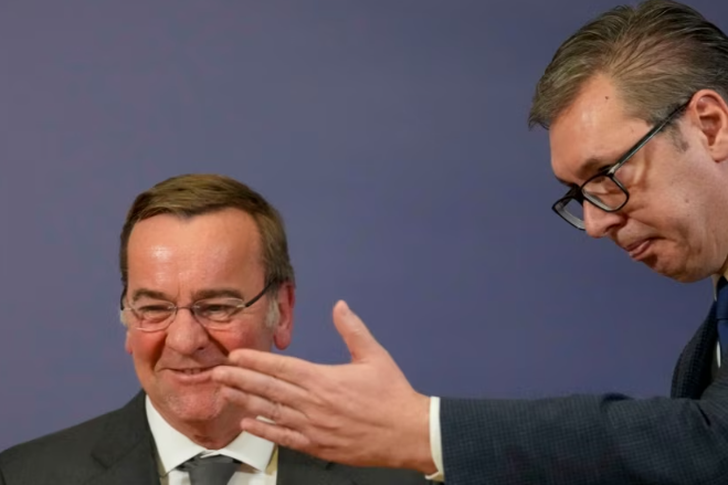
The Minister of Defense of Germany, Boris Pistorius, calle...
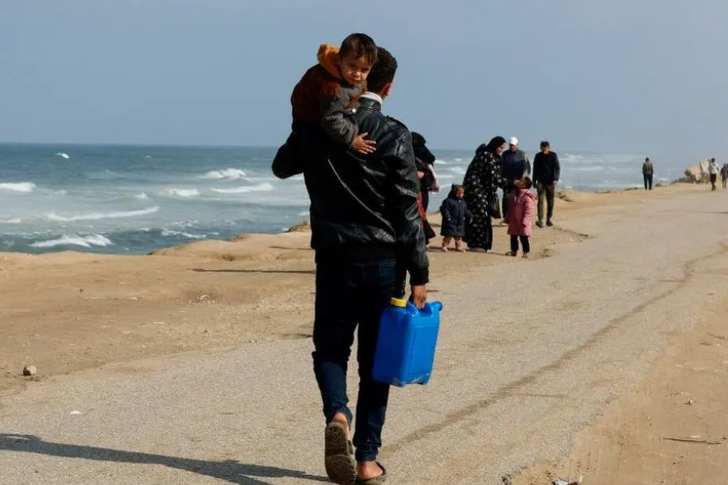
Hamas has put forward a series of demands, including a hos...

A bodybuilder and influencer who was born with one kid...
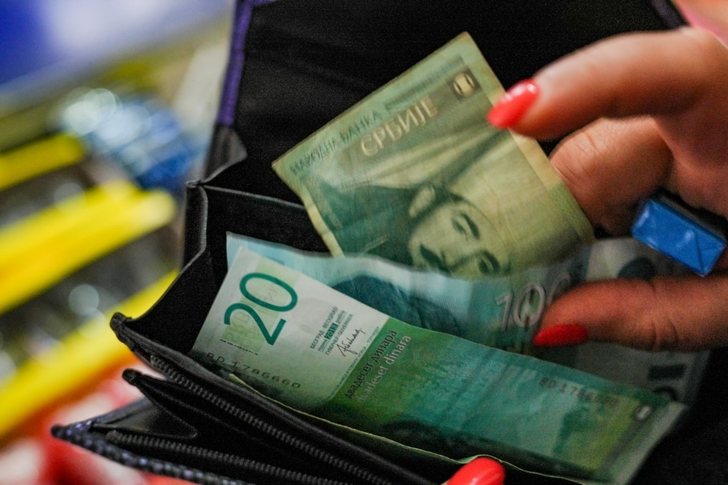
The People's Bank of Serbia said that the authorities in K...
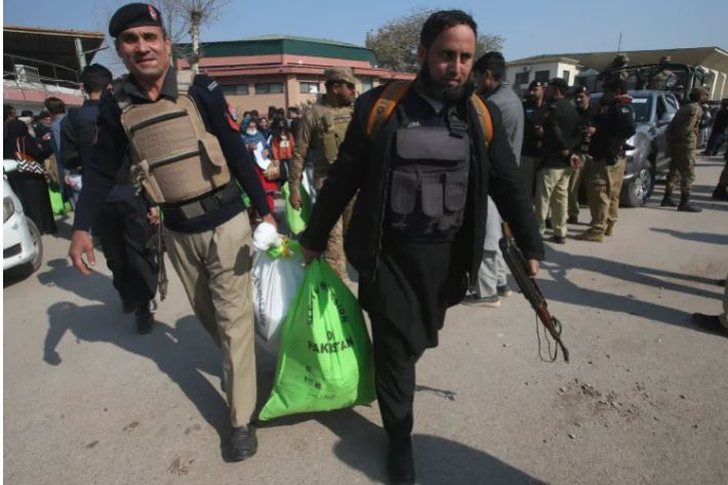
Twin bomb blasts have killed at least 22 people in Pakista...
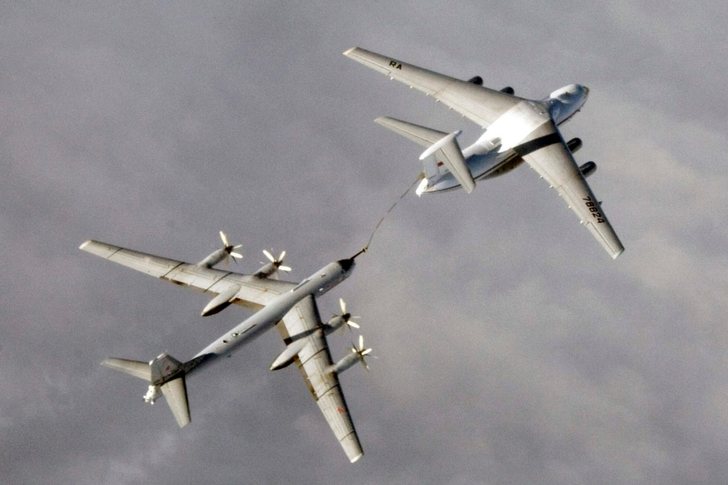
Russia said on Wednesday that two of its Tu-95MC strategic...
Beijing will not allow any Chinese entity or individual to...

Një grup balenash vrasëse kanë ngelur në një zonë me a...
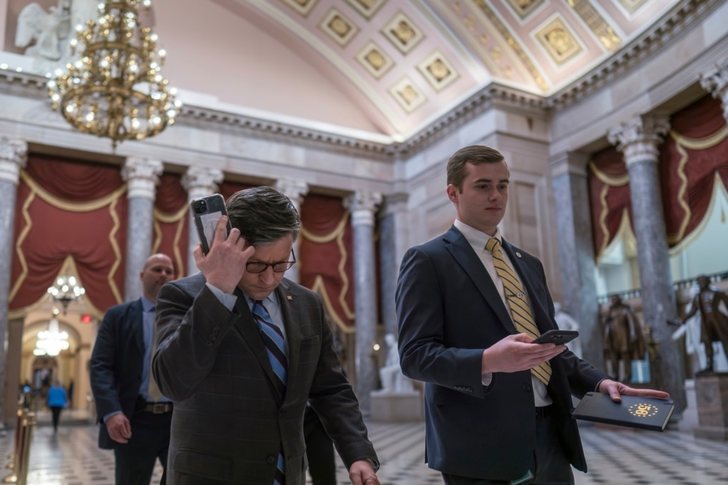
The House of Representatives failed to pass a bill Wednesd...
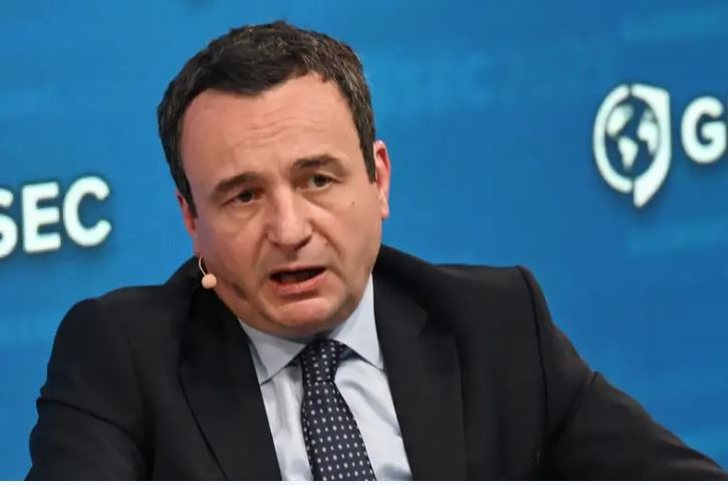
The Prime Minister of Kosovo, Albin Kurti, took into a...
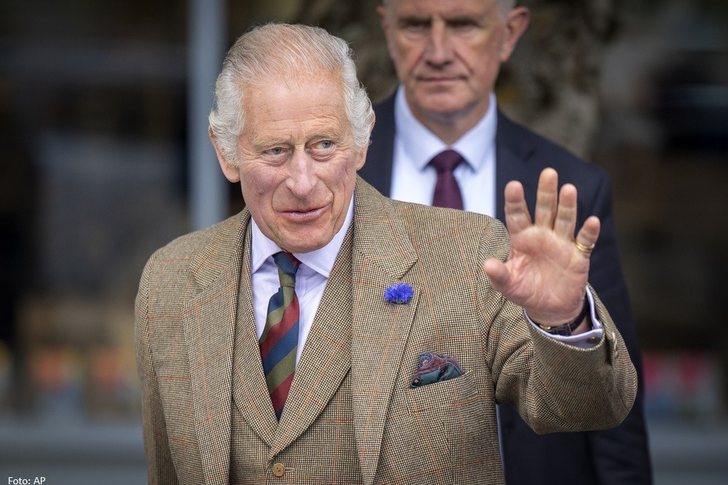
In fact, it was a routine prostate surgery, which often ha...
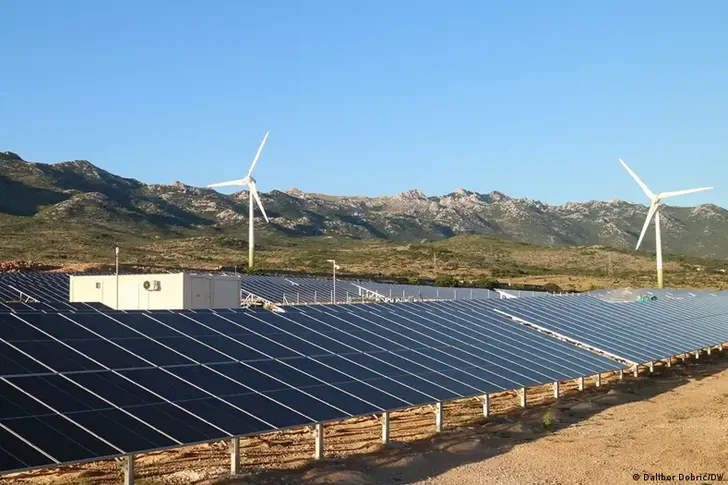
"It's a checkerboard situation," says Goran Cacic when ask...
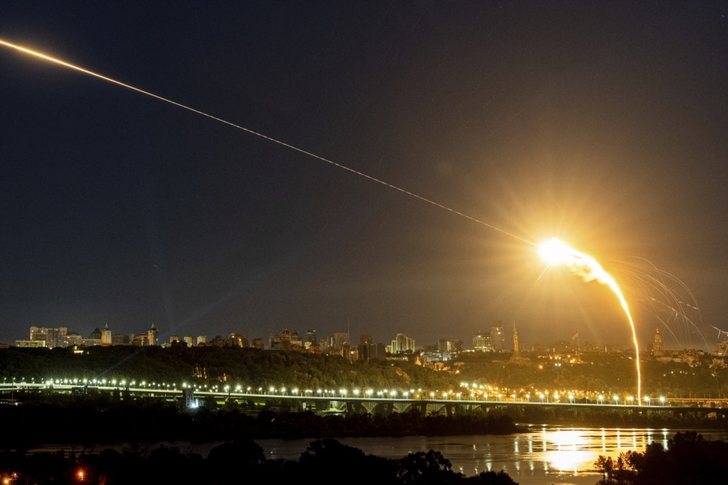
Russia has carried out a series of missile attacks on Kiev...
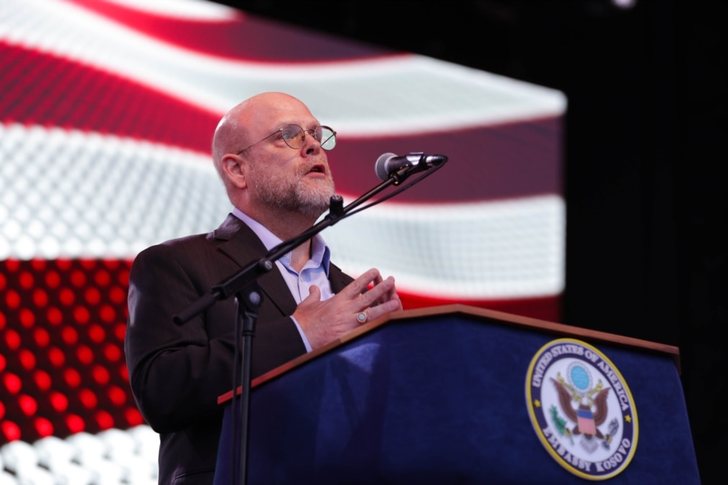
The American ambassador in Pristina, Jeff Hovenier, said t...

The member of the Presidency of the Democratic League of K...

CNA has launched another investigation that could lead to ...

Irfan Hysenbelliu is a businessman that we call "Irfan the...

In March 2026, CNA launched another investigation centered...
The arrested mayor of Tirana, Erion Veliaj, with 13 charge...

The Special Board of Appeal (KPA) decided this Monday ...

The KPA vetting decided this Thursday to dismiss the p...

Suela Salavaçi, a prosecutor in the Prosecutor's Offic...

The Special Board of Appeal reinstated the prosecutor ...

A conflict occurred this Thursday evening in the toy area ...
A person has died today on Orikum beach. According to repo...

Footage emerges from the serious accident that occurred th...

A Shkodra traffic police officer was hit with hard objects...

Children without parental care, for whom alternative famil...

On Thursday, our country will be under the influence of st...
A serious accident that occurred this Wednesday with the c...

The Institute of Geosciences has shared a forecast for wea...
The European Union Office in Kosovo has called on all poli...
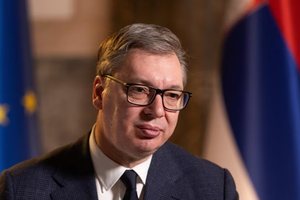
Serbian President Aleksandar Vučić, at a press conference ...
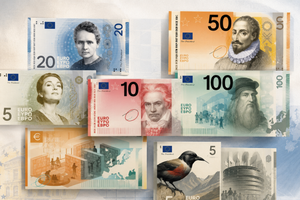
For the first time since the launch of the euro, European ...

Artificial intelligence (AI) models from the American comp...

At a time when industrial products are increasingly taking...

Trust among people is not just a three-syllable word. It c...

Master of humor Todi Llupi has passed away at the age of 7...

The ninth edition of "MIK Festival" kicked off with one of...

The average sale price of apartments in Tirana reaches rec...
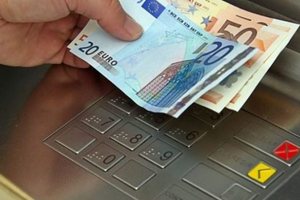
This Thursday, one US dollar is bought for 81.5 lek and so...
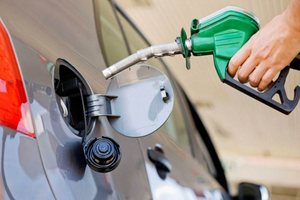
The price of diesel reached 206 lek per liter from 198 lek...
Businesses will no longer be required to simply register t...