

Pension reform plans
The plan to reform Germany's pension system has sparked a ...


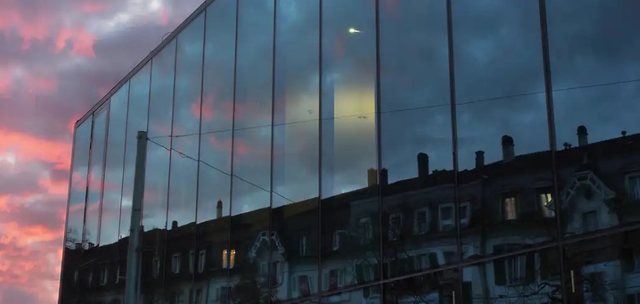
Europe today is religiously diverse. Interfaith dialogue brings people of different faiths together and reduces conflict.
After decades of immigration, Europe has become religiously diverse: in addition to Christians, Jews and Muslims, the continent is now home to Buddhists, Hindus, Baha'is, Sikhs and Yazidis. At the same time, societies have become more secular and traditional church ties have weakened.
This diversity leads to new conflicts: online hate speech, anti-Semitism and anti-Muslim racism have increased, polarization and far-right populism are creating great social tensions. Interreligious dialogue aims to reduce fear, overcome prejudice and contribute to coexistence and respect through encounters. Houses of Religions aim to be spaces for such encounters and, at the same time, symbols of understanding between religions.
Eight religious communities share the central House of Religions in the Swiss capital of Bern: Buddhists, Hindus, Muslims, Christians and Alevis have each designed their own sacred spaces.
The mosque contains carpets and a prayer space, while eight different Christian faiths gather in the church. Hindus have created a colorful temple dedicated to their god Shiva. Jews, Bahá?ís, and Sikhs participate in the House program without having their own dedicated spaces, displaying their ritual objects, such as the Jewish menorah, in glass cases. All services and ceremonies are open to the public.
The intensive learning process
For years before the House opened in 2014, there were fierce debates: Who gets which space? Who sits next to which religious community? How will the shared space be used? All of these questions had to be resolved.
"The planning was an extraordinary learning experience for everyone. Everyone had to make compromises," says Catholic theologian Angela Büchel Sladkovic from the association "Church in the House of Religions - Dialogue of Cultures." Only in this way can dialogue work: "Anyone who wants to engage in interreligious dialogue must also put their own perspectives into perspective."
Around 100,000 visitors, including many school groups, come to the center every year. It is funded by the city of Bern, Christian churches, foundations and private donors. Guided tours of the various sacred spaces introduce visitors to religious diversity. The center's restaurant offers Ayurvedic cuisine certified by a rabbi.
From conflict to dialogue
"Diversity is complicated, but it's also exciting," says Carl Dahlbeck, vicar of the Evangelical Church in Sweden. In Fisksätra, a suburb of Stockholm, conflicts spurred dialogue.
The schools had sought support in resolving disputes between Christian and Muslim students. The city is home to about 8,000 people from 80 countries, about 40 percent of whom are Muslim.
After a plea for help from schools, Protestant Christians and Muslims met for the first time in 2003 on a football field for a prayer service.
"This was the birth of an organized interfaith dialogue," says Dahlbeck. Further meetings followed, and the Catholic parish of St. Conrad in Fisksätra joined in. A Jewish community is not involved because there are hardly any Jews in the parish.
Initially sporadic contacts developed into regular peace prayers, workshops, discussions and cultural evenings. Currently, they meet in the premises of the Protestant church in Fisksätra. However, these premises are only temporary - the Muslims need a mosque. It is planned to be built right next to the Protestant church and connected to it by a common atrium, forming a single interfaith complex. This would be unprecedented: church and mosque together under one roof.
Dialogue needs space and resources
"Dialogue also needs spaces that express the connection between religions," says Carl Dahlbeck. However, the 5.5 million euros for the construction project still need to be raised.
"Only when we meet each other can fears in the face of differences be overcome," says Dahlbeck. "That's how mutual respect can arise."
For Osman Örs, an Imam and theological advisor in Berlin, it is a continuous learning process that requires a lot of patience. "A venture with an open outcome - but no alternative."
More than 6,000 people participated in a program on religious diversity in 2025, half of them students. The "House of One" aims to eventually unite prayer rooms for Christians, Jews and Muslims under one roof.
The events of October 7 have complicated the dialogue
The construction project has been stalled, in part due to rising construction costs. Educational activities are taking place in temporary facilities. After October 7, 2023, dialogue became more difficult, but at the House of One, a Christian-Muslim-Jewish peace prayer was organized every year on the anniversary of the Hamas massacre, where people prayed together for an end to the war and for the innocent victims on all sides.
For Imam Örs, a central task of the House of One is to provide spaces for exchange and encounter, even in a heated atmosphere. He considers dialogue successful "when I meet the other person with deep respect, without diluting my identity."
Entrenched positions are collapsing
At the House of Religions in Hanover, religious studies researcher Sören Rekel-Bludau has witnessed how entrenched positions between Yazidis and Muslims are crumbling. When Yazidi students show their Muslim classmates the space where their faith is presented during one of the center's roughly 200 visits each year, "there are very emotional elements," says Rekel-Bludau. Speaking openly about their faith is a completely new experience for many Yazidis.
The relationship between Yazidis and Muslims is strained because Muslims have consistently discriminated against and persecuted Yazidis throughout history - culminating in the genocide committed by the self-proclaimed "Islamic State" in northern Iraq in 2014.
Around 200,000 Yazidis have lived in Germany since then. "You can feel something opening up among the students," says Eva Haller. She explains that they don't talk about religion, "but rather talk to each other about our experiences."
"Dialogue is not just something nice to have"
"When you know and appreciate each other personally, it transcends social conflicts," says Haller, President of the Janusz Korczak European Academy, a Jewish educational institution founded in Munich in 2009 that aims to strengthen the Jewish community and reduce prejudice through the spread of knowledge.
"When you know and appreciate each other personally, it transcends even social conflicts," says Haller, President of the Janusz Korczak European Academy, a Jewish educational institution founded in Munich in 2009 that seeks to strengthen the Jewish community and reduce prejudice through the spread of knowledge.
Haller is supporting a House of Cultures and Religions in the Bavarian capital and has been searching for suitable premises for years, working with Christians and Muslims of different faiths, as well as Bahá?ís and Buddhists, to realize the project.
"We need to promote awareness of mutual respect and our shared democratic values. Dialogue is the only way forward, even beyond all differences of opinion," says Haller.
For Martin Rötting, Professor of Religious Studies at the Paris Lodron University of Salzburg, "interreligious dialogue is not just something nice to have. It is a social necessity."
And if religions manage to raise their voices together for reconciliation, "then they will also be heard by the predominantly secular majority society."/ DW

The plan to reform Germany's pension system has sparked a ...
Germany is expected to spend hundreds of billions of euros...

Gold is heading for a fourth straight month of declines, d...
A senior World Health Organization (WHO) official has warn...
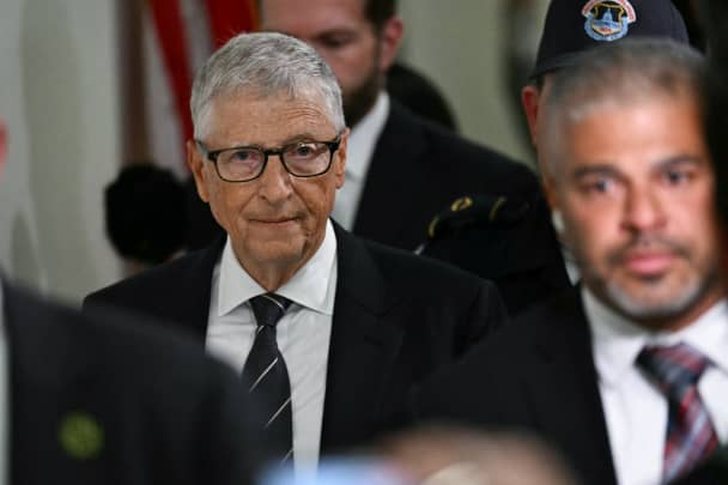
Details have been released from the testimony that Microso...
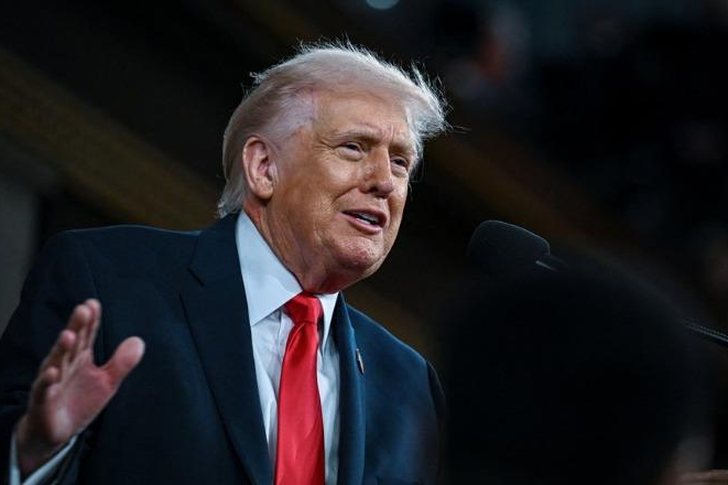
The US Senate, controlled by Republicans, has approved by ...
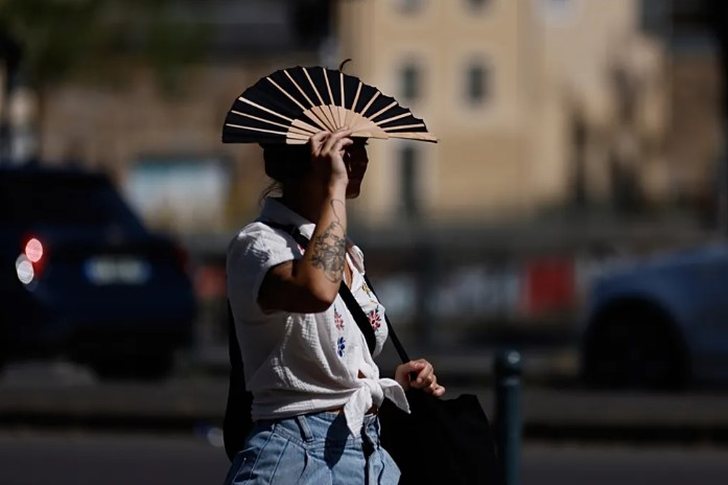
Western Europe is facing a severe heat wave, with temperat...
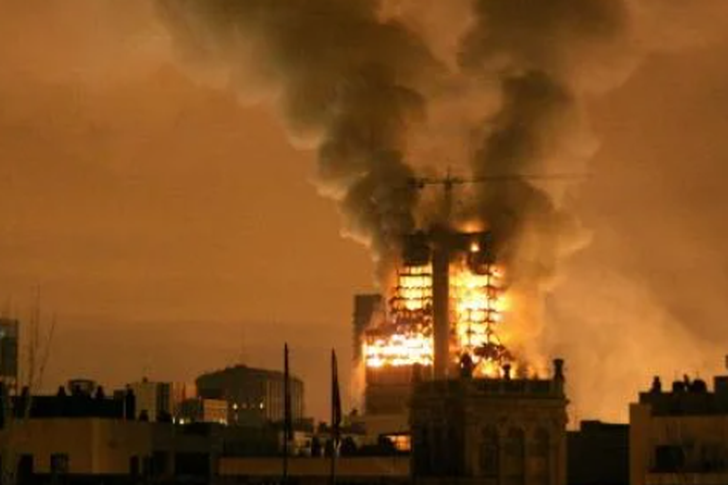
A fire has broken out in a business district in Madrid, ho...
Since the release of a memorandum of understanding last we...
US Secretary of State Marco Rubio assured today that Iran ...

US President Donald Trump will present the trophy to the w...
Germany will gradually raise the retirement age to around ...
Today marks 10 years since the referendum in which the Bri...
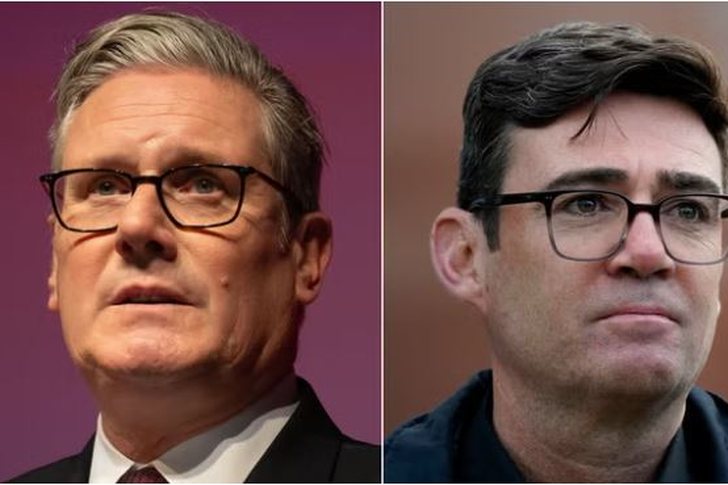
Andy Burnham has had a secret meeting with Keir Starmer to...
At least 172 ships have passed through the Strait of Hormu...
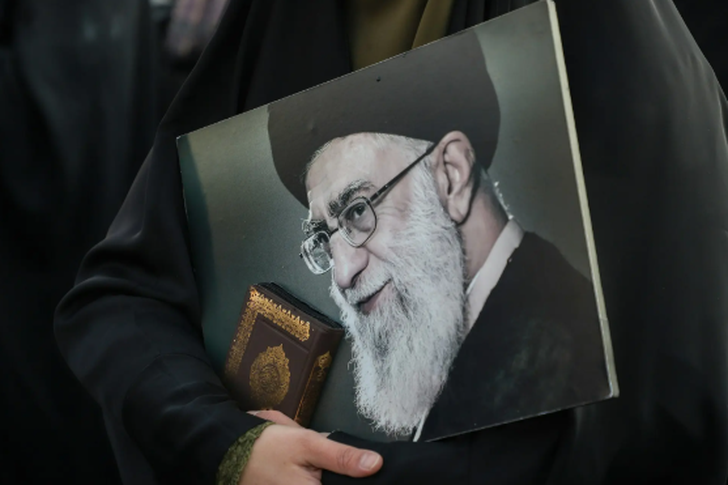
Iran has declared three days of official holidays in the c...
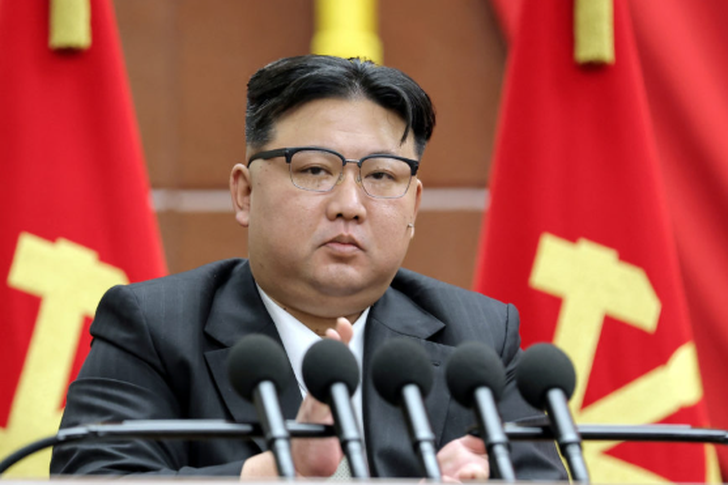
North Korean leader Kim Jong Un has said the country will ...
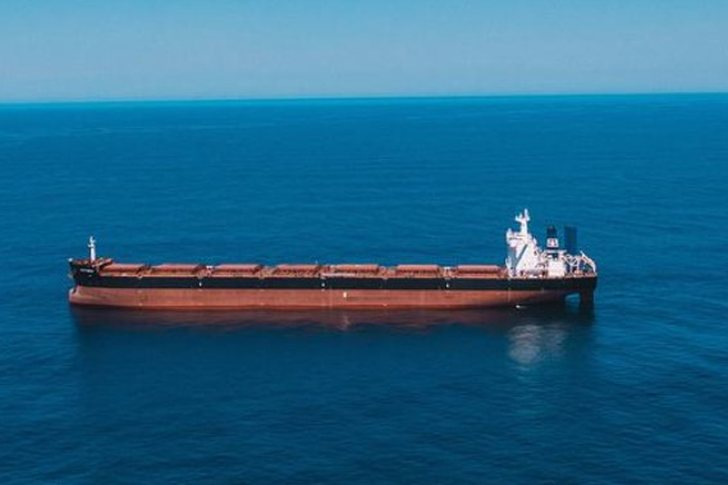
Iran and Oman have issued a joint statement on the Strait ...
Kryeministrja italiane, Giorgia Meloni, po shqyrton mundës...
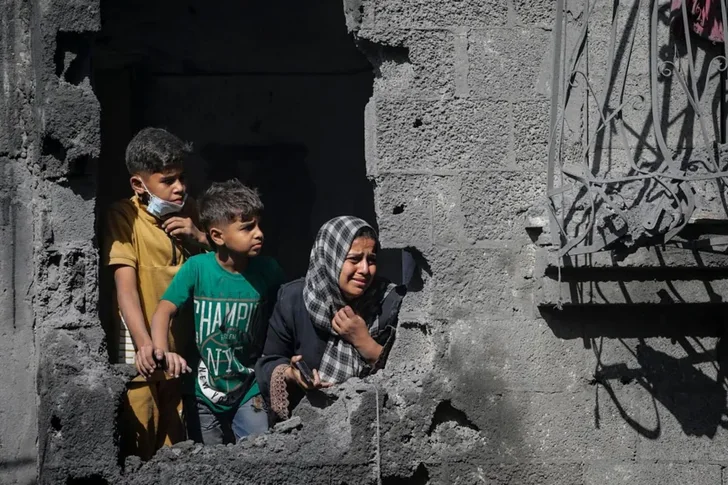
A UN investigative commission says Israel has deliberately...
A complaint to CNA also led to the publication of several ...
A mountain of documents for a flagrant case, in the na...
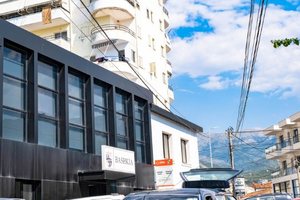
The Democratic Party has denounced a tender held by the Hi...
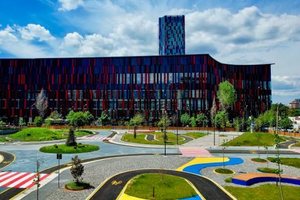
Since the summer of 2020, the Mayor of Tirana, Erion Velia...

The Special Board of Appeal (KPA) decided this Monday ...

The KPA vetting decided this Thursday to dismiss the p...

Suela Salavaçi, a prosecutor in the Prosecutor's Offic...

The Special Board of Appeal reinstated the prosecutor ...
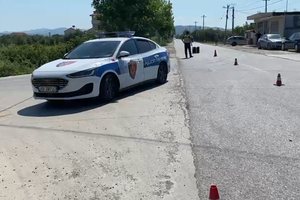
A serious road accident occurred in the early hours of the...

It is reported that an accident occurred this evening in V...
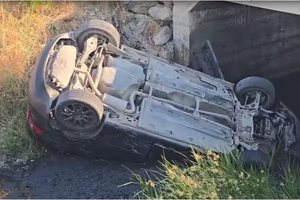
A road accident occurred this afternoon in the former Këne...

A Border Police operation came to the aid of a citizen who...
Today, our country will be affected by almost the same met...

Turkish police said on Tuesday they had arrested more than...

Today, our country will be affected by relatively stable w...
Albania is facing significant challenges in human capital ...
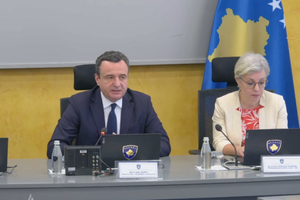
Kosovo's acting Prime Minister, Albin Kurti, stated at the...

European Union citizens are increasingly supporting the id...

Germany is planning to cancel the construction of six F126...
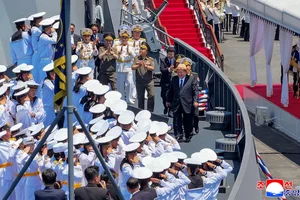
North Korean leader Kim Jong Un has stated that the countr...
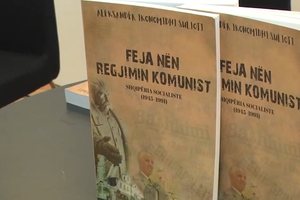
The promotion of the book by author Aleksandër Ikonomidhi ...
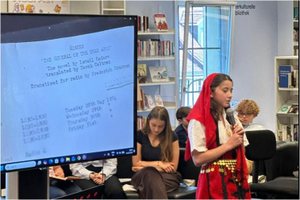
The Albanian Embassy in Switzerland has organized an eveni...
This Wednesday, the prominent actor of Albanian cinema, Gj...
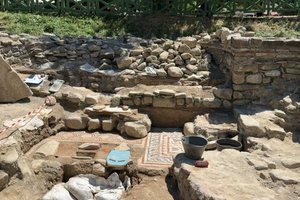
Several archaeological excavations conducted during this s...

The average salary in the country in 2025 reached 84 thous...

Although the economy grew by 3.89% in 2025, according to p...

With the implementation of the new reform for real estate ...

This Wednesday, one US dollar is bought for 82 lek and sol...