


Germany/Warning of price increases for weapons
Germany is expected to spend hundreds of billions of euros...


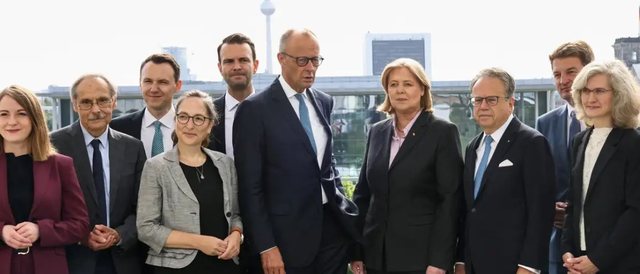
The plan to reform Germany's pension system has sparked a lot of reactions. Center-right politicians call it a good compromise, while opposition parties are unhappy.
The 30 proposals for pension reform in Germany, presented by a special commission of experts and politicians, were met with praise from conservative groups and opposition from the opposition and unions.
Even before the 13-member commission's detailed report is officially published, the main proposals, which were first reported in German media this weekend, have sparked widespread reactions. Government sources in Berlin say the government is expected to approve a plan based on these reforms soon.
Speaking to the public at a federal government open day event in Berlin, Chancellor Friedrich Merz stressed that the reform is the only way to ensure that Germany's expensive pension system remains affordable in the future.
Federal Labor Minister Bärbel Bas of the Social Democratic Party (SPD) also defended the need for reforms. “We are now introducing measures for the younger generation to have higher pensions,” she said. “And we must ensure that fewer people retire early.”
Main proposals for pension reform
The proposals, which were presented earlier than originally planned, partly due to pressure on the government, contain a mix of compromises and some long-awaited ideas.
The legal retirement age is related to life expectancy.
The legal retirement age in Germany will be linked to life expectancy, which according to the commission's calculations means that in 2041 it will reach 67.5 years, in 2051 it will be 68 years and by 2091 even 70 years.
This has drawn criticism from left-wing parties. Philipp Türmer, head of Juso, the youth organisation of the Social Democratic Party (SPD), told German radio station DLF that it would be fairer to link the retirement age to the number of years of contributions to the system.
Jan Scharpenberg, a pension expert at financial advisory company Finanztip, said the idea makes sense, although given current life expectancy projections, it wouldn't make much of a difference in the short term.
No early retirement at age 63
The proposal would remove the option to retire at 63 without losing benefits, even if someone has contributed to the pension fund for 45 years. The idea has been particularly criticized by unions, who say workers in the industrial sector are more affected by physical and psychological stress. Christiane Benner, head of the IG Metall union, told DLF radio that the proposal “completely ignores” the living and working conditions of workers in the industrial sectors.
Scharpenberg said it could be a “bitter blow” for some. “It may be necessary, but it is definitely a harsh measure,” he said. Another change will be an increase in the reduction in benefits for those who retire early.
The change is expected to affect many workers in Germany: a recent survey by the Forsa institute for the public health insurance institution DAK showed that 44% of Germans would like to retire early, and the longer people work, the more likely they are to take sick leave.
More contributors, fewer civil servants
Another part of the plan aims to reform the system by limiting the number of people who become civil servants, since in Germany they contribute to a separate state pension scheme. Labor Minister Bas has called for this system to be abolished completely, and civil servants to be forced to pay into the same system as everyone else.
As a compromise, the commission proposed that the level of civil servant pensions be brought into line with the general pension system. Public broadcaster ZDF also reported that the commission wants to reduce the number of people who can become civil servants, as in some German states teachers can also have this status./ DW

Germany is expected to spend hundreds of billions of euros...

Gold is heading for a fourth straight month of declines, d...

A senior World Health Organization (WHO) official has warn...

Details have been released from the testimony that Microso...
The US Senate, controlled by Republicans, has approved by ...

Western Europe is facing a severe heat wave, with temperat...

A fire has broken out in a business district in Madrid, ho...

Since the release of a memorandum of understanding last we...
US Secretary of State Marco Rubio assured today that Iran ...

US President Donald Trump will present the trophy to the w...
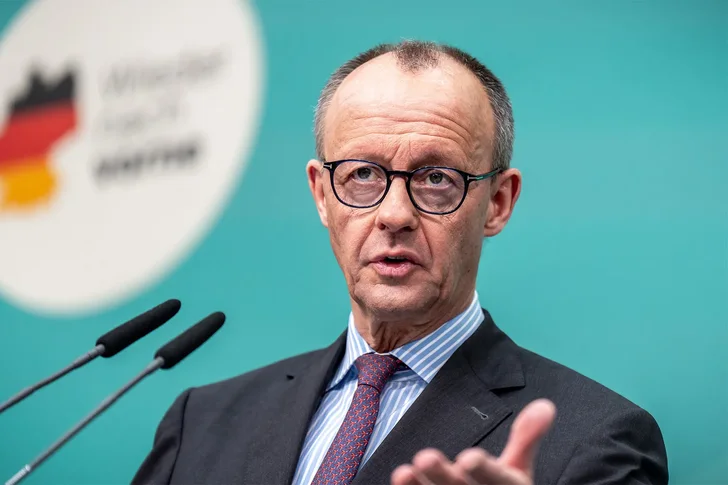
Germany will gradually raise the retirement age to around ...
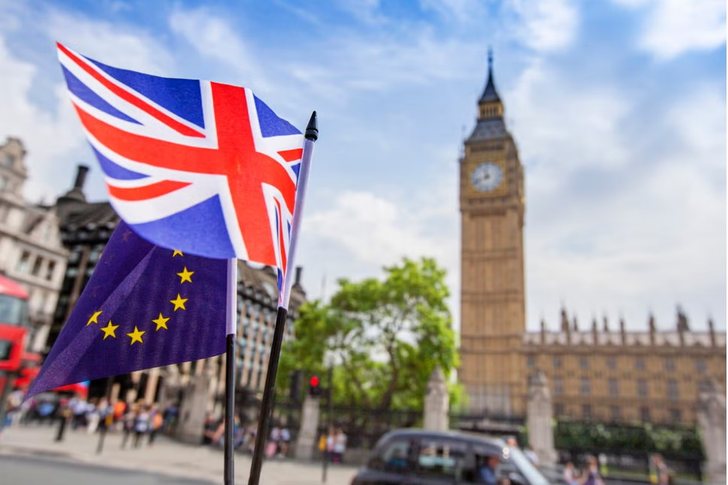
Today marks 10 years since the referendum in which the Bri...

Andy Burnham has had a secret meeting with Keir Starmer to...

At least 172 ships have passed through the Strait of Hormu...

Iran has declared three days of official holidays in the c...
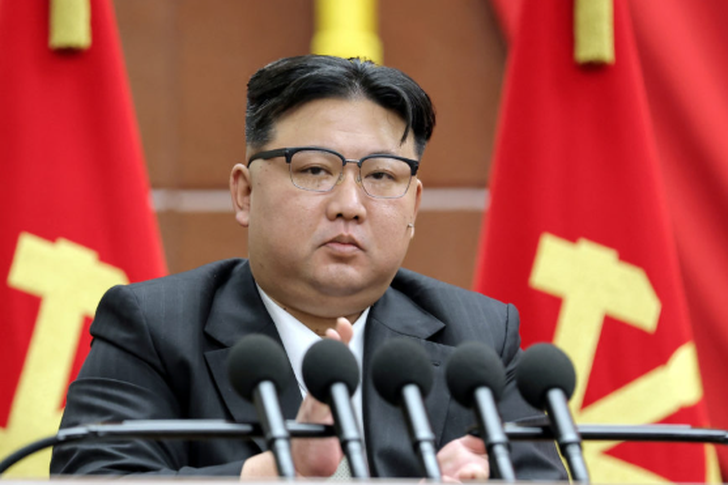
North Korean leader Kim Jong Un has said the country will ...

Iran and Oman have issued a joint statement on the Strait ...

Kryeministrja italiane, Giorgia Meloni, po shqyrton mundës...

A UN investigative commission says Israel has deliberately...

Eight years after air pollution control standards under th...

A complaint to CNA also led to the publication of several ...

A mountain of documents for a flagrant case, in the na...

The Democratic Party has denounced a tender held by the Hi...
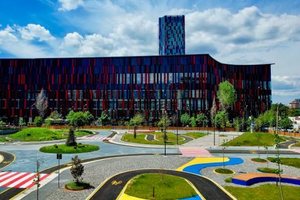
Since the summer of 2020, the Mayor of Tirana, Erion Velia...

The Special Board of Appeal (KPA) decided this Monday ...

The KPA vetting decided this Thursday to dismiss the p...

Suela Salavaçi, a prosecutor in the Prosecutor's Offic...

The Special Board of Appeal reinstated the prosecutor ...

A serious road accident occurred in the early hours of the...

It is reported that an accident occurred this evening in V...
A road accident occurred this afternoon in the former Këne...

A Border Police operation came to the aid of a citizen who...

Today, our country will be affected by almost the same met...

Turkish police said on Tuesday they had arrested more than...

Today, our country will be affected by relatively stable w...

Albania is facing significant challenges in human capital ...
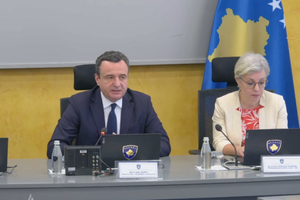
Kosovo's acting Prime Minister, Albin Kurti, stated at the...

European Union citizens are increasingly supporting the id...

Germany is planning to cancel the construction of six F126...

North Korean leader Kim Jong Un has stated that the countr...

The promotion of the book by author Aleksandër Ikonomidhi ...

The Albanian Embassy in Switzerland has organized an eveni...

This Wednesday, the prominent actor of Albanian cinema, Gj...

Several archaeological excavations conducted during this s...

The average salary in the country in 2025 reached 84 thous...

Although the economy grew by 3.89% in 2025, according to p...

With the implementation of the new reform for real estate ...

This Wednesday, one US dollar is bought for 82 lek and sol...