


Serious accident on the Tirana-Elbasan axis/ Concrete mixer falls from a height, suspected victims
A serious accident occurred this Wednesday on the Elbasan-...

A serious accident occurred this Wednesday on the Elbasan-...


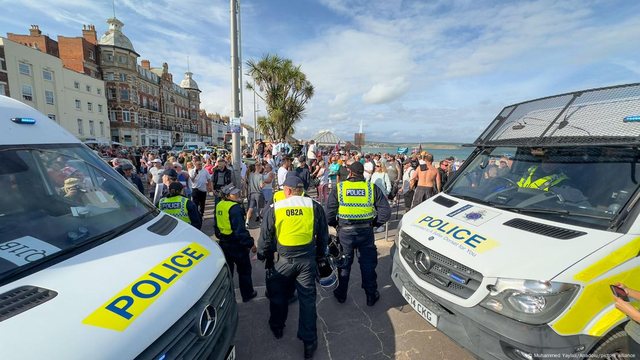
It all started with a fake news. In Southport a 17-year-old attacked several people at a ballet school - three children died. Very soon, information spread on the network that Doras was a young Muslim asylum seeker who had arrived last year by boat through the English Channel. But this information was false. Defendant Doras was born in the United Kingdom as a child of immigrants. The false information was spread online prompting many people to protest in the streets in several cities for days. How could this happen? In an investigation, the BBC has traced the source of the information, where it was first published. The false information was published on a news portal: Channel3Now. This site specializes in crime topics. In a statement to the BBC, a member of management admitted that the release of information about the Southport glove was an inadvertent error. An employee of the portal said, that the enterprise is commercial, it aims to publish as many events as possible. Connection with Russia BBC has not been able to verify.
A false information that fits the world view of many people who spread it on the net. On Telegram, on X (formerly Twitter) with concrete consequences: "What we experienced here is that a fake news spread on the network inciting violence and riots offline," says Sander van der Linden, professor of psychology at Cambridge University and expert on fake-news. False information spreads quickly because anyone can publish it online. "The information is unsubstantiated, unverified. These publications can go viral," says van der Linden. "Media concerns have fact-checkers, editors, producers, they all verify. While these platforms have no control mechanisms."
Last week, even the British newspaper "The Sun" paid attention to this topic. The headline read: "Anti-social media" – a pun on the concept of social media. A stone thrower was also printed next to the title. The subtitle was: "How Facebook and others fuel violence on our streets." The headline also draws attention because this is a newspaper belonging to Rupert Murdoch's media empire, which is highlighting the turnaround. It is no longer the tabloids, the sensational daily newspapers, that set the tone in UK politics, but the big internet corporations. Elon Musk, owner of the X platform, last week repeatedly attacked British Prime Minister Keir Starmer. A civil war is inevitable, he wrote.
Musk accused Starmer, for example, of taking a different stance toward "white protesters" instead of confronting immigrants. But for this he did not give any evidence. Far-right British politicians used this argument – ??even without providing evidence. X boss Musk allowed right-wing far-right activist Tommy Robinson, who has 900,000 followers and tweets right-wing content and misinformation inciting violent protesters, back on the X platform.
Efforts to regulate these platforms by the state are in their infancy in the UK. Hannah Rose, an expert on extremism at the Institute for Strategic Dialogue, calls this an example of the Online Safety Act: "This law should force platforms to take down illegal content. Those who don't should be fined. But the regulation it is still in its initial phase." How effective this law is, it is still unclear. It will depend on the position of the state regulatory structure./ DW

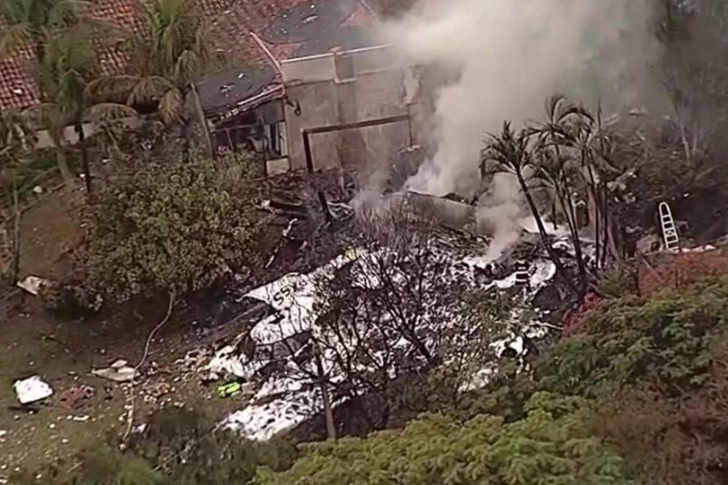
New details have emerged from the plane crash in Sao P...
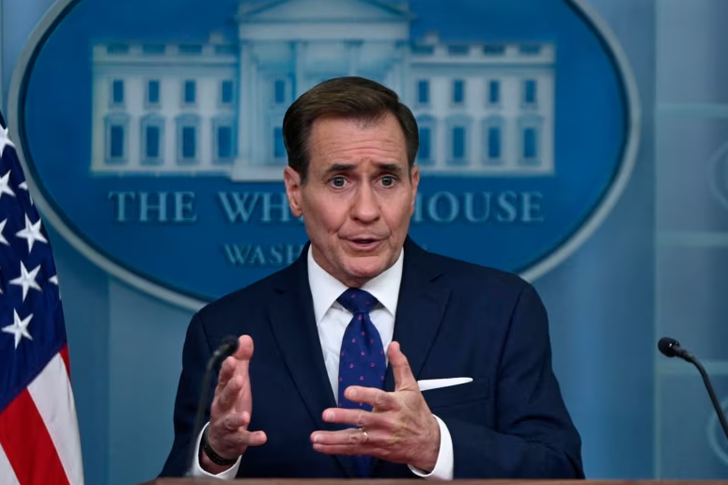
President Joe Biden's administration will not allow "extre...

Iran is intensifying cyber activity aimed at influenci...

A plane with 58 passengers and four crew members has c...

Austrian authorities announced a third arrest on Friday in...

France strongly condemned on Friday what it called the uni...

Israelis have even less hope of reaching a ceasefire a...
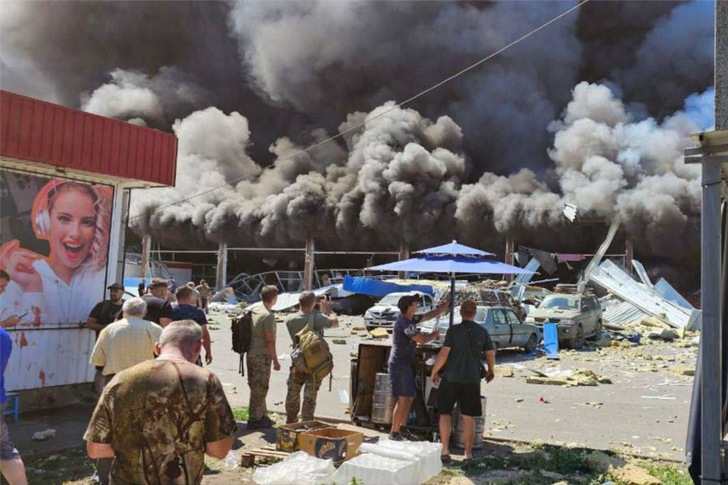
At least 10 people have been killed and 35 injured in a Ru...
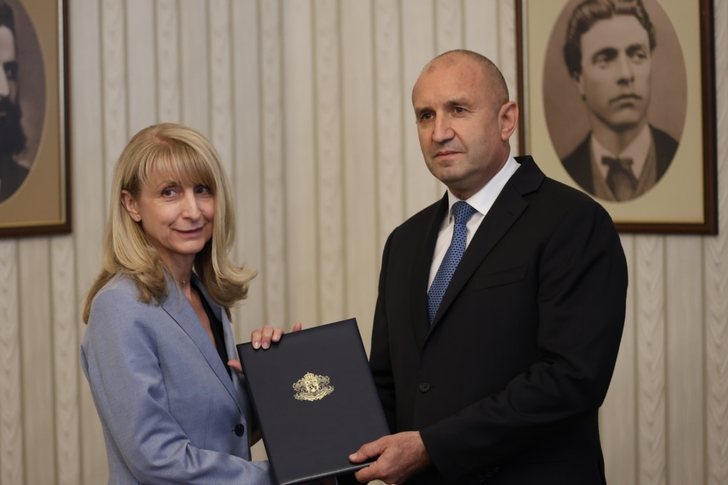
The President of Bulgaria, Rumen Radev, has elected Gorits...

Three suspected attacks by Yemen's Houthi rebels have targ...
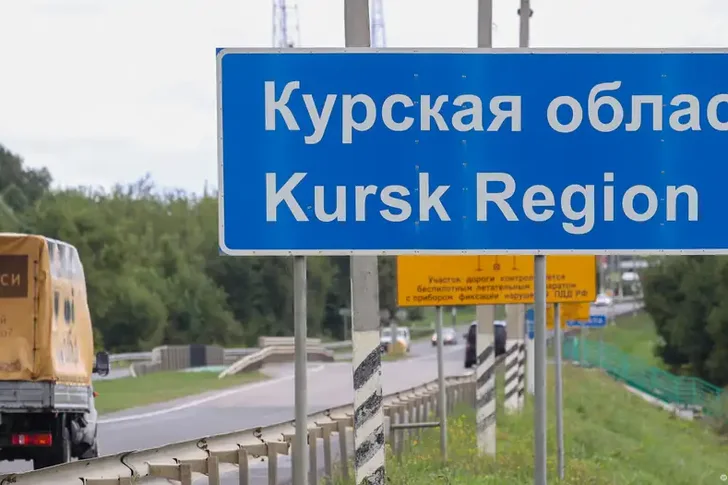
Fierce fighting has been taking place since Tuesday mornin...

A young Austrian man arrested on suspicion of plotting to ...
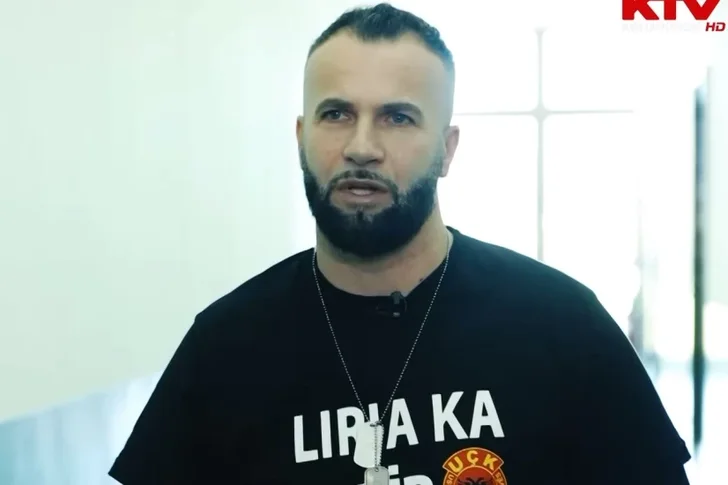
The Ministry of Foreign Affairs and Diaspora announced...

In August 1999, Vladimir Putin was appointed Prime Min...
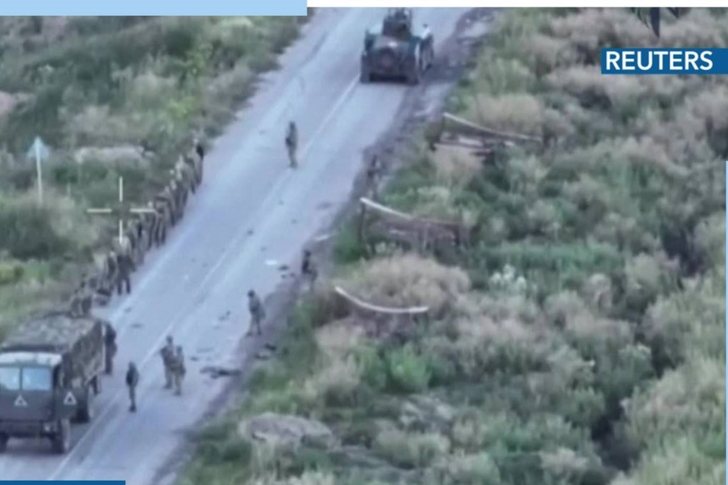
Russian and Ukrainian forces are fighting in Russia's Kurs...

US broadcaster ABC announced on Thursday that Republic...
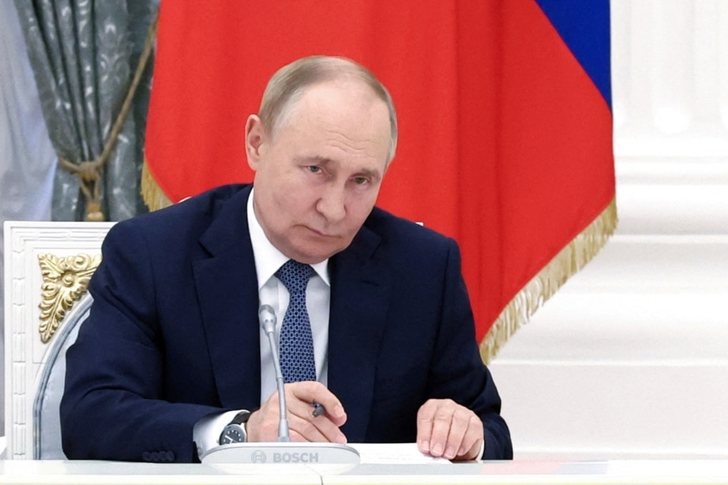
Russian President Vladimir Putin signed a new law on T...

The two United States presidential campaigns made stop...
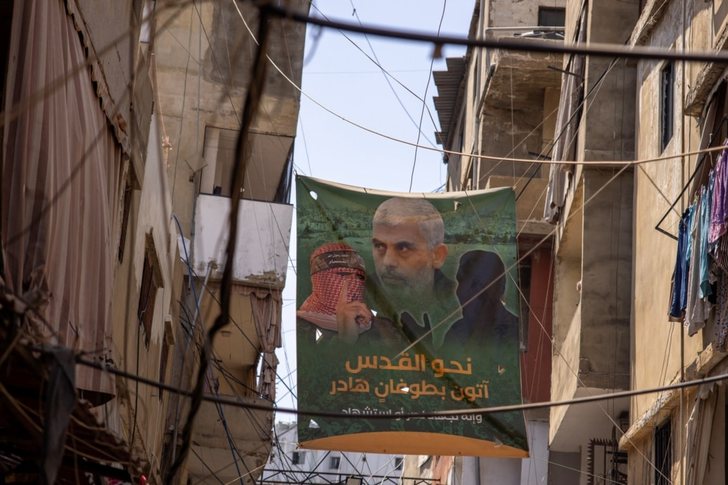
The leader of the militant group Hamas, Yahya Sinwar, ...
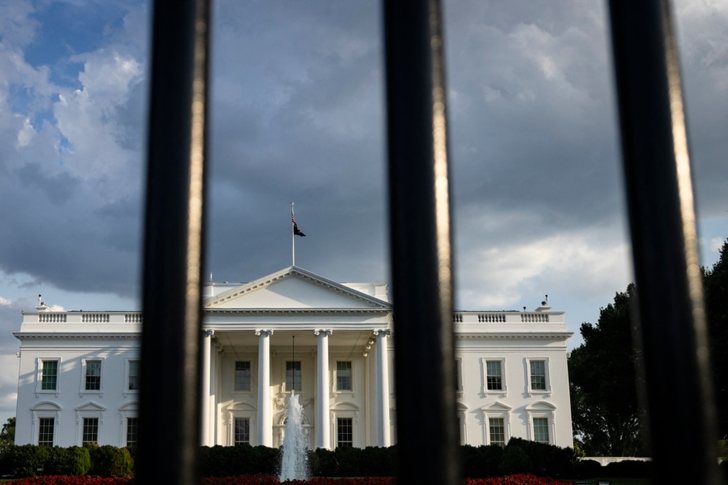
A recent poll shows that most Americans believe that this ...

CNA has launched another investigation that could lead to ...

Irfan Hysenbelliu is a businessman that we call "Irfan the...

In March 2026, CNA launched another investigation centered...
The arrested mayor of Tirana, Erion Veliaj, with 13 charge...

The Special Board of Appeal (KPA) decided this Monday ...

The KPA vetting decided this Thursday to dismiss the p...

Suela Salavaçi, a prosecutor in the Prosecutor's Offic...

The Special Board of Appeal reinstated the prosecutor ...
A serious accident occurred this Wednesday on the Elbasan-...
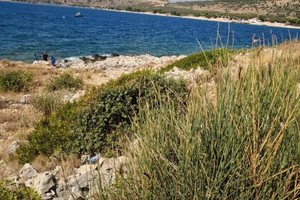
Citizen MH, 61, a fisherman, was found dead near the islan...

Another phase of the international operation, codenamed "T...

Police have arrested a 34-year-old woman at Rinas Airport ...

The Institute of Geosciences has shared a forecast for wea...

Rising energy and fertilizer prices are expected to contin...

Over 18,000 foreign citizens from 140 countries have appli...

This Wednesday, our country will be under the influence of...

Prime Minister Andy Burnham has announced that most bus fa...

France's parliament has passed a law to ban social media f...

US Secretary of State Marco Rubio arrived in Manila on Jul...

In the space of a few days, Ukrainian President Volodymyr ...

At a time when industrial products are increasingly taking...

Trust among people is not just a three-syllable word. It c...

Master of humor Todi Llupi has passed away at the age of 7...

The ninth edition of "MIK Festival" kicked off with one of...

Businesses will no longer be required to simply register t...

Despite economic growth and income in recent years, Albani...

This Wednesday, one US dollar is bought for 81.4 lek and s...

Construction company licenses will have a validity period ...