

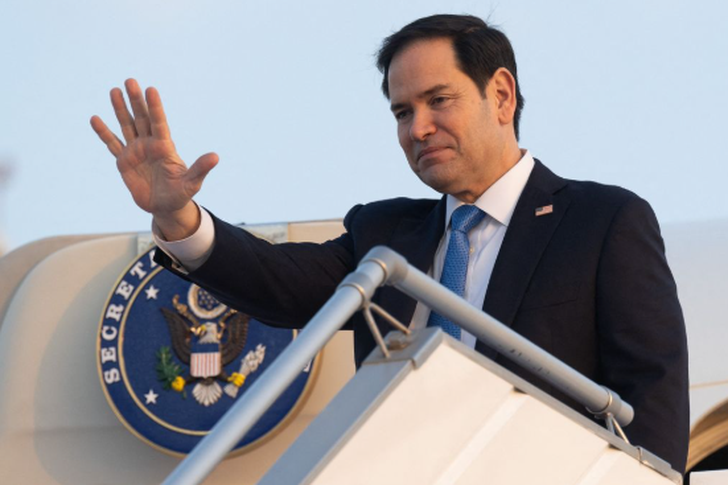
After two-day trip to Israel, Rubio heads to Qatar for meeting with President Trump
US Secretary of State Marco Rubio is leaving for the state...


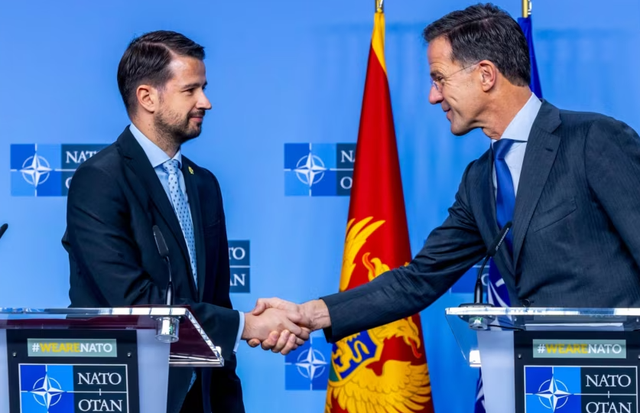
Citizens' support for Montenegro's NATO membership is lower by almost 9 percent compared to March last year, while the number of opponents, in the same period, has increased by over 11 percent - these are the results of a survey by the Center for Democracy and Human Rights in Montenegro (CEDEM), conducted in September.
For Montenegro's Atlantic Alliance, this is a confirmation that pro-Russian and anti-NATO elements continue to operate within political institutions and structures.
"Their actions aim to spread suspicion, weaken citizens' trust, and relativize the state's strategic goals ," the organization told Radio Free Europe.
Asked by REL how he comments on these data, a NATO official said that Montenegro faces "continuous hybrid threats from Russian and foreign actors," but stressed that NATO values ??its continued cooperation with it.
Meanwhile, the official referred the reasons for the decline in support in the latest survey to the Montenegrin authorities. The Montenegrin Ministry of Defense did not respond to REL's request for comment.
Former Chief of the General Staff of the Montenegrin Army, Dragan Samardzic, believes that the decline in support for NATO membership is a consequence of a complex combination of global influences, internal polarization and communication weaknesses of state institutions.
Montenegro became a NATO member in June 2017, during the government of the Democratic Party of Socialists (DPS), which lost power in mid-2020. Several of the parties that have been in power since then - mainly the pro-Russian Democratic Front parties - are opponents of NATO. Their leader, Andrija Mandi?, is the speaker of the Montenegrin Parliament.
CEDEM figures
The research conducted by CEDEM found that 40.7% of respondents support Montenegro's membership in NATO. The figure represents a decrease compared to March 2024, when this support was 49.5%.
The percentage of opponents is now 42.1, while last March it was 30.7. CEDEM has conducted similar surveys on this issue since 2008.
Previous data shows that, from mid-2020 to March 2024, the majority of respondents consistently supported Montenegro's NATO membership. The latest survey was conducted from September 25 to October 6 of this year with 1,006 adults.
Montenegro in the fight against hybrid threats
The NATO official said that Montenegro contributes to common security through participation in missions in Kosovo, Iraq, Latvia and Bulgaria, as well as through the support it has provided to Ukraine so far.
He also mentioned the benefits that Montenegro has from NATO membership: foreign investments from NATO countries have increased, allies secure Montenegro's airspace through the Air Policing mission, and NATO helps in the fight against hybrid threats.
"Montenegro has taken strong measures to counter hybrid threats and was the first ally to receive support from NATO's team for countering hybrid threats ," the NATO official told Radio Free Europe.
Samardzic: Some want to question the justification for membership
Retired Admiral Dragan Samardzic believes that citizens' perception of the concrete benefits of NATO membership is still weak.
He believes that state institutions - primarily the Government - are most responsible for this.
"It is clear that there are actors who, through directed and coordinated activities, are trying to shake the trust of citizens and reopen the issue of justifying membership ," says Samardzic.
According to him, these opponents of NATO skillfully exploit institutional weaknesses and inadequate state responses to crisis situations, to portray them as a shortcoming of NATO itself. He adds that the country also faces a high level of populism.
“Such an environment is conducive to narratives that relativize the importance of NATO membership and spread doubts about its unity, ability and credibility to respond to modern security challenges and protect its members ,” says Samardzic.
Undermining Euro-Atlantic values
Montenegro's Atlantic Alliance believes that some of the power centers in the country are using public resources to undermine Euro-Atlantic values.
"At the same time, they also hide their political dependence on interests that are contrary to Montenegrin ones. This is the main threat. The state must show determination, maturity and a clear will to protect its strategic interests from those who wish to return it to foreign influence," the Atlantic Alliance emphasizes.
According to the organization, Montenegro is deeply involved in the European process, is a member of the strongest security alliance and "there is no turning back from this path."
Representatives of the Atlantic Alliance consider it essential that the Government and institutions move from a reactive approach to a proactive one, sending clear and unified messages.
"... and with concrete results to restore the trust of citizens and show that Montenegro belongs to Europe," this organization emphasizes.
Where is it limping?
The Montenegrin parliament has not approved the decision to send military personnel to the NATO Security Assistance and Training Mission in Ukraine (NSATU) for more than three months. The parliamentary committee on security and defense approved the decision on July 17, but it was opposed by members of the ruling coalition, namely the pro-Russian Democratic Front parties.
At the time, they said they opposed any involvement of Montenegrin soldiers in the war in Ukraine. Defense Minister Dragan Krapovi? responded by explaining that the soldiers would not go to Ukraine, but would train Ukrainian soldiers in Germany.
Otherwise, at the last ministerial meeting in Brussels on October 16, Krapovi? said that Montenegro is responsibly fulfilling the tasks on the NATO agenda, aimed at strengthening collective defense. In this context, he confirmed Montenegro's determination to continue the trend of increasing defense spending.
At the last NATO summit in The Hague, an agreement was reached for alliance members to increase defense spending to 5 percent of gross domestic product by 2035. This is two and a half times more than current spending and is estimated to amount to more than 460 million euros.
Milan Kne?evi?, from the Democratic Front, considered this unacceptable and called for citizens to vote on this expenditure in a referendum. Other members of Montenegro's ruling coalition did not comment on Kne?evi?'s call. The CEDEM poll also showed a decline in citizens' support for membership in the European Union - from 78 percent in March last year to 71 percent in September this year. /REL

US Secretary of State Marco Rubio is leaving for the state...
Venezuelan President Nicolas Maduro has accused the United...
A Japanese tourist has died in Rome after falling from the...
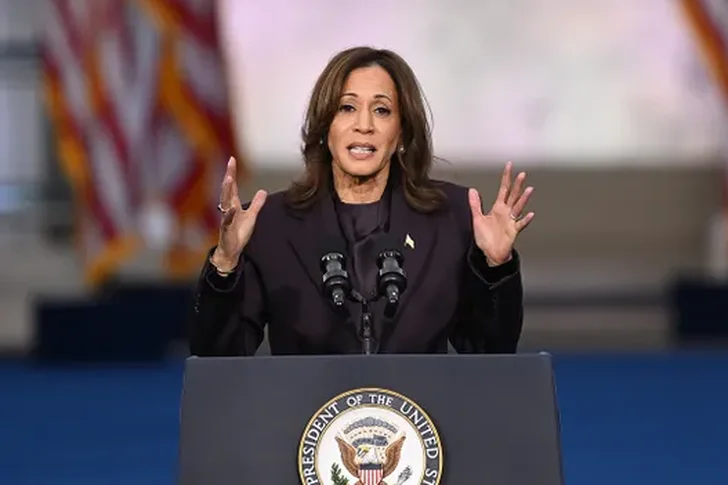
Former US Vice President Kamala Harris has told the BBC th...

The Louvre has transferred some of its most precious jewel...
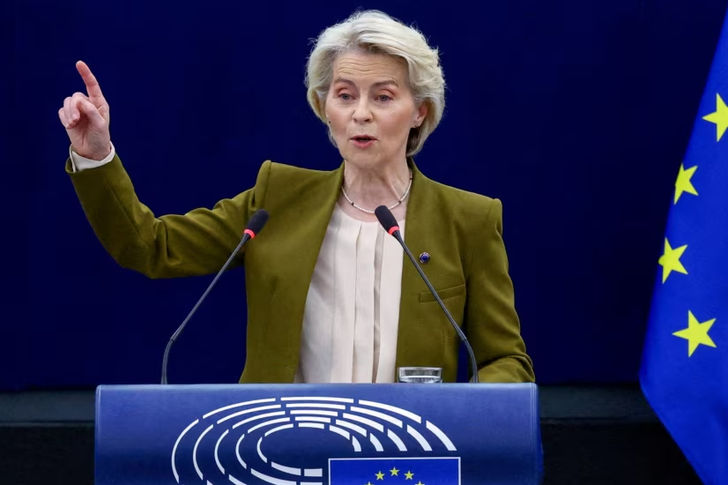
The European Union is developing a new plan to curb its de...
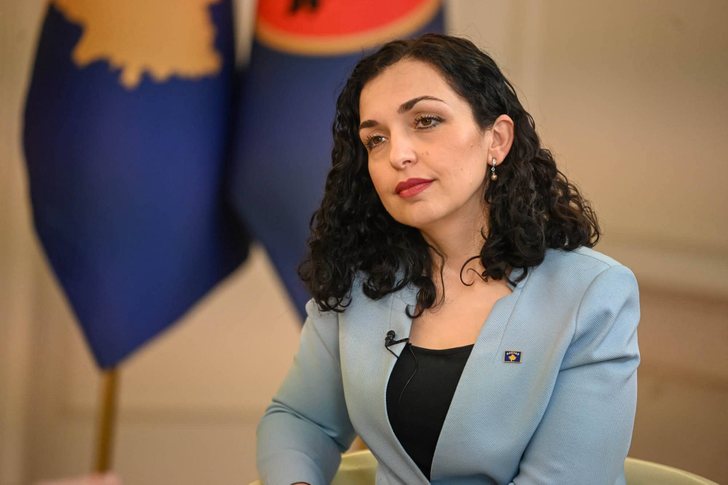
Kosovo President Vjosa Osmani, who is currently in Berlin,...
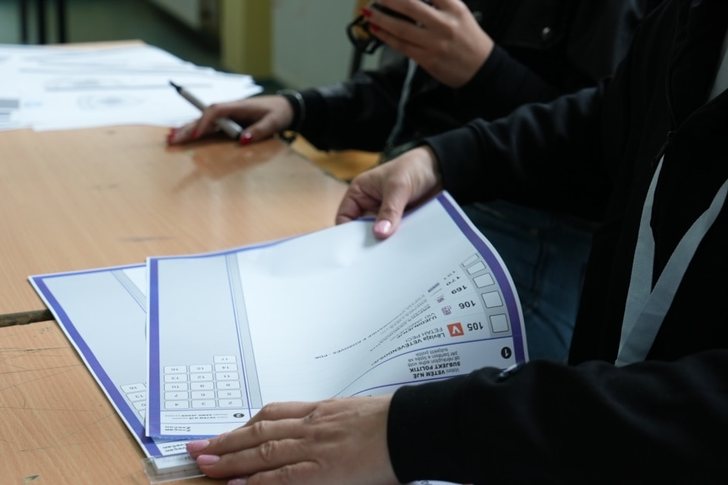
The Central Election Commission has approved the voter lis...
For months, there was frequent talk in Kosovo about the Al...
At least two people were killed and several others injured...
United States President Donald Trump said on Friday that N...
The United States has imposed sanctions on Colombian Presi...
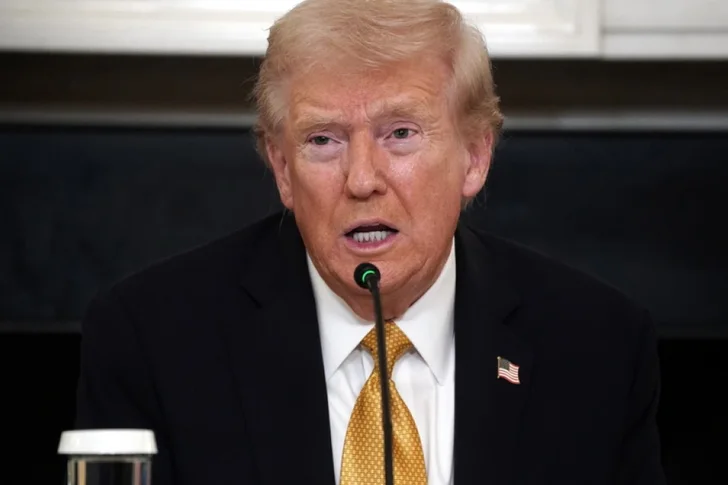
US President Donald Trump has said that a wealthy donor ha...
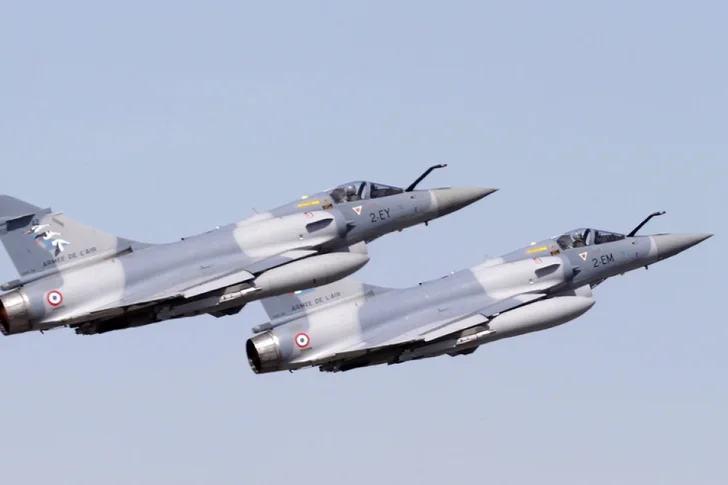
France will deliver Aster anti-aircraft missiles and Mirag...
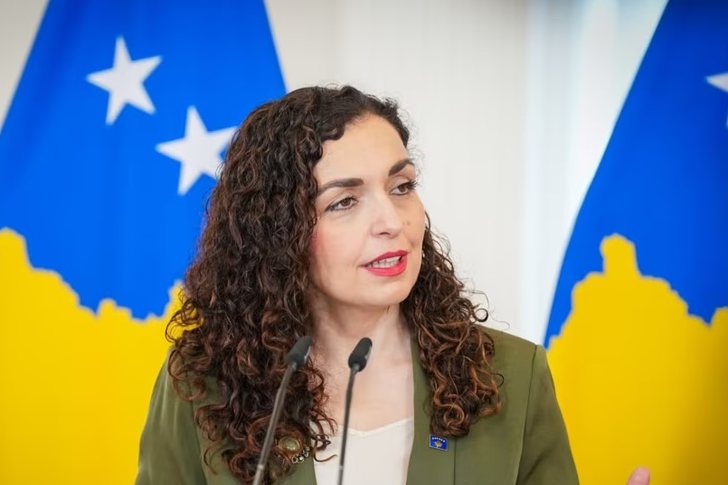
Kosovo President Vjosa Osmani said that if there is no agr...
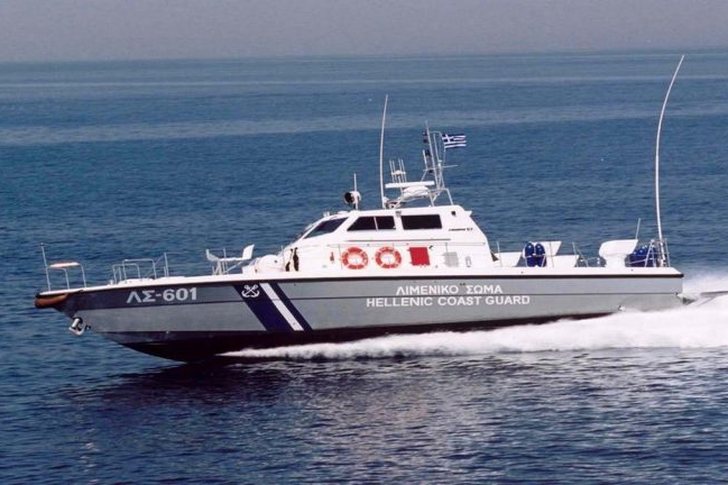
A half-sunken ship has been found by the Port Authorities ...
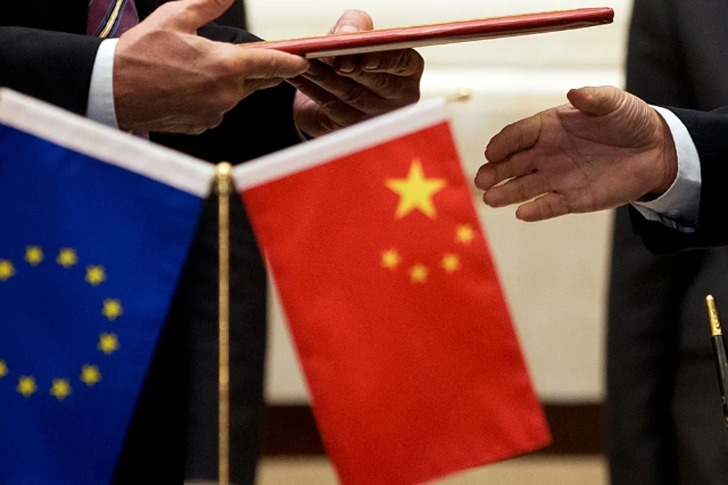
A planned meeting between EU Trade Commissioner Maros Sefc...
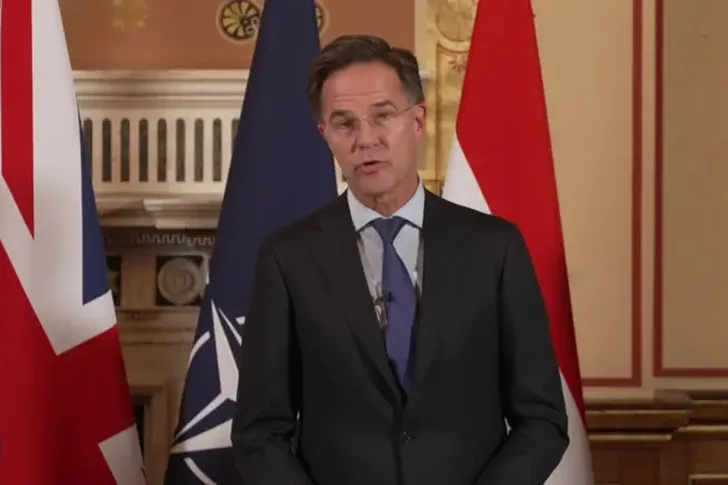
NATO Secretary General Mark Rutte delivered his remarks at...
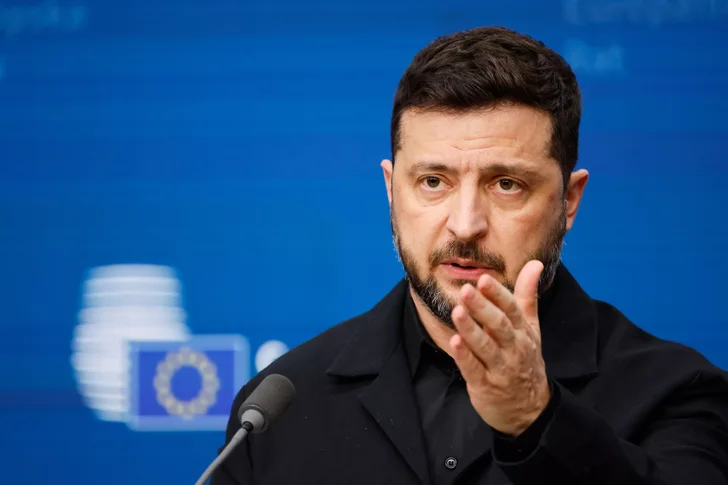
Ukrainian President Volodymyr Zelensky spoke at a joint pr...
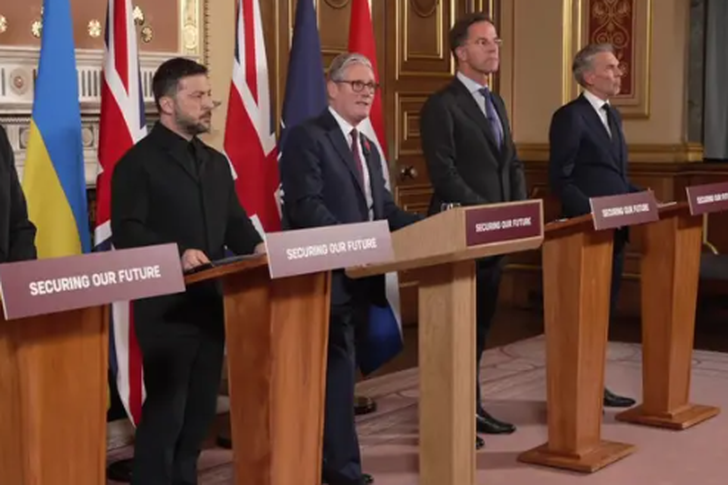
UK Prime Minister Keir Starmer is speaking at a joint pres...

CNA has launched another investigation that could lead to ...

Irfan Hysenbelliu is a businessman that we call "Irfan the...

In March 2026, CNA launched another investigation centered...
The arrested mayor of Tirana, Erion Veliaj, with 13 charge...

The Special Board of Appeal (KPA) decided this Monday ...

The KPA vetting decided this Thursday to dismiss the p...

Suela Salavaçi, a prosecutor in the Prosecutor's Offic...

The Special Board of Appeal reinstated the prosecutor ...

A road accident occurred this evening on Nikolla Zoraqi St...
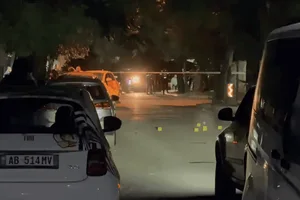
Three people were shot and wounded in Elbasan last night b...
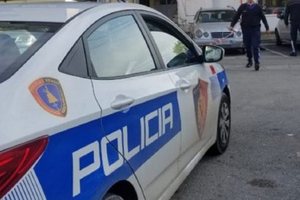
A serious incident occurred this Tuesday in the Yrshek are...

An accident occurred this Tuesday on "Dituria" street in K...
All of Southern Europe will face changing weather conditio...
Albania was hit by temperatures significantly higher than ...

For the first time, Pogradec welcomed the Inter-Lake Chess...

Albania has achieved a record for the employment of foreig...

US Secretary of State Marco Rubio arrived in Manila on Jul...
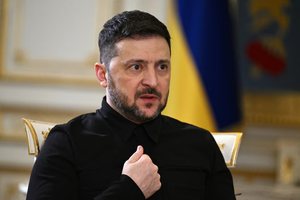
In the space of a few days, Ukrainian President Volodymyr ...
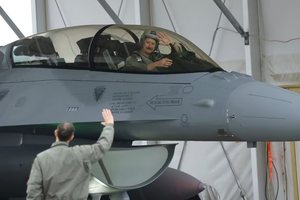
The spokesman for the Iranian Foreign Ministry warned Bulg...
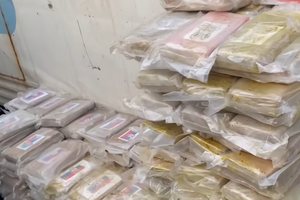
Autoritetet italiane sekuestruan pako me afër 800 kilogram...

At a time when industrial products are increasingly taking...

Trust among people is not just a three-syllable word. It c...

Master of humor Todi Llupi has passed away at the age of 7...

The ninth edition of "MIK Festival" kicked off with one of...

Construction company licenses will have a validity period ...
The Centralized Purchasing Operator recently opened a tend...
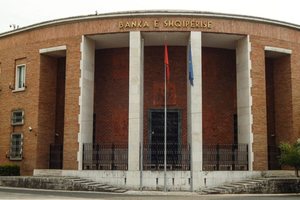
The new draft law "On the Bank of Albania" provides that t...
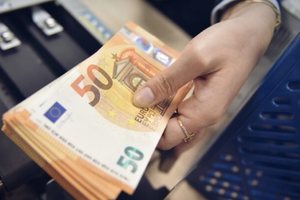
This Tuesday, one US dollar is bought for 81.2 lek and sol...