

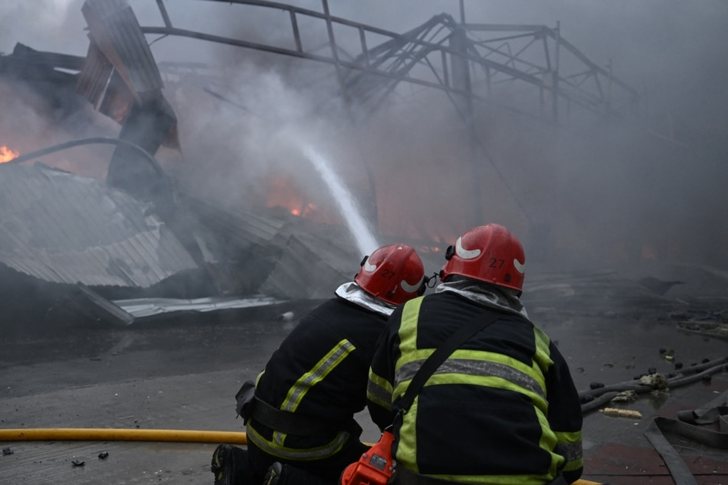
At least two killed in Kiev after Russian airstrikes
At least two people were killed and several others injured...


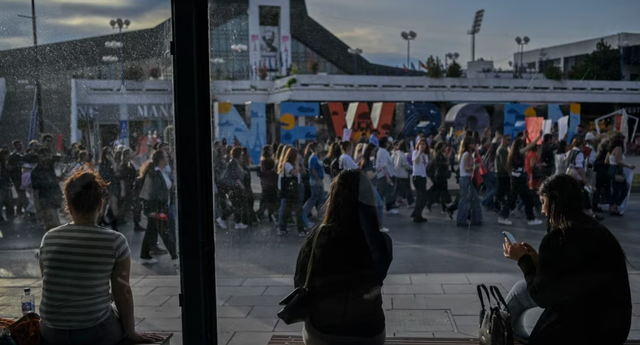
For months, there was frequent talk in Kosovo about the AlbKings group, a Telegram channel where intimate videos and photos of girls were shared, attached to their contact numbers.
From April to October 2024, the former administrator of this channel, EA, was arrested on suspicion of committing the criminal offense of "identity and credential theft."
For identity theft, the Criminal Code of Kosovo provides for a sentence of up to 2 years in prison, or even up to 5 years in prison when it is related to terrorist acts.
Why was this the crime he was accused of? Because the Kosovo Criminal Code does not provide for the specific crime he had committed, and prosecutors were forced to adapt it to existing terms.
Arrita Rezniqi, from the Kosovo Law Institute, says this is problematic, as she points out that criminal prosecution becomes easier when existing legislation clearly specifies a criminal offense and its punishability.
"We see this as a barrier to effective access to justice and to the proper protection of the country's citizens, because, simply put, it can lead to cases of this nature being minimized or actions in those cases not being properly prosecuted," Rezniqi tells Radio Free Europe.
It shows that justice institutions in Kosovo, specifically the Kosovo Police and the Prosecution, identify the elements of criminal offenses in a way that aligns them with the existing terms in the Criminal Code.
This results in prosecution and punishment for perpetrators of digital violence. But this is often not enough.
"When we consider in particular the recent developments in the technological sphere, artificial intelligence and new trends, it is simply necessary to take concrete steps to specify all these actions within our legal framework," says Rezniqi.
Finally, in September of this year, three of the defendants in the AlbKings case were sentenced only to fines, after reaching a plea agreement with the Prosecution.
AT received a fine of 2,000 euros, while BR and VA received fines of 2,500 euros each. The criminal offense they were charged with was “harassment”.
The Criminal Code of Kosovo defines harassment as attention or communication with the intent to “harass, intimidate, injure, damage property, or kill.” This includes sending text messages.
This offense carries a sentence of up to 5 years in prison. These cases highlight the need to amend the current Criminal Code, Rezniqi believes.
"It is necessary to have all these actions and the criminality for those actions specifically addressed in our legislation, so that, in accordance with them, the level of punishment is also in line with them," she adds.
Besarta Breznica, from the Kosovo Women's Network, has been calling on institutions for some time now to amend the Criminal Code, so that criminal offenses similar to those committed by AlbKings can receive, in her opinion, a more deserved punishment.
"Cases of this violence are only increasing, while the people in question are being prosecuted for acts of "threats" and "harassment", prosecutions that are not of the same importance or capacity as the violence that occurs online ," Breznica tells REL.
And, the failure to fulfill this request has left Breznica believing that institutions simply do not take "the safety of girls and women in Kosovo" seriously.
The Ministry of Justice has told REL that this request from feminist organizations to include cyber violence is part of the review by the working group working to amend the Criminal Code since 2024.
A legal official from this ministry has admitted that, due to delays in the formation of institutions, following the parliamentary elections of February 9, it is difficult to predict the full duration of this process.
Why is this issue raised by feminist organizations in particular?
Since, they insist that, as in the case of the AlbKings group, women are the most vulnerable to these acts.
Rezniqi emphasizes that, in Kosovo, "we have often seen women become the object of online harassment, sexist attacks, blackmail through personal materials or other materials without their consent."
"And they see this as an extension of gender-based violence into virtual space, where the consequences are then real in the victim's life and particularly affect women ," she adds.
Research published last year by the organization Democracy for Development (D4D) found that when women are the subject of news stories in the media, those posts on social media receive three times more reactions than other news stories. The majority of hate speech comments are made by men.
For this research, this organization monitored over 110 portals in Kosovo from January 2022 to November 2023. This research resulted in an analysis of over 3.6 million articles published by the media in Kosovo.
In most news stories, women involved in politics were the target of hate speech comments, which the United Nations (UN) defines as offensive discourse used against an individual or group based on certain characteristics - such as race, religion or gender - and which "may threaten social peace".
The problem of identifying the perpetrators
Another problem remains identifying perpetrators of digital violence, as this is often done through fake profiles.
The Kosovo Justice Institute says that, based on its analysis, this is done very effectively in some cases by a specialized cybercrime department in the Kosovo Police.
But, not for all types of works.
"Based on the information we have, this cooperation usually takes place when it comes to crimes that are related to more serious consequences, for example, with terrorist crimes or similar... responses are faster, so cooperation is better ," says Rezniqi.
She adds that this does not happen even in individual cases of harassment or blackmail. Both Rezniqi and Breznica hope that institutions will take concrete steps to resolve these problems as soon as possible.
"Simply, we need to make sure that all these technological developments are used as a tool of empowerment, to help us pursue these cases, and not as a tool of violence against all citizens, especially women," concludes Rezniqi./REL

At least two people were killed and several others injured...

United States President Donald Trump said on Friday that N...

The United States has imposed sanctions on Colombian Presi...

US President Donald Trump has said that a wealthy donor ha...

France will deliver Aster anti-aircraft missiles and Mirag...
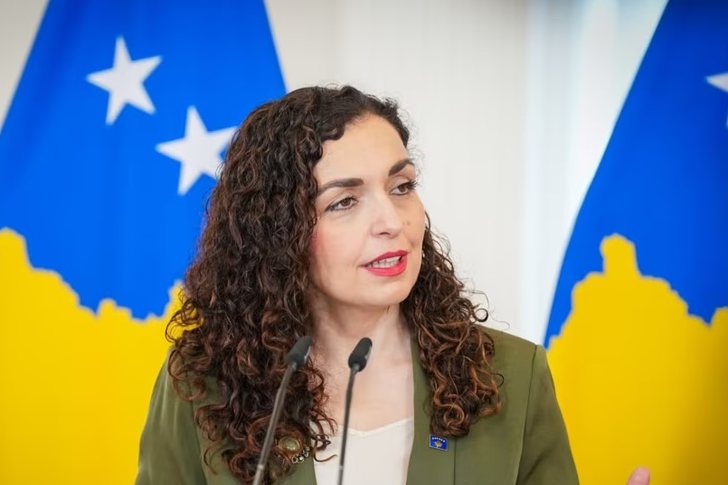
Kosovo President Vjosa Osmani said that if there is no agr...
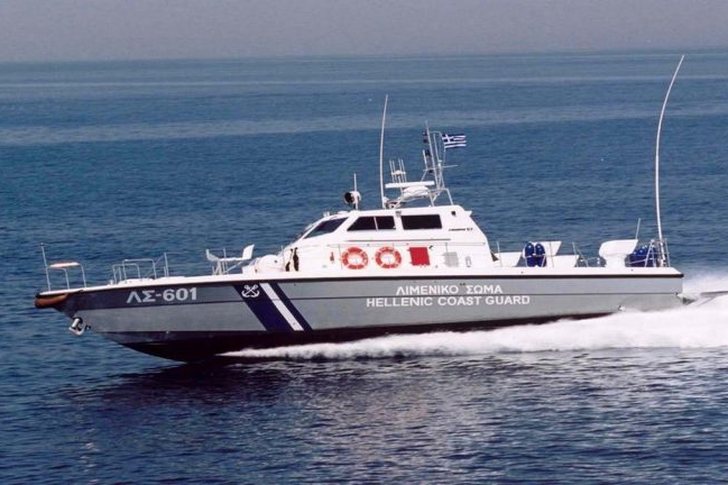
A half-sunken ship has been found by the Port Authorities ...
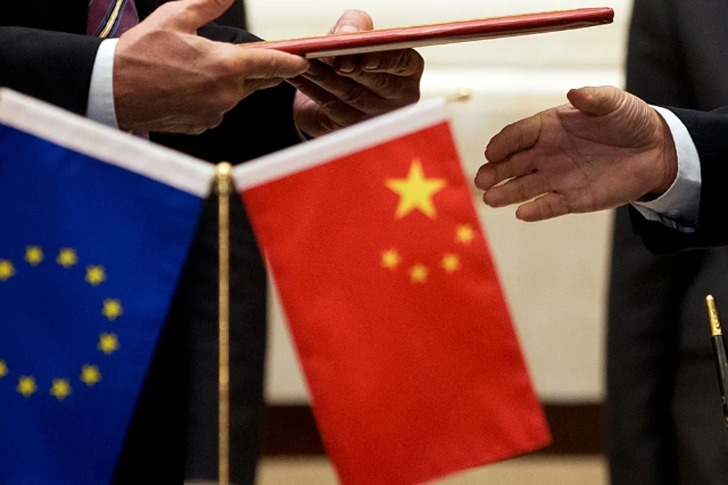
A planned meeting between EU Trade Commissioner Maros Sefc...
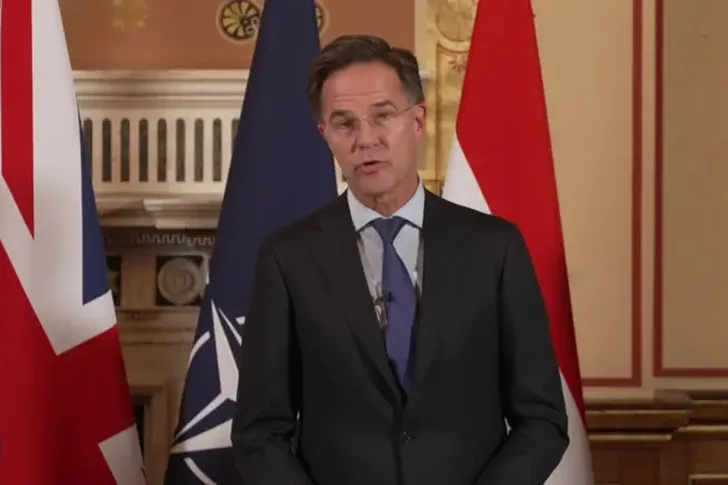
NATO Secretary General Mark Rutte delivered his remarks at...
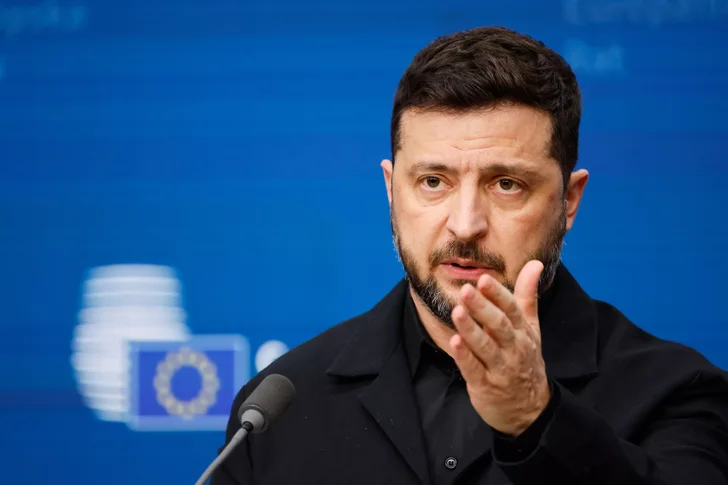
Ukrainian President Volodymyr Zelensky spoke at a joint pr...

UK Prime Minister Keir Starmer is speaking at a joint pres...

Health officials believe cherry tomatoes from the Mediterr...
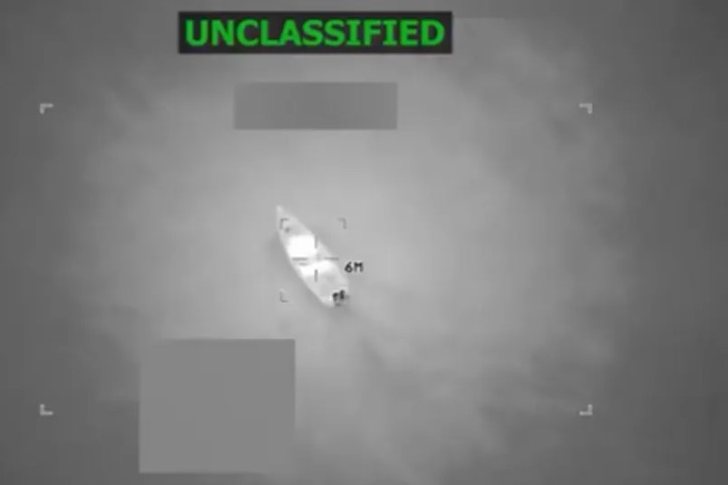
US Defense Secretary Pete Hegseth announced today that the...
Authorities in the United Kingdom have launched a major op...

More data, better traceability schemes and strengthened la...

Democratic League of Kosovo MP Armend Zemaj was involv...

The Ministry of Internal Affairs of Kosovo has postponed t...
US President Donald Trump has announced the immediate term...
A serious incident occurred on Wednesday evening off the c...
A session to elect the new Government of Kosovo will be he...

CNA has launched another investigation that could lead to ...

Irfan Hysenbelliu is a businessman that we call "Irfan the...

In March 2026, CNA launched another investigation centered...
The arrested mayor of Tirana, Erion Veliaj, with 13 charge...

The Special Board of Appeal (KPA) decided this Monday ...

The KPA vetting decided this Thursday to dismiss the p...

Suela Salavaçi, a prosecutor in the Prosecutor's Offic...

The Special Board of Appeal reinstated the prosecutor ...

A road accident occurred this evening on Nikolla Zoraqi St...
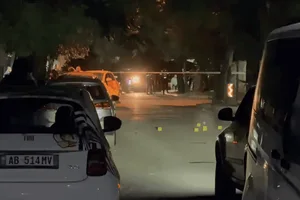
Three people were shot and wounded in Elbasan last night b...
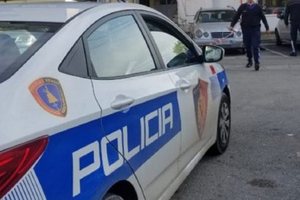
A serious incident occurred this Tuesday in the Yrshek are...

An accident occurred this Tuesday on "Dituria" street in K...

All of Southern Europe will face changing weather conditio...

Albania was hit by temperatures significantly higher than ...

For the first time, Pogradec welcomed the Inter-Lake Chess...

Albania has achieved a record for the employment of foreig...

In the space of a few days, Ukrainian President Volodymyr ...

The spokesman for the Iranian Foreign Ministry warned Bulg...

Autoritetet italiane sekuestruan pako me afër 800 kilogram...

Greece has taken several emergency measures to protect wor...

At a time when industrial products are increasingly taking...

Trust among people is not just a three-syllable word. It c...

Master of humor Todi Llupi has passed away at the age of 7...
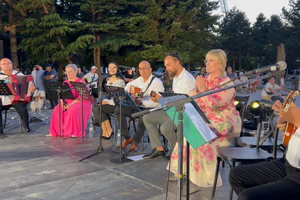
The ninth edition of "MIK Festival" kicked off with one of...

Construction company licenses will have a validity period ...

The Centralized Purchasing Operator recently opened a tend...
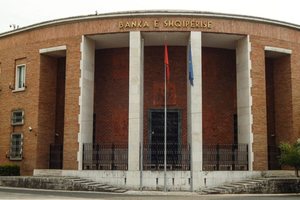
The new draft law "On the Bank of Albania" provides that t...

This Tuesday, one US dollar is bought for 81.2 lek and sol...