

Former President Trump: My lawyers have met with special counsel Jack Smith's team
WASHINGTON – Lawyers for former President Donald Trump met...


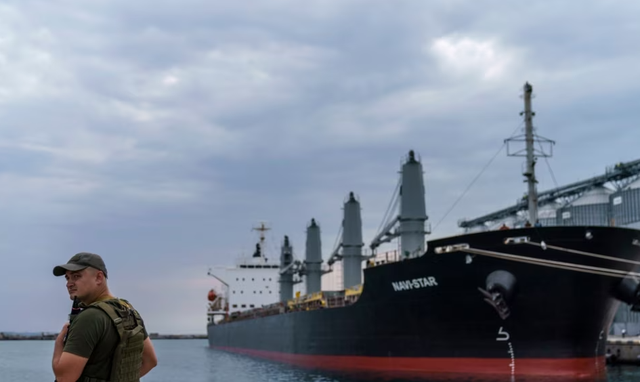
Last year Poland's image within the European Union improved, from a country that challenged the rule of law to a country at the forefront of efforts to protect Ukraine, welcoming more than 1 million refugees since Russia's attack began and providing aid military of billions of dollars for Kiev.
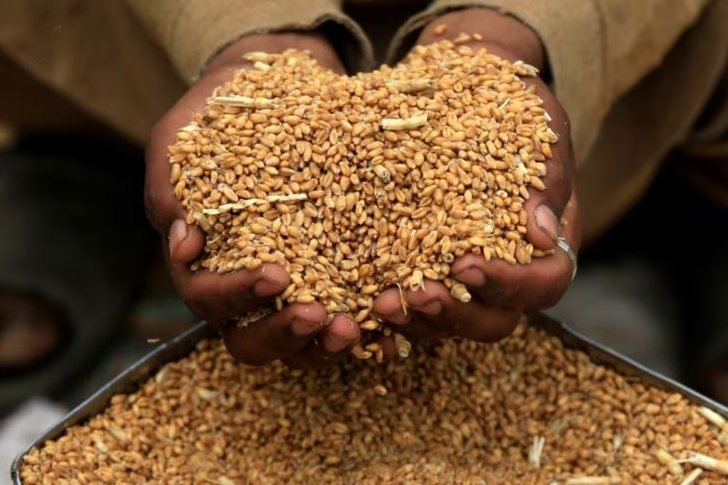
But this new image of Poland is quickly losing its luster, as Warsaw and four other neighboring countries object to Ukraine's exports - millions of tonnes of grain that have already lost the possibility of sea transport after Russia withdrew this month from a year-long wheat initiative in the Black Sea.
Countries like Hungary, Slovakia, Romania and Bulgaria say Ukrainian grain has dominated domestic markets and is hurting local farmers.
Analysts say monetary interests and politics play a role here - not only the millions of dollars that the European Union gives in the form of compensation to farmers in these countries, but also the votes of the residents of rural areas that the governments in Poland and Slovakia are campaigning for before the elections. general that will be held in the fall.
The stalemate over wheat that is dividing the 27 member states of the European Union - which has so far largely maintained unity since the start of Russia's 2022 attack on Ukraine - could already have long-term consequences for the European Union.
In the background, Ukraine's desire for EU membership continues, albeit without a specific date, a development that could divert millions of dollars of funds currently provided by Brussels to neighboring countries that are members of the EU.
"What we are seeing now is that the countries of Eastern Europe are facing the economic consequences of their political and military support for Ukraine," said Jacob Kirkegaard, a researcher at the German Marshall Fund in Brussels and the Peterson Institute for International Affairs in Washington. .
Now that Ukraine is a candidate country for EU membership, "they will have to choose", said Mr. Kirkegaard. "Are they really interested in supporting Ukraine in the long term? We are already seeing a part of this process being elaborated".
EU agriculture ministers met in Brussels on Tuesday to discuss ways to expand European railways and the so-called "solidarity routes", which were set up last year to export Ukrainian wheat stuck in the Black Sea. .
The European Commission is considering yet another proposal from Lithuania to export wheat from five Baltic Sea ports.
Experts have raised the question of whether Europe has the capacity to re-export cargoes of Ukrainian grain that previously passed through the Black Sea. This includes potential problems such as the need for the harmonization of the tracks – the determination of an equal distance between the tracks in the member countries.
Brussels also offered about $110 million in compensation to farmers in these countries who were being hurt by competition with cheaper prices.
The five countries already want the compensation deal, which expires in mid-September, to be extended until next year.
"I hope it will be extended," Polish Agriculture Minister Robert Telus told the Euractiv website. "But if it is not extended, Poland will again have to face this issue, and we have proven that we can do that."
The European Commission said it would provide an answer before the September deadline. But many other member states oppose extending the compensation agreement.
"You cannot take the money from Brussels as compensation for the burden, but at the same time close the border with Ukraine," said the German Minister of Agriculture, Cem Ozdemir.
This would damage the solidarity in the EU for Ukraine, he said and added that "the only one who remains satisfied is Vladimir Putin".
Ukrainian President Volodymyr Zelenskyy criticized efforts to expand restrictions on Ukrainian exports, calling them "unacceptable" and "un-European" during his speech on Tuesday evening - criticisms echoed by others in recent weeks.
Even the French newspaper "Liberation" has claimed that Warsaw is using "pirate methods" that endanger the unity of the EU in the face of Russia, "and put at risk the rest of the Ukrainian economy that it claims to be supporting".
Poland, along with Hungary, has faced a lot of criticism from the EU over the years - both for not respecting the rule of law and even for EU rules on asylum and immigration. Earlier this week, the European Commission spoke of major progress by both countries on reforming the judiciary, which is a prerequisite for the release of millions of dollars in funding.
But for Poland's ruling party, the Law and Justice Party, the need to consolidate its vital rural base is immediate, experts say, as autumn general elections approach.
"It's clearly an electoral strategy for the Polish government," Mr. Kirkegaard said of Warsaw's efforts to expand restrictions on Ukrainian wheat imports. "Will they withdraw? Maybe no. Will the rest of the EU accept it? No.”
The prospect that a stable Ukraine would one day become a member of the EU also plays a role in the attitudes of Poland and four other Eastern European countries, he said. Although Ukraine's membership would provide a new buffer zone from Russia, it would potentially divert millions of EU dollars from the funds these countries currently receive for agriculture and other sectors.
As the discussions on the next EU budget for the period until 2027 are awaited, "they are giving a warning and positioning themselves for a big battle", said Mr. Krikegaard./ VOA

WASHINGTON – Lawyers for former President Donald Trump met...
China is helping Russia evade Western sanctions and is lik...
Ukrainian forces say they have retaken Staromaiorske. Ukr...
An Arizona girl who disappeared nearly four years ago has ...
Shtetasit holandezë po konkurojnë me emigrantët për strehi...
Sindikatat e taksistëve kanë kundërshtuar ashpër çdo lëviz...
Thomas Szyunog, the head of the EU Office in Pristina, at ...
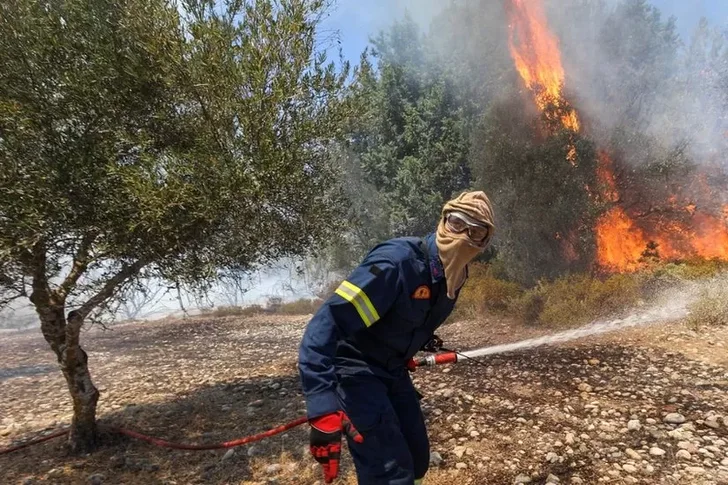
Massive fires and extreme temperatures have become headlin...
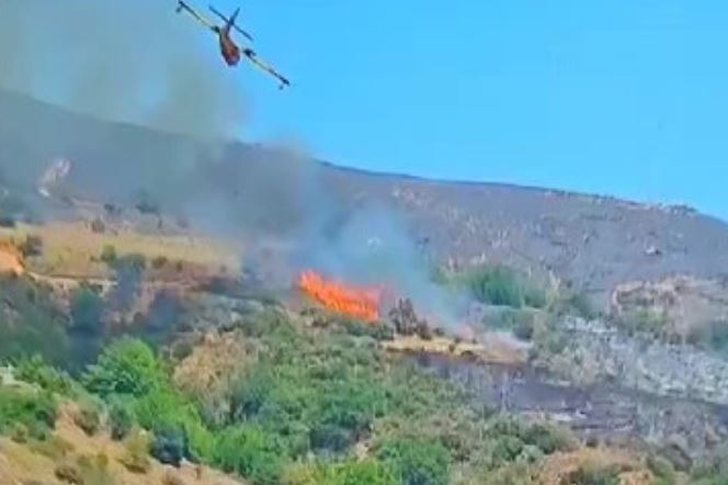
Një helikopter i ndërhyrjes së shpejtë për shuarjen e zjar...
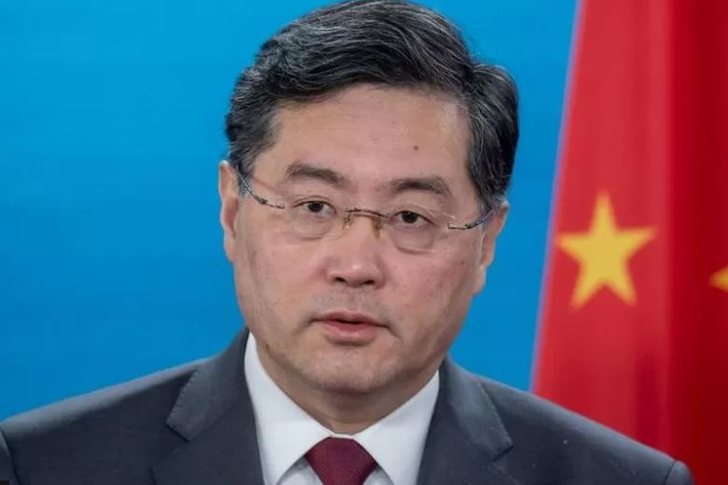
Kina ka hequr Qin Gang nga posti i ministrit të Jashtëm më...
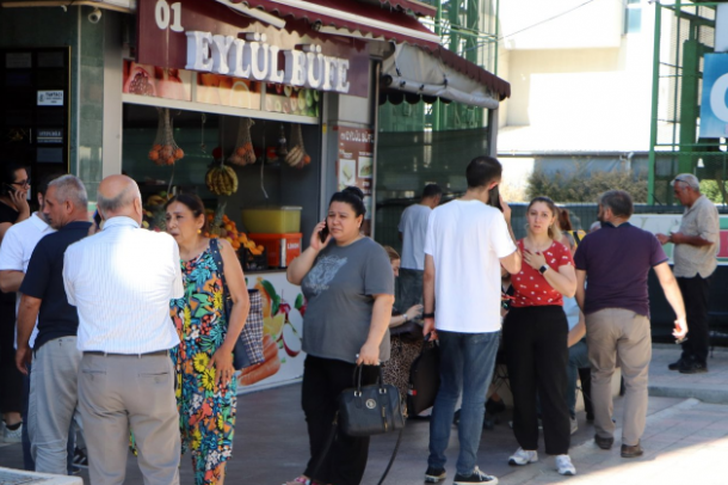
In the morning hours, an earthquake with a magnitude of 5....
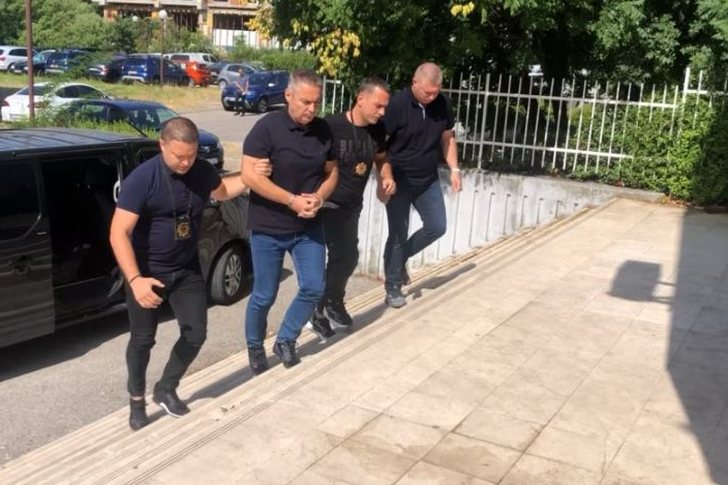
The Special State Prosecutor's Office has confirmed that t...
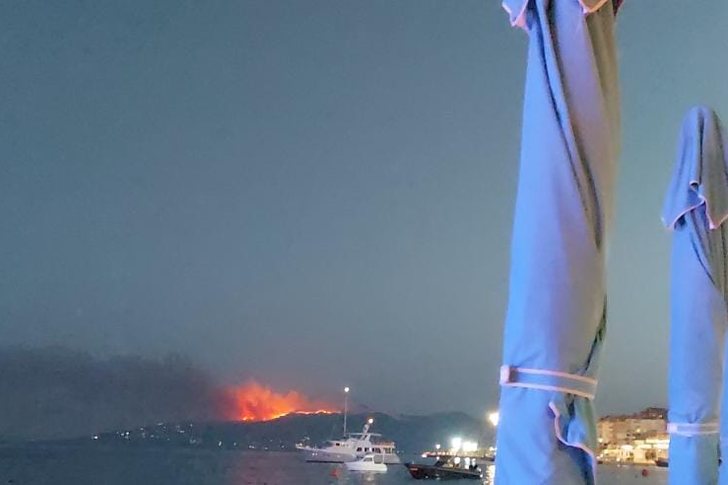
For days, many areas and islands of Greece are under the o...

Analyst Kreshnik Spahiu spoke about the political situatio...
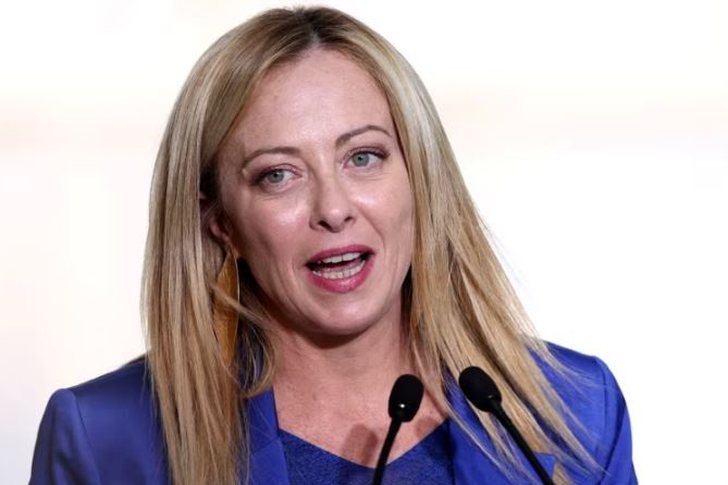
Illegal migrant flows are harming all countries along the ...
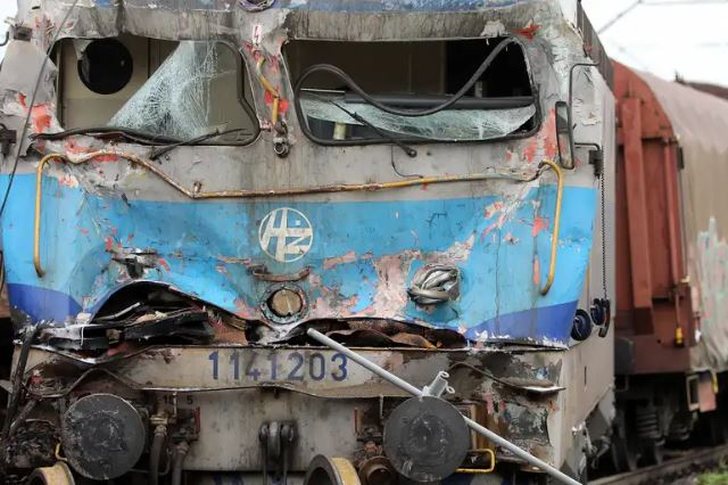
Corruption and depopulation of the Western Balkans are amo...
The two girls who died from ecstasy at the end of June in ...
The trial against former US President Donald Trump will be...
The analyst from Kosovo, Dritëro Arifi, has emphasized tha...
Rritja e çmimeve të drithërave pak pas largimit të Rusisë ...

CNA has launched another investigation that could lead to ...

Irfan Hysenbelliu is a businessman that we call "Irfan the...

In March 2026, CNA launched another investigation centered...
The arrested mayor of Tirana, Erion Veliaj, with 13 charge...

The Special Board of Appeal (KPA) decided this Monday ...

The KPA vetting decided this Thursday to dismiss the p...

Suela Salavaçi, a prosecutor in the Prosecutor's Offic...

The Special Board of Appeal reinstated the prosecutor ...
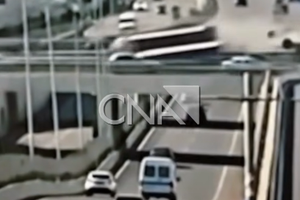
Footage emerges from the serious accident that occurred th...

A Shkodra traffic police officer was hit with hard objects...
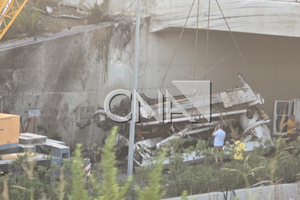
This Wednesday, around 4:00 PM, a serious accident occurre...

Tirana Police have shared details regarding the accident t...
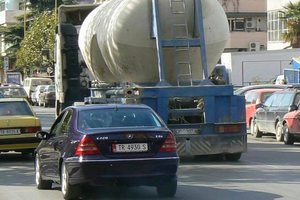
A serious accident that occurred this Wednesday with the c...

The Institute of Geosciences has shared a forecast for wea...
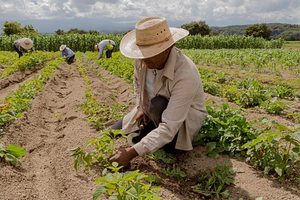
Rising energy and fertilizer prices are expected to contin...

Over 18,000 foreign citizens from 140 countries have appli...
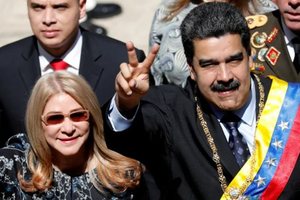
The trial of ousted Venezuelan President Nicolas Maduro on...
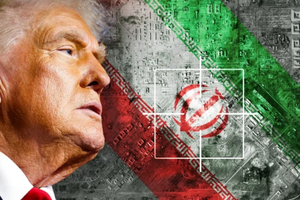
US President Donald Trump has issued another warning to Ir...
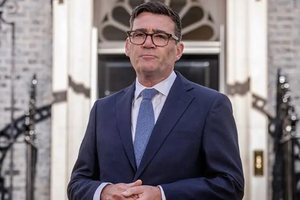
Prime Minister Andy Burnham has announced that most bus fa...

France's parliament has passed a law to ban social media f...

At a time when industrial products are increasingly taking...

Trust among people is not just a three-syllable word. It c...

Master of humor Todi Llupi has passed away at the age of 7...

The ninth edition of "MIK Festival" kicked off with one of...
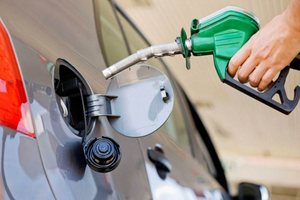
The price of diesel reached 206 lek per liter from 198 lek...

Businesses will no longer be required to simply register t...

Despite economic growth and income in recent years, Albani...

This Wednesday, one US dollar is bought for 81.4 lek and s...