


Veliaj's gross mistake/ Concrete mixers "invade" the streets of Tirana
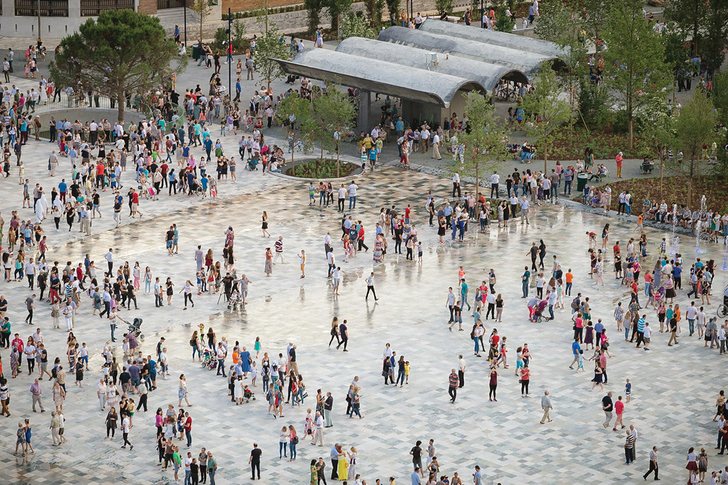
The problem with the circulation of heavy vehicles on the ...

The problem with the circulation of heavy vehicles on the ...

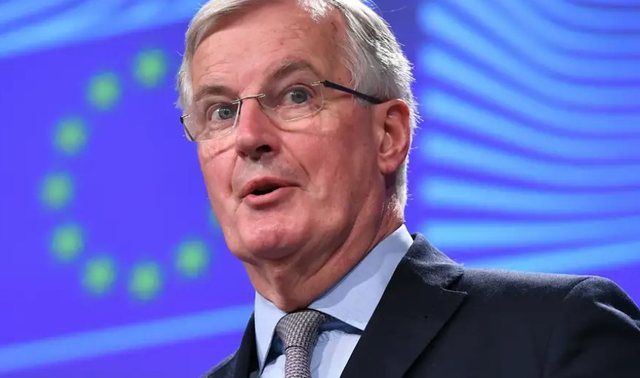
Michel Barnier is still looking for ministers for his government, but the new head of the French government has already announced what will change in France. Irregular immigration is at the top of the 73-year-old's priority list. "I have the impression that borders are as permeable as a sieve - and that immigration flows are not under control. We will change that," Barnier said in his first televised interview after taking office last week.
The implementation of a stricter immigration and asylum policy cannot be undertaken by a new interior minister alone. According to French media reports, Barnier is even planning his own ministry for "Immigration, Integration and National Identity". Such a department would be the political signal that the conservative Barnier of "Les Républicains" (LR) is taking his lead from the presidency of his party friend Nicolas Sarkozy (2007-2012), at least on this issue.
Sarkozy, who caused a stir abroad two decades ago with his announcement that he would "clean up the suburbs", created such a ministry for the first time as president in 2007. It was part of his stricter immigration policy - with which Sarkozy meanwhile managed to stop the rise of the far-right National Front (FN) party.
Today Marine Le Pen's Rassemblement National (RN) party is putting pressure on President Emmanuel Macron. In the European elections, Marine Le Pen's RN was the strongest French political entity with 31.4 percent. The party also won a large number of seats in early French parliamentary elections in the summer. Macron's alliance, on the other hand, weakened. "Michel Barnier depends on RN votes in parliament if his government wants to survive," says Jacob Ross, France expert at the German Council on Foreign Relations (DGAP).
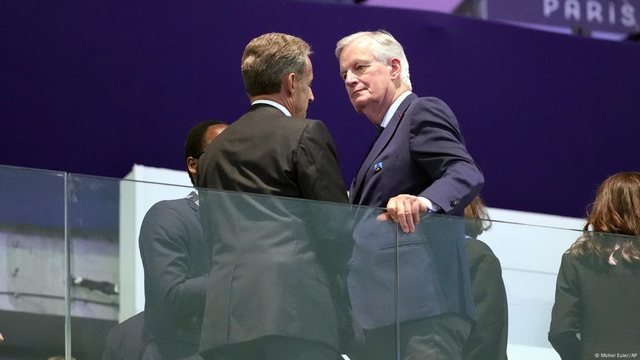
The fact that Marine le Pen - unlike the united left, which has also strengthened - is in no rush to present a motion of no confidence against Barnier in parliament, is probably also related to the prospect of further tightening policies on asylum and immigration. "Barnier has stressed several times in the past that he sees Brexit as a response to the loss of control of national politics. He fears that if he does not change anything fundamental in Europe's immigration policy, it will call into question the whole European project," said Ross.
To prevent this development, Barnier is relying on a stricter immigration policy. The new head of government has not yet revealed details, but his campaign three years ago for the presidential candidacy gives an indication of what should be expected from him.
At the time, the former foreign minister campaigned for the introduction of fast-track asylum procedures, called for restrictions on family reunification and talked about the possibility of a temporary ban on the admission of asylum seekers, possibly for several years. According to him, even constitutional amendments should not be taboo to place national law over EU law in case of doubt. The measures should serve the purpose of restoring national sovereignty in immigration policy and promoting the integration of immigrants. In the end he was not chosen as a presidential candidate, but these were his positions that may still be relevant.
It may be that he secures the necessary votes from the RN in parliament for austerity measures, but Barnier and Le Pen are politically different. Barnier is seen as a middle-of-the-road man who does not question the European integration project and the EU institutions. Although Le Pen no longer wants to take France out of the EU as she once did, she nevertheless wants to fundamentally change relations with Brussels.
In the National Assembly, Barnier can only rely on less than 50 members of his party and the president's Alliance. Despite the opposition role of Barnier's LR, both camps had already agreed on a tightening of immigration policy in 2023. At the time this led to tensions in Macron's camp, which had attracted many fringe politicians the left. Last year's reform established, among other things, multi-year waiting periods for some immigrants from non-EU countries to receive social benefits.
But the numerous austerity measures were rejected by the Constitutional Council immediately after their introduction. Partly because the court found a violation of the Constitution in some paragraphs, partly because of procedural errors. The court struck down the regulation at the border deciding whether an immigrant should be admitted or not, citing a separation of powers violation.
Negotiation skills required
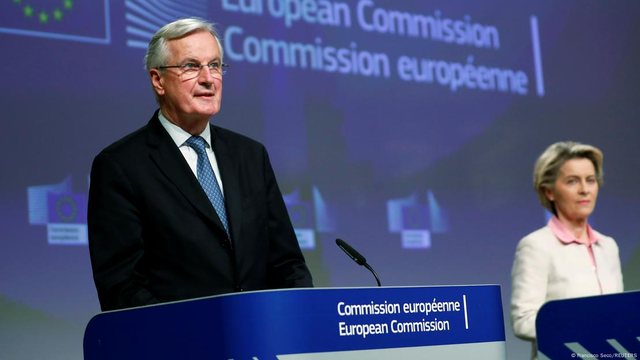
In the coming months, Michel Barnier's special negotiating skills are required both at home and abroad. As a former EU chief Brexit negotiator, Barnier knows all too well the rules of the game in Brussels. The so-called Dublin Regulation and the Schengen Borders Code set high barriers to long-term border checks and refugee returns at the border.
According to this, border controls at internal borders in the Schengen area can only be a temporary exception. But recently the number of EU states that rely on border controls and partially ignore EU rules has increased.
Michel Barnier, who probably has no great interest in undermining EU law, can now take advantage of the political dynamics in Germany. Shortly after Barnier took office, German Interior Minister Nancy Faeser announced that border controls would be introduced and that there would be "removals of asylum seekers in accordance with European law". Controls will be established with all neighboring countries. In this way, the block is strengthened for stronger external border controls.
But the debate in France is much bigger than in Germany. Immigration reform passed last year, despite protests. It goes beyond what currently seems to be acceptable to the majority in Germany. Refusals at the border are no longer a topic of discussion in France. In 2017, when Emmanuel Macron was first elected at the Élysée Palace, French security forces detained more than 50,000 people on the Franco-Italian border alone. Checks were made not only on roads and trains, but also with mountain patrols./ DW

Olaf Scholz is a calm man who is hard to make angry. C...

This Thursday, the former president of Peru, Alberto F...
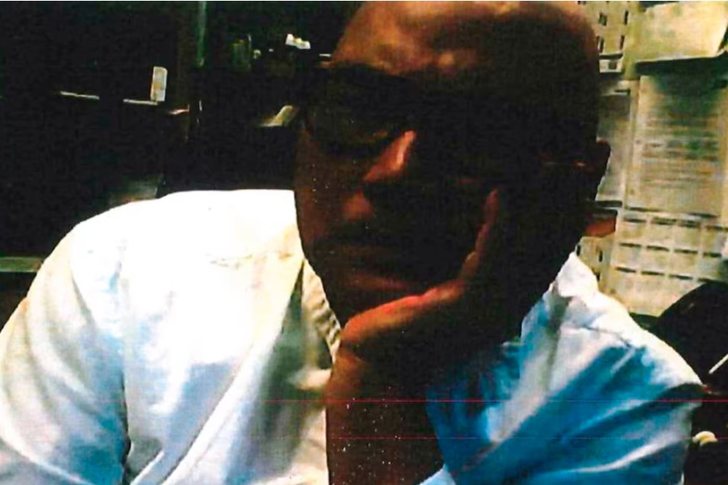
A former CIA employee and FBI language contractor who rece...
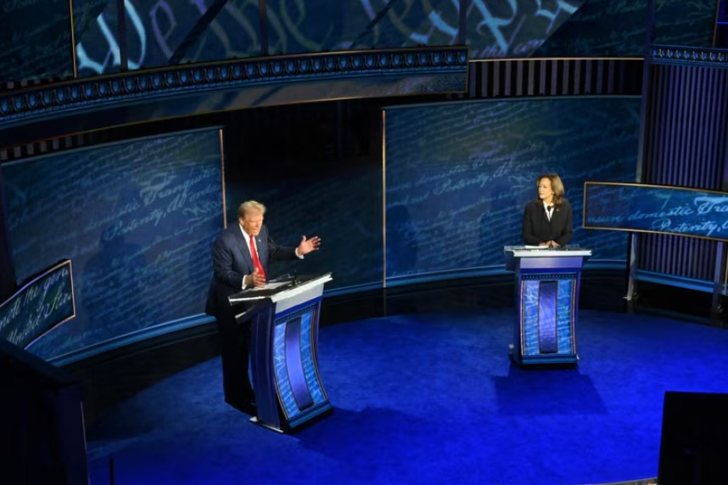
About 67.1 million people watched the presidential deb...
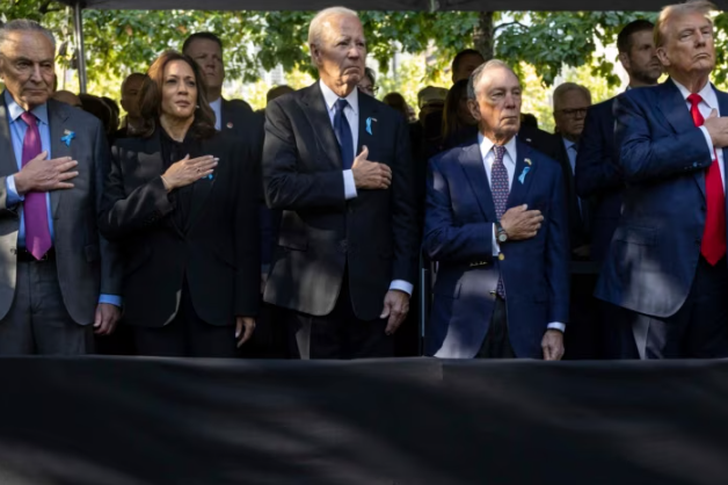
In the United States, about 3,000 victims of the terrorist...
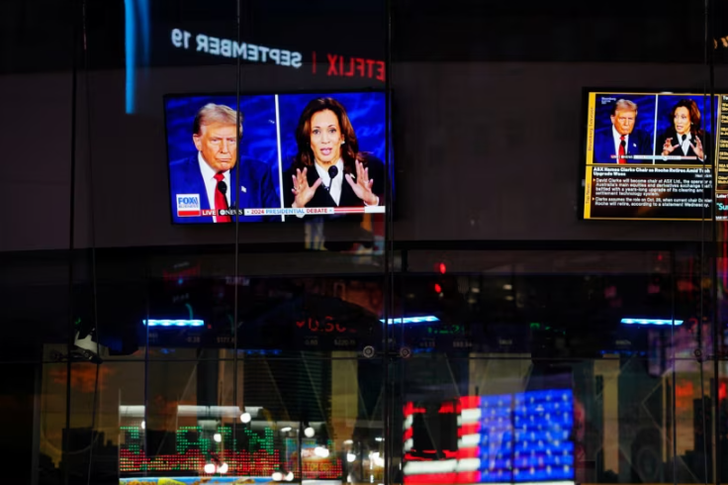
Democratic Vice President Kamala Harris and former Republi...
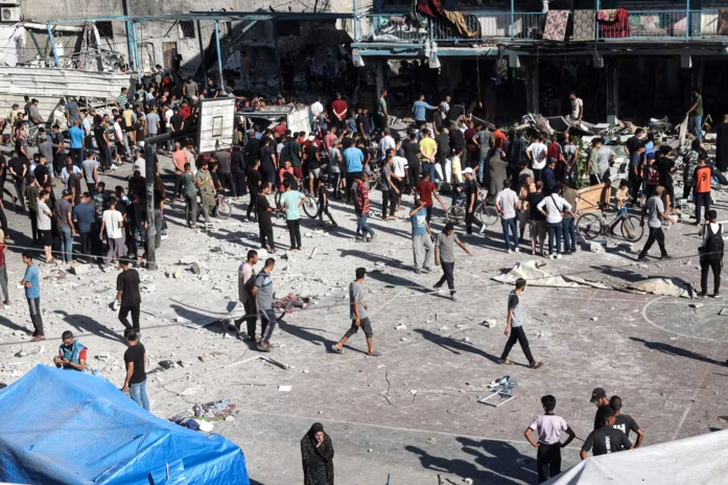
At least 34 people have been killed, including 19 women an...
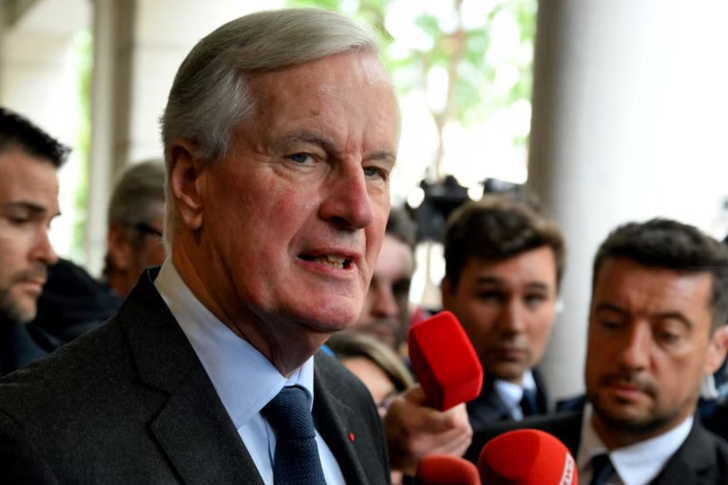
France will have a new Government "next week", said the re...
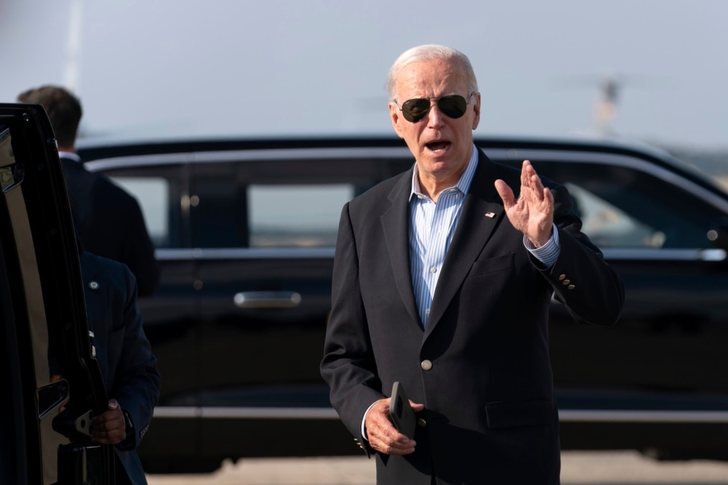
United States President Joe Biden said late Tuesday th...
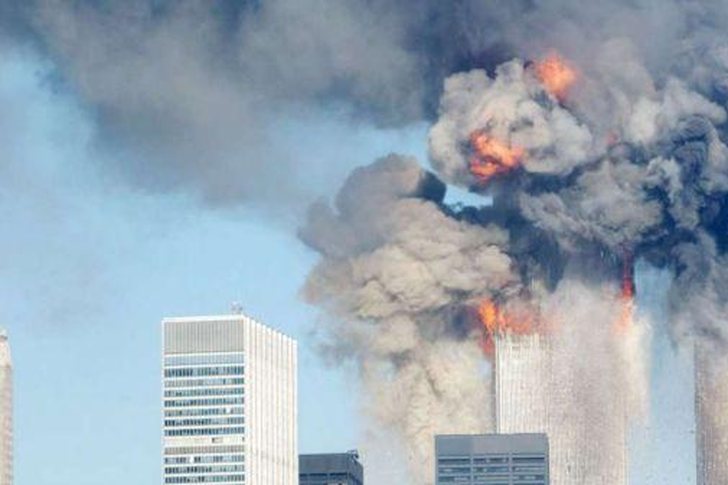
September 11, 2001 will long be remembered in people's min...
The United Nations Organization (UN), in the new proje...
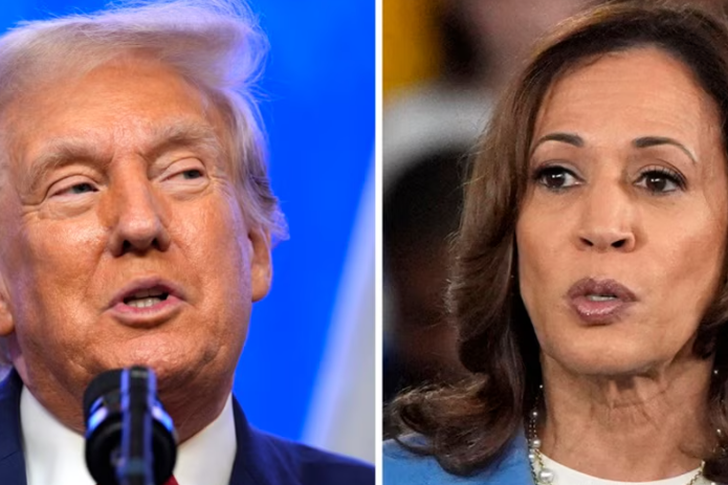
Former President Donald Trump and Vice President Kamala Ha...
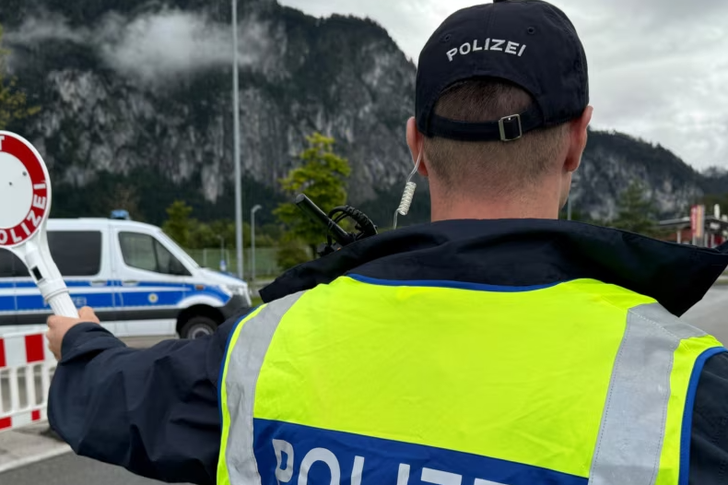
Germany has insisted that its decision to carry out border...
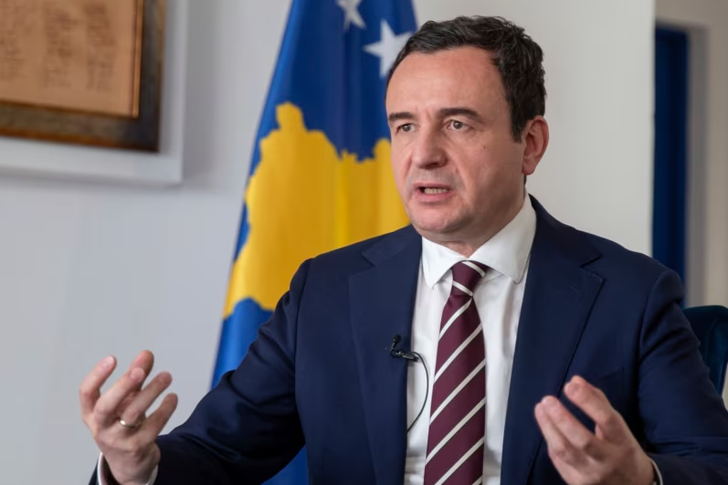
The Prime Minister of Kosovo, Albin Kurti, during a vi...
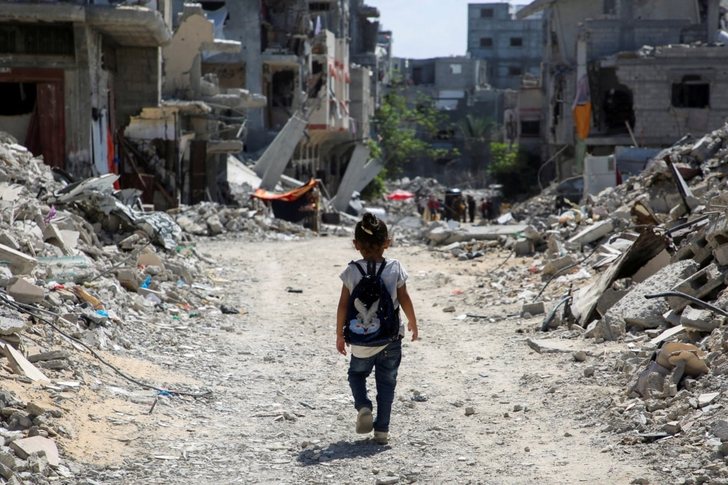
UN Secretary-General Antonio Guterres said on Monday that ...
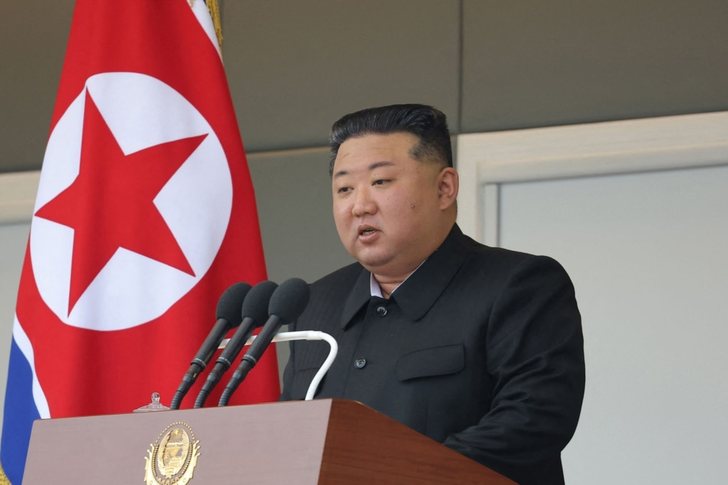
North Korean leader Kim Jong Un has said that Pyongyan...
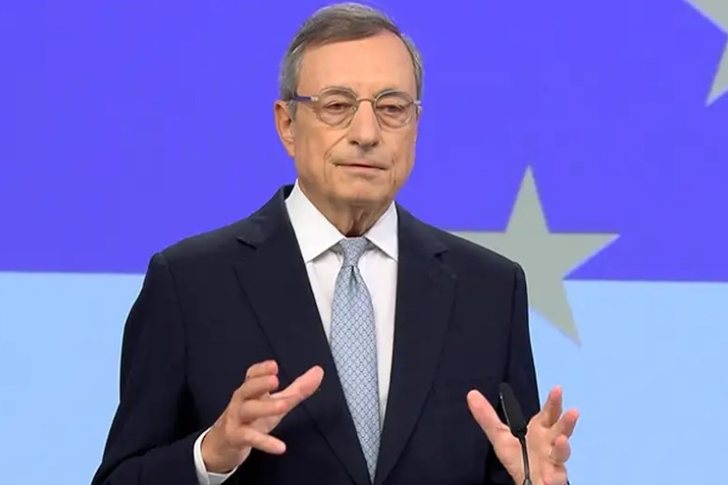
"Europe has missed out on the digital revolution broug...
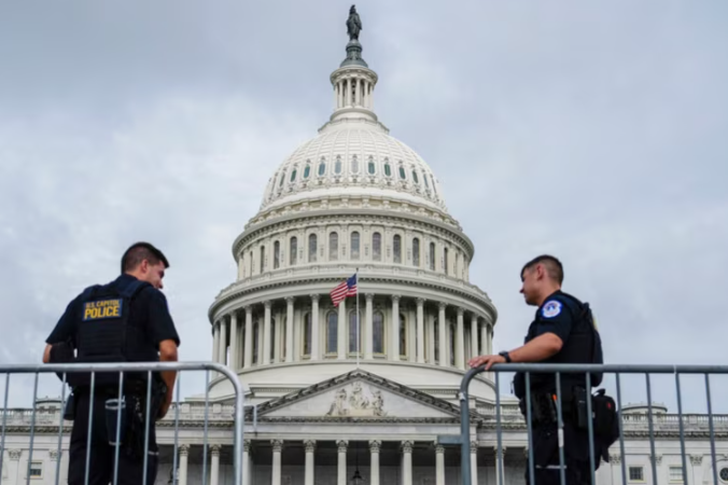
Ways to curb China's influence and power through its biotech...
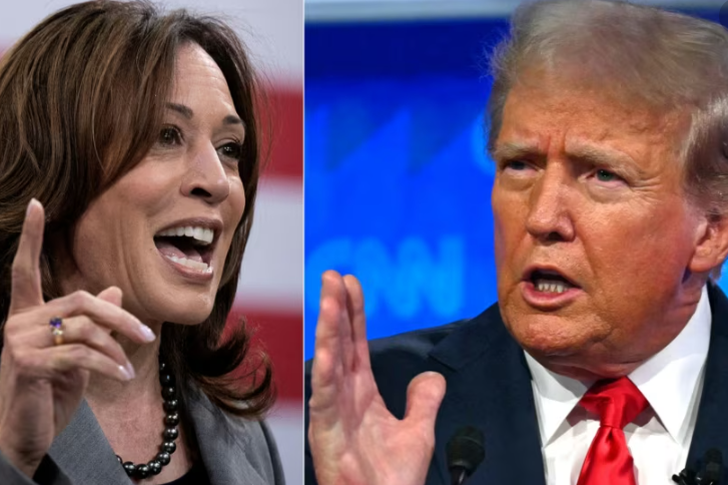
The debate between Democratic Vice President Kamala Harris...
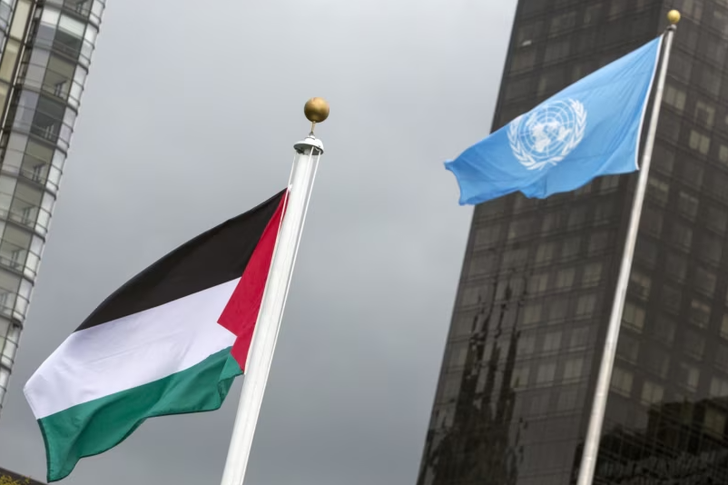
The Palestinians, through a draft resolution that they are...

CNA has launched another investigation that could lead to ...

Irfan Hysenbelliu is a businessman that we call "Irfan the...

In March 2026, CNA launched another investigation centered...
The arrested mayor of Tirana, Erion Veliaj, with 13 charge...

The Special Board of Appeal (KPA) decided this Monday ...

The KPA vetting decided this Thursday to dismiss the p...

Suela Salavaçi, a prosecutor in the Prosecutor's Offic...

The Special Board of Appeal reinstated the prosecutor ...
New details have emerged regarding the accident that occur...

New details have emerged from the serious accident that oc...
A serious accident occurred this Wednesday on the Elbasan-...
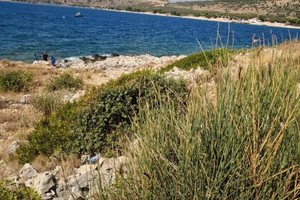
Citizen MH, 61, a fisherman, was found dead near the islan...
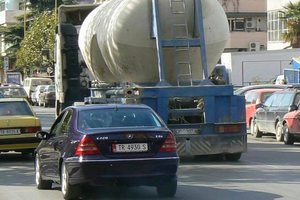
A serious accident that occurred this Wednesday with the c...

The Institute of Geosciences has shared a forecast for wea...
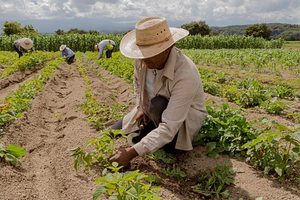
Rising energy and fertilizer prices are expected to contin...
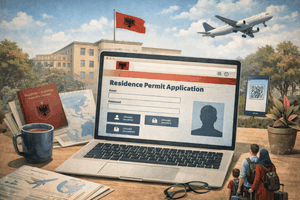
Over 18,000 foreign citizens from 140 countries have appli...
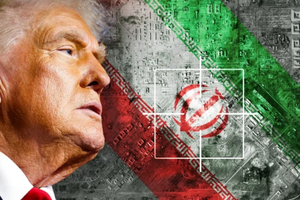
US President Donald Trump has issued another warning to Ir...
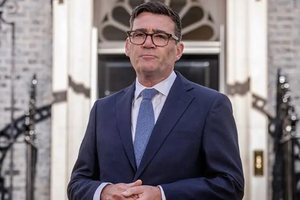
Prime Minister Andy Burnham has announced that most bus fa...

France's parliament has passed a law to ban social media f...

US Secretary of State Marco Rubio arrived in Manila on Jul...

At a time when industrial products are increasingly taking...

Trust among people is not just a three-syllable word. It c...

Master of humor Todi Llupi has passed away at the age of 7...

The ninth edition of "MIK Festival" kicked off with one of...

Businesses will no longer be required to simply register t...

Despite economic growth and income in recent years, Albani...

This Wednesday, one US dollar is bought for 81.4 lek and s...

Construction company licenses will have a validity period ...