

How can politicians protect themselves?
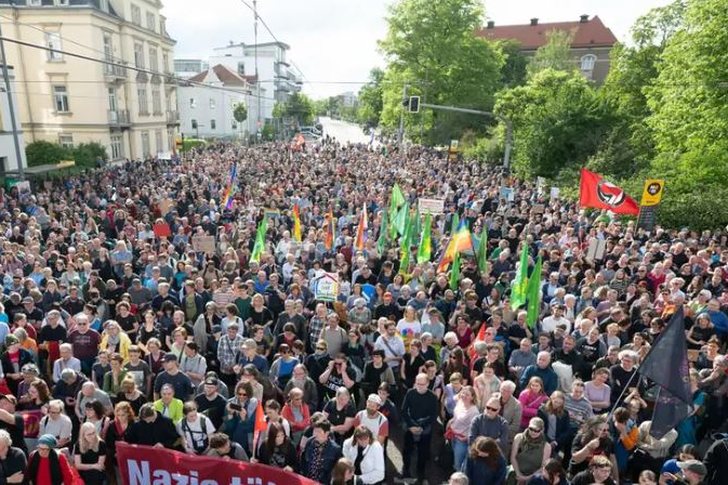
Protests were also held in Berlin and Dresden on Sunda...


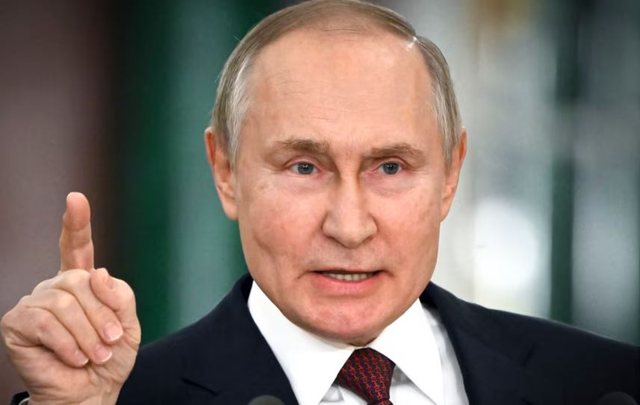
Just a few months shy of a quarter of a century as Russia's leader, Vladimir Putin will lay his hand on a copy of the Constitution on Tuesday, May 7, and begin another six-year term as president with extraordinary powers.
Since becoming acting president on the last day of 1999, Putin has shaped Russia into a monolith — suppressing political opposition, driving independent journalists from the state, and promoting a growing commitment to "traditional values" that many members of society push them to the limit.
His influence is so dominant that other officials stayed out of the decision-making when he decided to go to war against Ukraine, despite expectations that an invasion of the neighboring country would bring international scorn and harsh economic sanctions, and that Russia would pay a heavy price. with the blood of its soldiers.
With this level of power, what Putin will do with his new mandate is the most important question being asked inside Russia and abroad.
The war in Ukraine, where Russia is making progress on the battlefield, is the main concern, and Putin is showing no sign of changing direction.
"The war in Ukraine is at the heart of his current political project and I see nothing to suggest that will change. And that affects all the other things," Brian Taylor, professor at Syracuse University and author of the book "Putinism Code," told the Associated Press.
"It affects who is in what position, it affects the resources that are available and it affects the economy as well as the level of repression within the state," he added.
During his address to the nation in February, Putin vowed to meet Moscow's goals in Ukraine and do whatever is necessary "to protect our sovereignty and the security of our citizens." He claimed that the Russian army "has gained great combat experience" and "has the initiative and is conducting offensives in a number of sectors".
But the war has a high price and the money dedicated to the war could be spent on other projects within the state and on reforms in education, welfare and the fight against poverty, topics that Putin used as part of his two-hour speech and these problems he elaborated in detail.
Taylor suggested that such projects were included in Putin's speech only for "show", and they are not expected to be implemented.
Putin "thinks of himself in big historical terms of the Russian lands, returning Ukraine to where it belongs, so he has these kinds of ideas. And I think these ideas go beyond socioeconomic type programs," Taylor said.
If the war were to end in total defeat by either side, with Russia able to retain some of the territory it has already conquered, European countries fear that Putin could be emboldened towards further military adventurism in the Baltics or Poland.
"It is possible that Putin has great ambitions and will try to follow up the costly success in Ukraine by launching a new attack elsewhere," Spehen, a professor of international relations at Harvard University, wrote in Foreign Policy magazine. Walt. "But it is also entirely possible that his ambitions do not extend beyond what Russia has won at an extraordinary cost, and he has no need or desire to risk more."
But, Walt added that "Russia will not be able to start new wars of aggression when the war in Ukraine finally ends."
But, such a rational concern others say that it can not stand. Maksim Samorukov of the Carnegie Center for Russia and Eurasia said that "driven by Putin's whims and mania, Moscow is likely to commit self-destructive actions."
In a commentary for Foreign Affairs, Samorukov suggested that Putin's age could affect his judgment.
“At 71 years old...his awareness of his own mortality surely influences his decision-making. A growing sense of his limited time no doubt contributed to his fateful decision to invade Ukraine."
Overall, Putin may enter his term with a weaker grip on power than he appears to have.
Russia's "weaknesses" are hidden in plain sight. Now more than ever the Kremlin makes decisions in a personalized and arbitrary way," wrote Samorukov.
"The Russian political elite has become more patient in carrying out Putin's orders and more obedient to his paranoid outlook," he wrote. The regime "is in perpetual danger of collapsing overnight, as its Soviet predecessor did three decades ago."
Putin will certainly continue his animosity towards the West, which, in his address to the nation, he said "wants to do to Russia what it has done to many other regions of the world, including Ukraine: to divide our country." , weaken it from the inside".
Putin's resistance to the West manifests itself not only in anger over the West's support for Ukraine, but also over what the Russian leader sees as an undermining of Russia's morale.
Last year, Russia banned a national LGBTQ+ "movement," declaring the movement to be extremist. Officials said that by banning the "movement" they were fighting for traditional values ??- such as those espoused by the Russian Orthodox Church - in the face of Western influence. Russian courts also banned gender reassignment.
"I expect the role of the Russian Orthodox Church to continue to be very visible," Taylor said. He also recalled the outrage that was caused after guests at a party organized by TV presenter Anastasia Ivleeva were asked to go "almost naked".
"Other actors in the system understand that these things resonate with Putin... There are people who are interested in exploiting these things," he said.
Although the opposition and independent media have all but disappeared due to the crackdown under Putin, there is still scope for further moves to control Russia's information space, including by pushing forward the Russian state's efforts to create a "sovereign internet".
Putin's inauguration as president will come two days before Victory Day, Russia's most important secular holiday, which commemorates the occupation of Berlin by the Soviet Red Army in World War II and the extraordinary hardships of the war, in which The Soviet Union lost close to 20 million people.
The defeat of Nazi Germany is an integral part of Russia's modern identity and Putin's justification for the war in Ukraine, saying the two events were similar. /REL

Protests were also held in Berlin and Dresden on Sunda...
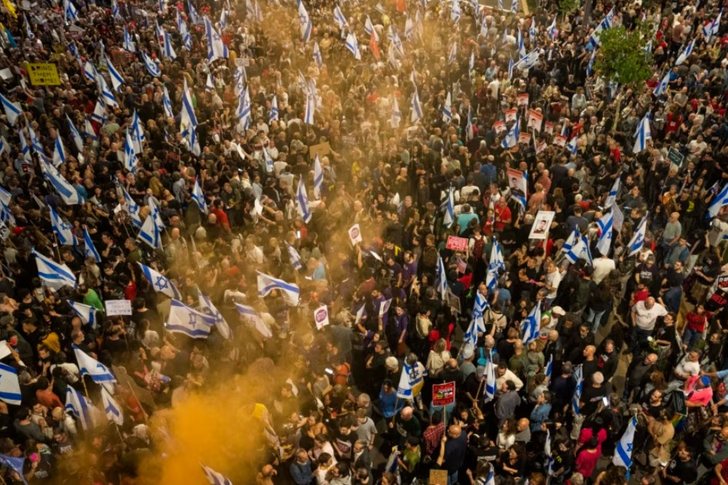
Talks between Israel and Hamas on a Gaza ceasefire broke d...
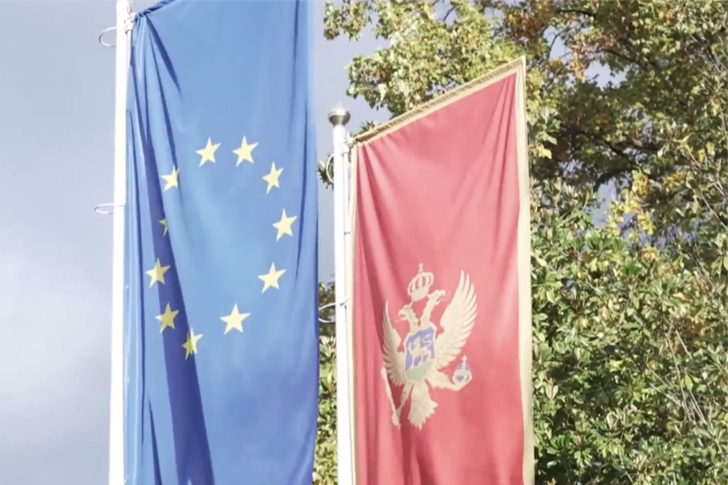
Analysts estimate that in Montenegro there should be an un...
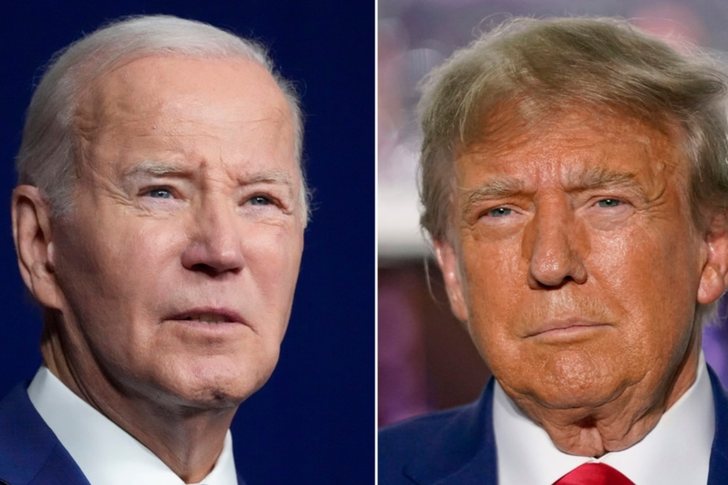
The candidate who is expected to secure the nomination...

As Ukraine marked its third Easter at war, Russia attacked...
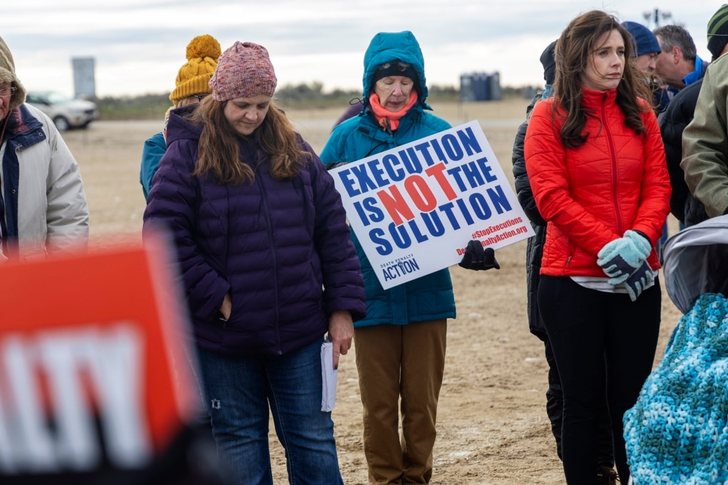
While some American states are considering new methods to ...
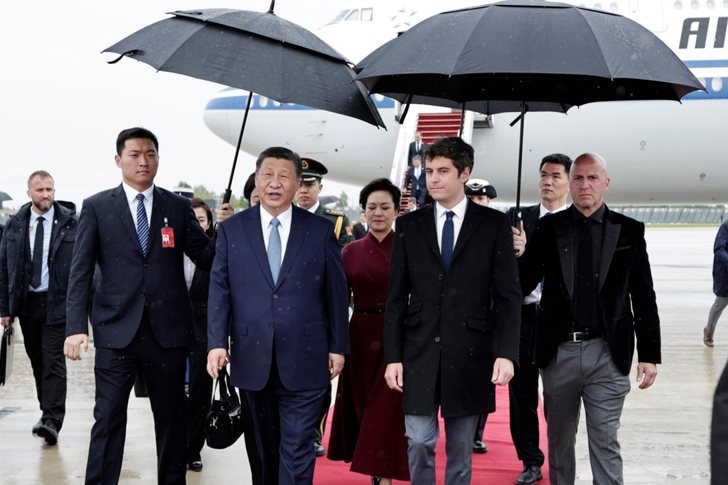
The President of China, Xi Jinping, arrived in France on M...

When Chinese journalist Su Yutong fled her country in 2010...
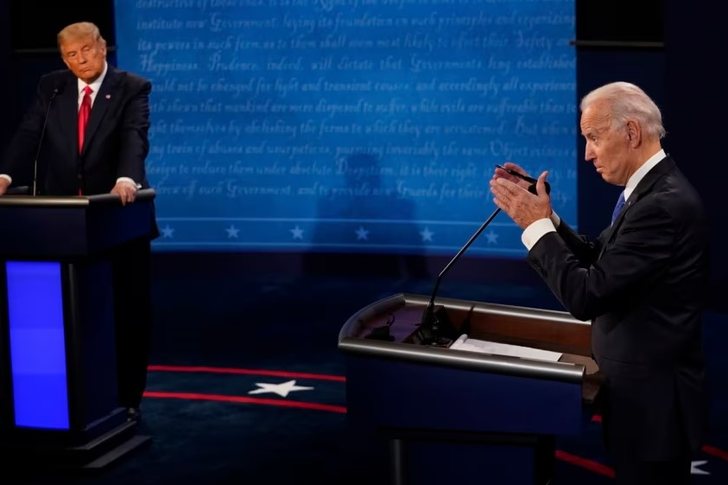
This year's presidential election in the United States is ...
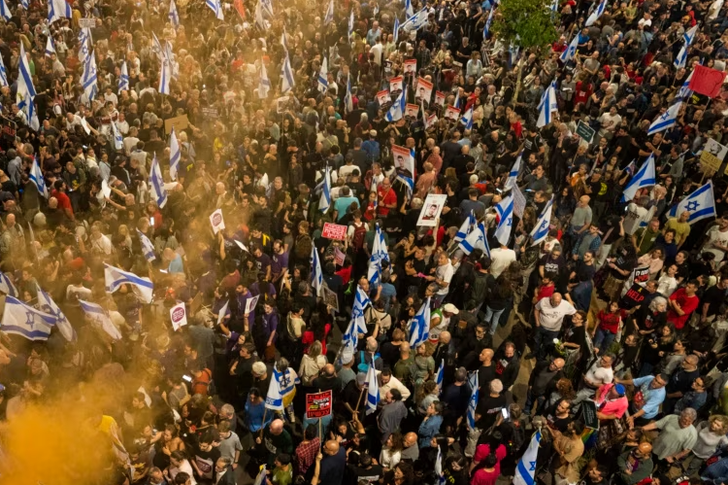
Hamas leaders met today for the second day in a row with E...
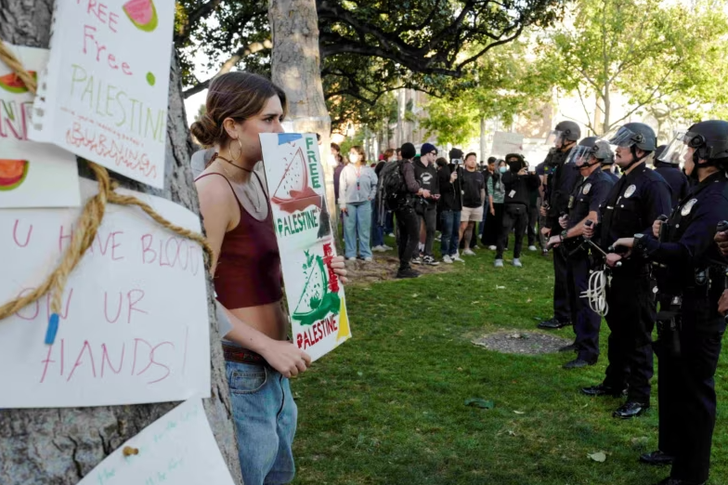
Early Sunday morning, pro-Palestinian protesters left a ca...
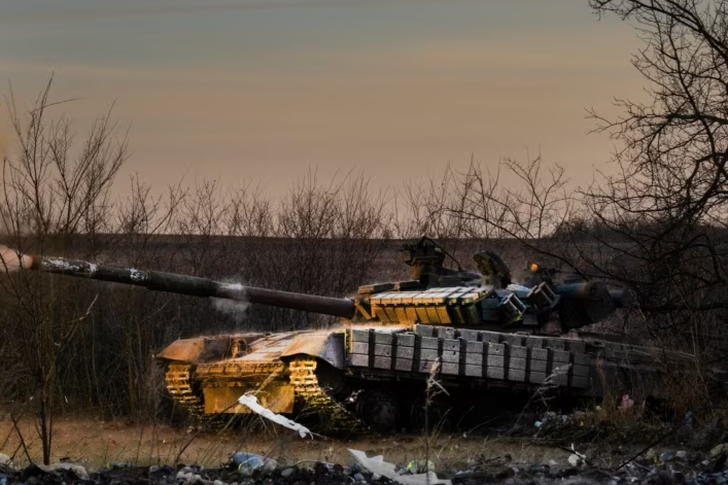
Russian forces claimed to have taken control of an eastern...
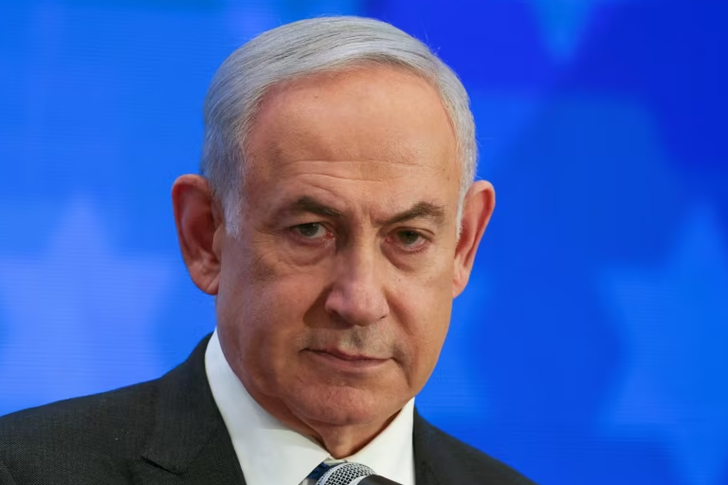
Israeli Prime Minister Benjamin Netanyahu said his gov...
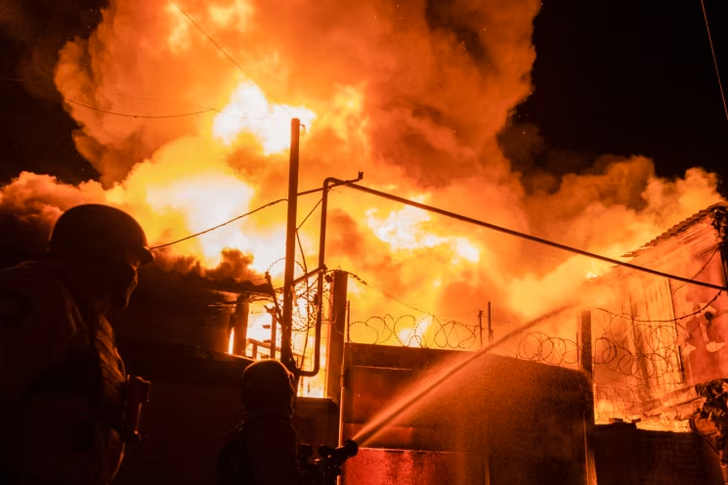
Russian missile strikes in Ukraine's Donetsk region have k...
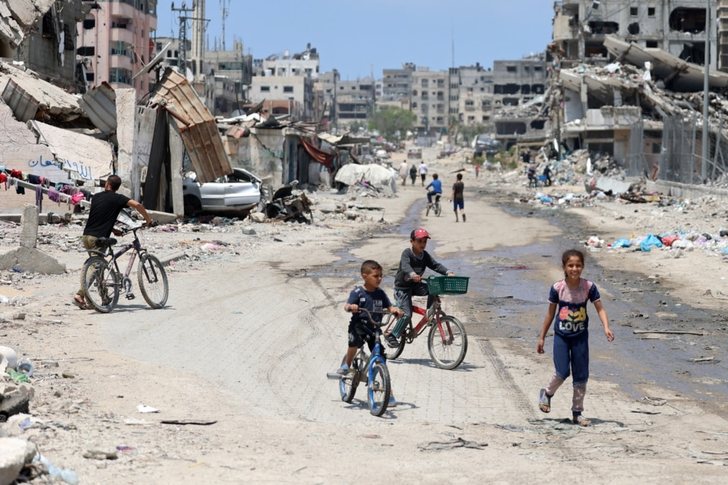
A delegation of Hamas - the Palestinian group designated a...
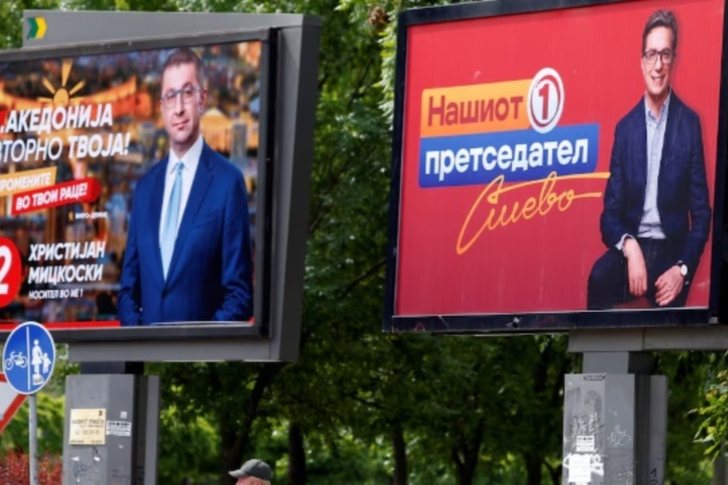
In North Macedonia, the largest opposition party VMRO-DPMN...
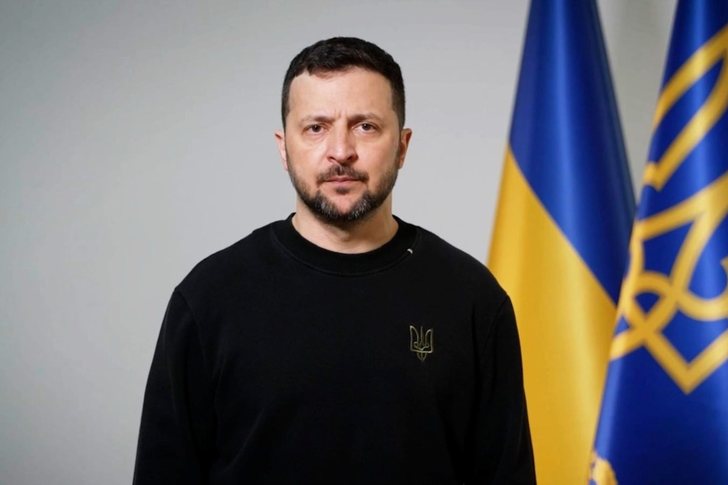
The Ministry of Internal Affairs of Russia has placed the ...
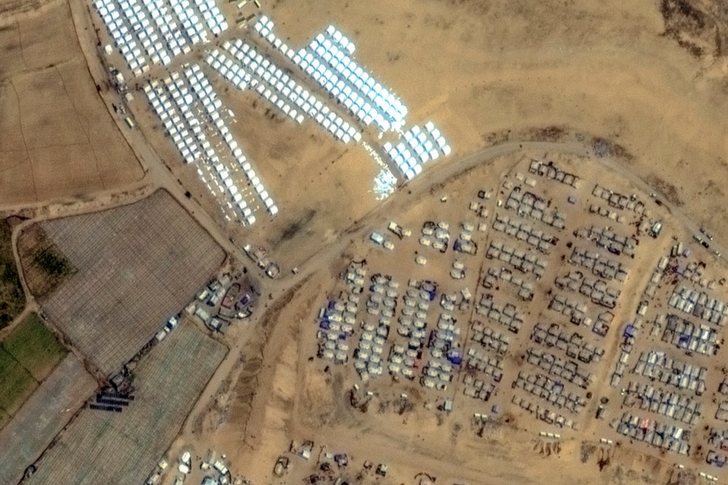
US officials say Israel briefed Biden administration offic...
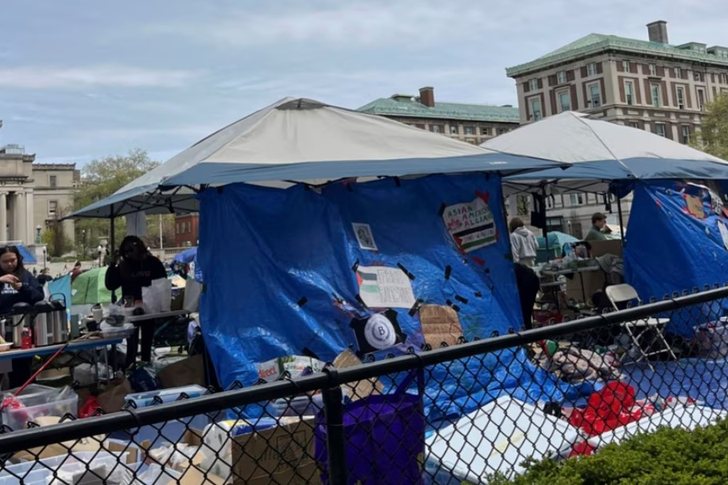
Protests against Israel's war with Hamas have taken place ...
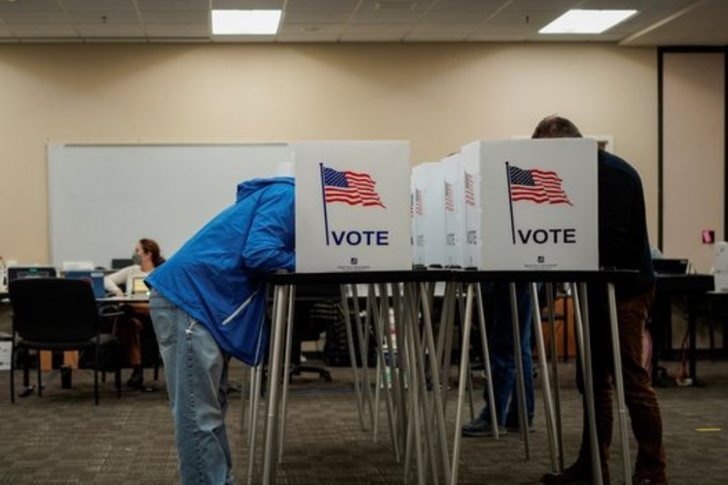
"Dangers to democracy" have become the main concern of Ame...

CNA has launched another investigation that could lead to ...

Irfan Hysenbelliu is a businessman that we call "Irfan the...

In March 2026, CNA launched another investigation centered...
The arrested mayor of Tirana, Erion Veliaj, with 13 charge...

The Special Board of Appeal (KPA) decided this Monday ...

The KPA vetting decided this Thursday to dismiss the p...

Suela Salavaçi, a prosecutor in the Prosecutor's Offic...

The Special Board of Appeal reinstated the prosecutor ...
New details have emerged regarding the accident that occur...
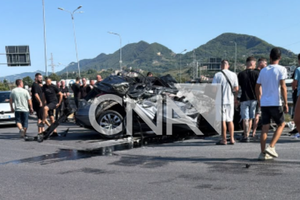
New details have emerged from the serious accident that oc...
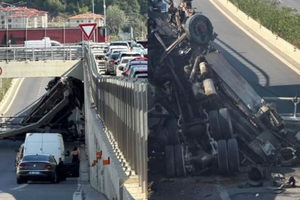
A serious accident occurred this Wednesday on the Elbasan-...
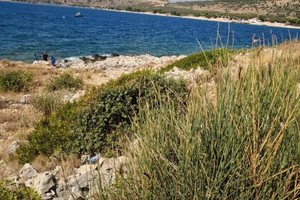
Citizen MH, 61, a fisherman, was found dead near the islan...

The Institute of Geosciences has shared a forecast for wea...
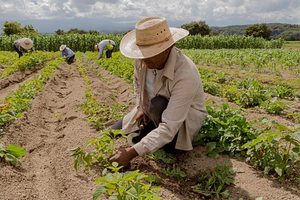
Rising energy and fertilizer prices are expected to contin...

Over 18,000 foreign citizens from 140 countries have appli...
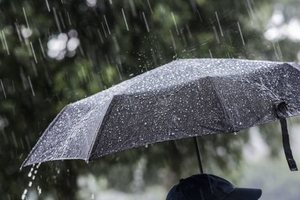
This Wednesday, our country will be under the influence of...
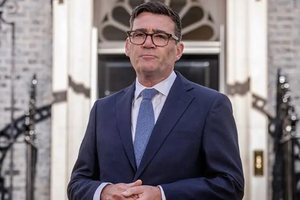
Prime Minister Andy Burnham has announced that most bus fa...
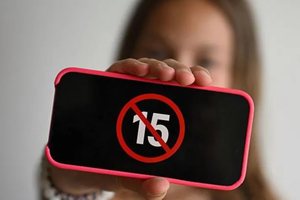
France's parliament has passed a law to ban social media f...
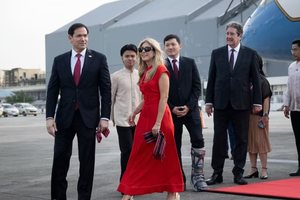
US Secretary of State Marco Rubio arrived in Manila on Jul...
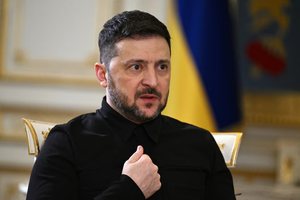
In the space of a few days, Ukrainian President Volodymyr ...

At a time when industrial products are increasingly taking...

Trust among people is not just a three-syllable word. It c...

Master of humor Todi Llupi has passed away at the age of 7...

The ninth edition of "MIK Festival" kicked off with one of...

Businesses will no longer be required to simply register t...

Despite economic growth and income in recent years, Albani...
This Wednesday, one US dollar is bought for 81.4 lek and s...
Construction company licenses will have a validity period ...