


ICC votes to dismiss Chief Prosecutor Karim Khan
Member states of the International Criminal Court voted to...

Member states of the International Criminal Court voted to...

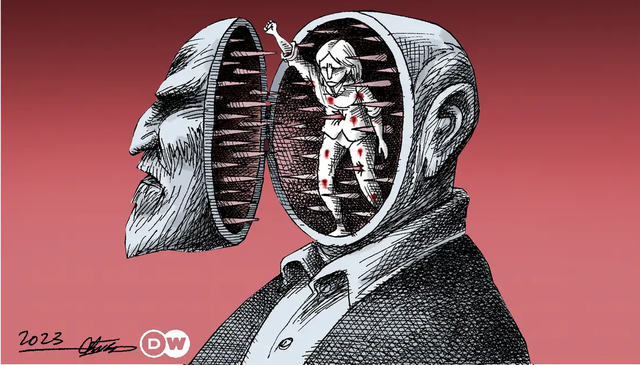
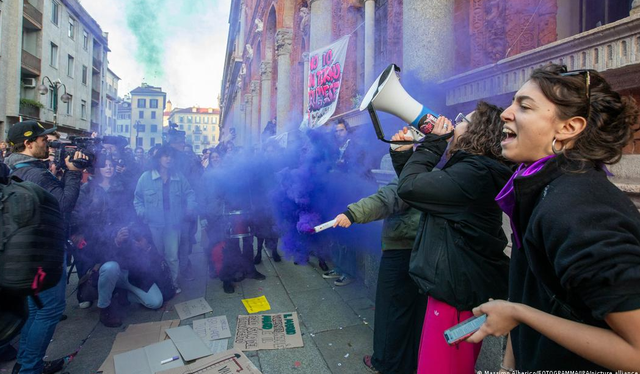
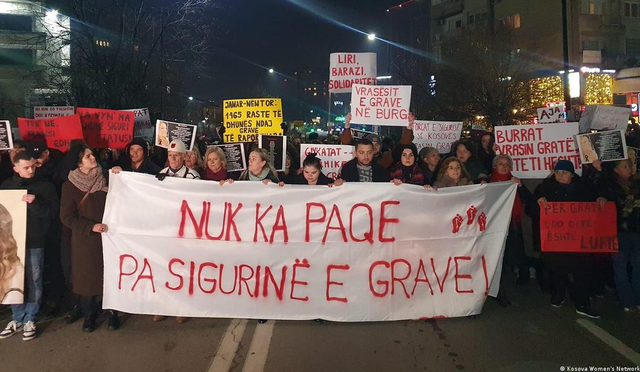
The 14-year-old Macedonian, Vanja Gjorgjievska, the 30-year-old from Kosovo, Liridona Ademaj, the 22-year-old Italian, Giulia Cecchetti - all three were buried in one day, all three were victims of violence by family members or intimate partners. Their murder has sparked street protests for better protection of women and girls from gender-based violence. Activists demand that these cases be labeled as femicide.
What are femicides, namely feminicides?
Femicide means killing a woman because of her gender. Another term used in this context is feminicide, and it also means the responsibility of state and social institutions. In many cases the perpetrators of the murder or those who order them are former intimate partners or members of the family circle. Can the case of Vanja and Liridona be called femicide? Jeta Xharra, publicist and vocal activist for women's rights in Kosovo, tells "Deutsche Welle" that "until the opposite is proven, we think that every woman or girl who is killed by a man is called feminicide". The UN Office on Drugs and Crime UNODC has defined two criteria for a femicide: The killing must be intentional and one of the motives must be gender-based.
How widespread is femicide as a phenomenon?
According to the latest UNODC report, 89,000 femicides will be recorded worldwide in 2022 alone. Most of them are Africa and Asia. In Germany, the number of femicides last year was 133, most were killed by their partners or ex-partners. In Kosovo, it is estimated that since 2000 there have been 66 femicides, that is, an average of two per year, for a country with less than two million inhabitants, this is a very high figure, activists say. In Serbia, 27 women were killed in gender-based attacks. In Bosnia-Herzegovina (3.3 million inhabitants) 65 women have been killed in the last 10 years alone. While the Minister of Justice of North Macedonia, Krenar Lloga, said that in the last four years in North Macedonia, 19 women have been killed by men.
Are the victims of femicides only women of low social status?
Femicide is widespread in all strata of society, experts say. In September 2022, Switzerland was shocked by the murder of 41-year-old Shqiponja Isufi, whose killer is most likely her husband. Shqiponja was a well-known activist in the Albanian diaspora in Switzerland, she was a successful entrepreneur and professor at a University in St. Gallen. The suspect, the husband, an Albanian from North Macedonia, who lived for twenty years in Switzerland, has admitted the guilt and is on trial, as it is known from the Prosecutor's Office in Baden, Switzerland. Even Liridona Ademaj, according to the data so far, had her own successful company in Sweden and enjoyed a reputation in diaspora circles.
Can murder in a couple be called a family tragedy?
There are a number of Latin American countries that treat femicide as a separate criminal offense in the courts. In Europe this has not been achieved in any country so far. Even in Germany: In court proceedings many judges find it difficult to find the right term when dealing with the murders of women by partners or ex-partners. In many cases they do not treat this killing as intentional, but as a fatal blow. Because misogyny or a man's hurt cedar, as is claimed to have been the motive in the case of Giulia from Italy, are not considered as characteristic features for a murder. German Family Minister Lisa Paus, from the Green Party, is trying to introduce gender-based murder as a characteristic of murder. "There is no murder either out of jealousy or out of love," she says. "Murders in pairs are femicides".
How can femicide be prevented?
Femicide is not the beginning, but the end of an ordeal of previous suffering, experts say. "Domestic violence does not start with physical attacks. On the contrary, it is a slow process that often begins with criticism, jealousy, threats, insults and control", explains Petra Söchting, director of Hilfetelefon in Germany, which advises victims of violence against women. Therefore, she advises women affected by violence to be vigilant and not ignore the first signs. Counseling is also done in the Albanian language. According to "Deutsche Welle" information, last year there were 82 phone calls with an interpreter in Albanian. The highest number of calls with interpretation in 2022 was in Arabic, 758.
What is the Istanbul Convention?
Femicide is prevented by preventing violence and reacting properly when violence against women is reported: The Istanbul Convention, an agreement of the Council of Europe reached in 2011, has already been ratified by many countries, among them Albania, Kosovo and North Macedonia. It classifies violence against women as a violation of human rights and provides a series of measures to save women from men's violence. Such are, providing shelter for threatened women, punishing or prohibiting the man from approaching the threatened woman. But very often it falters in implementation.
What are Orange Days?
Vanja, Giulia, Liridona were killed, respectively, they were buried exactly on the so-called Orange Days, announced by the UN as the days for the prevention of violence against women. These are 16 days of action starting from November 25, International Day of Violence Against Women, until December 10, International Human Rights Day, and aim to raise awareness about violence against women.
Is patriarchy the cause of femicide?
The murder of Giulia by her ex-boyfriend, Filippo, brought about a change in Italian opinion, as the victim's sister, Elena Ceccetti, called on society to look at the oppression of women and not at Filippo as an individual killer. "Filippo is not a monster", she said on Italian television. He is a "child of the patriarchy that penetrates everything and of a violent culture". -five women a month for domestic violence. But they do not find the support of their families, because the prevailing mentality is: "Do as the man says". had asked for advice. This word was like a knife in my chest. Changing this mentality requires time and a wider participation of women in leadership positions", says Xharra./ DW




The Albanian Road Authority has informed that during the n...

Democracy was invented in Europe. Free and secret elec...

On Wednesday, Brazilian soccer club Santos FC, one of ...
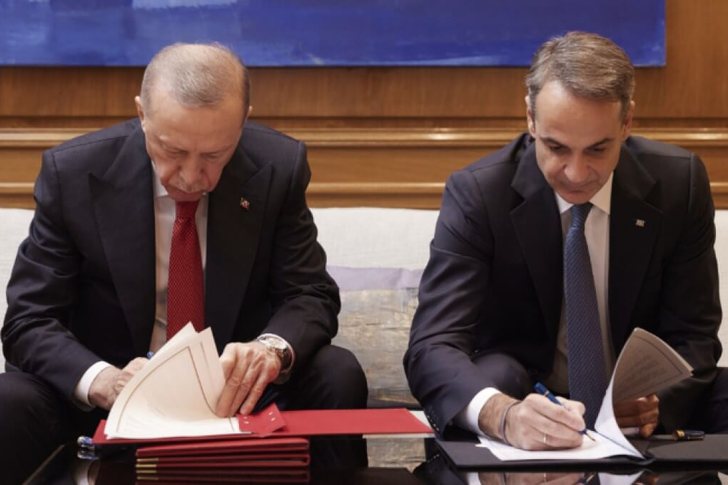
In an effort to break years of strained ties with Turk...
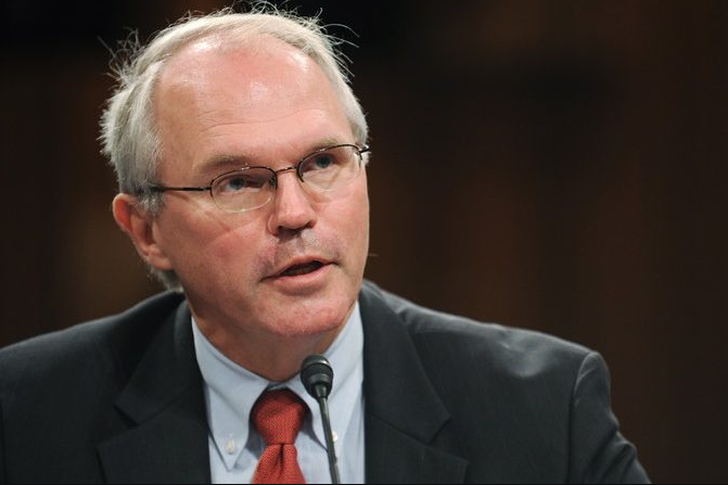
The American ambassador to Serbia, Christopher Hill, s...

Romanian Prime Minister Marcel Ciolacu said Romania's ...
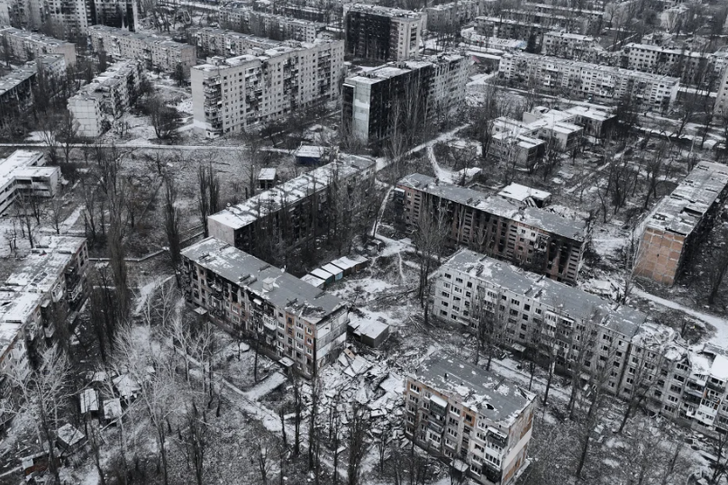
The aid crash in Ukraine is so critical because US wea...

Federal prosecutors have filed tax charges against Hun...

The former prime minister, Sali Berisha, issued the docum...
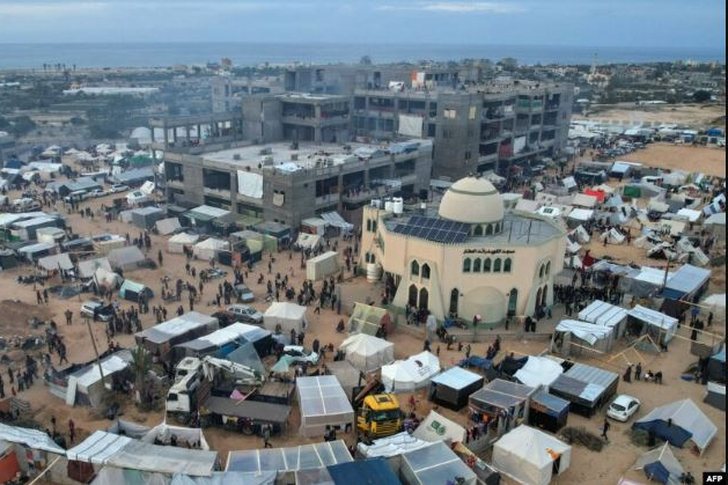
Also this Thursday, Israel continued its attacks on Ha...

Journalist Labinot Lepashtica has shown details from the P...

The Israel Defense Forces on Thursday evening announce...
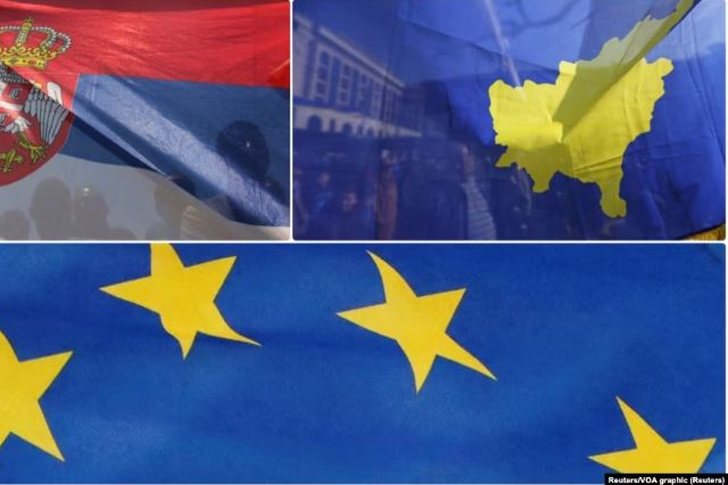
The European envoy for the Kosovo-Serbia talks, Mirosl...
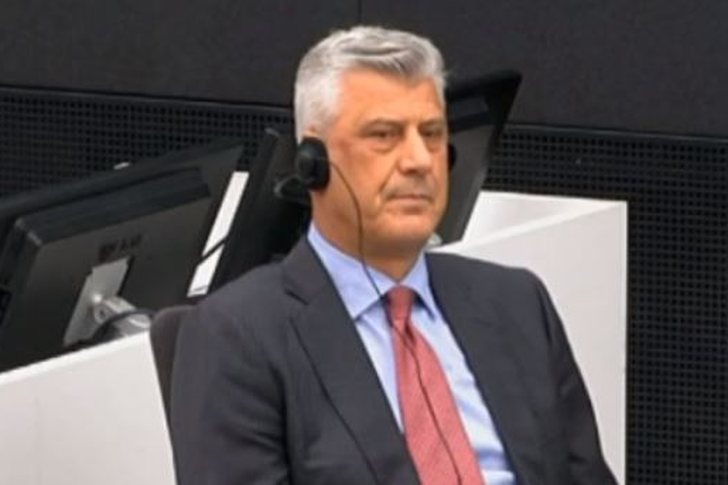
The Specialized Chambers of Kosovo have announced that the...
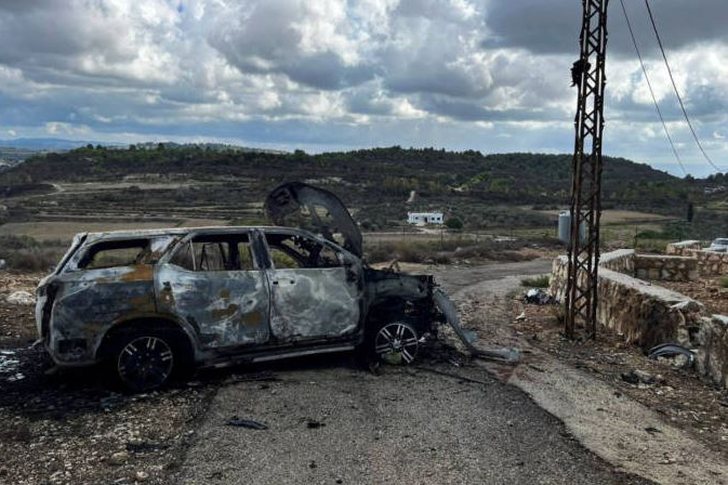
An Israeli tank crew killed a Reuters journalist and w...
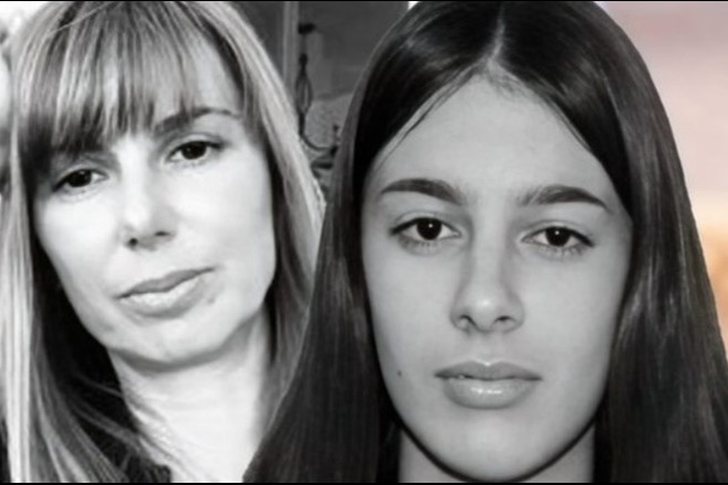
Zorica Gjorçevska, nëna e Vanja Gjorçevksa, 14-vjeçare...

The world has entered an era of dramatic changes and o...

The Danish parliament today passed a bill that makes it il...
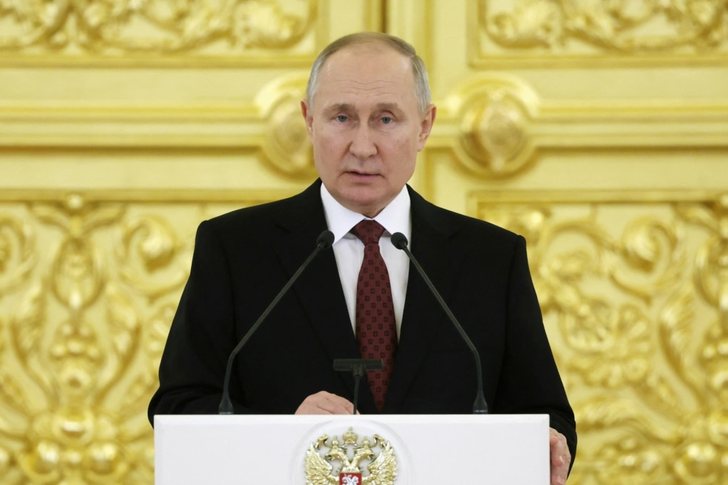
The upper house of Russia's parliament, the Federation...

Një grup qytetarësh serbë të komunave Mitrovicë e Veriut, ...
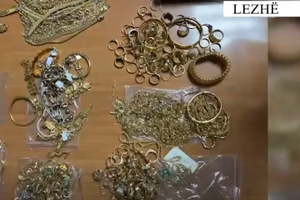
A 39-year-old citizen has been arrested in Lezha, after se...

CNA has launched another investigation that could lead to ...

Irfan Hysenbelliu is a businessman that we call "Irfan the...

In March 2026, CNA launched another investigation centered...

The Special Board of Appeal (KPA) decided this Monday ...

The KPA vetting decided this Thursday to dismiss the p...

Suela Salavaçi, a prosecutor in the Prosecutor's Offic...

The Special Board of Appeal reinstated the prosecutor ...
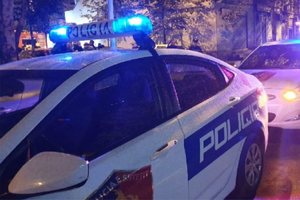
A conflict for weak motives was recorded today in the vill...

An accident involving three vehicles occurred a few minute...

55-year-old Belere Plaka, who was injured today with a sho...

Police Announcement: Following preliminary information...

Today, our country will be under the influence of stable a...

By noon, cloudiness is expected to prevail in almost all o...

Children without parental care, for whom alternative famil...
On Thursday, our country will be under the influence of st...

Member states of the International Criminal Court voted to...

From the declining role of exports to new public investmen...

South Korea is becoming one of the most sought-after desti...

The average wealth per adult in Western Europe is less tha...

In my research at the Central State Archives, specifically...

At a time when industrial products are increasingly taking...

Trust among people is not just a three-syllable word. It c...

Master of humor Todi Llupi has passed away at the age of 7...

This Saturday, one US dollar is bought for 81.7 lek and so...

War, weather and supply disruptions could send gas prices ...
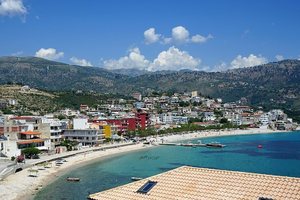
The number of active enterprises in Albania continued to g...
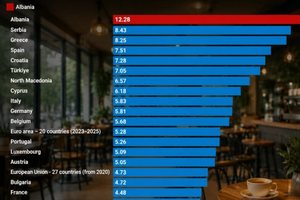
In Albania, the bar-cafe has long become an almost unique ...