


ICC votes to dismiss Chief Prosecutor Karim Khan
Member states of the International Criminal Court voted to...

Member states of the International Criminal Court voted to...

Democracy was invented in Europe. Free and secret elections are held there, state power is divided into the relevant sectors and basic rights are guaranteed. This is one of the reasons why every year hundreds of thousands of people fleeing war, persecution and looking for a better life come to Europe.
They mostly flee from countries that do not have democracy. Because there are fewer and fewer countries like those in Europe. The world has more autocratic countries than democratic countries, says the report on democracy by the V-Dem institute of the University of Gothenburg.
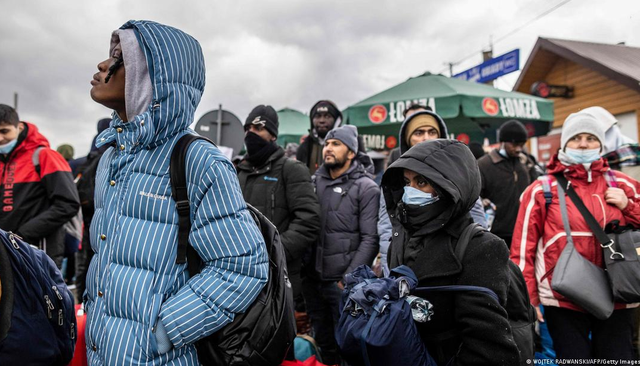
According to this report, today 72 percent of people, i.e. 5.7 billion people live in elected or established autocracy. In established autocracies, individual persons exercise unchecked power, in officially elected autocracies, elections are held, but they are not free. Only 13 percent of the world's population lives in a liberal democracy, and most of them are in Europe.
Disturbing developments
And although the democracies of Europe are evaluated as the most stable democracies, experts notice disturbing developments there as well. "Some of the most dramatic negative developments, which we call autocracy, are also observed in Europe. More so in Poland and Hungary. Greece is also a current and disturbing case, although there the backward steps in the quality of democracy are not so dramatic," says Martin Lundstedt, political scientist and co-author of the democracy report, the VDem report.
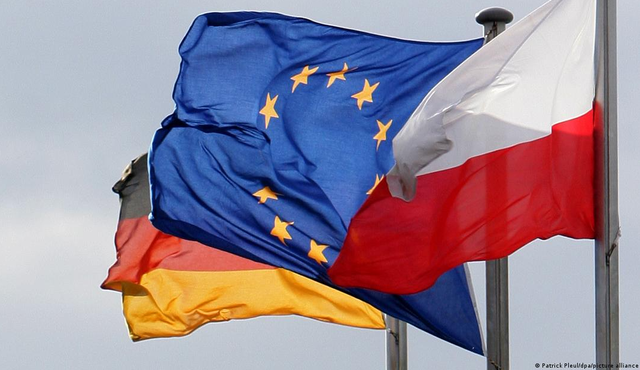
"With Poland and Hungary, we see two EU member states that are actively dismantling the rule of law. In these countries, the work is not only about democracy, but also about the credibility of public institutions, administration, but also adaptation to the laws of of the EU," says Maria Skóra, a sociologist and economics researcher at the Institute for European Policy in Berlin, who specializes in the study of the EU and what makes a strong and resilient rule of law. "A strong democracy makes rule of law to function well. When the rule of law disintegrates, other parts of the democratic system also disintegrate."
Anti-democratic tendency in almost all European countries
Although developments in Poland and Hungary are more worrying than developments in other countries, Lundstedt and Skóra see anti-democratic trends in almost all European countries. Because populist parties and right-wing populist parties have been successful in the elections and have appeared more and more among the political currents.
"Zakonisht kemi të bëjmë me parti ekstreme të djathta, që ose shprehin mosbesim për demokracinë ose dalin hapur kundër saj. Ata sulmojnë për shembull shpesh aspekte të lirisë së shtypit dhe lirisë së mbledhjes së njerëzve bashkë, ose duan të mos ketë ndarje të pushtetit midis ekzekutivit, parlamentit dhe gjykatave”, thotë Lundstedt. Në nivel global kjo tendencë ka çuar në autokratizim më të madh.
Megjithatë ka disa vende në të cilat zhvillimet nuk kanë qenë të tilla. Në Europë për shembull demokracitë në Maqedoninë e Veriut, në Moldavi dhe nëSlloveni janë liberalizuar sërish.
Por të kënaqur me demokracinë në vendin e tyre, kanë qenë deri tani vetëm një pakicë njerëzish në Moldavi. Sipas një sondazhi të Eurobarometrit, në fillim të vitit 2023, rreth 81 përqind e njerëzve në Moldavi nuk ishin shumë të kënaqur me demokracinë në vendin e tyre. Sa për krahasim, kjo shifër në Europë është mesatarisht 42 përqind e europianeve dhe europianëve.
Polonia dhe Hungaria
Të papritura janë shifrat e sondazhit për Poloninë dhe Hungarinë. Sepse ndërkohë që këto vende janë duke u bërë gjithnjë e më autokrate, gati gjysma e njerëzve atje janë të kënaqur me demokracinë në vendin e tyre.
"Ne jetojmë në kohëra turbulente, në të cilat problemet janë komplekse dhe përgjigjet për to nuk mund të jenë të thjeshta. Por zgjidhja nuk mund të jetë shpërbërja e krejt sistemit politik, shpërbërja e demokracisë. Do ishte mirë që qytetaret dhe qytetarët ta kuptojnë këtë gjë dhe të kenë më shumë besim tek politika. Dhe krijimi i këtij besimi është detyrë e politikës,” thotë Skóra.
Çfarë mund të bëjnë qytetaret dhe qytetarët për të forcuar demokracinë?
Ndërkohë janë analizuar mirë cilat janë motivet që bëjnë që njerëzit të mos e duan demokracinë ose t'ia japin votën partive antidemokratike.
"Faktorët e përmendur më shpesh janë pabarazitë ekonomike, njerëzit që kanë frikë për statusin e tyre, që ndihen të varur si ekonomikisht ashtu edhe nga pikëpamja kulturore. Zakonisht kjo gjë haset më shumë në zonat rurale dhe bën që të krijohet një hendek midis qytetit dhe fshatit. Po ashtu tensionet dhe përçarjet midis grupeve që flasin gjuhë të ndryshme, grupeve etnike dhe grupeve fetare mund të japin kontribut dhe të bëjnë që njerëzit të përkrahin qëndrimet antidemokratike,” thotë Lundstedt.
Angazhimi qytetar
For Lundstedt, these motives also show the recipe that should be used by citizens to strengthen democracy in their country: "Civic engagement within society is an important thing, through which one meets people from different professions, histories of different, different neighborhoods of the city, which he brings with him to society, in a deep sense. This may involve membership of a party, a football club, a trade union or a literary circle or anything that might interest him human. Being together with other people and interactivity is important for the quality of democracy. Because that's how one is able to understand the perspectives of others and that's how citizens, in my opinion, start to trust and respect the democratic system more .”
Taking into account the developments in the Scandinavian countries, Maria Skóra mentions another point: "What citizens can do would be to become more resistant themselves. More resistant to disinformation, to not be manipulated by Fake News, and to can distinguish fake news from legitimate communication.” Here, of course, politics must be put to work, to take the appropriate measures for education.


On Wednesday, Brazilian soccer club Santos FC, one of ...
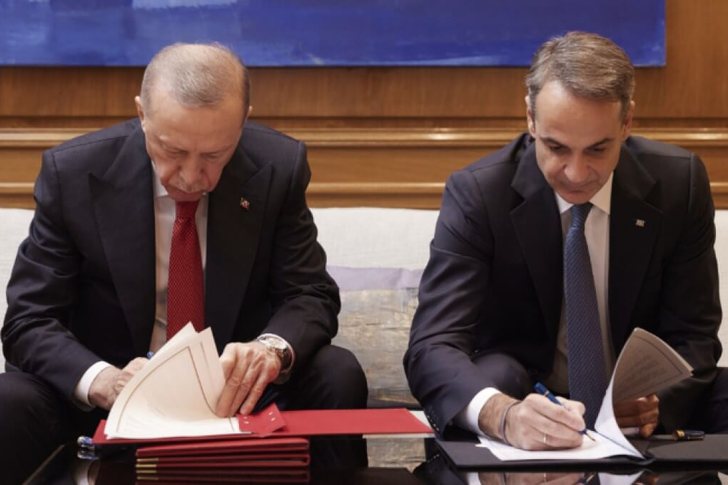
In an effort to break years of strained ties with Turk...
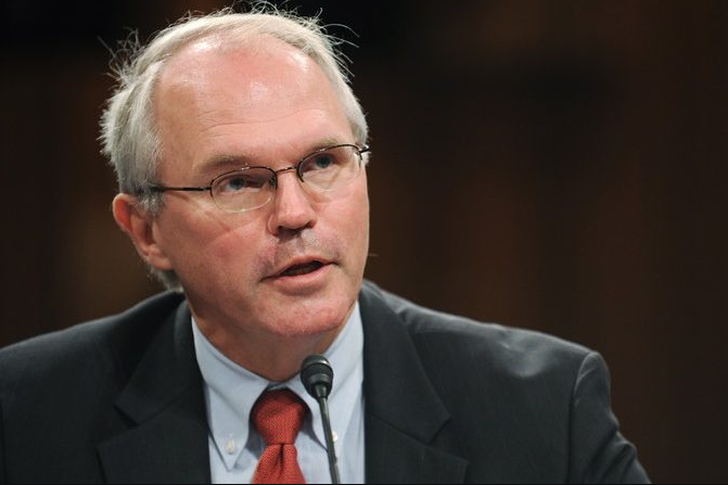
The American ambassador to Serbia, Christopher Hill, s...

Romanian Prime Minister Marcel Ciolacu said Romania's ...
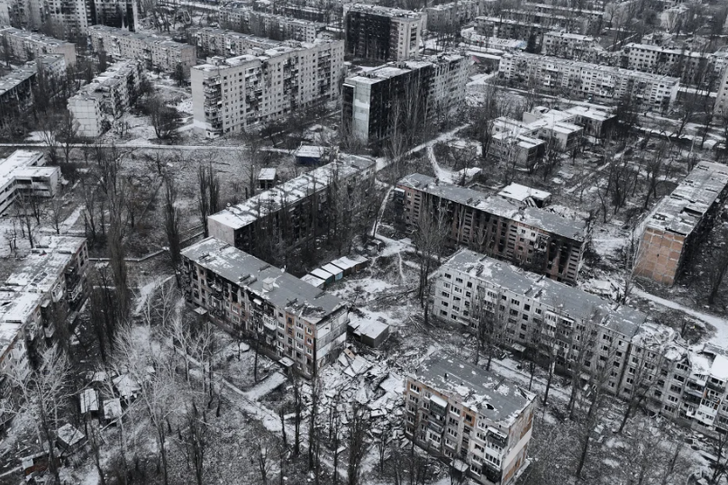
The aid crash in Ukraine is so critical because US wea...
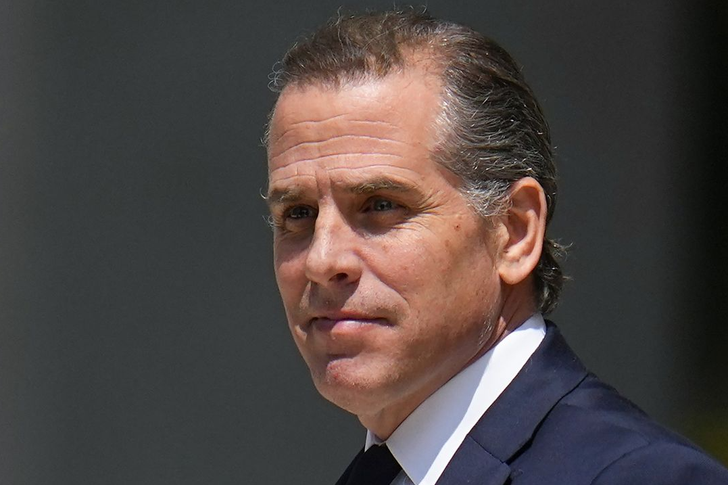
Federal prosecutors have filed tax charges against Hun...
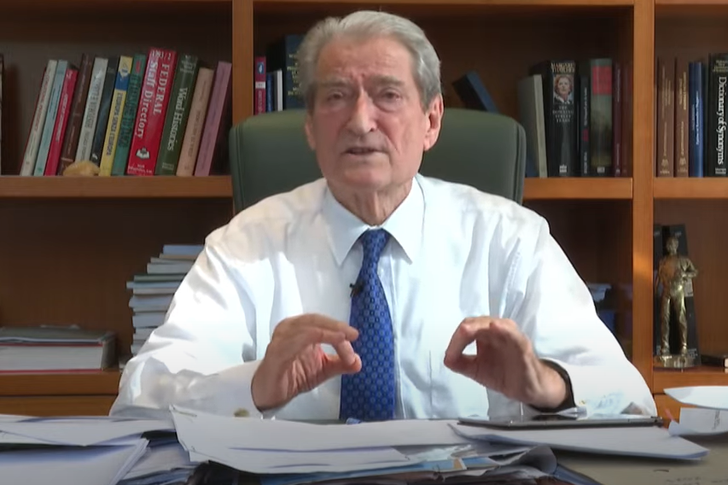
The former prime minister, Sali Berisha, issued the docum...
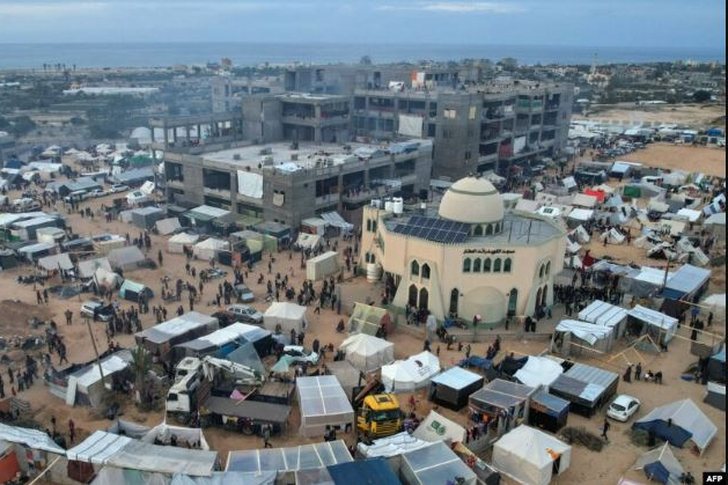
Also this Thursday, Israel continued its attacks on Ha...

Journalist Labinot Lepashtica has shown details from the P...
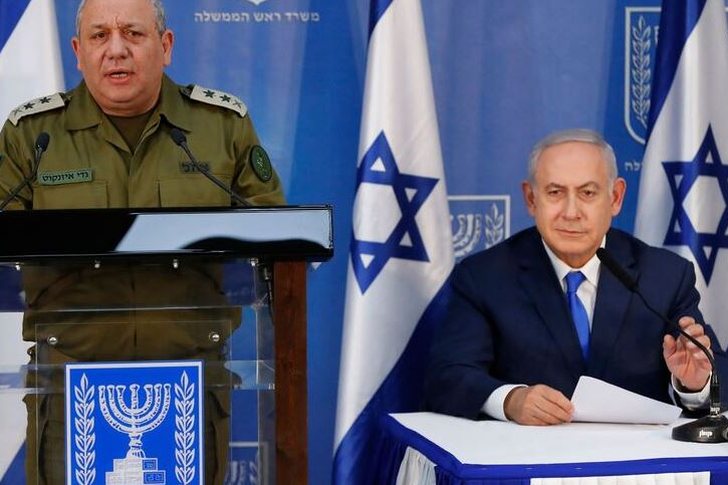
The Israel Defense Forces on Thursday evening announce...
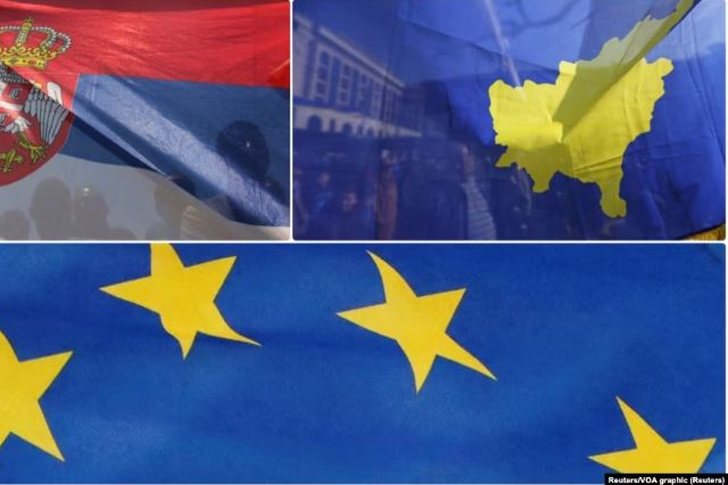
The European envoy for the Kosovo-Serbia talks, Mirosl...
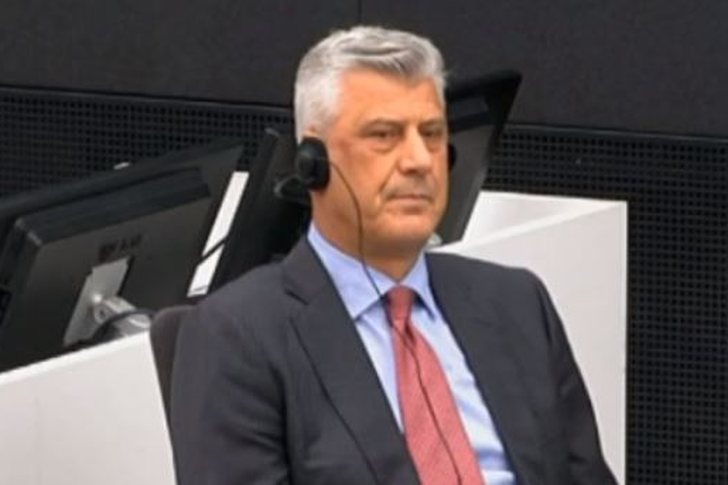
The Specialized Chambers of Kosovo have announced that the...
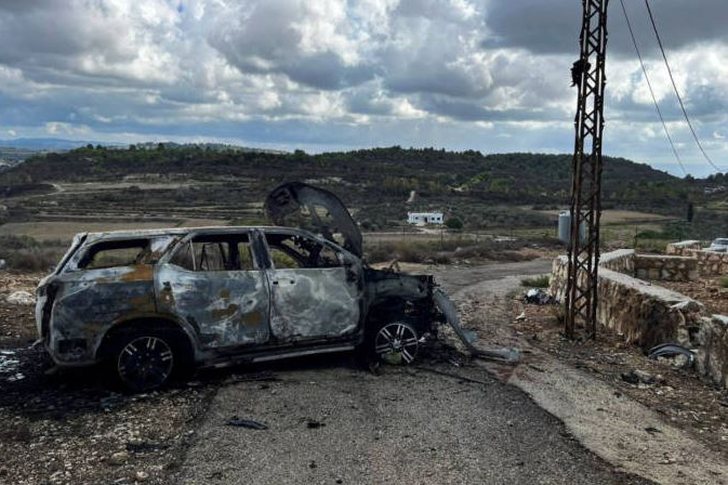
An Israeli tank crew killed a Reuters journalist and w...
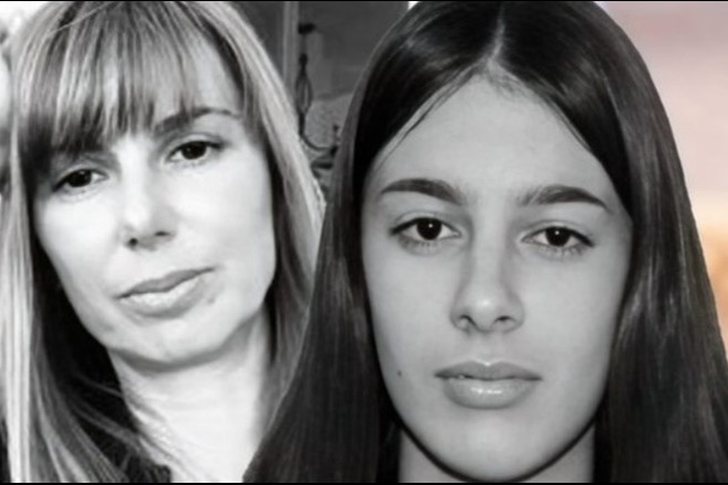
Zorica Gjorçevska, nëna e Vanja Gjorçevksa, 14-vjeçare...

The world has entered an era of dramatic changes and o...

The Danish parliament today passed a bill that makes it il...
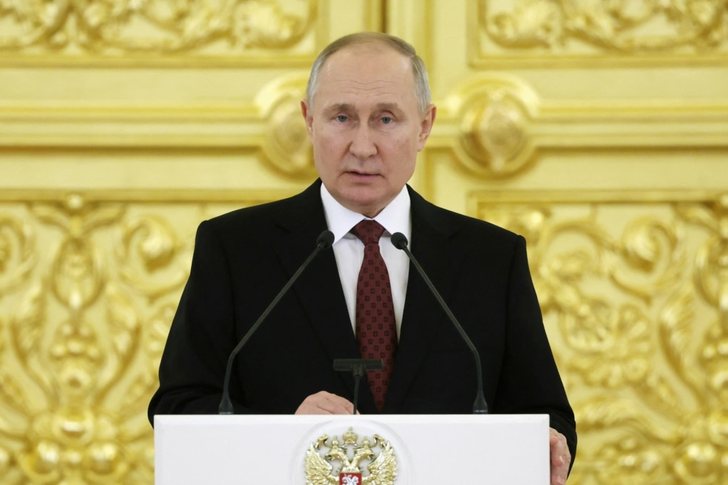
The upper house of Russia's parliament, the Federation...

Një grup qytetarësh serbë të komunave Mitrovicë e Veriut, ...
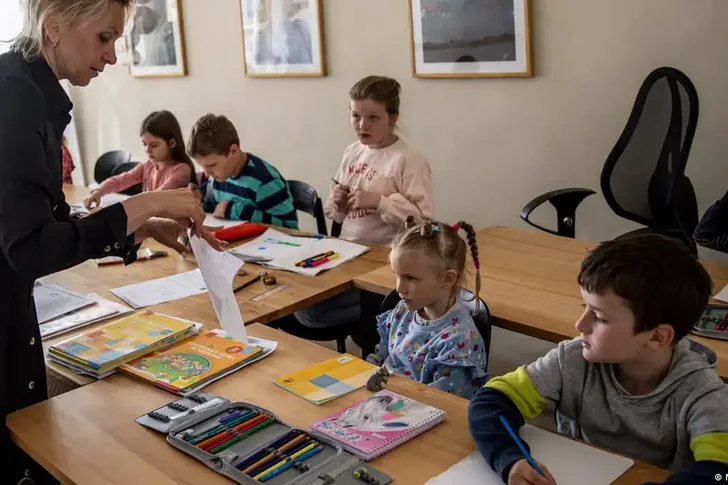
Rebecca is a teacher and has been for over thirty years. S...
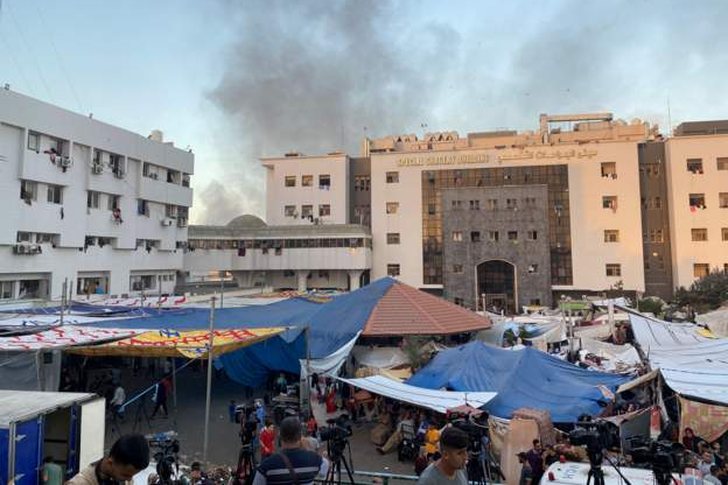
The situation in Gaza is getting worse and worse because o...
A 39-year-old citizen has been arrested in Lezha, after se...

CNA has launched another investigation that could lead to ...

Irfan Hysenbelliu is a businessman that we call "Irfan the...

In March 2026, CNA launched another investigation centered...

The Special Board of Appeal (KPA) decided this Monday ...

The KPA vetting decided this Thursday to dismiss the p...

Suela Salavaçi, a prosecutor in the Prosecutor's Offic...

The Special Board of Appeal reinstated the prosecutor ...
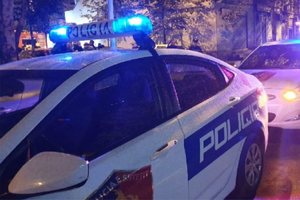
A conflict for weak motives was recorded today in the vill...

An accident involving three vehicles occurred a few minute...
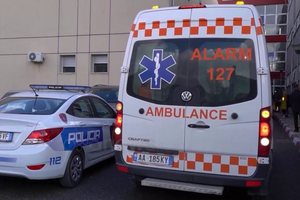
55-year-old Belere Plaka, who was injured today with a sho...
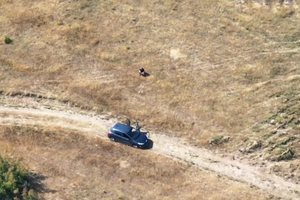
Police Announcement: Following preliminary information...

Today, our country will be under the influence of stable a...

By noon, cloudiness is expected to prevail in almost all o...

Children without parental care, for whom alternative famil...
On Thursday, our country will be under the influence of st...
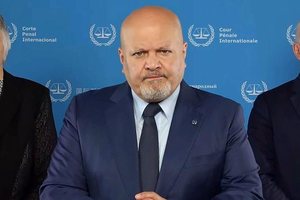
Member states of the International Criminal Court voted to...

From the declining role of exports to new public investmen...

South Korea is becoming one of the most sought-after desti...
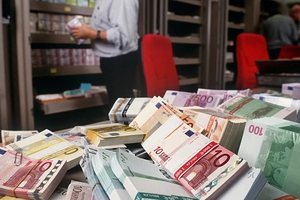
The average wealth per adult in Western Europe is less tha...
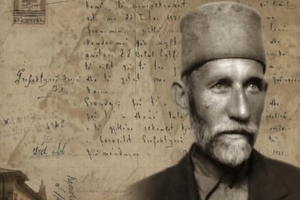
In my research at the Central State Archives, specifically...

At a time when industrial products are increasingly taking...

Trust among people is not just a three-syllable word. It c...

Master of humor Todi Llupi has passed away at the age of 7...
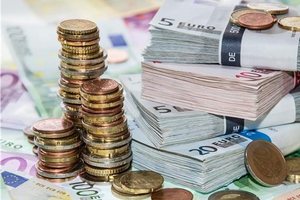
This Saturday, one US dollar is bought for 81.7 lek and so...
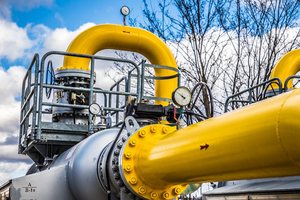
War, weather and supply disruptions could send gas prices ...
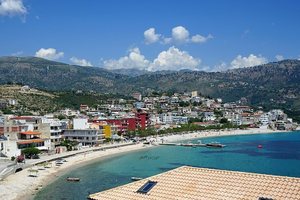
The number of active enterprises in Albania continued to g...
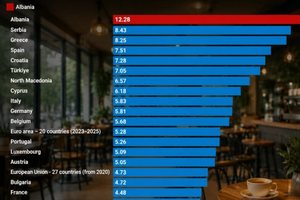
In Albania, the bar-cafe has long become an almost unique ...