


Plenary sessions resume with debates/ Rama present in Parliament, podium blocked
Plenary sessions have resumed, with Prime Minister Edi Ram...

Plenary sessions have resumed, with Prime Minister Edi Ram...

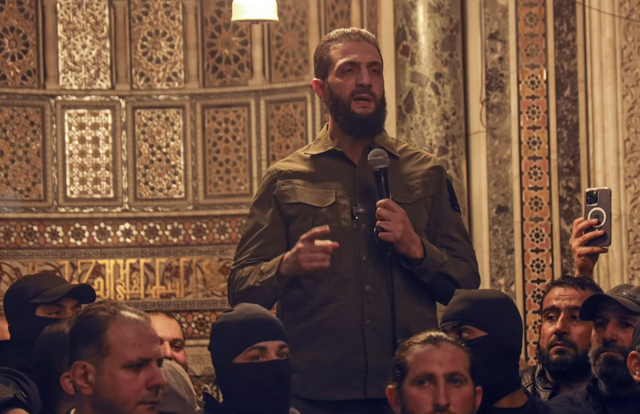
Abu Mohammed al-Golani, the militant leader whose uprising ousted Syrian President Bashar Assad, has spent years working to remake his public image, renouncing long ties to al-Qaeda and describing himself as a champion of pluralism and tolerance. As he entered Damascus behind his victorious fighters on Sunday, he even dropped his nom de guerre and referred to himself by his real name, Ahmad al-Sharaa.
The extent of that transformation from jihadist extremist to would-be state-builder is now being tested.
Rebels control Damascus, Assad has gone into hiding, and for the first time after 50 years of his family's iron fist, it is an open question how Syria will be governed.
Syria is home to many ethnic and religious communities, often pitted against each other by the Assad regime and years of war. Many fear the possibility of Sunni Islamist extremists taking power. The country is also fragmented between various armed factions, and foreign powers from Russia and Iran to the United States, Turkey and Israel have a hand in the matter.
Hours after the capture of Damascus, 42-year-old al-Sharaa made his first appearance at the city's historic Umayyad mosque, declaring the fall of Assad "a victory for the Islamic nation". A senior rebel commander, Anas Salkhadi, appeared on state television to declare: "Our message to all the sects of Syria is that we tell them that Syria belongs to everyone."
Al-Sharaa, which has been labeled a terrorist by the United States, and its insurgent force, Hayat Tahrir al-Sham, or HTS — many of whose fighters are jihadists — are now a major player.
For years, al-Sharaa worked to consolidate power while concentrated in Idlib province in Syria's northwestern corner, while Assad's Iran- and Russia-backed rule over much of the country appeared strong.
He maneuvered among extremist organizations, eliminating competitors and former allies. He tried to burnish the image of his de facto "salvation government" that has been running Idlib to win over international governments and secure Syria's religious and ethnic minorities. And he built connections with various tribes and other groups.
Along the way, he shed his cloak as a hard-line Islamic guerrilla and donned suits for press interviews, talking about building state institutions and decentralizing power to reflect Syria's diversity.
"Syria deserves a governing system that is institutional, nobody where a single ruler makes arbitrary decisions," he said in an interview with CNN last week, offering the possibility that HTS would eventually disband after Assad's fall.
"Judge not by words, but by actions," he said.
Al-Golan's beginnings in Iraq
Throughout his rise through the extremist ranks, al-Sharaa was known only by the jihadist pseudonym he adopted, Abu Mohammed al-Golani. His ties to al-Qaeda date back to 2003, when he joined insurgents fighting US troops in Iraq. The Syrian was arrested by the US military, but remained in Iraq. During that time, al-Qaeda usurped like-minded groups and formed the extremist Islamic State of Iraq, led by Abu Bakr al-Baghdadi. In 2011, a popular uprising in Syria against Assad triggered a brutal government crackdown and led to all-out war. Al-Golan's importance increased when al-Baghdadi sent him to Syria to establish an al-Qaeda branch called the Nusra Front. The United States designated the new group as a terrorist organization. This designation still stands and the US government has placed a $10 million reward for it.
The Nusra Front and the Syrian conflict
As the civil war in Syria intensified in 2013, so did al-Golan's ambitions. He defied al-Baghdadi's calls to disband the Nusra Front and merge it with al-Qaeda's operation in Iraq to form the Islamic State of Iraq and Syria, or ISIS.
However, Al-Golani pledged allegiance to al-Qaeda, which later broke away from ISIS. The Nusra Front fought ISIS and eliminated much of its competition among the armed Syrian opposition to Assad.
In his first interview in 2014, al-Golani kept his face covered, telling a reporter from Qatar's Al-Jazeera network that he rejected political talks in Geneva to end the conflict.
He said his goal was to see Syria ruled under Islamic law and made clear there was no place for the country's Alawite, Shia, Druze and Christian minorities.
Consolidation of power and renaming
In 2016, al-Golani revealed his face to the public for the first time in a video message announcing that his group was renaming itself Jabhat Fateh al-Sham - the Syrian Invasion Front - and would sever its ties with Al-Qaeda.
"This new organization has no connection to any outside entity," he said in the video, filmed in military uniform and a turban.
The move paved the way for al-Golan to establish complete control over splinter militant groups. A year later, his alliance was renamed again as Hayat Tahrir al-Sham - meaning the Syrian Liberation Organization - as the groups merged, consolidating al-Golan's power in northwestern Syria's Idlib province.
HTS later clashed with independent Islamist militants who opposed the merger, further emboldening al-Golani and his group as the main power in northwestern Syria, capable of ruling with an iron fist.
With his power consolidated, al-Golani set in motion a transformation that few could have imagined. Replacing his military uniform with a shirt and trousers, he began calling for religious tolerance and pluralism.
He appealed to the Druze community in Idlib, which the Nusra Front had previously targeted, and visited the families of Kurds who were killed by Turkish-backed militias.
In 2021, he had his first interview with an American journalist on PBS. Dressed in a blazer, with his short hair slicked back, the now-softened HTS leader said his group posed no threat to the West and that the sanctions imposed on him were unjust.
"Yes, we have criticized Western policies," he said. "But to wage a war against the United States or Europe from Syria, this is not true. We didn't say we wanted to fight.”/ CNA


Rebelët sirianë kanë zbuluar një numër të madh makinash lu...
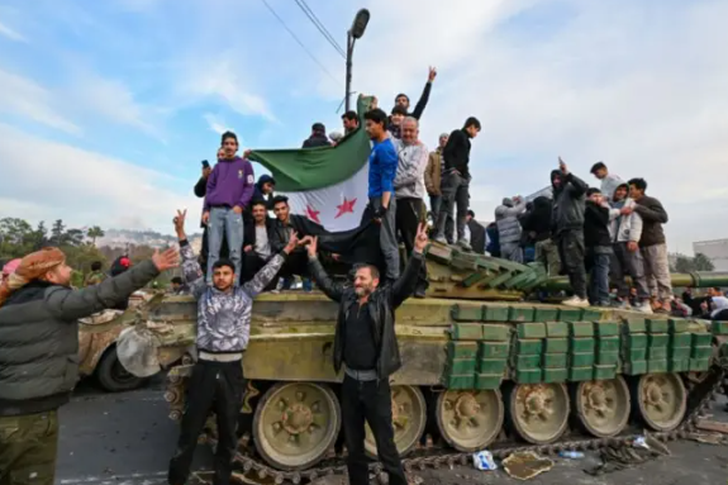
President Bashar al-Assad's regime in Syria has fallen fol...
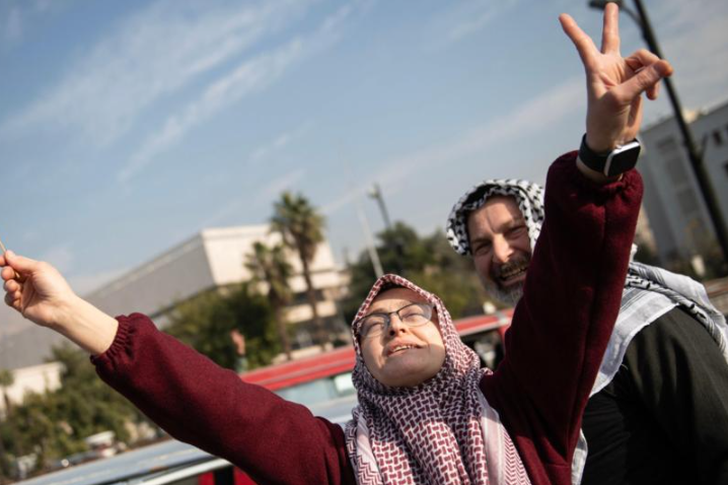
World leaders hope stability can be maintained in Syria af...
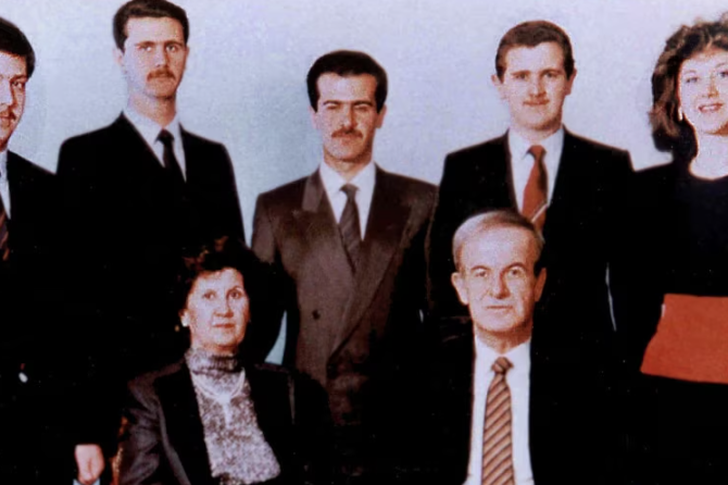
Syrian President Bashar Assad fled the country on Sunday, ...
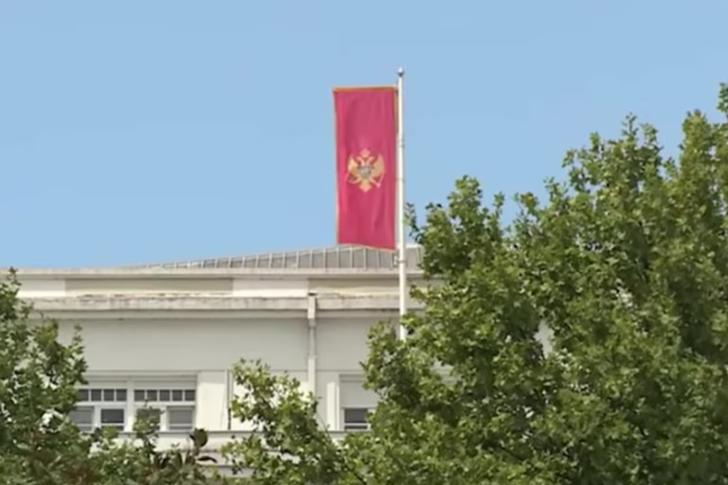
In Montenegro, recently, attacks and threats against journ...
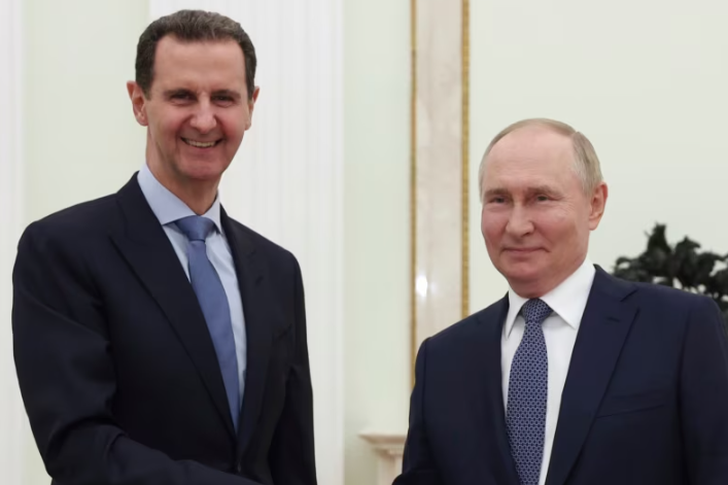
Ousted Syrian President Bashar Assad fled to Moscow on Sun...
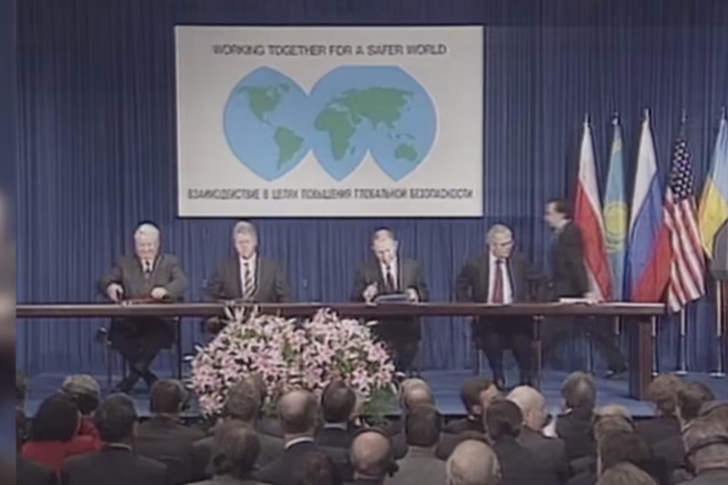
December 5 marked 30 years since Ukraine signed the agreem...
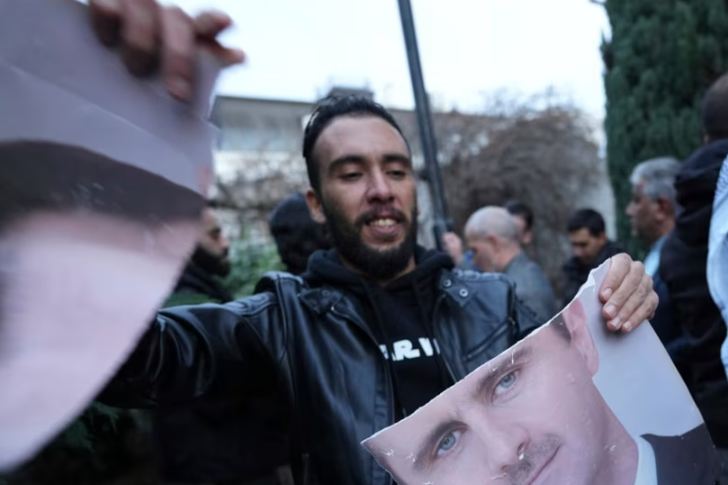
Syrian rebels declared they had ousted President Bashar al...
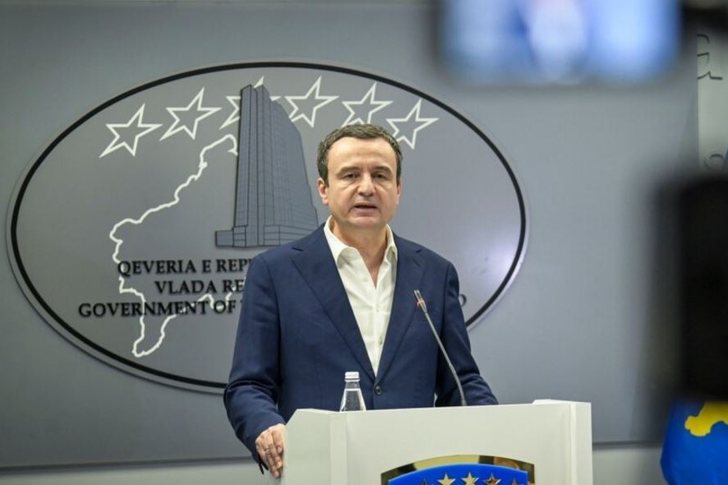
The Prime Minister of Kosovo, Albin Kurti, has published a...
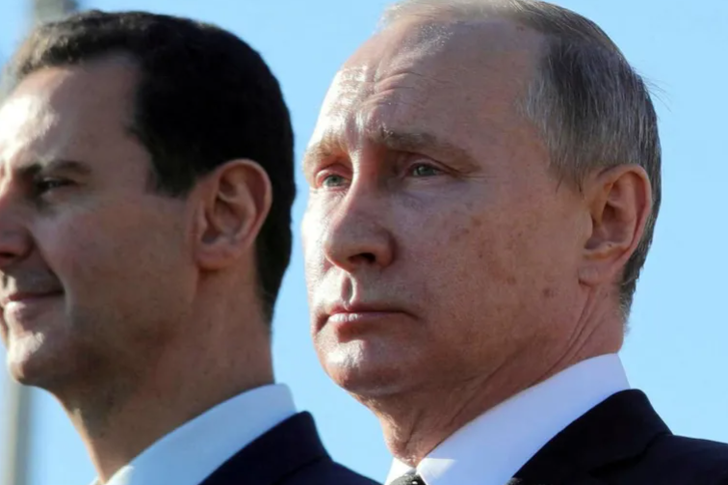
It was Russian firepower that had helped keep Bashar al-As...
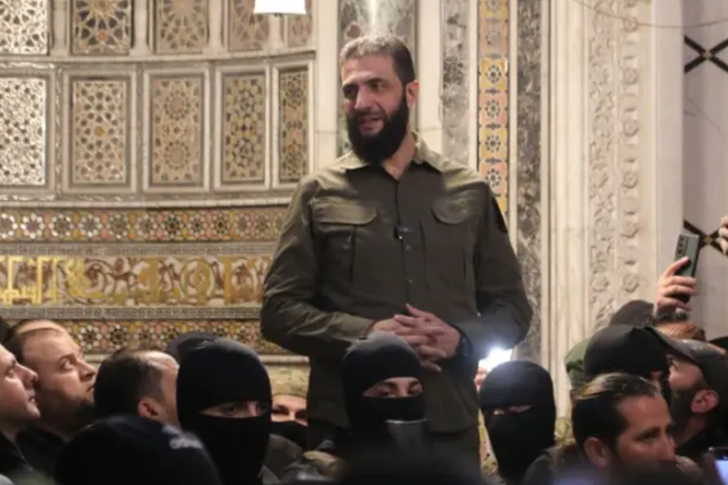
Syrian rebel leader Abu Mohammed al-Jalani addressed the c...
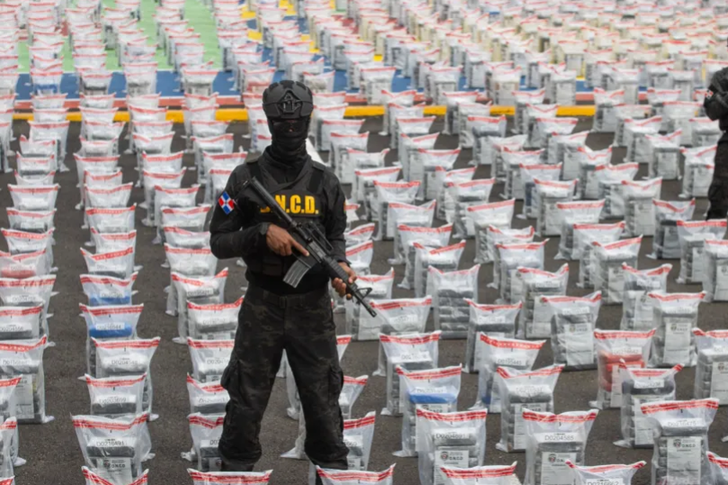
Authorities in the Dominican Republic have seized the ...
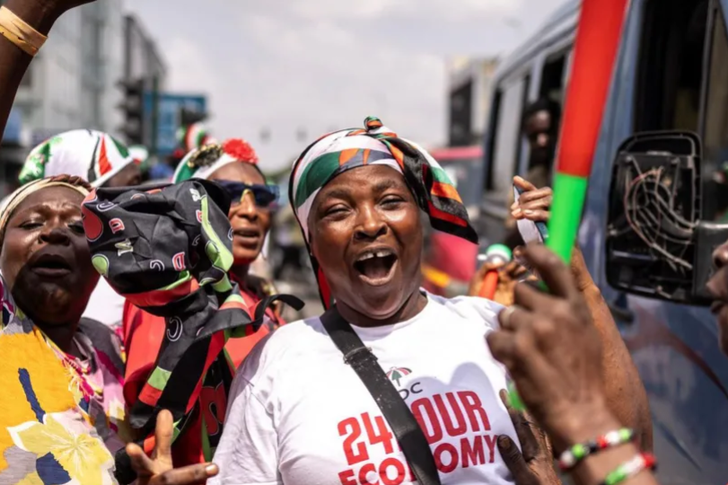
Ghana's vice president, Mahamudu Bawumia, has conceded def...
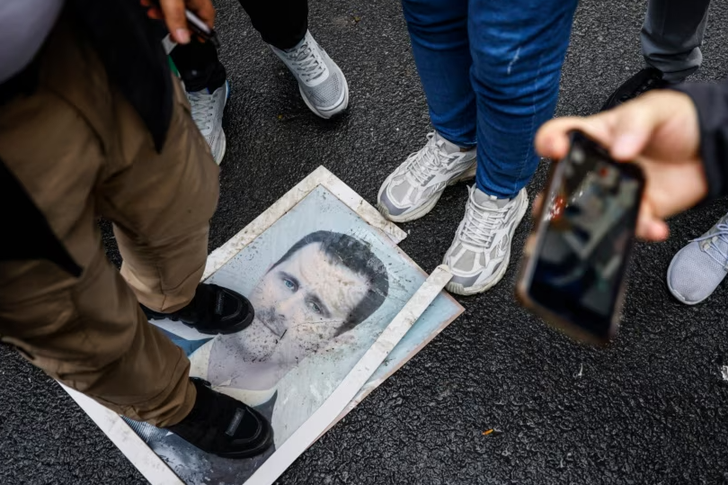
Syrian President Bashar al-Assad fled Damascus on Sunday, ...
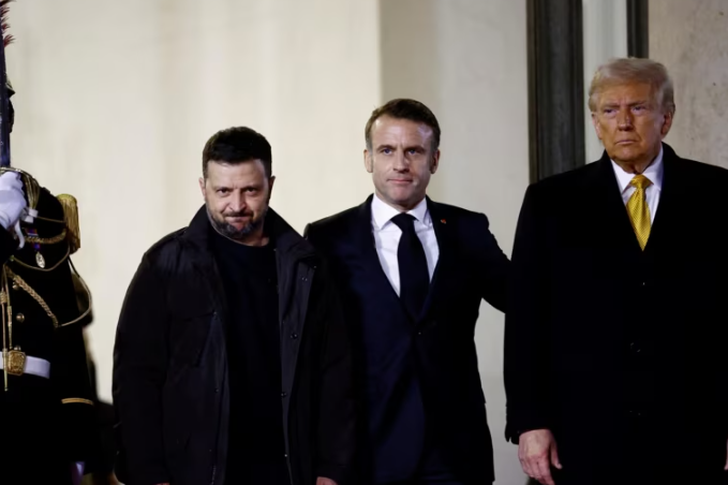
US President-elect Donald Trump called for an immediate ce...
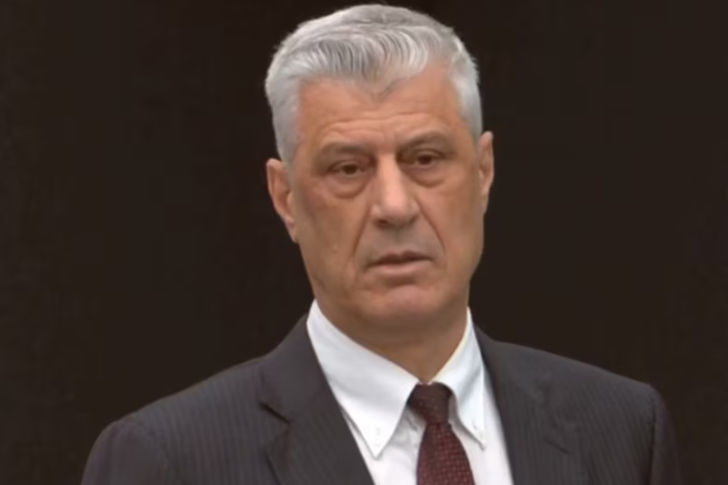
The former president of Kosovo, Hashim Thaçi, did not decl...
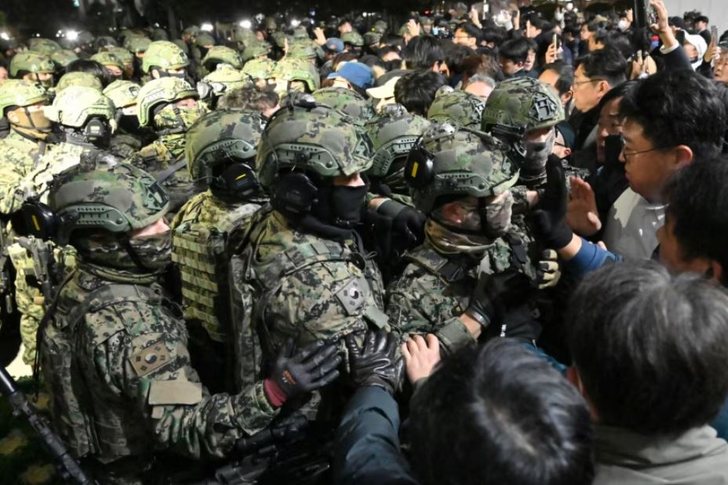
Prosecutors in South Korea have arrested the former defens...
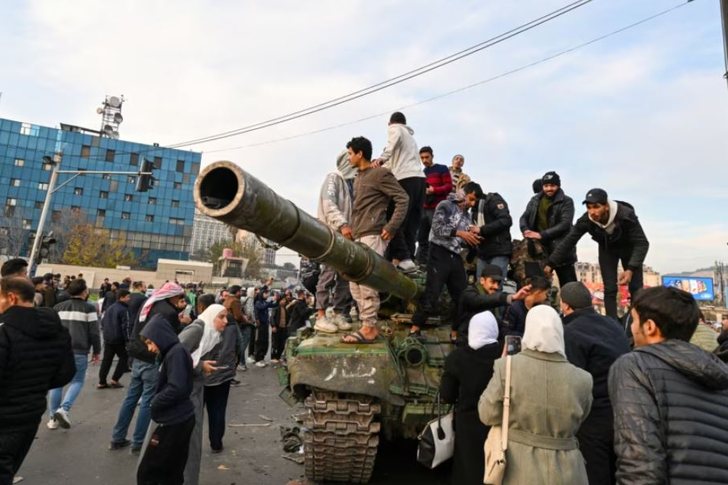
Syrian rebels claimed early in the morning of December 8 t...
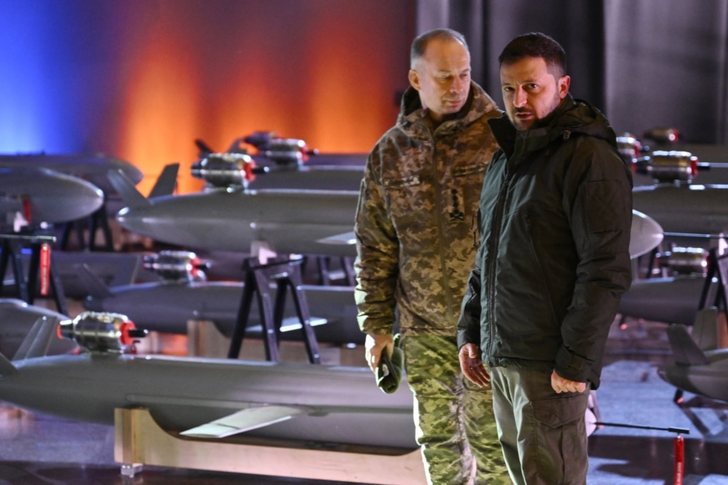
Ukrainian President Volodymyr Zelensky on Friday presented...
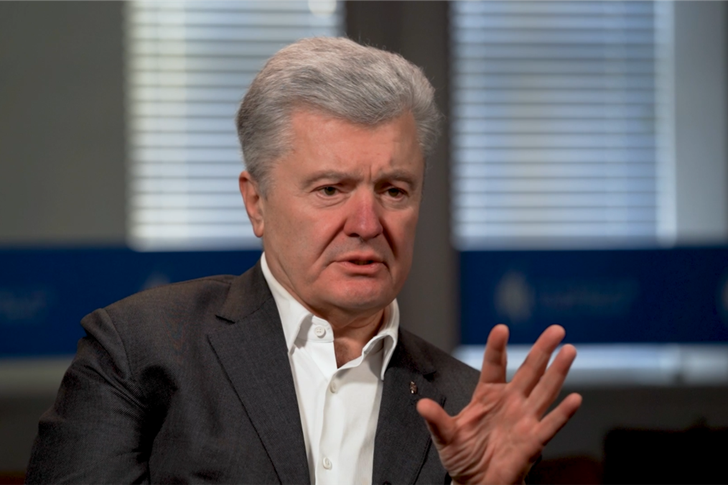
Former Ukrainian President Petro Poroshenko, now head of t...

CNA has launched another investigation that could lead to ...

Irfan Hysenbelliu is a businessman that we call "Irfan the...

In March 2026, CNA launched another investigation centered...
The arrested mayor of Tirana, Erion Veliaj, with 13 charge...

The Special Board of Appeal (KPA) decided this Monday ...

The KPA vetting decided this Thursday to dismiss the p...

Suela Salavaçi, a prosecutor in the Prosecutor's Offic...

The Special Board of Appeal reinstated the prosecutor ...
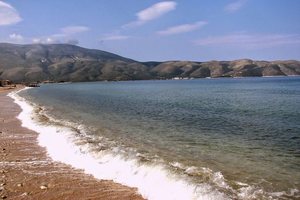
A person has died today on Orikum beach. According to repo...

Footage emerges from the serious accident that occurred th...

A Shkodra traffic police officer was hit with hard objects...
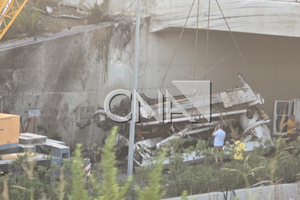
This Wednesday, around 4:00 PM, a serious accident occurre...

Children without parental care, for whom alternative famil...

On Thursday, our country will be under the influence of st...

A serious accident that occurred this Wednesday with the c...

The Institute of Geosciences has shared a forecast for wea...

Artificial intelligence (AI) models from the American comp...
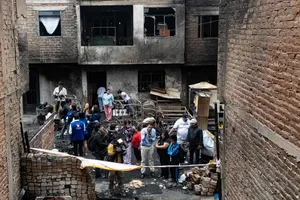
At least 10 people have died after a fire broke out in a h...
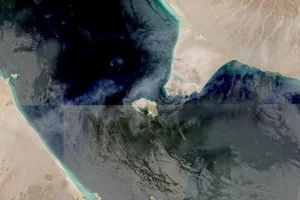
Yemen's Houthis have claimed to have attacked two Saudi oi...
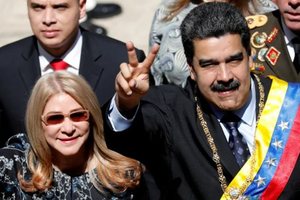
The trial of ousted Venezuelan President Nicolas Maduro on...

At a time when industrial products are increasingly taking...

Trust among people is not just a three-syllable word. It c...

Master of humor Todi Llupi has passed away at the age of 7...

The ninth edition of "MIK Festival" kicked off with one of...
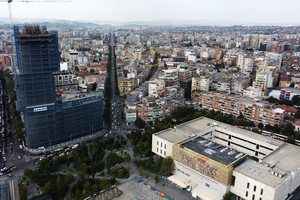
The average sale price of apartments in Tirana reaches rec...

This Thursday, one US dollar is bought for 81.5 lek and so...

The price of diesel reached 206 lek per liter from 198 lek...

Businesses will no longer be required to simply register t...