

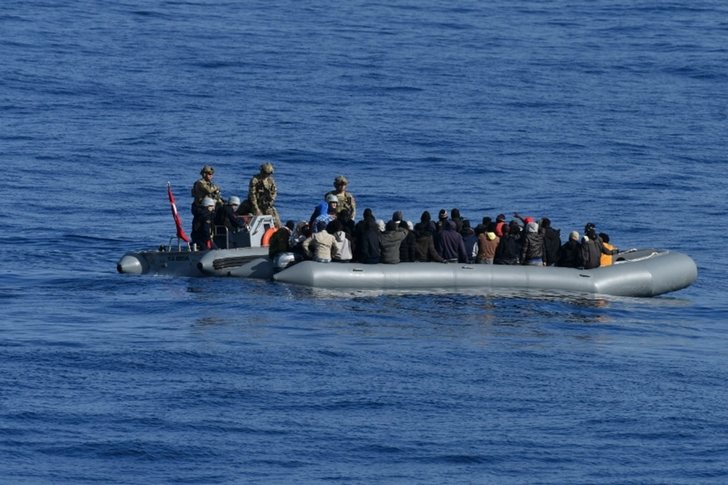
Over 60 migrants are suspected to have drowned off the coast of Libya
More than 60 migrants are believed to have drowned in a su...


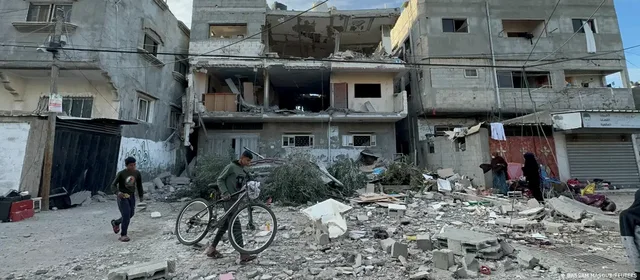
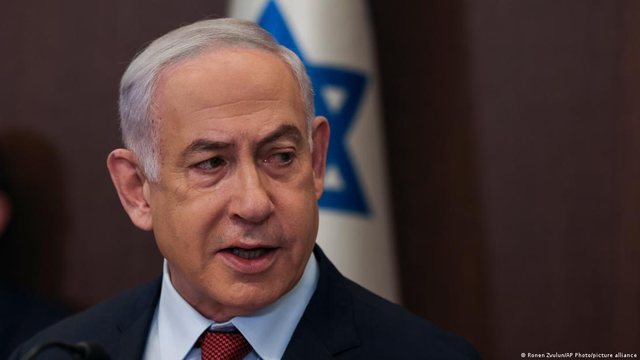
Although the fighting, death and destruction continue, debates have begun about how Gaza can be rebuilt. The human cost of the conflict in Gaza is incalculable, but the costs of rebuilding after the destruction from Israeli bombing are calculable. The first estimates speak of more than 50 billion dollars. Israel, for its part, has not presented a plan on who will govern Gaza if the goal of destroying Hamas is achieved, although Israeli Prime Minister Benjamin Netanyahu has ruled out any transfer of power to the Palestinian Authority. Meanwhile, he addressed the issue of the reconstruction of Gaza. Recently, the Israeli media have reported that he has talked with close politicians, that the United Arab Emirates and Saudi Arabia would be ready to help the reconstruction.
There is also a proposal that the Europeans also support the reconstruction of Gaza. The EU and Germany in particular have long been important donors for humanitarian aid in the occupied Palestinian territories. The US is a powerful donor and may even call for the creation of a reconstruction fund. But both sides, like the US and the Europeans, behind the scenes are asking why they should give millions of their taxpayers to rebuild an infrastructure that can be bombed again in the near future.
There have been calls for Israel to pay for the damage done during the military operation in Gaza. In 2010 Israel agreed to compensate the UN agency working in Gaza, the Agency for Palestinian Refugees in the Near East, known as UNRWA. $10.5 million for the reconstruction of buildings destroyed in the September 2009 operation in Gaza. This led to debates on both sides, on the Israeli side, whether the payments meant that they were admitting guilt, while on the other hand humanitarian organizations demanded that more be paid to the victims.
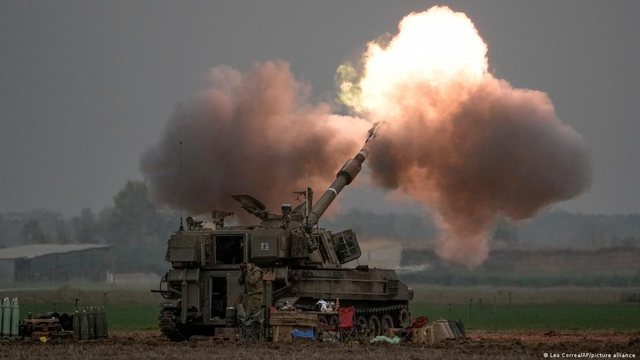
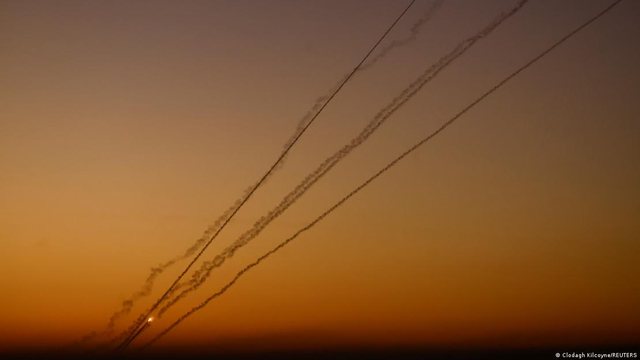
Since Hamas, which is classified as a terrorist organization by the US, EU, Germany and other countries, attacked Israel on October 7, Israel has been bombing the Gaza Strip, home to more than 2 million Palestinians. Israel also launched a ground offensive in the Gaza Strip, and as a result of the fighting, more than 50,000 houses have been destroyed, while more than 200,000 others have been damaged.
Dozens of hospitals, hundreds of schools and government buildings, many built with international donations, have also been destroyed. "The level of structural damage and destruction is unprecedented," said Marta Lorenzo, director of the UNRWA Representation for Europe. "This is not comparable to any other war in Gaza." Lorenzo tells DW that it is currently very difficult to know how much it will cost, but it will not be the responsibility of just one donor. She imagines that after the end of the fighting there will be a special conference, "during which we expect the international community to share the responsibility."
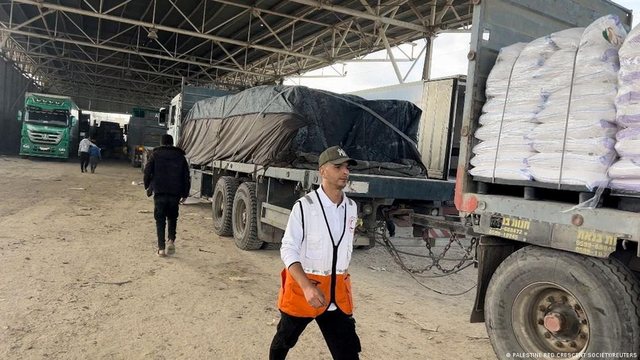
So who will be willing to fund an ever-increasing bill? The answer is difficult, as the financing of aid and reconstruction to Gaza, the Occupied Palestinian Territories and other Palestinian projects have always been fraught issues for decades. The fact that Hamas has ruled Gaza since 2007 has been problematic for donors, who have been wondering how to get aid to those who really need it. The 16-year blockade of Gaza by Israel and Egypt, as well as the ignoring of the Hamas government, have destroyed the Gazan economy.
In 2022, about 80% of Gazans were dependent on aid, according to the UN. UNRWA has provided a great deal of aid to Gaza before the current crisis, including humanitarian aid, health and education. It is the second largest employer in Gaza. But there have always been criticisms of bias. Former ministers of the Israeli government have said that they would not like to have this organization there, while others consider UNRWA as important.
Another example that shows the strife related to reconstruction is the so-called "Gaza Reconstruction Mechanism", GRM. Created in 2014, as a temporary measure to stop Hamas from having a "dual use" of construction materials, which can be used for buildings but also for tunnels, for example, it is meanwhile a complex bureaucratic system that leads to significant delays until the materials are taken to Gaza. It has also increased the reconstruction costs by 20%.
All of these problems won't go away, simply because an extraordinary and larger reconstruction is needed, predicts Nathan Brown, a researcher at the Carnegie Institution for Middle East Programs. He notes that this situation may even worsen. "It's not about funding, it's about politics," Brown told DW. "If tomorrow all the actors, Israel, the Palestinians, regional factors, Western actors, say 'this is the future, it will look like this', regardless of whether there will be a two-state solution or a solution with one state, then money does not have to be the problem." Many donors would be willing to give money if there was a prospect of solving the problem eventually, the expert notes.
In recent days, there have been reports that the United Emirates would pay for the reconstruction of Gaza, but only if the two-state solution is guaranteed. "Otherwise they would be financing what is considered among their own population to be a reoccupation of Gaza by Israel. Brown says he doesn't see a solution right now. There are many unanswered questions, notes Yara Asi, a political scientist at the Arab Center in Washington. "If there is no legitimate government in Gaza, will donors be willing to send tens of millions of dollars?" she asks. "I think that some guarantees will be needed for a political future, to then send money." Also referring to Europeans and Americans, Asi emphasizes that they are not satisfied that the schools and hospitals that they have rebuilt are being destroyed. Even Israel, for its part, cannot do the reconstruction without the help of other countries, therefore "I am surprised that steps are not taken to solve this problem", Asi emphasizes./ DW

More than 60 migrants are believed to have drowned in a su...
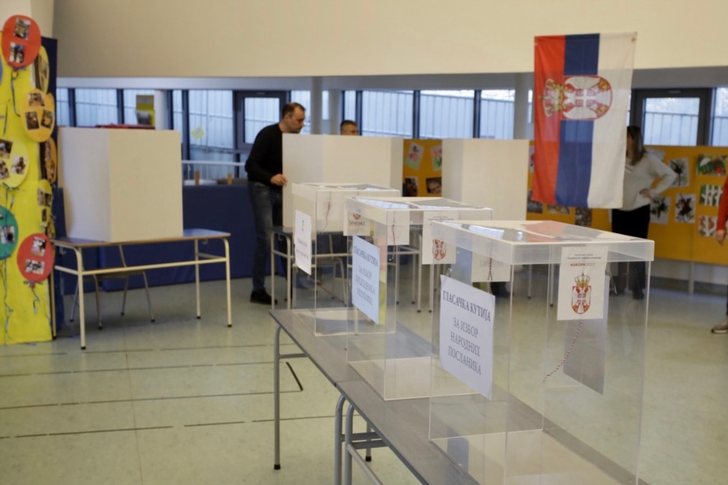
Serbia is holding extraordinary parliamentary, local and p...
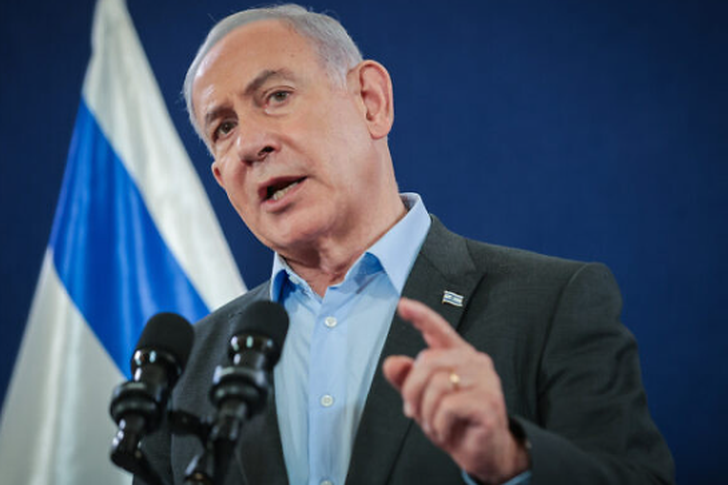
At the press conference in Tel Aviv, the Prime Ministe...
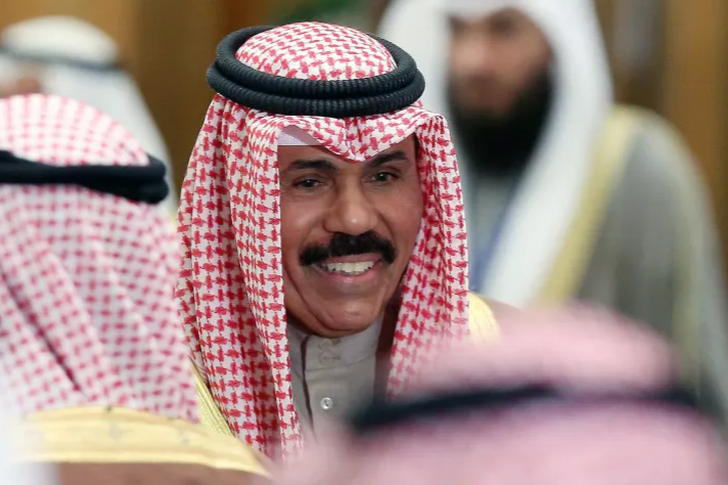
The Emir of Kuwait, Sheikh Nawaf al-Ahmad al-Sabah has...
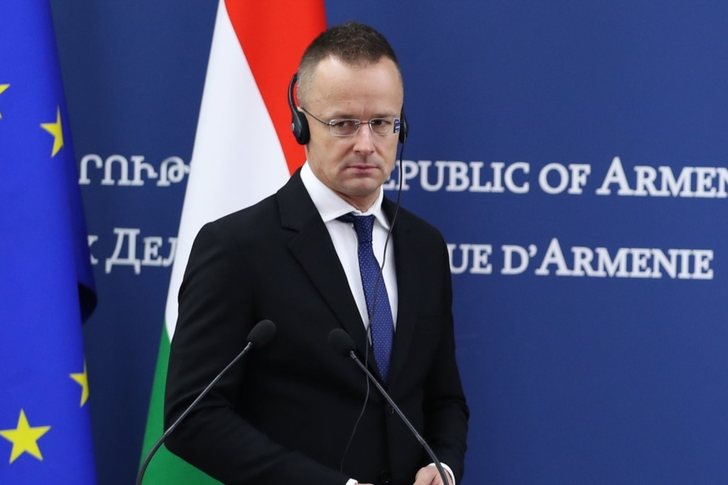
Hungary will veto Bulgaria's proposed entry into the S...
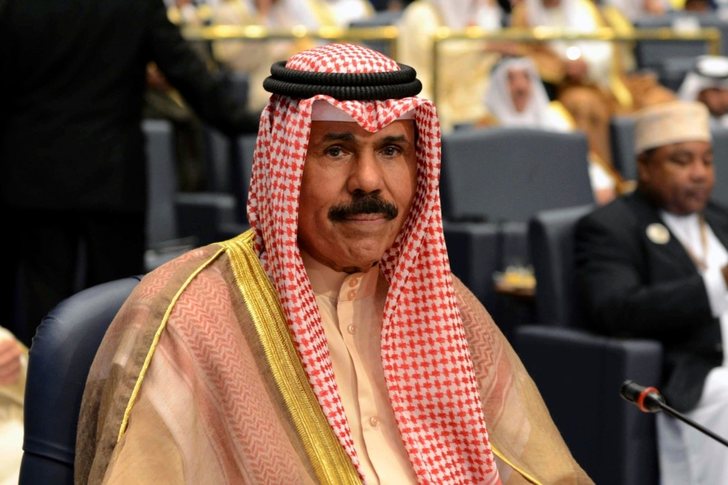
The leader of Kuwait, Sheikh Nawaf al-Ahmad al-Jaber a...
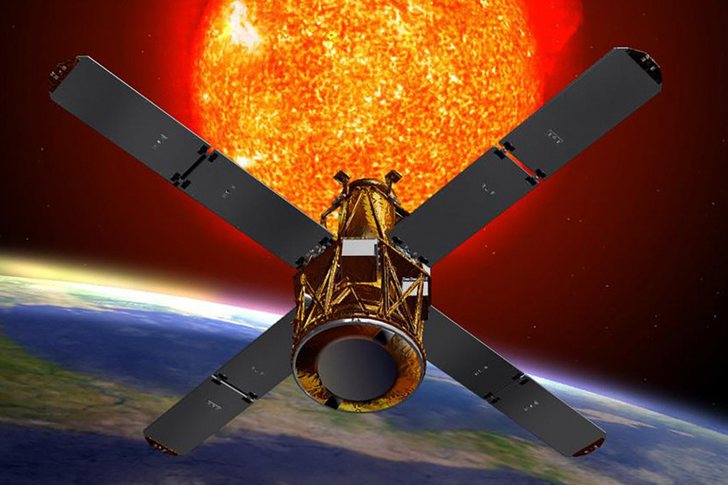
The US space agency (NASA) has released photos of the m...

Germany's government has delayed its plans to re-introduce...
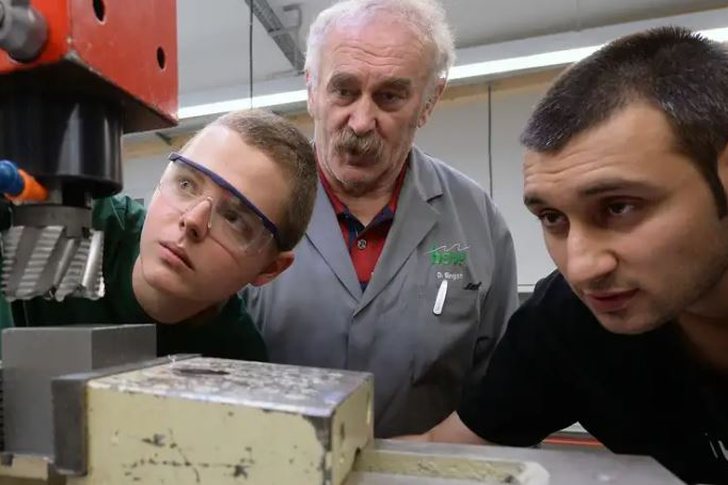
This year many youngsters have signed qualification co...

The southeast is covered with snow. In the village of...
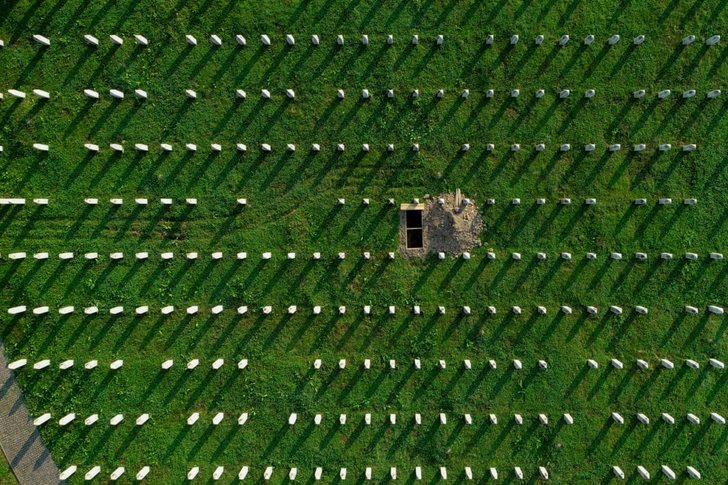
Bosnian state police on Friday arrested seven former membe...
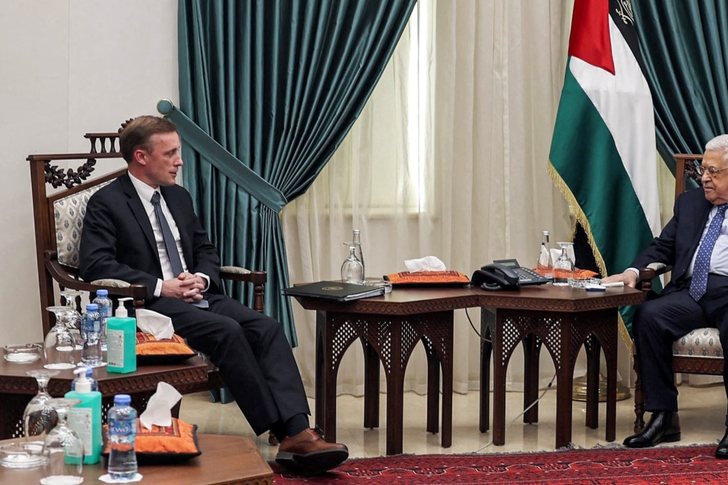
President Biden's National Security Advisor, Jake Sull...

71% e punëtorëve dhe menaxherëve, besojnë se pasditja ...
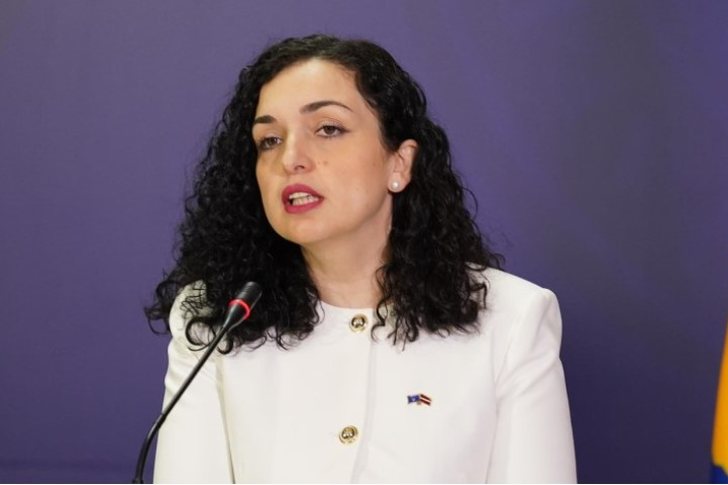
The President of Kosovo, Vjosa Osmani, delivered her l...
A document drawn up by Serbia, through which it has ex...

This happens too! A hiking skier nearly hit a bear that su...
Nëntë në dhjetë njerëz në të gjithë Evropën janë të lu...
The Israeli army has declared that it has found the bo...
Hungaria ka bllokuar 50 miliardë euro ndihmë të BE-së ...

From December 16, citizens who have not registered the...

A 39-year-old citizen has been arrested in Lezha, after se...

CNA has launched another investigation that could lead to ...

Irfan Hysenbelliu is a businessman that we call "Irfan the...

In March 2026, CNA launched another investigation centered...

The Special Board of Appeal (KPA) decided this Monday ...

The KPA vetting decided this Thursday to dismiss the p...

Suela Salavaçi, a prosecutor in the Prosecutor's Offic...

The Special Board of Appeal reinstated the prosecutor ...

A conflict for weak motives was recorded today in the vill...

An accident involving three vehicles occurred a few minute...

55-year-old Belere Plaka, who was injured today with a sho...

Police Announcement: Following preliminary information...

Today, our country will be under the influence of stable a...

By noon, cloudiness is expected to prevail in almost all o...

Children without parental care, for whom alternative famil...
On Thursday, our country will be under the influence of st...

Marine Le Pen is entering the decisive phase of the presid...
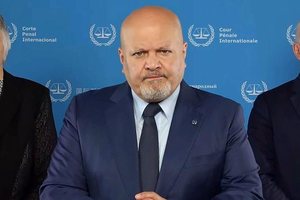
Member states of the International Criminal Court voted to...

From the declining role of exports to new public investmen...

South Korea is becoming one of the most sought-after desti...

In my research at the Central State Archives, specifically...

At a time when industrial products are increasingly taking...

Trust among people is not just a three-syllable word. It c...

Master of humor Todi Llupi has passed away at the age of 7...

This Saturday, one US dollar is bought for 81.7 lek and so...

War, weather and supply disruptions could send gas prices ...
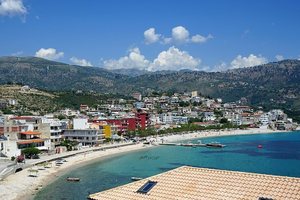
The number of active enterprises in Albania continued to g...
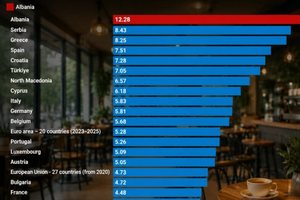
In Albania, the bar-cafe has long become an almost unique ...