

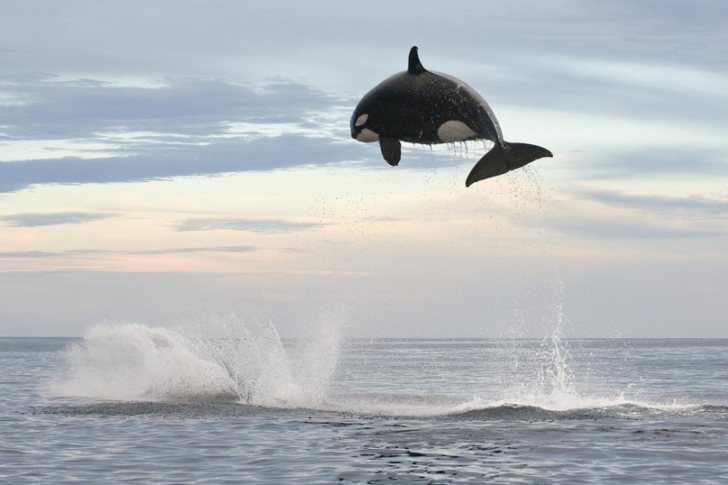
Fearsome predator/ Whale kills great white shark in just two minutes
Scientists have recently captured terrifying footage o...


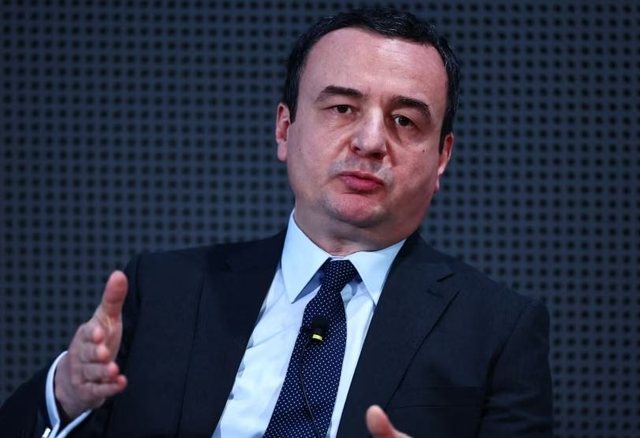
The Prime Minister of Kosovo, Albin Kurti, said that his country should be given an impetus towards European integration, as a response to "security threats", which according to him, come from Serbia.
During the "Parliamentary Diplomacy for Regional Security and Euro-Atlantic Integration" conference, Kurti said that regarding Serbia, which he described as an "autocratic regime", the same approach that the European Union and NATO have used towards Russia after the start of the Russian invasion should be used of Ukraine in 2022.
He said the EU and NATO responded to the Russian invasion of Ukraine by accepting Finland and Sweden into the alliance and granting candidate country status to Ukraine, Moldova and Georgia.
"Security threats in the Western Balkans from Serbia should be handled using the same approach, that is, by giving Kosovo the status of a candidate country for the European Union and membership in the Council of Europe," said Kurti.
Prime Minister Kurti said that during the two years of his government, Serbia brought its army to the border with Kosovo four times, "sponsored terrorists and constantly spread lies and false narratives to justify aggressive acts towards Kosovo and the region".
These statements by Kurt are a reference to the increased tensions between Kosovo and Serbia in several cases, including the setting up of barricades in the north of Kosovo by local Serbs due to some decisions of the Government in Pristina, but also to an armed attack by a group of Serbs against Kosovo Police. The attack in Banjska of Zveçan last September left a Kosovo policeman dead and three Serbian attackers were also killed during the clashes.
Kosovo has blamed Serbia for the attack in Banjska, which it calls terrorist, but Serbia has said that it had no hand in it.
During the conference, Kurti spoke about the European and Atlantic integration of Kosovo and said that this journey cannot be done without the support of its international friends, but also without internal reforms.
Kosovo has applied for membership in the Council of Europe in 2023 and for the EU at the end of 2022.
However, no progress has been made in any of these integration processes and Kosovo is the only country in the Western Balkans that does not have the status of a candidate country.
"The lack of progress in Kosovo's membership in the EU and the Council of Europe is not related to the lack of democracy and strong protection of minority rights and human rights, but to the behavior of an authoritarian regime because Serbia is not interested for NATO or EU membership. It seeks to block the progress of the entire region, holding back the entire region," said Kurti.
Kurti made these statements after the Serbian president, Aleksandar Vu?i?, a day earlier accused the Western countries of intensifying the pressure on Serbia to recognize de facto and de jure Kosovo, impose sanctions on Russia and change its attitude towards China.
Serbia, Russia's ally, has not imposed sanctions on Moscow because of the war launched against Ukraine, despite calls from the international community. However, weeks ago, Belgrade said it supports Beijing's policy that the self-governing island of Taiwan is part of China.
According to Vucic, the ultimate goal of Western countries is for a "puppet regime" of the West to come to Serbia because, according to him, "a free and independent Serbia is not popular in Europe.
During a televised address, Vucic also spoke about banning the use of the Serbian dinar in Kosovo. He said that the regulation of the Central Bank of Kosovo that only the euro should be the currency for cash payments has worsened the situation in Kosovo.
"We will be forced to take different decisions with which we will act or we will find alternative solutions to pay money to our people in 'Kosovo and Metohija'", said Vucic.
Serbs in Kosovo have been using the Serbian dinar since the end of the last war.
The Serbian state allocates millions of euros to Serbs in Kosovo after paying them in dinars - through a parallel system - salaries, pensions and additional assistance.
The international community has called on Kosovo to postpone the decision, which has been in force since February 1, arguing that it is not based on negative impacts on the Serbian community./REL

Scientists have recently captured terrifying footage o...
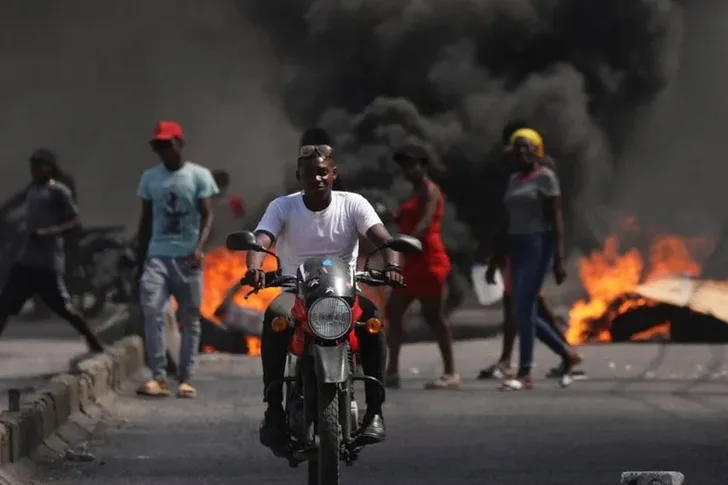
Qeveria e Haitit shpalli një gjendje të jashtëzakonshm...
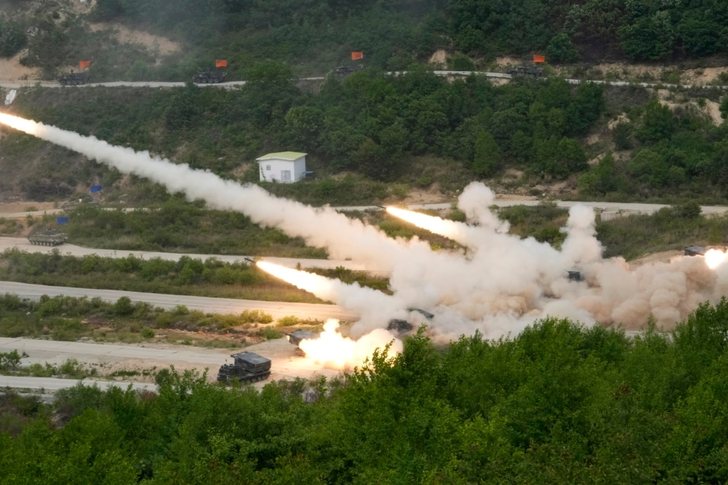
South Korea and the United States on March 4 began major m...

Franca pritet të përfshijë të drejtën e abortit në Kushtet...

Numri i mjekëve pa pasaportë gjermane ka arritur nivel...
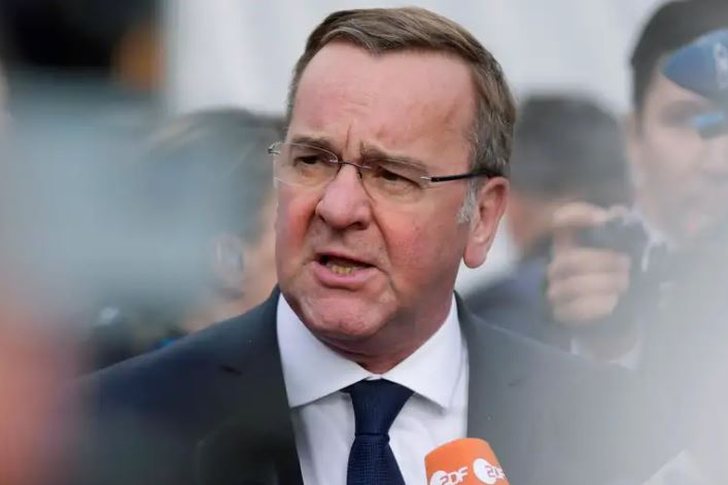
German Defense Minister Boris Pistorius has called for...
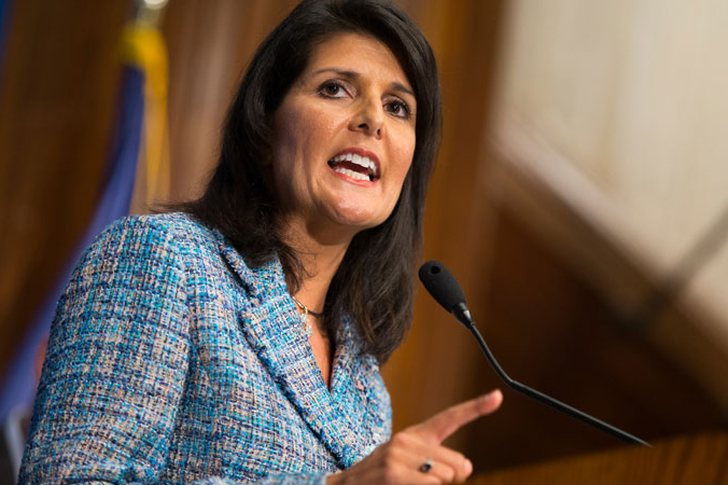
Nikki Haley has won the Republican primary in Washingt...
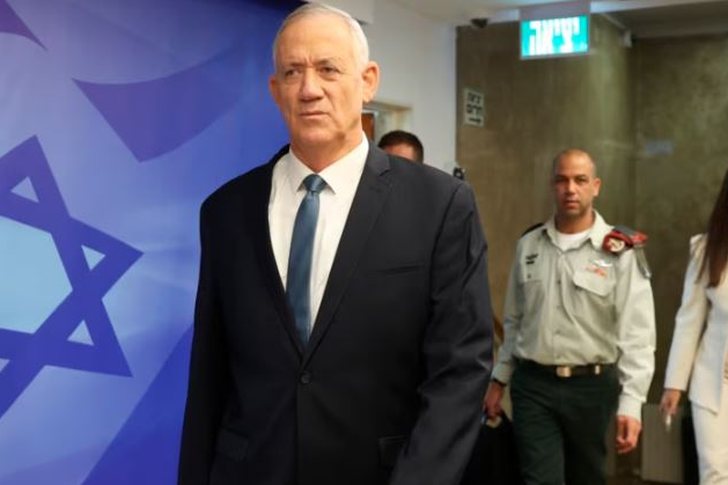
Israeli Prime Minister Benjamin Netanyahu criticized a cab...
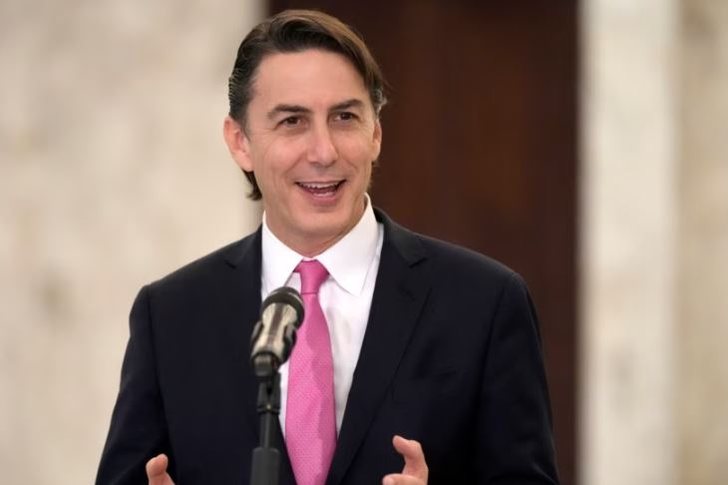
United States diplomatic envoy Amos Hochstein will visit B...
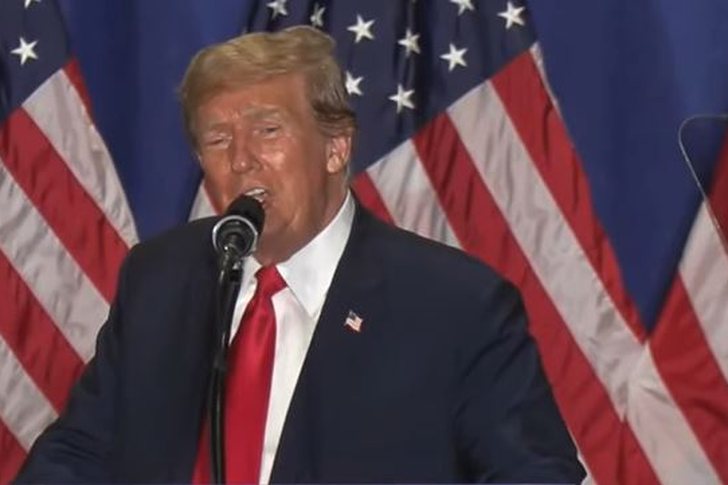
Ish-Presidenti i SHBA, Donald Trump gjatë fushatës së prim...
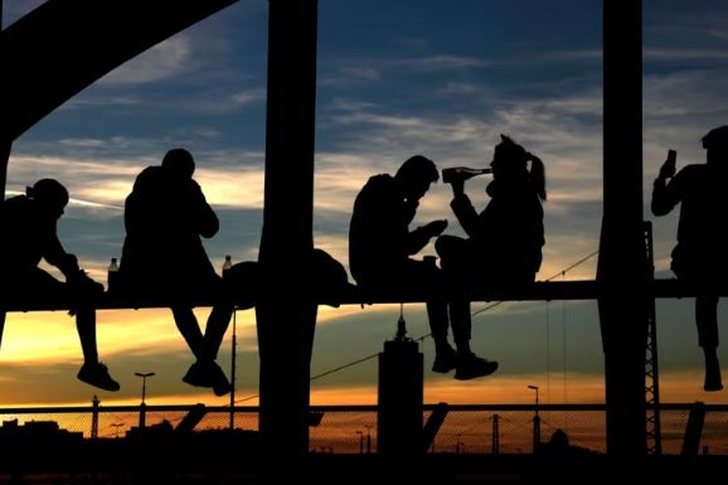
Germany's government wants to change European Union regula...
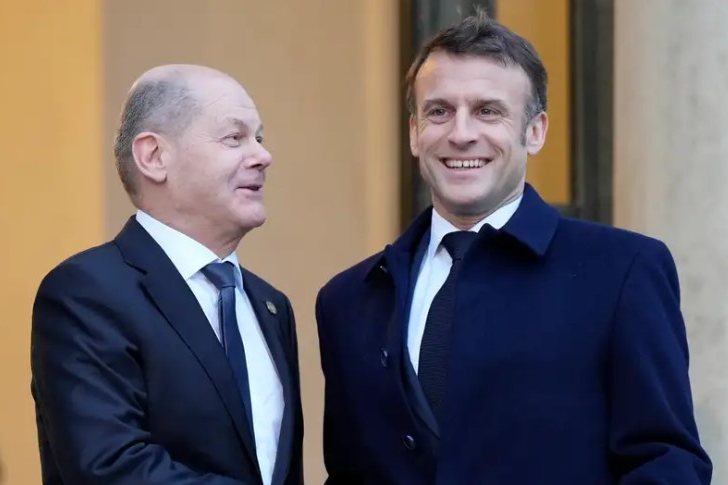
In an interview of the French Foreign Minister, Stephane S...
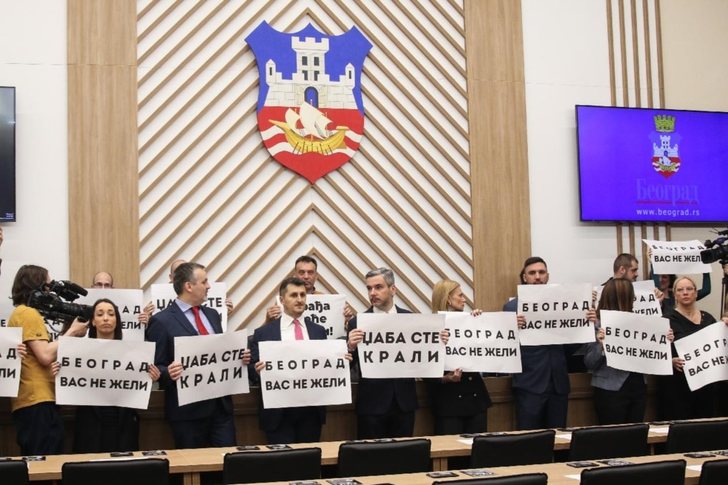
Elections for power in Serbia's capital will be held later...
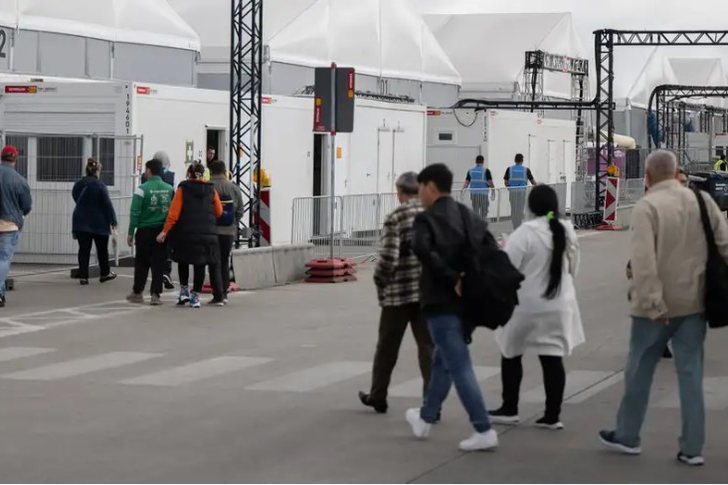
Criticisms have increased in the debate about the compulso...
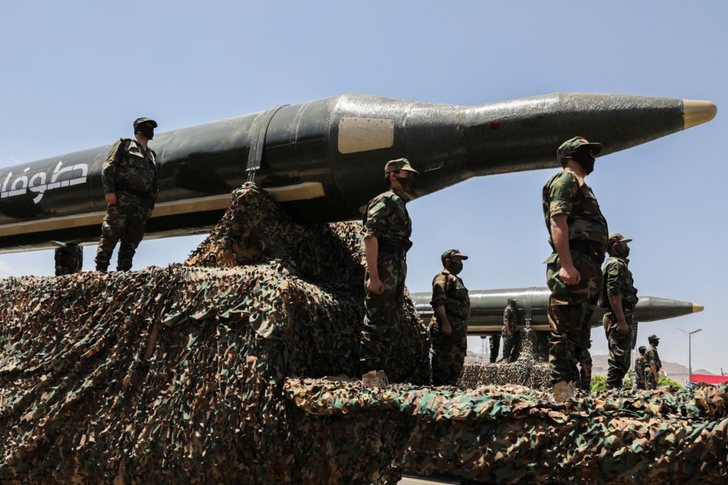
Yemen's Houthis, backed by Iran, vowed on Sunday to contin...
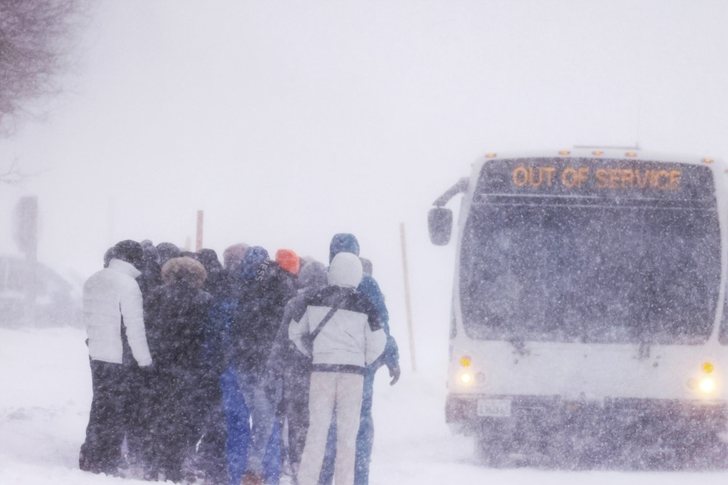
Heavy snowstorms have engulfed parts of California and Nev...
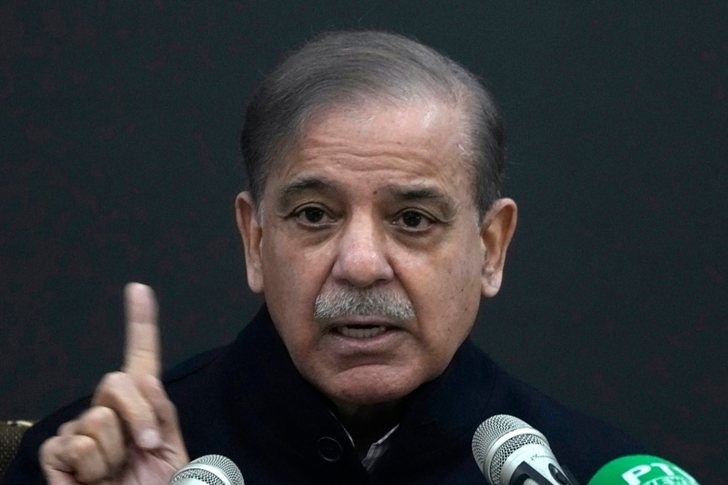
Pakistan's parliament has elected Shehbaz Sharif as the co...
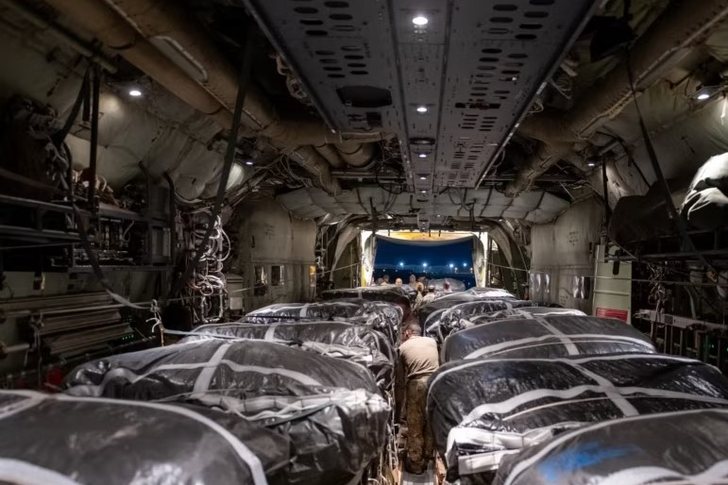
The United States began airdropping emergency humanita...
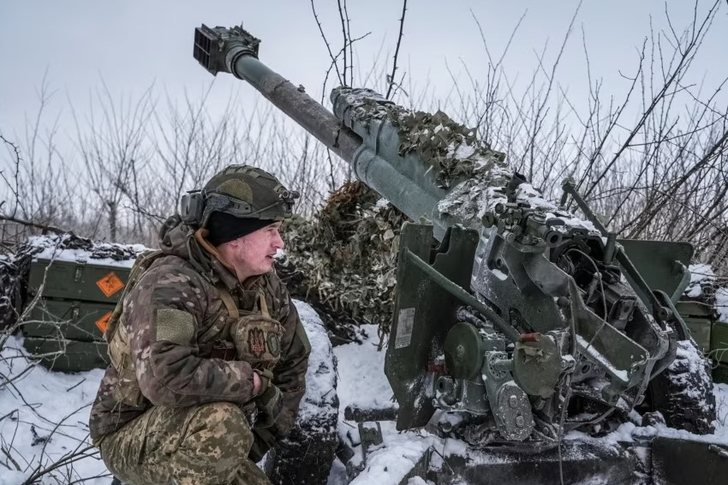
Ukrainian President Volodymyr Zelensky has said that he is...
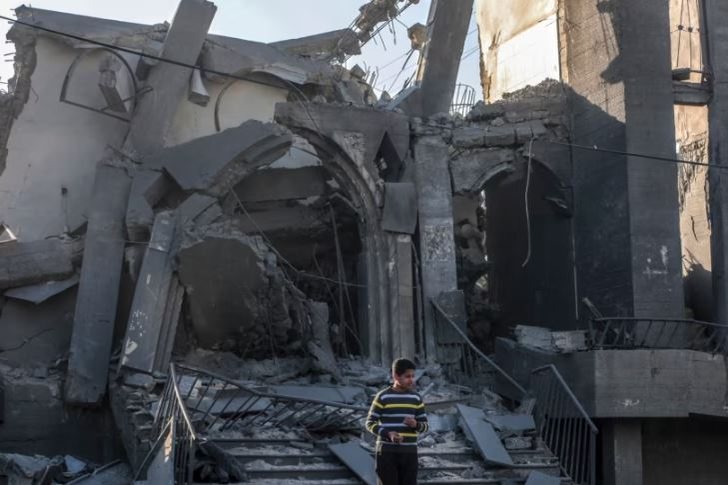
Israel has accepted the framework of a Gaza ceasefire and ...

CNA has launched another investigation that could lead to ...

Irfan Hysenbelliu is a businessman that we call "Irfan the...

In March 2026, CNA launched another investigation centered...
The arrested mayor of Tirana, Erion Veliaj, with 13 charge...

The Special Board of Appeal (KPA) decided this Monday ...

The KPA vetting decided this Thursday to dismiss the p...

Suela Salavaçi, a prosecutor in the Prosecutor's Offic...

The Special Board of Appeal reinstated the prosecutor ...
Footage emerges from the serious accident that occurred th...

A Shkodra traffic police officer was hit with hard objects...
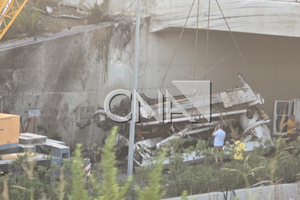
This Wednesday, around 4:00 PM, a serious accident occurre...
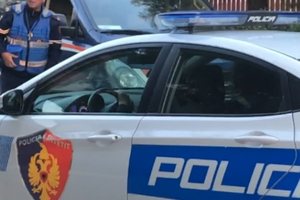
Tirana Police have shared details regarding the accident t...
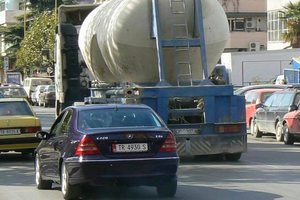
A serious accident that occurred this Wednesday with the c...

The Institute of Geosciences has shared a forecast for wea...
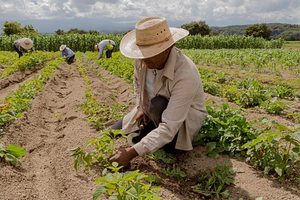
Rising energy and fertilizer prices are expected to contin...
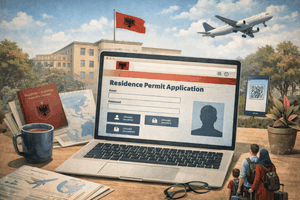
Over 18,000 foreign citizens from 140 countries have appli...
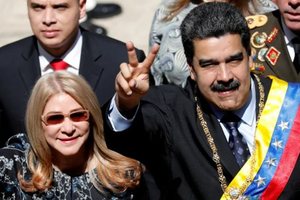
The trial of ousted Venezuelan President Nicolas Maduro on...
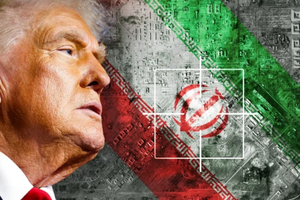
US President Donald Trump has issued another warning to Ir...
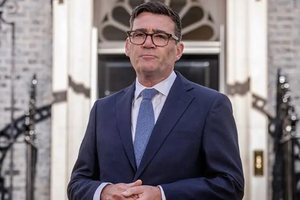
Prime Minister Andy Burnham has announced that most bus fa...

France's parliament has passed a law to ban social media f...

At a time when industrial products are increasingly taking...

Trust among people is not just a three-syllable word. It c...

Master of humor Todi Llupi has passed away at the age of 7...

The ninth edition of "MIK Festival" kicked off with one of...
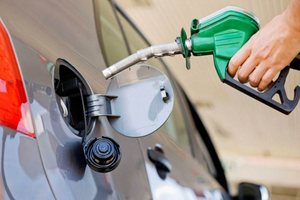
The price of diesel reached 206 lek per liter from 198 lek...

Businesses will no longer be required to simply register t...

Despite economic growth and income in recent years, Albani...

This Wednesday, one US dollar is bought for 81.4 lek and s...