


EU Integration/ Peleshi gives important news
Parliament Speaker Niko Peleshi has revealed that in the f...

Parliament Speaker Niko Peleshi has revealed that in the f...


Bad Ischl, a town in Austria's Salzkammergut region near Germany's Bavarian border, is a popular tourist destination. Hundreds of thousands of people come here every year to enjoy the picturesque mountain scenery of the region, with crystal clear lakes and green meadows in summer or snow-capped peaks in winter.
This once attracted the Austrian nobility to the city. Emperor Franz Joseph I and Empress Sisi spent many summers in Bad Ischl. They got engaged there in 1853.
In 2024, Bad Ischl and the 22 surrounding communities will become one of the year's three European Capitals of Culture – along with Tartu in Estonia and Bodo in Norway.
Climate change, history and Conchita Wurst
Bad Ischl and other communities want to realize more than 300 projects together to show that there is more to the region than idyllic landscapes. The program will explore, among other things, the consequences of rampant tourism and climate change, as well as the heavy historical burden from this region's past.
The aim is to reveal the positive and negative sides of this whole region and not to turn it [European Capital of Culture year] into a fireworks show or festivals," program curator Elisabeth Schweeger told the German news agency DPA. The program will
however kick off with a show in Bad Ischl, Austria on January 20. Tom Neuwirth, who is best known as Eurovision Song Contest winner Conchita Wurst and hails from the Salzkammergut region, will take part in the opening concert of along with rappers and a yodeling chorus of thousands.
Formed by salt mines
Salt has been mined in the Salzkammergut area for at least 7,000 years, and this "white gold" shaped the region. "It developed because of salt, got rich through salt - and with salt it will face its future," Schweeger said. "Now is the time to add another essential element: culture. It is the engine for sustainability in the Salzkammergut and far beyond."
Projects for the European Capital of Culture include an exhibition by Chinese artist Ai Weiwei, which will also explore the tradition of salt mining.
Other exhibits deal with art looted by the Nazis. The Nazi regime hid looted art and art treasures in a mountain tunnel in Bad Ischl during World War II. A show in Bad Aussee will also shed light on the life of art dealer Wolfgang Gurlitt, whose collection included works of art looted by the Nazis. Concerts with music by Arnold Schönberg and an operetta by Oscar Straus also highlight the many Jewish artists and art lovers who have been closely associated with the Salzkammergut.
Another project will deal with the history of the Habsburg monarchy. The Salzkammergut was originally the private property of the Habsburgs.
A critical reflection on the past
Bad Ischl has only about 14,000 inhabitants. Other communities in the region that have come together to form the European Capital of Culture have, in some cases, populations of only a few hundred. The region, listed as a UNESCO World Heritage Site since 1997, already has to cope with an influx of visitors every year. Historian Michael Kurz from Bad Goisern, who knows the region well, notes that there was some concern during the European Capital of Culture campaign. Locals often asked, "Do we need this?"
On the other hand, as the curator Elisabeth Schweeger pointed out, more than 85% of the activities are held by sponsors of local and regional projects. And getting an outside perspective on the region is an opportunity for the community to reflect critically on its history and culture, she added./DW

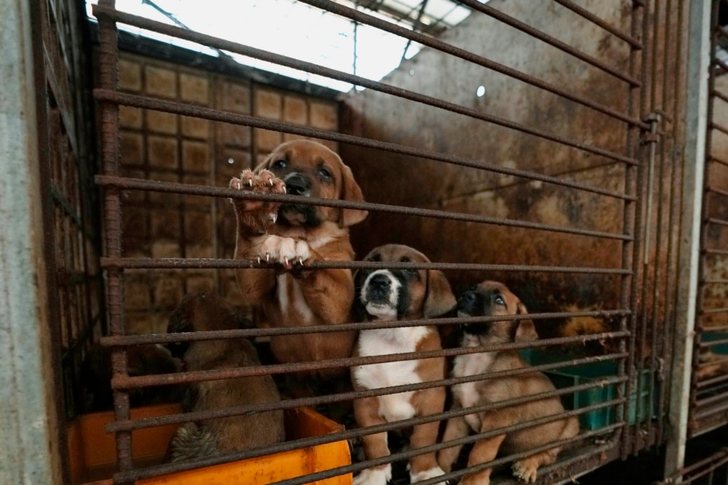
South Korea has passed a new law that aims to completely b...

Këtë të hënë (08.01.2024) nisi java e protestave të bujqve...
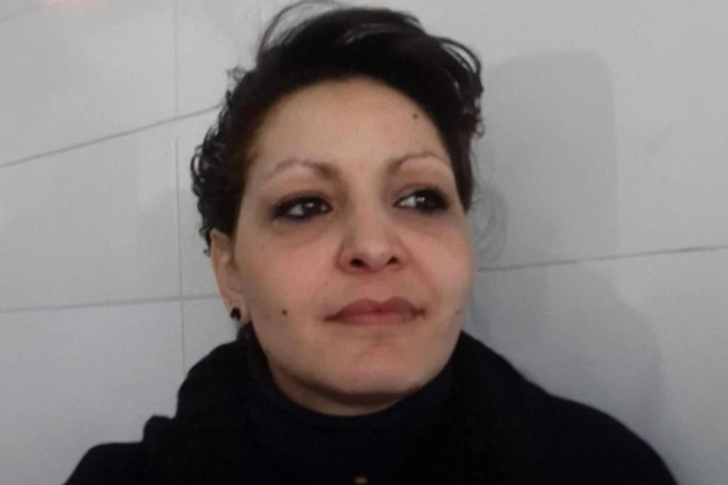
A horror event has unfolded in Greece. The body of 41-year...
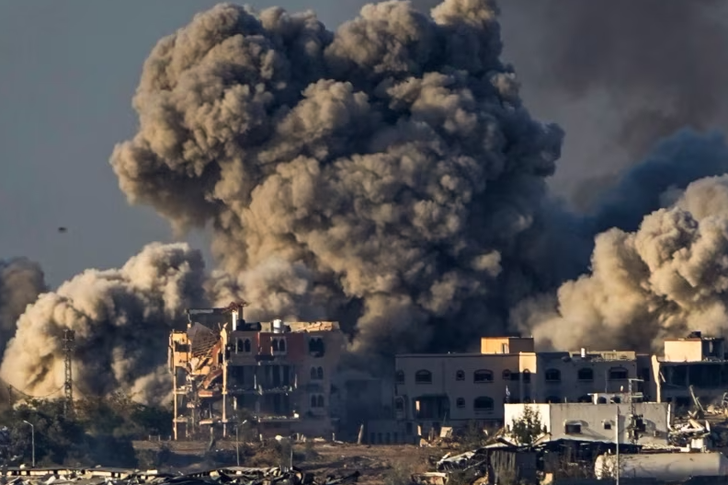
Izraeli ka vazhduar ofensivën ushtarake në Gazë ndërsa dës...
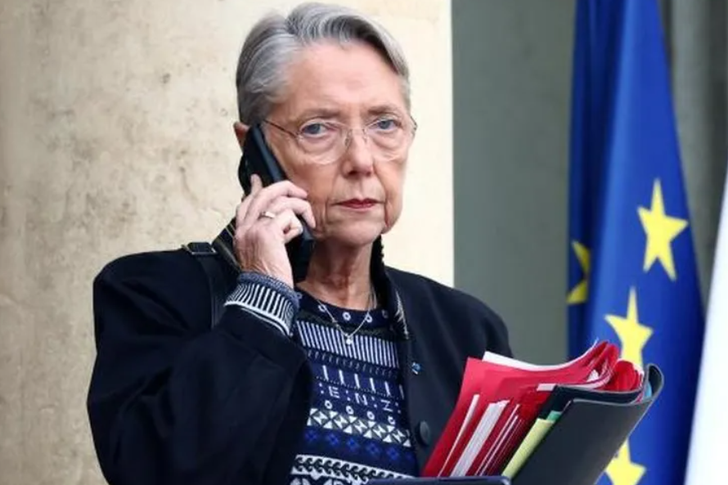
Prime Minister of France Élisabeth Borne will leave th...
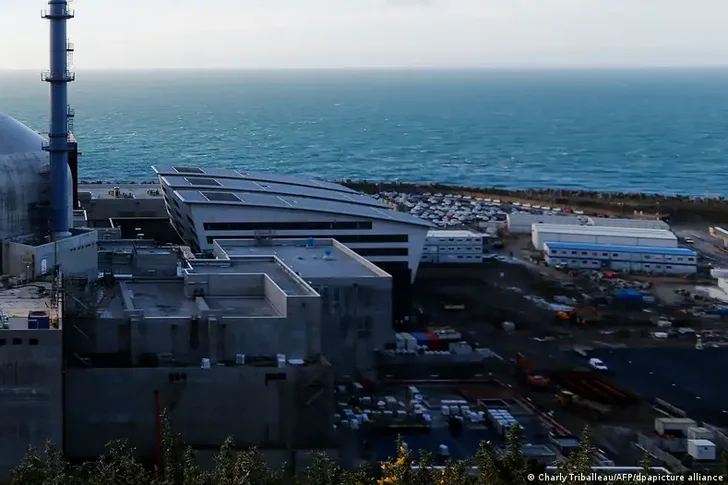
France wants to build eight new nuclear power plants in th...
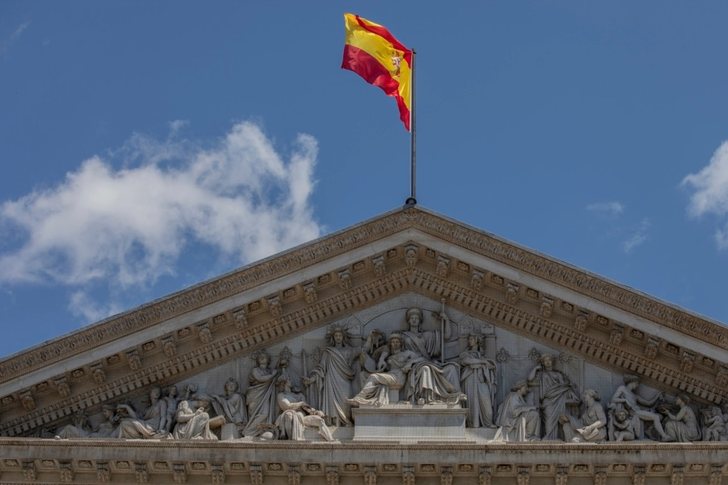
Spain's Foreign Ministry said Monday that Kosovar citizens...
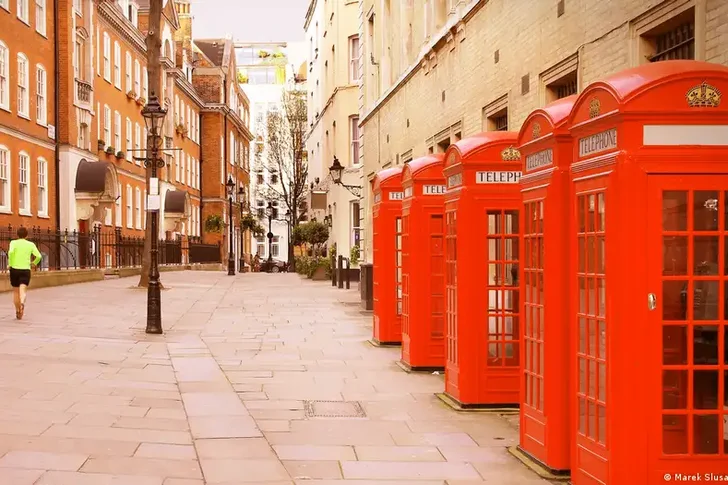
Despite their reduced numbers, red phone booths can still ...
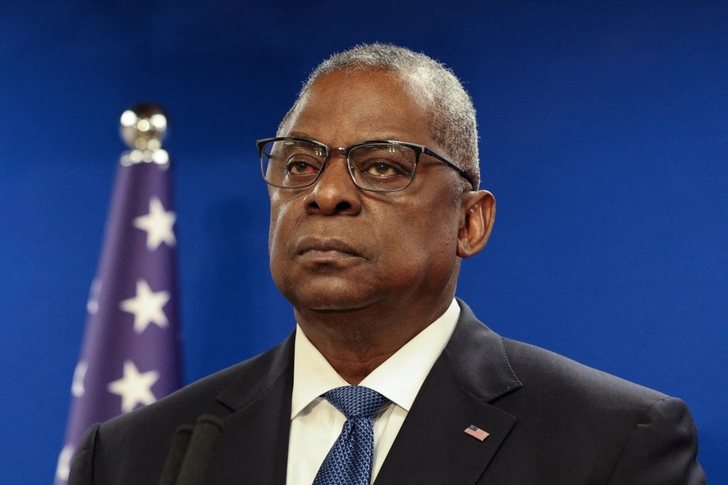
Senior leaders of President Biden's administration, top Pe...
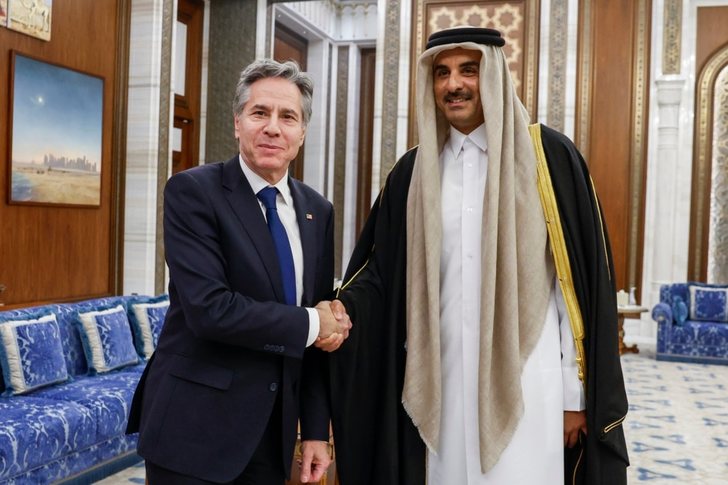
Secretary of State Antony Blinken said that in meetings wi...
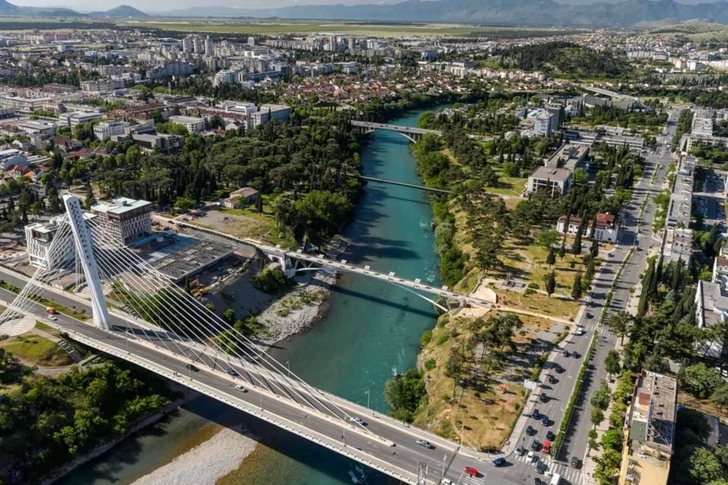
The judicial institutions in Montenegro have not yet inves...
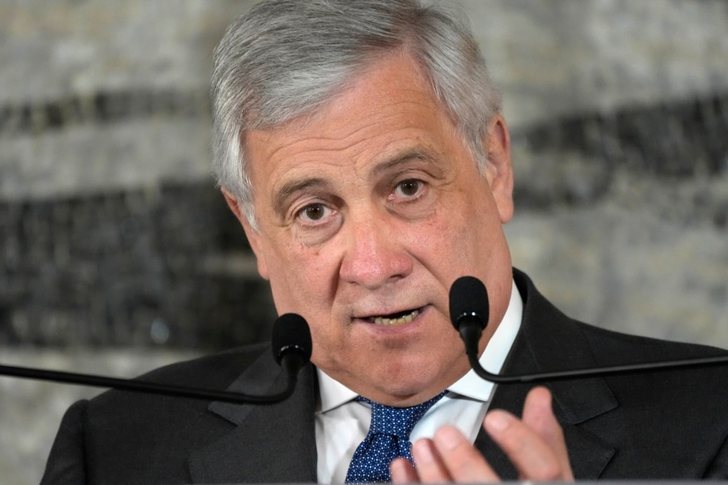
The European Union should form its own joint army that can...
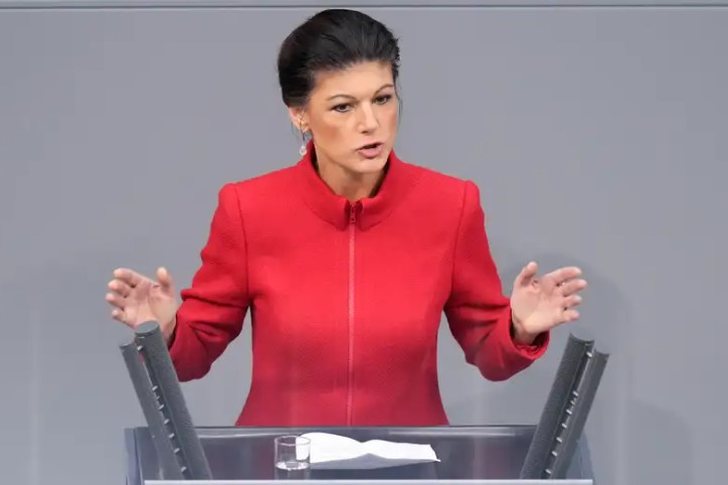
Sahra Wagenknecht in her youth was a communist, a worl...

The technical tool factory Paul Horn GmbH in Tübingen has ...

Despite the fact that the German government has made conce...
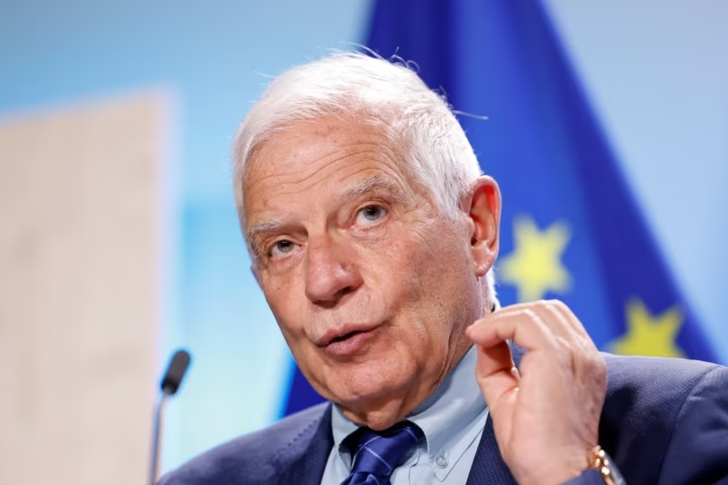
The European Union has welcomed the decision of Kosovo...
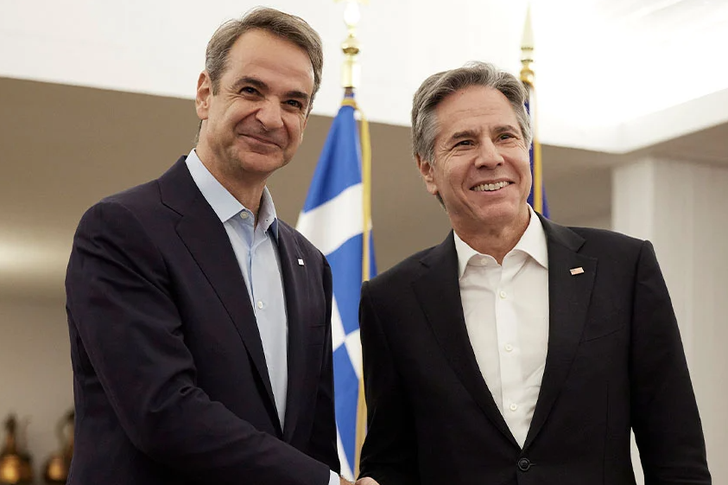
Ka përfunduar takimi mes kryeministrit grek Kyriakos M...
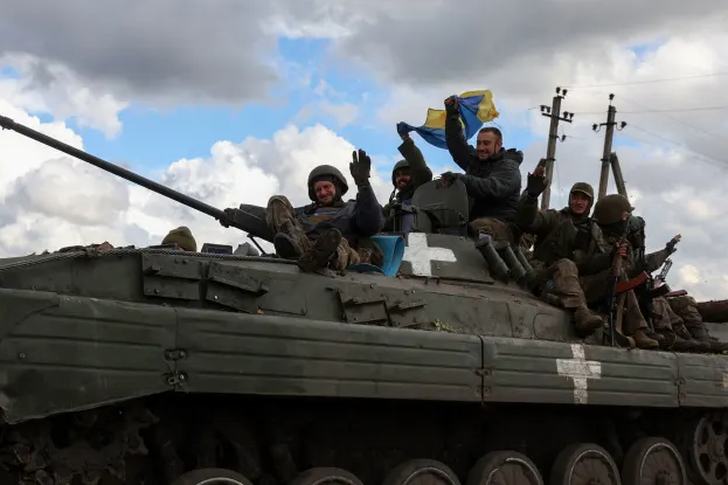
The Russian military is on track to lose 500,000 perso...
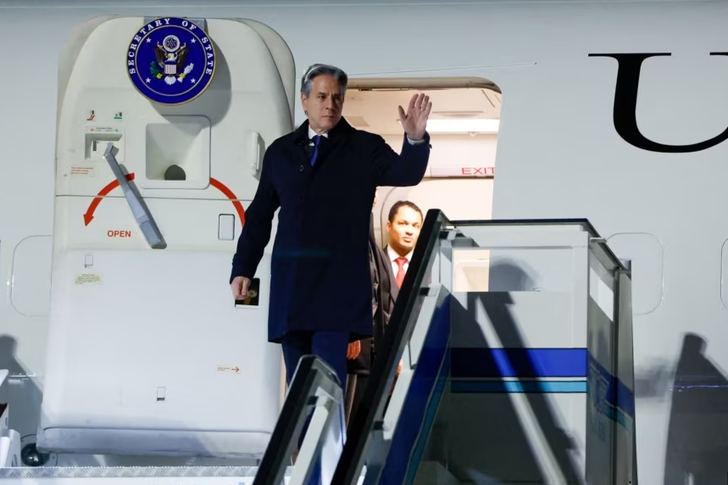
US Secretary of State Antony Blinken began his latest ...
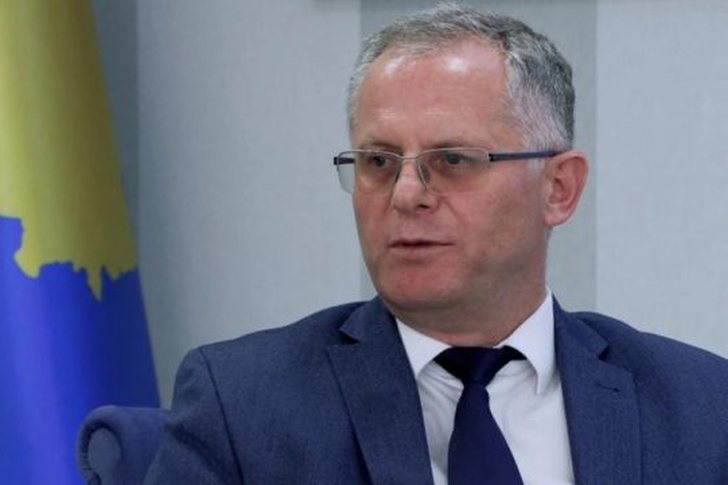
Lajm i mirë për qytetarët e Kosovës. Tashmë ata mund t...

CNA has launched another investigation that could lead to ...

Irfan Hysenbelliu is a businessman that we call "Irfan the...

In March 2026, CNA launched another investigation centered...
The arrested mayor of Tirana, Erion Veliaj, with 13 charge...

The Special Board of Appeal (KPA) decided this Monday ...

The KPA vetting decided this Thursday to dismiss the p...

Suela Salavaçi, a prosecutor in the Prosecutor's Offic...

The Special Board of Appeal reinstated the prosecutor ...
New details from the operation being carried out in Fier t...

The 17-year-old, who was seriously injured yesterday after...
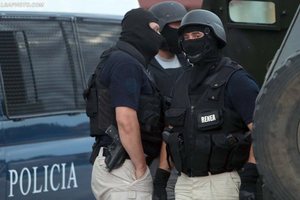
RENEA is headed towards Roskovec after the murder that occ...
A serious incident occurred in Fier where citizen RB, 35 y...

By noon, cloudiness is expected to prevail in almost all o...

Children without parental care, for whom alternative famil...

On Thursday, our country will be under the influence of st...

A serious accident that occurred this Wednesday with the c...
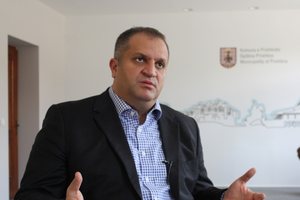
The Basic Court in Pristina found the former mayor of Pris...

The European Union Office in Kosovo has called on all poli...
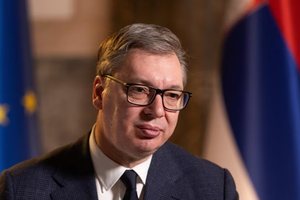
Serbian President Aleksandar Vučić, at a press conference ...
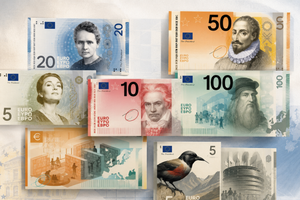
For the first time since the launch of the euro, European ...

At a time when industrial products are increasingly taking...

Trust among people is not just a three-syllable word. It c...

Master of humor Todi Llupi has passed away at the age of 7...

The ninth edition of "MIK Festival" kicked off with one of...
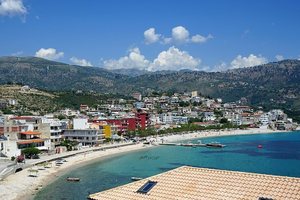
The number of active enterprises in Albania continued to g...
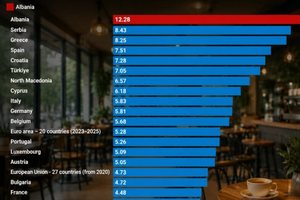
In Albania, the bar-cafe has long become an almost unique ...

This Friday, one US dollar is bought for 81.7 lek and sold...
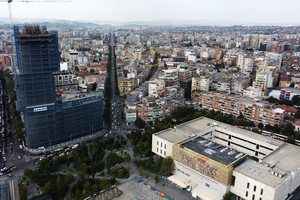
The average sale price of apartments in Tirana reaches rec...