


Hita's absence from the commission irritates the opposition: If he is not capable, he should leave
The Head of the State Police, Skënder Hita, did not appear...

The Head of the State Police, Skënder Hita, did not appear...

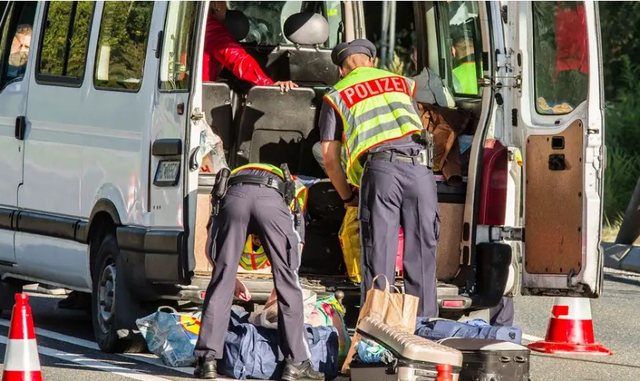
Patrick Rautenberg watches the traffic on the A94 near Mühldorf, near the Bavarian-Austrian border. The experienced border policeman does not have to wait long. Soon a black minibus with Albanian registration appears. "This is a typical vehicle used by smugglers," says Rautenberg.
His colleague presses the gas pedal. In the end, this check was harmless, as most of them are, Rautenberg explains. But some checks turn into dangerous pursuits - sometimes with deadly consequences.
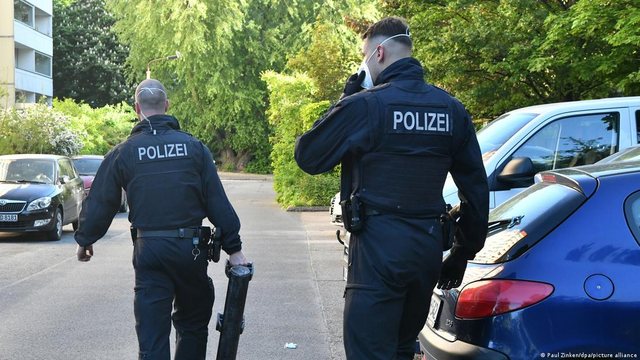
The number of illegal entries into Germany increased in 2023 compared to the previous year. In 2023, members of the German Federal Police registered almost 128,000 illegal border crossings, which is about 39 percent more than in 2022.
In addition, many police officers report that smugglers are becoming more ruthless. This increases the risk for refugees, other road users and the police. Another consequence: any contraband detected becomes a matter for justice. Prosecutors' offices and courts in border areas have more and more work - sometimes they cannot finish cases at all in time.
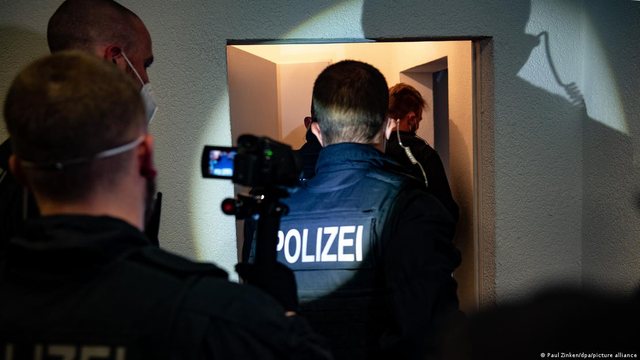
Rautenberg's shift today was peaceful. In the next vehicle he checked, there was only a family with a baby, no contraband. However, many of the cases he and his colleagues from the Federal Police experience on the borders with Poland, the Czech Republic and Austria end up before the judicial bodies.
One such case is the accident near Ampfing in the district of Mühldorf. There, in October 2023, seven refugees died when a car overturned and rolled several times during a police chase. Or the case of the smuggler who directly attacked Rautenberg's colleague. She, throwing herself to the side, barely managed to save herself.
Such cases are handled by Pia Dirnberger, the state prosecutor near the border in Traunstein. She is currently preparing for a multi-day trial against a smuggler and is once again considering the indictment. Among other things, the smuggler is accused of threatening the refugees with a weapon.
Dirnberger spends half of his time working on human trafficking cases. Last fall, so many new cases arrived in her department that they had to distribute them to other departments.
In the countries where the "Balkan route" ends for many refugees, the number of proceedings against smugglers has increased significantly in recent years. In Bavaria, for example, the number of proceedings tripled between 2019 and 2023. In Brandenburg, prosecutors had 28 percent more cases last year than in 2022.
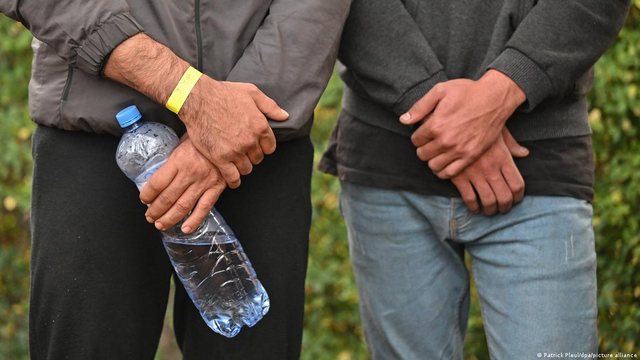
In Saxony too, the number of recorded cases of people smuggling almost doubled in the same period. The municipal court in Pirna has recently dealt almost exclusively with cases of smuggling. There was a lack of space, a lack of translators, while the court officials were at the limit of their capacities.
The number of criminal proceedings against smugglers has not only increased, but these proceedings are becoming more and more complicated, explains the prosecutor, Pia Dirnberger from Traunstein. The more reckless the smugglers, the higher the punishment in the end.
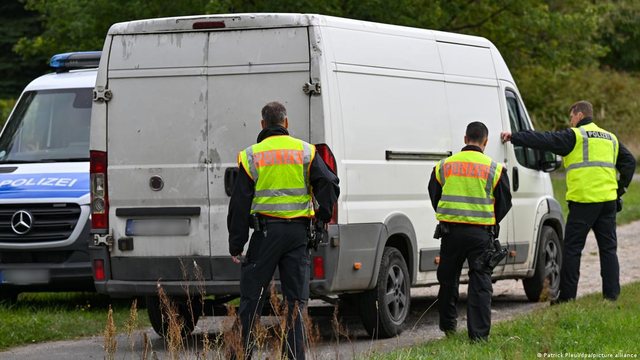
Arguing with evidence that smugglers have endangered other people takes a lot of work. For example, people who have been smuggled must describe all the dangers during the journey as witnesses, and translators are usually needed for this.
The many expert reports are also complicated. Their purpose is, for example, to prove that some contraband drives can have a fatal outcome. In addition, the search for organizers, who are mostly located abroad, is also complicated. For cross-border investigations, special interstate agreements on the legal details of cooperation should also be concluded, says Dirnberger.
It is difficult to predict how migration movements to Germany will develop in the future. In Brandenburg, according to the Berlin Police spokeswoman, permanent border controls have proven to be good. Refugees now more often choose to cross the border on foot, rather than board overcrowded vans.
Human rights organizations, such as Pro Asyl, have a different view on the development of this situation. Conditions for refugees at the EU's external borders are becoming increasingly inhumane, says Pro Asyla spokeswoman Judith Wiebke. As long as this is the case and as long as there are no other legal routes to Germany, refugees remain in the hands of ruthless smugglers./ DW


"I am suspending my campaign" Donald Trump caused qui...
Sekretari Blinken do ta nisë turin e tij në Paris ku pritet ...

Eight people were killed and several others were injured i...

Five people lost their lives today in the south of Poland,...

The Iranian consulate and the Iranian ambassador's residen...

Thousands of Israelis have taken to the streets to protest...
Kosovo's Interior Minister Xhelal Svečla has stated th...

Israeli Prime Minister Benjamin Netanyahu on Monday revive...
The Minister of Internal Affairs of Kosovo, Xhelal Sveçla,...

Hackers stole Russian prisoners' database to avenge Navaln...
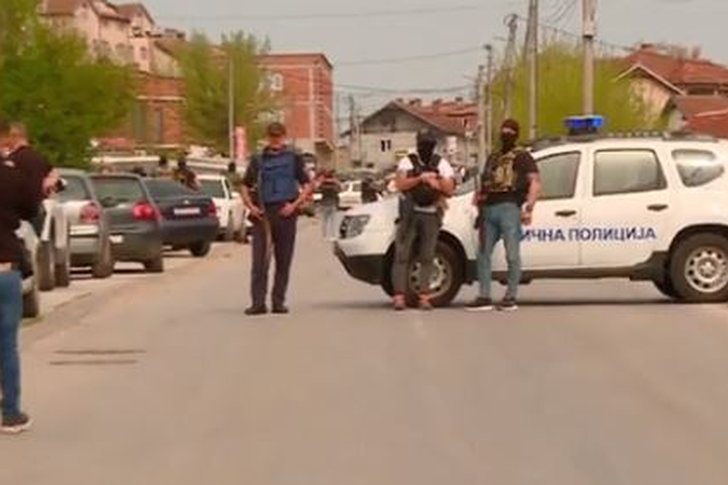
The Macedonian media reports that during the day there...

Rusia ka përdorur pesë raketa hipersonike Zircon për të su...
Si shumë festa të tjera, Pashkët janë një nga periudhat më...
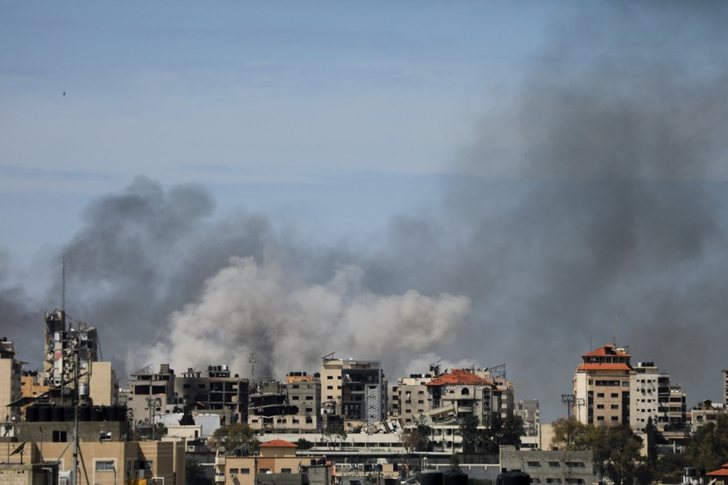
The Israeli army withdrew from Gaza's largest hospital ear...
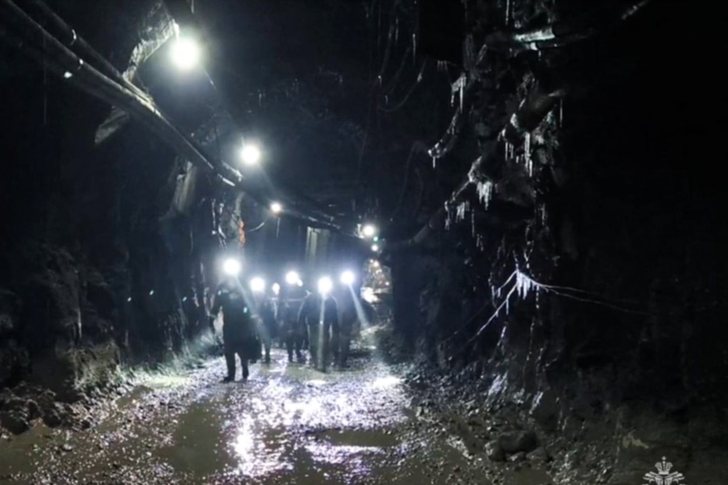
Russian emergency workers on Monday completed a rescue ope...
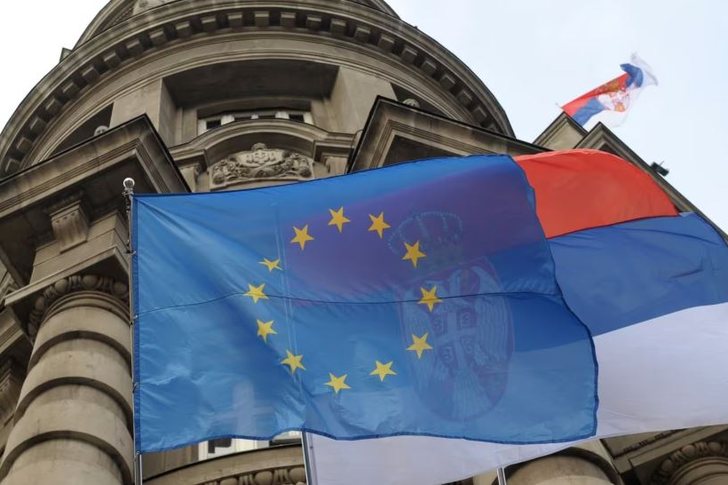
Although two full months have passed since the European Co...

Eva Högl is the chairperson of the Armed Forces Committee ...

In Germany today (01.04.) a new era in drug policy begins....

Yesterday Turkey went to local elections, causing 61 milli...

Tens of thousands of Israelis turned out in front of the p...

CNA has launched another investigation that could lead to ...

Irfan Hysenbelliu is a businessman that we call "Irfan the...

In March 2026, CNA launched another investigation centered...
The arrested mayor of Tirana, Erion Veliaj, with 13 charge...

The Special Board of Appeal (KPA) decided this Monday ...

The KPA vetting decided this Thursday to dismiss the p...

Suela Salavaçi, a prosecutor in the Prosecutor's Offic...

The Special Board of Appeal reinstated the prosecutor ...

A serious accident has occurred on the Lezhë-Shëngjin axis...
A serious incident has occurred in Morina, Kukes. Citizen...
The bad weather that swept the country on Tuesday evening ...
A road accident occurred this evening on Nikolla Zoraqi St...

This Wednesday, our country will be under the influence of...

All of Southern Europe will face changing weather conditio...

Albania was hit by temperatures significantly higher than ...

For the first time, Pogradec welcomed the Inter-Lake Chess...

Prime Minister Andy Burnham has announced that most bus fa...

France's parliament has passed a law to ban social media f...

US Secretary of State Marco Rubio arrived in Manila on Jul...

In the space of a few days, Ukrainian President Volodymyr ...

At a time when industrial products are increasingly taking...

Trust among people is not just a three-syllable word. It c...

Master of humor Todi Llupi has passed away at the age of 7...

The ninth edition of "MIK Festival" kicked off with one of...

Businesses will no longer be required to simply register t...

Despite economic growth and income in recent years, Albani...

This Wednesday, one US dollar is bought for 81.4 lek and s...

Construction company licenses will have a validity period ...