


Murder of the officer/ Enea Mekolli's uncle raises accusations: They were without any kind of protection
The uncle of the murdered officer, Enea Mekolli, Hazbi Mek...

The uncle of the murdered officer, Enea Mekolli, Hazbi Mek...

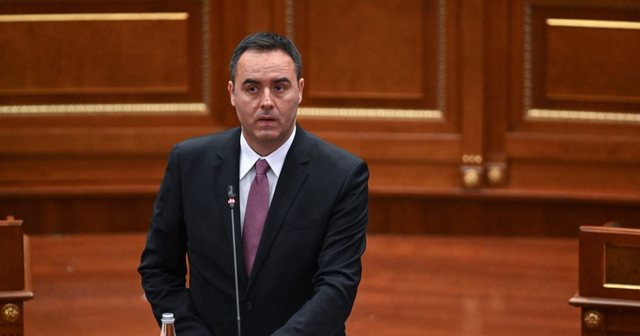
Kosovo's acting Minister of Foreign Affairs and Diaspora, Glauk Konjufca, said that the key problem in the dialogue for the normalization of relations with Serbia is the "blow to good faith", which, according to him, Belgrade has dealt him, adding that he does not expect any initiative for new meetings this year.
Konjufca, speaking to journalists in Brussels, where he participated in the meeting of foreign ministers of the European Union and the Western Balkans, said that the two attacks in Kosovo, the one in Banjska in 2023 and the one in the Iber-Lepenc canal in 2024, damaged the trust in the process of normalizing relations, which began in 2011 and is mediated by the EU.
"Regarding the Kosovo-Serbia dialogue, I emphasized that the biggest problem is the blow to the good faith that has been inflicted on the dialogue by Serbia," he said.
Authorities have convicted three defendants for the attack on Kosovo Police in Banjska Zvecan, while dozens of others are at large. Milan Radoicic, the former vice-president of the Serbian List – the main Serb party in Kosovo that enjoys the support of Belgrade – has admitted responsibility for organizing the attack, while Kosovo has repeatedly demanded that Serbia extradite him.
Meanwhile, the trial of the three defendants is underway for the explosion in the vital Ibër-Lepenc canal in Kosovo.
For both attacks, Serbia has denied involvement.
"How can we sit down and negotiate with a party that, while we are sitting at the dialogue table, behind our backs they organize actions that attack Kosovo's territorial integrity and sovereignty. So, for dialogue to happen, trust is needed, and gaining trust is not easy because it has suffered serious blows, especially with these two attacks that we have seen," said Konjufca.
The last meeting at the leadership level between Kosovo and Serbia took place in September 2023, a few days before the attack in Banjska, when a Kosovo policeman was killed. Three Serbian attackers were also killed during the exchange of fire.
Konjufca said that EU foreign policy chief Kaja Kallas and the 27 member states expressed their readiness to help build trust, but added that because the country is in the electoral process, and Serbia is also expected to hold new elections, she does not expect any initiative for a new meeting soon.
"Let's see in 2027 how things will develop, but due to developments I do not expect anything, nor any European initiative very focused in these remaining months of the year," he said.
Meanwhile, Konjufca's Serbian counterpart, Marko Djuric, said earlier in the day that in the first part of the meeting, the fact was recalled that the Association of Serb-majority Municipalities in Kosovo has not yet been formed, even though it was an obligation signed in Brussels.
Djuric said that Kosovo representatives have tried to blame Serbia for various regional problems and have constantly portrayed it as a source of instability.
Kosovo and Serbia agreed on the Association in 2013 and it is also mentioned in the Agreement on the Path to Normalization of Relations, which Kosovo and Serbia accepted in 2023.
However, this association has not yet been formed.
Meanwhile, earlier in the day, speaking about the Kosovo-Serbia dialogue, EU diplomacy chief Kaja Kallas said that the frequent election cycles in Kosovo are the reason that, for a long time, there has not been a new round of dialogue between Pristina and Belgrade, at the leadership level.
She told reporters that there is a willingness from both the President of Serbia, Aleksandar Vu?i?, and the acting Prime Minister of Kosovo, Albin Kurti, for a meeting within the framework of the dialogue, but that the announcement of new early elections in Kosovo has again postponed the process.
"We, in fact, had planned the dialogue between Belgrade and Pristina - a high-level political dialogue. We had the consent of both leaders - from Kosovo and from Serbia - but now the elections in Kosovo are approaching again, which of course postpones the process," she said.
"I, however, am working separately with both parties so that we can continue with the implementation of the agreements that are already in force," Kallas added.
Konjufca said that in the meeting with EU and regional counterparts, he also discussed the security situation. He reiterated the position of the authorities in Kosovo that the biggest threat to Pristina is "the policies of the Serbian state", while also repeating the accusations that Serbia finances groups, such as the one during the attack in Banjska, to destabilize Kosovo.
Among the threats, Konjufca also mentioned Russian influence in the Western Balkans.
"At the same time, I made it known that a Russian influence is observed coming to the Western Balkans precisely through Serbia, because Serbia in the Western Balkans is a clearer base that is used by Russia to spread hybrid warfare and attempts to destabilize the Western Balkans," he said.
Konjufca said that these concerns must be addressed together with the EU, in order to "close the final door" to Russia for "destabilizing this vital part of the EU."
A report published earlier this year by US intelligence services states that the Western Balkans remains an area of ??heightened political tensions and external influences, highlighting Russia's role in destabilizing the region.
According to him, Russia "foments instability between Serbia, which it favors, and Kosovo", but also "supports the separation of the Serbian entity, Republika Srpska, from Bosnia and Herzegovina"./REL

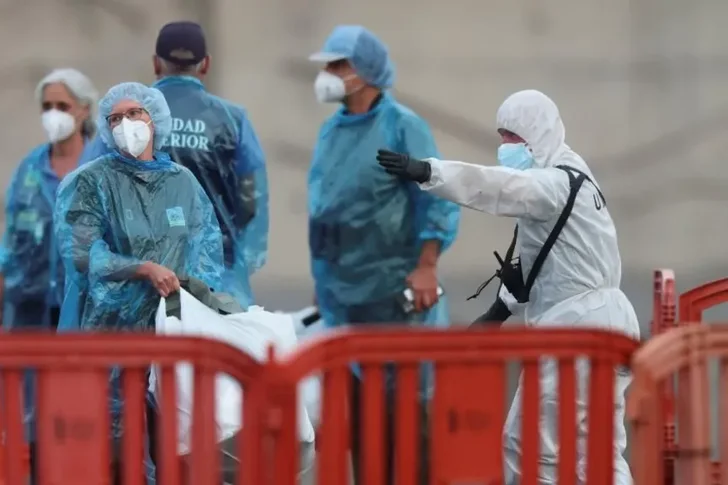
An American and a Frenchman who returned to their home cou...
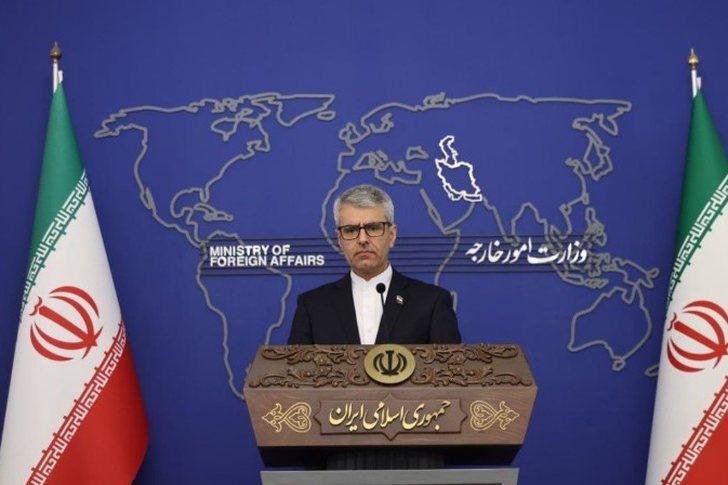
Iran's latest proposal to end the US-Israel war was "reaso...
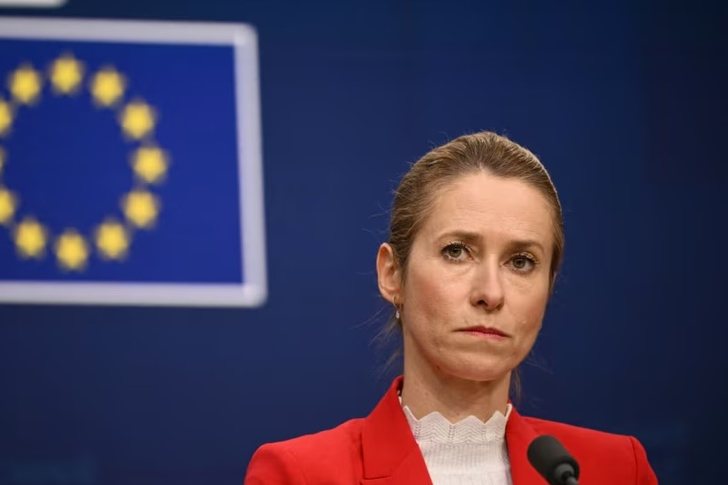
The European Union's High Representative for Foreign Affai...
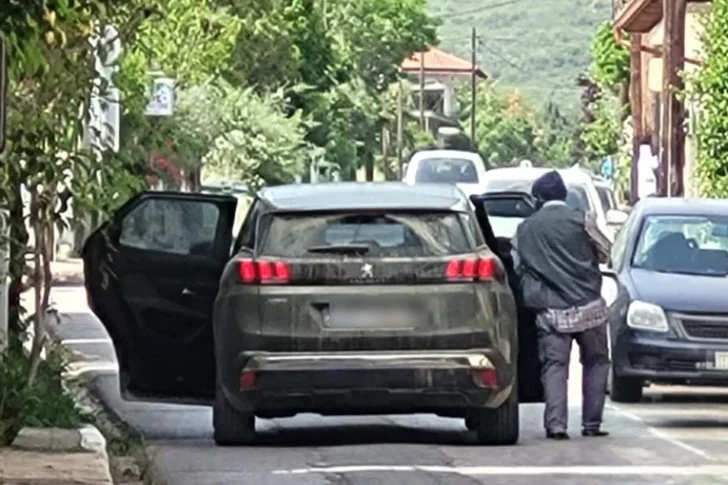
A gun robbery took place this morning in Kato Tithorea, Gr...
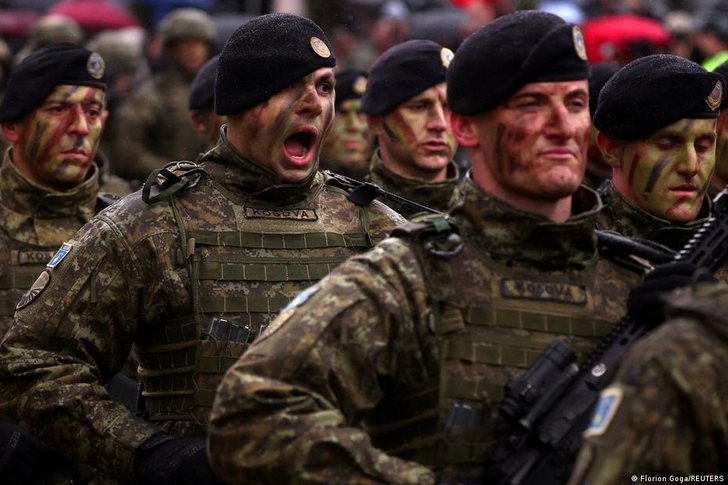
In December 2025, the US reportedly officially asked 70 co...
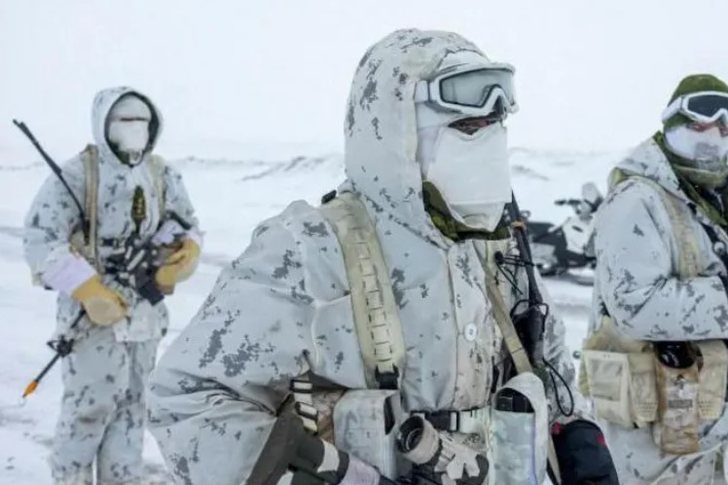
Canada is experiencing its largest increase in military re...
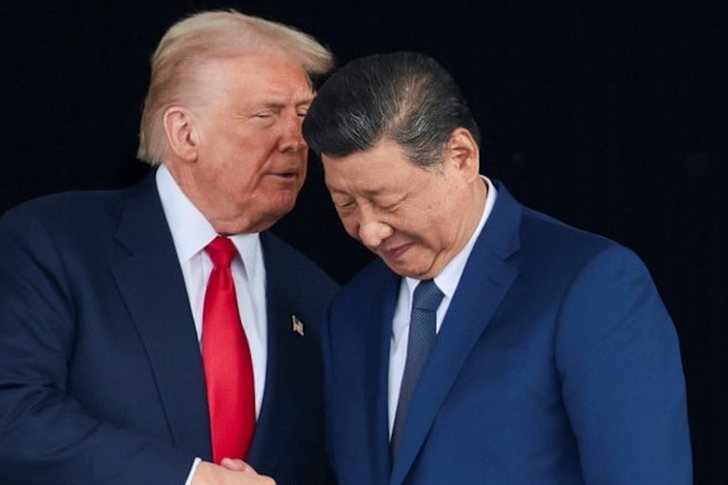
Beijing has confirmed that United States President Donald ...
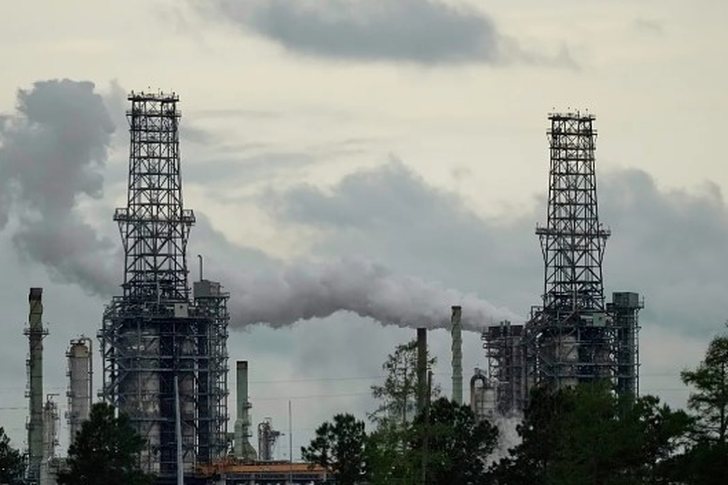
Oil prices rose this Monday morning after US President Don...
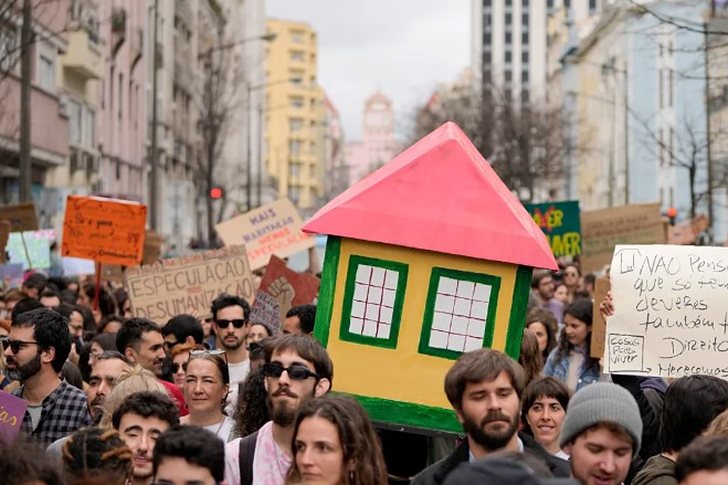
Euronews Business takes a closer look at gross minimum wag...
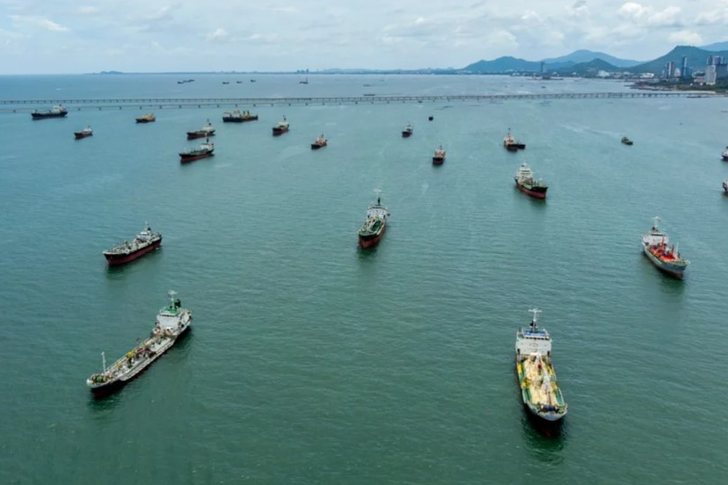
Britain and France will host defense ministers from variou...

The Serbian government funds the Association of Red Berets...
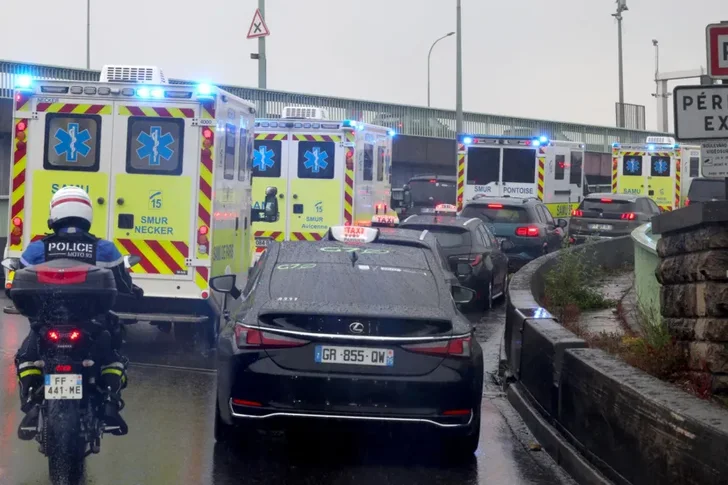
A passenger on a cruise ship affected by a hantavirus outb...
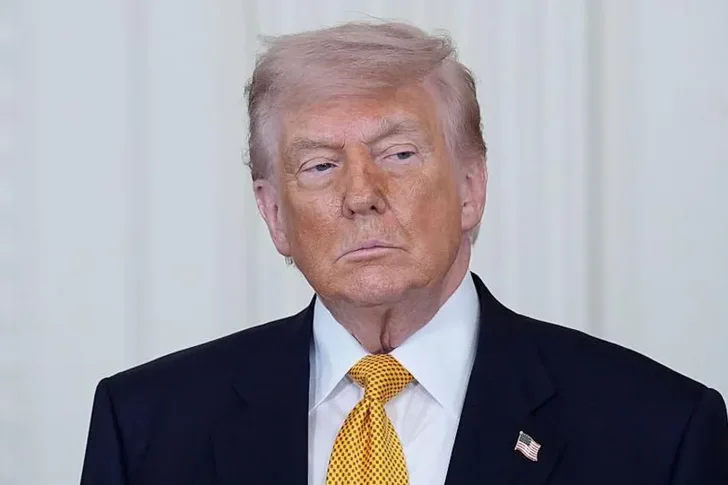
US President Donald Trump has reacted to Iran's response t...
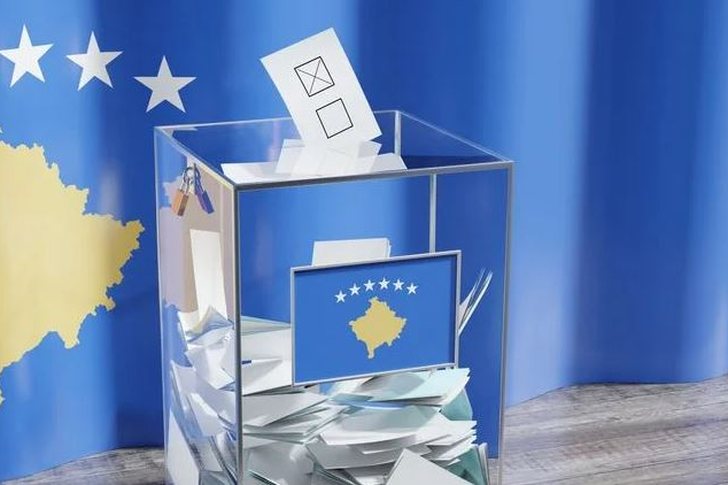
The Central Election Commission has announced that the pro...
Iran has warned Britain and France that its armed forces w...
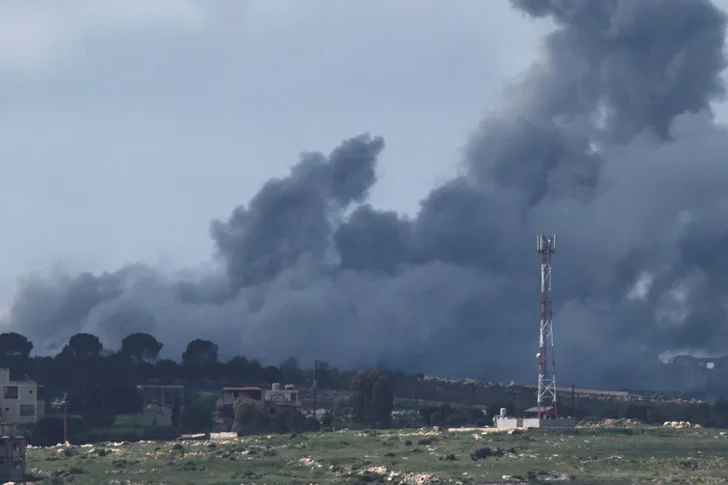
The Israeli army continues its operations in Lebanon, and ...
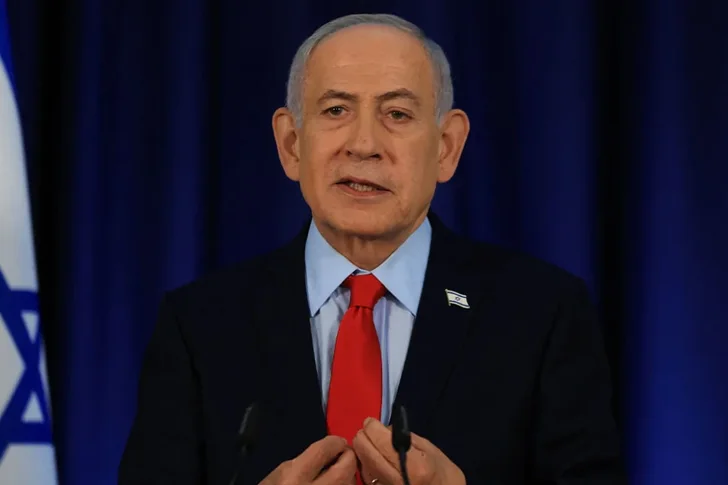
Israeli Prime Minister Benjamin Netanyahu has declared tha...
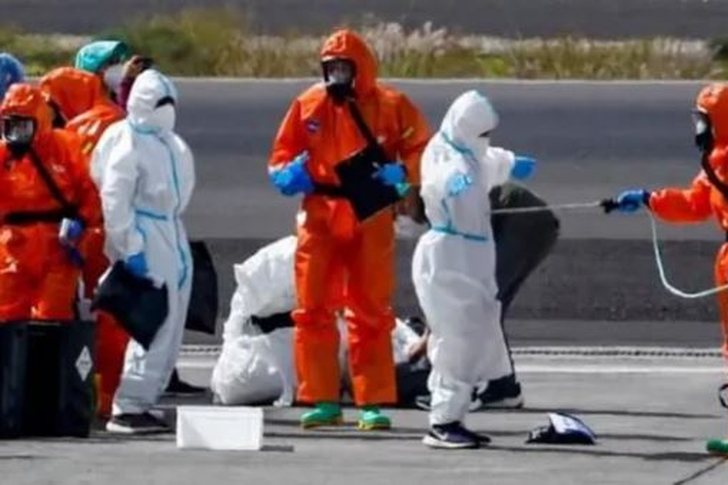
The first passengers evacuated from a hantavirus-affected ...
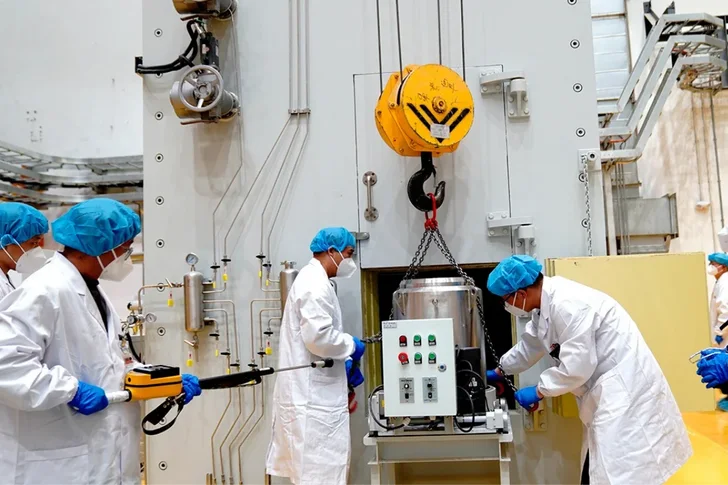
The US has announced that it has removed highly enriched u...
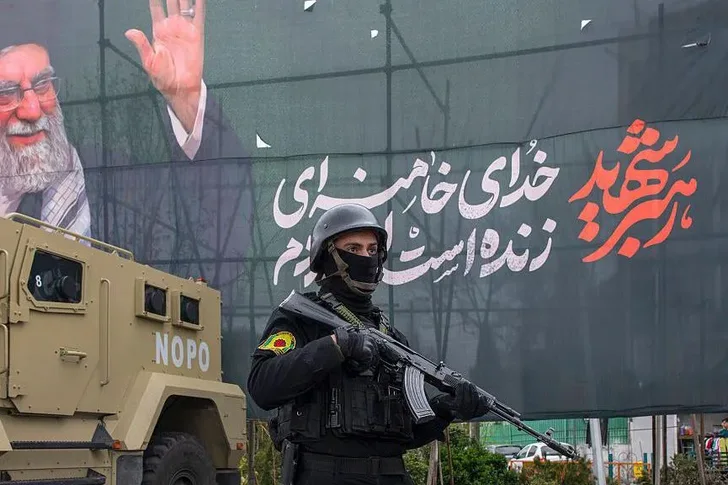
Iran has sent its response to US proposals to end the war ...
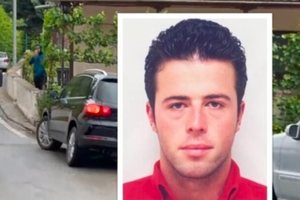
The murder of officer Enea Mekolli in the line of duty has...

The next case broadcast on the show "Stop", this Thursday,...
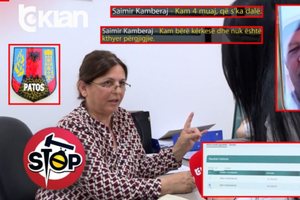
The case published this Thursday, June 4, on the show "Sto...

The protests of recent days related to the situation in Zv...

The Special Board of Appeal (KPA) decided this Monday ...

The KPA vetting decided this Thursday to dismiss the p...

Suela Salavaçi, a prosecutor in the Prosecutor's Offic...

The Special Board of Appeal reinstated the prosecutor ...

A money changer in Durrës lost 60 thousand euros after bei...
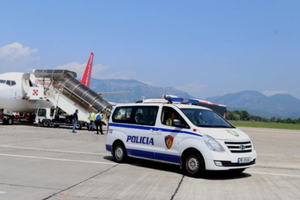
The 6 citizens captured in Dubai, members of criminal grou...
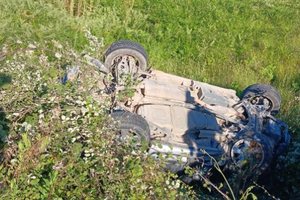
A serious accident occurred on the Kardhiq-Delvinë axis, i...
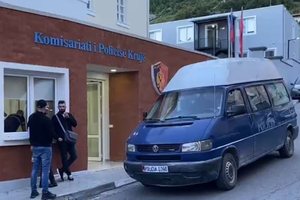
Authorities have conducted a large-scale anti-drug operati...
Today our country will be affected by stable weather condi...

For many children and teenagers, the long summer holidays ...
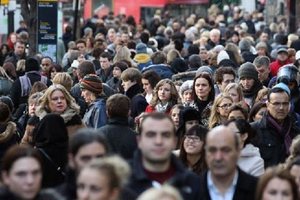
Albania is facing an unprecedented demographic transition,...

On Thursday, our country will be affected by unstable weat...
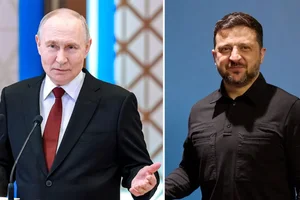
Russian President Vladimir Putin said the war in Ukraine c...
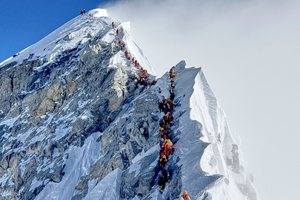
An extraordinary story of survival has been recorded in Ne...
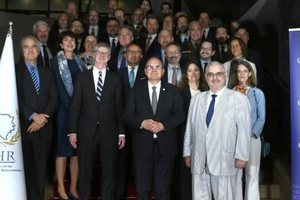
The Peace Implementation Council in Bosnia and Herzegovina...
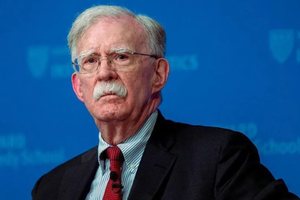
John Bolton, the former national security adviser to US Pr...
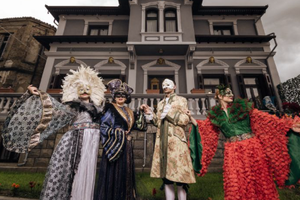
Korça is ready to open the summer season with one of the c...
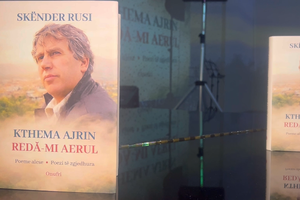
Two years after his passing, the renowned Korçë poet Skënd...
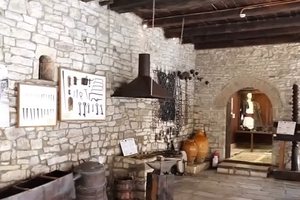
The Ethnographic Museum of Berat has opened its doors to v...
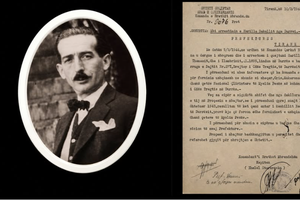
The story of Harilla Bakalli is one of the most chilling t...
Despite years of efforts at regional cooperation and free ...

Albania is the country with the highest level of severe ma...

This Friday, one US dollar is bought for 81.3 lek and sold...
The government aims to transform the country's industrial ...