

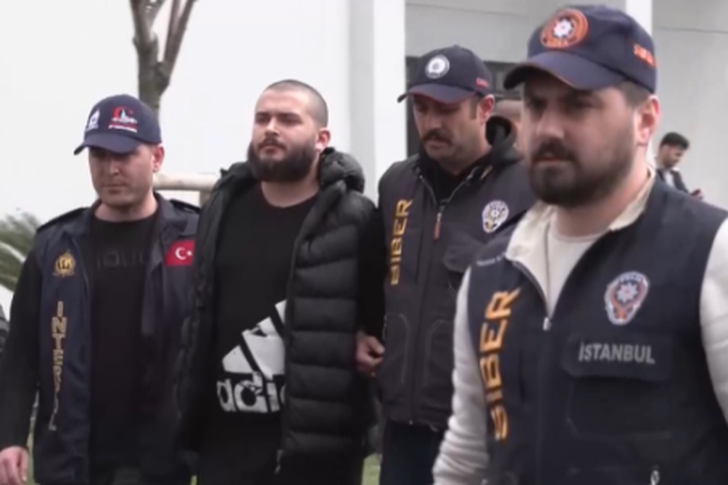
Extradited from Albania/ Cryptocurrency boss Faruk Fatih Ozer ends life in prison
Faruk Fatih Ozer, founder of the cryptocurrency company Th...


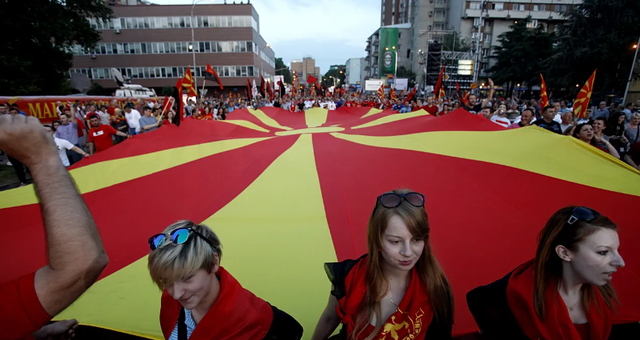
Historical and cultural differences between North Macedonia and Bulgaria hinder EU membership. The impasse revolves around recognition of identity and language.
Historical, cultural and linguistic disputes keep the EU door closed to North Macedonia, while the key is held by "brotherly" Bulgaria, which has promised not to withdraw until the neighboring country fulfills the agreement reached in 2018.
Disputes between the two countries date back years, as do attempts at reconciliation. Although politicians have repeatedly signed agreements promising good neighborly relations and conflict resolution, this has yet to happen.
While language, identity and history remain a hot topic, above all, the main obstacle for North Macedonia remains its refusal to agree to the so-called "French proposal" from 2022, according to which North Macedonia must include the "Bulgarian community" in its constitution as a fundamental condition for progress in the accession process.
Although the North Macedonian government voted in favor of this proposal at the time, the country today refuses to implement it.
Prime Minister Hristijan Mickoski calls this decision by his predecessors a "political and strategic mistake" that has jeopardized the country's European path and European future.
"The second round of local elections in North Macedonia has not yet taken place, but once it is over, perhaps we can expect a more reasonable stance from them," EPP MEP Andrey Kovatchev told Euronews.
A few weeks ago, Mickoski called on the European Council to issue a conclusion confirming that there is no problem with the distinct Macedonian identity, language and "centuries-old culture".
However, there is a problem for Bulgaria. Not only in terms of not respecting the decision already made to include Bulgarians in the constitution of North Macedonia, but also in terms of the language and history of both countries.
Bulgaria insists that the Macedonian language is a dialect of Bulgarian, while North Macedonia argues that it is distinct and unique.
The reasons for this dispute are actually much deeper, in the undoubtedly painful common history of the two so-called "brotherly peoples", while Skopje questions Sofia's historical legacy within its territory.
In this case, disagreements on this topic often take on a tone that is inconsistent with good diplomacy.
Bulgaria claims that North Macedonia is imposing "anti-Bulgarian rhetoric," while North Macedonia claims that Bulgaria is threatening its identity. And so, for decades, this political "ping-pong" has been played out at the gates of the European Union.
In 1999, the so-called "Declaration of Good Neighborliness" was signed between Bulgaria and the (then) Republic of Macedonia, largely triggered by the conflict in neighboring Kosovo and security threats to the wider region.
In a critical situation like this, the two countries came together in the name of regional security. Bulgaria, which at the time was about to join NATO, pursued a policy of refusing to accept refugees.
However, since destabilization in the Balkans posed a serious risk, Bulgaria relented and helped set up refugee camps for those fleeing the wars in the former Yugoslavia, close enough to their homes so that they could return after the war ended.
The state helped the then Republic of Macedonia, and this help was “appreciated,” according to those who participated in the talks. However, the danger passed, as did the “good neighborliness” between the two countries. The following years saw new and harsher verbal political clashes.
In 2004, the then Republic of Macedonia applied for EU membership and was granted candidate status, which has since stalled. Meanwhile, Bulgaria joined the EU in 2007. This complicated the situation for Skopje. In addition to Bulgaria, Greece also held the key to the door and refused to open it because of its own problems with Skopje, including the country's name, which Athens believed was linked only to its northern region.
More than 10 years after submitting their membership application, the Western Balkan country and Greece have found a way forward. In 2018, the central issue — the name dispute — was resolved with the Prespa Agreement. Skopje accepted the name North Macedonia and Athens lifted its veto. And only Sofia succeeded. While in 2017 the two sides signed an EU-lauded friendship treaty that, for the first time, mentioned “the Macedonian language, in accordance with the Constitution of the Republic of Macedonia,” neither side backed down.
A new attempt to resolve the impasse was made in 2021, when Bulgaria and North Macedonia signed a cooperation agreement that included the creation of a joint historical commission to resolve historical disputes. The results of this commission's work remain unclear, according to analysts and politicians.
In 2022, France proposed that the veto on North Macedonia's EU accession be lifted, but that the country accept the constitutional changes requested by Bulgaria, officially recognize the Bulgarian minority, guarantee its protection, and eliminate anti-Bulgarian rhetoric.
The French proposal was accepted and approved by the Macedonian government, and in 2023, almost 20 years after the approval for negotiations, they began. And again, they have been stopped because Mickoski's government has questioned the legitimacy of the constitutional changes and announced that they will not happen without clear fulfillment of the obligations of the "eastern neighbor" and specific guarantees from the European Union.
Now, on the other hand, North Macedonia is demanding that Bulgaria recognize the Macedonian minority in western Bulgaria.
"We see that (Skopje) is trying to change the negotiating framework, but I don't expect this to be possible. They are not adhering to the negotiating framework and the 2018 neighbourhood agreement, which is very sad," commented MEP Kovatchev.
"Their wish to have no further demands from Bulgaria has been respected and voted on by the Bulgarian parliament. The only thing they need to do is include the 'Bulgarian community' in their Constitution."
"We want their membership, but they must fulfill their commitments," Kovachev added.
Undoubtedly, tensions between the two countries exist at both the political and national levels.
Or at least that's what a series of political exchanges suggests, leading to physical violence, arson, and other attacks on cultural centers in both countries.
In recent years, several Bulgarian cultural clubs in Skopje have been attacked, as has a Macedonian club in Bulgaria.
Protests marked by the political presence of supporters of the Macedonian VMRO-DPMNE party have also complicated the situation.
In 2023, a brutal physical attack on the secretary of the Bulgarian Cultural Club in Ohrid seriously jeopardized the fragile progress between the two countries.
It remains unclear whether the acts of aggression are the result of ongoing resentment between the two fraternal nations or a politically motivated provocation aimed at destabilizing the negotiations.
However, if you travel through the towns and villages of Bulgaria and North Macedonia and ask people if they resent each other, you are likely to get far more answers similar to "They are our brothers."
However, according to authorities in Skopje, Macedonians may have become even more disappointed about their future in the EU due to the obstacles in their path.
"We are all for the EU and we all want to be in the EU, but not at any cost," Mickoski said in an interview with Macedonian television channel "Kanal 5" in July.
"These people, these citizens and this country have given so much like no other, and the citizens are fed up with this kind of politics, now or never, the window is open, now is the moment... We have heard this since (former EU foreign policy chief Javier) Solana," Mickoski concluded./ CNA

Faruk Fatih Ozer, founder of the cryptocurrency company Th...
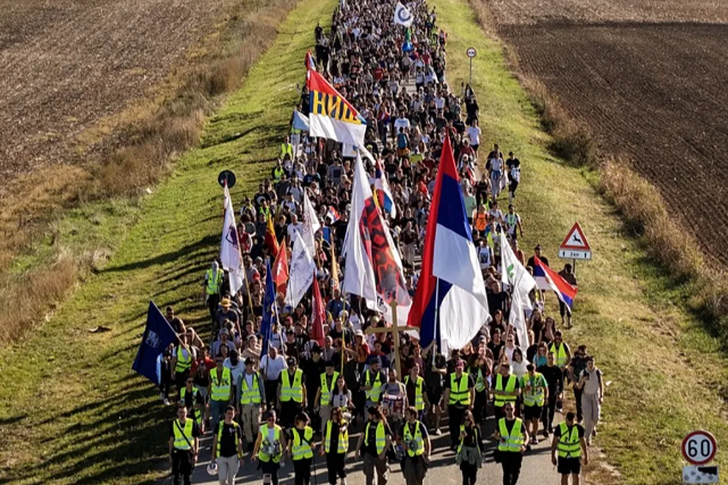
Nationwide protests have gripped the country for nearly a ...
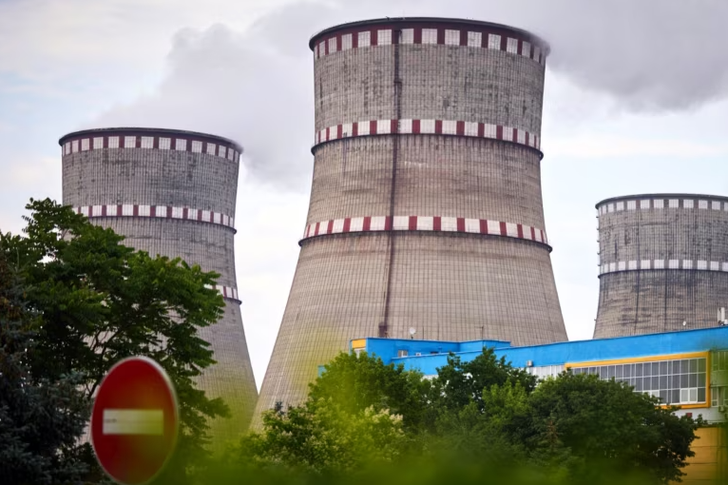
Kiev and international authorities have condemned Russia's...

US President Donald Trump said on October 31 that he is no...
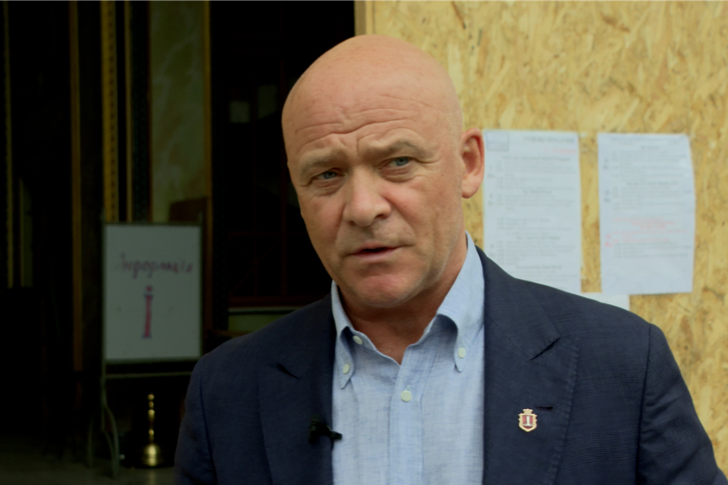
A court in Kiev has imposed 60 days of house arrest on for...
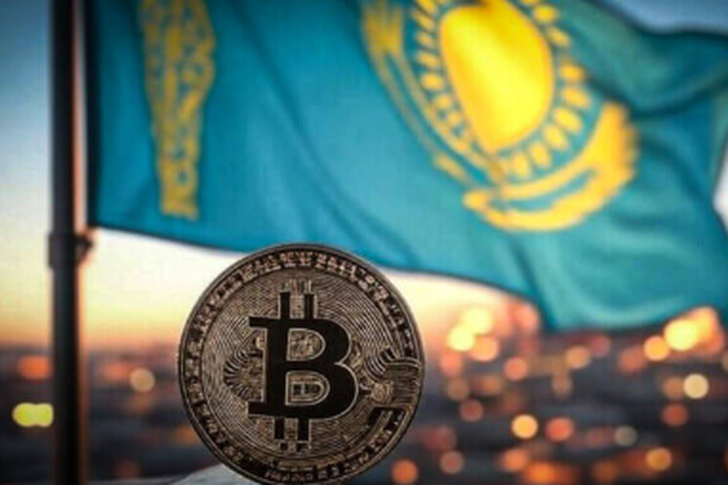
Kazakhstan has intensified its fight against financial cri...
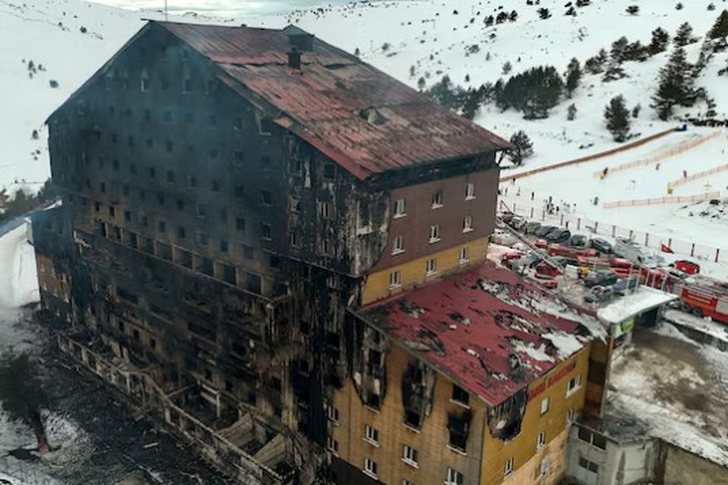
A Turkish court today sentenced 11 defendants to life in p...
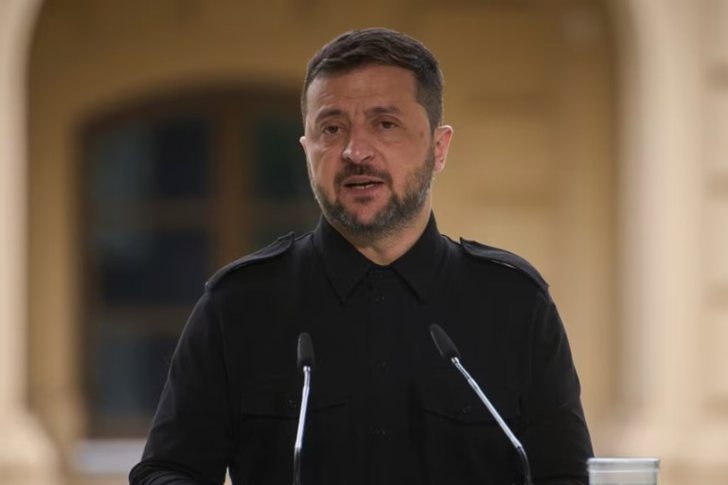
Ukrainian President Volodymyr Zelensky said on Friday that...
More than 650 members of the Russian paramilitary formatio...
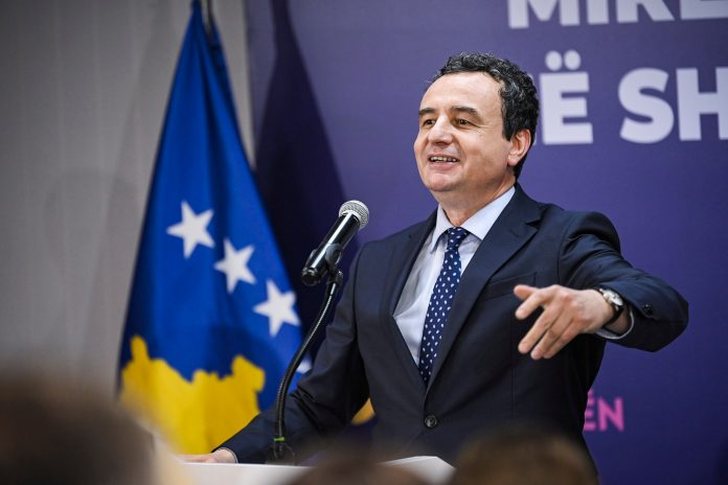
The acting Prime Minister of Kosovo, Albin Kurti, has anno...
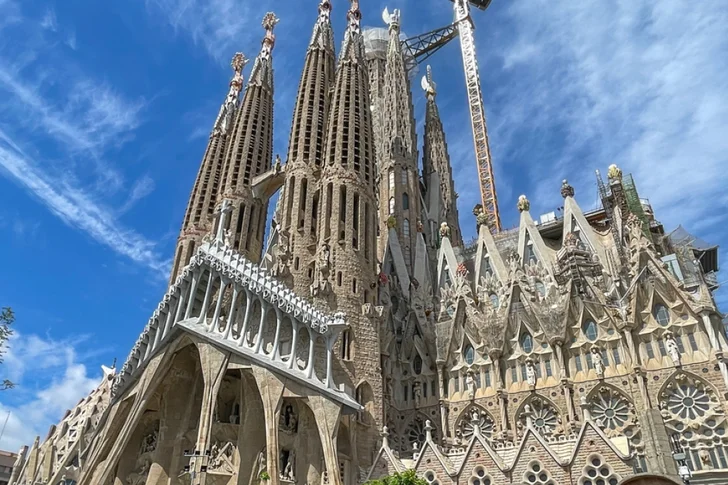
Barcelona's Sagrada Familia became the world's tallest chu...
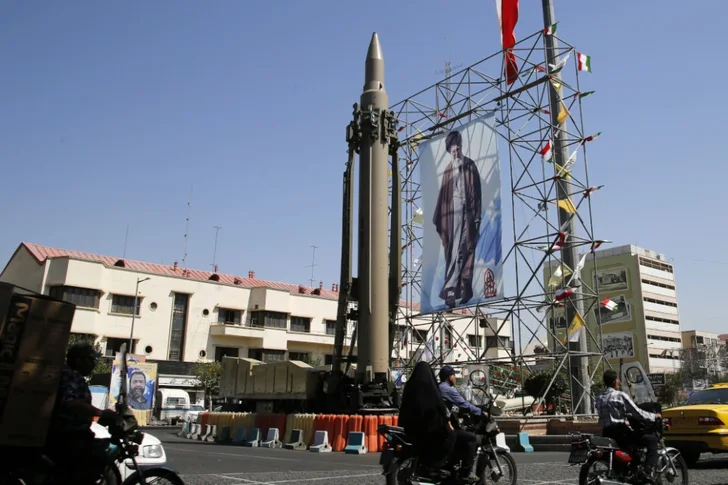
Iran has condemned US President Donald Trump's order to th...
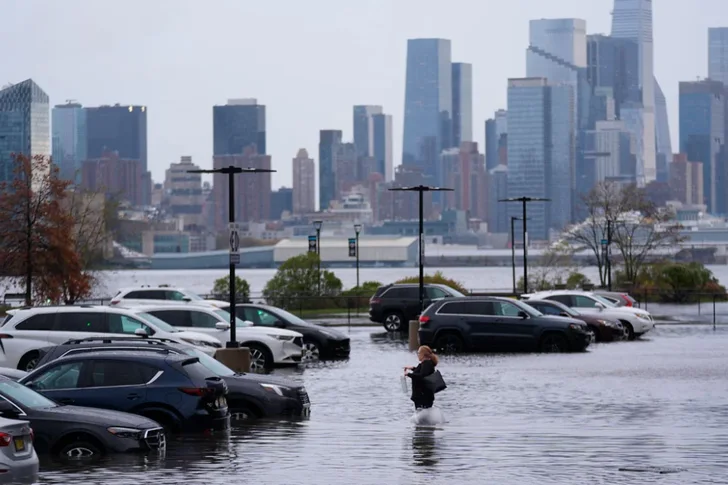
Heavy rains that hit New York City the day before have kil...

The US space agency, NASA, has denied reality TV star Kim ...
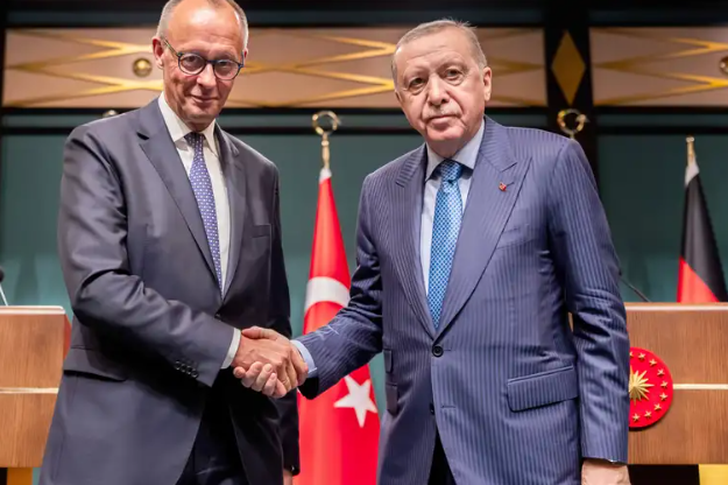
Chancellor Friedrich Merz met with Turkish President Erdoğ...
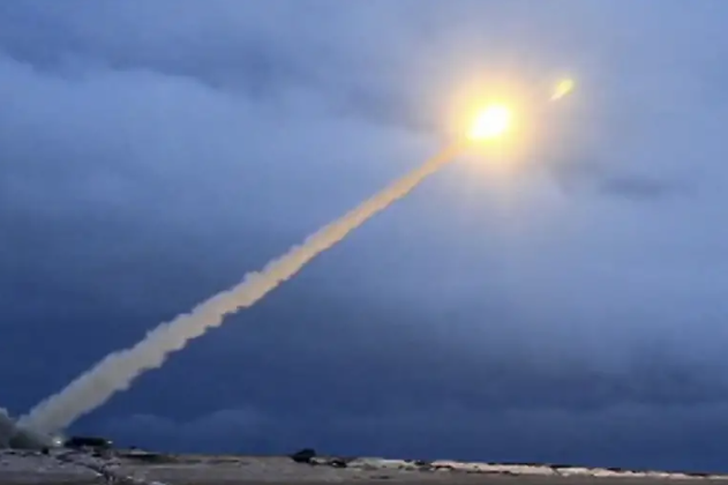
Russian President Vladimir Putin is boasting about the new...
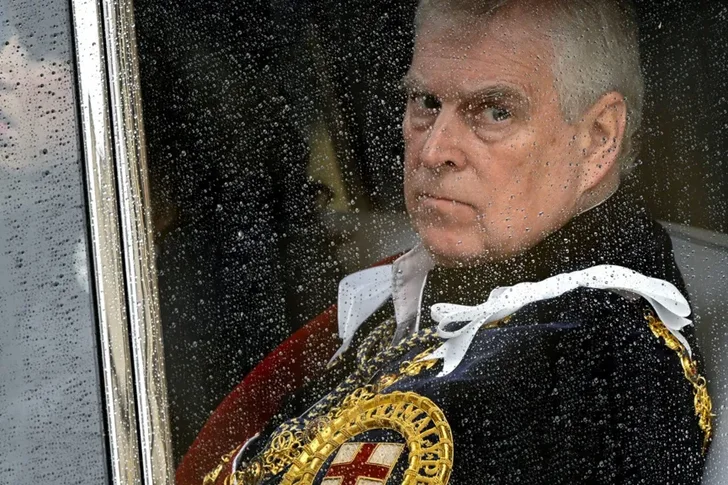
Prince Andrew has been stripped of his title of "princ...
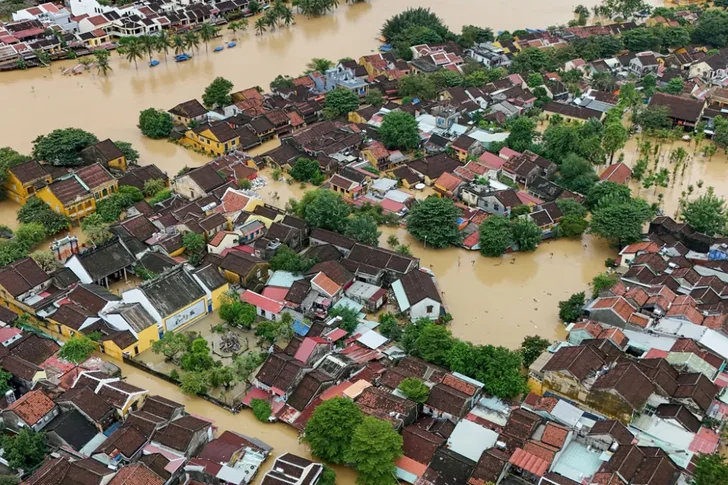
The death toll from devastating floods in Vietnam has rise...
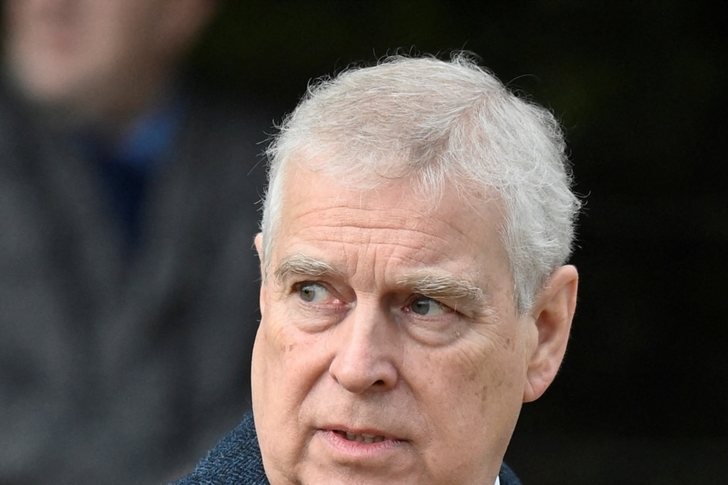
British monarch Charles III has begun the official process...
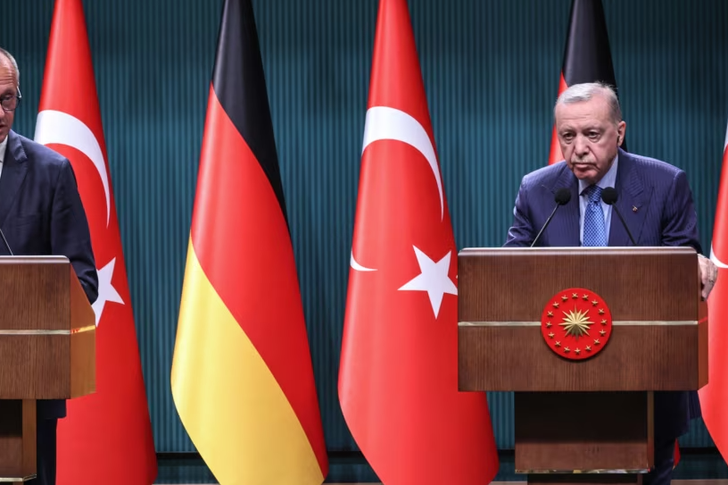
Turkish President Recep Tayyip Erdogan has criticized Germ...

CNA has launched another investigation that could lead to ...

Irfan Hysenbelliu is a businessman that we call "Irfan the...

In March 2026, CNA launched another investigation centered...
The arrested mayor of Tirana, Erion Veliaj, with 13 charge...

The Special Board of Appeal (KPA) decided this Monday ...

The KPA vetting decided this Thursday to dismiss the p...

Suela Salavaçi, a prosecutor in the Prosecutor's Offic...

The Special Board of Appeal reinstated the prosecutor ...
A person has died today on Orikum beach. According to repo...
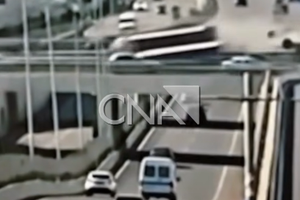
Footage emerges from the serious accident that occurred th...

A Shkodra traffic police officer was hit with hard objects...
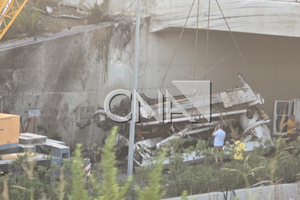
This Wednesday, around 4:00 PM, a serious accident occurre...

Children without parental care, for whom alternative famil...

On Thursday, our country will be under the influence of st...
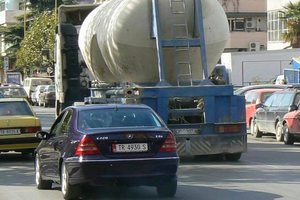
A serious accident that occurred this Wednesday with the c...

The Institute of Geosciences has shared a forecast for wea...

Artificial intelligence (AI) models from the American comp...
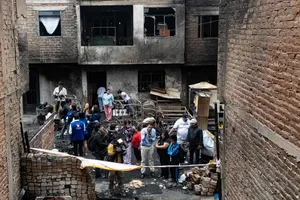
At least 10 people have died after a fire broke out in a h...
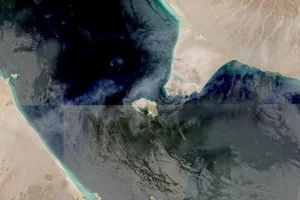
Yemen's Houthis have claimed to have attacked two Saudi oi...
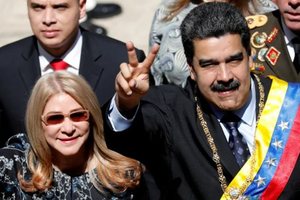
The trial of ousted Venezuelan President Nicolas Maduro on...

At a time when industrial products are increasingly taking...

Trust among people is not just a three-syllable word. It c...

Master of humor Todi Llupi has passed away at the age of 7...

The ninth edition of "MIK Festival" kicked off with one of...
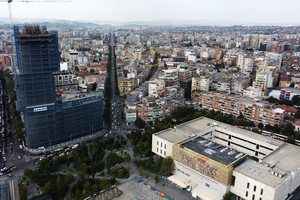
The average sale price of apartments in Tirana reaches rec...
This Thursday, one US dollar is bought for 81.5 lek and so...
The price of diesel reached 206 lek per liter from 198 lek...

Businesses will no longer be required to simply register t...