


Armë, kokainë dhe cannabis në zonat bregdetare/ Arrestohen dy persona
Policia e Vlorës ka finalizuar operacionin e koduar “Sigur...

Policia e Vlorës ka finalizuar operacionin e koduar “Sigur...

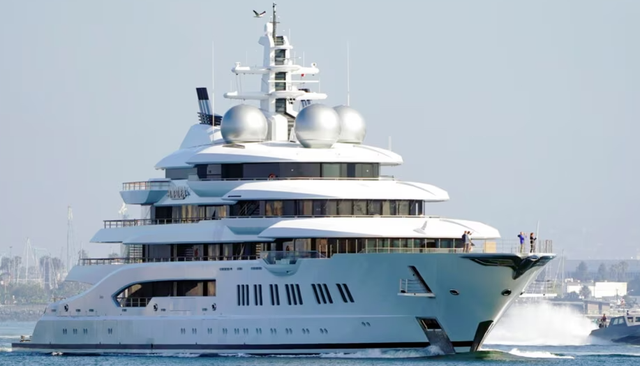
When a $230 million superyacht arrived at the port of Everett in Washington state for repairs last month, it caused quite a stir in the city of 110,000.
The 106-meter-long luxury yacht known as Amadea has been impounded by the United States government, which suspects the yacht belongs to Washington-sanctioned Russian oligarch and politician Suleyman Kerimov, an ally of President Vladimir Putin. .
As he looked toward the harbor, resident Bod Templeto questions who pays for the superyacht's upkeep. "We should sell it and make a bag of money," he told VOA with a laugh.
Easy to say, but very difficult to do. The idea put forth on the spot by the Templeton resident essentially represents a dilemma the United States faces amid efforts to use sanctions to curb Russian aggression against Ukraine. The US government is trying to seize the yacht through a procedure called civil forfeiture. The ultimate goal is for the yacht to be sold and the proceeds transferred to Ukraine.
But another Russian businessman, who has not been sanctioned, has challenged this measure, claiming that he is the true owner of the Amadea yacht.
While the courts try to resolve the yacht's ownership issue, American taxpayers are footing the bill, over half a million dollars a month for maintenance.
The complicated legal battle could take a long time, add costs to the United States and delay any benefits for Ukraine from the seizure of the yacht, according to Stefan Cassella, a former US federal prosecutor and expert on civil forfeiture matters.
"No sanctioned oligarch owns any assets under his own name," he said. "A large number of third parties claim ownership."
Mr. Kerimov did not respond to a VOA request for comment. The US Department of Justice declined to comment.
"Kleptocapture" team
In May 2022, months after Russia launched a full-scale attack against Ukraine, law enforcement agencies in Fiji seized the Amadea yacht at the request of the United States government.
It was a major victory for the Kleptocapture task force, the Department of Justice unit that was set up after the Russian aggression to enforce sanctions. But accomplishing the task has proven to be complicated.
Since the 1980s, the Justice Department has used civil forfeiture as a mechanism to target drug traffickers, mobsters and anti-money laundering operations, according to Mr. David Smith, a former Justice Department prosecutor who was among the first to used this practice.
This mechanism allows law enforcement agencies to seize assets without finding their owner guilty of a crime. But prosecutors need to prove that the assets in question were used in criminal acts, benefited from crime or were obtained through criminal activity.
But in cases where the criminal offense is the violation of sanctions, the presentation of evidence to prove that the property is owned by sanctioned individuals is critical.
Lawyers representing the company that owns the Amadea yacht claim that the yacht actually belongs to Mr. Eduard Khudainatov, the former executive director of the Russian oil firm Rosneft, who is not subject to sanctions. He and his legal team say the seizure is illegal and based on a "substantially false" FBI statement.
"Eduard Khudainatov was and is the legal owner of Amadea. President Biden's administration's unconstitutional blockade of the ship was based on verifiable falsifications that we will prove in court," his spokesman said in a statement to VOA.
“The government presents factual and legal theories that are unrelated to the seizure in the case of sanctions and money laundering laws and that are not supported by cases interpreting those laws. This case is nothing more than political theater that has cost the American taxpayer more than $20 million to date."
The US government denies the allegations, calling Mr Khudainatov the fake owner.
According to prosecutors, Mr. Khudainatov is "allegedly the owner of at least eight yachts or yacht projects," a fleet worth more than $1 billion. Among them is a yacht, which prosecutors say is actually owned by the sanctioned individual Igor Sechin, executive director of the company "Rosneft" and an ally of President Putin.
Journalists report that the yacht "Scheherazade", stranded in Italy in May 2022, belongs to Putin himself.
While Mr. Khudainatov's lawyers were unable to prevent the transfer of the Amadea yacht to the United States, they are currently waging a legal battle against the confiscation in New York court.
According to the Justice Department, Mr. Kerimov bought the yacht in 2021, three years after he was included in the sanctions list. Prosecutors suspect that the oligarch himself or people connected to him have made transactions through United States financial institutions to keep Amadea, which would constitute a violation of sanctions.
But proving Mr. Kerimov's ownership and disproving Mr. Khudainatov's claim is no easy task.
Assets such as super yachts are often owned by several authorized representatives such as owners, shell companies and trusts. These entities are often registered in tax havens chosen precisely to maintain secrecy.
Mr. Cassela, who has studied the case, says Mr. Khudainatov's legal team is dragging out proceedings while the U.S. government tries to force him to answer questions and provide documentation that would prove he is not the owner of Amadea. .
"This type of defense against civil forfeiture is basic maneuvering for anyone who has endless money to pay lawyers to challenge the forfeiture," Mr. Cassella said.
Costly process
As the legal battle continues, the US government is paying to keep the Amadea yacht operational.
According to court filings, the yacht costs roughly $600,000 a month to maintain. Insurance costs another $144,000 per month, and there are other recurring expenses.
In a court document filed in February, a Marshals Service official stated that Amadea was scheduled to undergo the repair process in March, which appears to have been postponed.
That process, which involves removing a ship from the water to undergo repairs, was estimated to cost $5.6 million, although the government negotiated not to pay other monthly expenses during that period, the official noted. However, in recent months, the US government has taken steps to reduce the cost.
In February, she petitioned the court to allow the sale of the yacht Amadea, citing excessive maintenance costs. However, the sale would not resolve the ownership issue.
In a legal submission to the court against the sale of the yacht, Mr Khudainatov's legal team stated that he had repeatedly offered to cover the cost of Amadea's maintenance.
On May 17, the United States government also filed a motion to dismiss Mr. Khudainatov's ownership claim, stating that he has no arguments to contest the seizure. If the judge agrees, it may allow the forfeiture to proceed.
Arguable strategy and challenge
While confiscating the assets of Russian oligarchs and high-ranking officials may not face strong opposition from most Americans, civil forfeiture is a controversial practice in the United States.
Liberal and conservative groups have criticized the practice, arguing that it allows law enforcement to seize private property without convicting the owner of a crime.
Mr. Smith says the burden falls mostly on low-income Americans, who find it difficult to pay for a lawyer.
This was one of the reasons why in April 2022, eight members of the United States House of Representatives voted against a bill that would have allowed President Biden's administration to seize the assets of sanctioned Russians to finance Ukraine.
Mr. Smith believes the application of the civil forfeiture mechanism against oligarchs is "arbitrary" and he is also unsure whether the United States will be able to confiscate enough assets from oligarchs to make a meaningful difference to Ukraine.
"I would prefer the money (spent on investigations and confiscation proceedings) to be spent on other things rather than trying to confiscate the yachts," he said. "And who knows how much will end up being confiscated at all."
This concern is not unfounded. The task force "Kleptocapture" is trying to confiscate or seize about 700 million dollars, but so far, the United States has succeeded in only a few cases in transferring the seized assets to Ukraine.
In May 2023, Attorney General Merrick Garland authorized the transfer to Ukraine of $4.5 million that the United States had seized from Russian oligarch Konstantin Malofeyev, whom the United States has imposed sanctions on. It was the first case of transferring funds to Ukraine from confiscated assets.
Later that year, the United States moved over 1 million rounds of ammunition to Ukraine after seizing them while in transit from Iran to Yemen.
In February 2024, after busting a scheme to illegally procure military-grade technology for Russia, the United States government transferred to Estonia $500,000 confiscated from the Russian scheme to provide aid to Ukraine.
In April, the United States transferred another shipment of weapons seized from Iran to Ukraine. These transfers made funds and ammunition available to the Ukrainian government, but they were also worth significantly less than the Amadea yacht.
Larger cases involving the fortunes of oligarchs can be more difficult.
"It wouldn't surprise me if it took 10 years to solve some of these cases," said Mr. Cassella./ VOA


The General Assembly of the United Nations votes today on ...
At least five people have died and 50 others have been inj...
Dimitar Kovačevski has announced on Wednesday his resignat...
Millions of Americans say they use marijuana on a daily or...

The presidential race in the United States is intensifying...
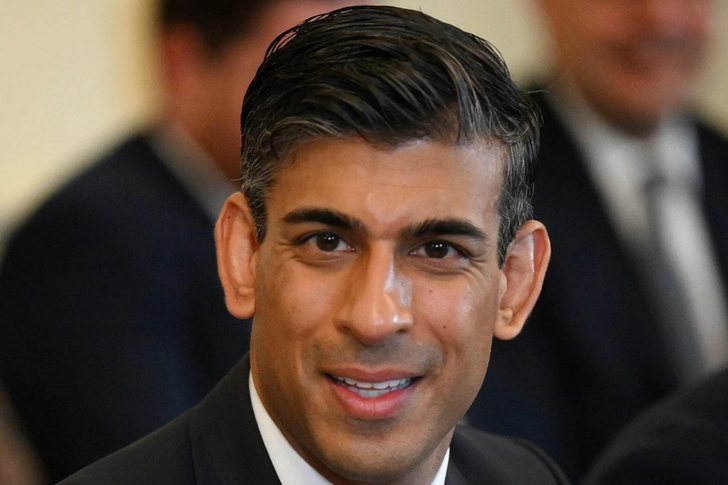
The British Prime Minister, Rishi Sunak, has called ea...
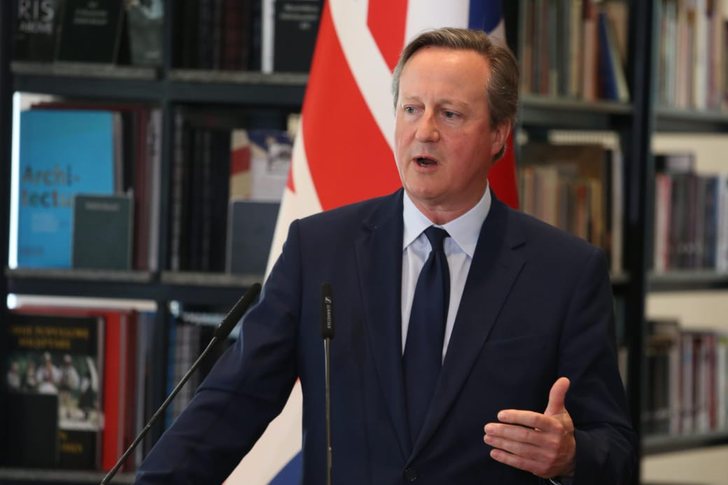
David Cameron, the British Secretary for Foreign Affai...

Spain, Ireland and Norway said Wednesday they would recogn...
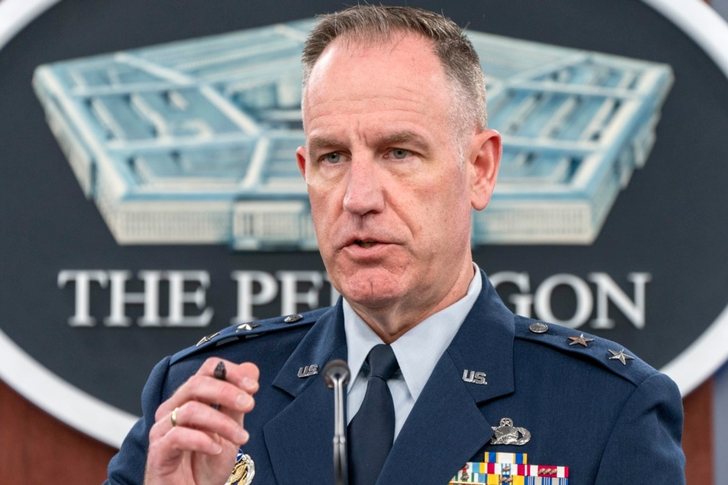
The Pentagon has accused Russia of possibly placing a spac...
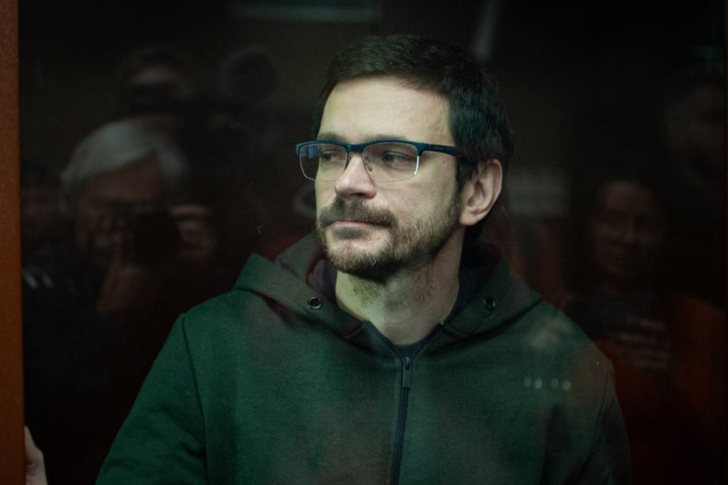
Russian opposition politician Ilya Yashin, who is serving ...
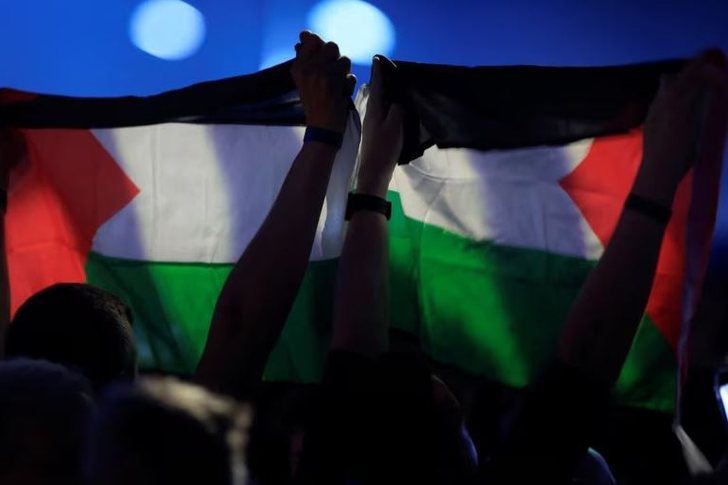
Spain, Ireland and Norway said on Wednesday they would...
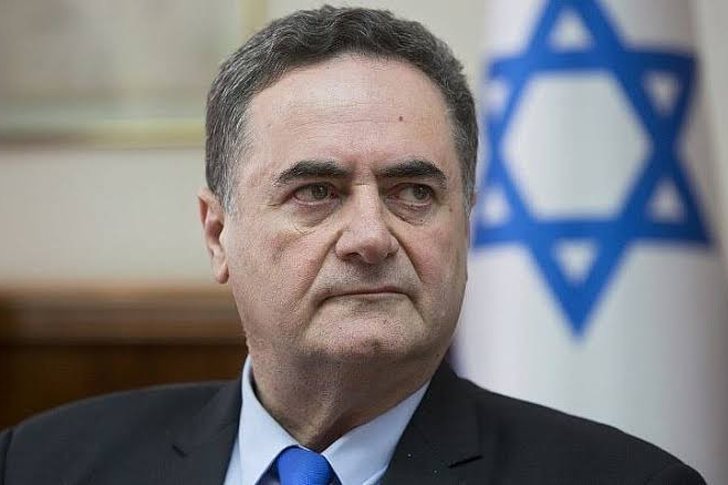
Foreign Minister Israel Katz has stated that he is ord...
Spain, Ireland and Norway have announced on Wednesday that...
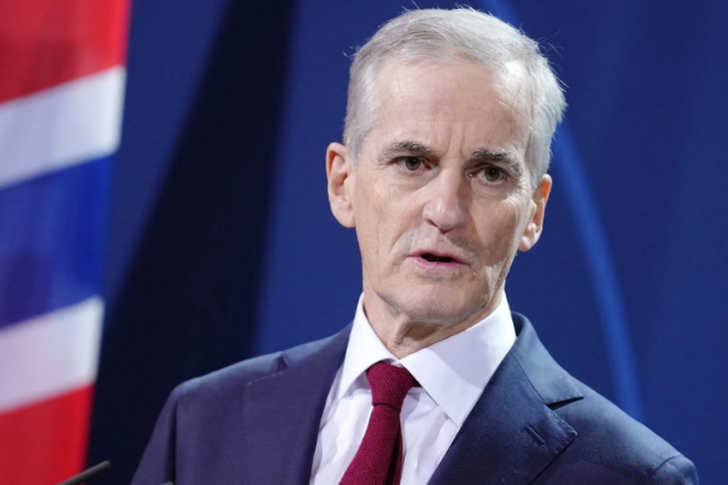
After the press conference by the Prime Minister of No...
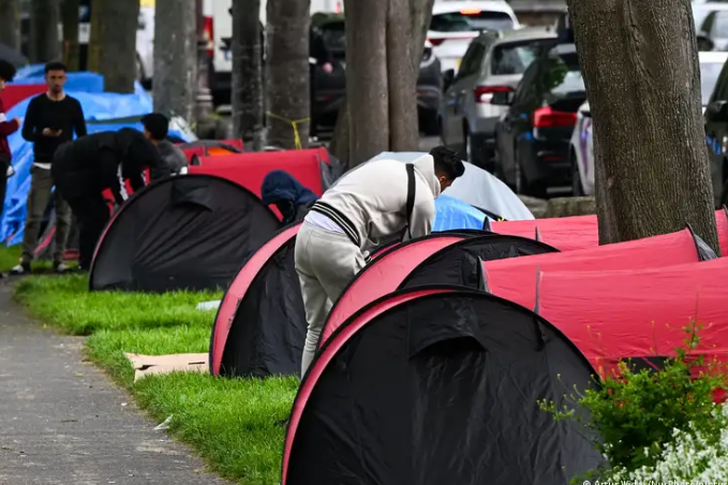
In Dublin, the capital of Ireland, the tents of migrants w...

Criminality with political and religious motives has incre...
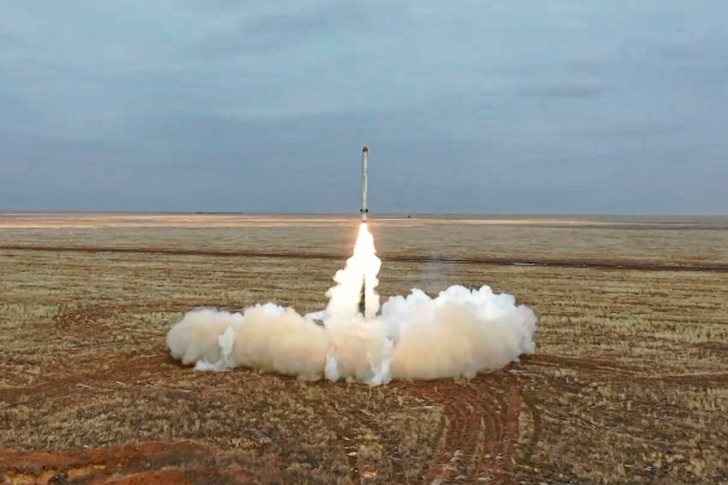
Russia has launched the "first phase" of exercises in the so...
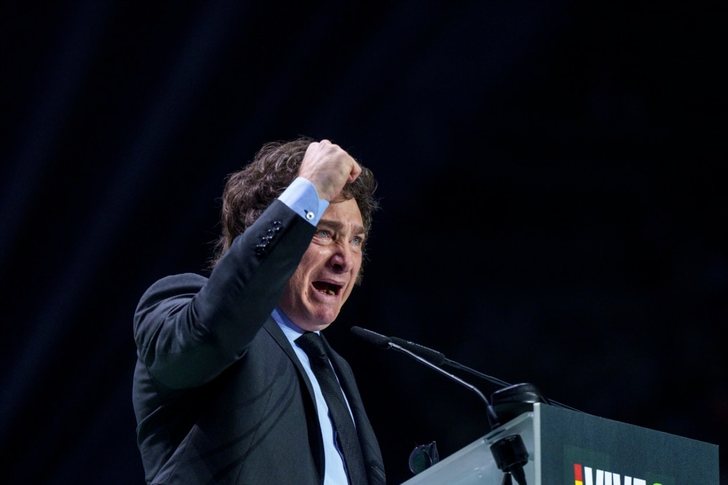
Spain recalled its ambassador to Buenos Aires on Tuesday, ...
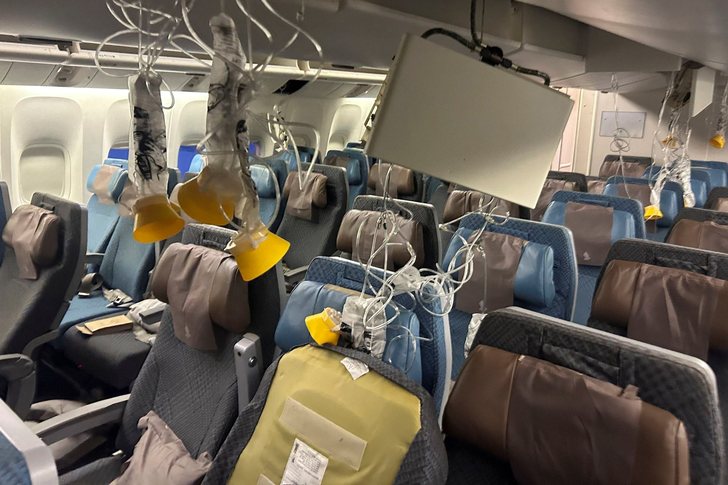
One passenger has died and 71 others have been injured on ...
A poll on the issue of gun ownership, conducted by the...
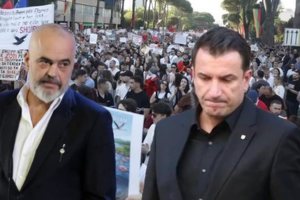
There have been 12 days of protests in the capital, which ...
Dritan Prençi is the SPAK prosecutor who is sleeping on th...
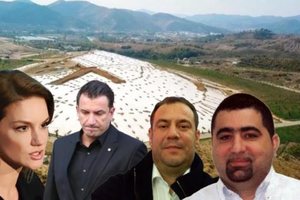
The in-depth investigations that SPAK conducted into Ajola...
SPAK's standards, the way it investigates, how it secures ...

The Special Board of Appeal (KPA) decided this Monday ...

The KPA vetting decided this Thursday to dismiss the p...

Suela Salavaçi, a prosecutor in the Prosecutor's Offic...

The Special Board of Appeal reinstated the prosecutor ...

Policia e Vlorës ka finalizuar operacionin e koduar “Sigur...

New details have emerged regarding the serious accident th...

An Albanian businessman was arrested this afternoon in Gre...

A serious accident has occurred on the Korça-Ersekë axis, ...
Today our country will be affected by stable weather condi...
A tragic accident occurred this Friday afternoon in Kameni...

Today our country will be affected by unstable weather con...

On Thursday, our country will be affected by relatively un...
Good news for those who fly: After years of negotiations, ...
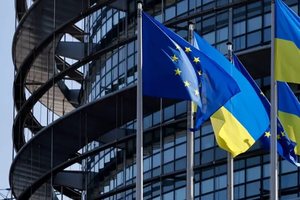
It took more than two years, but now the EU can begin acce...
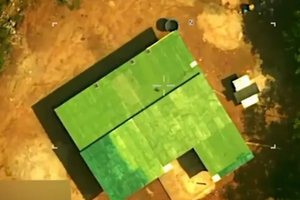
US President Donald Trump announced that the US military h...
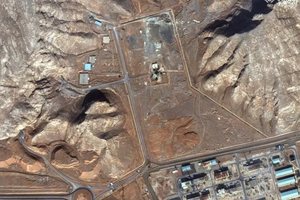
Iran has taken new measures to strengthen the protection o...

Several archaeological excavations conducted during this s...

At the Museum of Fine Arts in Chambéry, France, an exhibit...

Korça has transformed this weekend into the capital of cel...

Korça is ready to open the summer season with one of the c...
This Saturday, one US dollar is bought for 81.5 lek and so...
The Governor of the Bank of Albania, Gent Sejko, shared to...

Business lending has increased in the first half of this y...

The labor market has shown worrying trends in early 2026. ...