


Serious incident in Kukës/ Officer commits suicide with gun in village cemetery
A serious incident has occurred in Morina, Kukes. Citizen...

A serious incident has occurred in Morina, Kukes. Citizen...

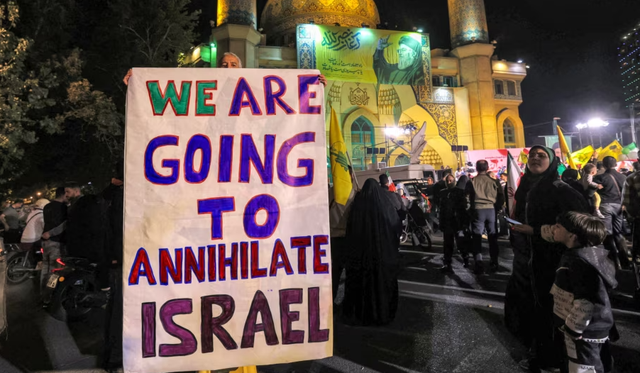
Iran launched nearly 200 ballistic missiles at Israel, carrying out its biggest ever attack on its sworn enemy.
The October 1 attack was bigger and bolder than Iran's surprise attacks against Israel in April. This time, Tehran also used more advanced missiles and gave no apparent warning before carrying out the attack.
The overall damage and casualties that Iran's missile attack has caused are still unclear. But Israel has vowed to respond very harshly.
Experts have said Israel's retaliation is likely to be more forceful than it was in April - when it responded mostly mildly - given the scale of Iran's latest attack.
"Israel is obviously going to deal a much harder blow to Iran," said Ali Vaez, director of the Iran Project at the International Crisis Group.
The risk of inciting retaliation from Israel
Iran described its October 1 attack as revenge against Israel for its offensive in Lebanon and the devastating year-long war in the Gaza Strip, as well as the recent assassination of Tehran's key allies in the region.
Israeli forces launched a ground offensive in southern Lebanon on October 1, after a week of relentless and devastating bombing.
Israeli airstrikes in Beirut on September 27 killed Hassan Nasrallah, the leader of Hezbollah, the armed group and political party that controls much of southern Lebanon and is backed by Iran.
Israel has annihilated the leadership and destroyed the fighting capabilities of Hezbollah, Iran's closest and key ally in Tehran's strategy to fight Israel.
Hezbollah has been declared a terrorist organization by the United States, while the European Union has blacklisted its armed wing, but not its political party.
Meanwhile, Ismail Haniyeh, the political leader of Hamas – the Palestinian group designated a terrorist organization by the US and the EU – was killed in a suspected Israeli strike in Tehran in July.
Experts have said that domestic pressure to respond to Israel and Iran's weakened position in the region forced Tehran to act.
"Iran appears to have concluded that the cost of inaction was greater than the risks of taking action," Vaez said.
"There is no doubt that Tehran is aware of the dangers of not only repeating but expanding the missile attack against Israel, thus provoking an Israeli retaliation that seems certain to happen," he added.
Big attack, fierce response
Iran's missile and drone attack on Israel in April, its first ever direct attack on its enemy, was widely anticipated. Iran also used long-range drones and older missiles in that attack.
Compared to the attack at the time, Iran's Oct. 1 attack was "very substantial," said Fabian Hinz, a researcher at the International Institute for Strategic Studies in London.
Initial evidence suggests Iran used the ballistic missiles, which reached Israel within minutes, he told Radio Free Europe's Radio Farda.
The likely purpose, Hinz said, was to give Israel limited time to prepare.
In April, Israel responded to Iran's attack by striking an air defense radar system in the central Iranian city of Isfahan.
But experts warn that the Israeli revenge this time is expected to be much tougher.
Israeli officials have been quoted by the media as saying that Israel could strike strategic areas inside Iran, including energy facilities.
A possible Israeli attack on any oil or gas facilities in energy-rich Iran would be spectacular to watch but strategically harmless, said Farzin Nadimi, a research fellow at the Washington Institute for Middle East Studies. .
Attacking any nuclear facility would carry more risks and would have to be very large, considering that Iran's main nuclear infrastructure is located deep underground, he said.
Attacks on Iran's nuclear facilities, which Israel and the United States are said to have carried out, could force Tehran to weaponize its nuclear program, experts have warned.
"Regardless of what [Israel's] intention is, such a strike is destined to force Tehran to retaliate, prompting ballistic missile attacks that could push the entire region into the abyss," Vaez said./ Rel

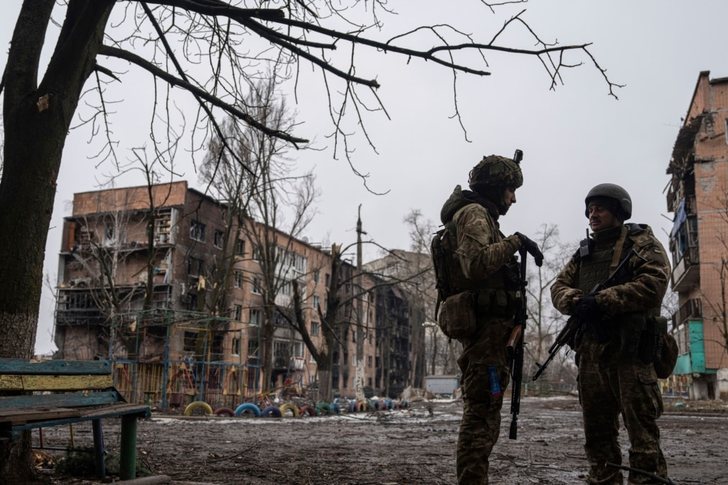
The Ukrainian army has confirmed on Wednesday that it has ...
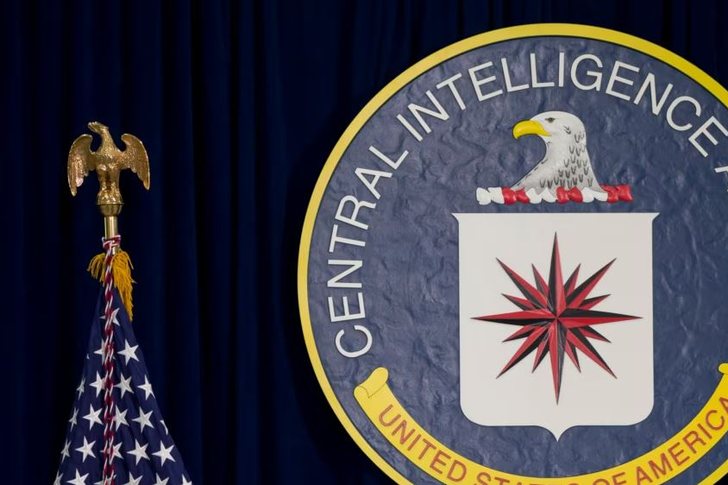
The CIA on Wednesday launched a new effort to recruit info...
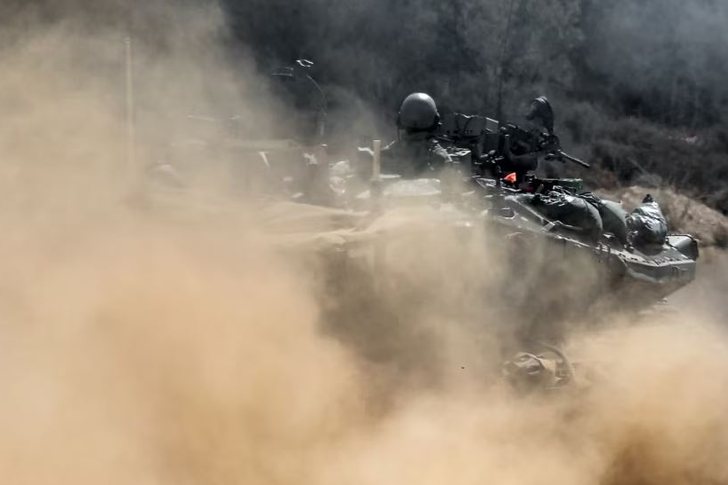
The Israeli military announced late Wednesday that eight I...
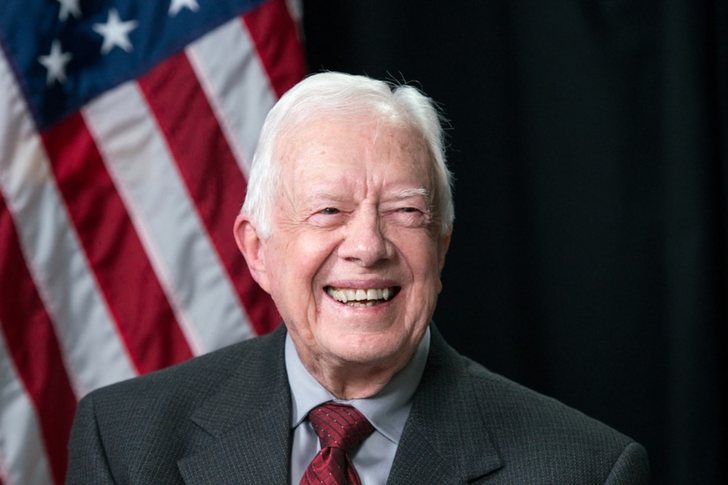
Former President Jimmy Carter turned 100 years old, wh...
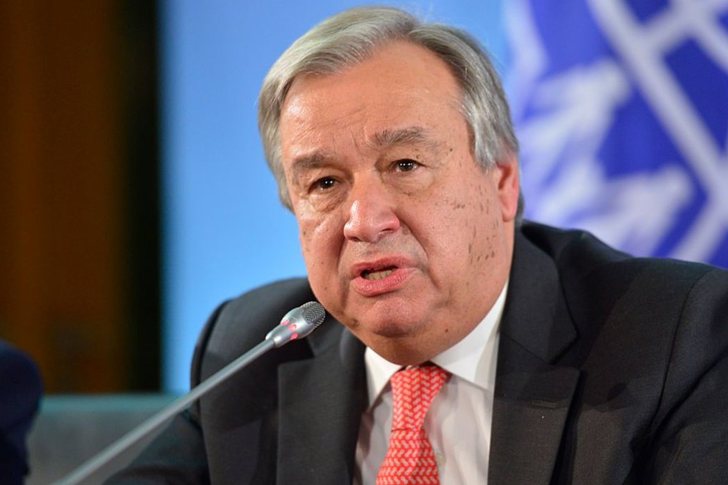
The Foreign Minister of Israel has announced that the Secr...
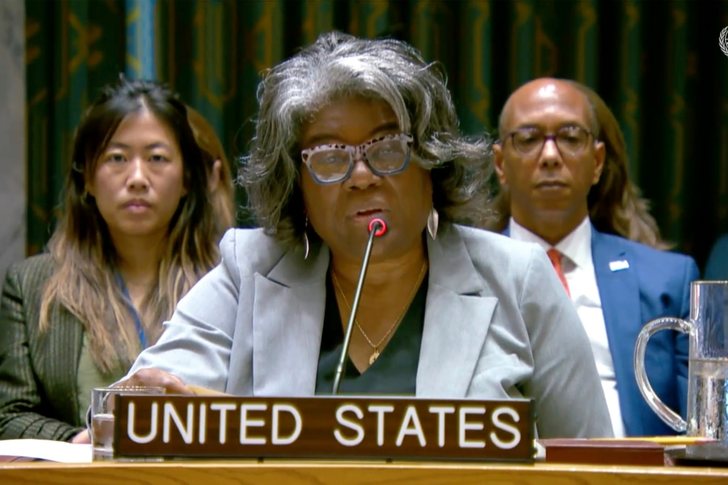
The United Nations Security Council is discussing the esca...
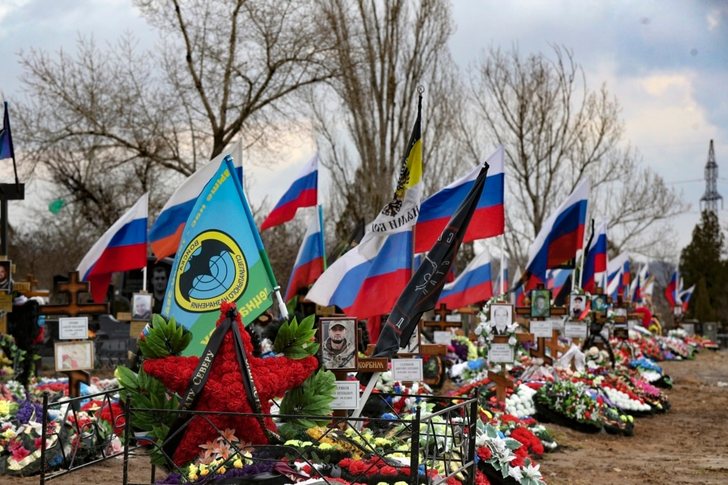
More than 20,000 soldiers from Russia's Povolzhei - territ...
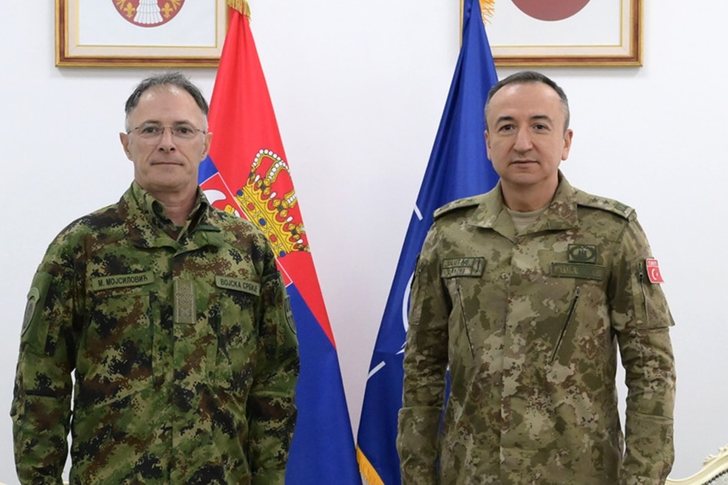
The commander of the NATO mission in Kosovo, KFOR, Ozkan U...

Bipartisan candidates for the post of vice president of th...
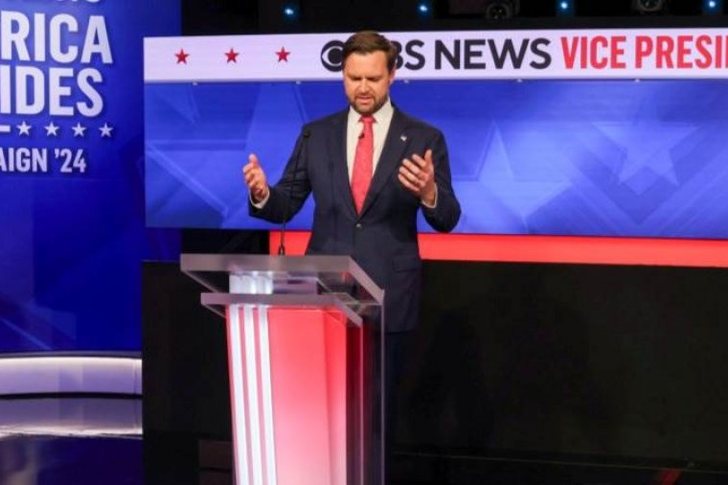
Curbing free speech has become the biggest threat to Ameri...
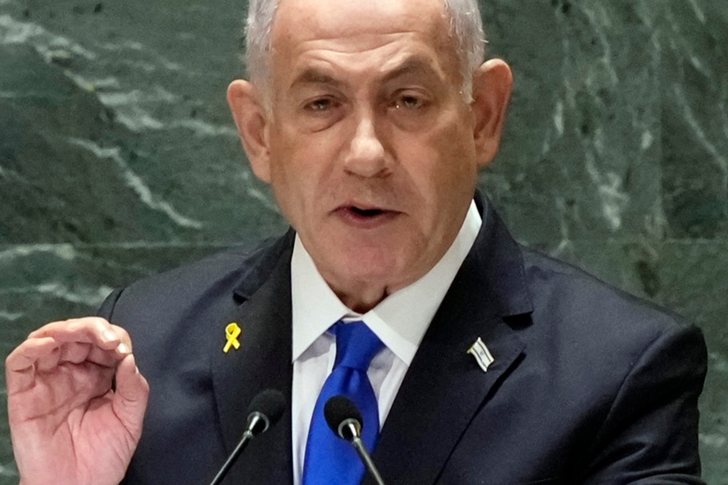
After nearly a year of fighting between Israel and Ham...
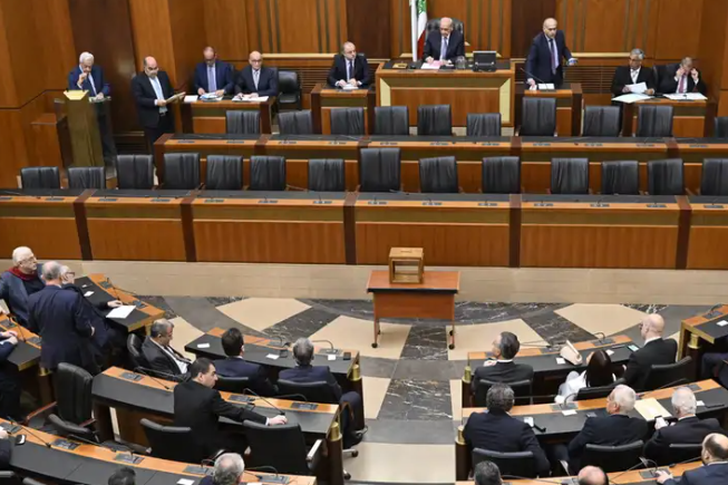
During an extraordinary session of the UN Security Cou...

The Middle East crisis just dominated the opening televise...

More than 100 people will sue rap musician Sean 'Diddy' Co...

Iran has launched a missile attack on Israel, the Israeli ...
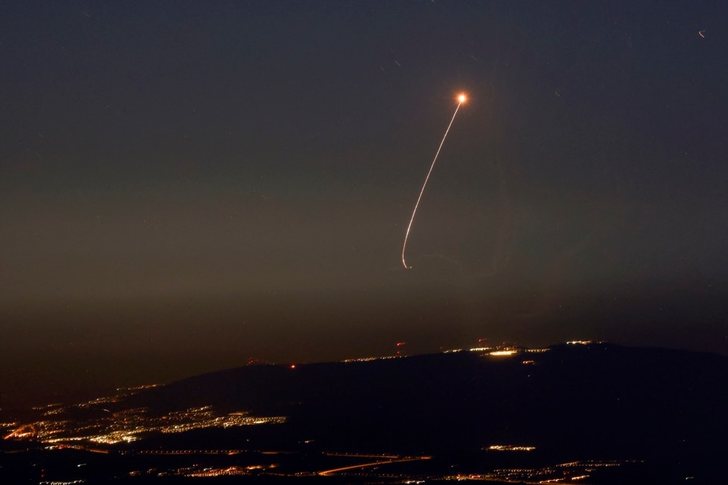
Israeli army spokesman Daniel Hagari said the threat from ...
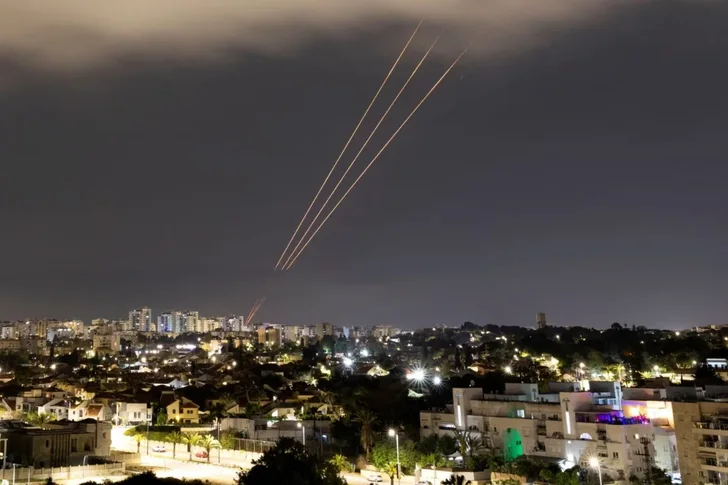
Israel has responded to Iran after the attack with hundred...
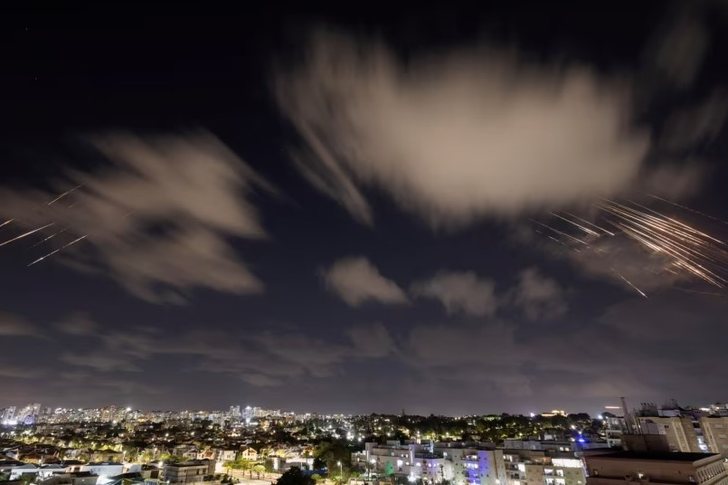
Iran has launched hundreds of ballistic missiles towards I...
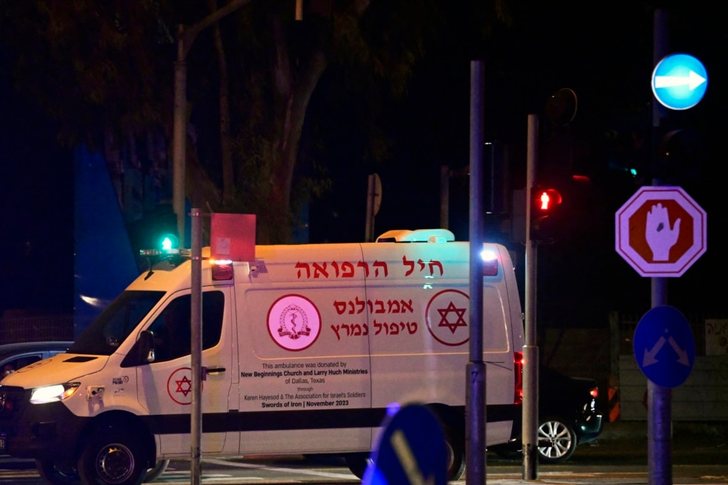
At least four people were shot dead on Tuesday in a suspec...
Iran hit Israel with ballistic missiles this Tuesday eveni...

CNA has launched another investigation that could lead to ...

Irfan Hysenbelliu is a businessman that we call "Irfan the...

In March 2026, CNA launched another investigation centered...
The arrested mayor of Tirana, Erion Veliaj, with 13 charge...

The Special Board of Appeal (KPA) decided this Monday ...

The KPA vetting decided this Thursday to dismiss the p...

Suela Salavaçi, a prosecutor in the Prosecutor's Offic...

The Special Board of Appeal reinstated the prosecutor ...

A serious incident has occurred in Morina, Kukes. Citizen...

The bad weather that swept the country on Tuesday evening ...

A road accident occurred this evening on Nikolla Zoraqi St...

Three people were shot and wounded in Elbasan last night b...

This Wednesday, our country will be under the influence of...
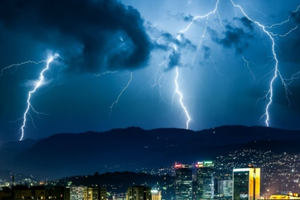
All of Southern Europe will face changing weather conditio...

Albania was hit by temperatures significantly higher than ...

For the first time, Pogradec welcomed the Inter-Lake Chess...

Prime Minister Andy Burnham has announced that most bus fa...

France's parliament has passed a law to ban social media f...

US Secretary of State Marco Rubio arrived in Manila on Jul...

In the space of a few days, Ukrainian President Volodymyr ...

At a time when industrial products are increasingly taking...

Trust among people is not just a three-syllable word. It c...

Master of humor Todi Llupi has passed away at the age of 7...

The ninth edition of "MIK Festival" kicked off with one of...

Businesses will no longer be required to simply register t...

Despite economic growth and income in recent years, Albani...

This Wednesday, one US dollar is bought for 81.4 lek and s...

Construction company licenses will have a validity period ...