


"With fake but original FB"/ Rama stings Qori, Lapaj and Shehaj
Prime Minister Edi Rama has ironically mocked the infiltra...

Prime Minister Edi Rama has ironically mocked the infiltra...

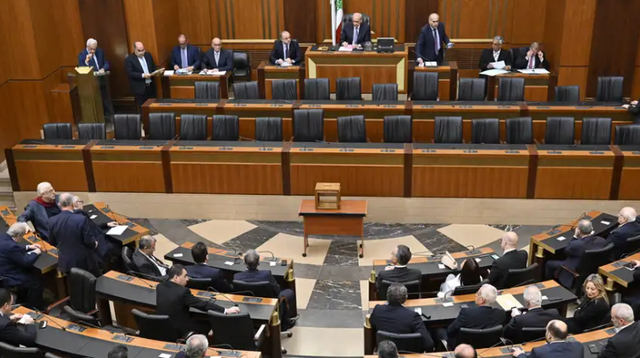
During an extraordinary session of the UN Security Council in the middle of last week in New York, Lebanese Prime Minister Najib Mikati said that Israel is waging a "dirty war" against Lebanon. Israel is responsible for the unprecedented escalation in Lebanon and for killing hundreds of civilians in a matter of days, "including young people, women and children," Mikati said. For this, he added, he hopes for a joint statement by France and the USA, which would receive international support and which would end the "war". Israel, however, rejected this on Tuesday by also launching a ground offensive in Lebanon.
The speech shows that the Lebanese government is largely powerless in the conflict between Israel and Hezbollah. It has no significant influence on the actions of either Israel or Hezbollah. These days the chronic weakness of the Lebanese government and state is being dramatically demonstrated. A long history of government and state weakness.
This weakness has a long history. "Lebanon was founded at the beginning of the 20th century as a Maronite Christian state in alliance with the protectorate, France," recalls Markus Schneider, head of the Regional Project for Peace and Security in the Middle East, at the Foundation's representative office German Friedrich Ebert in Beirut. "The initial problem was that the state included from the beginning large areas of non-Maronite population. Confessionalism was ultimately a compromise to include other population groups. But this prevented the formation of a strong national identity and state."
Such a confessional structure was further weakened by the Lebanese civil war that broke out in 1975, in which the country's three largest religious groups—Shiites, Sunnis, and Maronite Christians—came against each other. After the war ended in 1990, Lebanon established a balanced confessional system, which was supposed to harmonize the interests of the various religious groups. "This system, however, has led to these groups constantly trying to pursue their interests at the expense of other groups," says Schneider. "He is continuing to weaken the state and this can be seen, for example, in the fact that the country has not been able to agree on the election of the president of the state since 2022. The division in society is also related to widespread corruption. "If not there is a strong state, which would fight against centrifugal forces within the country and institutions, it is easy to create a system of oligarchs in which everyone fights for their own interests", concludes Schneider.
The ruthless Hezbollah
In addition, the country suffers from Shiite Hezbollah, an organization designated as a terrorist organization by the US, Germany and several Sunni Arab states. Hezbollah was created in 1982 during the civil war in Lebanon. From the beginning, he received considerable support from Iran, especially military support.
Experts working for the Wilson Center, which is based in Washington, have characterized Hezbollah's armed wing as "the most powerful non-state military force in the Middle East and possibly the world" by 2022. It is Hezbollah that, after at the start of the war in Gaza last fall, fired rockets at Israel - without any consultation with the rest of the Lebanese population. "Essentially, Hezbollah has taken Lebanese politics and Lebanon hostage," says Middle East expert Kelly Petillo of the Berlin-based think tank the European Council on Foreign Relations, describing the Shiite paramilitaries' basic strategy. A weak army
The weakness of the state is also reflected in the inactivity of the Lebanese army. Especially in the south of Lebanon it is in a dilemma: based on Resolution 1701 of the Security Council, there it cooperates with the peacekeeping force of the United Nations, UNIFIL. Both sides have 15,000 soldiers each. Their presence is linked to the 2006 Lebanon war: when Israel took positions in southern Lebanon. If the Israeli troops withdraw one day, these two military formations must together ensure that the armed Lebanese paramilitary units do not come to these countries.
Only troops authorized by the Lebanese government should be present in the area. However, Hezbollah has so far not respected this provision: it is still present in the area. The Lebanese army, in military terms, is relatively weak. According to the Global Firepower Index, which compares the military power of national armies around the world, the Lebanese army ranks 118th out of a total of 145 armed forces. It would not be able to offer serious resistance to the Israeli army, which is ranked 17th according to the same index. Likewise, this force is not capable of militarily overpowering Hezbollah either. "This could lead Lebanon to civil war," says Markus Schneider.
The biggest problem of the Lebanese army was and still is - the political one. Because the military is not under the control of a single denominational group, it is generally considered one of the few supradenominational institutions in the country, Schneider says. "However, the army is also weakened by the state and economic crisis. Therefore, they support him financially, especially when it comes to salaries. Behind this lies the concern that, in the event of the collapse of the army, the entire Lebanese state system may also fall. The political problems of the country, however, cannot be solved with the army"./ Rel




The Middle East crisis just dominated the opening televise...
More than 100 people will sue rap musician Sean 'Diddy' Co...

Iran has launched a missile attack on Israel, the Israeli ...
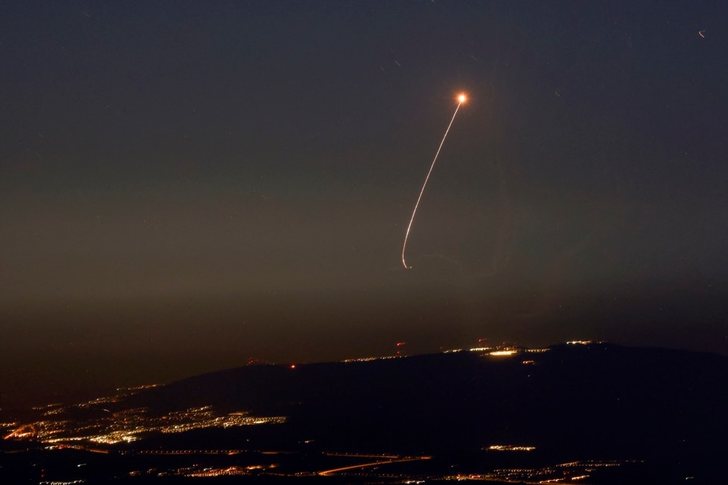
Israeli army spokesman Daniel Hagari said the threat from ...
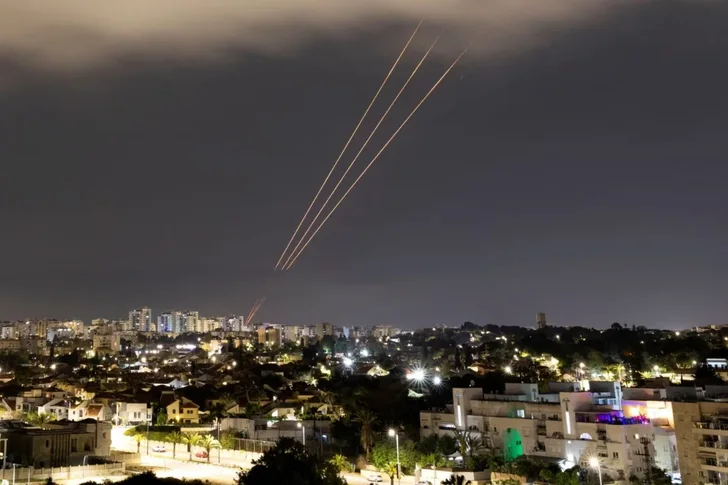
Israel has responded to Iran after the attack with hundred...
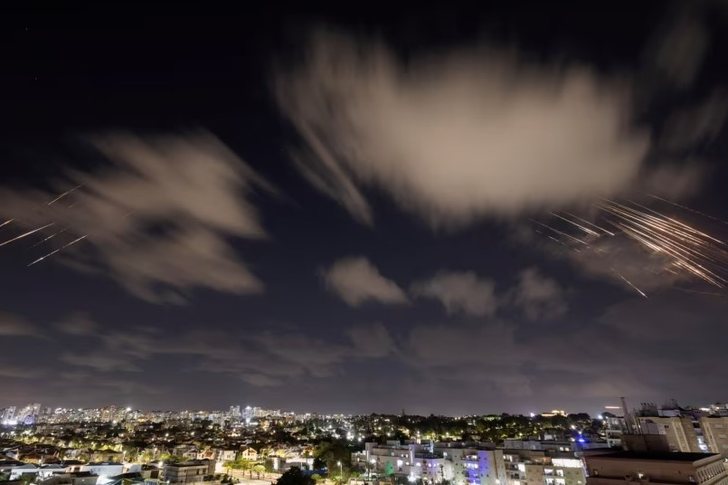
Iran has launched hundreds of ballistic missiles towards I...
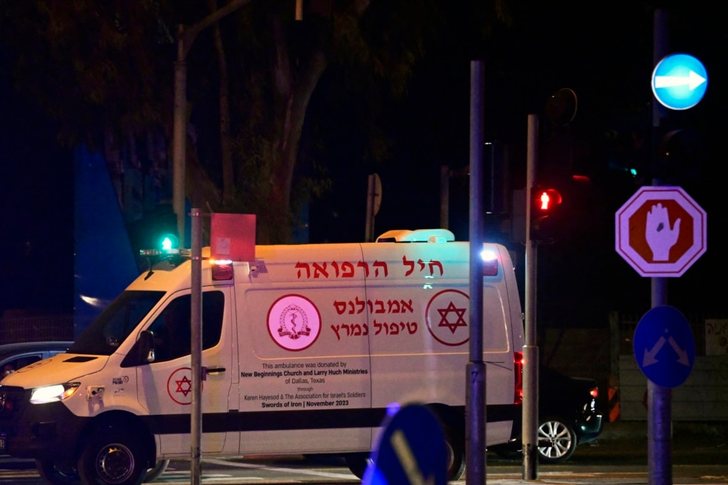
At least four people were shot dead on Tuesday in a suspec...
Iran hit Israel with ballistic missiles this Tuesday eveni...
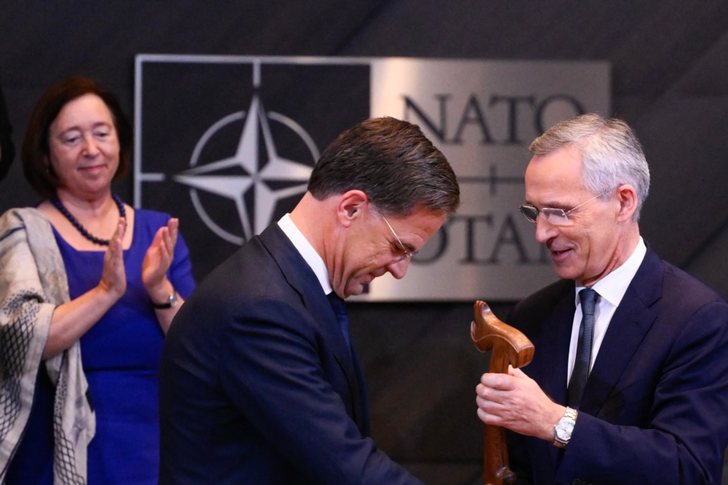
Former Dutch Prime Minister Mark Rutte took office tod...
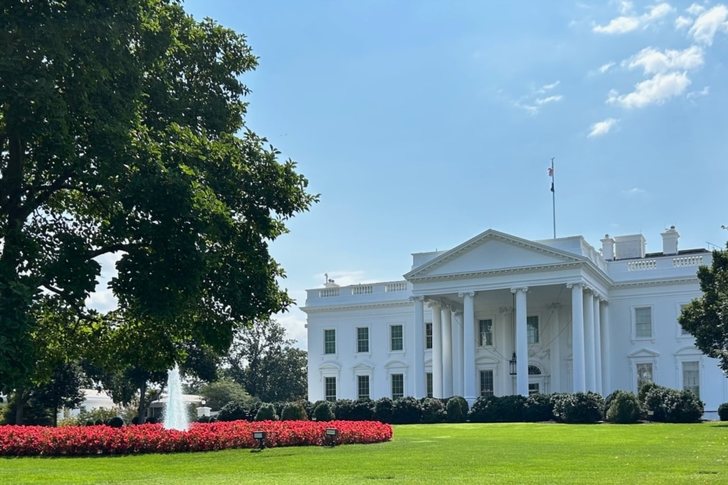
Iran is preparing to launch a ballistic missile attack on ...
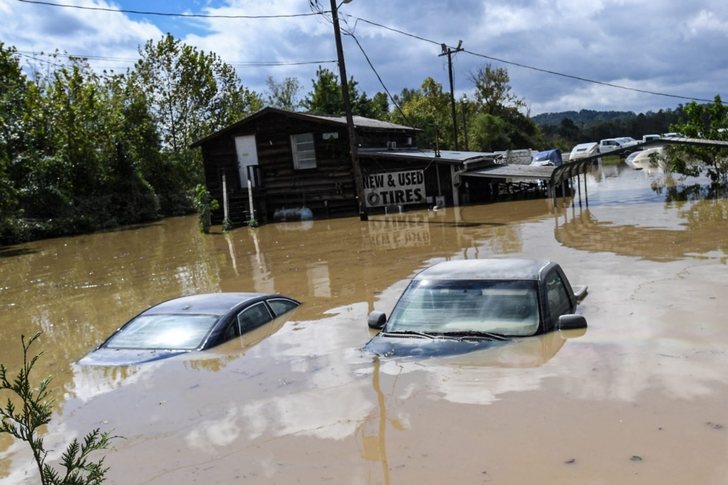
The number of victims as a result of hurricane "Helene" in...
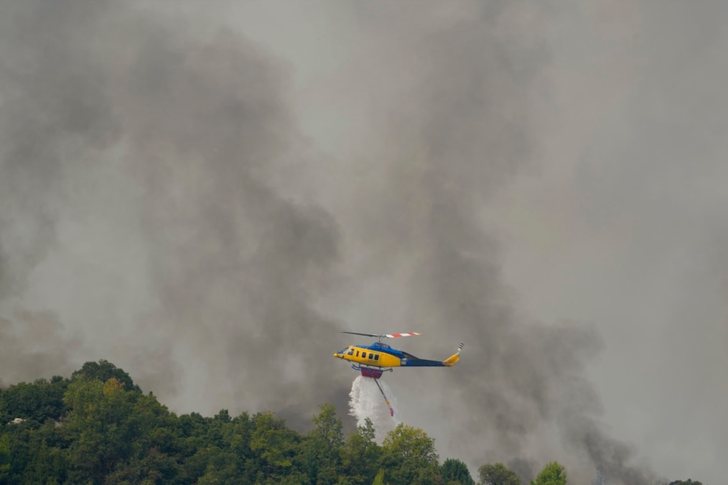
Hundreds of firefighters and volunteers in southern Gr...
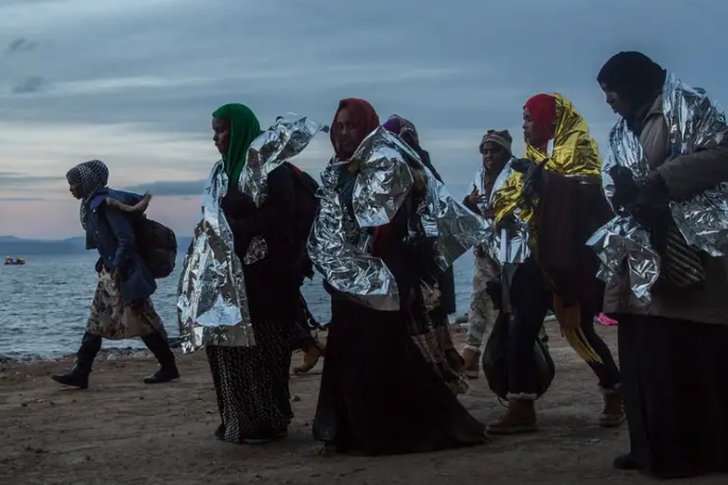
Germany's decision to restore border controls to prevent i...
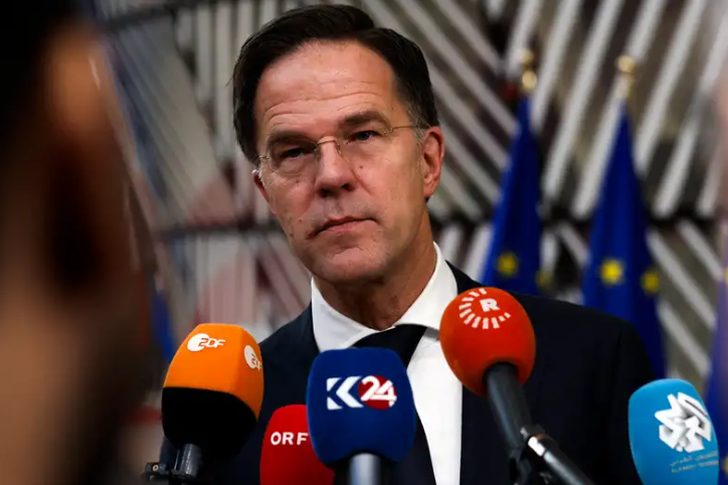
The new head of NATO, Mark Rutte takes office today as the...
An earthquake with a magnitude of 4 on the Richter scale h...
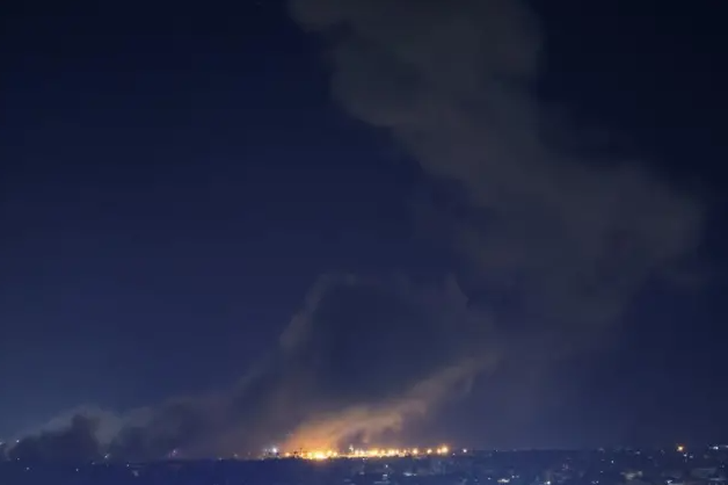
Israeli troops have entered Lebanon in what the Israeli mi...
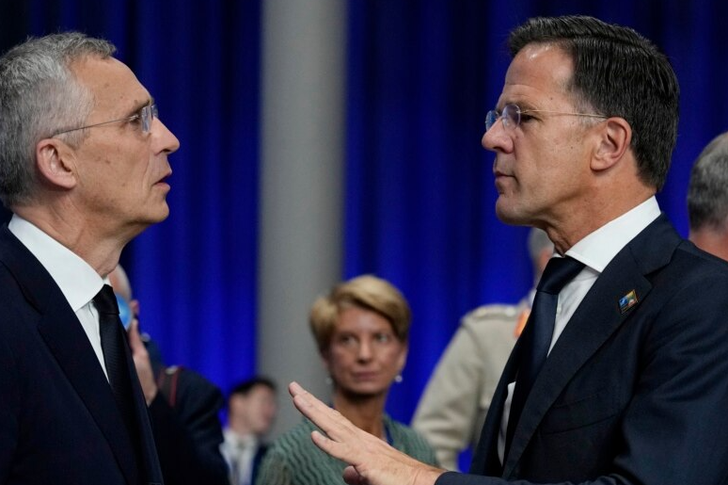
The former prime minister of the Netherlands, Mark Rutte, ...

Three people were killed and 15 others injured after a...
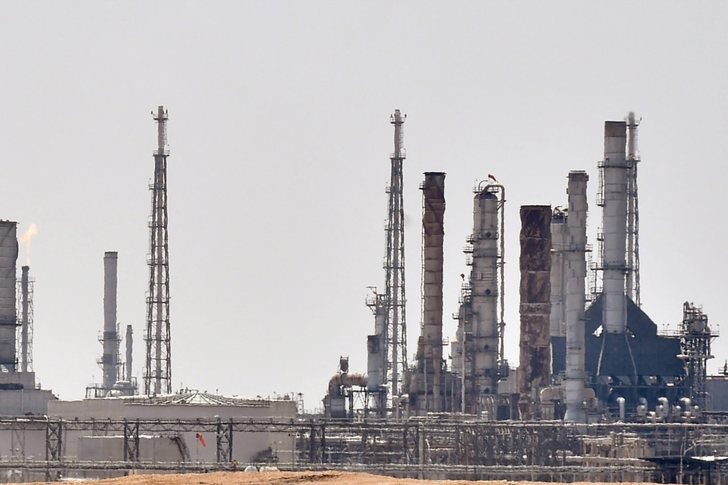
Fuel prices remained steady on Monday and are expected to ...
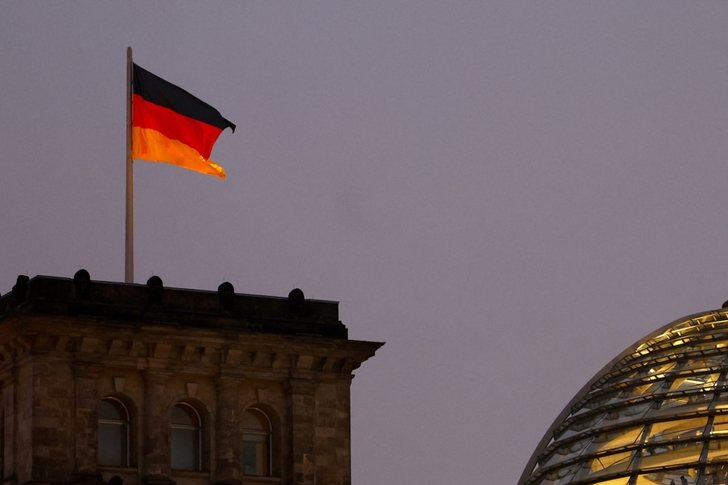
Germany evacuated from Lebanon non-essential staff of its ...

CNA has launched another investigation that could lead to ...

Irfan Hysenbelliu is a businessman that we call "Irfan the...

In March 2026, CNA launched another investigation centered...
The arrested mayor of Tirana, Erion Veliaj, with 13 charge...

The Special Board of Appeal (KPA) decided this Monday ...

The KPA vetting decided this Thursday to dismiss the p...

Suela Salavaçi, a prosecutor in the Prosecutor's Offic...

The Special Board of Appeal reinstated the prosecutor ...

The bad weather that swept the country on Tuesday evening ...

A road accident occurred this evening on Nikolla Zoraqi St...

Three people were shot and wounded in Elbasan last night b...

A serious incident occurred this Tuesday in the Yrshek are...

This Wednesday, our country will be under the influence of...
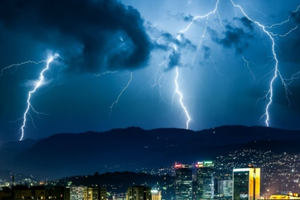
All of Southern Europe will face changing weather conditio...
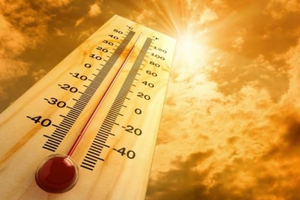
Albania was hit by temperatures significantly higher than ...

For the first time, Pogradec welcomed the Inter-Lake Chess...

Prime Minister Andy Burnham has announced that most bus fa...

France's parliament has passed a law to ban social media f...

US Secretary of State Marco Rubio arrived in Manila on Jul...
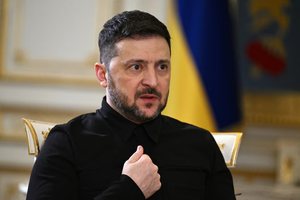
In the space of a few days, Ukrainian President Volodymyr ...

At a time when industrial products are increasingly taking...

Trust among people is not just a three-syllable word. It c...

Master of humor Todi Llupi has passed away at the age of 7...

The ninth edition of "MIK Festival" kicked off with one of...

Businesses will no longer be required to simply register t...

Despite economic growth and income in recent years, Albani...

This Wednesday, one US dollar is bought for 81.4 lek and s...

Construction company licenses will have a validity period ...