


Serious incident in Kukës/ Officer commits suicide with gun in village cemetery
A serious incident has occurred in Morina, Kukes. Citizen...

A serious incident has occurred in Morina, Kukes. Citizen...

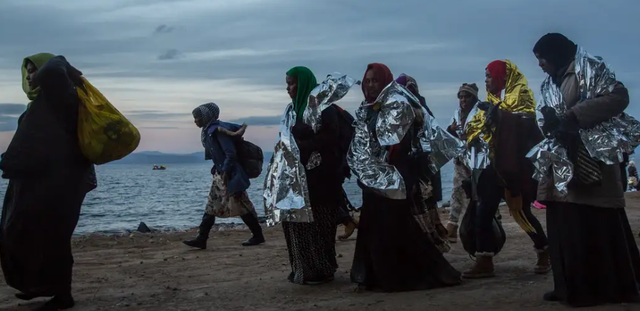
Germany's decision to restore border controls to prevent irregular migration has been criticized by media and politicians in Greece. Columnists in Greek newspapers have described the decision as "anti-European" and called the decision evidence of the capitulation of the German government to the far-right party Alternative for Germany (AfD).
In Athens, fears are growing of a domino effect within the European Union if member states follow Germany's example. This topic has hit the front pages of several Greek newspapers in recent weeks. "Closed borders, open wounds" was the headline of the liberal newspaper To Vima on September 15, the day before border controls began. The next day Apogevmatini wrote "Code Red" and warned of "an influx of migrants after Germany closed the border". Will Germany deport migrants?
The Greek government fears that Germany may reject migrants who sought asylum during their stay in Germany, remaining in Greece. The daily newspaper KONTRA said that: "Scholz is pushing for the return of 30,000 Afghans to Greece and is offering 15,000 euros for each migrant."
The Ministry of Migration in Athens did not confirm this claim, but even the denials were not convincing.
After all, it suits the conservative government of Kyriakos Mitsotakis that the topic of migration is back in the headlines – not because of Greek politics, but so that the pressing problems of Greek citizens are no longer in the spotlight. According to a poll by the Pulse Market Research Institute for Skai TV, migrants and refugees are not the main concern of Greek voters. The survey highlighted that 34.5% of respondents considered the high cost of living to be their main concern, 18% were concerned about low wages, small pensions and rising rents, while 15% said the economy was their main concern – topics which are responsibility of the current government.
The migration crisis in Greece "does not exist"
Only 5% of the population sees migration as a major problem, and in the eyes of the media and the government, the blame for migration lies with: war, poverty, smugglers, the liberal left, Turkey (when it "opens the gates" to Greece) and Germany ( which "acts like a magnet with its social benefits").
But at the moment there is no migrant crisis in Greece: from January until now, only about 36,000 arrivals were registered in Greece. Most of the migrants come from Afghanistan, Syria, Egypt and the Palestinian territories.
In contrast, 860,000 migrants were registered by land and water in 2015, and nearly 200,000 in 2016. Most of the migrants came from Syria because of the war.
In 2015 and 2016 alone, over two million refugees left for the European Union. The countries most affected by the influx were countries along the Mediterranean and the Balkan Route, which starts in Turkey and runs from the Balkans through Greece or Bulgaria.
Germany took in hundreds of thousands of refugees in the summer and fall of 2015, most of whom came from Syria.
Greece cannot afford a 'disproportionate burden'
Athens is of the opinion that Chancellor Scholz's decision to restore border controls was a reckless reaction to the rise of the far right in Germany and is doing permanent damage to European treaties such as the Schengen Agreement.
Greek Prime Minister Mitsotakis is confident Greece has already done more than enough on migration, saying his country is protecting the EU's external borders in the Aegean Sea and the Greek-Turkish border. Greece has also set up reception centers for migrants on some of its islands.
Mitsotakis has made it clear that Greece cannot afford a disproportionate burden when it comes to migration. During a visit to Austria on September 11, the Greek Prime Minister said that Greece cannot be expected to have "higher attraction measures for refugees than for its own citizens".
The German reaction is not "far-sighted"
Most experts assume that border controls in Germany cannot stop what is known as the secondary movement of migrants from Greece, i.e. a large flow of migrants to the EU through Greece, seeking protection or permanent resettlement elsewhere in the EU.
Over the past three years, around 75,000 people who applied for asylum in Greece traveled to Germany. As of 2021, some German courts have ruled that those in need of protection cannot return to Greece because there is a risk that their most basic needs will not be met there.
Asylum seekers in Greece must live in closed camps and are not allowed to work. Refugees who have an asylum permit can work, but cannot receive any assistance from the state in the form of social security, housing benefit, child benefit, etc. However, this also applies to Greek citizens. On the other hand, asylum seekers can leave Greece and can travel freely to other EU member states for three months a year. Most refugees and migrants arriving in Greece hope to travel to the UK, Germany, Scandinavia and the Netherlands, where they have relatives and friends – and prospects for the future.
Is Germany undermining European integration?
In the summer of 2015, when over a million people moved to northern Europe via the Balkan routes, people in Greece cheered then-German Chancellor Angela Merkel for accepting Syrian refugees. She was seen as humane, compared to her tough stance during the Greek sovereign fund crisis. On the other hand, there has been great criticism of Olaf Scholz's government policies.
Political scientist Prof. Panayiotis Ioakimidis says that "Scholz's progressive government has adopted far-right migration policies in the hope that the rise of the AfD would slow down. In France and Holland, the same way was attempted, but instead of stopping the right wing, it strengthened it." Ioakimids is one of Greece's best-known experts on Europe and has advised several Greek governments since 1990. He is convinced that Berlin's decision on border controls along the 3,700km border is in line with EU law, but he undermines European integration./ DW

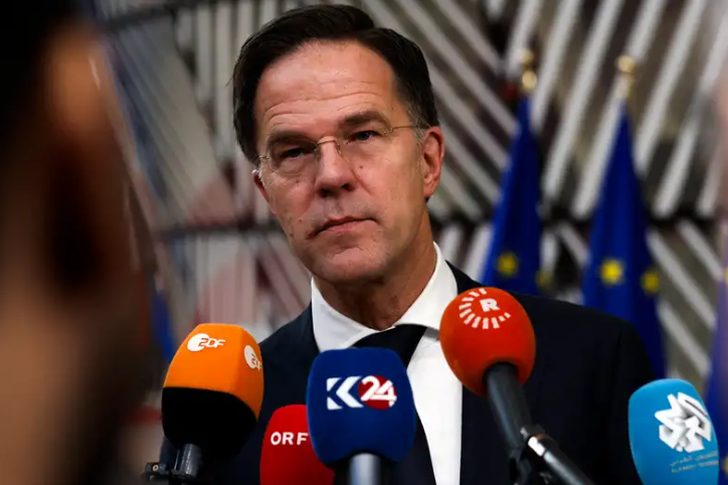
The new head of NATO, Mark Rutte takes office today as the...
An earthquake with a magnitude of 4 on the Richter scale h...
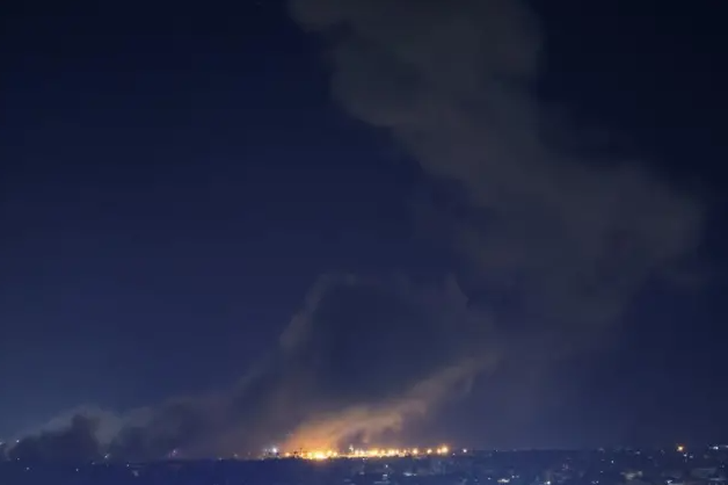
Israeli troops have entered Lebanon in what the Israeli mi...
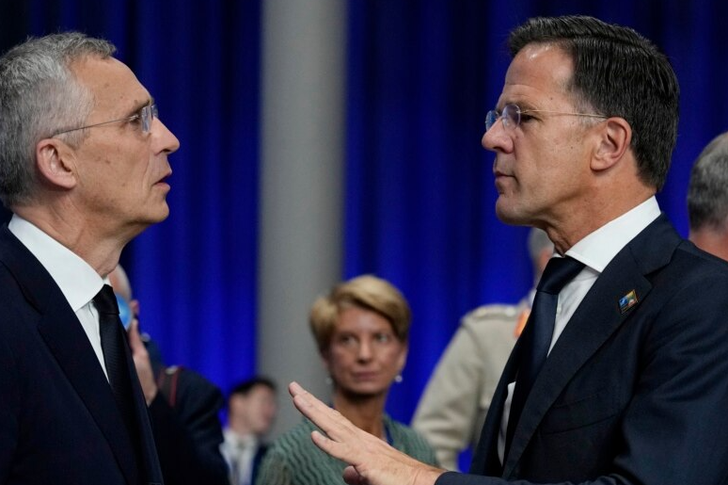
The former prime minister of the Netherlands, Mark Rutte, ...

Three people were killed and 15 others injured after a...
Fuel prices remained steady on Monday and are expected to ...
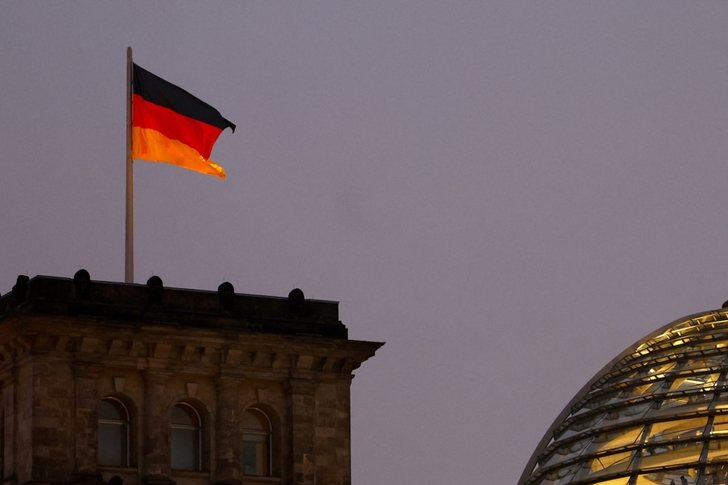
Germany evacuated from Lebanon non-essential staff of its ...
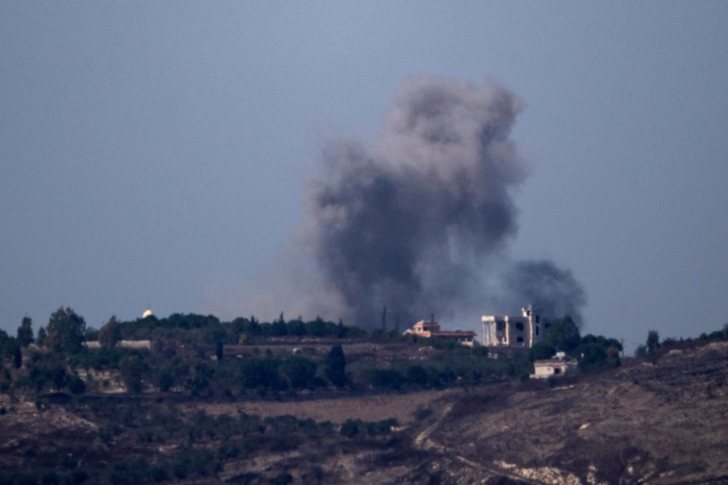
Iran said it would not send forces to Lebanon or the Gaza ...
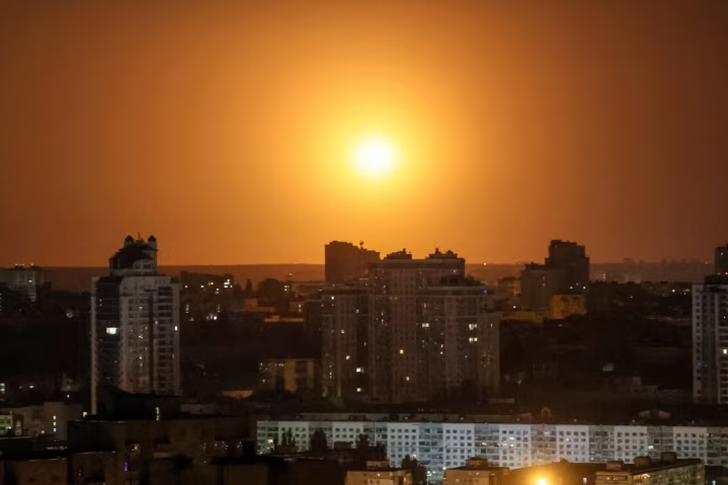
Russia carried out several waves of drone strikes targetin...
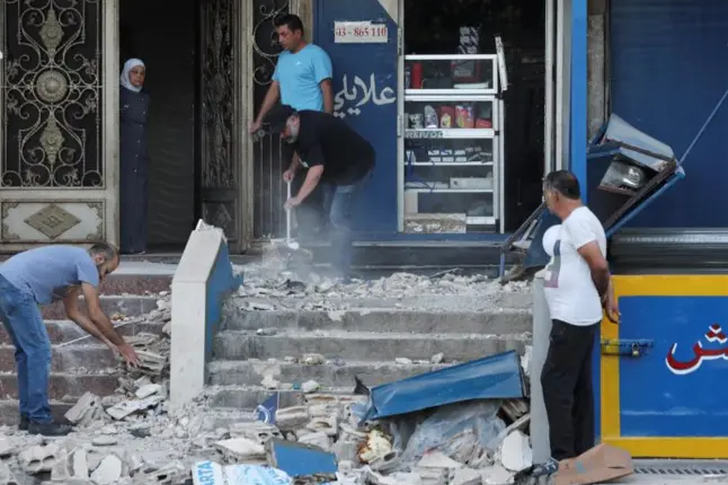
A building was hit in downtown Beirut overnight, in what a...
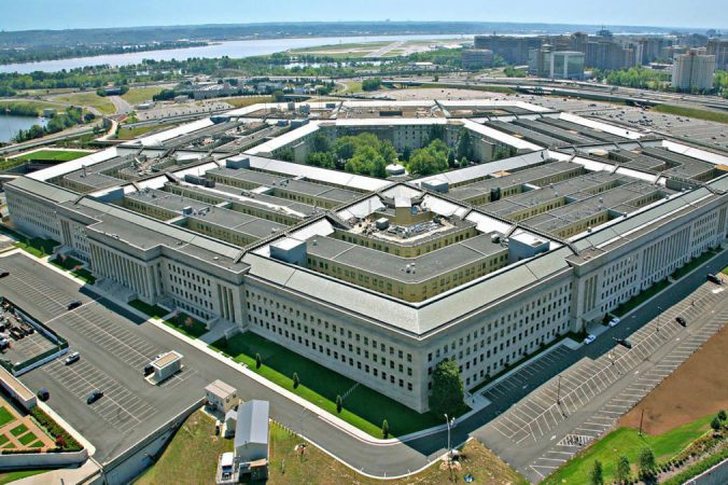
The US military said on Sunday it was increasing its air s...
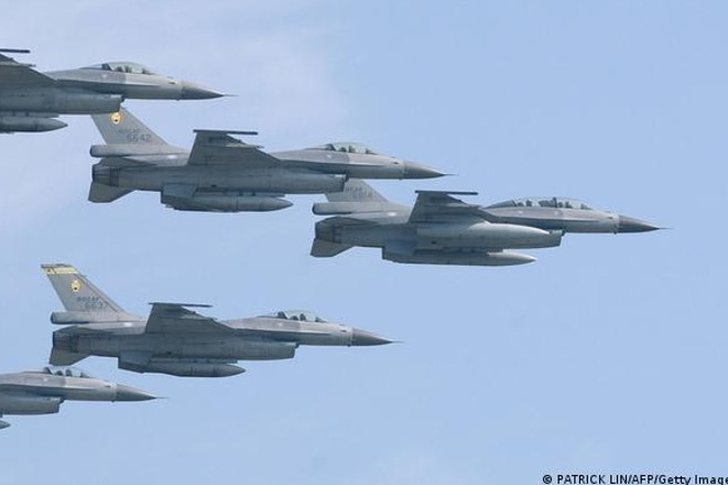
The US military said on Sunday that 37 militants, linked t...
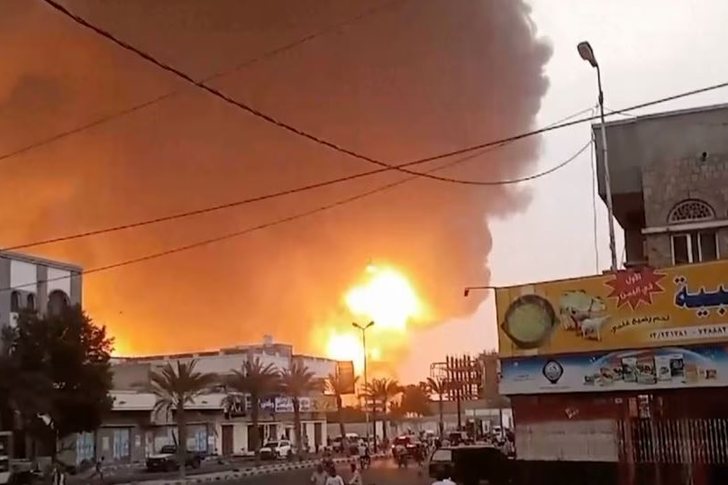
Israel announced it had bombed Houthi targets in Yemen on ...
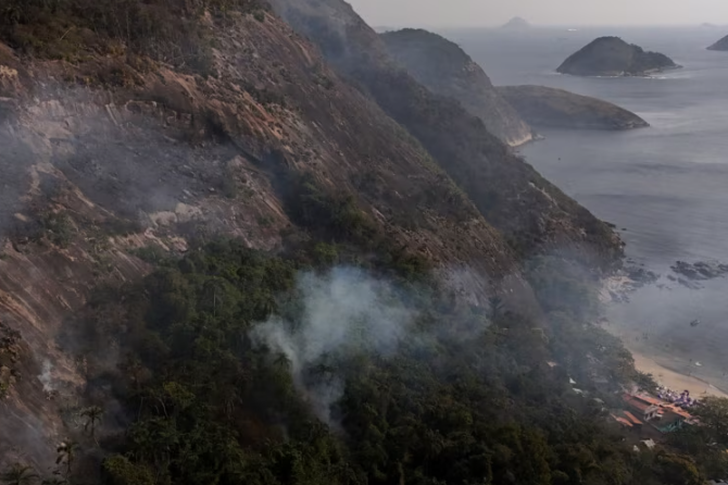
As world leaders attend the United Nations General Assembl...
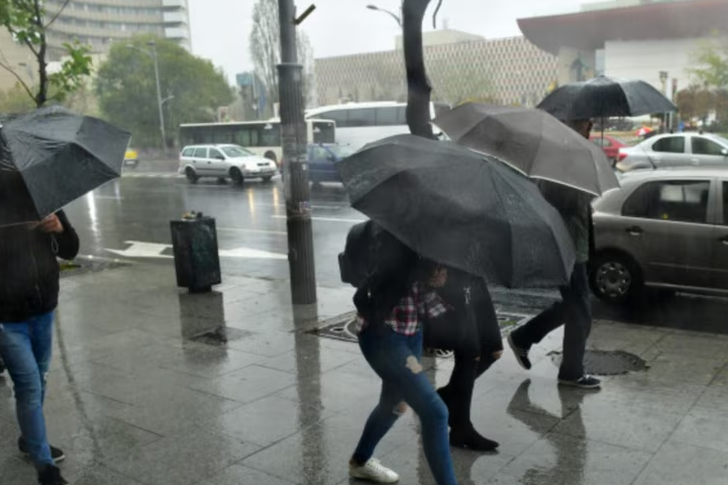
Romanian authorities declared a state of high alert for th...
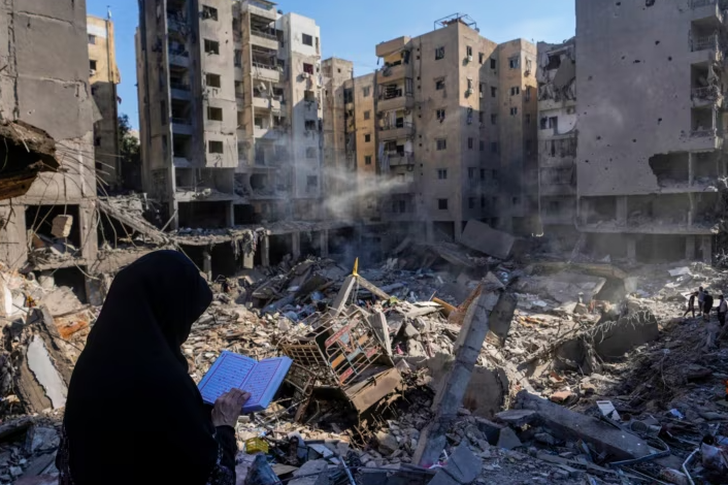
Israel's military said on Sunday it had killed another sen...
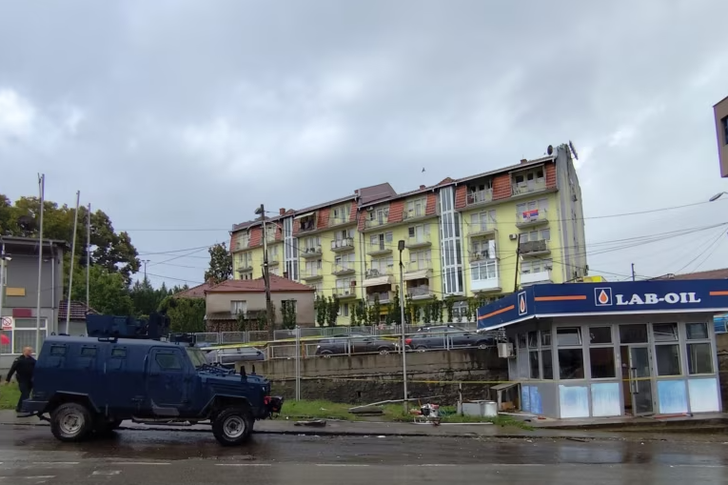
The Kosovo Police have announced that an explosion occurre...
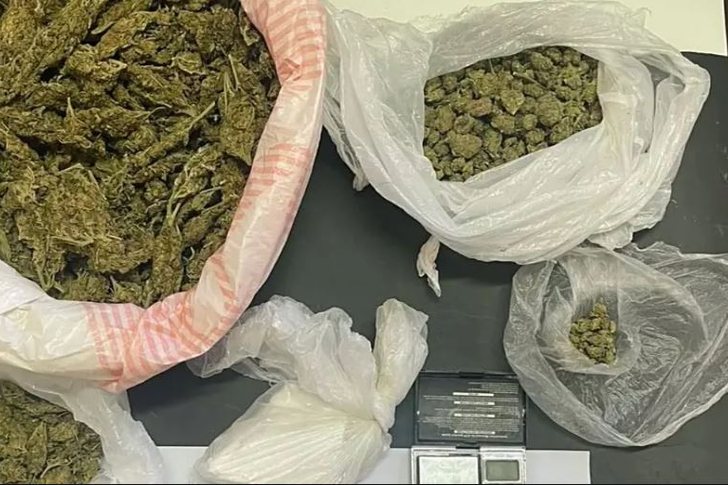
The Border Police of Montenegro seized 66 kilograms of sk...
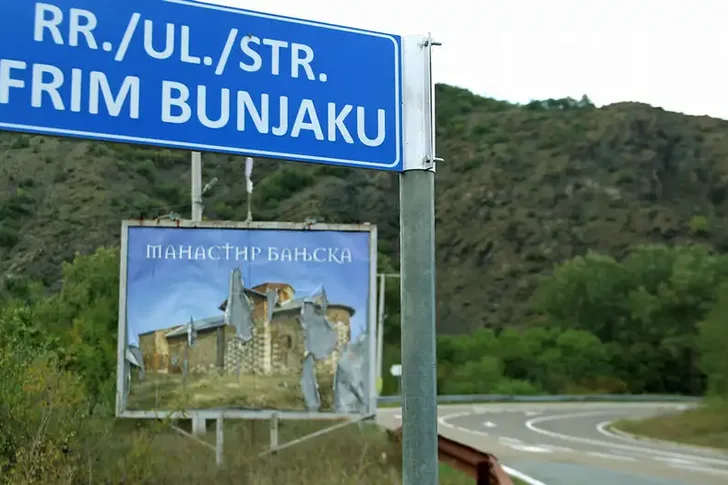
The village of Basnjkë in the north of Kosovo got its firs...
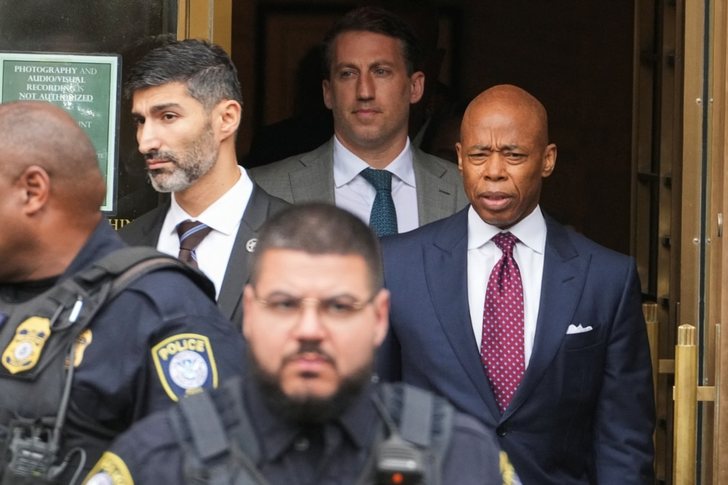
This week, New York City's Democratic mayor, Eric Adams, w...

CNA has launched another investigation that could lead to ...

Irfan Hysenbelliu is a businessman that we call "Irfan the...

In March 2026, CNA launched another investigation centered...
The arrested mayor of Tirana, Erion Veliaj, with 13 charge...

The Special Board of Appeal (KPA) decided this Monday ...

The KPA vetting decided this Thursday to dismiss the p...

Suela Salavaçi, a prosecutor in the Prosecutor's Offic...

The Special Board of Appeal reinstated the prosecutor ...

A serious incident has occurred in Morina, Kukes. Citizen...
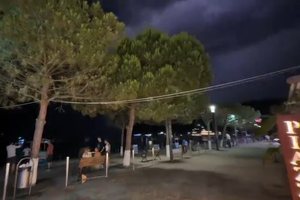
The bad weather that swept the country on Tuesday evening ...

A road accident occurred this evening on Nikolla Zoraqi St...

Three people were shot and wounded in Elbasan last night b...

This Wednesday, our country will be under the influence of...
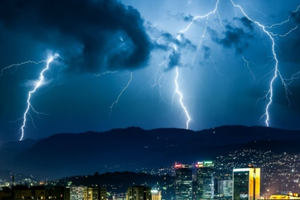
All of Southern Europe will face changing weather conditio...

Albania was hit by temperatures significantly higher than ...

For the first time, Pogradec welcomed the Inter-Lake Chess...

Prime Minister Andy Burnham has announced that most bus fa...

France's parliament has passed a law to ban social media f...

US Secretary of State Marco Rubio arrived in Manila on Jul...
In the space of a few days, Ukrainian President Volodymyr ...

At a time when industrial products are increasingly taking...

Trust among people is not just a three-syllable word. It c...

Master of humor Todi Llupi has passed away at the age of 7...

The ninth edition of "MIK Festival" kicked off with one of...

Businesses will no longer be required to simply register t...

Despite economic growth and income in recent years, Albani...

This Wednesday, one US dollar is bought for 81.4 lek and s...

Construction company licenses will have a validity period ...