


Serious incident in Kukës/ Officer commits suicide with gun in village cemetery
A serious incident has occurred in Morina, Kukes. Citizen...

A serious incident has occurred in Morina, Kukes. Citizen...

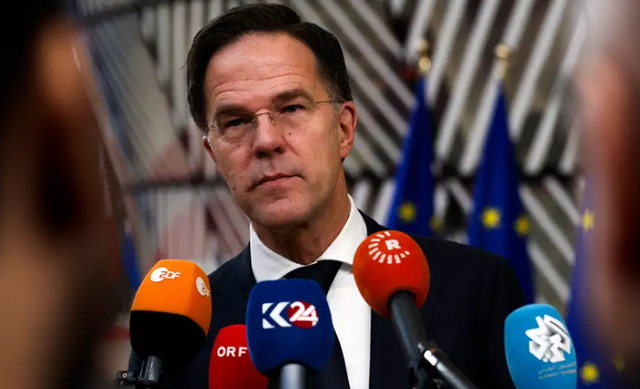
The new head of NATO, Mark Rutte takes office today as the new head of NATO. In these challenging times he will need all his diplomatic skills to manage the North West alliance. But what are these challenges?
Mark Rutte announced in July 2023 that he had resigned as Prime Minister of the Netherlands and "retired from politics" after his coalition government was ousted by differences between the ruling parties over migration policy.
However, in October last year, Rutte appeared to have forgotten everything he said about leaving politics and expressed his desire to succeed NATO Secretary General Jens Stoltenberg, who had announced that he would eventually leave the post at the end of September 2024 after a decade at the helm of the alliance.
For months, Rutte waged a discreet campaign to win over NATO leaders, most of whom he already knew from more than 13 years as Dutch prime minister and from work with various international bodies. The historian was the favored candidate of US President Joe Biden, as well as of most European leaders.
A diplomat told DW that Rutte is seen as "Mr. No" in the European Union because he has rejected ambitious reform plans and ideas presented by French President Emmanuel Macron. However, Rutte has good relations with German Chancellor Olaf Scholz.
He is also on good terms with Italy's right-wing populist Prime Minister Giorgia Meloni. Together, Rutte and Meloni have suggested processing asylum applications outside the EU in third-party countries. Hungarian resistance
But the victory over Hungary's right-wing nationalist Prime Minister Viktor Orban, with whom he is not on the best of terms, was short-lived. Rutte had to promise Orbán that Hungary should not participate in activities supporting Ukraine as long as Rutte leads the alliance. Orban, who maintains friendly ties with Russia, has also ruled out arms shipments to Ukraine.
Rutte's liberal politics and Orban's illiberal outlook often put them at odds in their relations within the EU. When Hungary passed an anti-LGBTQ+ law in 2021, Rutte told Orbán he could leave the bloc if he disagreed with his policies.
Rutte's famous ability to weather political difficulties has earned him the nickname "Teflon Mark", which could come in handy if Donald Trump returns to the White House and decides to criticize NATO again. Despite this trend, Rutte and Trump developed a surprisingly positive relationship during Trump's first term as US president. Trump even called Rutte a "friend". But Rutte, as the leader of a historic trading nation, strongly opposed Trump's protectionist economic policy.
Rutte supports arming Ukraine
Unlike Trump, Rutte is a staunch supporter of Ukraine and has demanded large arms shipments to Kiev, including Dutch howitzers and F-16s. But the Dutch military itself was underfunded during Rutte's years in power. This year will be the first time that the Netherlands will spend 2% of its GDP on defence, in line with NATO spending targets. Rutte has long been critical of Russian President Vladimir Putin, not least because Russia is widely seen as partly responsible for the downing of MH-17 over eastern Ukraine in 2014. Almost 300 people, most of them Dutch nationals, died when the plane Malaysia Airlines, traveling from Amsterdam to Kuala Lumpur, crashed. International investigators concluded that the missile that hit the plane was Russian-made and fired from separatist-held territory in eastern Ukraine.
Consensus building
Rutte has experience managing coalitions in the Netherlands, but now he has 32 countries to coordinate and reach consensus with on all NATO decisions. Former NATO spokeswoman Oana Lungescu, the longest-serving person in the role, believes this will be Rutte's biggest challenge. "The Secretary General of NATO should not only be a secretary, but also a general, in the political aspect of course," she told DW.
"He needs to show the political leadership needed to push the alliance forward, because reaching consensus can take time. There can be problems, it can be frustrating, but it is important to make progress in making decisions." She points out that Rutte's long experience in holding together fractured Dutch coalition governments will serve him well going forward.
Lungescu notes that being head of NATO also means submitting to some of the inevitable demands of the position and high profile, which means Rutte can no longer cycle to work and has to change his ways. / DW

An earthquake with a magnitude of 4 on the Richter scale h...
Israeli troops have entered Lebanon in what the Israeli mi...
The former prime minister of the Netherlands, Mark Rutte, ...
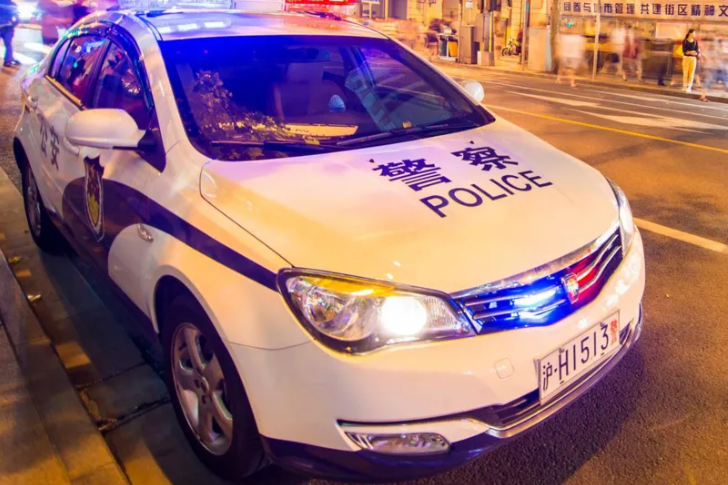
Three people were killed and 15 others injured after a...
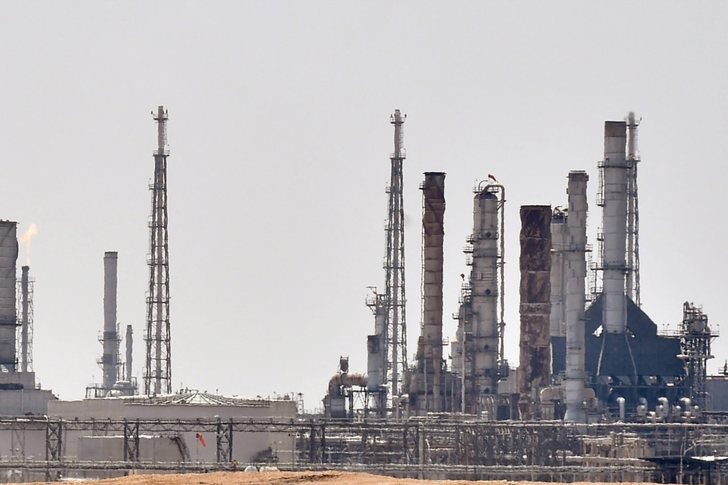
Fuel prices remained steady on Monday and are expected to ...
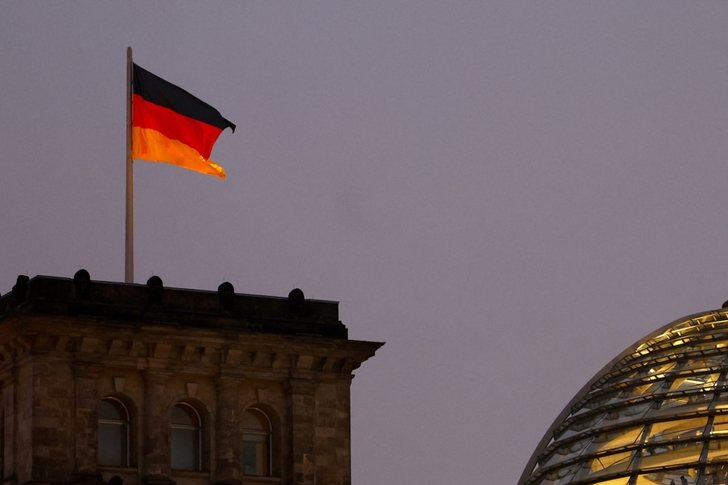
Germany evacuated from Lebanon non-essential staff of its ...
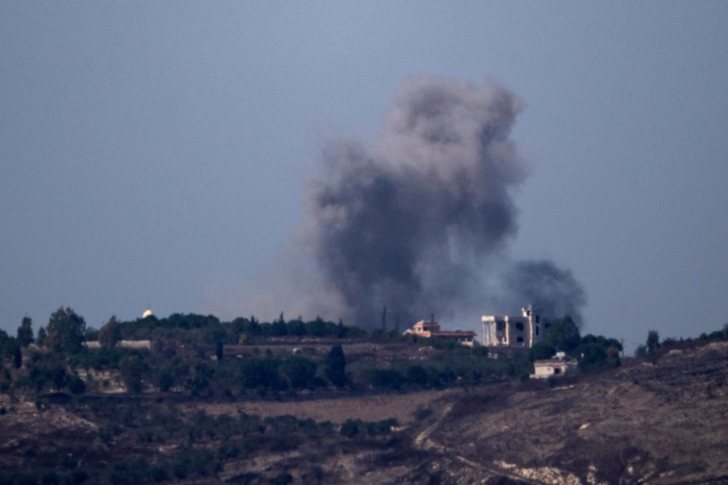
Iran said it would not send forces to Lebanon or the Gaza ...
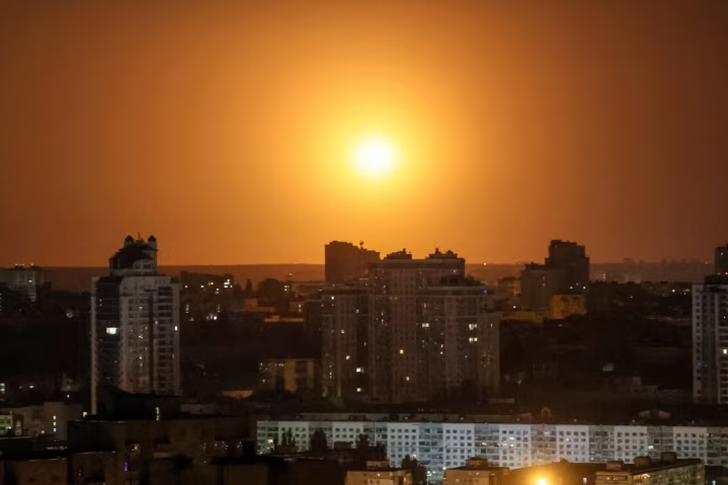
Russia carried out several waves of drone strikes targetin...
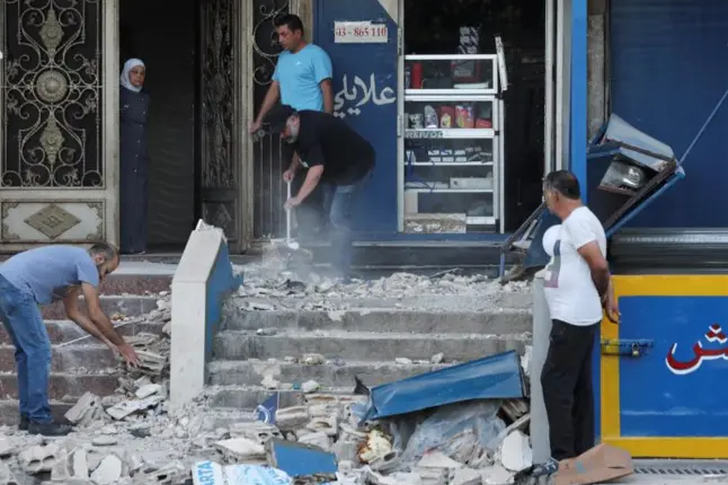
A building was hit in downtown Beirut overnight, in what a...
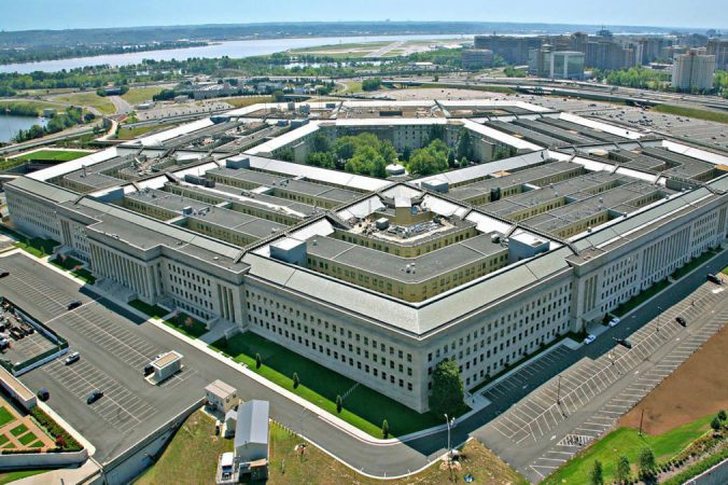
The US military said on Sunday it was increasing its air s...
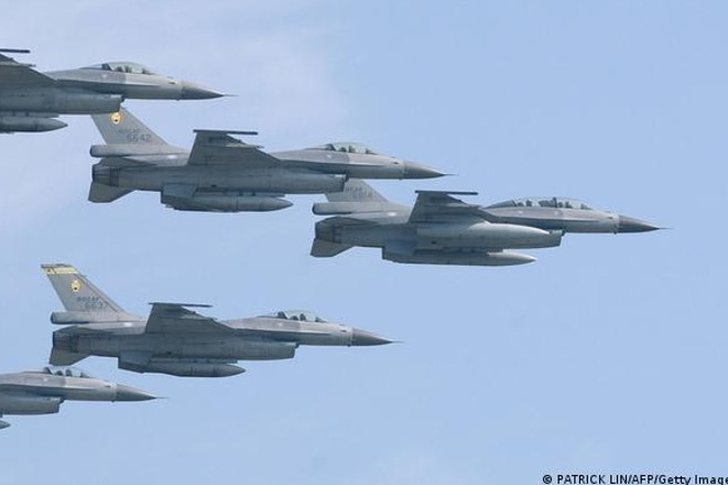
The US military said on Sunday that 37 militants, linked t...

Israel announced it had bombed Houthi targets in Yemen on ...
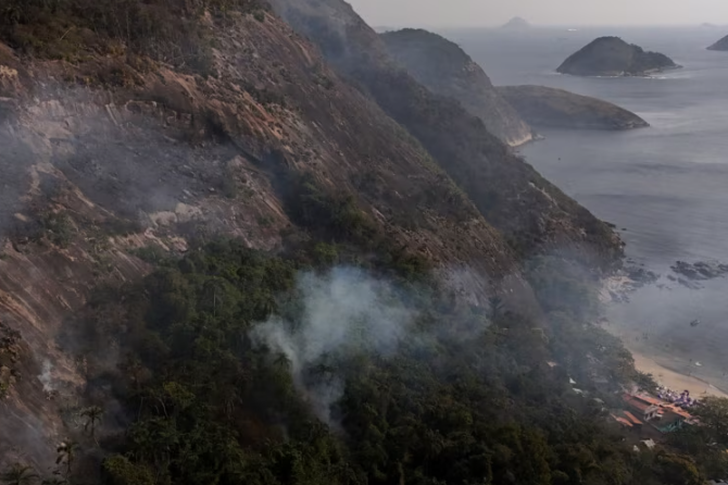
As world leaders attend the United Nations General Assembl...
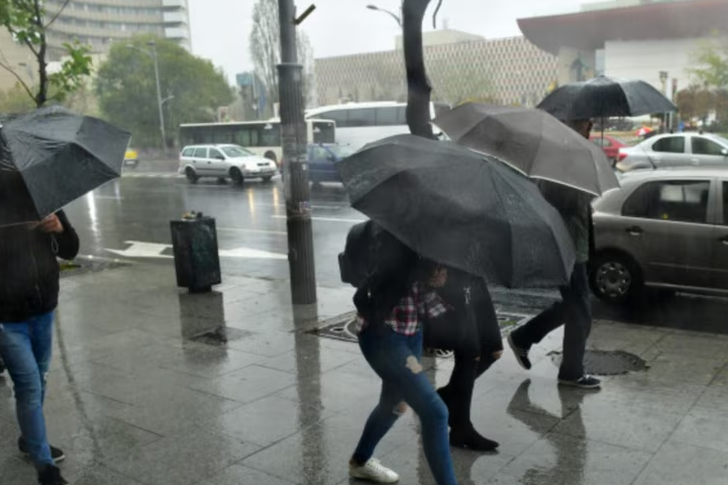
Romanian authorities declared a state of high alert for th...
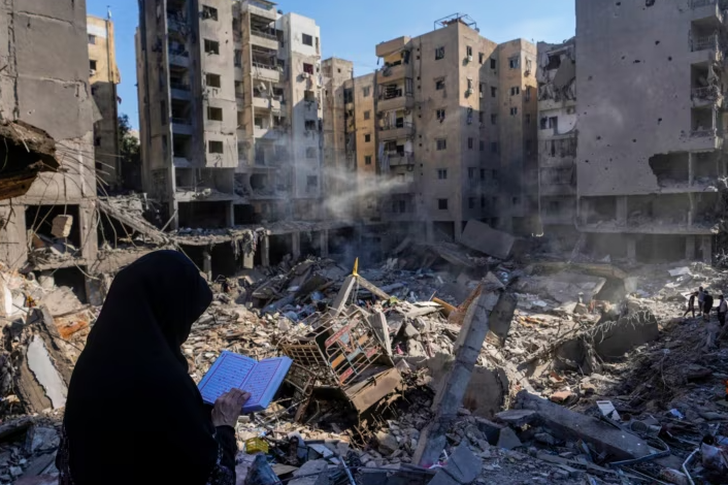
Israel's military said on Sunday it had killed another sen...
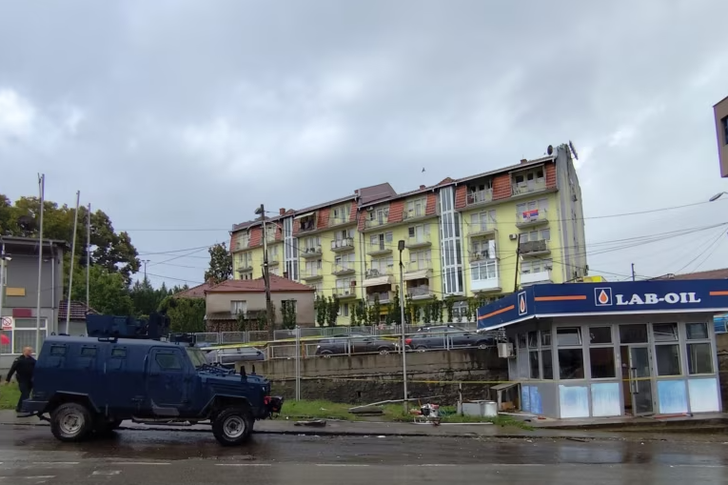
The Kosovo Police have announced that an explosion occurre...
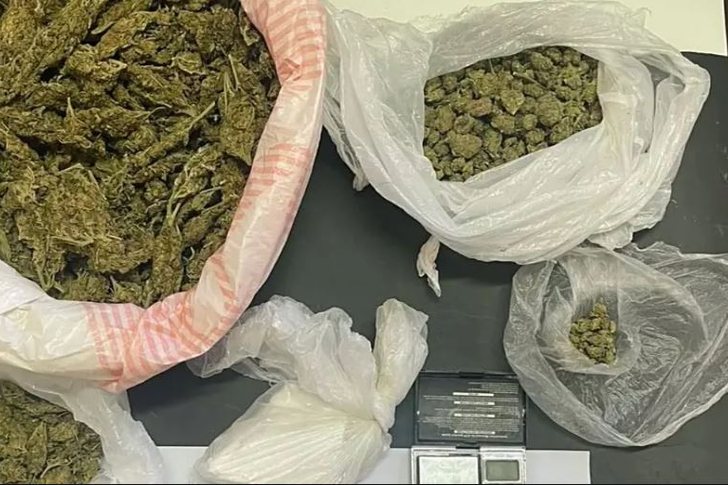
The Border Police of Montenegro seized 66 kilograms of sk...
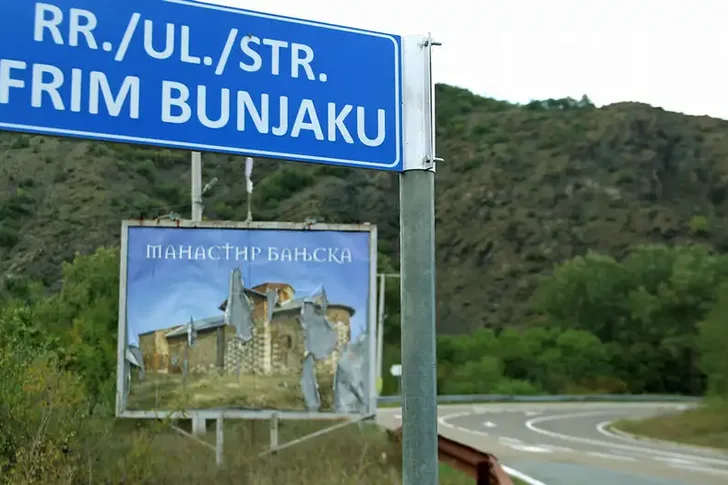
The village of Basnjkë in the north of Kosovo got its firs...
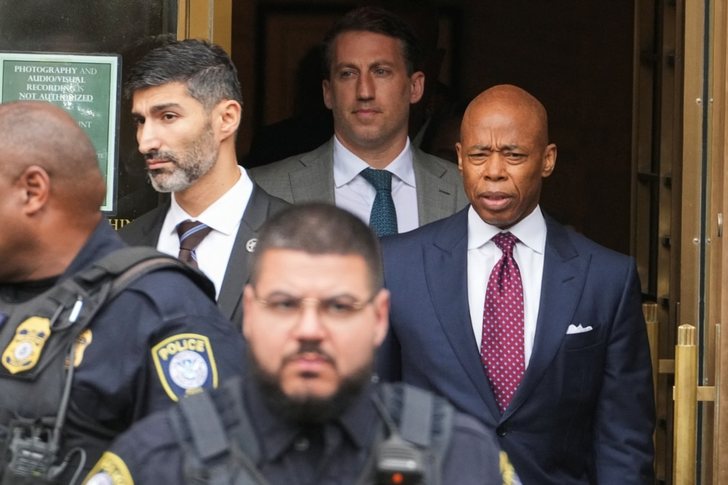
This week, New York City's Democratic mayor, Eric Adams, w...
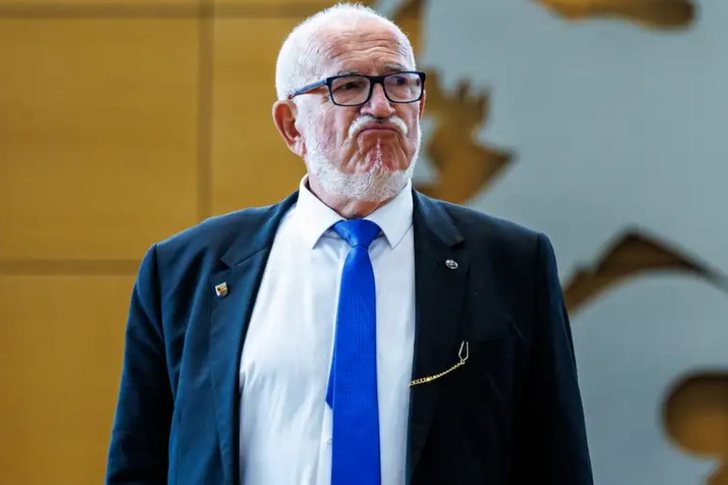
After a chaotic session of the state parliament, Thuri...

CNA has launched another investigation that could lead to ...

Irfan Hysenbelliu is a businessman that we call "Irfan the...

In March 2026, CNA launched another investigation centered...
The arrested mayor of Tirana, Erion Veliaj, with 13 charge...

The Special Board of Appeal (KPA) decided this Monday ...

The KPA vetting decided this Thursday to dismiss the p...

Suela Salavaçi, a prosecutor in the Prosecutor's Offic...

The Special Board of Appeal reinstated the prosecutor ...
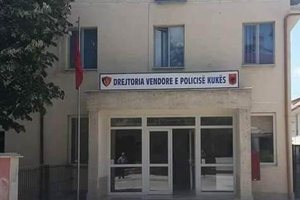
A serious incident has occurred in Morina, Kukes. Citizen...
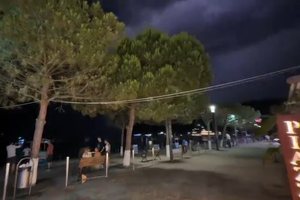
The bad weather that swept the country on Tuesday evening ...

A road accident occurred this evening on Nikolla Zoraqi St...

Three people were shot and wounded in Elbasan last night b...
This Wednesday, our country will be under the influence of...

All of Southern Europe will face changing weather conditio...
Albania was hit by temperatures significantly higher than ...

For the first time, Pogradec welcomed the Inter-Lake Chess...
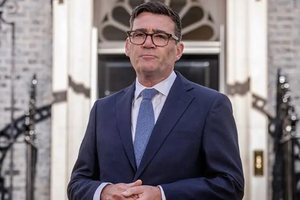
Prime Minister Andy Burnham has announced that most bus fa...

France's parliament has passed a law to ban social media f...

US Secretary of State Marco Rubio arrived in Manila on Jul...
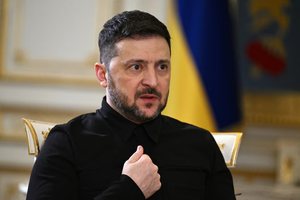
In the space of a few days, Ukrainian President Volodymyr ...

At a time when industrial products are increasingly taking...

Trust among people is not just a three-syllable word. It c...

Master of humor Todi Llupi has passed away at the age of 7...

The ninth edition of "MIK Festival" kicked off with one of...

Businesses will no longer be required to simply register t...

Despite economic growth and income in recent years, Albani...

This Wednesday, one US dollar is bought for 81.4 lek and s...

Construction company licenses will have a validity period ...