

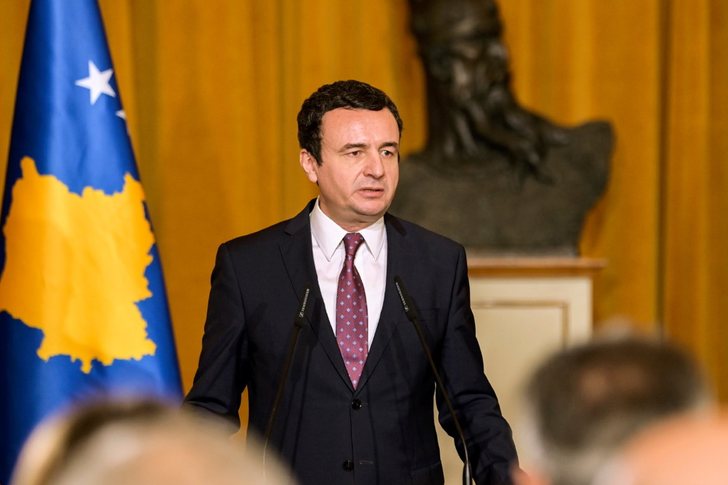
Kurti travels to London/ Will participate in the Berlin Process Summit
The acting Prime Minister of Kosovo, Albin Kurti, has trav...


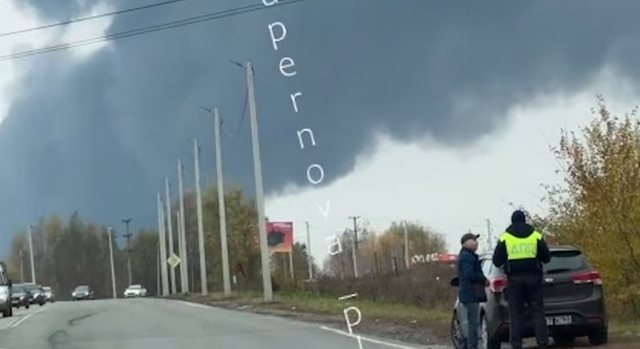
A Ukrainian drone attack on a gas plant in Orenburg, Russia – one of the largest facilities of its kind in the world – continues to affect gas production in neighboring Kazakhstan, as the European Union prepares to cut off Russian gas imports by the end of 2027.
According to Kazakhstan's Energy Ministry, gas supplies to the Kazakh facility were suspended after the October 19 attack - the first reported attack on the plant, which is part of the Orenburg gas and chemical complex operated by Russian state energy giant Gazprom.
Reuters quoted sources on October 20 as saying that, due to the attack, production at the Kazakh Karachaganak field fell by 25 to 30 percent. The plant processes about 37.5 billion cubic meters of gas per year.
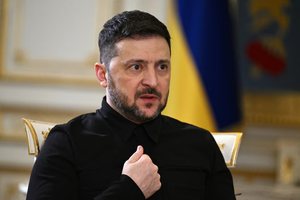
Officials in Kiev have confirmed that Ukraine is behind the attack, which Ukrainian President Volodymyr Zelensky described as evidence of "an increase, both in scope and precision, of our long-range strikes on Russia."
"Almost every day or every two days, Russian oil refineries are being hit. And, this helps bring Russia back to reality," he added.
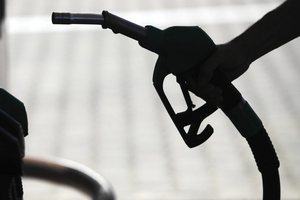
In recent months, Kiev has intensified attacks on Russia's energy infrastructure, which appear to be causing fuel shortages and rising prices within the country.
An oil depot in Novokuibyshevsk was also hit last month, and the Ukrainian General Staff reported extensive damage to its infrastructure.
Meanwhile, EU energy ministers approved a plan that envisages phasing out Russian gas and oil imports to the bloc by January 2028, despite objections from Slovakia and Hungary, which remain dependent on Russian supplies.
The plan, along with sanctions on Russia, was prompted by Moscow's war against Ukraine and is part of a broader strategy by the 27-nation bloc.
"Although we have worked hard and tried to remove Russian gas and oil from Europe in recent years, we have not yet fully achieved it," said Lars Aagaard, the energy minister of Denmark, which holds the current EU presidency.
He added that the October 20 agreement is "a decisive step" towards this goal.
Before Moscow's full-scale invasion of Ukraine in February 2022, Russia accounted for about 45 percent of the EU's gas imports. Now that figure has fallen to about 12 percent.
EU foreign policy chief Kaja Kallas said on October 20 that the new sanctions package, the 19th in a row, against Russia could be approved as early as this week.
"Russia only understands force. It negotiates only when it is put under pressure," she said. /REL

The acting Prime Minister of Kosovo, Albin Kurti, has trav...
Serbia is in a very difficult and almost hopeless situatio...

Following the spectacular robbery of jewels at the Louvre ...
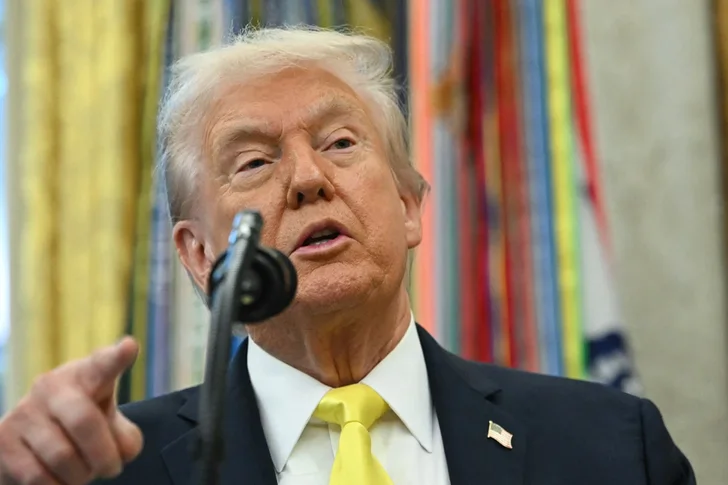
US President Donald Trump has stated that if Hamas does no...
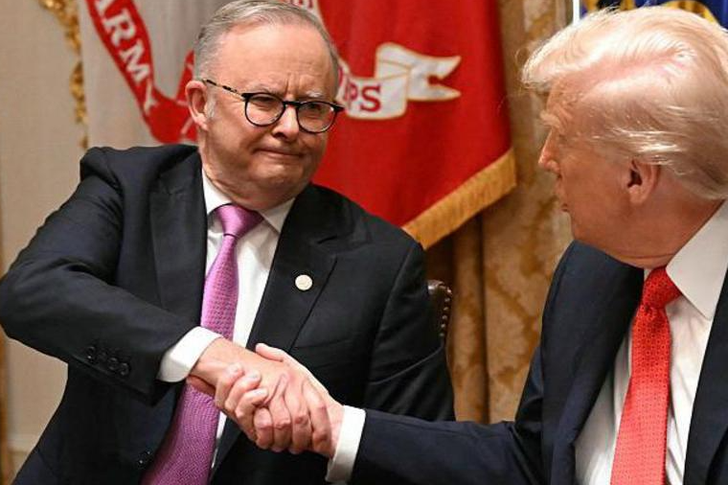
US President Donald Trump and Australian Prime Minister An...
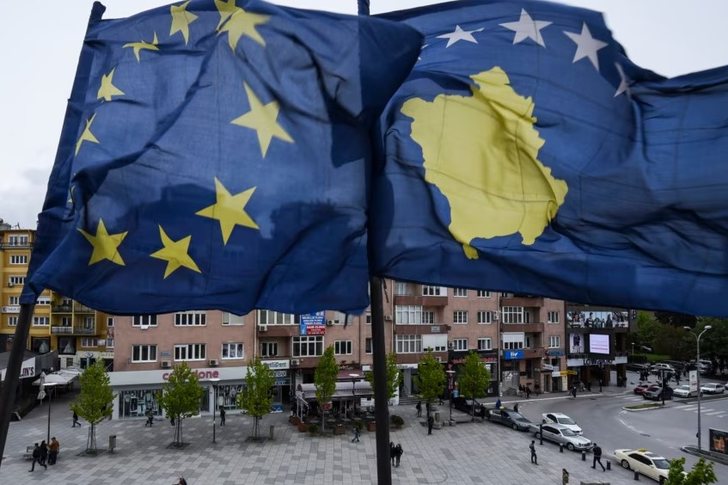
A number of civil society organizations in Kosovo called o...
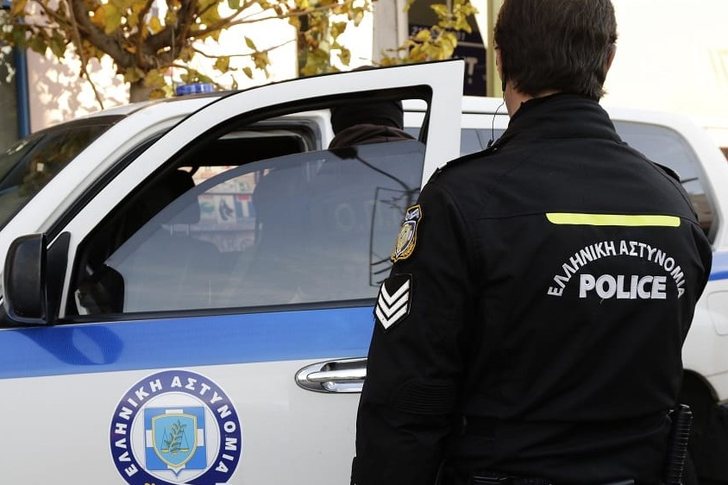
Legal proceedings continue regarding the murder of two peo...
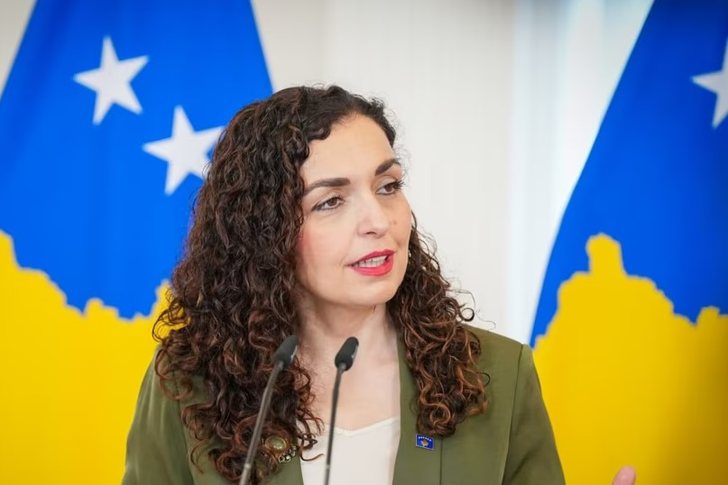
Kosovo President Vjosa Osmani believes that the country st...
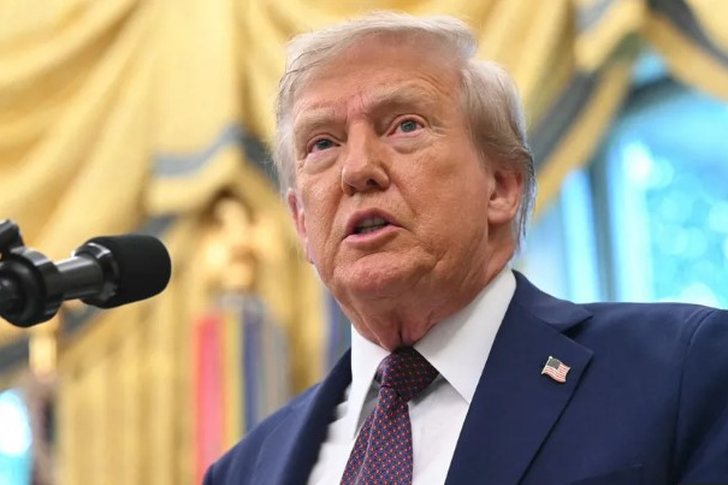
US President Donald Trump has suggested that the best way ...
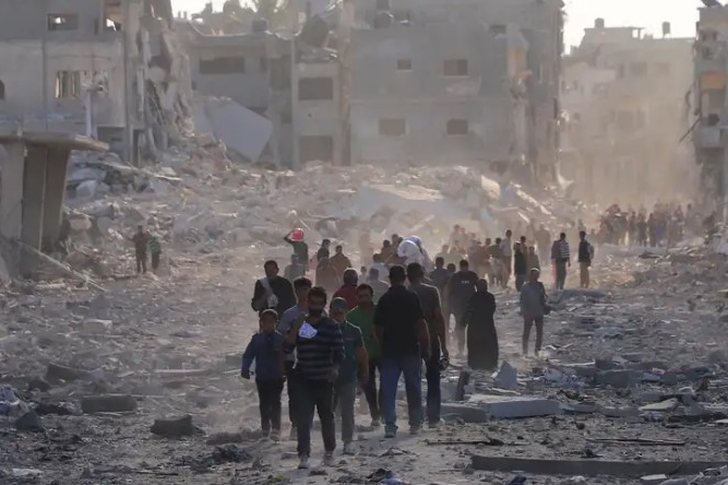
It has been ten days since a ceasefire was reached in what...

The historic Louvre Museum in Paris is remaining closed to...
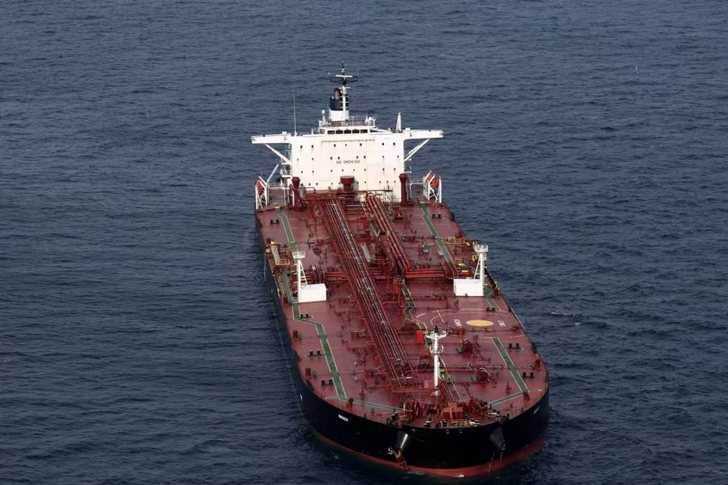
The European Union's top diplomat, Kaja Kallas, has called...

Azerbaijan is strengthening its relations with the Vat...

Ukrainian President Volodymyr Zelensky has said he is read...
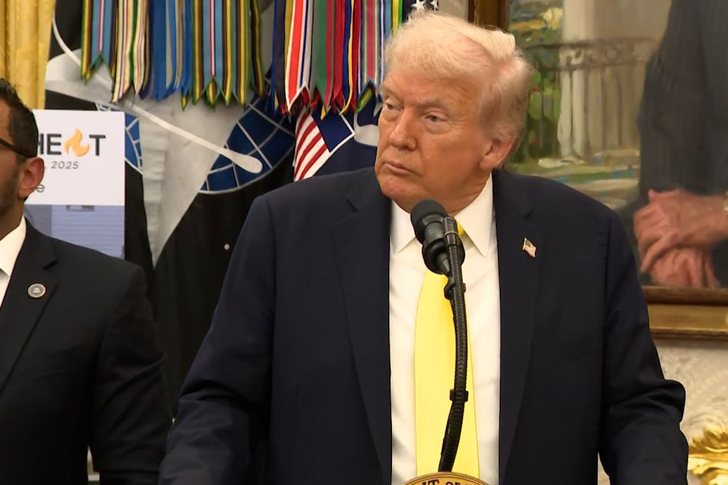
US President Donald Trump has said that despite fighting i...
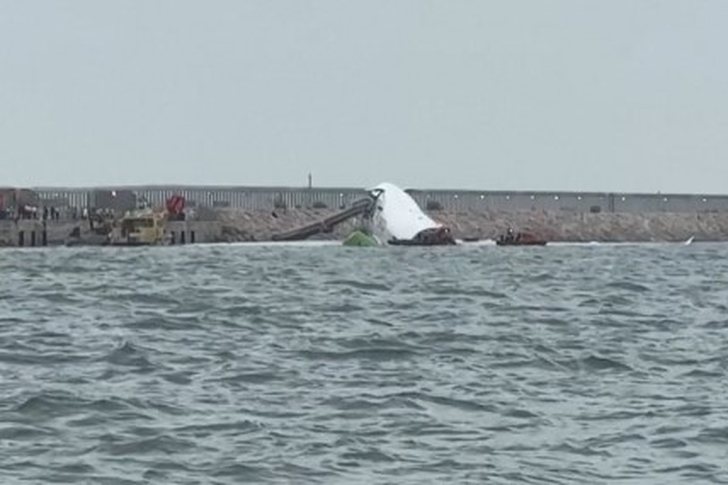
A cargo plane at Hong Kong International Airport crashed i...
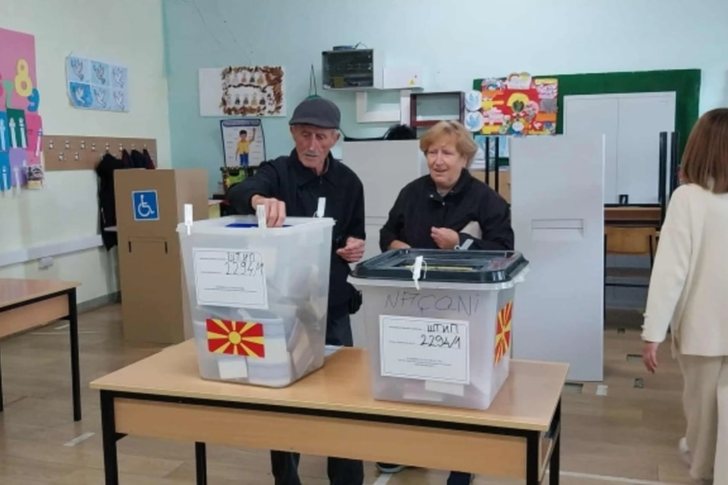
The ruling party, VMRO-DPMNE, declared a convincing victor...
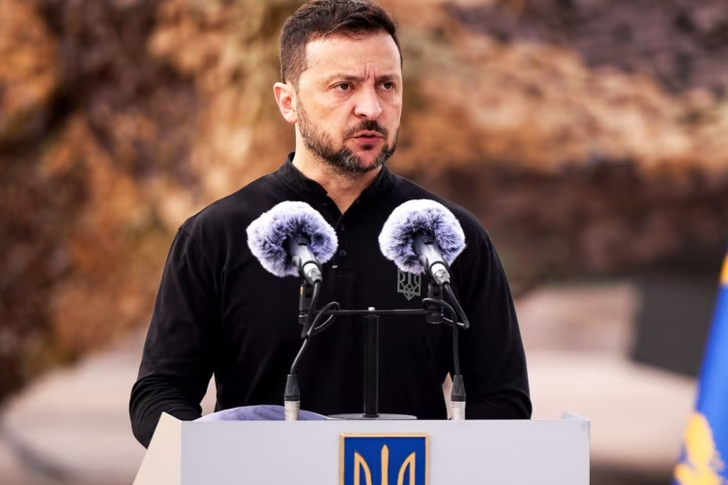
Ukrainian President Volodymyr Zelensky said in an intervie...
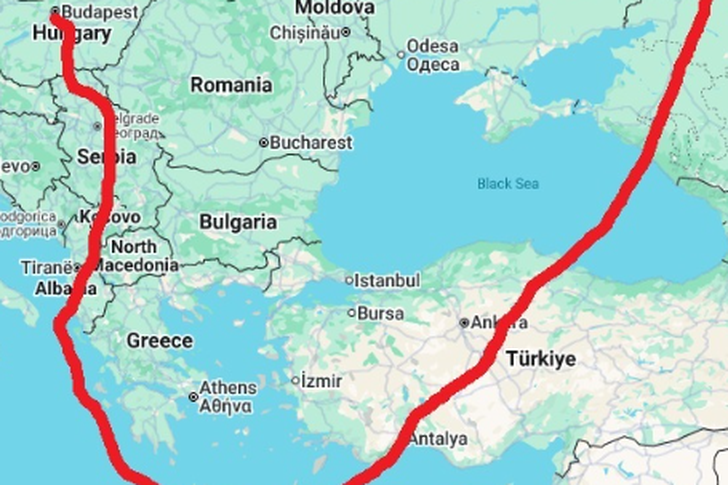
US President Donald Trump and Russian President Vladimir P...
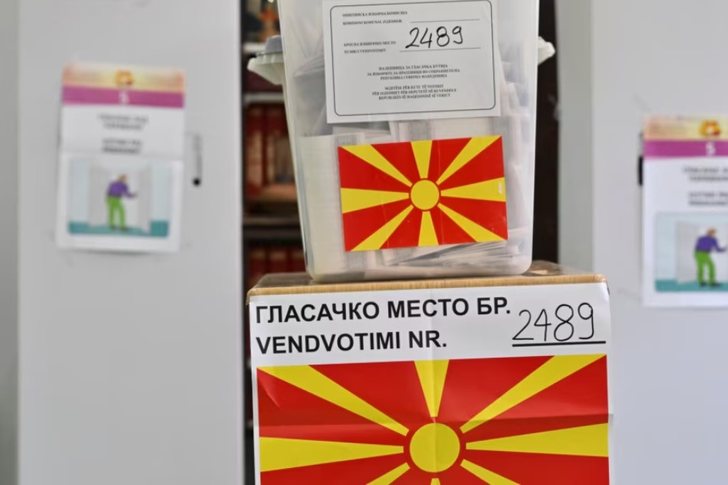
Voting for the first round of elections in North Macedonia...

CNA has launched another investigation that could lead to ...

Irfan Hysenbelliu is a businessman that we call "Irfan the...

In March 2026, CNA launched another investigation centered...
The arrested mayor of Tirana, Erion Veliaj, with 13 charge...

The Special Board of Appeal (KPA) decided this Monday ...

The KPA vetting decided this Thursday to dismiss the p...

Suela Salavaçi, a prosecutor in the Prosecutor's Offic...

The Special Board of Appeal reinstated the prosecutor ...

A road accident occurred this evening on Nikolla Zoraqi St...

Three people were shot and wounded in Elbasan last night b...

A serious incident occurred this Tuesday in the Yrshek are...

An accident occurred this Tuesday on "Dituria" street in K...
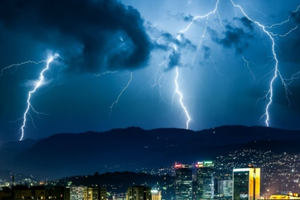
All of Southern Europe will face changing weather conditio...
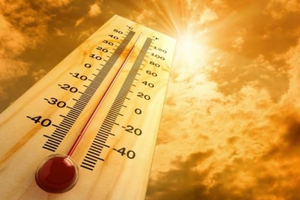
Albania was hit by temperatures significantly higher than ...

For the first time, Pogradec welcomed the Inter-Lake Chess...
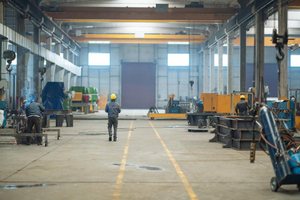
Albania has achieved a record for the employment of foreig...

US Secretary of State Marco Rubio arrived in Manila on Jul...
In the space of a few days, Ukrainian President Volodymyr ...

The spokesman for the Iranian Foreign Ministry warned Bulg...

Autoritetet italiane sekuestruan pako me afër 800 kilogram...

At a time when industrial products are increasingly taking...

Trust among people is not just a three-syllable word. It c...

Master of humor Todi Llupi has passed away at the age of 7...

The ninth edition of "MIK Festival" kicked off with one of...

Construction company licenses will have a validity period ...
The Centralized Purchasing Operator recently opened a tend...
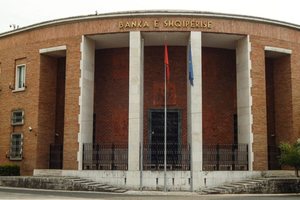
The new draft law "On the Bank of Albania" provides that t...

This Tuesday, one US dollar is bought for 81.2 lek and sol...