

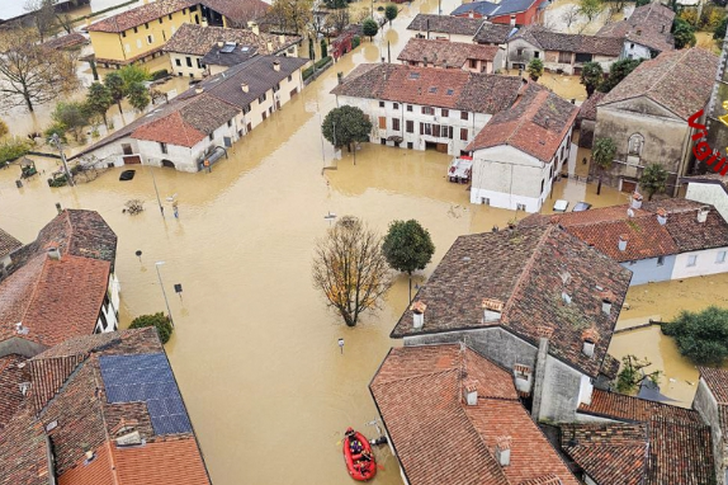
Italy plunges into chaos/Floods in 6 regions, 2 missing in northeast
Italy has been engulfed in a state of chaos, as Monday's b...



The Kosovo Chamber of Commerce has won the legal battle against the Energy Regulatory Office in the Supreme Court, directly impacting the functioning and transparency of the electricity market in the country.
The Supreme Court of Kosovo today annulled two key provisions of the Energy Regulatory Office (ERO) regulations, deeming them unlawful in relation to the liberalization of the electricity market.
The decision comes as a blow to the process implemented in a hasty manner by ERO, without consultation with businesses or interested parties, exceeding legal competences and causing major economic damage.
The decision, taken in administrative procedure PA no. 18/2025, came after the lawsuit of the Kosovo Chamber of Commerce (OKC), which argued that ERO's measures had created discrimination and increased prices by up to 200% for over 1,300 private businesses. The judicial panel, chaired by Judge Delushe Halimi, with members Lumni Sallauka and Franciska Zhitija-Ymeri, approved the main part of the KCC's request.
In the judgment, the Court declared illegal and repealed Article 8 of the Guideline for the Liberalization of the Electricity Market, dated January 18, 2017. Also, Article 2 of the Guideline for the Amendment and Supplementation of this Guideline, adopted on March 28, 2019, following the amendments of June 13 and October 30, 2018, was annulled.
"Article 8 of the Electricity Market Liberalization Guideline, dated January 18, 2017 , is declared illegal and repealed," the second provision of the judgment clearly states.
The court rejected the other requests of the KCC, considering the repeal of the Public Notice Act on Market Liberalization, published on March 12, 2025, as well as the obligation of ERO to instruct KESCO to correct the June 2025 invoices and to repeal individual contracts for non-household customers after June 1, as inadmissible.
"The plaintiff's claim in point III of the statement of claim is dismissed," the decision specifies. Each party bears its own procedural costs, while the judgment becomes final immediately after communication and ERO is obliged to publish it as the original act.
The KCC lawsuit, filed on August 19, 2025, stated that ERO had created a “legal gap” through the erroneous interpretation of Article 37, paragraph 2, of Law No. 05/L-085 on Electricity.
This article separates household customers from non-household customers based on annual turnover of up to 10 million euros or number of employees of up to 50, but the KCC argued that the criteria had been interpreted unilaterally, favoring KESCO and private operators.
"The right to supply as a universal service is enjoyed by all household and non-household consumers with an annual turnover of no more than ten (10) million euros, or no more than fifty (50) employees," the lawsuit cites the law, adding that ERO's interpretation had forced businesses with a large number of employees - but not high consumption - to pay prices "of at least over 200% of the price of the last invoice."
The KCC accused ERO of violating the Law on General Administrative Procedure (LGAP), by failing to publish administrative decisions and by accessing confidential data from TAK without authorization.
"This has caused disproportionate effects and damage," said lawyer Ekrem Hoxha at the November 5, 2025 hearing, emphasizing that the measures had effects "on price increases (inflation), the loss of thousands of jobs and the contraction of the local economy."
The Kosovo Chamber of Commerce (KKC) has reacted after the Supreme Court's decision that it has achieved an important legal victory, with a direct impact on the functioning and transparency of the electricity market in the country.
According to the KCC, with the judgment PAnr.18/2025, dated 05.11.2025, the Supreme Court of Kosovo approved the KCC's lawsuit and found several key provisions of the bylaws issued by the Energy Regulatory Office (ERO) to be illegal.
" The Supreme Court has decided to repeal Article 8 of the Electricity Market Liberalization Guideline of January 18, 2017, as well as Article 2 of the Guideline on Amending and Supplementing this Guideline, amended and supplemented on June 13, 2018 and October 30, 2018. This decision represents an essential step towards establishing a more transparent, fair and harmonized legal and regulatory framework with the interest of non-household consumers. It also addresses the concerns raised by the KCC regarding the billing of June 2025 and individual contracts after June 1, 2025. The Kosovo Chamber of Commerce remains fully committed to protecting the interests of Kosovo business ," the reaction states.
KCC emphasizes that it will continue to monitor the implementation of this Supreme Court decision and engage in the process of drafting new regulations that ensure fair competition and the orderly functioning of the energy market in accordance with the law.
Following this decision, the Kosovo Business Alliance also reacted, describing the case as clear evidence of "the professional and institutional failure of ERO and the Government in managing the energy sector."
According to the AKB, the regulator has operated for years with unstable bylaws, drafted outside European standards and without any economic impact analysis, plunging the energy market into chaos and violating the rights of consumers and businesses.
"ERO has lost its basic function - the protection of the public interest. Instead of professional regulation, it has produced legal uncertainty and clashes with the legislation in force ," the AKB's response states.
The organization assesses that the Government bears direct responsibility for allowing the implementation of illegal acts and failing to provide professional oversight of the sector.
" Allowing illegal acts and the lack of professional control are dangerous approaches that damage the stability of the energy sector and the credibility of the country's institutions."
The decision highlights the lack of a transitional phase and consultations, as required by EU standards. ERO, according to the KCC, had postponed the liberalization due to the COVID-19 pandemic and the energy crisis, but had resumed it without a full legal basis. “The liberalization process must be carried out while ensuring and offering significant benefits,” the lawsuit recalls EU Directive 2009/72/EC.
This decision could affect hundreds of individual lawsuits against KESCO and ERO, paving the way for a review of contracts and invoices. Businesses now expect a new regulatory framework, while ERO is obliged to implement it immediately. OEKC considers it a victory for equality and proportionality, emphasizing that “every administrative act must be legal, reasonable and fair”, as stipulated in Article 5 of the LPPA./ Monitor

Italy has been engulfed in a state of chaos, as Monday's b...

Romanian authorities have ordered the evacuation of reside...
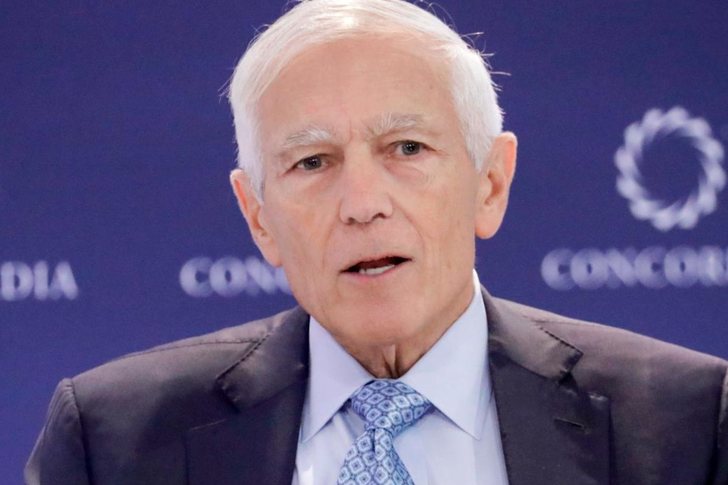
General Wesley Clark, in his testimony in The Hague, was a...
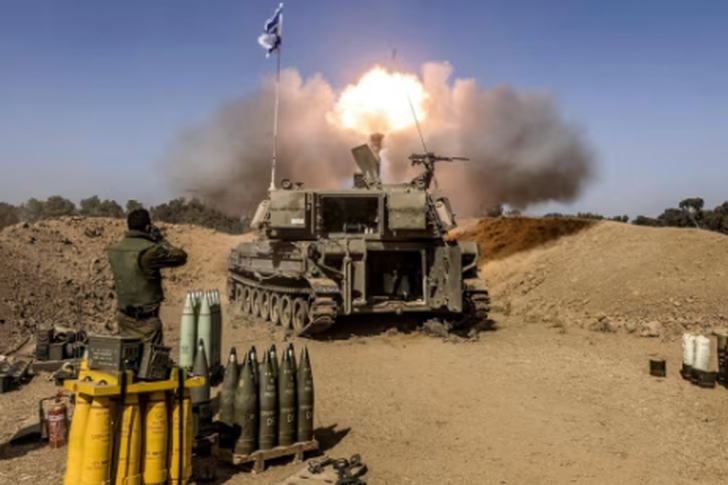
The German government announced this Monday that it is lif...
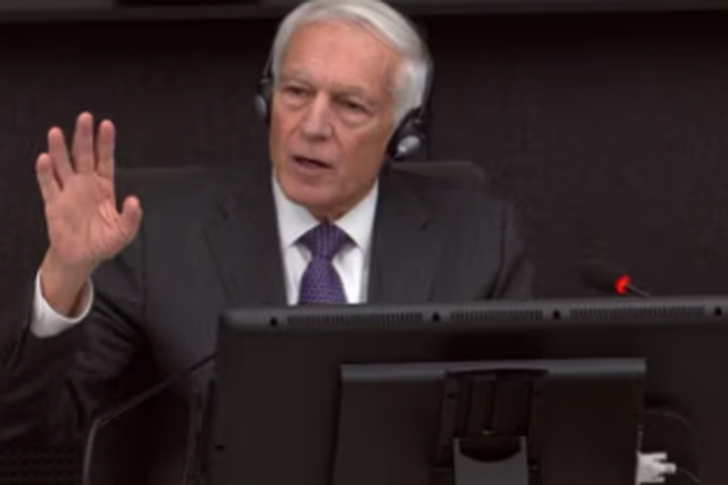
Retired General Wesley Clark will be the last to testify o...

US President Donald Trump has called on Republicans in the...
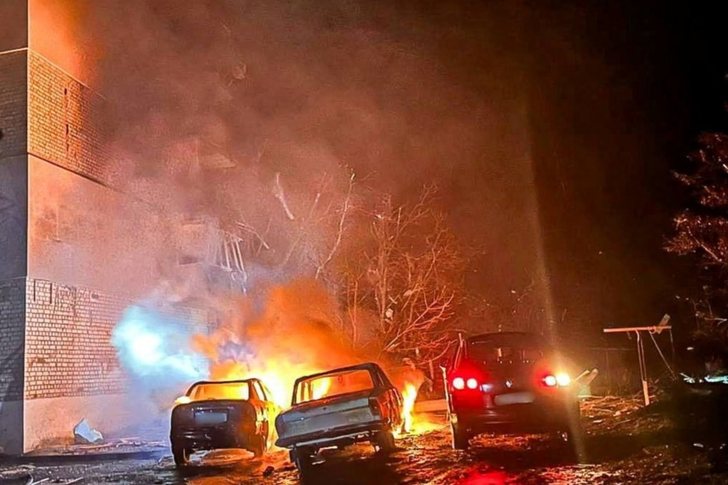
Russia has continued its deadly bombardment of Ukrainian c...
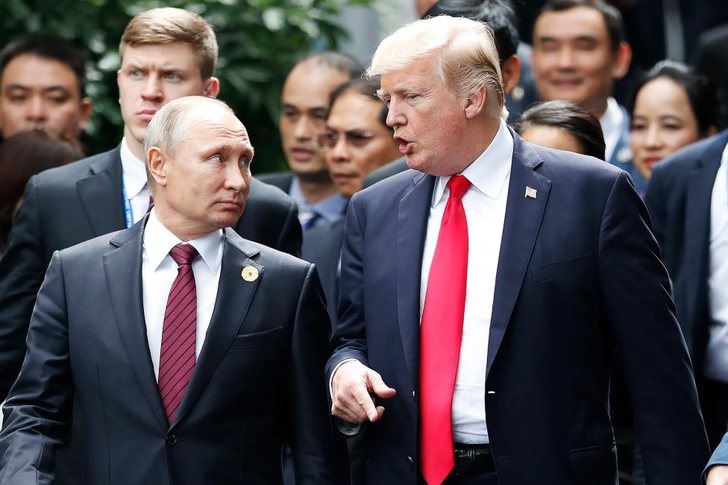
US President Donald Trump has said Republican lawmakers ar...

Storm Claudia, which has been circulating across Europe fo...

A volcano on Sakurajima in southwestern Japan erupted on S...

Presidenti ukrainas Volodymyr Zelensky tha këtë të diel se...

Forced prostitution and human trafficking are on the rise ...
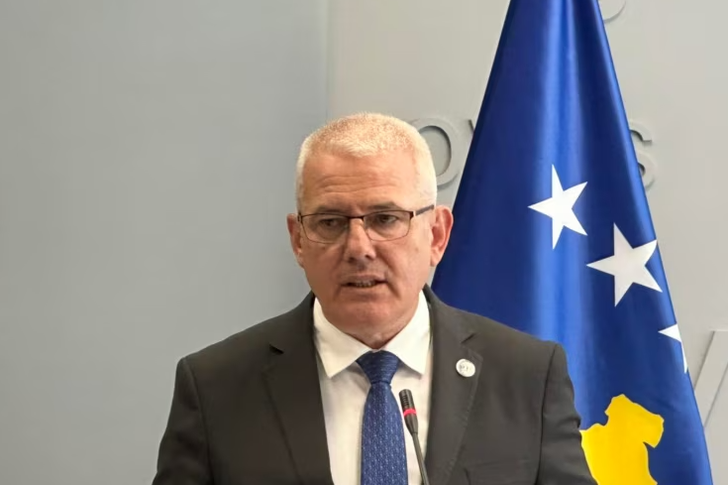
Kosovo's acting Minister of Interior, Xhelal Sveçla, has c...

After protests in several different cities in Europe, comp...
The Democratic Party of Kosovo (PDK) has insisted on its r...
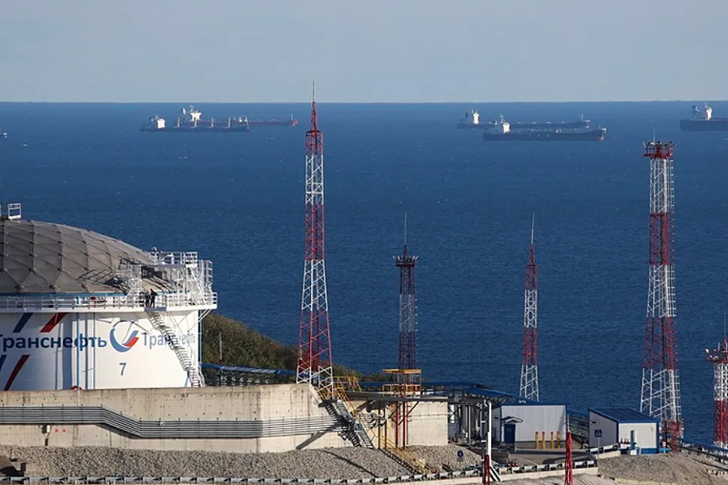
A major oil terminal in the Russian port city of Novorossi...
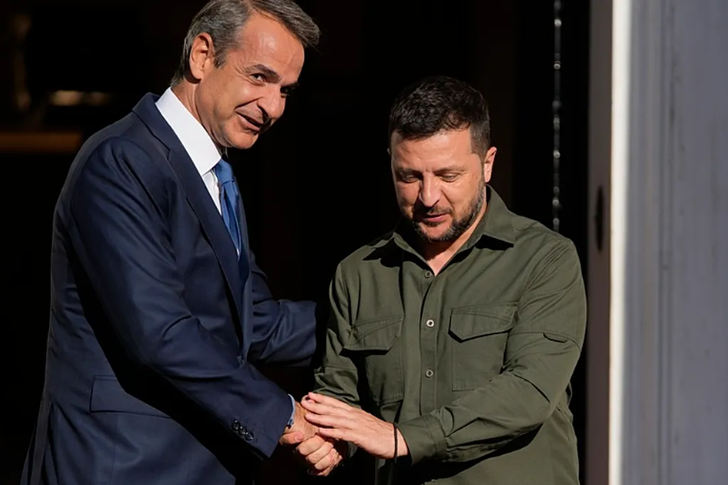
The Ukrainian president is expected to visit Athens today....
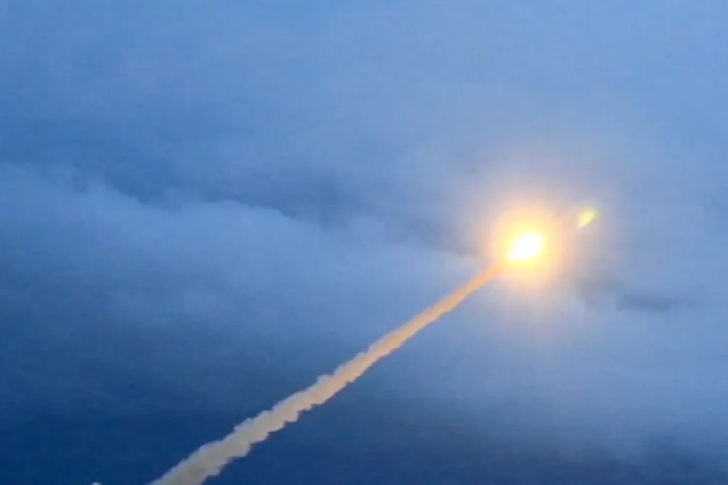
Vladimir Putin's new superweapon, the Petrel, has apparent...

Bad weather has hit the wider Genoa area in Italy today, c...
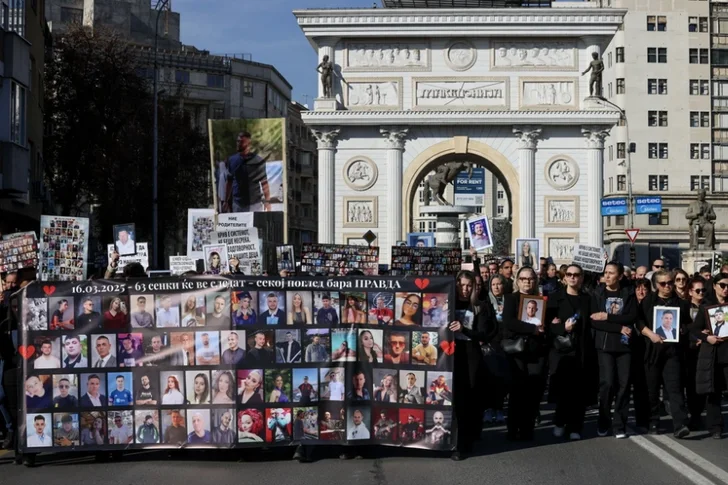
Thousands of people in Skopje protested in the city center...

CNA has launched another investigation that could lead to ...

Irfan Hysenbelliu is a businessman that we call "Irfan the...

In March 2026, CNA launched another investigation centered...
The arrested mayor of Tirana, Erion Veliaj, with 13 charge...

The Special Board of Appeal (KPA) decided this Monday ...

The KPA vetting decided this Thursday to dismiss the p...

Suela Salavaçi, a prosecutor in the Prosecutor's Offic...

The Special Board of Appeal reinstated the prosecutor ...

Footage emerges from the serious accident that occurred th...

A Shkodra traffic police officer was hit with hard objects...

This Wednesday, around 4:00 PM, a serious accident occurre...

Tirana Police have shared details regarding the accident t...

A serious accident that occurred this Wednesday with the c...

The Institute of Geosciences has shared a forecast for wea...

Rising energy and fertilizer prices are expected to contin...

Over 18,000 foreign citizens from 140 countries have appli...
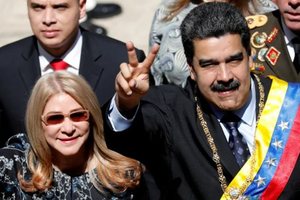
The trial of ousted Venezuelan President Nicolas Maduro on...

US President Donald Trump has issued another warning to Ir...

Prime Minister Andy Burnham has announced that most bus fa...

France's parliament has passed a law to ban social media f...

At a time when industrial products are increasingly taking...

Trust among people is not just a three-syllable word. It c...

Master of humor Todi Llupi has passed away at the age of 7...

The ninth edition of "MIK Festival" kicked off with one of...
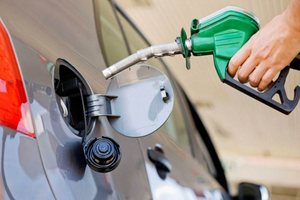
The price of diesel reached 206 lek per liter from 198 lek...

Businesses will no longer be required to simply register t...

Despite economic growth and income in recent years, Albani...

This Wednesday, one US dollar is bought for 81.4 lek and s...