


Attack in Michigan/ 4 reported dead
An attack has occurred in Michigan. Foreign media reports ...


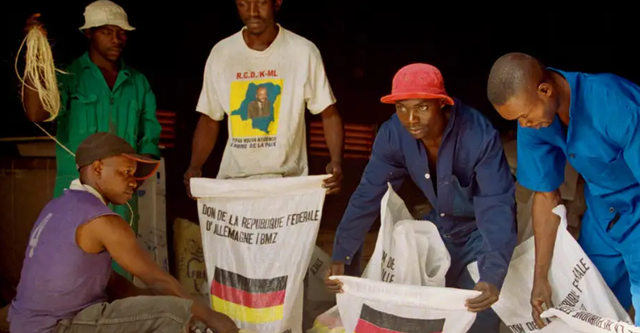
In times of shortage of money, spending is measured well: Germany cuts development aid budget by nearly 1 billion euros. Humanitarian organizations raise the alarm.
Where will the money for development aid come from, when Germany itself is being asked to make savings? It is now known: Germany will provide less money for development aid in the future, despite the growing crisis. A few days ago, the Bundestag, with the votes of the ruling coalition of the CDU/CSU and the SPD, cut the budget of the Federal Ministry for Economic Cooperation and Development (BMZ) by 10.31 billion euros. A decrease of more than eight percent. Will German development policy remain viable?
The figures are clear; there is nothing to embellish, even the German Development Minister, Reem Alabali Radovan (SPD), is aware of this, but she reminds us that "we are very far from American relations - and that is good and right."
Radovan refers to the even more massive cuts in development aid under US President Donald Trump. Alabali Radovan cited an example: "In Kenya, over 700,000 refugees, many from Somalia, are directly affected by US cuts to the World Food Programme." They receive only a third of the food rations they need. Hunger and malnutrition are increasing dramatically. "Tensions are rising, many people are being forced to flee to other areas and the region is becoming increasingly destabilised," warned the 35-year-old German minister. "This is unacceptable from a humanitarian perspective and also does not correspond to Germany's security interests."
What consequences do the cuts bring for humanitarian organizations?
Germany's cuts to development aid are having serious consequences, according to humanitarian organizations. Specifically, the emergency aid fund, for which the Federal Foreign Office (FAO) is responsible, now has less than half the amount available compared to 2024: 1.05 billion euros instead of 2.23 billion euros.
Thorsten Klose-Zuber, Secretary General of the organization "Help - Hilfe zur Selbsthilfe" (Help - Aid for Self-Help) sounds the alarm: "With the loss of humanitarian aid from the United States, as well as the halving of the German budget, we are not only facing financial problems. For many years, we have barely managed to reach half of the affected people with aid."
A look back to 2022 shows how quickly and dramatically the downward spiral continues: Since then, the German emergency aid budget has been cut by a third. "The German cut alone, from two billion euros to one billion, will result in more than four million people worldwide no longer receiving food aid," criticizes Klose-Zuber. He estimates that the total number of people in need is more than 320 million.
Dramatic consequences for drinking water supply and healthcare
The drastically reduced aid funds are already having concrete effects in other areas: "Over one and a half million people will lose basic healthcare due to German cuts," says the Help expert. He adds that the situation is similar with regard to access to clean drinking water.
According to Klose-Zuber, almost everything is missing in crisis regions. It's not just about countries at war, but also those affected by natural disasters such as earthquakes: "Like what we saw in Myanmar or Afghanistan," the expert recalls. In both countries, there were thousands of deaths and massive destruction.
"I feel more and more like an emergency doctor"
Klose-Zuber's conclusion sounds desperate: "I feel more and more like an emergency doctor who arrives at a traffic accident with five seriously injured people, and now I have to prioritize who will die and who else I should take care of." This is the state of the humanitarian organization, says Klose-Zuber. They can only focus on those places where the need is much, much greater.
From the perspective of the opposition Green Party, the massive cuts in development and emergency aid are irresponsible. "Nobody claimed that we could just fill the gap left by the US withdrawal," says MP Jamila Schäfer. "But the fact that we are not even trying to fill this gap in any way is painful. Especially for the people affected."
How the German economy benefits from development aid
The ruling CDU/CSU parties have a different view on the effectiveness of German and international development aid: "I think it's wrong to spread global panic," says CDU parliamentarian Inge Gräßle. We want to show that even with ten billion euros, good results can be achieved in development cooperation, according to Gräßle.
It could have been even worse if the Alternative for Germany (AfD) had achieved its goal. The AfD wanted the budget of the Federal Ministry for Economic Cooperation and Development to be drastically cut to 2.5 billion euros. But despite the cuts, it is about four times higher. Mirco Hanker considers this a "waste of taxpayers' money." As an example, he cites the electromobility concepts in India supported by Germany. "One can at least ask the question whether India, as a large nation and emerging power that has successfully landed spacecraft on the moon, cannot finance its own concepts and infrastructure?"
Criticism of individual aid projects is as old as development aid itself. At the same time, however, the German economy often benefits from it. A team from the University of Göttingen proved in a study commissioned by the German bank "Kreditanstalt für Wiederaufbau" (KfW) presented in 2024: "German development cooperation combats global crises and improves living conditions in partner countries - and it also has a clear positive effect on the German export economy," said KfW board member Christiane Laibach.
According to the study, more than a third of every euro invested in development cooperation returns to the German economy. German Development Minister Reem Alabali Radovan is also aware of such effects. "Every euro invested wisely around the world promotes security and peace, including for us in Europe and Germany," the Social Democrat emphasized./ DW

An attack has occurred in Michigan. Foreign media reports ...
US President Donald Trump will attend a meeting between th...
New York City Mayor Eric Adams is ending his bid for re-el...
Democratic Party member Ilir Alimehmeti spoke today regard...
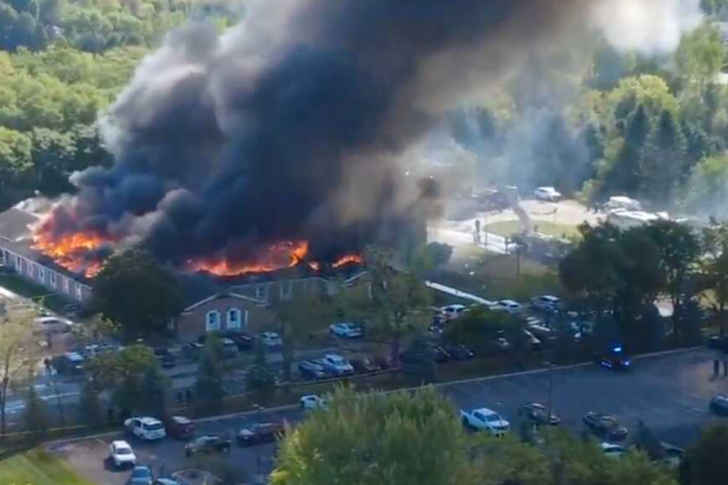
New details have emerged from the incident in Michigan, wh...

Ecumenical Patriarch of Constantinople Bartholomew preside...
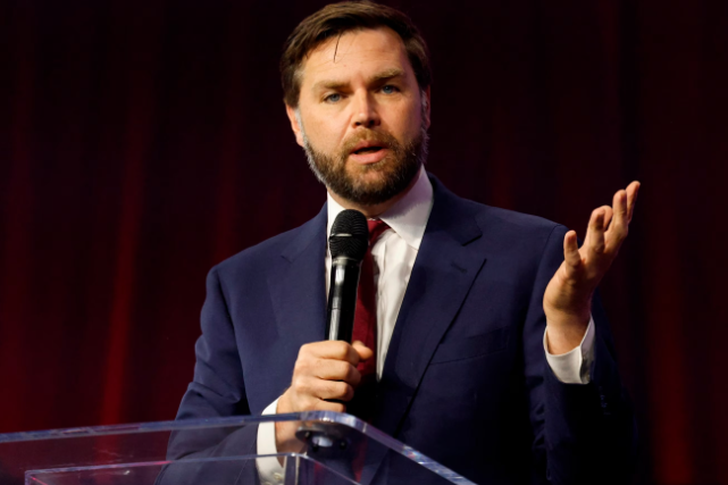
US Vice President JD Vance says the Trump administration i...
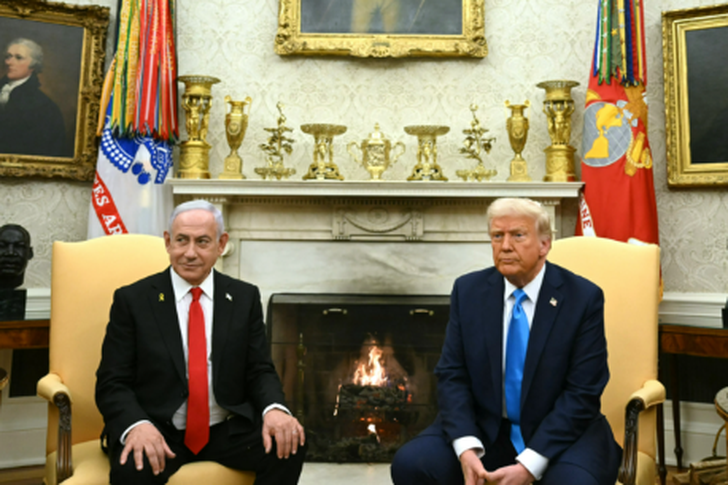
Israeli Prime Minister Benjamin Netanyahu will meet with U...

Several people have been shot at a church in the US state ...
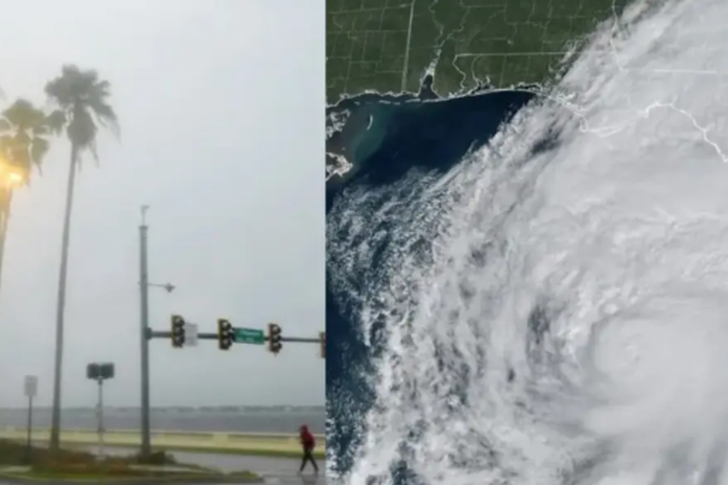
A tropical storm could soon threaten parts of the southeas...

In Moldova, polling stations have been open since morning,...
US President Donald Trump said on Sunday that there is a r...

King Charles III and Queen Camilla will meet with Pope Leo...
Iranian lawmakers discussed on Sunday how to respond to re...
A powerful earthquake has struck Turkey again. According t...
Comprehensive UN economic and military sanctions have been...

After a relatively quiet summer, a series of anti-governme...
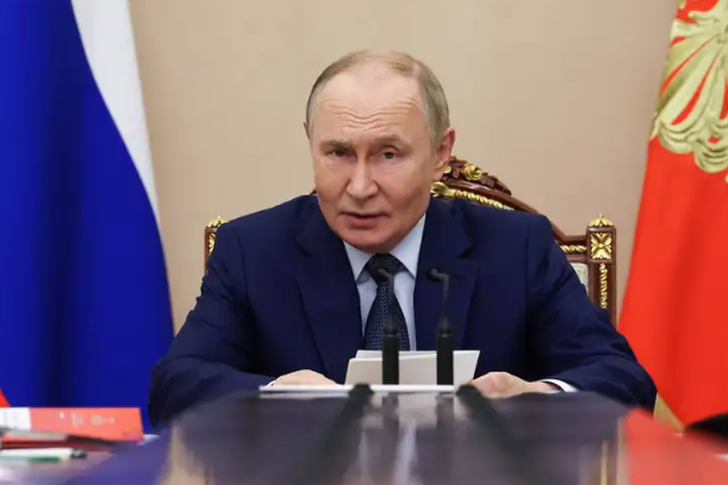
The Russian economy is faltering. Could further sanctions ...
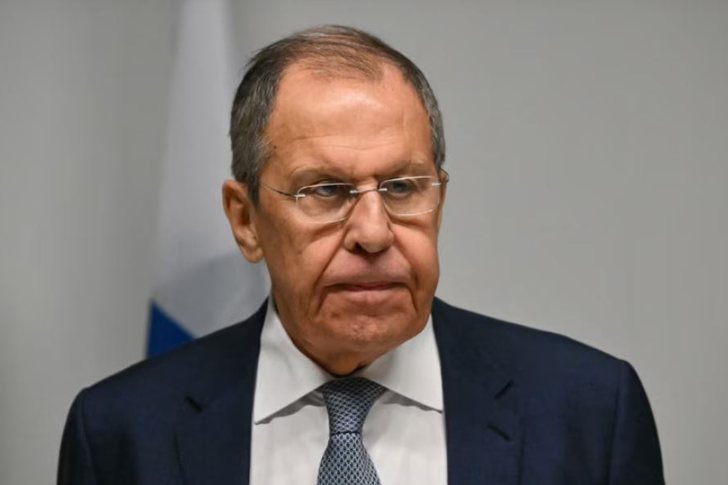
Ministri i Jashtëm i Rusisë, Sergei Lavrov, tha se vendi i...
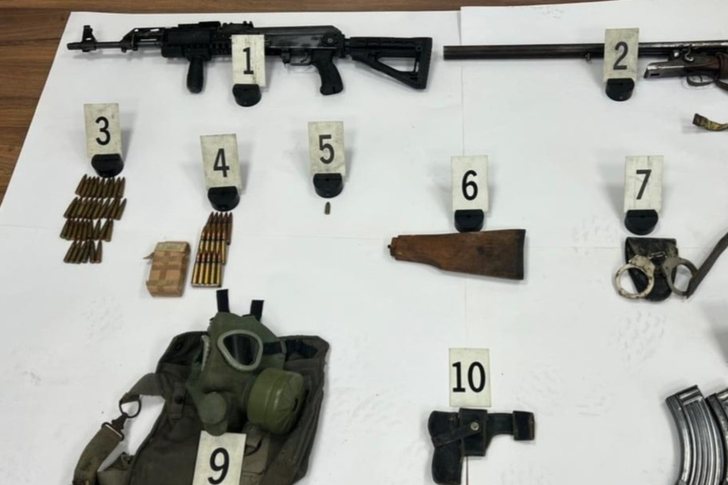
Policia e Kosovës tha se në podrumin e një ndërtese në Mit...

CNA has launched another investigation that could lead to ...

Irfan Hysenbelliu is a businessman that we call "Irfan the...

In March 2026, CNA launched another investigation centered...
The arrested mayor of Tirana, Erion Veliaj, with 13 charge...

The Special Board of Appeal (KPA) decided this Monday ...

The KPA vetting decided this Thursday to dismiss the p...

Suela Salavaçi, a prosecutor in the Prosecutor's Offic...

The Special Board of Appeal reinstated the prosecutor ...

Footage emerges from the serious accident that occurred th...

A Shkodra traffic police officer was hit with hard objects...

This Wednesday, around 4:00 PM, a serious accident occurre...

Tirana Police have shared details regarding the accident t...

A serious accident that occurred this Wednesday with the c...

The Institute of Geosciences has shared a forecast for wea...
Rising energy and fertilizer prices are expected to contin...

Over 18,000 foreign citizens from 140 countries have appli...
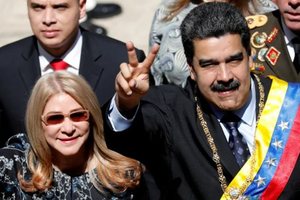
The trial of ousted Venezuelan President Nicolas Maduro on...
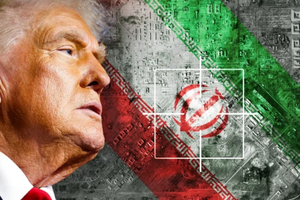
US President Donald Trump has issued another warning to Ir...
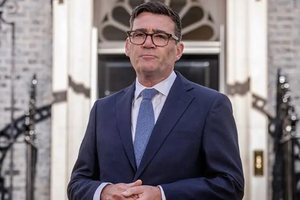
Prime Minister Andy Burnham has announced that most bus fa...

France's parliament has passed a law to ban social media f...

At a time when industrial products are increasingly taking...

Trust among people is not just a three-syllable word. It c...

Master of humor Todi Llupi has passed away at the age of 7...

The ninth edition of "MIK Festival" kicked off with one of...
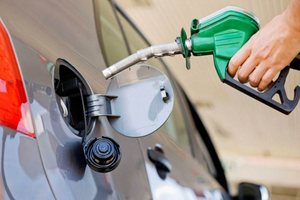
The price of diesel reached 206 lek per liter from 198 lek...

Businesses will no longer be required to simply register t...

Despite economic growth and income in recent years, Albani...

This Wednesday, one US dollar is bought for 81.4 lek and s...