


Sulmi në Golan/ Izraeli: Hezbollahu shkeli të gjitha vijat e kuqe
Israel's Foreign Ministry said on July 28 that Hezboll...


As part of its "growth initiative", the German government plans to introduce a provision under which professionals newly arrived in Germany can have 30, 20 and 10 percent of their gross salary tax-free for the first three years. A lower and upper limit for the gross salary will be determined for this benefit. After five years, it is planned to evaluate the effectiveness of this measure. In Germany, as a rule, a progressive income tax is applied at the rate of 14 percent to a maximum of 45 percent, depending on the income.
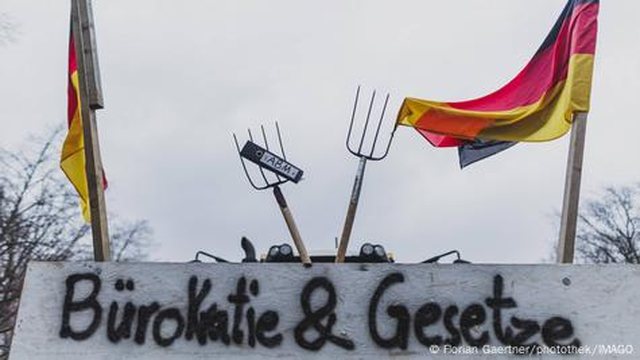
While the proponents of this measure for foreign workers wanted to make the German labor market as financially attractive as possible for qualified foreign workers, they are strongly opposed by union representatives. Unions fear a "double taxation system".
The Federal Minister of Economy, Robert Habeck, on the other hand, emphasizes that experts prefer to go to other countries, for example to Scandinavia, because of the better tax conditions and believes that "it is worth trying this measure and bringing people in Germany this way."
Federal Finance Minister Christian Lindner refers to similar rules that exist in many other European countries.
Here's what it looks like in some of them.
Southern European countries are especially trying to attract experts with tax incentives. The newspaper Süddeutsche Zeitung investigated this in the example of Portugal. There, high earners and freelancers who can work from anywhere in the world will be lured by a flat income tax rate of 20 percent valid for ten years. Normally, in this country employees pay a progressive tax of 14.5 to 48 percent.
The condition for the application of the 20 percent rate is that the workers spend more than half of the year in Portugal and work there. This rule does not apply to pensions, capital gains or dividends. This caused resentment in EU countries with high capital taxes, as wealthy pensioners began to move to Portugal.
This is just one of dozens of reform measures that Portugal wants to boost its economy. Thus, for example, the profit tax rate is intended to gradually decrease from 21 to 15 percent.
According to data from the Reuters agency, a total of 74,000 people have used the preferential tax rate in 2022. The 20 percent rule has existed in a modified form since 2009 and was intended as one of many measures to increase the country's productivity under the influence of the financial crisis.
In neighboring Spain, there is also a reduced tax rate for foreign workers. This "tax rate for foreigners" is higher than in Portugal. Here the rule applies, according to which professionals can expect a tax rate of around 24 percent.
The rules in Italy are very complicated and depend on many details: how long you have been in the country, how much you earn, the number of children and the age of the children in the family. According to the Itaxa blog (an online service that advertises "international tax rules in simple words"), up to 90 percent of income can be tax-free - but only under optimal conditions and therefore rarely.
Northern European countries also give tax breaks. A study by the Leibniz Information Center for Economics rated these tax breaks as effective, but also warned of negative effects for countries of origin, as they could trigger a brain drain.
In Sweden, 25 percent of income is exempt from taxes. According to consulting firm Ernst & Young, the country even increased tax incentives in 2024. Qualified non-Swedish employees with incomes of around 10,000 euros a month now have to tax only 75 percent of their income for seven years instead of five. it has been until now.
In Denmark, especially qualified experts, for example scientists, pay only 27 percent of income tax for seven years - plus social contributions. Other employees with a monthly salary of around €10,000 only pay a tax rate of 32.84 percent - even though the highest tax rate in Denmark is actually 53 percent.
Even in the Netherlands, in-demand experts can significantly save taxes. It applies the "30 percent rule" (meaning that almost a third of income is tax-free), which is attractive, but also controversial and constantly changing.
The rule is a way to achieve "tax fairness", as there are many options for individual tax returns with many opportunities for tax deductions.
The complex rules show that this is not a massive tax break - nor a deliberate "generosity" to fill gaps with immigrants. The rule aims to transfer the system of tax-free benefits for a certain period to foreigners in the Netherlands in order to facilitate their adaptation. This is the most important difference compared to the discussion taking place in Germany./ DW

Israel's Foreign Ministry said on July 28 that Hezboll...

With around 3.6 million inhabitants (data from May 2022), ...
A Russian agency is pushing new rules of conduct for Centr...

The German government has approved a draft law on digital ...

The F-16 fighter jet has been in service for fifty years, ...

Numerous rockets hit the northern city of Israel, Majd...

Vice President Kamala Harris' new economic plan is bei...

Violence against women and girls in England and Wales ...
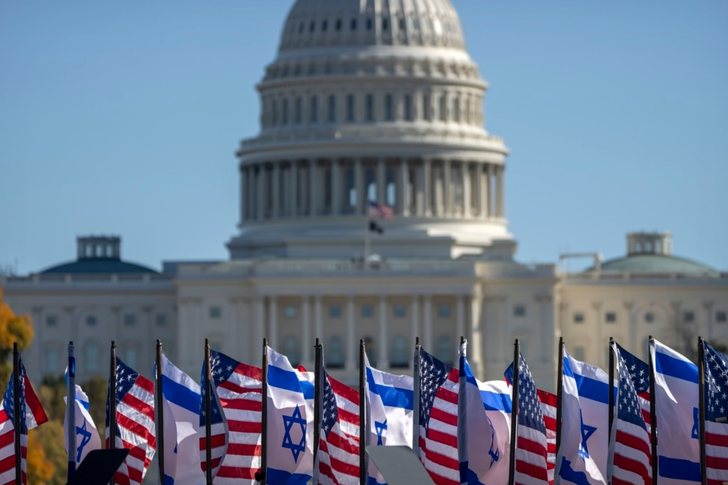
Potential rivals in the US presidential election, Vice...
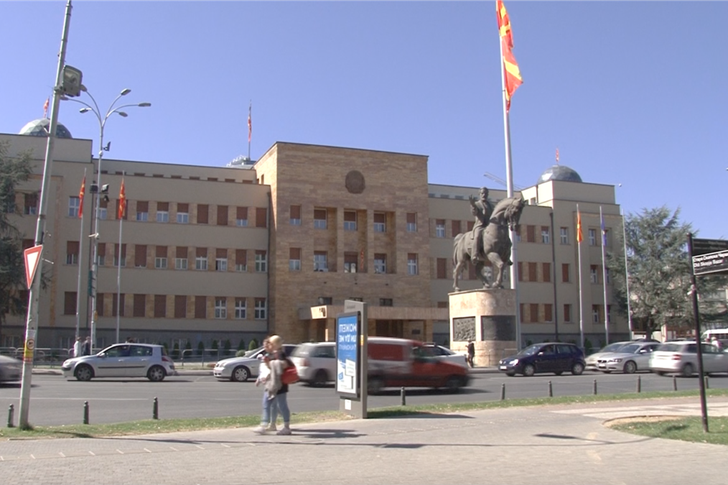
Some deputies of the Democratic Union for Integration in N...
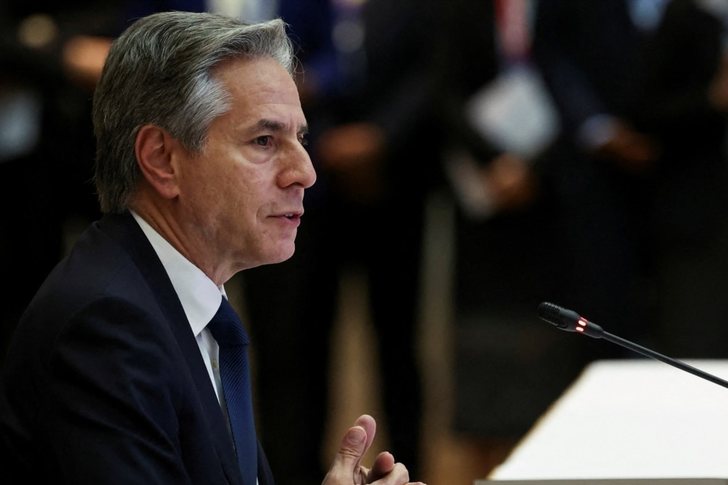
US Secretary of State Antony Blinken asked Southeast A...
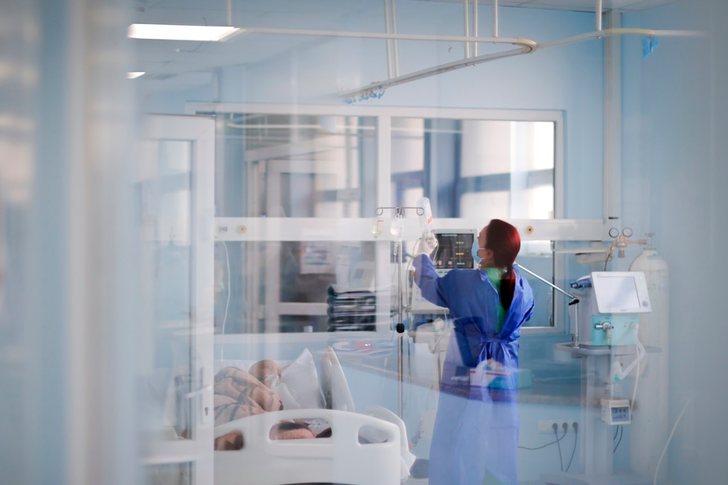
The National Institute of Public Health of Kosovo (IKSHPK)...
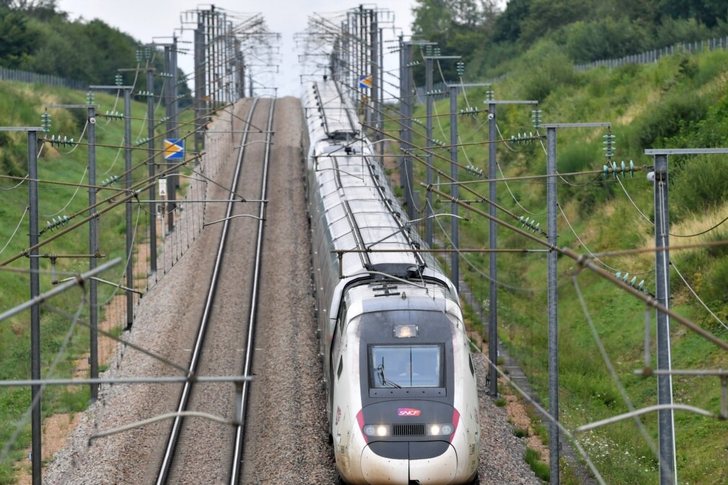
France's interior minister said today that he could not ru...
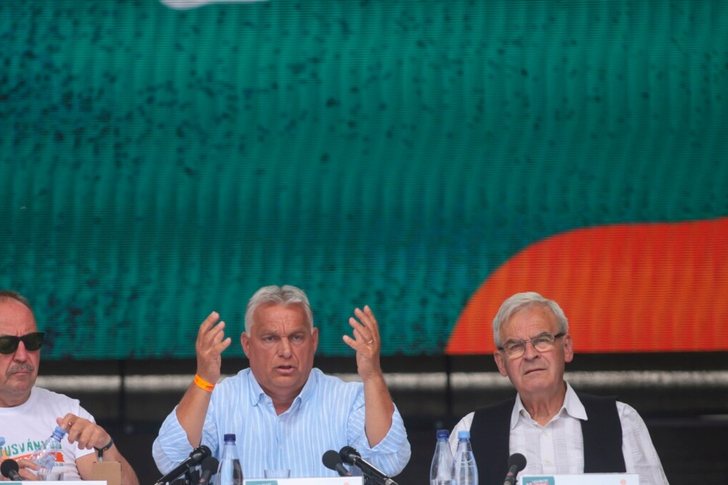
Hungarian Prime Minister Viktor Orban has again critic...

On July 27, the Israeli army ordered the evacuation of...
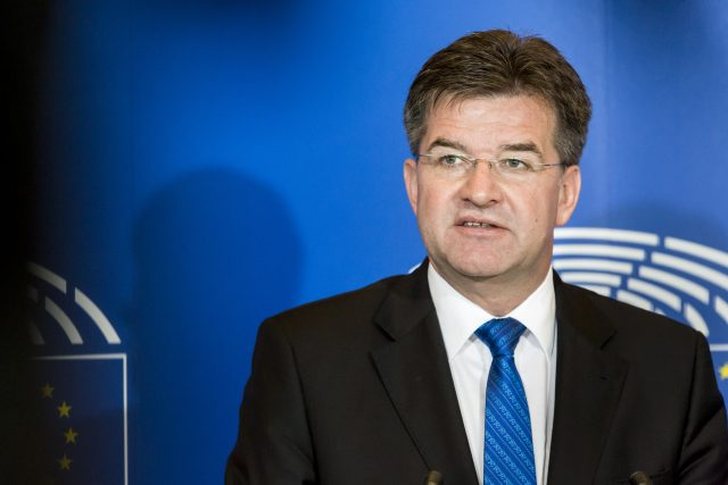
Miroslav Lajçak will continue to be the EU emissary fo...

About 4,000 people have been forced from their homes i...

Delegacionet nga Egjipti, SHBA, Katari dhe Izraeli pri...

Ismael 'El Mayo' Zambada is one of the most notorious ...

The Republican candidate for the presidential election...

CNA has launched another investigation that could lead to ...

Irfan Hysenbelliu is a businessman that we call "Irfan the...

In March 2026, CNA launched another investigation centered...
The arrested mayor of Tirana, Erion Veliaj, with 13 charge...

The Special Board of Appeal (KPA) decided this Monday ...

The KPA vetting decided this Thursday to dismiss the p...

Suela Salavaçi, a prosecutor in the Prosecutor's Offic...

The Special Board of Appeal reinstated the prosecutor ...

Footage emerges from the serious accident that occurred th...

A Shkodra traffic police officer was hit with hard objects...

This Wednesday, around 4:00 PM, a serious accident occurre...

Tirana Police have shared details regarding the accident t...

A serious accident that occurred this Wednesday with the c...

The Institute of Geosciences has shared a forecast for wea...

Rising energy and fertilizer prices are expected to contin...
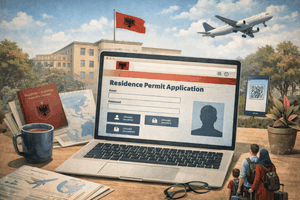
Over 18,000 foreign citizens from 140 countries have appli...

The trial of ousted Venezuelan President Nicolas Maduro on...
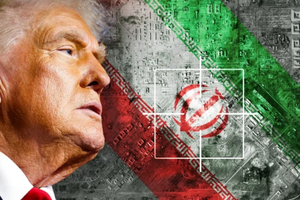
US President Donald Trump has issued another warning to Ir...

Prime Minister Andy Burnham has announced that most bus fa...

France's parliament has passed a law to ban social media f...

At a time when industrial products are increasingly taking...

Trust among people is not just a three-syllable word. It c...

Master of humor Todi Llupi has passed away at the age of 7...

The ninth edition of "MIK Festival" kicked off with one of...

The price of diesel reached 206 lek per liter from 198 lek...

Businesses will no longer be required to simply register t...

Despite economic growth and income in recent years, Albani...

This Wednesday, one US dollar is bought for 81.4 lek and s...