

Avionët F-16, 50 vjet në shërbim të qiejve të NATO-s dhe partnerëve të saj
The F-16 fighter jet has been in service for fifty years, ...


The German government has approved a draft law on digital security, which will be debated by the Bundestag. It is envisaged that companies will better train their employees in this area and ensure greater protection of access to digital systems through a multi-factor security option that provides for at least two steps of verification before they can be entered into computer systems. The new rules will apply to at least 30,000 German companies.
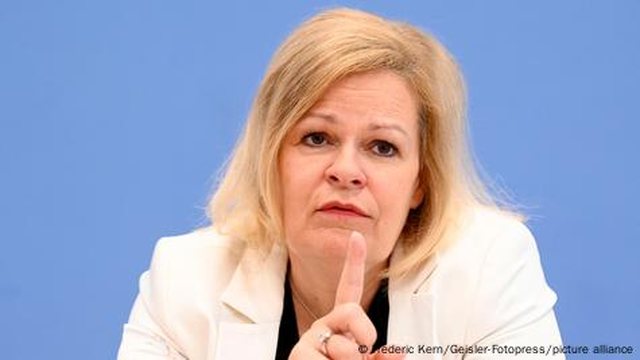
Germany is obliged to adopt this law, because the European Union requires it with the NIS2 directive. The Social Democratic Minister of Internal Affairs, Nancy Faeser, in the Ministry's media statement said that the law is being adopted to strengthen the resistance of the German economy to cyber attacks.
An important component of the future law is the provision that the company's management must take over the guarantee in case the appropriate digital protection measures are not taken. Management must enable the development of a concept of defense against cyber attacks and data protection. This is called "backup-management" in the profession.
Dennis-Kenji Kipker from the University of Bremen says that the management of the company must have knowledge and that those who do not get this knowledge risk losing the right to be in charge of the company. Kipker adds: "Digital security is completely uncharted territory in many areas of German industry."
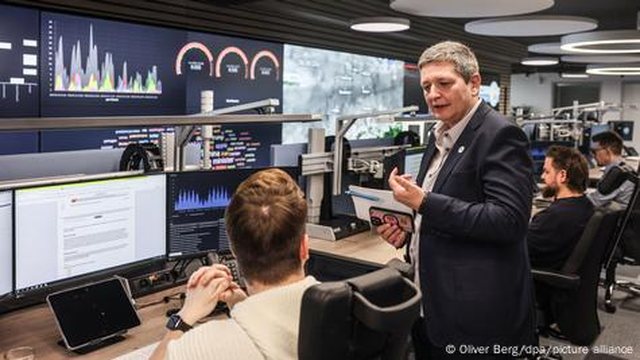
The Federal Institute for Security in Information Technology (BSI) will have expanded powers. Companies must register with that institution and send extensive reports in the event of a cyber incident. If someone breaks the security rules, this state institution has the right to intervene and sanction more quickly.
The government has provided for large fines in the draft law. In the case of large and important companies, the fine can be up to two percent of the annual turnover. We are talking about amounts that can be several million euros each.
Bremen law professor Denis-Kenji Kipker criticizes the non-transparency of the law-making process. He says the current draft is the best possible compromise. Although the Federal Institute for Security in Information Technology took on more tasks and responsibilities, it did not become politically independent. Kipker says that instead this institution has remained integrated into the structure of the Ministry of the Interior.
Also, it is noted that the draft law is inaccurate in crucial segments, which unnecessarily complicates the work of law enforcement for companies. Karsten Bartel, a lawyer from the IT Security Association (TeleTrustT), says that it is not clear, for example, what additional measures should be taken by critical infrastructure companies in the areas of water supply or energy supply.
The draft envisages that such companies take on the obligation to put in place stricter security measures compared to companies that are less threatened. But it is not clear what exactly it means. "Companies need concrete regulation. If the draft as it is becomes law, it will immediately create the need for improvement", says Bartel.
Entrepreneurs' associations are also included. They welcome the improvement of digital security in a wide range of industries and the legal obligation to improve security. Paul Ruland from the Federal Association of Medium Enterprises (BVMW) says that in difficult economic times this will not always be easy to achieve. The German Association of Medium-sized Entrepreneurs (DMB) believes that German small and medium-sized enterprises must make up a lot of lost ground in this area. However, the alliance criticizes "a politically too ambitious plan that can hardly be implemented in reality".
In a first step, the Federal Institute for Security in Information Technology published a catalog of questions on its website. Based on them, companies can check whether the new rules also apply to them. However, there are no detailed instructions on what they should do about digital security and how to implement the new rules./ DW

The F-16 fighter jet has been in service for fifty years, ...

Numerous rockets hit the northern city of Israel, Majd...
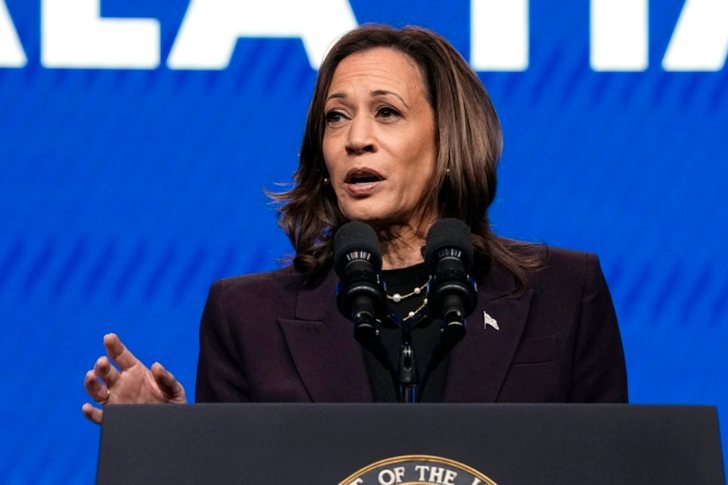
Vice President Kamala Harris' new economic plan is bei...
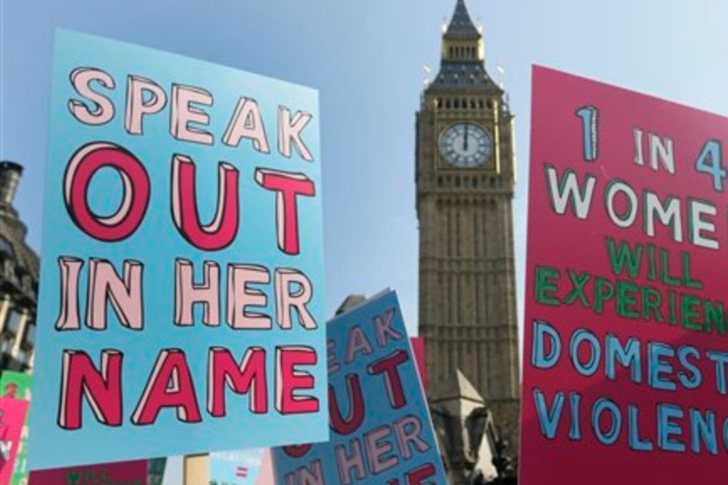
Violence against women and girls in England and Wales ...
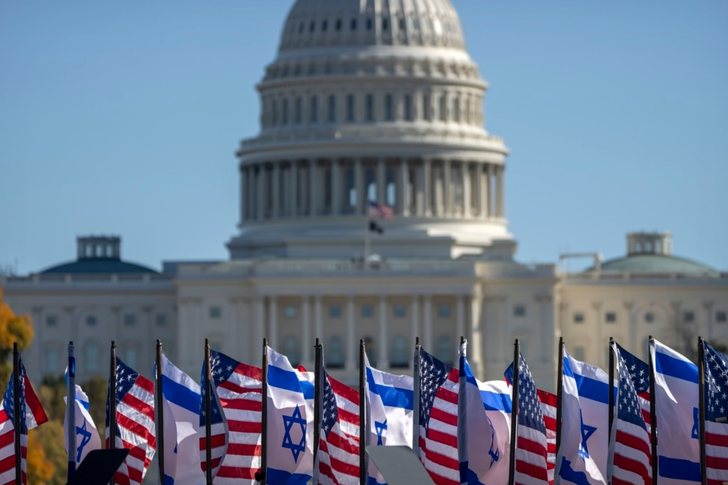
Potential rivals in the US presidential election, Vice...
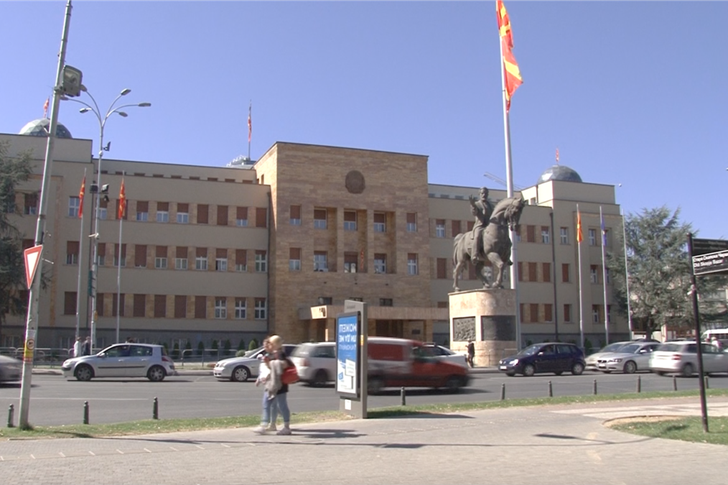
Some deputies of the Democratic Union for Integration in N...
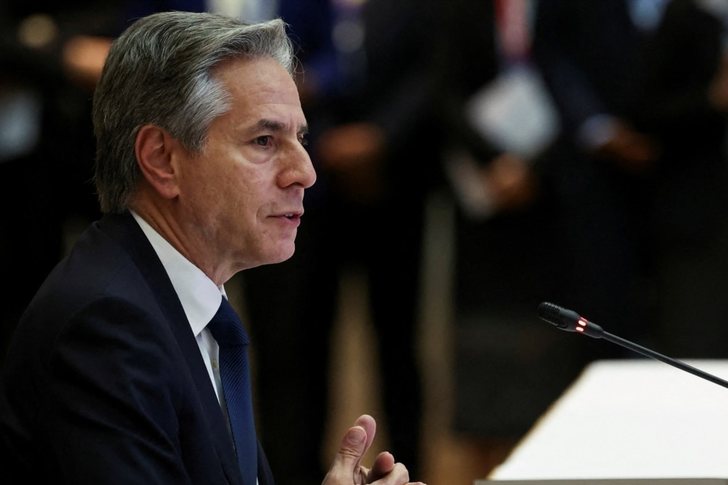
US Secretary of State Antony Blinken asked Southeast A...
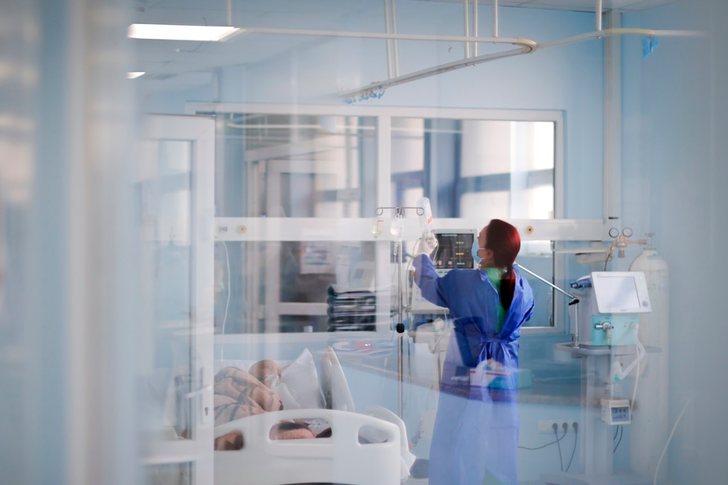
The National Institute of Public Health of Kosovo (IKSHPK)...
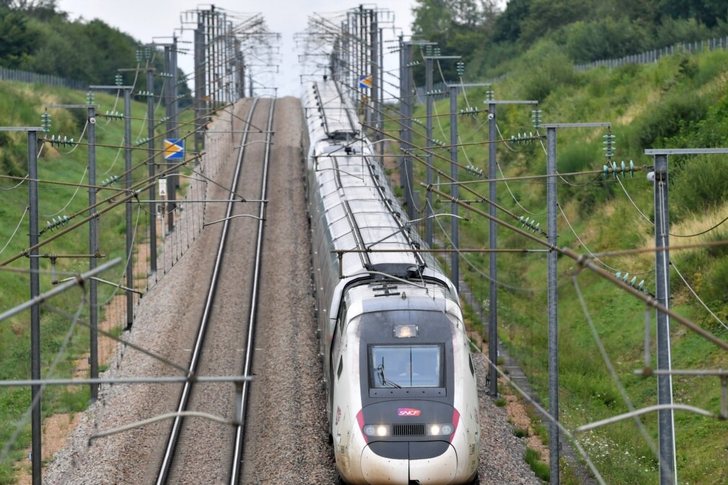
France's interior minister said today that he could not ru...
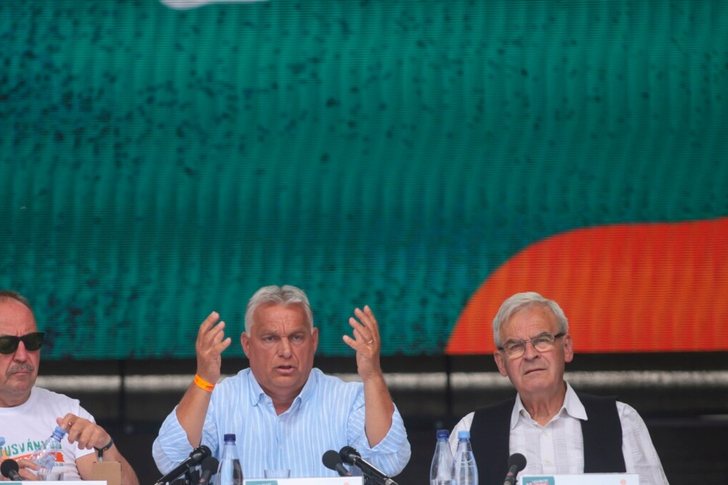
Hungarian Prime Minister Viktor Orban has again critic...
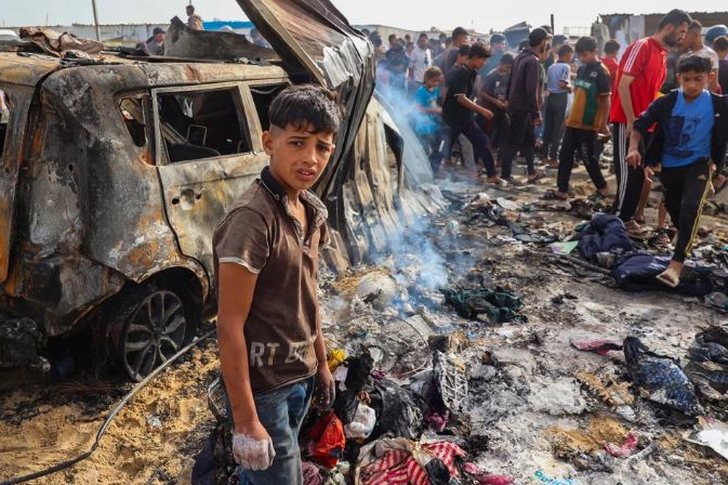
On July 27, the Israeli army ordered the evacuation of...
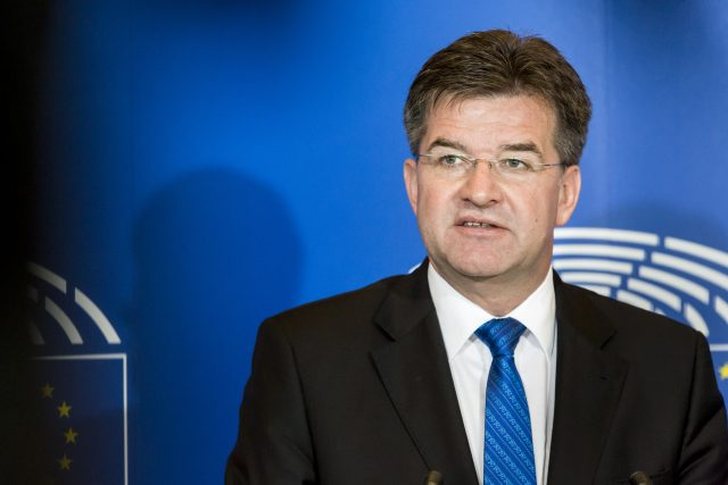
Miroslav Lajçak will continue to be the EU emissary fo...

About 4,000 people have been forced from their homes i...
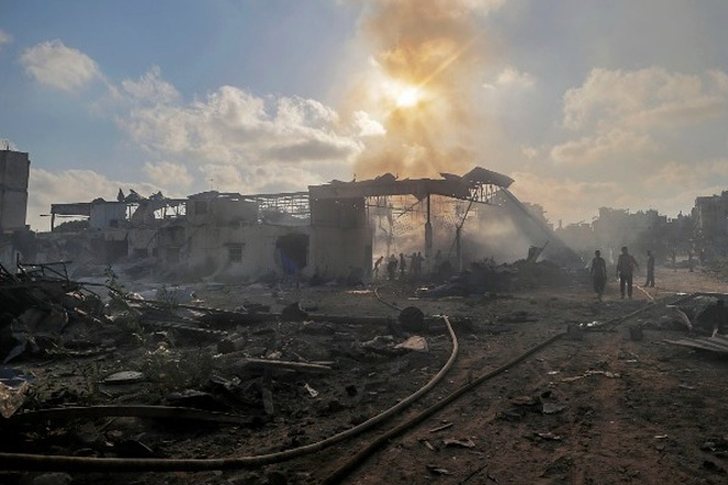
Delegacionet nga Egjipti, SHBA, Katari dhe Izraeli pri...
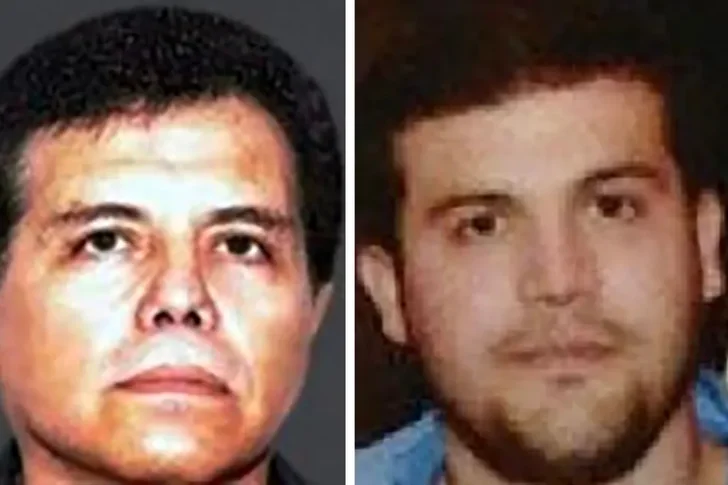
Ismael 'El Mayo' Zambada is one of the most notorious ...
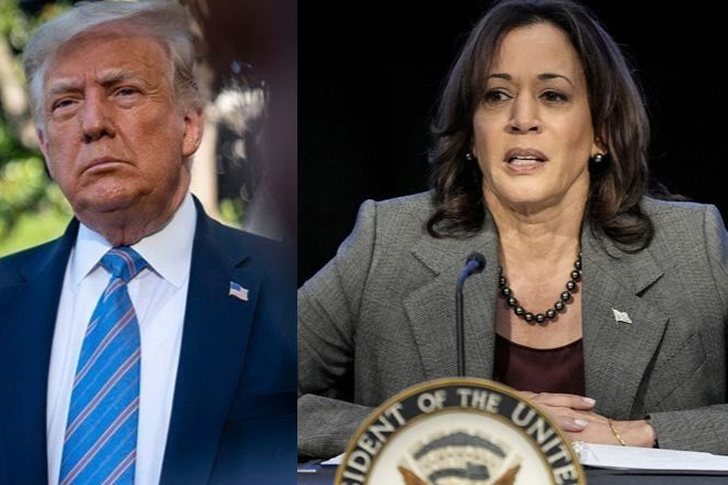
The Republican candidate for the presidential election...
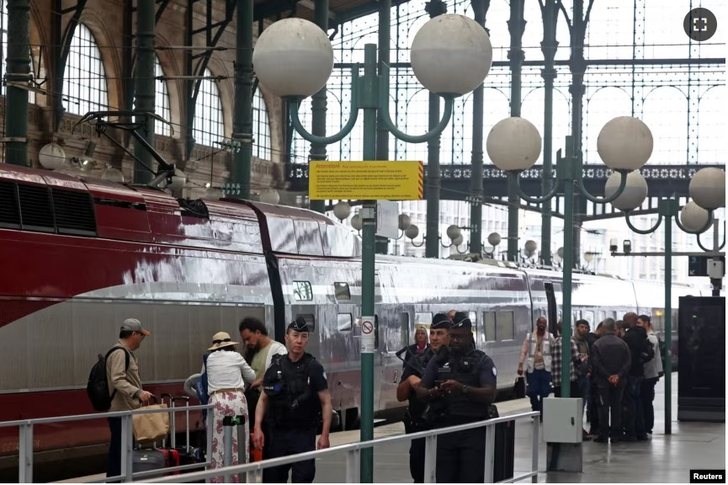
French rail company SNCF has warned that service disru...
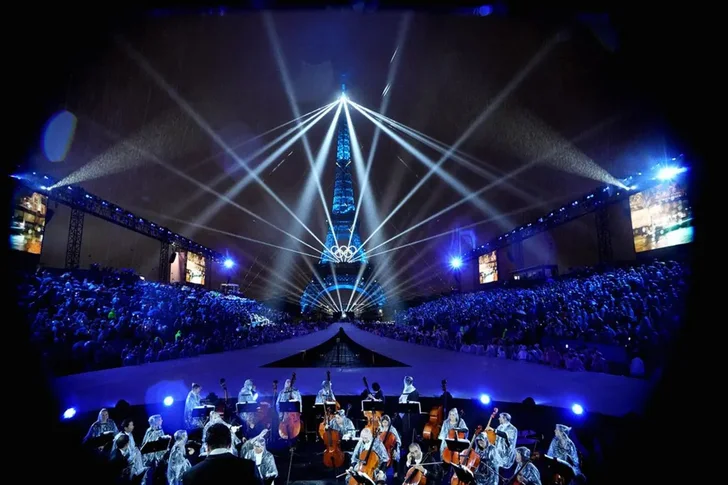
The opening of the Paris 2024 Olympics was completely diff...
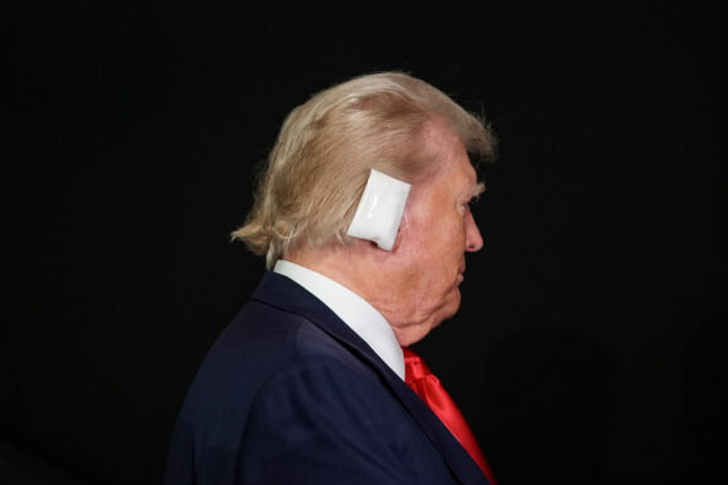
The FBI announced that former President Donald Trump w...
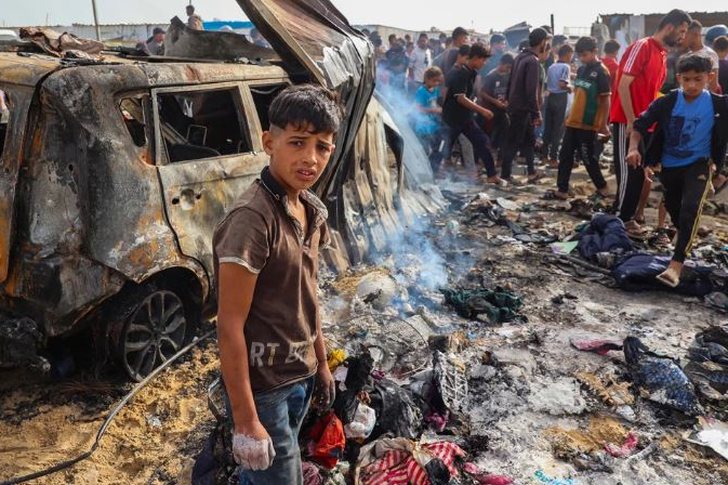
Fighting in the southern areas of Khan Younis intensif...

CNA has launched another investigation that could lead to ...

Irfan Hysenbelliu is a businessman that we call "Irfan the...

In March 2026, CNA launched another investigation centered...
The arrested mayor of Tirana, Erion Veliaj, with 13 charge...

The Special Board of Appeal (KPA) decided this Monday ...

The KPA vetting decided this Thursday to dismiss the p...

Suela Salavaçi, a prosecutor in the Prosecutor's Offic...

The Special Board of Appeal reinstated the prosecutor ...
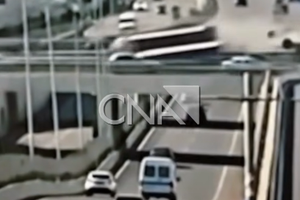
Footage emerges from the serious accident that occurred th...

A Shkodra traffic police officer was hit with hard objects...
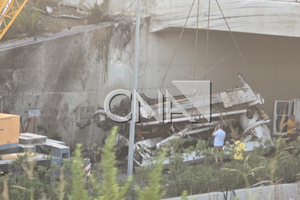
This Wednesday, around 4:00 PM, a serious accident occurre...

Tirana Police have shared details regarding the accident t...
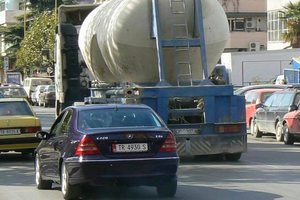
A serious accident that occurred this Wednesday with the c...

The Institute of Geosciences has shared a forecast for wea...

Rising energy and fertilizer prices are expected to contin...
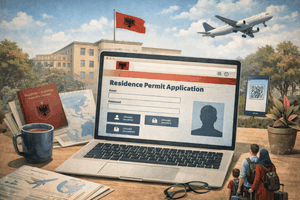
Over 18,000 foreign citizens from 140 countries have appli...

The trial of ousted Venezuelan President Nicolas Maduro on...
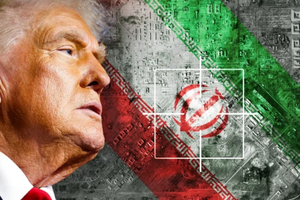
US President Donald Trump has issued another warning to Ir...

Prime Minister Andy Burnham has announced that most bus fa...

France's parliament has passed a law to ban social media f...

At a time when industrial products are increasingly taking...

Trust among people is not just a three-syllable word. It c...

Master of humor Todi Llupi has passed away at the age of 7...

The ninth edition of "MIK Festival" kicked off with one of...
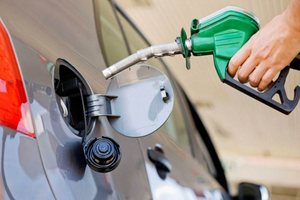
The price of diesel reached 206 lek per liter from 198 lek...

Businesses will no longer be required to simply register t...

Despite economic growth and income in recent years, Albani...

This Wednesday, one US dollar is bought for 81.4 lek and s...