


Earthquake in Japan/ Alarm signals also in North Korea and Russia
Japan issued tsunami warnings and ordered evacuations afte...


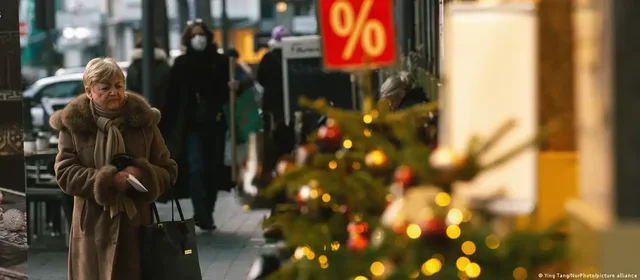
With the beginning of 2024, many reforms and changes in laws will come into force, which affect our daily lives. Here's what's changing.
As of January 1, more than five million welfare recipients (Bürgergeld) will receive an average of 12 percent more money. For singles, the amount of this aid increases by 61 euros and will reach 563 euros per month. Adults living with a partner will receive 506 euros and for each child, depending on age, from 357 to 471 euros.
Child benefit (Kinderzuschlag) is given to parents who work in Germany but have low wages. The maximum amount that can be received will increase from 250 to 292 euros, depending on income and possible assets.
Lower income limits for entitlement to maternity pay (Elterngeld) will soon apply to parents who do not work or have reduced working hours after the birth of a child. Until now, this compensation could be received by parents whose income does not exceed 300,000 euros per year, while for parents who live alone with children, if they do not earn more than 250,000 euros. From April 2024, this limit for couples will initially decrease to 200,000 annual income, while from April 2025 to 175,000 euros. For single parents, the €150,000 limit comes into effect from April.
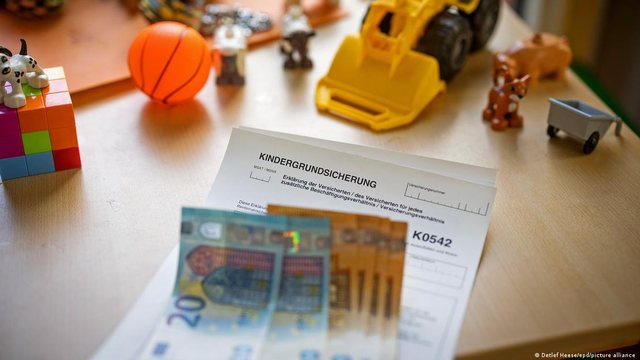
Employed parents, who are legally insured, from 2024 have the right to payment for the time they take care of sick children (Kinderkrankengeld) up to 15 days, i.e. both 30 days. Whereas if only one parent lives with the child, he has the right to be paid up to 30 days. So far it has been 10 and 20 days respectively.
From 2024, the minimum wage defined by law will increase from 12 to 12.41 gross euros per hour of work. An increase to 12.82 euros per hour of work in 2025 is also planned. This increases the maximum amount allowed for employees with the so-called minimum work (Minijob) from 520 to 538 euros. This is also the profit limit, above which taxes and other contributions are not paid. Even the minimum wage for professional training (Azubi) in the first year will increase by 4.7 percent, in all 649 euros. But here there can be exceptions through tariff contracts.
In the new year 2024, the non-taxable base (Grundfreibetrag), i.e. the amount of income for which the person is not obliged to pay tax, will also increase - from 10,908 to 11,784 euros. The tax-free base for children (Kinderfreibetrag) will also increase from 6,024 to 6,612 euros. The income limit with which the highest tax is paid (Spitzensteuersatz) has also been increased, from 62,810 to 66,761 euros.
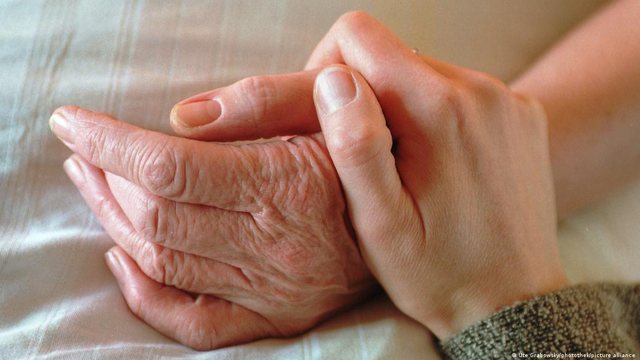
The assistance and care allowance (Pflegegeld) increases by five percent, which, depending on the level of need, means 16 to 45 euros more per month. There will also be relief for people who need care and who stay at home for the elderly: care allowances of five to ten percent are added, depending on the length of stay in the institution.
The legal retirement age in 2024 is 66 years. This applies to those born in 1958 and earlier. For those born later, the age limit will increase by two months a year, which means they will work longer.
As for energy, consumers should expect higher costs. From 2024 the Law on Heating will enter into force, according to which only those heating systems that use at least 65 percent of energy from renewable sources can be installed in new residential buildings within new built-up areas. In most cases, these should be heat pumps.
The amount of the so-called CO2 tax, meaning the tax on energy from climate-damaging sources, will increase from January. From January 1, the cost goes to 45 euros per ton, which means that fuels, oil or gas for heating will become more expensive. Due to the gap in the state budget, from January 1, the state brakes on the price of electricity and gas will be removed. But due to the drop in market prices, they no longer played any role for most consumers anyway. In 2024 there will be no more state subsidies, the so-called Umweltbonus, for the purchase of an electric car.

In the new year, going out to restaurants and cafes will also become more expensive. From January 1, the regular VAT rate will be returned to 19 percent for gastronomy, instead of the seven it has been until now.
From January 1, doctors are obliged to issue electronic prescriptions. There will also be changes for the return of plastic packaging. From January, an electronic passport for children will be introduced in Germany, with a longer duration and the possibility of using it for travel around the world. The previous children's passport did not have a security chip, so it was only issued for one year and was not recognized in some countries./ DW

Japan issued tsunami warnings and ordered evacuations afte...

Hundreds of people during the last days of 2023 were evacu...

From January 1, 2024, citizens of Kosovo will be able to t...

A powerful earthquake hit Japan this Monday. The earthqua...

Në fjalën e tij tradicionale me rastin e vitit të ri, ...
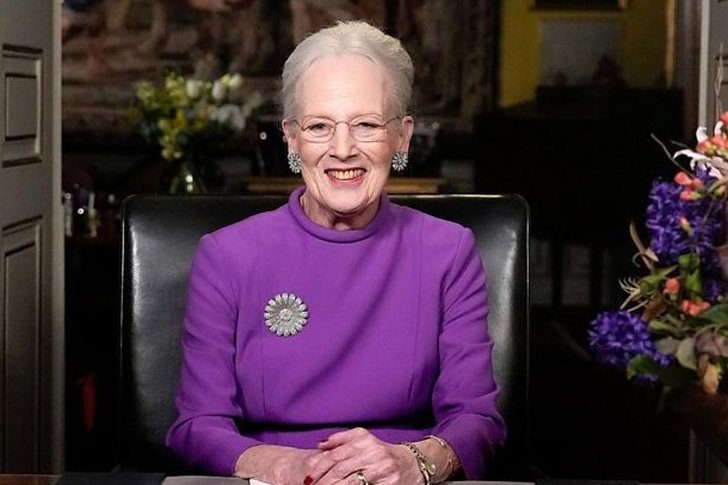
Mbretëresha e Danimarkës, Margrethe II ka njoftuar dor...

Hong Kongu ka mirëpritur vitin e ri 2024. Dhjetëra mijëra...

Spektakël spektakolar fishekzjarrësh në portin e Sydneit n...

The commander of KFOR, Major General Ozkan Ulutaş, stated ...

New Year 2024 has arrived in New Zealand. As is the tradit...

In recent years, especially after the COVID-19 pandemic an...

Monday, January 1, 2024, is a historic day for the cit...

An earthquake was registered this Saturday evening in Bosn...

The border area between the Gaza Strip and Egypt must be u...
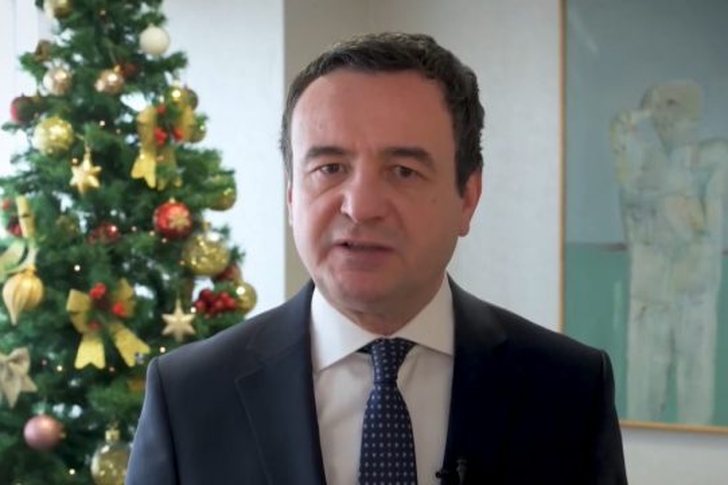
The Prime Minister of Kosovo, Albin Kurti, during a co...

Eight people were injured in Russian airstrikes in central...

Thousands of people protested in Belgrade on Saturday dema...

Ten people, including a child, were killed and 45 others w...

Pakistan's election body has barred former prime minister ...

Bulldozers built giant sand barriers Friday to protect bea...

A 39-year-old citizen has been arrested in Lezha, after se...

CNA has launched another investigation that could lead to ...

Irfan Hysenbelliu is a businessman that we call "Irfan the...

In March 2026, CNA launched another investigation centered...

The Special Board of Appeal (KPA) decided this Monday ...

The KPA vetting decided this Thursday to dismiss the p...

Suela Salavaçi, a prosecutor in the Prosecutor's Offic...

The Special Board of Appeal reinstated the prosecutor ...

An accident involving three vehicles occurred a few minute...

55-year-old Belere Plaka, who was injured today with a sho...

Police Announcement: Following preliminary information...

New details from the operation being carried out in Fier t...

By noon, cloudiness is expected to prevail in almost all o...

Children without parental care, for whom alternative famil...

On Thursday, our country will be under the influence of st...
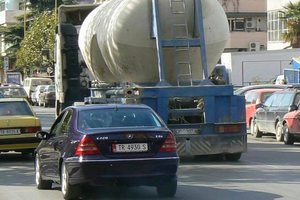
A serious accident that occurred this Wednesday with the c...

Israeli Prime Minister Benjamin Netanyahu will travel to t...
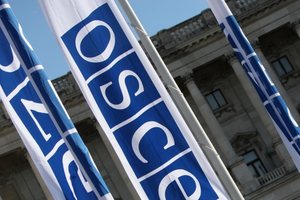
A bipartisan group of US lawmakers is calling for a Europe...

US President Donald Trump will host his Ukrainian counterp...
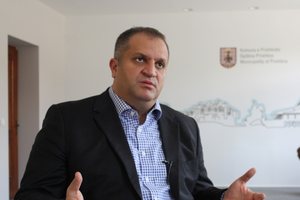
The Basic Court in Pristina found the former mayor of Pris...

In my research at the Central State Archives, specifically...

At a time when industrial products are increasingly taking...

Trust among people is not just a three-syllable word. It c...

Master of humor Todi Llupi has passed away at the age of 7...
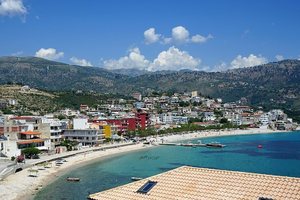
The number of active enterprises in Albania continued to g...
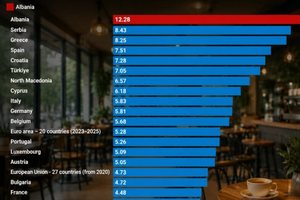
In Albania, the bar-cafe has long become an almost unique ...

This Friday, one US dollar is bought for 81.7 lek and sold...

The average sale price of apartments in Tirana reaches rec...