

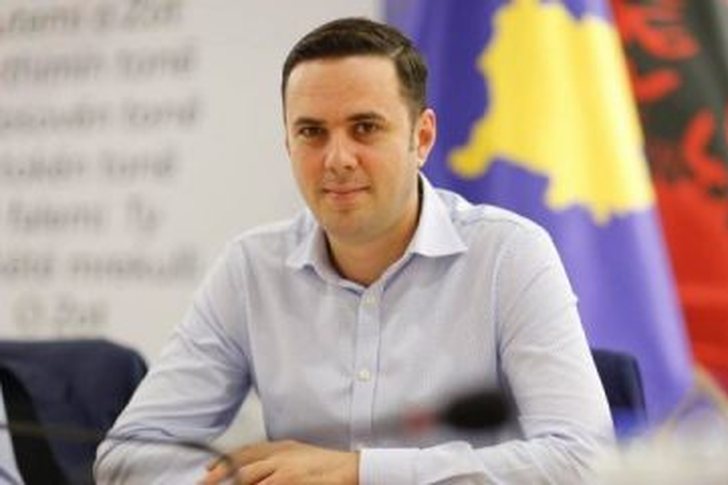
"I will not participate in the theatrical performance of the fleeing government"/ Abdixhiku boycotts the session: Tomorrow we will start preparations for the elections
The leader of the Democratic League of Kosovo, Lumir Abdix...


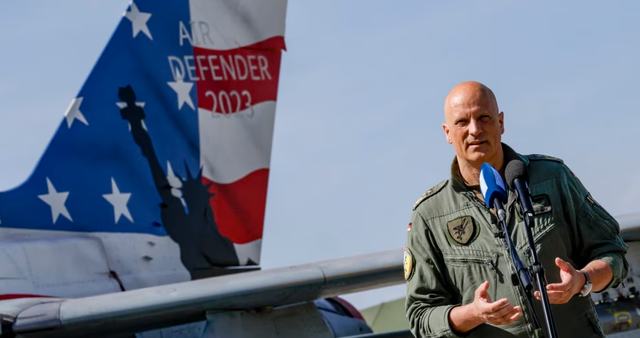
Germany must urgently strengthen its capabilities to deter both conventional and hybrid attacks, NATO General Ingo Gerhartz said, amid growing concerns about Russian aggression and other lower-level threats across Europe.
At the start of a two-day conference in Berlin on November 18, focused on strengthening Europe's defense, Gerhart said that "our main challenge is deterrence, and deterrence today must be against all kinds of oppression."
He stressed that, to counter a growing number of hybrid attacks, Germany needs rapid reforms in military procurement, rapid implementation of the new military service law, and strengthening defense preparedness throughout society.
"To transform investments into containment, institutions must change, processes must adapt, and most importantly, our entire society must engage," he said.
Gerhartz expressed regret over the months-long debate over whether and how to introduce military service in Germany, which was politically resolved only last week.
He said Russia also understands that the German procurement process sometimes takes years and that the industry has difficulty ramping up weapons production.
"This shows that Germany as a whole has not yet reached the strategic maturity that this time requires," argued Gerhartz, who commands NATO's operational headquarters in Brunsum, Holland, called Allied Joint Force Command.
There should also be a discussion on how deterrence might work in the future in the so-called “gray zone” of hybrid attacks, which may not amount to an obligation to defend a NATO ally under NATO’s Article 5. Gerhartz said that “we need to review our approach to deterrence.”
Politicians, military officials and defense experts are gathering in the German capital for the conference, which will include more than 140 speakers in keynote speeches and panel discussions.
Participants aim to examine ways to respond to a range of threats facing NATO and the European Union, including measures to increase weapons production and adopt new technologies.
German Defense Minister Boris Pistorius and Swedish Defense Minister Pál Jonsson also attended the two-day conference.
During his statement, Pistorius called for Germany's European allies to quickly expand defense readiness on the continent.
He also referred to the growing threat from Russia. Pistorius signed an agreement with Johnson to increase military cooperation with the NATO member state.
Pistorius pointed out that Moscow is already carrying out large-scale hybrid attacks, using cyberattacks, espionage, sabotage and disinformation.
He added that the Baltic Sea, traditionally seen as a link between European countries, is increasingly turning into a zone of tension, serving as a testing ground for Russian President Vladimir Putin for Europe's capacity to deter and respond.
He mentioned damaged underwater cables, airspace violations and drone flights./ Rel

The leader of the Democratic League of Kosovo, Lumir Abdix...

The US House of Representatives voted in favor of a bill t...
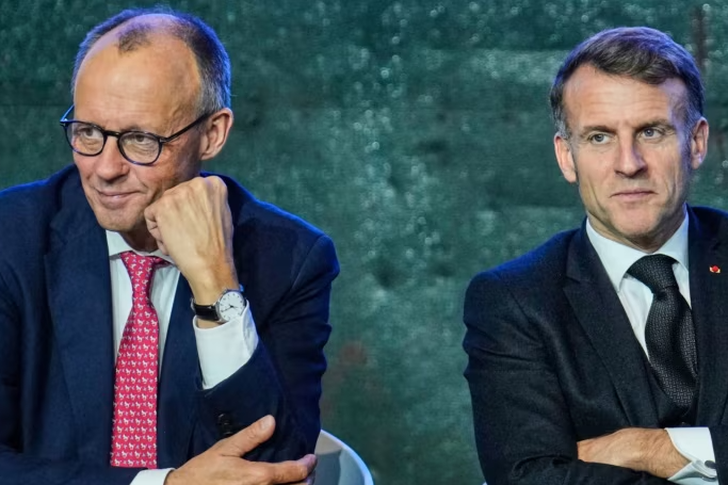
German Chancellor Friedrich Merz and French President Emma...
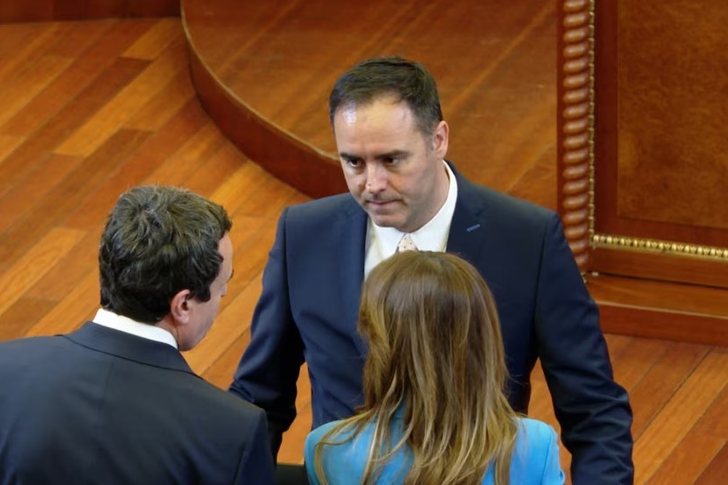
Tomorrow, November 19, a plenary session will be held to e...
Two Ukrainian citizens have been identified as suspects in...
The German chief diplomat, Johann Wadephul, demanded that ...
Acting Prime Minister of Kosovo, Albin Kurti, has congratu...

The teaching process in Pristina has been canceled for tod...

A magnitude 4.6 earthquake has struck the Greek island of ...
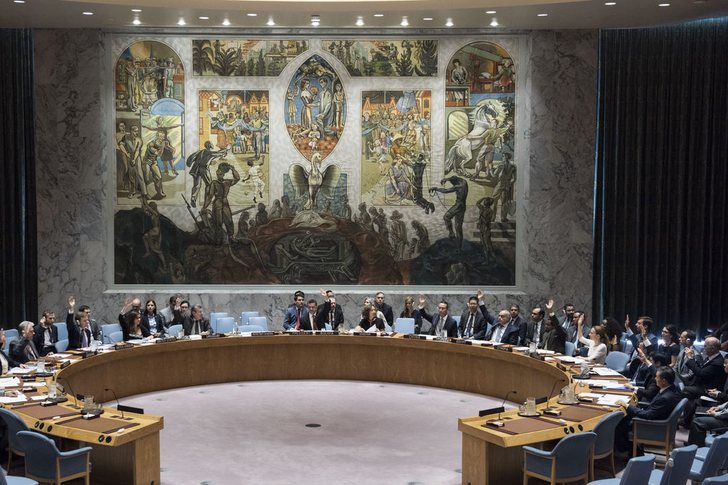
The UN Security Council has voted in favor of a US-drafted...
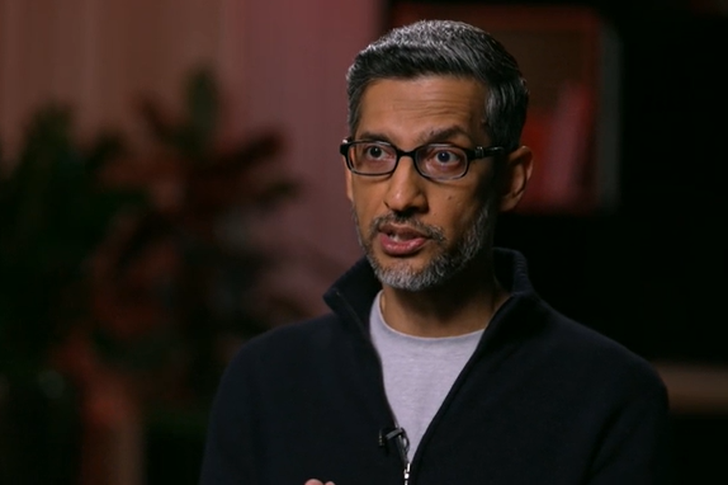
Every company would be affected if the artificial intellig...
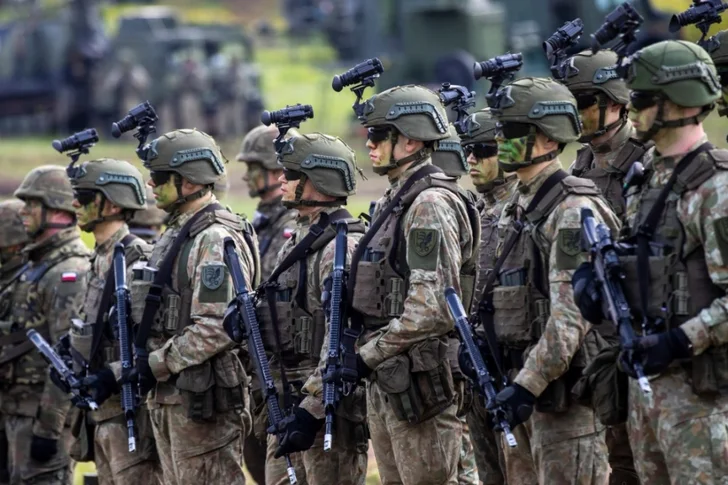
Polonia është vënë në gatishmëri të lartë pasi Shefi i Sht...
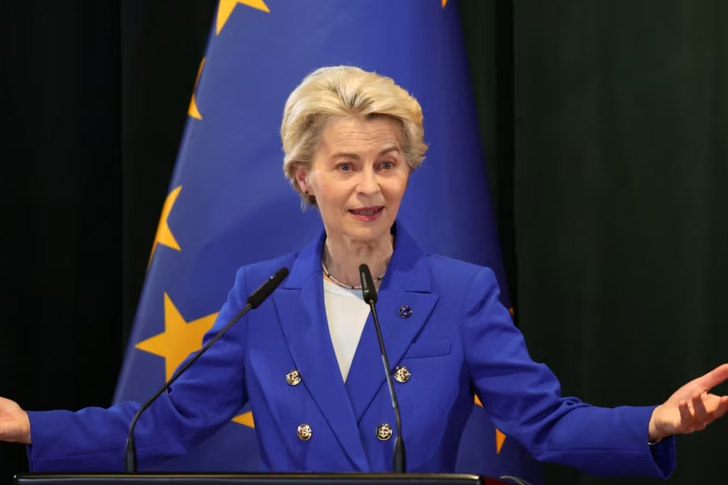
European Commission President Ursula von der Leyen, in a l...
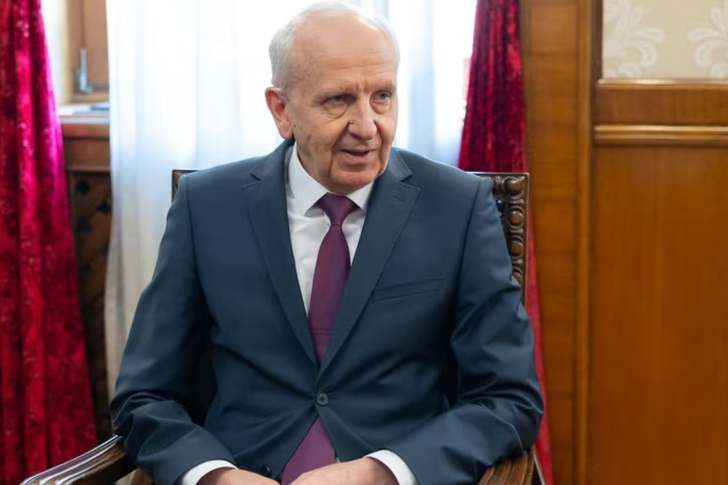
The Montenegrin Ministry of Foreign Affairs said on Novemb...
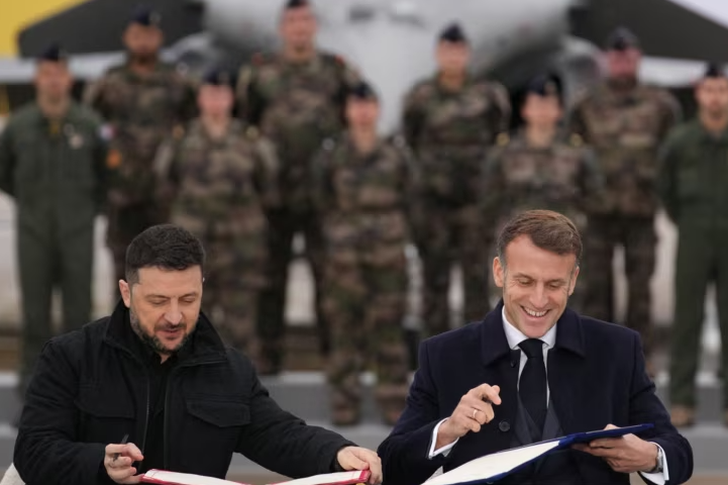
Ukraine has reached a 10-year deal with France to supply 1...

Former Bangladeshi Prime Minister Sheikh Hasina has been s...

The Kosovo Chamber of Commerce has won the legal battle ag...
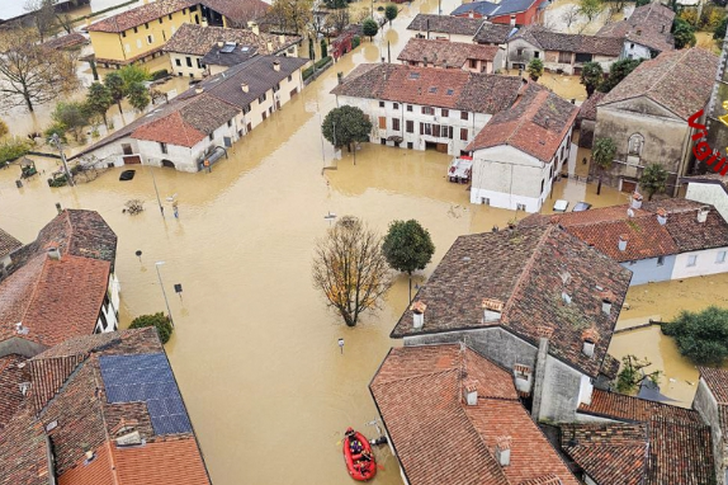
Italy has been engulfed in a state of chaos, as Monday's b...

Romanian authorities have ordered the evacuation of reside...
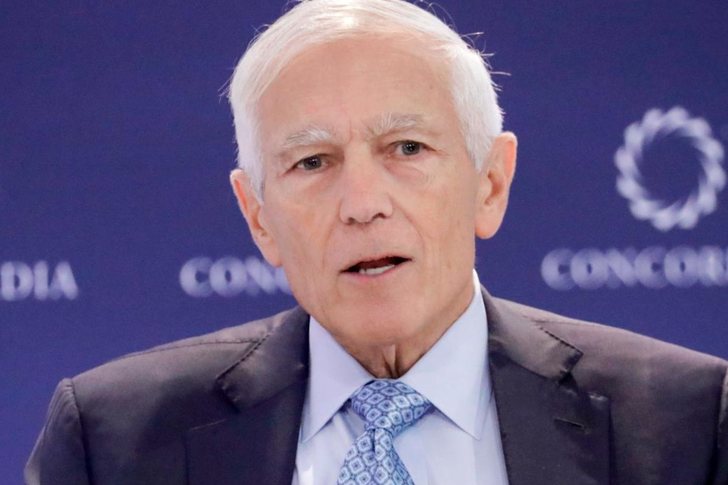
General Wesley Clark, in his testimony in The Hague, was a...

CNA has launched another investigation that could lead to ...

Irfan Hysenbelliu is a businessman that we call "Irfan the...

In March 2026, CNA launched another investigation centered...
The arrested mayor of Tirana, Erion Veliaj, with 13 charge...

The Special Board of Appeal (KPA) decided this Monday ...

The KPA vetting decided this Thursday to dismiss the p...

Suela Salavaçi, a prosecutor in the Prosecutor's Offic...

The Special Board of Appeal reinstated the prosecutor ...

Footage emerges from the serious accident that occurred th...

A Shkodra traffic police officer was hit with hard objects...

This Wednesday, around 4:00 PM, a serious accident occurre...

Tirana Police have shared details regarding the accident t...

A serious accident that occurred this Wednesday with the c...

The Institute of Geosciences has shared a forecast for wea...

Rising energy and fertilizer prices are expected to contin...

Over 18,000 foreign citizens from 140 countries have appli...

The trial of ousted Venezuelan President Nicolas Maduro on...

US President Donald Trump has issued another warning to Ir...

Prime Minister Andy Burnham has announced that most bus fa...

France's parliament has passed a law to ban social media f...

At a time when industrial products are increasingly taking...

Trust among people is not just a three-syllable word. It c...

Master of humor Todi Llupi has passed away at the age of 7...

The ninth edition of "MIK Festival" kicked off with one of...

The price of diesel reached 206 lek per liter from 198 lek...

Businesses will no longer be required to simply register t...

Despite economic growth and income in recent years, Albani...

This Wednesday, one US dollar is bought for 81.4 lek and s...