


"In support of Israel", Genc Pollo: Iran is behind the attacks of Hamas
Former minister Genc Pollo spoke about the serious sit...


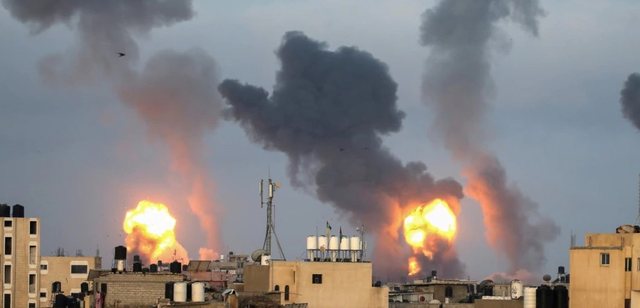
The Palestinians in Gaza are never far from Israel's eyes.
Surveillance drones are constantly taking to the skies. The high-security border is lined with cameras and security guards.
Detective service agencies rely on resources and technological capabilities to find a variety of information.
But it appears that Israel "turned a blind eye" to the surprise attack by the militant group Hamas, which toppled Israel's border barriers and sent hundreds of militants there to carry out attacks that killed hundreds of people and plunged the region into conflict.
For decades, due to strong achievements, the Israeli intelligence services have gained the glory of being invincible.
Israel has foiled plots in the West Bank, allegedly captured Hamas militants in Dubai and has been accused of murdering Iranian nuclear scientists right in the heart of Iran. Even when their efforts have been unsuccessful, agencies such as Mossad, Shin Bet and military intelligence services have managed to preserve this "mystical glory".
But the weekend attack, during a major Jewish holiday that caught Israel by surprise, casts doubt on those capabilities and raises questions about the country's preparedness in the face of a weaker but more determined enemy. Over 48 hours later, Hamas militants continued to fight Israeli forces inside Israeli territory, and dozens of Israelis were taken prisoner by Hamas in Gaza.
"It's a big failure," says Yaakov Amidror, former national security adviser to Prime Minister Benjamin Netanyahu. "This operation really proves that the capabilities of the intelligence services in Gaza were not good."
Mr. Amidror declined to offer an explanation for the failure, saying lessons should be learned after the situation calms down.
Against Admiral Daniel Hagari, the chief spokesman of the army, admitted that the army must give an explanation to the people. But he said the time for that is not now. "First, we fight, then we investigate," he said.
Some say it is too early for the onus to fall solely on the intelligence services. They note that due to a wave of violence in the West Bank, some military resources have been moved there, while also citing the political chaos that accompanies Israel, related to the steps of the far-right government of Prime Minister Netanyahu to change the justice system.
The controversial plan has threatened the unifying force of the country's powerful military.
But the lack of information on Hamas' plan is expected to present only one of the causes that led to the deadliest attack on Israel in decades.
Israel withdrew troops and residents from Gaza settlements in 2005. But even after Hamas occupied Gaza in 2007, Israel seemed to maintain its advantage, using human and technological resources.
Israel claimed to know the exact locations of the Hamas leadership and appeared to prove it by killing militant leaders in military strikes, sometimes while they were asleep.
Israel has known how to hit the underground tunnels used by Hamas for the movement of fighters and the passage of weapons, destroying miles of secret passageways.
Despite these capabilities, Hamas was able to keep its plan secret. The brutal attack, which likely took months of meticulous planning and training and involved coordination between multiple militant groups, appeared to have been caught off guard by Israeli intelligence services.
Amir Avivi, a retired Israeli general, said that in the absence of bases inside Gaza, Israeli security services have come to rely more and more on technological tools to secure information. According to him, militants in Gaza have found ways to evade technological techniques, giving Israel an incomplete picture of their intentions.
"The other side learned how to deal with our superior technological capabilities and stopped using technology that could expose it," Mr. Avivi said. He is president and founder of the Israel Defense and Security Forum, a group of former military commanders.
"They are back in the Stone Age," he said, explaining that the militants were not using phones or computers and were hatching the plan in rooms specially protected from technological surveillance or operating underground.
Israeli security institutions have seen Hamas in recent years as a party very interested in governance, seeking to develop Gaza's economy and improve the standard of living of Gaza's 2.3 million residents.
Mr. Avivi and others say the truth is that Hamas, which calls for Israel's destruction, still sees that goal as a priority.
In recent years, Israel has allowed nearly 18,000 Palestinian workers from Gaza to work in Israel, where they can earn a salary about 10 times higher than in the impoverished region.
The security establishment saw this as a way to maintain relative calm.
"Practically, hundreds, if not thousands, of Hamas men have been preparing for months for this surprise attack, undetected," wrote Amos Harel, a defense analyst, in the Israeli daily Haaretz. "The results are catastrophic."
Allies who share data with Israel said security agencies had misread the situation.
An Egyptian intelligence official said Egypt, which often serves as a mediator between Israel and Hamas, had been talking to the Israelis repeatedly about "something big," but gave no further details.
He said Israeli officials focused on the West Bank and underestimated the danger posed by Gaza.
"We warned them that the situation could explode soon and it would be a big explosion. But they underestimated our warnings," said the official, who spoke on condition of anonymity to the Associated Press news agency because he was not authorized to speak to the media about the sensitive content of the intelligence services' data.
Israel is focused on Prime Minister Nentanyahu's plan to reform the judiciary, a plan that has caused divisions in the country.
Mr. Netanyahu has been repeatedly warned by defense chiefs and a number of former heads of intelligence agencies that this plan was undermining the unifying force of the country's secret services.
Martin Indyk, who served as a special envoy to Israeli-Palestinian talks during President Obama's administration, said internal divisions over legal changes were a factor in Israel being caught off guard.

Former minister Genc Pollo spoke about the serious sit...

An Italian woman who was on vacation in Tirana in the ...
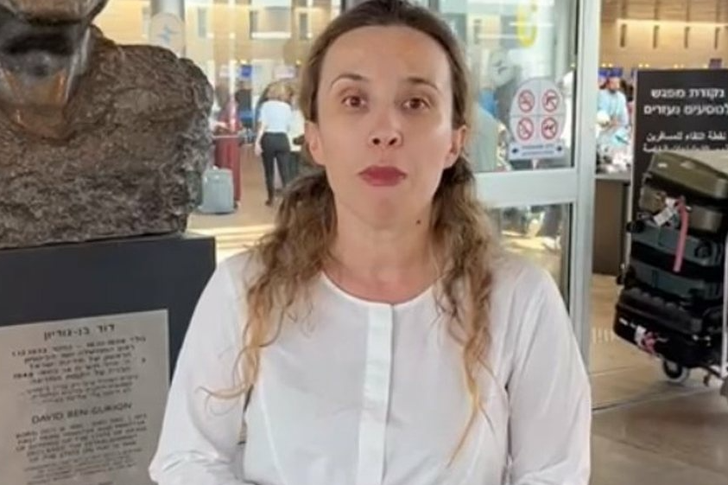
The Albanian ambassador in Tel Aviv, Meri Kumbe, spoke...
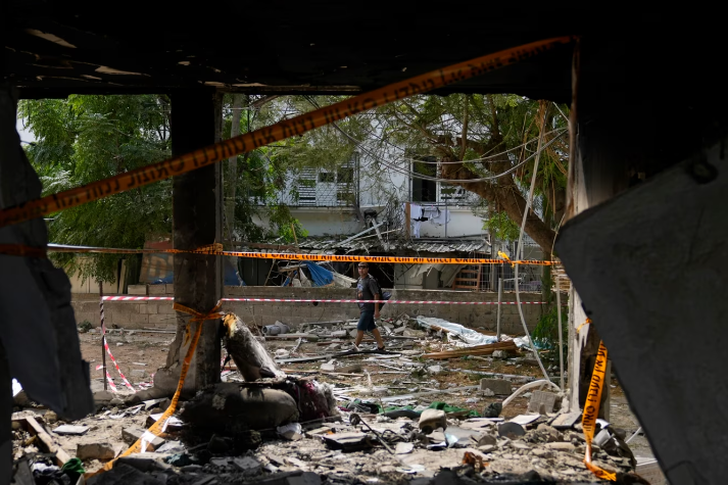
"At the moment we are calm, but later we don't know wh...
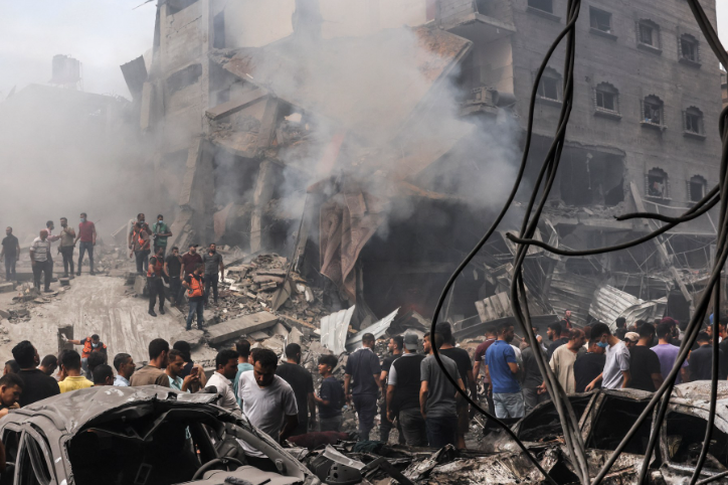
A spokesman for the Al Qassam Brigades, Hamas' armed wing,...
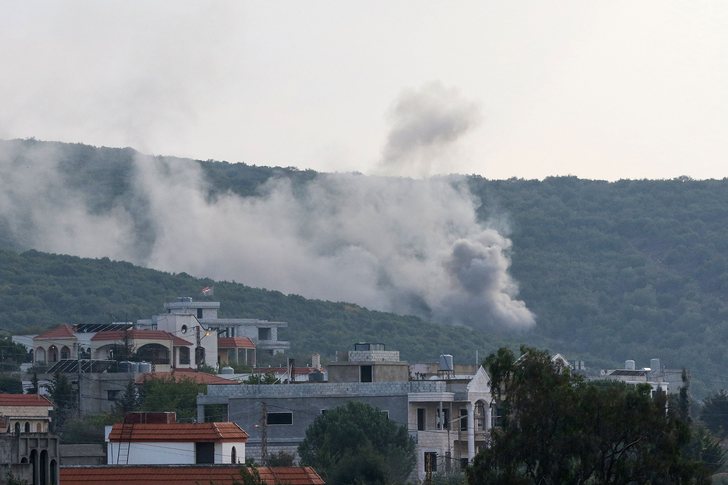
Several explosions have been reported in the border re...

Israeli Prime Minister Benjamin Netanyahu has declared...
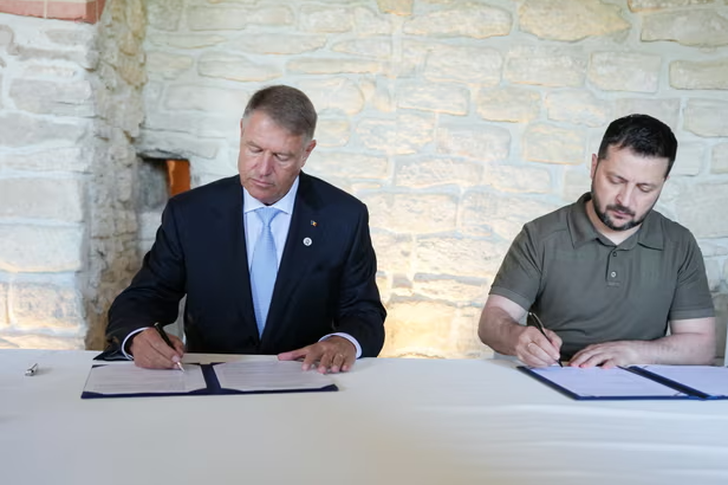
Ukrainian President Volodymyr Zelensky will visit neig...

A scientist who developed a new antibiotic that could ...

Alarm sirens have been heard throughout Jerusalem and ...
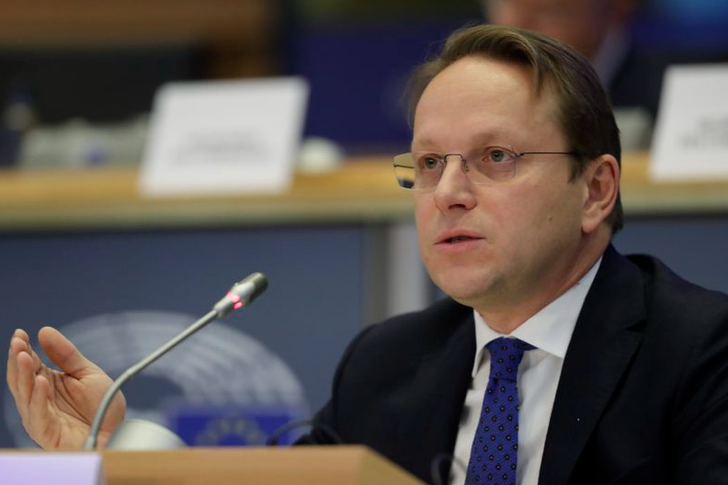
The EU has decided to immediately suspend payments int...
Felicita Jakoel, president of the Albania-Israel frien...

The CDU party that currently holds power won 34.6 perc...

On Sunday evening, the families of Israelis who have been ...
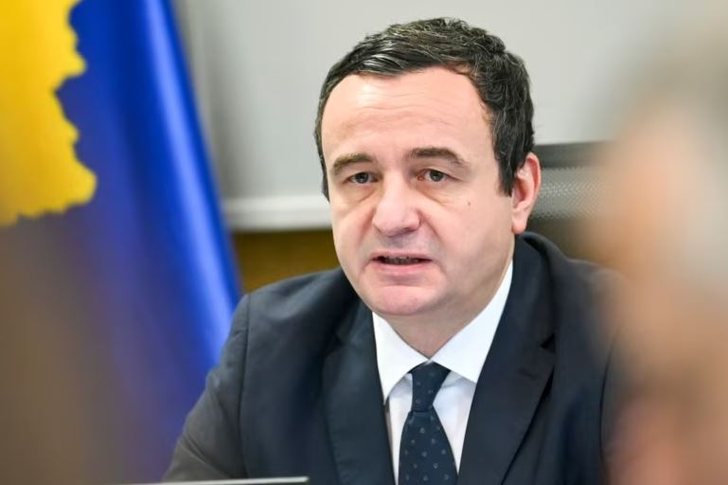
Prime Minister Albin Kurti has said that it has been i...
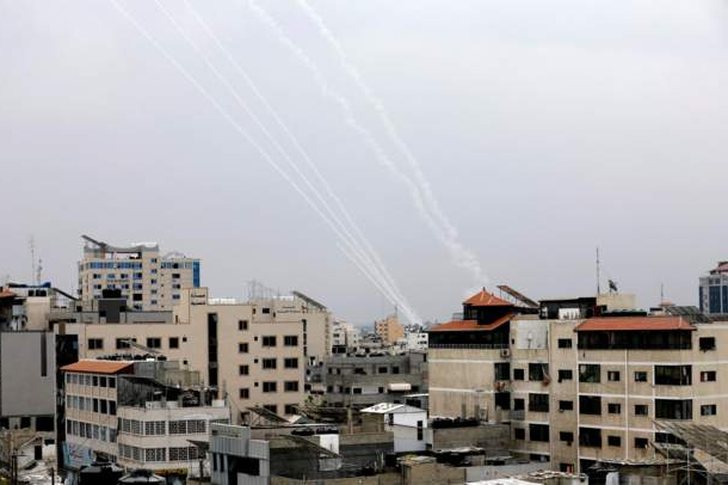
Israel's Defense Minister, Yoav Gallant, has declared that...

A new war in October. Over 1,000 people killed in two days...

Numri i të vrarëve nga sulmet izraelite në Rripin e Gazës ...
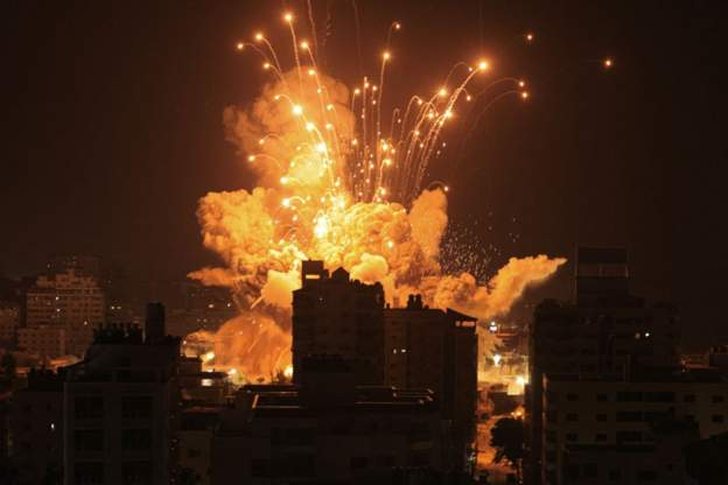
The Israeli military has struck a large weapons cache in G...
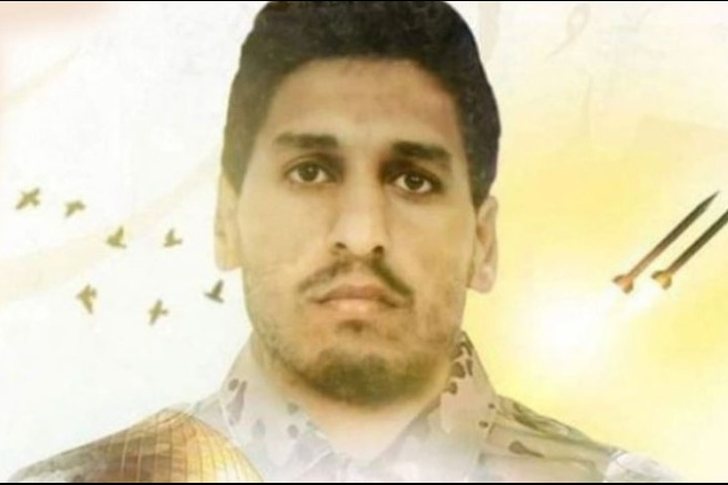
Operacioni i Hamasit në Izrael ka në krye një udhëheqë...

The 50 million euro tender for the maintenance of national...

Today we will bring another article that breaks down the w...
CNA has put under scanner the assets of Sokol Sadushi, the...

A 39-year-old citizen has been arrested in Lezha, after se...

The Special Board of Appeal (KPA) decided this Monday ...

The KPA vetting decided this Thursday to dismiss the p...

Suela Salavaçi, a prosecutor in the Prosecutor's Offic...

The Special Board of Appeal reinstated the prosecutor ...

A serious road accident occurred tonight on "Vllazërimi" s...

During the checks carried out by the State Police for envi...

Police have revealed details of the incident that occurred...

According to preliminary information, a person in his 60s ...

The public sector took the lead in absorbing the workforce...

Today, our country will be under the influence of unstable...

The Institute of Geosciences has today shared a forecast r...

Company leaders can improve productivity by investing in a...
The Austrian government announced on Monday that it plans ...

Shots were fired outside the US consulate in Toronto today...

US President Donald Trump said today that he could order n...

The Pentagon revised its official casualty count from the ...
Two windows, a century of history and the metaphysics of p...

In my research at the Central State Archives, specifically...

At a time when industrial products are increasingly taking...

Trust among people is not just a three-syllable word. It c...

The Ministry of Finance will hold the reopening of the 15-...

After strong savings growth in the years following the pan...

This Monday, one US dollar is bought for 81.5 lek and sold...

This Sunday, one US dollar is bought for 81.5 lek and sold...