

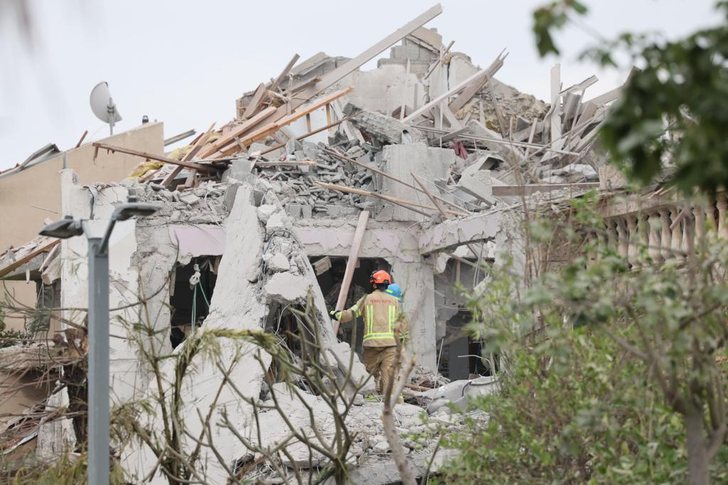
War between Israel and Iran/ Missile attacks continue
A new war front has now opened between Israel and Iran. M...


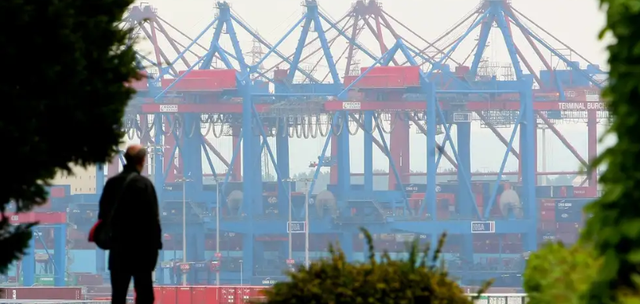
After years of crisis, the German economy is expected to recover in 2026. Leading research institutes have revised their forecasts upwards. However, US trade policy remains a risk.
According to new economic forecasts from research institutes, the German economy is expected to emerge from its three-year crisis in 2026. The ifo institute has revised its forecast for next year: gross domestic product (GDP) could grow by 1.5%, almost double the 0.8% originally forecast. Experts have also raised their forecasts for this year, from 0.2% to 0.3%. The Kiel Institute for the World Economy (IfW) also raised its forecast for next year to 1.6%. For the current year, economists raised their forecasts from 0.0% to 0.3%. "The main indicators confirm our assessment that, after two years of decline, industry has bottomed out," explained Stefan Kooths, Director of Economics at the IfW.
The principle of hope regarding Trump
"The crisis in the German economy reached its lowest point in the winter half of the year," said Timo Wollmershäuser, Ifo's Economic Director. One of the reasons for the expected increase now is the growth package announced by the new German government.
The Munich economists estimate that the economic impact of increased spending, tax cuts and investment will be 10 billion euros this year and 57 billion euros next year. However, the revised forecasts are based mainly on the assumption that the trade conflict with the EU caused by the US government will be resolved favorably.
"The growing optimism is probably also driven by the hope that the new coalition will end the stagnation of economic policies and that an agreement will be reached in the trade dispute with the US," said Wollmershäuser. In the first quarter of 2025, economic performance has already increased by 0.4 percent, mainly due to expected exports to the US, but also due to higher private consumption and investment.
With the trade conflict between Europe and the United States still unresolved, economists continue to see risks in U.S. trade policy. According to the Ifo, tariffs raised by U.S. President Donald Trump would reduce German economic growth by 0.1 percentage point this year and by 0.3 percentage point in 2026. If an agreement is reached in the trade dispute, growth could be higher, while an escalation could lead to a new recession. In 2024 and 2023, Europe's largest economy contracted slightly.
Increased consumption and investment
According to IfW President Moritz Schularick, trade policy risks remain considerable. "The erratic US tariff policy continues to increase uncertainty for the German foreign economy." In addition, German exporters are particularly affected by the significant loss of competitiveness. Therefore, the IfW predicts that exports will continue to fall this year by 0.4%. An increase of 1.2% is not expected until next year.
The IfW sees the reason for the positive development mainly in the domestic economy. "After two years of stagnation, private consumption is growing again and business investment is also gradually returning to positive territory," said Kooths. However, the dynamism of the private economy remains very moderate. The IfW is convinced that, as the new government coalition's increased room for maneuver in fiscal policy is increasingly felt over the coming year, the pace of expansion will accelerate significantly.
For now, Ifo does not expect inflation to rise: it is forecast to reach 2.1 percent this year and 2.0 percent in 2026. According to these forecasts, the unemployment rate could also fall slightly in 2026. Ifo economists predict 6.3 percent this year and 6.1 percent next year. Since the beginning of the year, the business atmosphere has also improved: the Ifo business climate, which is determined by a survey of 9,000 managers, has improved for the past five months in a row.
Other economists also see a recovery
Other economic institutes also updated their forecasts. According to the Leibniz Institute for Economic Research in Halle (IWH), the German economy is showing the first signs of recovery. "Signs of an economic recovery in Germany are multiplying," said Oliver Holtemöller, Vice President of the IWH. Output grew by 0.4 percent in the first quarter. Private consumption also increased for the first time in a long time. One reason is the significant increase in demand from the United States.
According to the IWH, this is mainly due to importers bringing in their orders earlier due to the announcement of tariff increases. According to the summer forecast, GDP is expected to grow by 0.4 percent this year. In March, the Institute still predicted an increase of 0.1 percent. For 2026, the IWH expects growth of 1.1 percent. A similar trend is expected in eastern Germany.
The RWI (Leibniz Institute for Economic Research) also predicts a GDP growth of 0.3 percent for this year. In the spring, the Essen experts still expected a decline in economic performance of 0.1 percent. For 2026, they now predict a growth of 1.5 percent. In the report presented in Berlin, the OECD predicts a growth of 0.4 percent. According to forecasts, this will reach 1.2 percent in 2026./ DW

A new war front has now opened between Israel and Iran. M...

Israel struck dozens of targets, including nuclear facilit...
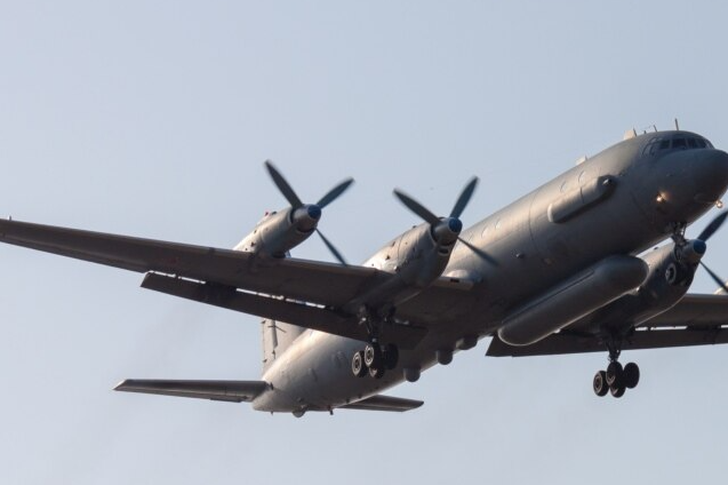
British fighter jets took to the skies to intercept a Russ...

The Basic Prosecution Office in Mitrovica has filed an ind...

Ukraine said on Friday it had accepted 1,200 unidentified ...

Iran has begun its revenge against Israel. According to C...
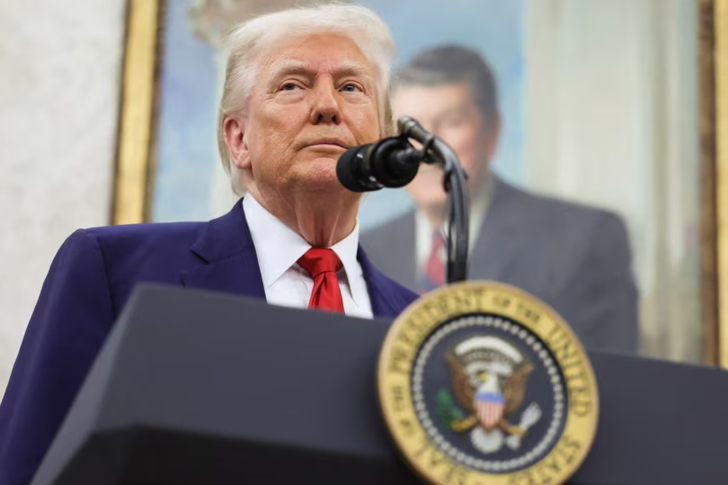
US President Donald Trump, in a reaction to Reuters, admit...
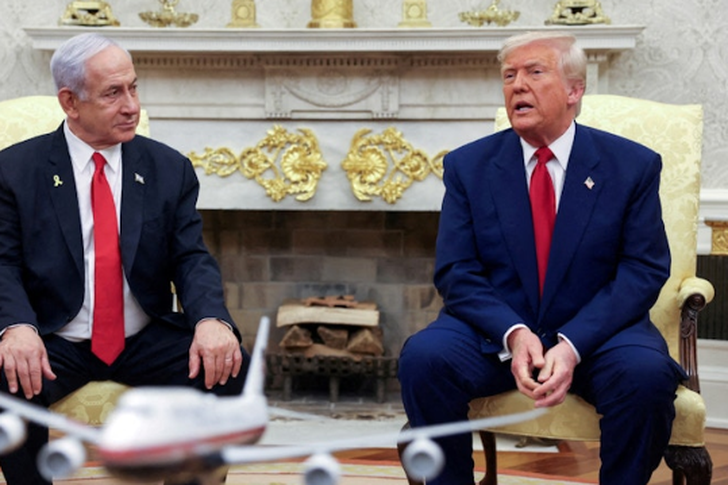
Prime Minister Benjamin Netanyahu said Israel had informed...
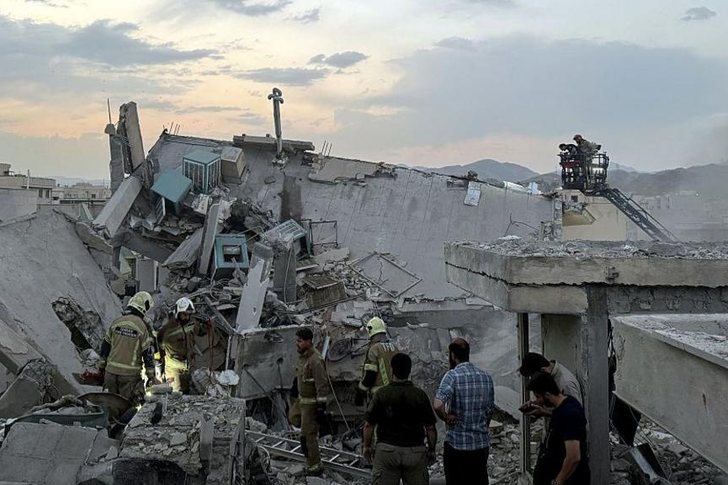
Foreign media reports that Israel's attacks on Iran contin...
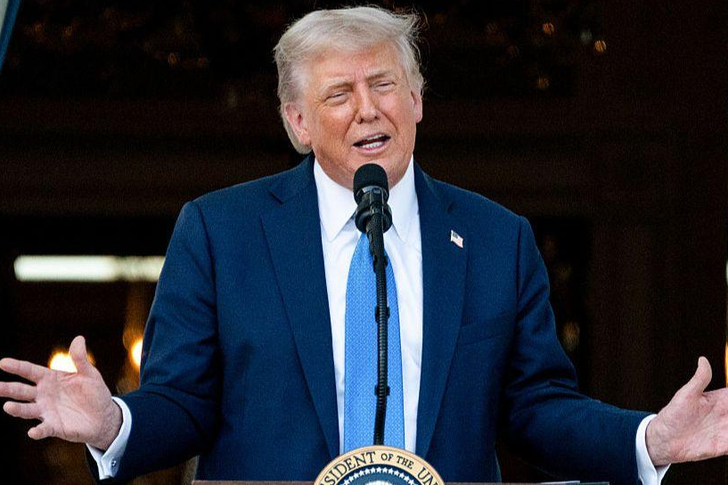
US President Donald Trump has urged Iran to reach a deal o...

Israel has said that most of the leaders of Iran's Revolut...
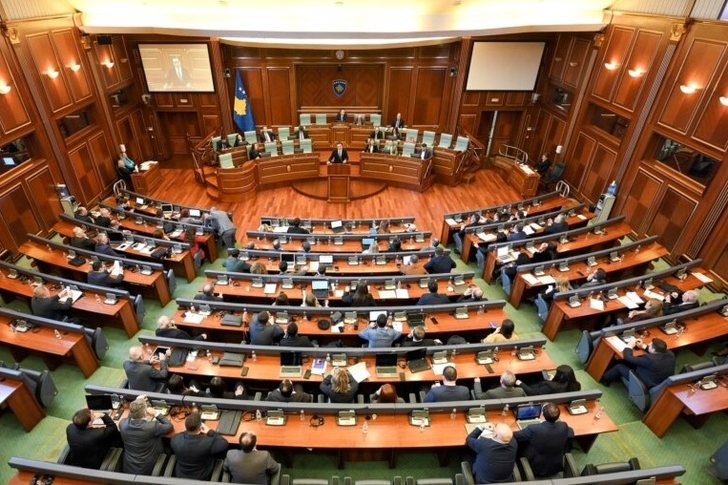
The members of the Kosovo Assembly continue the marathon o...

An Israeli military spokesman said Iran has launched more ...

Israel launched large-scale strikes against Iran on Friday...

A 14-year-old student has been charged with the murder of ...

The mayor of the municipality of Deçan in Kosovo, Bashkim ...

Ukrainian President Volodymyr Zelenskyy has announced his ...
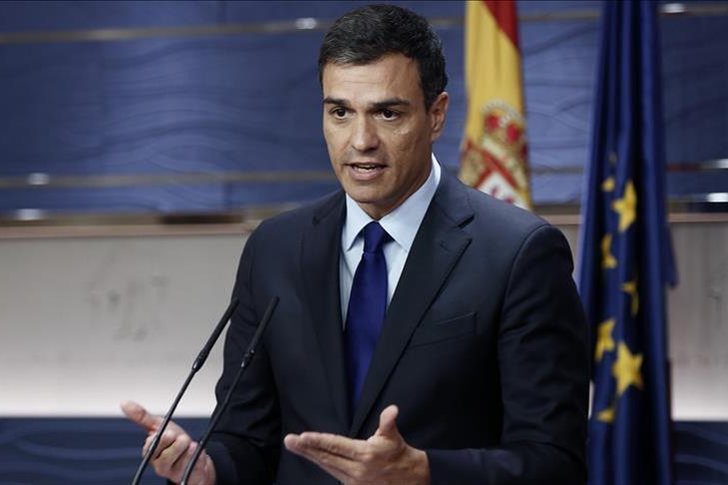
The long-running corruption scandal that has dogged the ce...
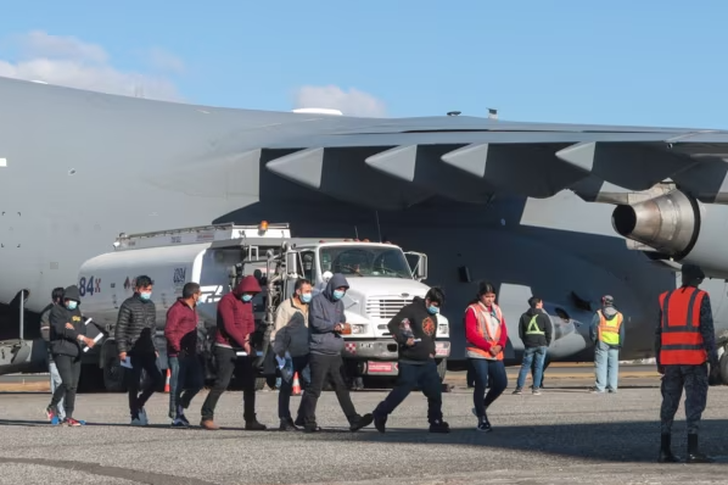
The government of North Macedonia has accepted the request...
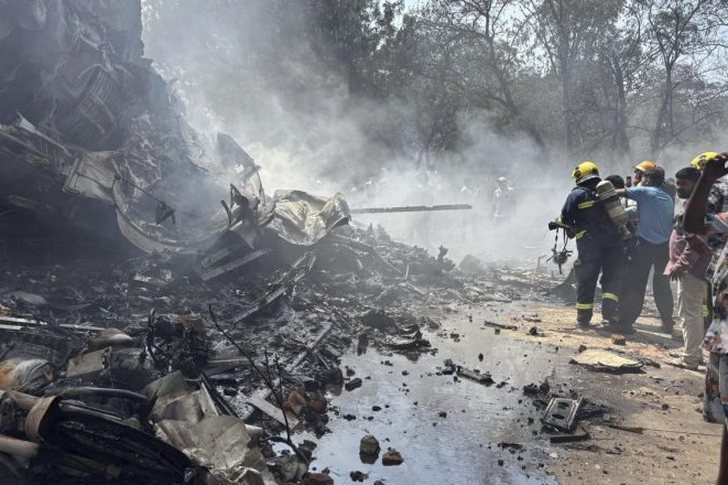
Vishwash Kumar Ramesh is the person who survived the plane...

CNA has launched another investigation that could lead to ...

Irfan Hysenbelliu is a businessman that we call "Irfan the...

In March 2026, CNA launched another investigation centered...
The arrested mayor of Tirana, Erion Veliaj, with 13 charge...

The Special Board of Appeal (KPA) decided this Monday ...

The KPA vetting decided this Thursday to dismiss the p...

Suela Salavaçi, a prosecutor in the Prosecutor's Offic...

The Special Board of Appeal reinstated the prosecutor ...

A Shkodra traffic police officer was hit with hard objects...

This Wednesday, around 4:00 PM, a serious accident occurre...

Tirana Police have shared details regarding the accident t...

New details have emerged regarding the accident that occur...
A serious accident that occurred this Wednesday with the c...

The Institute of Geosciences has shared a forecast for wea...

Rising energy and fertilizer prices are expected to contin...

Over 18,000 foreign citizens from 140 countries have appli...

The trial of ousted Venezuelan President Nicolas Maduro on...

US President Donald Trump has issued another warning to Ir...

Prime Minister Andy Burnham has announced that most bus fa...

France's parliament has passed a law to ban social media f...

At a time when industrial products are increasingly taking...

Trust among people is not just a three-syllable word. It c...

Master of humor Todi Llupi has passed away at the age of 7...

The ninth edition of "MIK Festival" kicked off with one of...

The price of diesel reached 206 lek per liter from 198 lek...

Businesses will no longer be required to simply register t...

Despite economic growth and income in recent years, Albani...

This Wednesday, one US dollar is bought for 81.4 lek and s...