

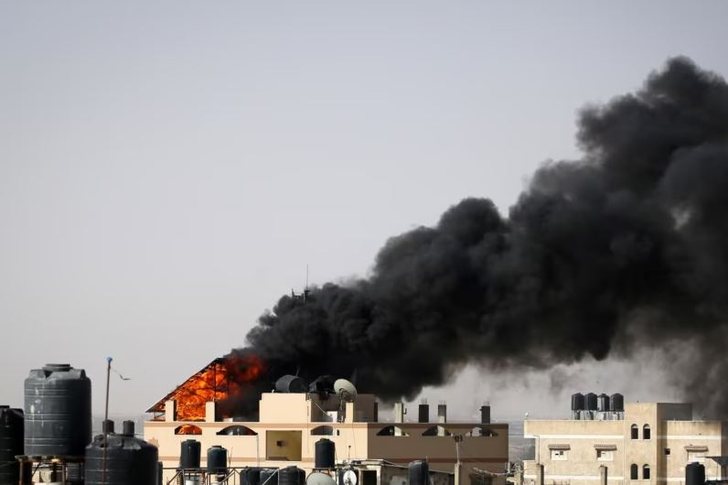
SHBA kundër Izraelit: Mund të ketë shkelur ligjin ndërkombëtar në Gazë
Administrata e Presidentit Joe Biden tha të premten se për...


When Iran's missiles flew into Israel on Saturday April 13, the oil markets were closed. When they opened on Monday, their response was simply a "shrug".
Brent crude oil, a global benchmark, fell below $90 a barrel. Since then, the price has not fluctuated much (see chart).
Marketers had been waiting for exactly this kind of attack: big enough to cause concern, but visible enough to prevent, writes "The Economist".
They now believe that Israel will avoid any hasty response. However, even if oil prices do not reach the peaks, they remain uncomfortably high and will probably rise even more in the summer, when increased demand due to tight supply will probably push the market into deficit.
A range of decision-makers, from central banks to President Joe Biden, who will run for re-election in November, are watching the situation anxiously.
Geopolitical risk is one of the reasons why oil prices have risen by a quarter since December. Brent crude crossed $90 for the first time in six months after Israel bombed Iran's consulate in Damascus on April 1.
Supply disruptions are playing an even bigger role than geopolitics.
Mexico is reducing shipments in order to have more reserves for itself. A troubled Scottish pipeline was forced to close. Unrest in Libya is hampering production. The war in South Sudan could cause the same.
Meanwhile, tougher sanctions against Russia have blocked much of the country's oil supply.
In March, refiners in India, Russia's second-biggest buyer from 2022, said they would no longer accept tankers owned by Russia's state-owned company Sovcomflot, fearing Western punishment.
Most of the 40 tankers that have been targeted by US sanctions since October have not been carrying Russian oil. Reimposing sanctions on Venezuela could further damage supply. America may also decide to more tightly control oil sales to Iran.
Cutting off the oil supply is a deliberate move. It comes from the Organization of the Petroleum Exporting Countries and its allies (OPEC+).
In November, the group pledged to cut output by 2.2 million barrels per day, roughly 2% of global production.
Most experts had suspected that the member states of the OPEC+ group would take advantage of the possibility of an increase in oil prices in 2024 and would oppose its cuts.
Por në fakt, disa shtete njoftuan në mars se do t’i zgjasnin shkurtimet deri në fund të qershorit. Rusia madje tha se do të thellonte shkurtimet me 471,000 fuçi shtesë në ditë, duke ulur prodhimin në 9 milionë fuçi në ditë, nga 10.8 milionë fuçi në ditë që prodhonte para luftës.
Rritja e ofertës jashtë kartelit vitin e kaluar kompensoi shtimin e kërkesës. Këtë vit, prodhimi i naftës jashtë grupit OPEC do të rritet sërish. Brazili dhe Guajana pritet të pompojnë sasi rekord nafte, por rritja do të ngadalësohet.
Rezervat globale të naftës tashmë po bien. Ato do të zvogëlohen më shpejt këtë verë, ndërsa amerikanët nisen me pushime.
E gjithë kjo po ndodh pikërisht në një kohë kur kërkesa bëhet më urgjente. Treguesit e prodhimit në Amerikë, Kinë dhe Europë, kanë shënuar rritje të larta, duke bërë që Agjencia Ndërkombëtare e Energjisë të parashikojë se kërkesa globale për naftë bruto këtë vit, do të rritet me një mesatare prej 1.2 milionë fuçish në ditë, nga parashikimi i tetorit për 900,000 fuçi në ditë.
Të tjerë, duke përfshirë disa tregtarë të mëdhenj dhe vetë OPEC, mendojnë se rritja e kërkesës mund të shkojë në 2 milionë fuçi në ditë, apo edhe ta kalojë këtë shifër.
Si do të ecë çmimi i naftës?
Nëse grupi OPEC+ nuk ndryshon mendje mbi shkurtimet, çmimi mund të arrijë në 100 dollarë brenda disa muajve. Por OPEC+ nuk e dëshiron një rezultat të tillë.
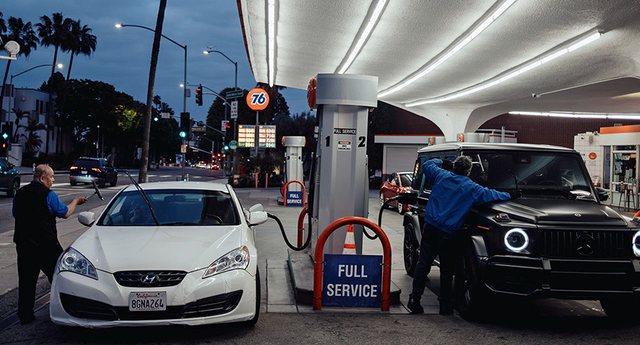
Shumë anëtarë, midis të cilëve edhe Arabia Saudite, shqetësohen se rritja e shpejtë e çmimit të naftës mund të shkatërrojë kërkesën. Shtrenjtimi i naftës së papërpunuar po rrit çmimin e benzinës amerikane, tashmë në 3.60 dollarë për gallon, dhe së shpejti pritet të arrijë në 4 dollarë për gallon.
Një rritje përtej këtij niveli mund të ulë kërkesën për benzinë gjatë verës me 200,000 fuçi në ditë, vlerëson Banka JPMorgan Chase.
Kështu, grupi OPEC+ mund të shpallë synimin për të prodhuar më shumë në takimin e ardhshëm. Jorge León, ish-analist i OPEC-ut, që tani punon në shoqërinë këshillimore Rystad Energy, parashikon se nafta e papërpunuar do të kushtojë mesatarisht 90 dollarë për fuçi në tremujorin e tretë të vitit dhe 89 dollarë për fuçi në tremujorin e fundit.
Edhe nëse përplasja mes Izraelit dhe Iranit përshkallëzohet nuk ka gjasa që gjendja e naftës të ndryshojë shumë. Ulja e eksporteve të Iranit, që në mars arritën një vlerë prej 1.6 milionë fuçish në ditë, mund të baraspeshohet duke rritur prodhimin në shtete të tjera të grupit OPEC.
Në skenarin më të keq, Irani mund të vendosë të mbyllë Ngushticën e Hormuzit, një rrugë ujore që lidh Gjirin Persik me Oqeanin Indian, përmes së cilës transportohet 30% e naftës së botës në rrugë ujore, dhe pothuajse gjithë nafta e Gjirit Persik.
Një veprim i tillë do të zemëronte pothuajse të gjithë vendet në rajon dhe do të acaronte marrëdhëniet e Iranit me blerësin e tij më të madh, Kinën.
Even if Iran could decide to cause trouble that is less harmful to it, such as harassing shipping in the Persian Gulf, it may not have much of an impact. Even the tanker wars of the 1980s, when hundreds of oil tankers were attacked, did not cause prices to rise in the long run.
So the most likely scenario is that oil prices remain tolerable for the world economy, somewhere in the range of $85-90 per barrel, allowing OPEC members to make decent profits.
However, prices are unlikely to drop anytime soon.
And it remains to be seen whether such a level will be tolerated by American voters, who see gasoline prices advertised daily on the highway in big red numbers./Monitor

Administrata e Presidentit Joe Biden tha të premten se për...

Hundreds of people have been evacuated from areas near the...

On Saturday, the 68th ESC final takes place in Malmoe, Swe...
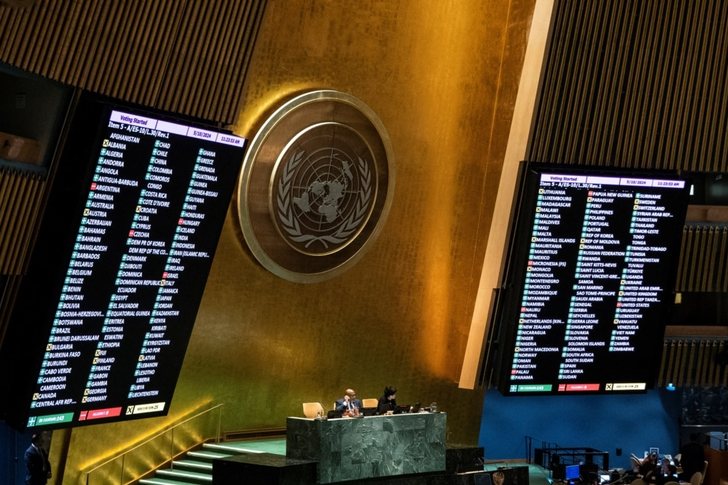
The United Nations General Assembly on May 10 voted to off...

The group of volunteers of the association "The Door-Alban...

The European Union has encouraged the political factors in...
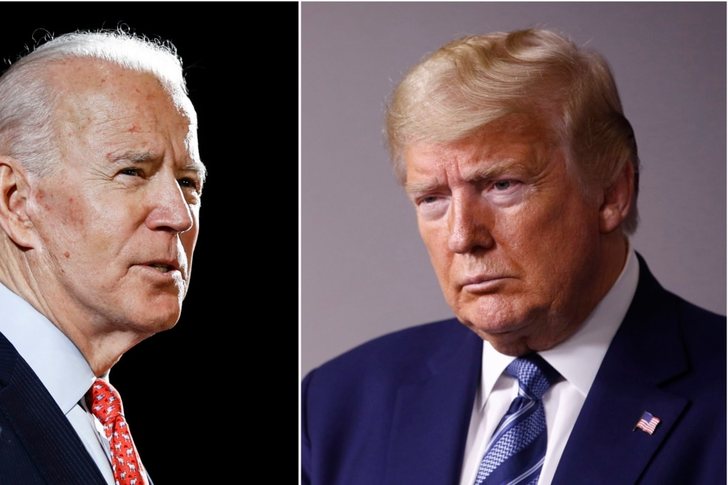
While six months remain from the American presidential ele...
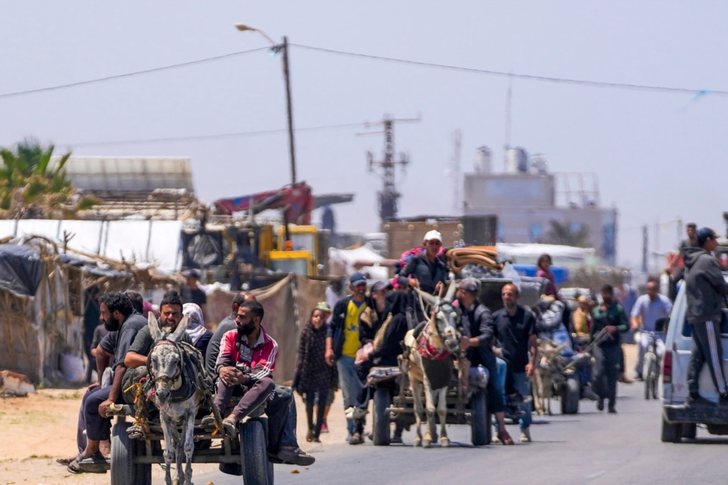
The United States again warned Israel not to expand the li...

"BBC" has recently published an article dedicated to t...

Metal barricades and large concrete blocks have been place...

Benjamin Netanyahu has said Israel can go it alone aft...

Ukrainian President Volodymyr Zelenskiy fired the head...

Ukrainian President Volodymyr Zelensky said his countr...

The VMRO-DPMNE party scored a deep victory in yesterday's ...

Workers in Germany worked around 1.3 billion hours of over...

About 80,000 people have fled the Gaza city of Rafah since...
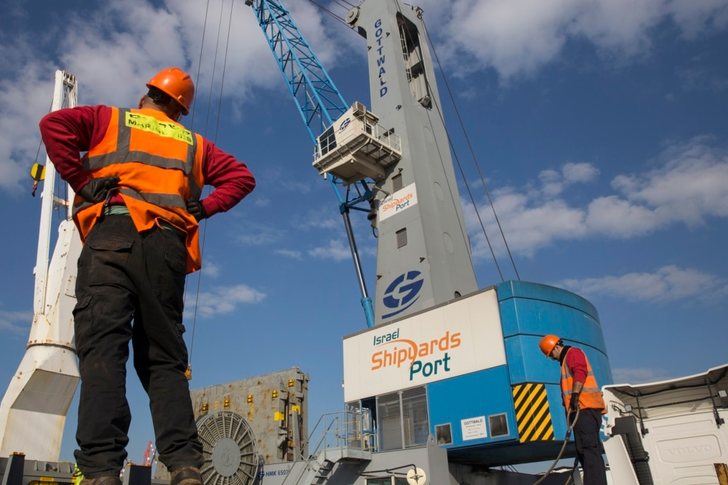
Turkey's decision last week to freeze all trade with Israe...
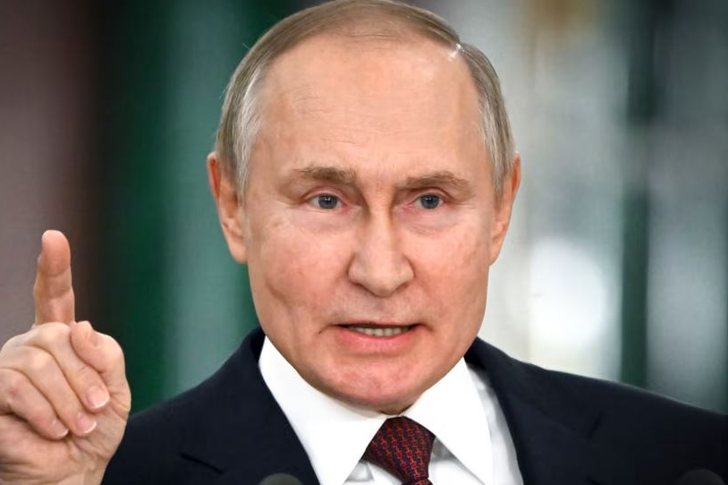
Russian President Vladimir Putin accused the West on T...

For the first time since independence in the 90s, North Ma...
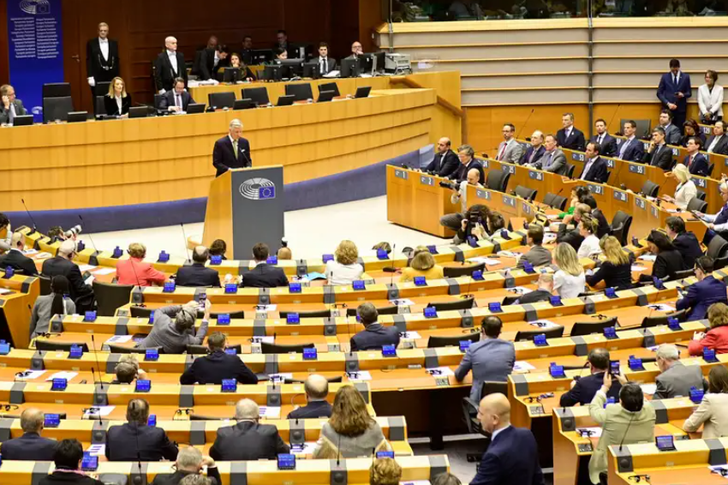
May 9, Europe Day is celebrated today just before the ...

CNA has launched another investigation that could lead to ...

Irfan Hysenbelliu is a businessman that we call "Irfan the...

In March 2026, CNA launched another investigation centered...
The arrested mayor of Tirana, Erion Veliaj, with 13 charge...

The Special Board of Appeal (KPA) decided this Monday ...

The KPA vetting decided this Thursday to dismiss the p...

Suela Salavaçi, a prosecutor in the Prosecutor's Offic...

The Special Board of Appeal reinstated the prosecutor ...
Citizen MH, 61, a fisherman, was found dead near the islan...

Another phase of the international operation, codenamed "T...

Police have arrested a 34-year-old woman at Rinas Airport ...

A serious accident has occurred on the Lezhë-Shëngjin axis...

Over 18,000 foreign citizens from 140 countries have appli...

This Wednesday, our country will be under the influence of...

All of Southern Europe will face changing weather conditio...
Albania was hit by temperatures significantly higher than ...

Prime Minister Andy Burnham has announced that most bus fa...

France's parliament has passed a law to ban social media f...

US Secretary of State Marco Rubio arrived in Manila on Jul...

In the space of a few days, Ukrainian President Volodymyr ...

At a time when industrial products are increasingly taking...

Trust among people is not just a three-syllable word. It c...

Master of humor Todi Llupi has passed away at the age of 7...

The ninth edition of "MIK Festival" kicked off with one of...

Businesses will no longer be required to simply register t...

Despite economic growth and income in recent years, Albani...

This Wednesday, one US dollar is bought for 81.4 lek and s...

Construction company licenses will have a validity period ...