

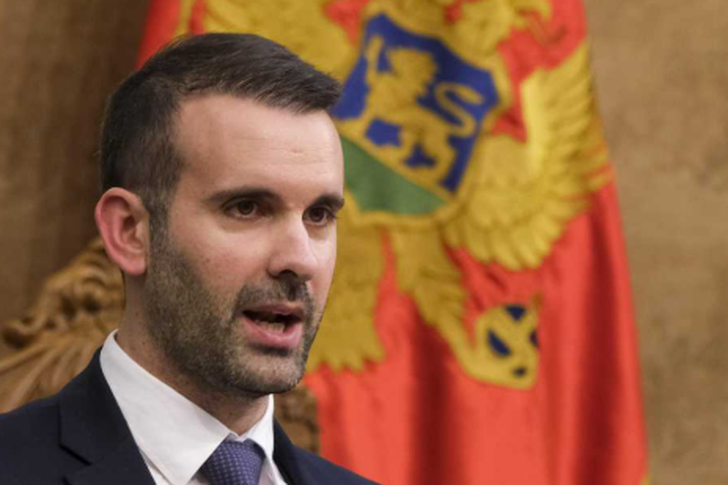
Montenegrin Prime Minister Spajic: There is no other alternative than full EU membership
For Montenegro, there is no other alternative than full me...


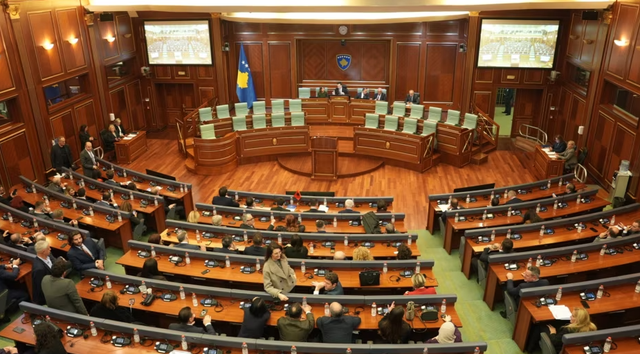
"Extreme degradation of political and institutional life in Kosovo" - this is how Albert Krasniqi from the Democracy Plus organization describes the second failed attempt by the Kosovo Assembly to vote for the new Government.
He emphasizes that politicians are placing personal and party interests above those of the state, showing a clear lack of responsibility and commitment to the citizens who elected them.
"This indicates a low level of responsibility of the political class in the country, regardless of whether it is in power or opposition. Everyone has their own share of the blame," Krasniqi tells Radio Free Europe.
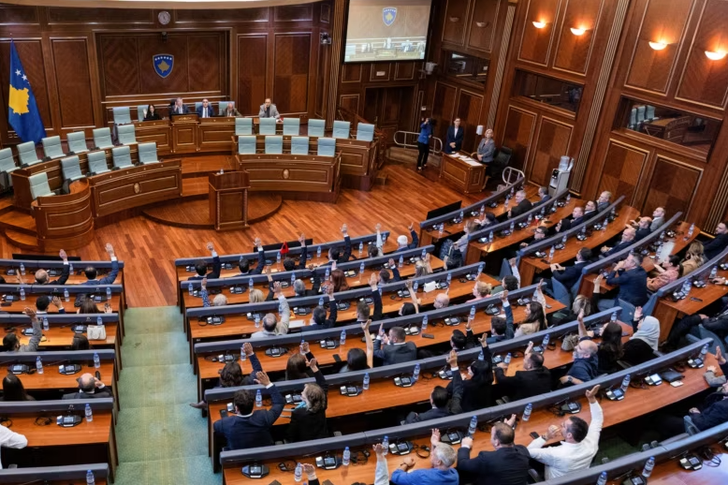
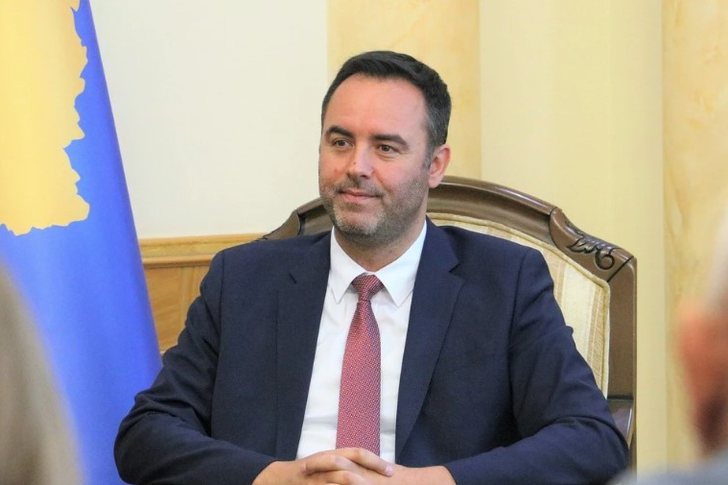
The Kosovo Assembly failed on November 19 to approve the new Government, which would be led by Glauk Konjufca of the Vetëvendosje Movement.
56 MPs voted in favor of forming the Government according to the Vetëvendosje proposal, 4 abstained, while 53 were against.
This was Vetëvendosje's second attempt to form a government, following the failure of the first candidate, Albin Kurti, on October 26.
According to the Constitution, if even the second-term candidate fails to form a government, the country's president, Vjosa Osmani, must announce new elections, which must be held within 40 days from the date of the announcement.
Radio Free Europe asked the Office of the Presidency about the possible timing of the announcement of the elections, but did not receive a response.
Belgzim Kamberi, from the Musine Kokolari Institute for Social Policy, is not optimistic that new elections can bring a real solution to the political impasse.
"It remains to be seen what positions and political narratives Albanian parties will enter the upcoming elections with, because most of the actors are almost the same. We do not have an extraordinary climate that could radically change parliamentary representation," Kamberi tells Radio Free Europe.
Kosovo has been on the path of crisis since the parliamentary elections on February 9. Vetëvendosje won the majority of votes, but not enough to form a government alone.
The Assembly was delayed in being constituted for about six months due to political disagreements, while the process was challenged several times in the Constitutional Court.
The international community - including the German chief diplomat, Johann Wadephul, recently - has repeatedly stressed the need for Kosovo to have a stable government as soon as possible.
According to Kamberi, recent months have not seen a major involvement of the international factor, which, "in one way or another, has always been involved in building Kosovo's governments."
"International non-involvement has not helped the process, because it has not been possible to create a parliamentary majority," according to him.
Kamberi adds that after the new elections, and with the presidential election expected in the spring, it is difficult to foresee the formation of a government without the two main Albanian parties.
According to him, it also remains unclear who these two parties would be and whether they would be able to cooperate without the facilitation of the international factor.
"So, these elections should be seen as opportunities to try new paradigms, to avoid a new deadlock," he adds.
After the failure to form a government on November 19, representatives of political parties resumed accusing each other.
Those from Vetëvendosje said that "everyone has barricaded themselves against" their leader, Albin Kurti.
Memli Krasniqi of PDK, the second largest party in the country, blamed Vetëvendosje for the situation, stressing that "9 months of time have been lost" due to blockades, delays, and tactics.
And, Krasniqi from Demokraci Plus warns that the losses for Kosovo are great, especially for the country's international reputation.
"A country that has urgent needs and its politicians fail to compromise to address them! We emerge as an incompetent state in the international aspect, due to the lack of political agreement, which is essential for a democracy, when none of the parties has a parliamentary majority," says Krasniqi.
He also mentions financial losses due to the non-approval of the budget, as well as international agreements that bring funds and loans to the country.
During the day, Vetëvendosje organized another session to approve four key draft laws, including the state budget for next year and international agreements, but this attempt also failed.
"We have fallen behind, both in defense and in the fight against disinformation and other threats that Western democracies face. Other countries are taking the necessary steps, while Kosovo continues with provincial battles," concludes Krasniqi./ Rel

For Montenegro, there is no other alternative than full me...
Kosovo government formation fails. The Assembly has reject...
Kosovo's Prime Minister-designate Glauk Konjufca presented...
In his speech before the members of the Assembly, Glauk Ko...
US President Donald Trump has given his approval for the C...
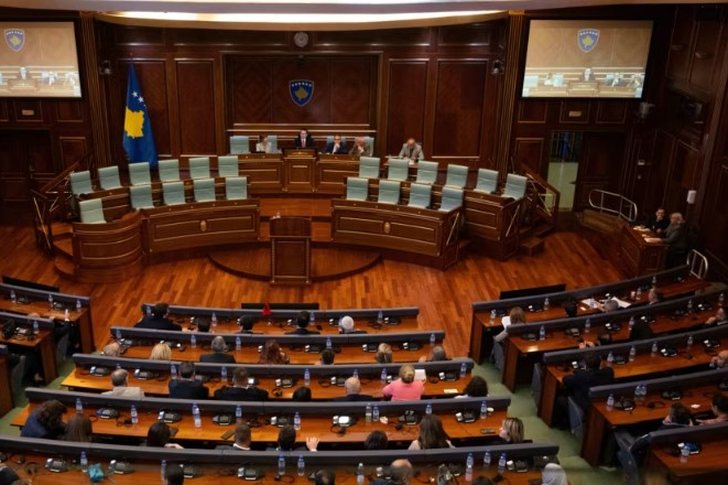
Today at 2:00 PM, a parliamentary session will be held to ...
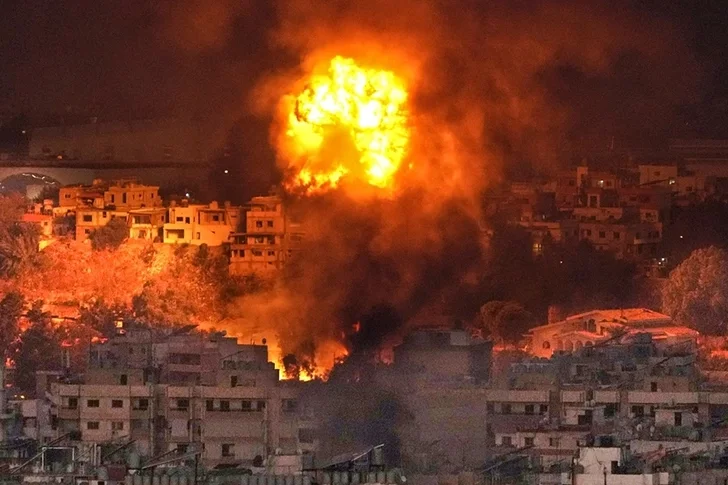
At least 13 people have been killed and several others inj...
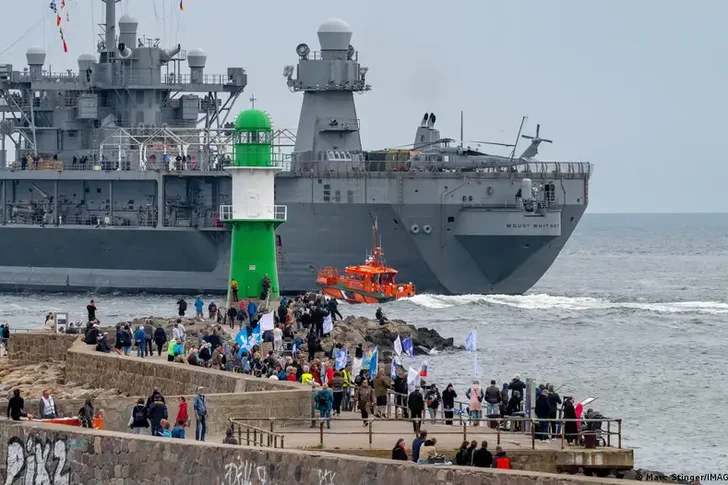
German Defense Minister Boris Pistorius has called on Euro...
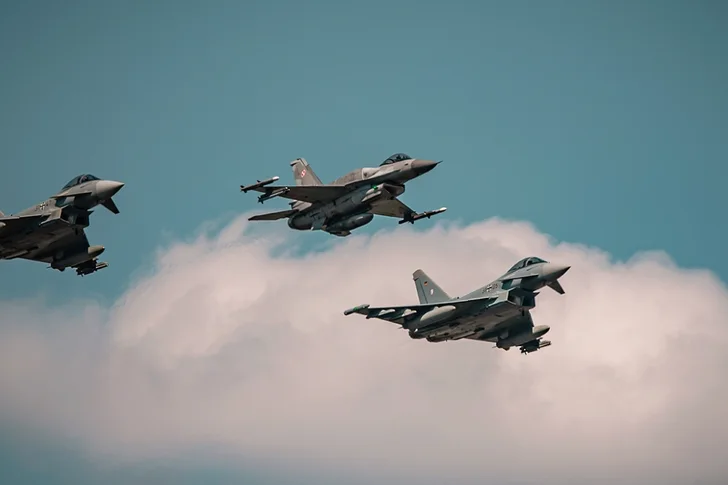
Warsaw ordered the scramble of Polish and allied fighter j...
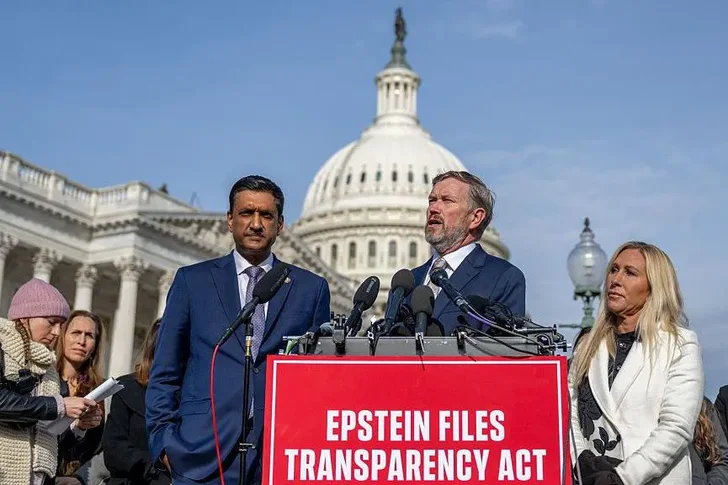
Both houses of the US Congress have agreed to require the ...
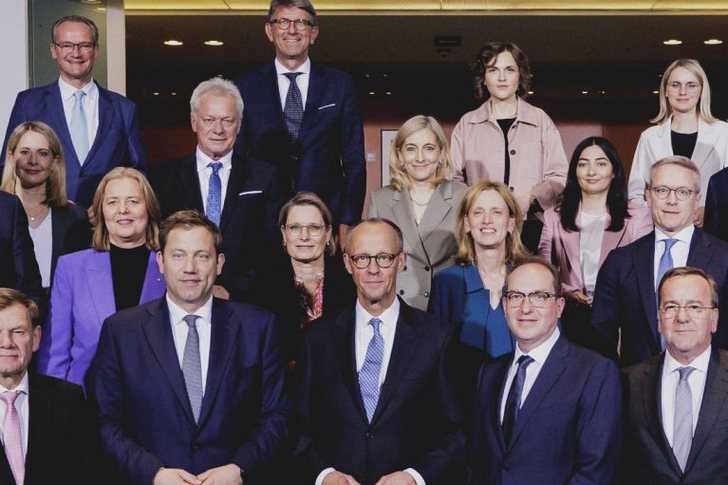
Thousands of euros have been spent on the external appeara...
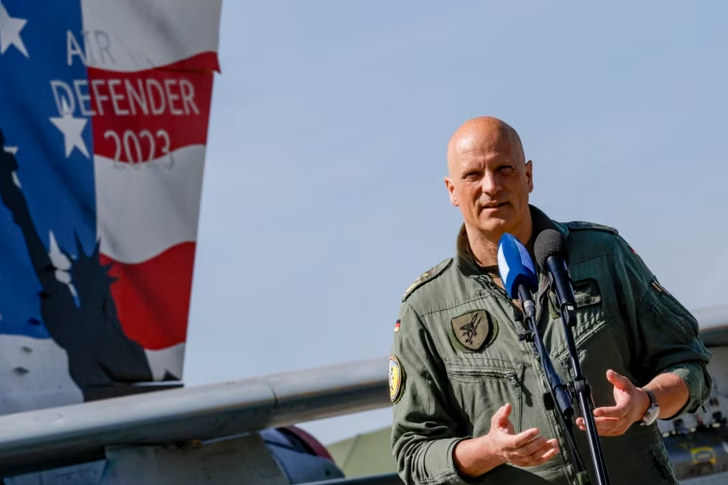
Germany must urgently strengthen its capabilities to deter...
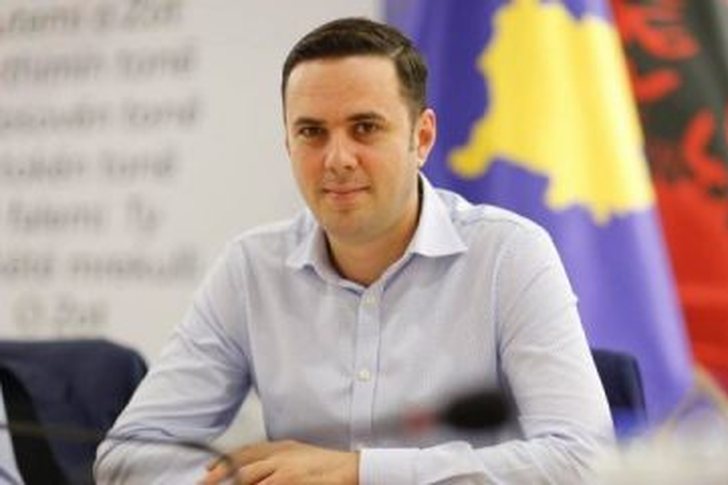
The leader of the Democratic League of Kosovo, Lumir Abdix...
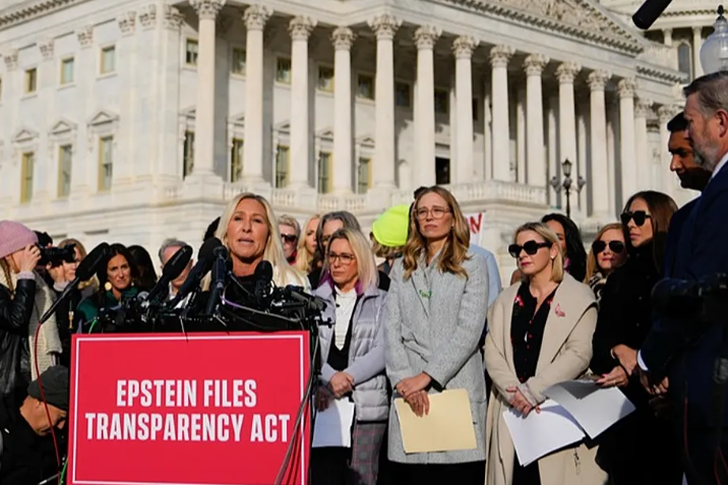
The US House of Representatives voted in favor of a bill t...
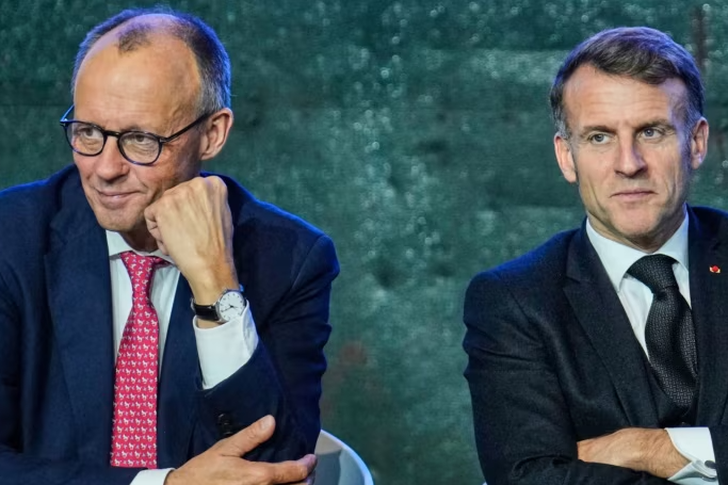
German Chancellor Friedrich Merz and French President Emma...
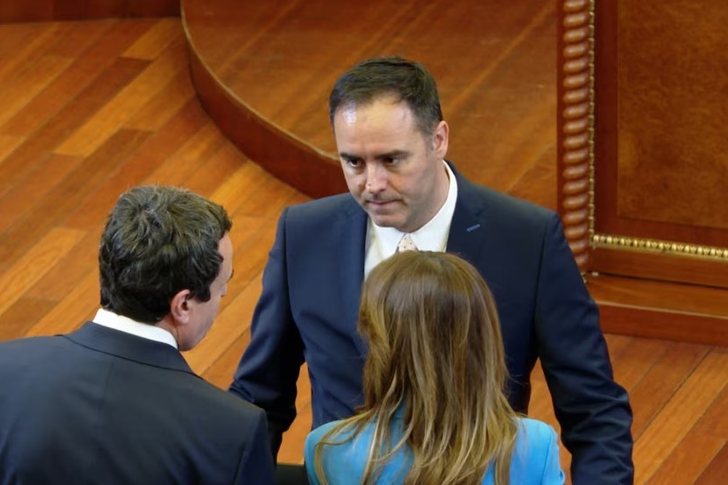
Tomorrow, November 19, a plenary session will be held to e...
Two Ukrainian citizens have been identified as suspects in...
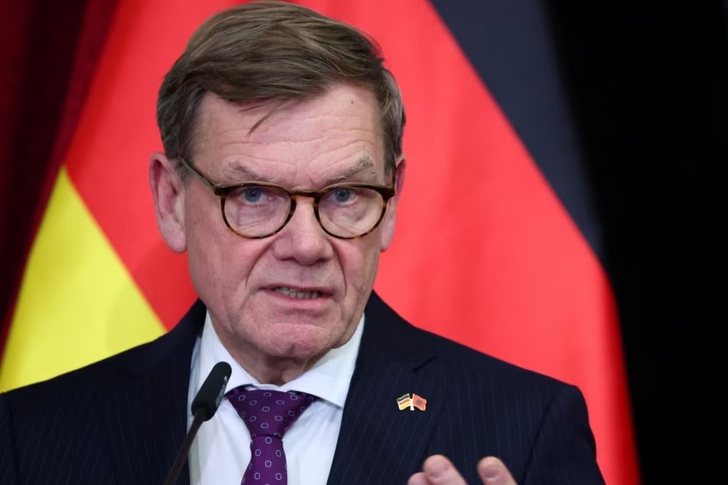
The German chief diplomat, Johann Wadephul, demanded that ...
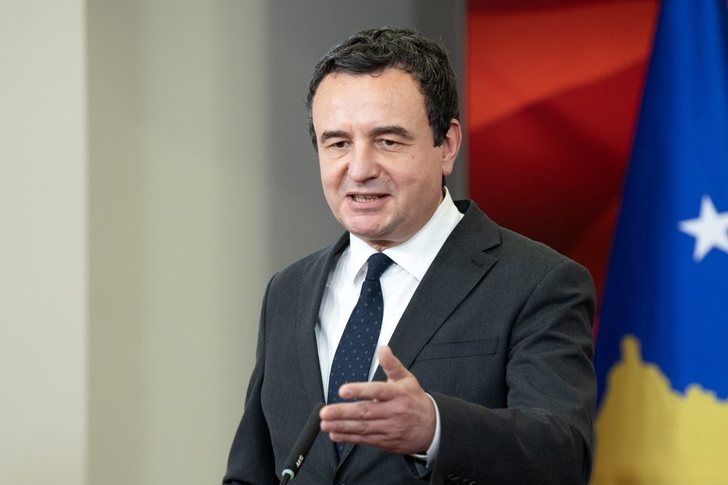
Acting Prime Minister of Kosovo, Albin Kurti, has congratu...
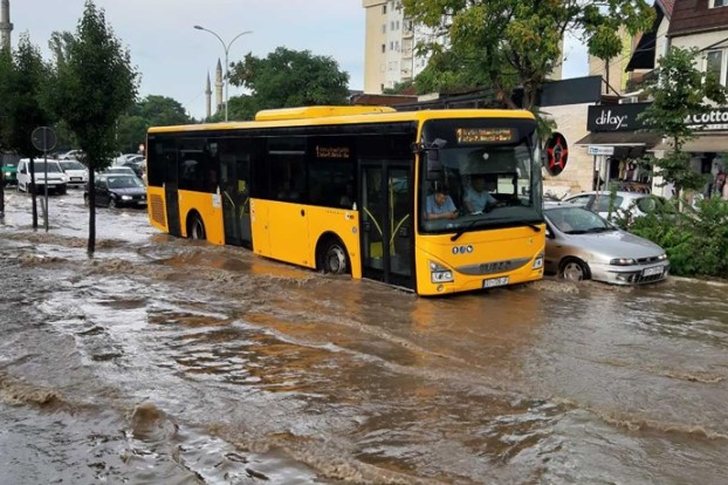
The teaching process in Pristina has been canceled for tod...

CNA has launched another investigation that could lead to ...

Irfan Hysenbelliu is a businessman that we call "Irfan the...

In March 2026, CNA launched another investigation centered...
The arrested mayor of Tirana, Erion Veliaj, with 13 charge...

The Special Board of Appeal (KPA) decided this Monday ...

The KPA vetting decided this Thursday to dismiss the p...

Suela Salavaçi, a prosecutor in the Prosecutor's Offic...

The Special Board of Appeal reinstated the prosecutor ...
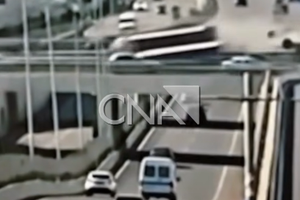
Footage emerges from the serious accident that occurred th...

A Shkodra traffic police officer was hit with hard objects...
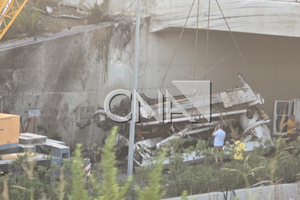
This Wednesday, around 4:00 PM, a serious accident occurre...

Tirana Police have shared details regarding the accident t...
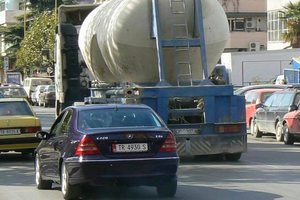
A serious accident that occurred this Wednesday with the c...

The Institute of Geosciences has shared a forecast for wea...
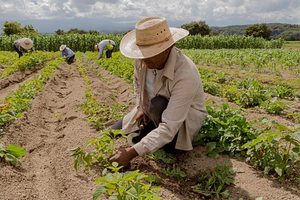
Rising energy and fertilizer prices are expected to contin...

Over 18,000 foreign citizens from 140 countries have appli...
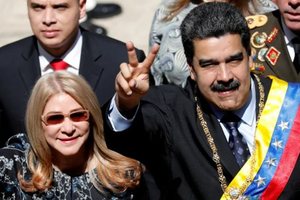
The trial of ousted Venezuelan President Nicolas Maduro on...
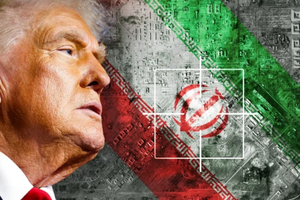
US President Donald Trump has issued another warning to Ir...
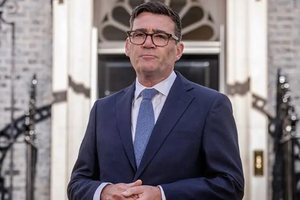
Prime Minister Andy Burnham has announced that most bus fa...

France's parliament has passed a law to ban social media f...

At a time when industrial products are increasingly taking...

Trust among people is not just a three-syllable word. It c...

Master of humor Todi Llupi has passed away at the age of 7...

The ninth edition of "MIK Festival" kicked off with one of...

The price of diesel reached 206 lek per liter from 198 lek...

Businesses will no longer be required to simply register t...

Despite economic growth and income in recent years, Albani...

This Wednesday, one US dollar is bought for 81.4 lek and s...