

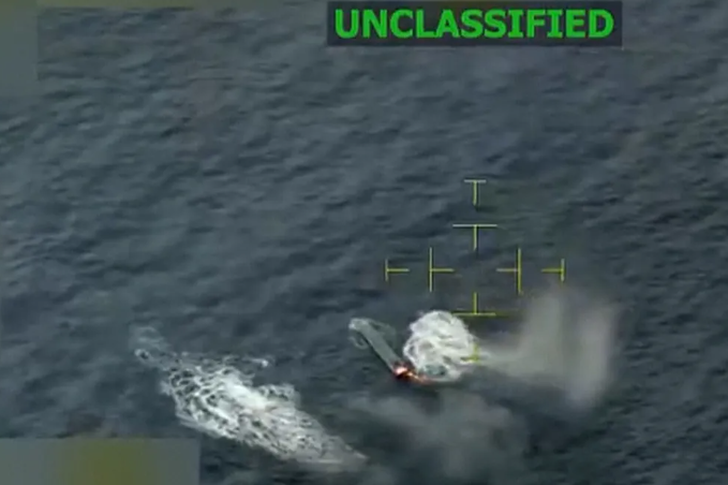
US strikes another suspected drug smuggling ship in eastern Pacific, 1 casualty reported
The US military said it struck another suspected drug smug...


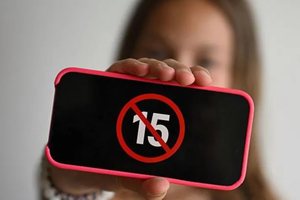
Following Australia's ban on social media for children under 16, which was launched earlier this month, European countries are discussing whether to implement similar restrictions.
As of December 10, Australian children under 16 can no longer create or maintain social media accounts on platforms such as Facebook, X, Threads, Snapchat, Instagram, TikTok, Twitch, Reddit and Google-owned YouTube.
If these platforms are found to be breaking the law, they could face stiff fines of 50 million Australian dollars (28 million euros).
So what are European nations doing to limit social media for children online?
Denmark
In November, the Danish government said it had secured an agreement from all political parties to ban access to some social media sites for children under the age of 15.
The measure aims to protect children and young people in the digital world from platforms that may expose them to harmful content or features, according to a November press release.
Denmark has a national electronic identification system and plans to create an age verification app, Stage said, but did not specify how a potential ban would be implemented.
The country also allocated 160 million kronor (21.4 million euros) for 14 initiatives for child online safety.
France
Anne Le Hénanff, the French minister for digital affairs, told the French newspaper La Dépèche that her department wants to present a bill to restrict social media for children under the age of 15 in the first months of 2026.
The move comes after a French parliamentary commission published a report in September that recommended a ban on social media for children under 15 and suggested a digital curfew for those under 18.
The commission's report was published earlier this year after seven French families sued TikTok in 2024, accusing the platform of exposing their children to content that encourages suicide.
A potential ban is in line with what French President Emmanuel Macron has said in recent months, that if the European Union does not pursue an EU-wide measure, his government will take action instead.
Spain
A draft law being studied by Spanish lawmakers suggests that children under 16 should not be able to access social networks, forums, communication platforms or “any virtual space that includes generative artificial intelligence (GenAI)”, without the explicit consent of their parents.
In other cases, the minimum age will be 14, the draft law states, in order to prevent the risks associated with early exposure to inappropriate content, cyberbullying or digital exploitation of personal data. The law does not specify what these other cases might be.
Children between the ages of 16 and 18 will be able to access social media with their consent.
If passed, the law would also force app store providers to give parents the right to verify which apps they want their children to download.
Ital
Last May, the Italian parliament introduced a bill that could impose restrictions on social media for children under 15.
The law, which is being studied by the Italian Senate, also includes laws to restrict "kidfluencers" under the age of 15 on social media platforms.
The bill also requires platforms to verify user age using a “mini portofolo nazionale,” which translates as a digital identity wallet, which is linked to the upcoming EU age verification system.
Italy's Education Minister, Giuseppe Valditara, told the Italian newspaper Il Foglio that the country should follow the Australian model.
Since November, Italy has also had age verification legislation in place for adult websites.
Restrictions in Italy could potentially come from a pending class action lawsuit similar to the French one, where a group of Italian families sued TikTok and the platforms Meta, Facebook and Instagram.
The lawsuit claims that more than 3.5 million children aged seven to 14 use social media platforms despite being too young. The case will be heard in February.
One of the goals of the lawsuit is to force technology companies to implement stricter age verification practices to ensure that fewer children under 14 are able to access their platforms, according to a statement from the law firm Ambrosio e Commodo.
Greece
In September, Greek Prime Minister Kyriakos Mitsotakis told the UN General Assembly that the country was considering a social media ban similar to the Australian model.
"We are conducting the biggest uncontrolled experiment ever on the minds of our children. We do not know what the consequences will be, but we are almost certain that they will not be positive," local media quoted Mitsotakis as saying.
Greece has already banned the use of smartphones in the classroom, which Mitsotakis said has had a transformative effect on children.
The government also launched a website last year that gives parents instructions on how to activate parental controls on iOS and Android mobile phones. Greece’s Child Wallet, a parental control tool that can limit or block access to apps and online services, is said to be used as an age-verifier for young people. The app gives parents the ability to limit or block access to apps and online services.
The device using the wallet can store the minor's identity and present it to the competent authentication authority.
Germany
In Germany there are no restrictions on social media for people under 16 - at least not yet, according to the German Parliament.
The government said in November it had asked a commission to study whether a ban could be implemented in Germany, along with how social media affects Germany's teenagers more broadly. It will present a final report on this in the fall of 2026.
Germany is considering a ban that applies to every minor child and will not allow some children to be excluded because they receive their parents' consent.
If the German parliament goes ahead with a ban, he says it would prevent children from having social media accounts like Australia did, so children would still be able to access websites without being logged in.
A petition calling for a minimum legal age of 16 for social media sites received over 34,000 signatures and is being considered by the government.

The US military said it struck another suspected drug smug...
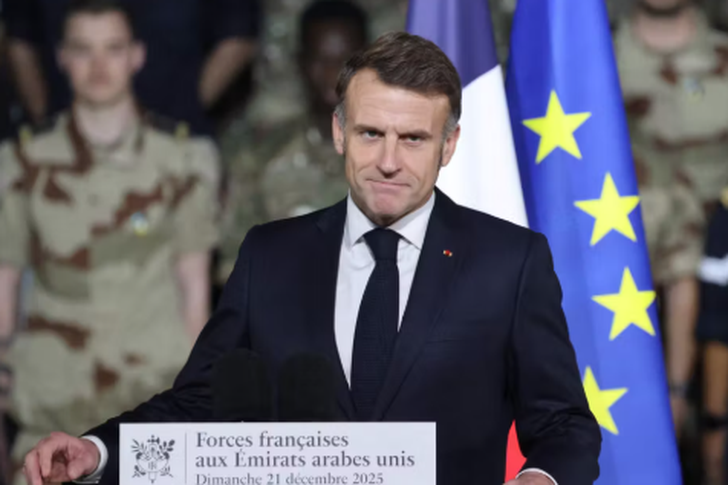
French President Emmanuel Macron has outlined plans to dev...
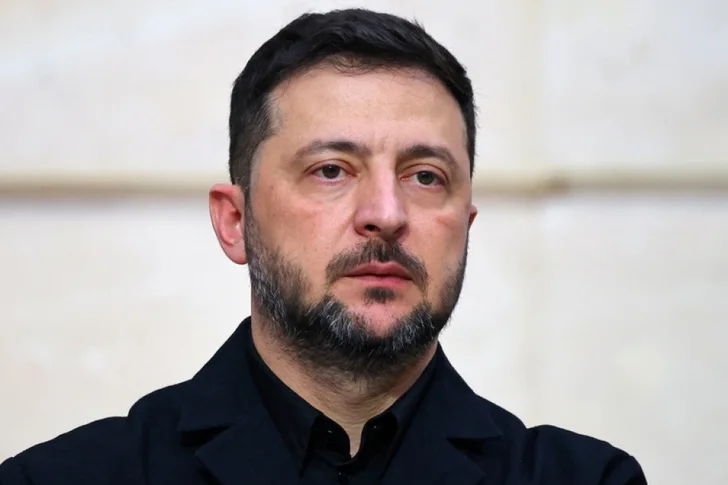
Ukrainian President Volodymyr Zelensky expressed optimism ...
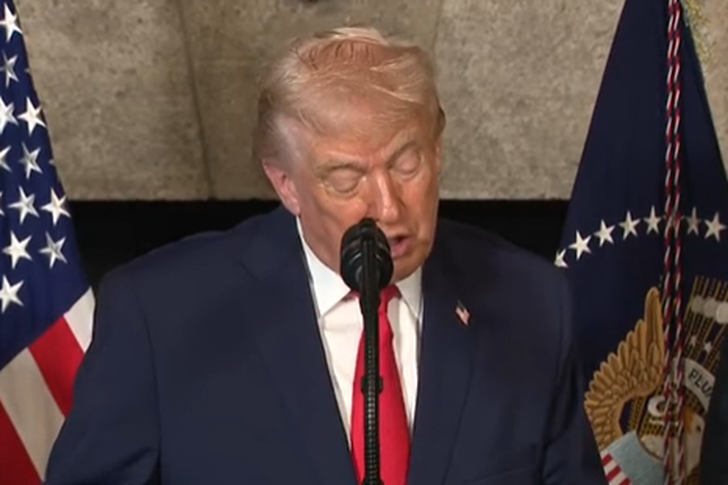
President Donald Trump unveiled the Navy's "Trump" class o...
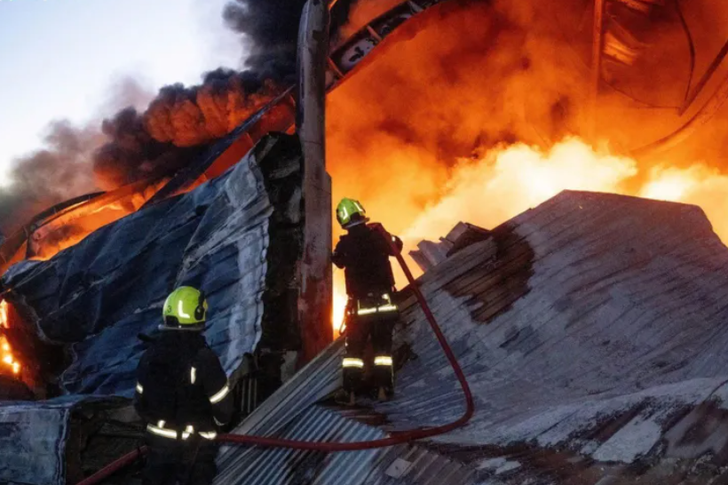
Russia has intensified its attacks on Ukraine's southern O...
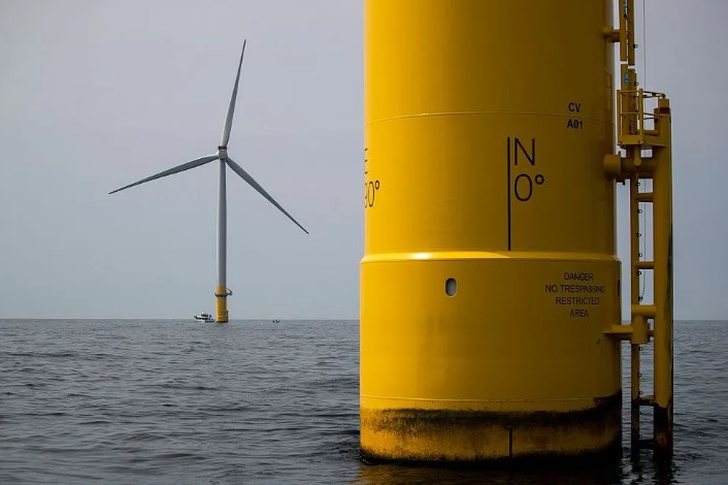
The U.S. is immediately terminating leases for offshore wi...
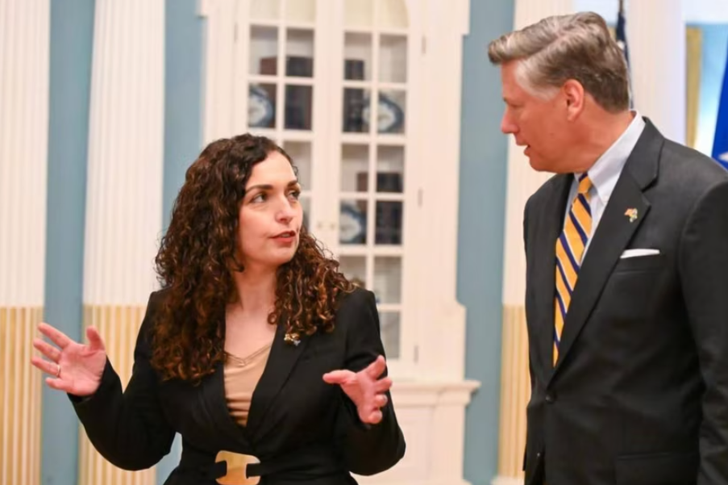
Kosovo President Vjosa Osmani spoke on Monday in Washingto...
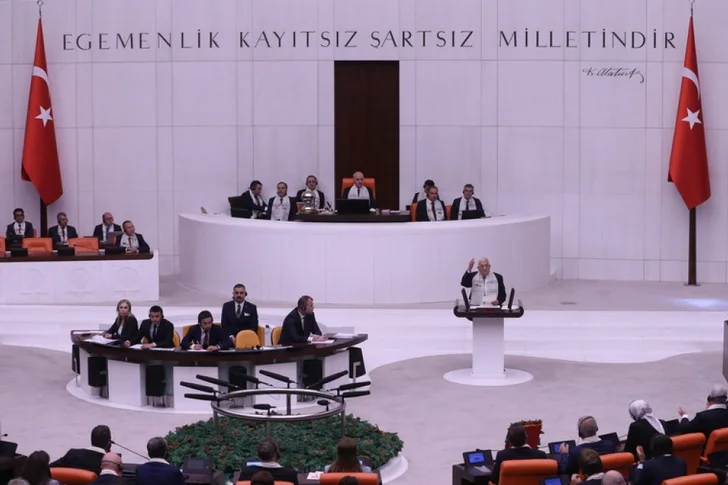
The Grand National Assembly of Turkey today approved Presi...
Russia is gradually imposing restrictive measures on Whats...
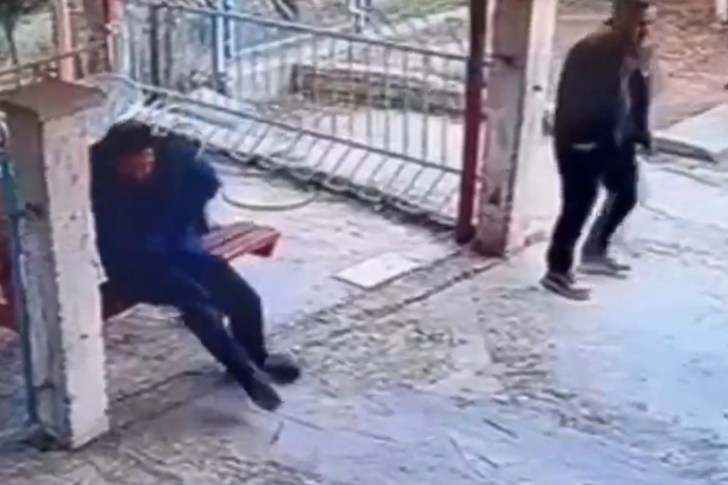
Moments of terror have been recorded at a school in Turkey...
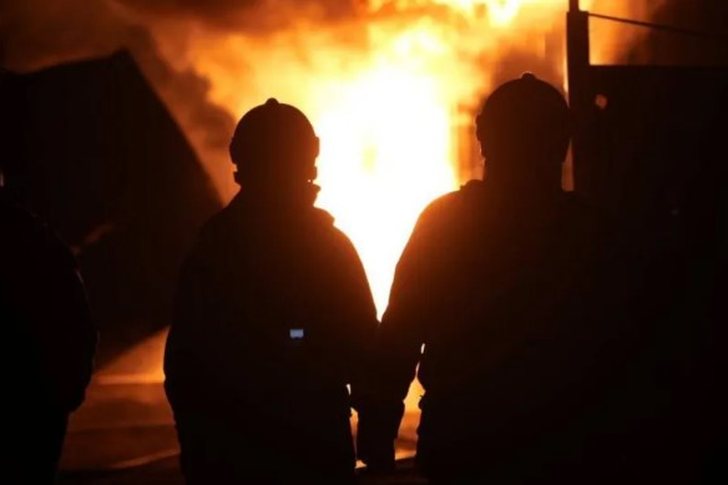
Russia has intensified its attacks on Ukraine's southern O...
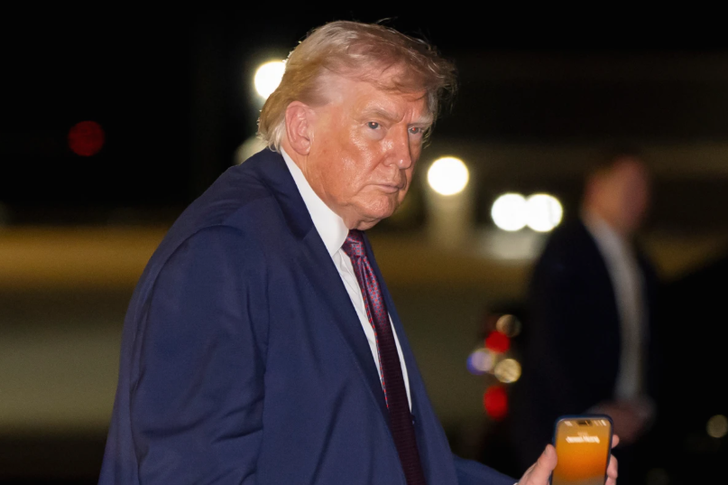
The Trump administration is pulling nearly 30 career diplo...
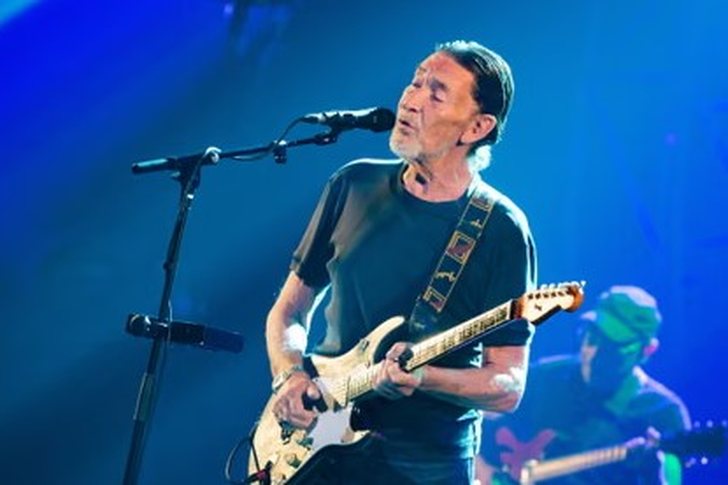
Singer Chris Rea, famous for his hits including "Driving H...
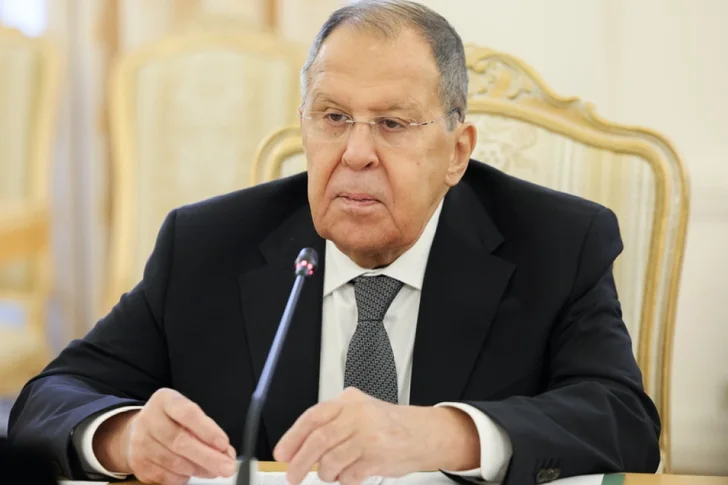
Ministri i Jashtëm i Venezuelës, Ivan Hill, ka zhvilluar n...
China will impose temporary tariffs of up to 42.7% on some...
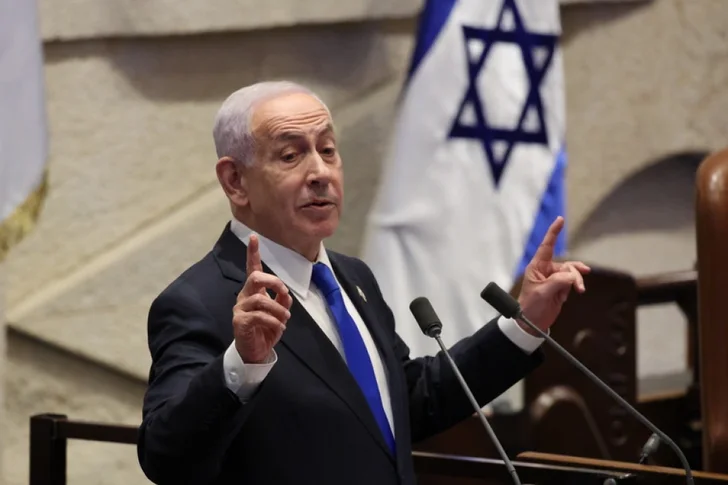
Israeli Prime Minister Benjamin Netanyahu has rejected an ...
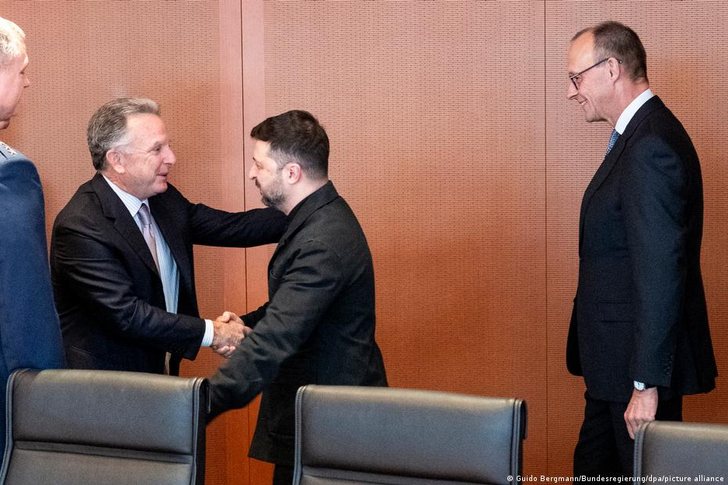
Bisedimet në Shtetet e Bashkuara për një zgjidhje paqësore...
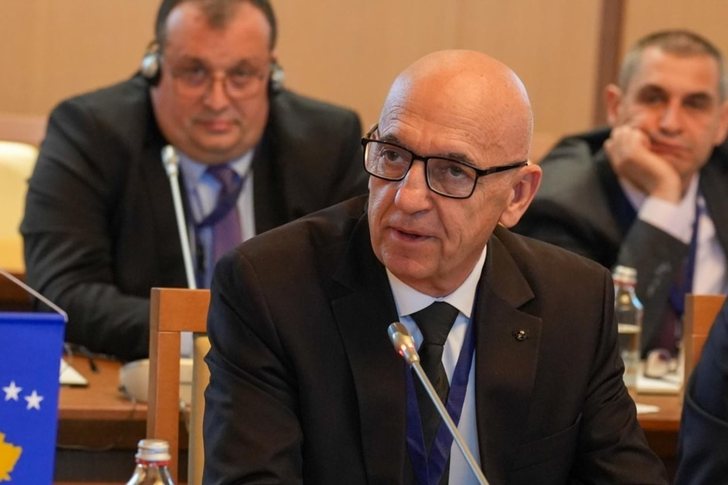
The Kosovo Prosecutorial Council dismissed Besim Kelmendi ...
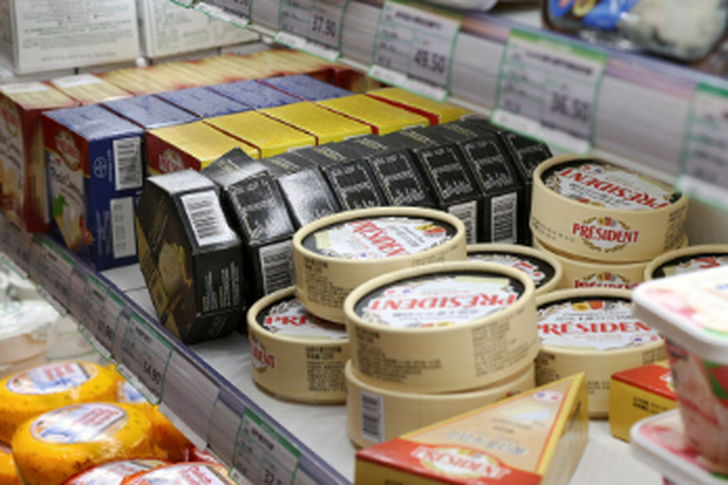
China will impose provisional duties of up to 42.7% on som...

A paraplegic engineer from Germany was part of a crew that...

CNA has launched another investigation that could lead to ...

Irfan Hysenbelliu is a businessman that we call "Irfan the...

In March 2026, CNA launched another investigation centered...
The arrested mayor of Tirana, Erion Veliaj, with 13 charge...

The Special Board of Appeal (KPA) decided this Monday ...

The KPA vetting decided this Thursday to dismiss the p...

Suela Salavaçi, a prosecutor in the Prosecutor's Offic...

The Special Board of Appeal reinstated the prosecutor ...
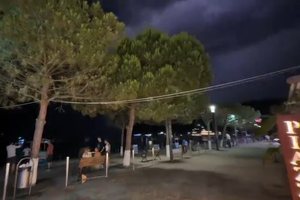
The bad weather that swept the country on Tuesday evening ...

A road accident occurred this evening on Nikolla Zoraqi St...
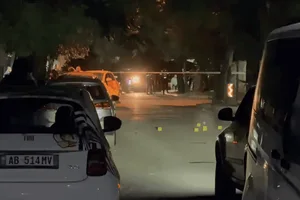
Three people were shot and wounded in Elbasan last night b...

A serious incident occurred this Tuesday in the Yrshek are...
This Wednesday, our country will be under the influence of...

All of Southern Europe will face changing weather conditio...
Albania was hit by temperatures significantly higher than ...

For the first time, Pogradec welcomed the Inter-Lake Chess...
Prime Minister Andy Burnham has announced that most bus fa...
France's parliament has passed a law to ban social media f...

US Secretary of State Marco Rubio arrived in Manila on Jul...
In the space of a few days, Ukrainian President Volodymyr ...

At a time when industrial products are increasingly taking...

Trust among people is not just a three-syllable word. It c...

Master of humor Todi Llupi has passed away at the age of 7...

The ninth edition of "MIK Festival" kicked off with one of...

Businesses will no longer be required to simply register t...

Despite economic growth and income in recent years, Albani...

This Wednesday, one US dollar is bought for 81.4 lek and s...

Construction company licenses will have a validity period ...