

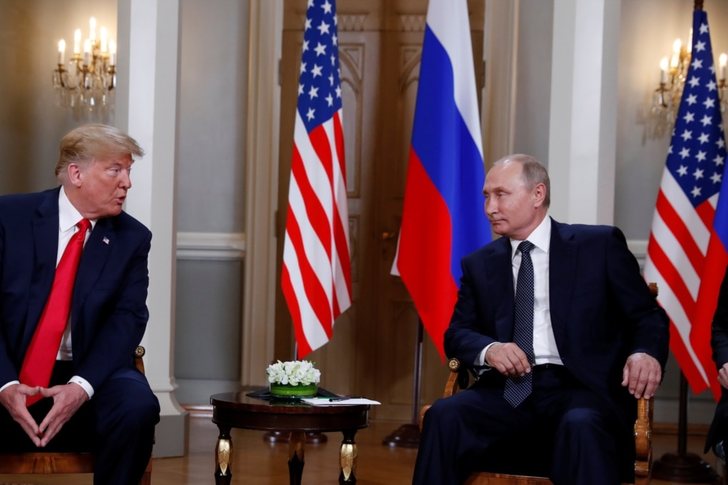
Russia ready to listen to Donald Trump's proposal to end the war
Russia is ready to listen to President-elect Donald Trump'...


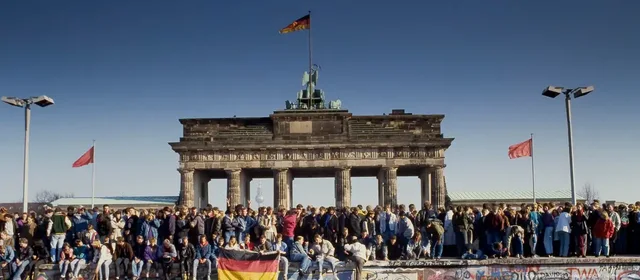
The history of the Berlin Wall begins in August 1961, in the Russian capital, Moscow. The then leaders of the communist parties of the Eastern Bloc met there. They decided to close the border between East and West Germany. On August 12, 1961, Valter Ulbriht, head of state of the GDR, signed orders to close the border. On August 13, the army, police and combat troops began building the Berlin Wall.
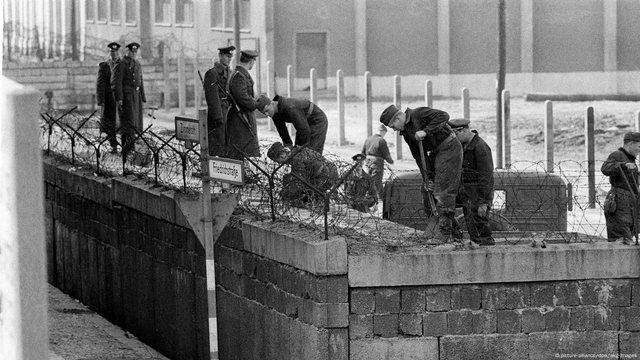
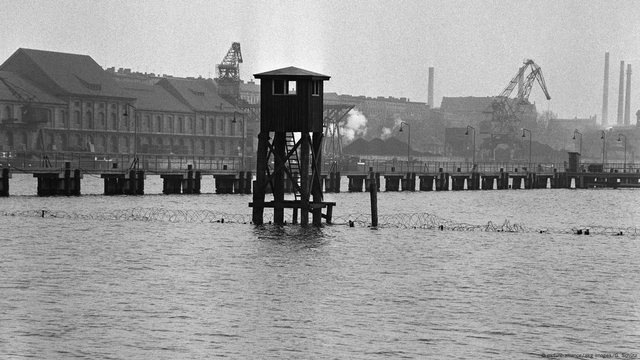
On August 13, 1961, East Berlin began blocking the GDR from the West. The erection of the Berlin Wall was part of this measure. The Soviet Union and the German Democratic Republic - GDR did not know how else to act to stem the tide of refugees from East Germany to the West. Only in the first six months of 1961, over 150,000 people left the GDR. In previous years, over three million had left. It was often young people with high qualifications who turned their backs on socialism on German soil. Bernauer Strasse in Central Berlin was one of the most talked about areas of German partition. In the days of building the wall here people jumped from their homes in the east to the western part of the city. Because the sidewalk was part of the free side of Berlin.
The United States reacted coldly. For President John F. Kennedy, the lifting of the blockade was not a cause for war. The three foundations of his policy towards Germany remained untouched by the erection of the Wall: free movement in Berlin, the presence of Western powers in the city and the freedom of the people in West Berlin.
To demonstrate his presence, Kennedy sent General Lucius Clay, the hero of the Berlin airlift in 1948/49, and Vice President Lyndon B. Johnson to the divided city. He himself visited the Federal Republic of Germany for the first time in 1963. In front of the Shëneberg town hall (Schöneberg) he gave a speech about the Wall and freedom in front of hundreds of thousands of people on June 26. In this place he uttered the words that went down in history: "I am a Berliner".
President Kennedy's charisma reconciled Berliners with the United States of America. When East Berlin began building the Separation Wall many had expected a greater US commitment. However, the Kennedy administration as well as German politicians reacted cautiously. They knew: the world was on the brink of an atomic war.
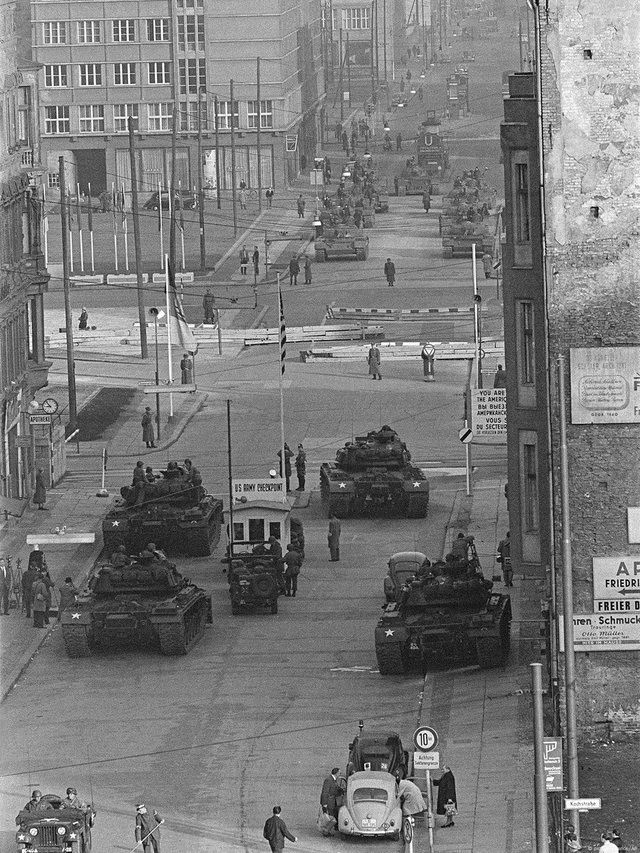
This became clear in October 1961. Then the collaborators of the American administration were prevented from entering the eastern sector. American tanks demonstratively went to the border crossing "Checkpoint Charlie". In front of them were the Soviet tanks. In the end both sides withdrew their soldiers. However, the Americans made it clear to the world that they will defend their rights in the city.
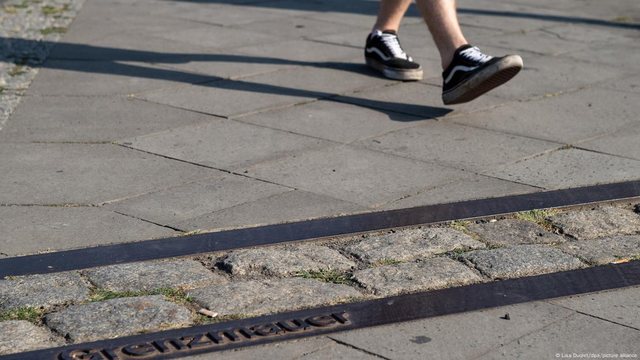
Most tourists are surprised that so little remains of the wall and look for traces and remnants in the city. Today there are very few parts of the Berlin Wall left. When in 1989 the Berlin Wall was opened and shortly after it came down, there followed a period of distancing from this painful chapter of German post-war history. Nothing was to cloud the joy of the newly won reunion. This is one reason why there are so few parts of the Berlin Wall left in Berlin. In many parts of the city, only a line marked on the ground shows where the Wall passed. German-German separation lasted 28 years. According to the data of the Center for Historical Studies in Potsdam, from 1961 to 1989, 136 people were killed at the Berlin Wall.
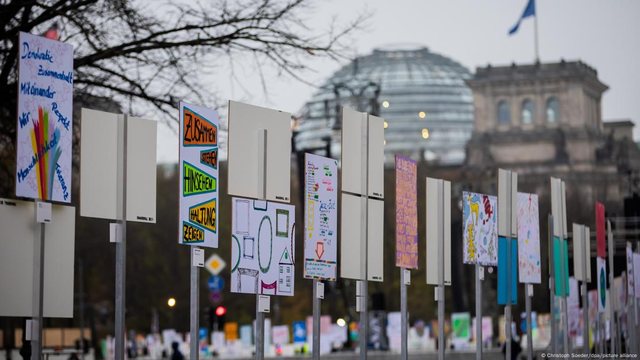
Today, the national monument for the victims of the construction of the wall is located on Bernauer street. Trumpets always sound on Bernauer Street on November 9. This is a symbolic ritual, part of the initiative of human rights activists former citizens of the GDR, the German Democratic Republic. Every year the trumpets sound an ancient biblical message: walls fall when people cannot stand them./ DW

Russia is ready to listen to President-elect Donald Trump'...
In Turkey, Radio Acik listeners are protesting after regul...
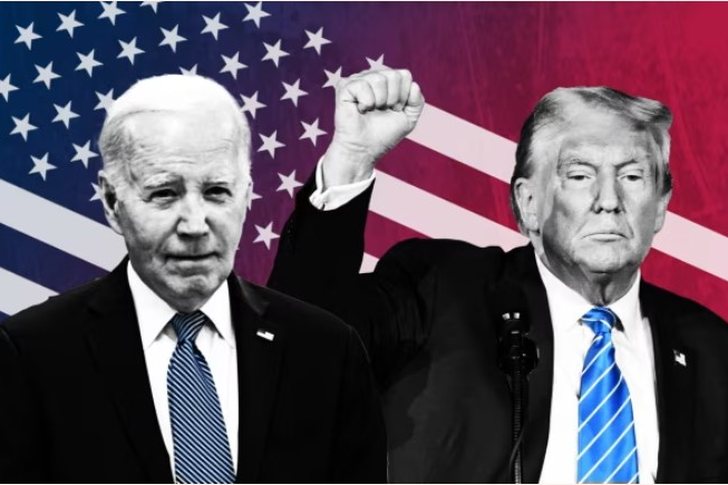
Donald Trump won the election against Kamala Harris, b...
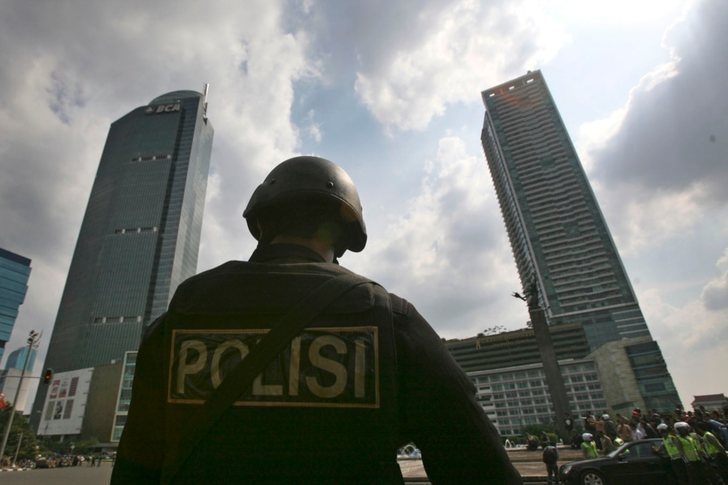
In a year when more than 60 general elections are held aro...
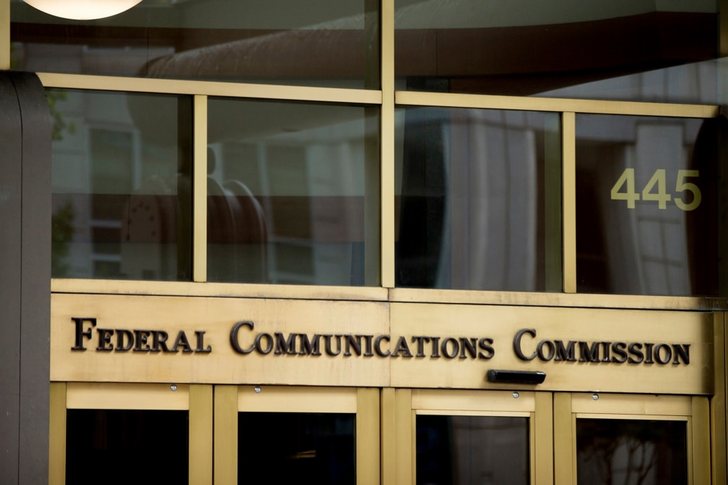
Federal and state authorities are investigating racist mes...
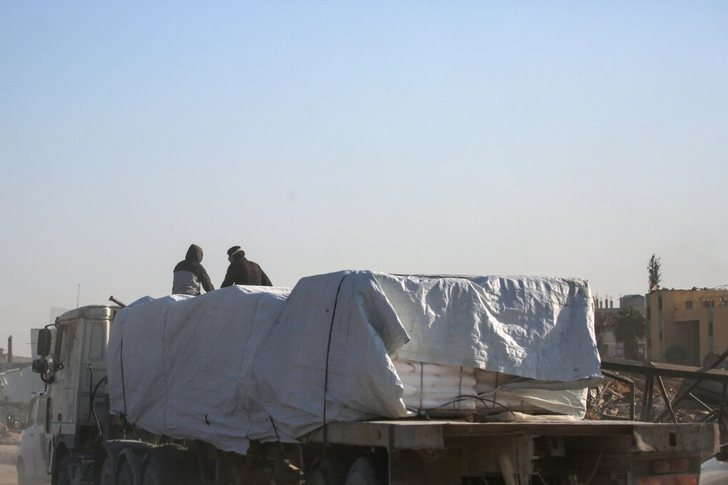
Palestinian health officials announced that at least 13 pe...
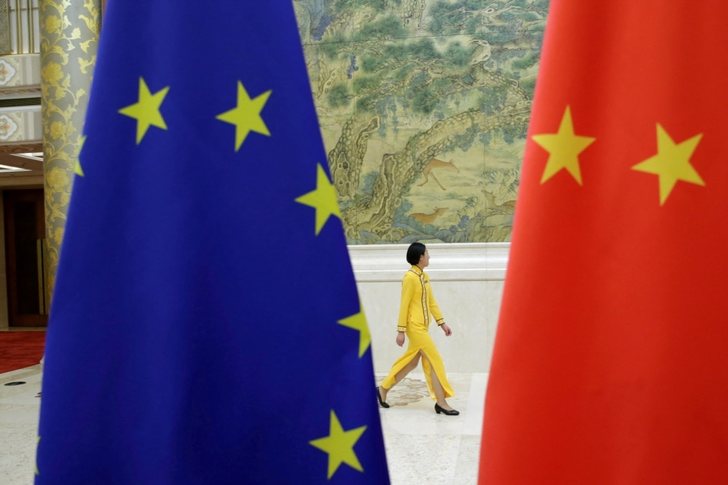
The European Union (EU) does not want a trade war with Bei...

The Australian Labor government only wants to allow childr...
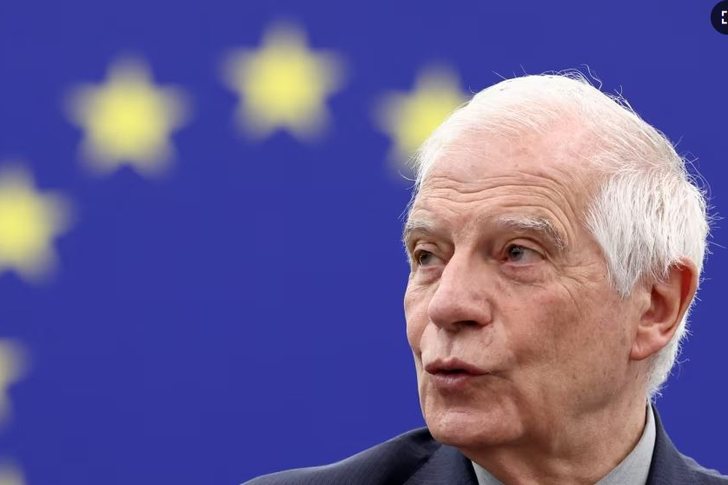
European Union (EU) foreign policy chief Josep Borrell arr...
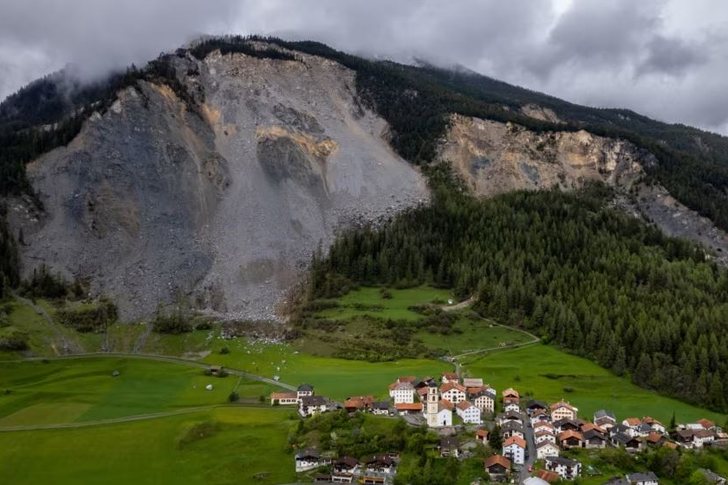
A small Swiss village – which received worldwide attention...
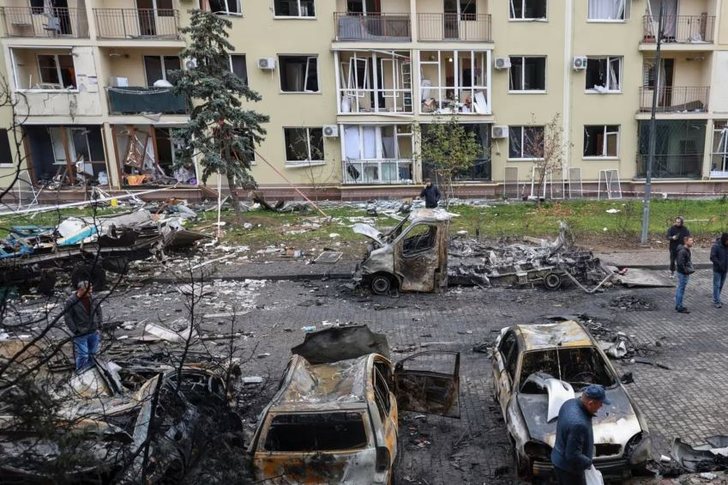
Russian drones attacked the Ukrainian port city of Odesa o...
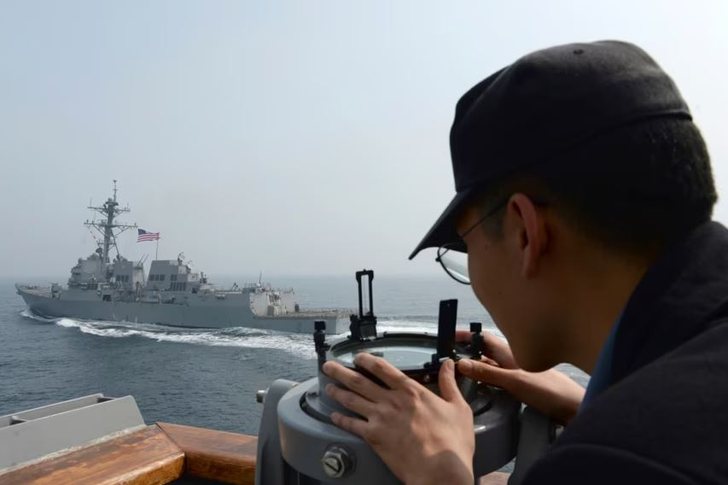
North Korea has launched a campaign to jam Global Position...
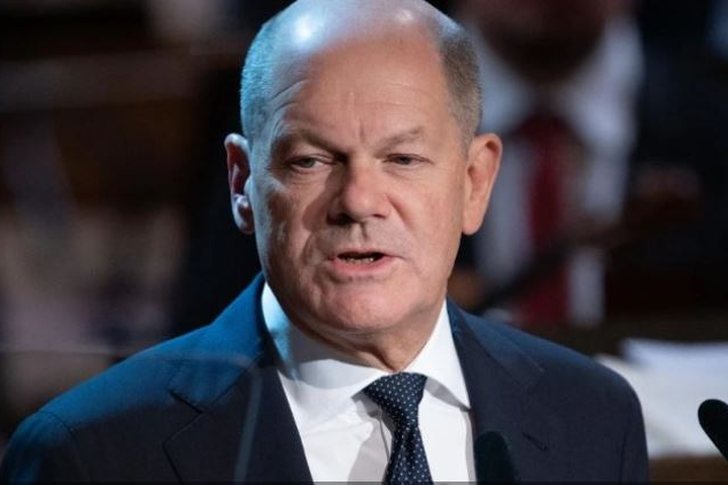
The government coalition in Germany with the SPD-Greens-FD...
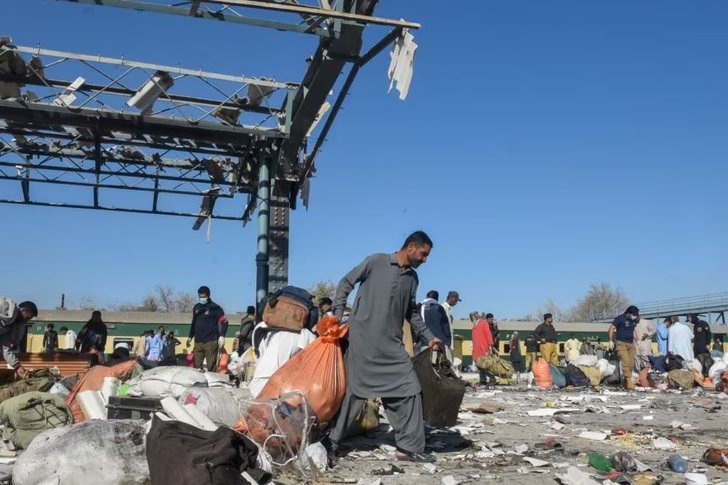
At least 24 people have been killed and 40 others injured ...
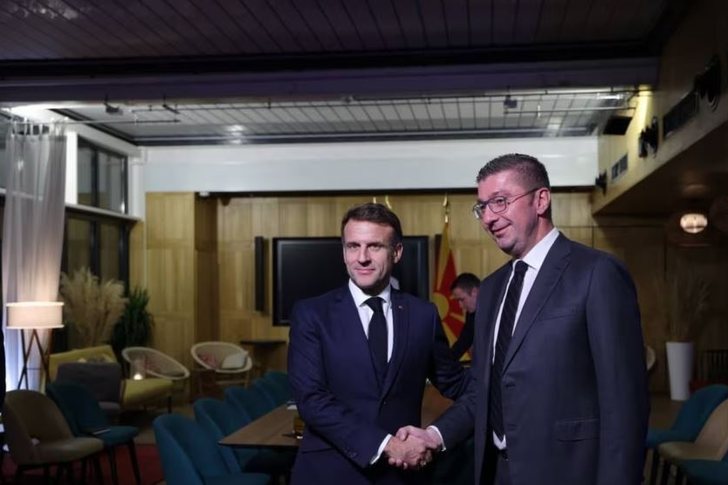
The Prime Minister of North Macedonia, Hristijan Mickoski,...
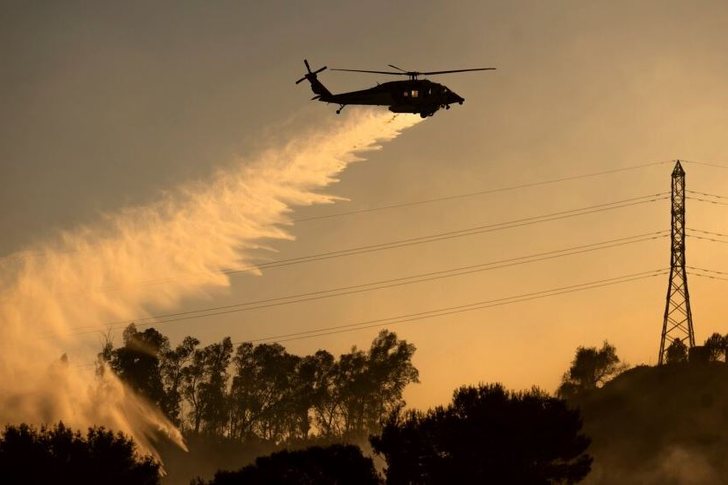
More than 130 are now confirmed to have been destroyed by ...
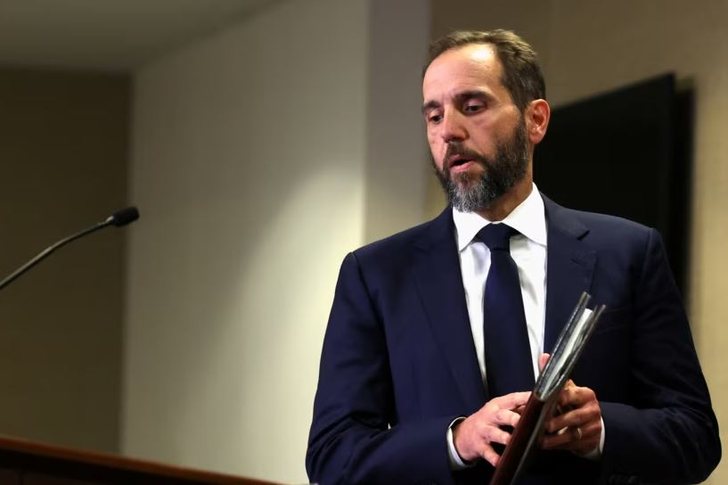
A judge overseeing the case against Donald Trump for meddl...
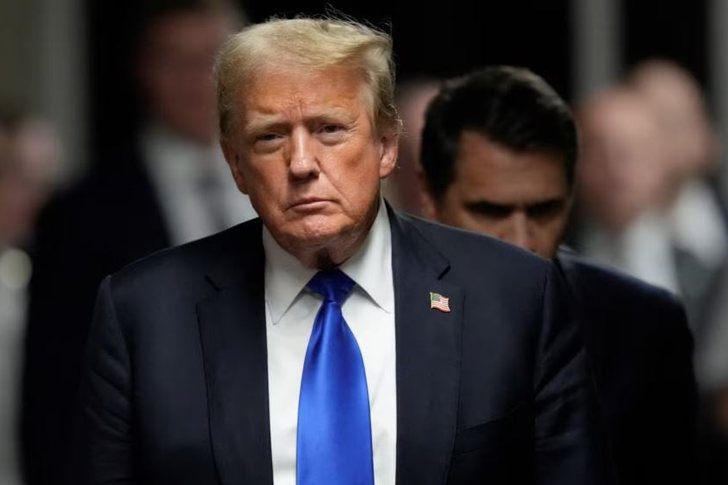
Authorities in the United States have indicted an Iran...
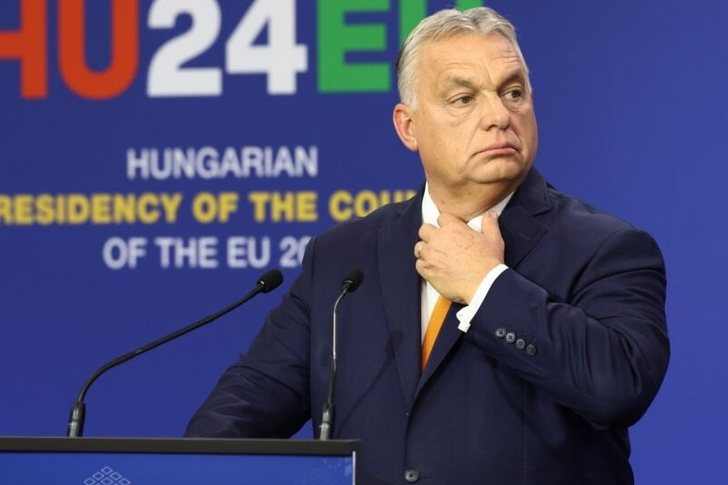
The Hungarian Prime Minister, Viktor Orban, said that ...
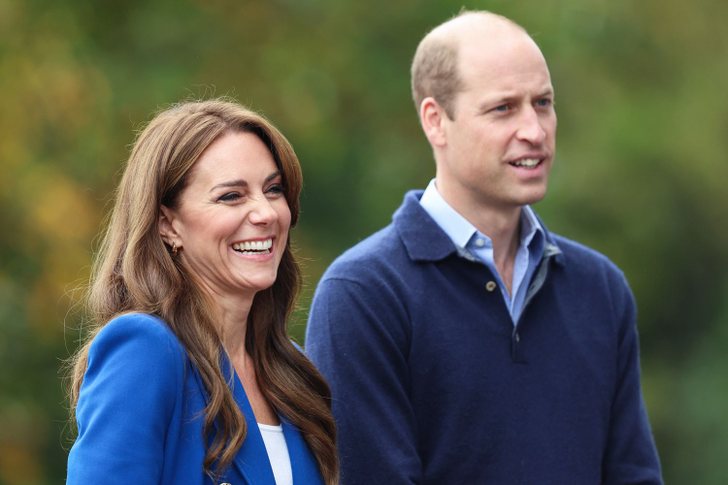
The year 2023 has been described by Prince William as the ...

CNA has launched another investigation that could lead to ...

Irfan Hysenbelliu is a businessman that we call "Irfan the...

In March 2026, CNA launched another investigation centered...
The arrested mayor of Tirana, Erion Veliaj, with 13 charge...

The Special Board of Appeal (KPA) decided this Monday ...

The KPA vetting decided this Thursday to dismiss the p...

Suela Salavaçi, a prosecutor in the Prosecutor's Offic...

The Special Board of Appeal reinstated the prosecutor ...
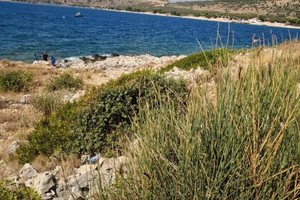
Citizen MH, 61, a fisherman, was found dead near the islan...
Another phase of the international operation, codenamed "T...
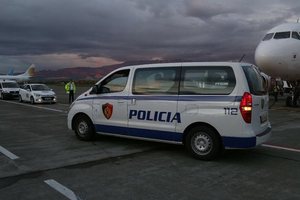
Police have arrested a 34-year-old woman at Rinas Airport ...

A serious accident has occurred on the Lezhë-Shëngjin axis...

The Institute of Geosciences has shared a forecast for wea...
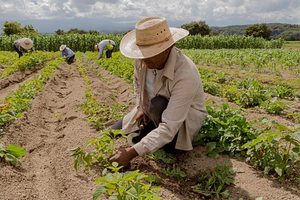
Rising energy and fertilizer prices are expected to contin...
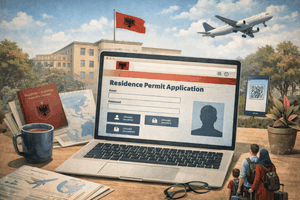
Over 18,000 foreign citizens from 140 countries have appli...
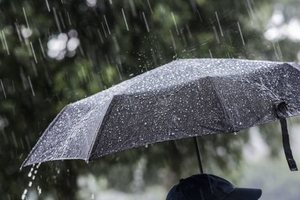
This Wednesday, our country will be under the influence of...
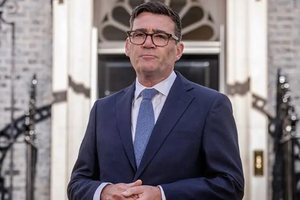
Prime Minister Andy Burnham has announced that most bus fa...
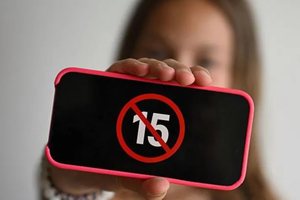
France's parliament has passed a law to ban social media f...

US Secretary of State Marco Rubio arrived in Manila on Jul...
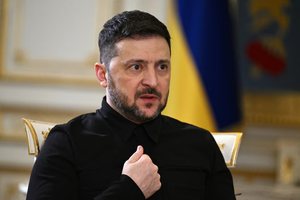
In the space of a few days, Ukrainian President Volodymyr ...

At a time when industrial products are increasingly taking...

Trust among people is not just a three-syllable word. It c...

Master of humor Todi Llupi has passed away at the age of 7...

The ninth edition of "MIK Festival" kicked off with one of...

Businesses will no longer be required to simply register t...

Despite economic growth and income in recent years, Albani...

This Wednesday, one US dollar is bought for 81.4 lek and s...
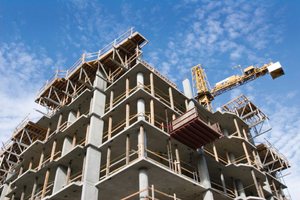
Construction company licenses will have a validity period ...