


Plenary sessions resume with debates/ Rama present in Parliament, podium blocked
Plenary sessions have resumed, with Prime Minister Edi Ram...

Plenary sessions have resumed, with Prime Minister Edi Ram...

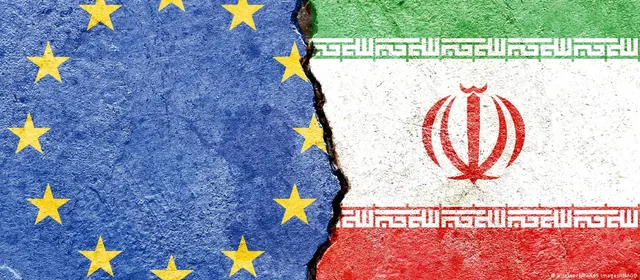
Following the US and Israeli attack on Iran, it is becoming apparent that the European Union is so far largely just an observer.
Only a few European governments received at least timely notice from Israel about the upcoming military operation, while others learned perhaps only through extraordinary news reports. In the EU, it seems that no one was really involved in the preparations.
This is not surprising: the EU's influence on war and peace in the region is limited anyway. No one seriously considered that the US or Israel would coordinate their military attacks with the EU or national governments.
In response, so far only extraordinary calls and meetings remain - and an open question, how important is the consistent application of international law in such a situation.
"Europe has not achieved much"
German Chancellor Friedrich Merz said Sunday afternoon in Berlin that this is not the time to lecture partners and allies about the situation. His dry assessment is: "The calls from Europe, even from Germany, the condemnation of Iran's rights violations and even the extensive sanctions packages for years and decades, all of this has not achieved much."
The EU's High Representative for Foreign Affairs, Kaja Kallas, invited foreign ministers to an extraordinary meeting. After two and a half hours, the video conference ended with only a joint statement on which all 27 EU members managed to agree.
The EU is following developments in Iran and the Middle East with "the greatest concern." And further: "We will continue to protect the EU's security and interests with additional sanctions."
Events in Iran should not lead to an escalation "that could threaten the Middle East, Europe and beyond - with unpredictable consequences, including in economic terms."
One outcome of the meeting: The EU is strengthening its military mission to protect trade routes through the Red Sea and Gulf of Aden. France will soon make two additional ships available for Operation Aspides, a senior EU official in Brussels said.
EC calls for "restraint"
European Commission President Ursula von der Leyen criticized Iran's military attacks in the region: "Europe strongly condemns these unjustified attacks." And: "We call on all parties to show the greatest possible restraint, protect civilians and fully respect international law."
International law - the international legal order: EU leaders regularly refer to this, not just now. But for now, Brussels has not heard an assessment of preemptive strikes from the US and Israel.
Christoph Safferling from Friedrich-Alexander University in Erlangen and Nuremberg told tagesschau24 even after assessing the arguments: "The fact remains that the attack itself was against international law."
CDU Commissioner for Foreign Policy, Norbert Röttgen, does not object to this, but at the same time calls the current Iranian government "a regime that violates all rights."
Röttgen believes that the dilemma has now been resolved by the military action itself: "It must now be legitimized by the way the war is being waged and the purpose of the war - the liberation of the Iranian people." This is somewhat reminiscent of the discussions following the US military action in Venezuela.
A spectrum of opinions from the Czech Republic to Spain
There is still no unified position within Europe. This is not unusual when it comes to crises in the Middle East.
Germany, France and the United Kingdom issued a joint statement on Saturday declaring that they are not participating in military action and strongly criticizing Iran's counterattacks. The statement also contains an appeal that "we call for the renewal of negotiations and urge the Iranian leadership to find a negotiated solution."
Czech Prime Minister Babiš stresses the need to stand by allies. Spanish Prime Minister Pedro Sánchez has been harshly critical of Iran, but also wrote on X: "We reject the unilateral military action of the US and Israel, which constitutes an escalation and contributes to a more insecure and hostile international order."
The EU must speak with one voice, says Manfred Weber, president of the European People's Party, on the show Bericht aus Berlin. At the end of January, the EU increased diplomatic pressure on the Iranian regime. Foreign ministers decided to include the Revolutionary Guard on the list of terrorist organizations after the deaths of perhaps thousands of protesters in Iran.
The Revolutionary Guard thus aligned itself with organizations such as Al-Qaeda, Hamas, and the Islamic State (ISIS), and in response, the entire Iranian parliament sat in Revolutionary Guard uniforms.
From this weekend it is a completely new situation. The European Union wants to participate in the debate on what to do now. But the EU will have to prove in the coming days and weeks that it can move beyond the role of observer. /DW

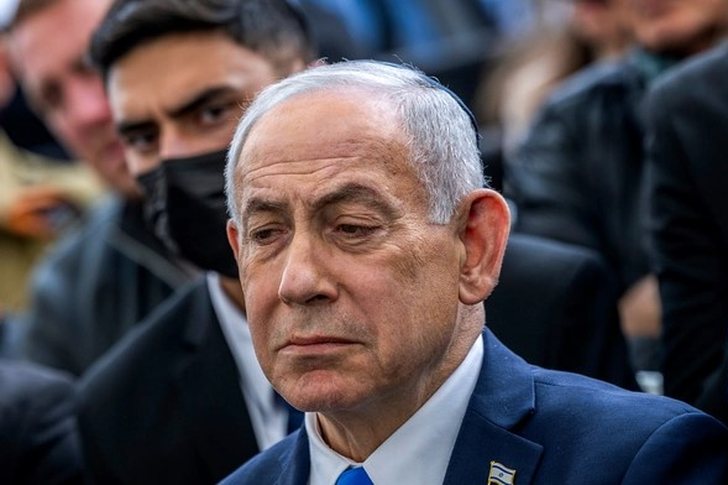
Kryeministri i Izraelit, Benjamin Netanyahu ka kundërshtua...
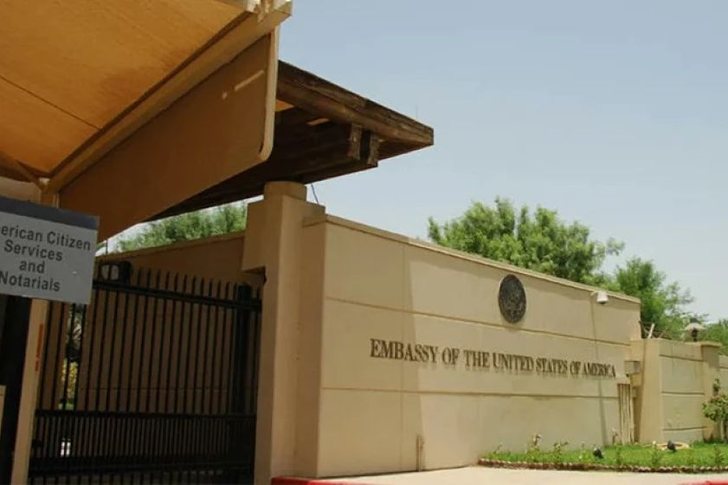
The US Embassy in Kuwait has announced it will be closed u...
The UN has declared that the bombing of an Iranian element...
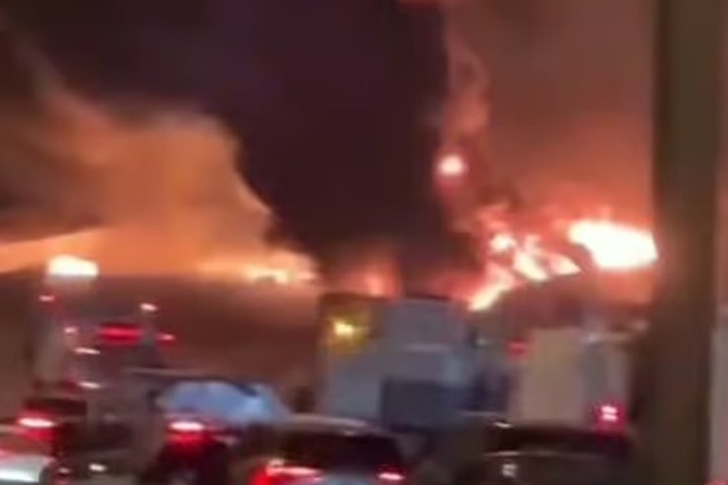
The US Embassy in Riyadh has announced the cancellation of...
Two new explosions have been heard in Riyadh's diplomatic ...
President Donald Trump has commented on Truth Social about...
Benedetto "Nitto" Santapaola, the Sicilian mafia boss who ...
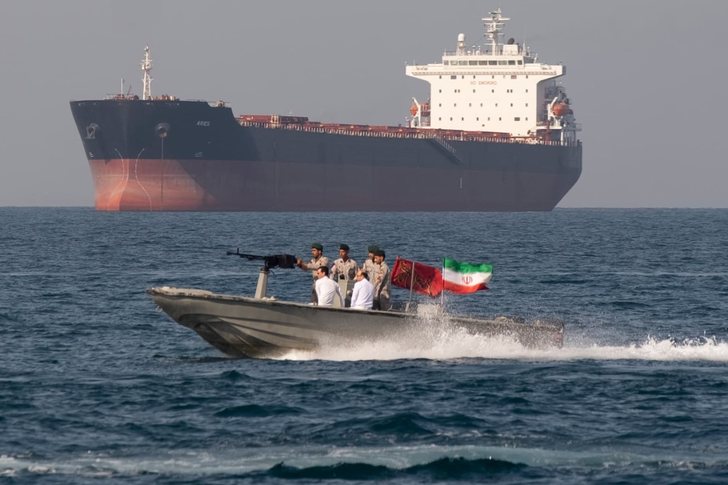
Oil prices rose on Monday as the escalating war in Iran di...
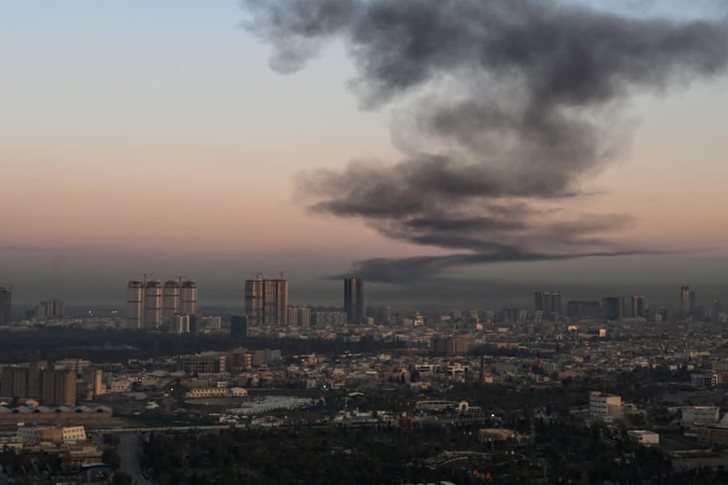
A US military base in Iraq has been attacked by drone, for...
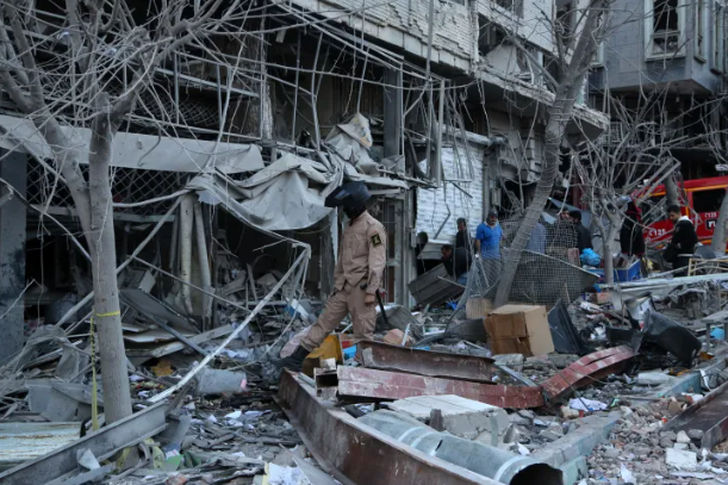
The Israeli military has stated that it is carrying out si...
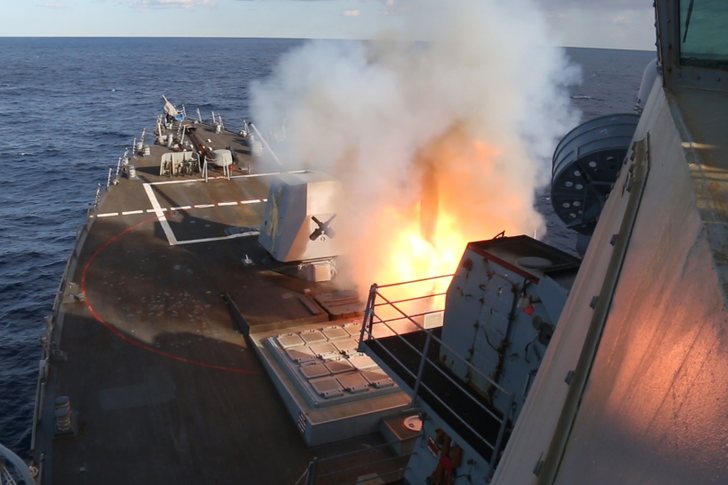
Komanda Qendrore e Shteteve të Bashkuara të Amerikës tha s...
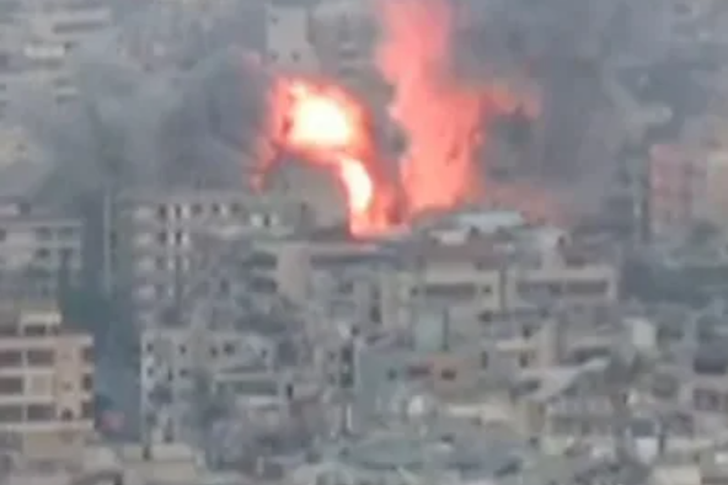
A series of powerful explosions rocked the southern suburb...
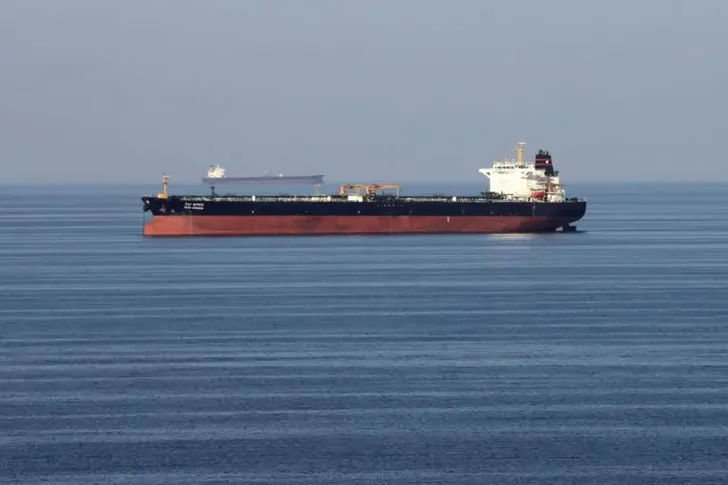
An Iranian official says Iran will set fire to anyone who ...
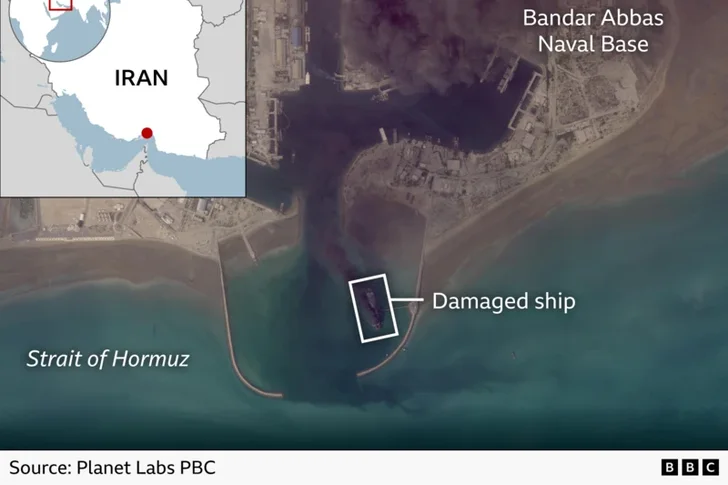
US Central Command, Centcom, says it has sunk 11 Iranian s...
Iran's ambassador to Spain, Reza Zabib, warned that his co...
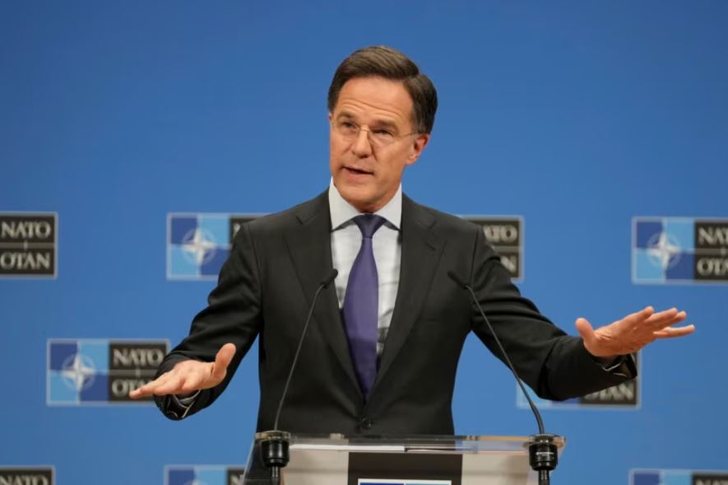
NATO Secretary General Mark Rutte spoke today about the mi...
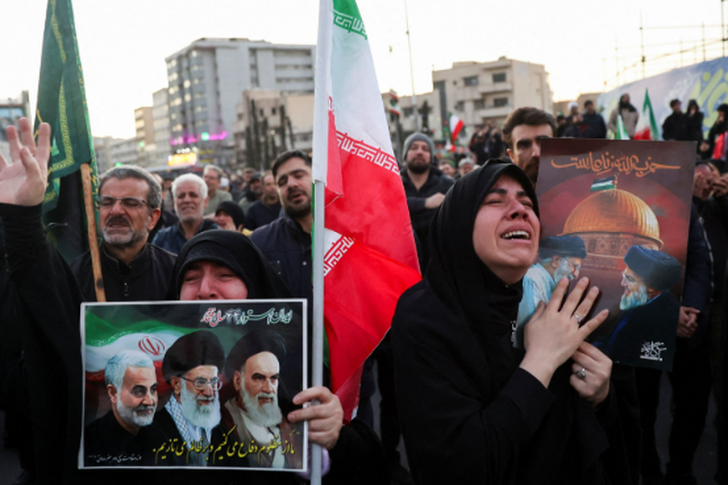
Thousands of people gathered in the center of Iran's capit...
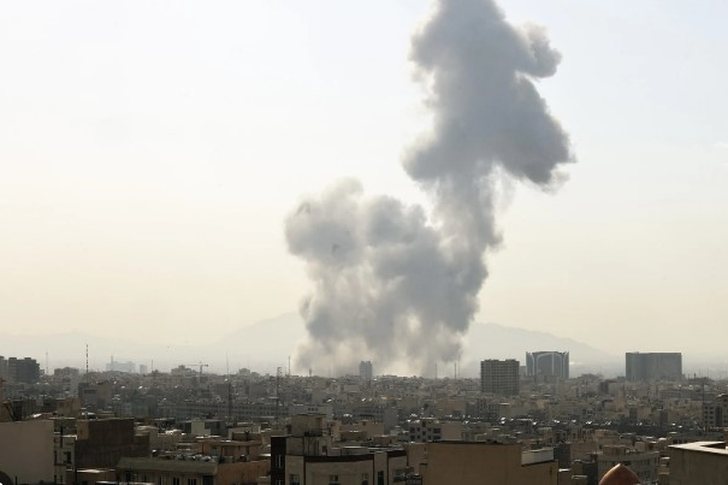
Iran's IRGC-affiliated Tasnim News Agency has published a ...
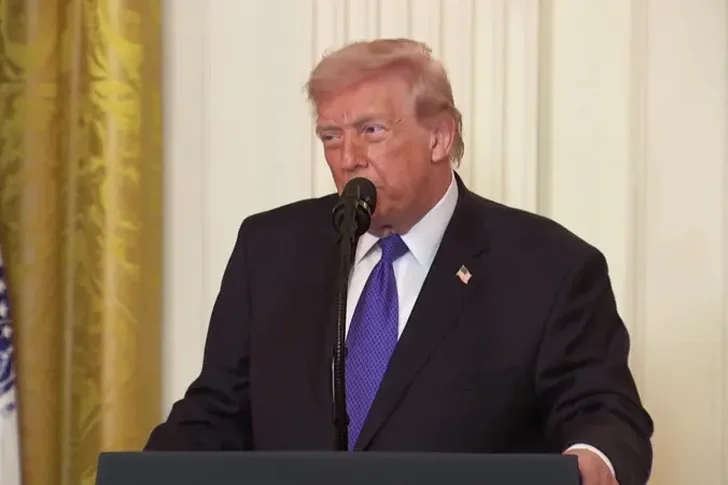
US President Donald Trump said in a press conference that ...
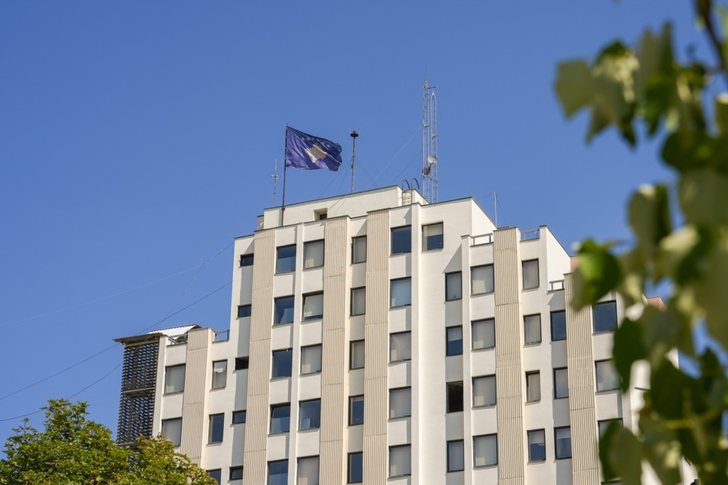
The Kosovo Ministry of Foreign Affairs and Diaspora announ...

CNA has launched another investigation that could lead to ...

Irfan Hysenbelliu is a businessman that we call "Irfan the...

In March 2026, CNA launched another investigation centered...
The arrested mayor of Tirana, Erion Veliaj, with 13 charge...

The Special Board of Appeal (KPA) decided this Monday ...

The KPA vetting decided this Thursday to dismiss the p...

Suela Salavaçi, a prosecutor in the Prosecutor's Offic...

The Special Board of Appeal reinstated the prosecutor ...
A person has died today on Orikum beach. According to repo...
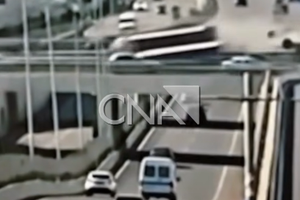
Footage emerges from the serious accident that occurred th...

A Shkodra traffic police officer was hit with hard objects...
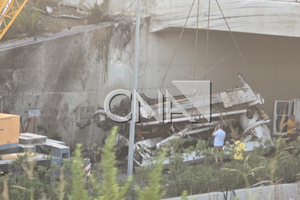
This Wednesday, around 4:00 PM, a serious accident occurre...

Children without parental care, for whom alternative famil...

On Thursday, our country will be under the influence of st...
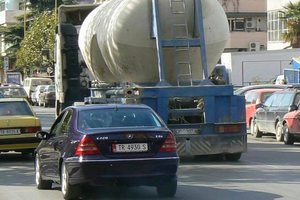
A serious accident that occurred this Wednesday with the c...

The Institute of Geosciences has shared a forecast for wea...

Artificial intelligence (AI) models from the American comp...
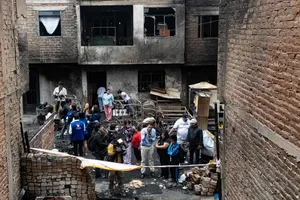
At least 10 people have died after a fire broke out in a h...
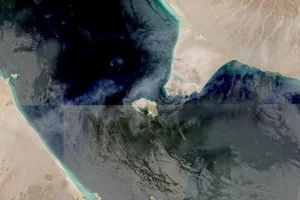
Yemen's Houthis have claimed to have attacked two Saudi oi...
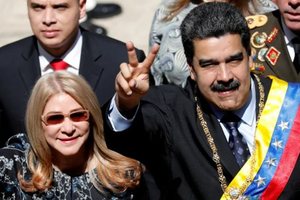
The trial of ousted Venezuelan President Nicolas Maduro on...

At a time when industrial products are increasingly taking...

Trust among people is not just a three-syllable word. It c...

Master of humor Todi Llupi has passed away at the age of 7...

The ninth edition of "MIK Festival" kicked off with one of...
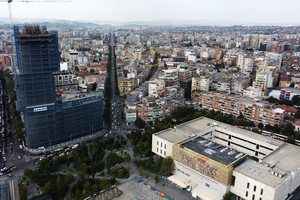
The average sale price of apartments in Tirana reaches rec...
This Thursday, one US dollar is bought for 81.5 lek and so...
The price of diesel reached 206 lek per liter from 198 lek...

Businesses will no longer be required to simply register t...