

Japan opposes South Korea's military exercises
Japan has protested to South Korea after the latter conduc...


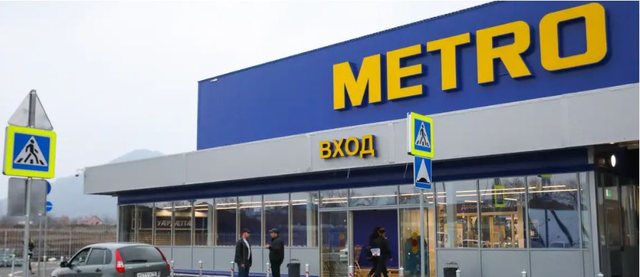
American and German companies were the largest foreign taxpayers in Russia in 2022. What would she say?
The largest foreign taxpayers in Russia are from the USA and Germany. American and German companies are still indirectly funding the Russian state despite Russia's aggression against Ukraine. This is the message of the Kiev School of Economics study. According to Ukrainian economists, more than two-thirds of German companies that were active in Russia before the war are still represented there - a total of 262 companies.
In their analysis published under the title "The Business of Staying", the economists call on Western companies to leave Russia as soon as possible and believe that "states should put in place preventive measures such as fines, restrictions on access to contracts and exclusion from public procurement".
Business in tobacco, consumer goods and cars is booming
The most frequent businesses are those with cigarettes, consumer goods such as food, hygiene articles or other daily products, and cars with which foreign companies achieved the highest sales in Russia in 2022.
Looking at the list of companies active in Russia, well-known names such as Philip Morris, Japan Tobacco, Pepsi, Danone, Mars, Procter & Gamble and the German concern Metro appear. Apart from Metro, there is no other German company in the list of ten foreign companies with the largest turnover and the largest taxpayers.
While Chinese carmakers Chery, Haier, Geely and Haval were among the ten foreign companies with the largest sales growth in 2022.
According to the study, foreign companies in Russia in 2022 achieved sales of 214 billion dollars and a profit of 14 billion dollars. According to the calculations of the authors of the study, they paid the Russian tax authorities 3.5 billion dollars in taxes. By doing so, they "contributed to the financing of the Kremlin's war," the authors write.
EU-based companies alone generated a turnover of $75 billion in 2022 and paid $594 million in corporate taxes.
Two-thirds of all corporate income taxes from EU companies active in Russia in 2022 relate to German companies. Their turnover last year was 23 billion dollars, while in Russia they paid 402 million dollars in profit tax.
Kiev economists base their calculations on company data and information from official Russian sources.
However, the study admits that in the case of all the activities examined, it is about legal businesses that are not affected by the sanctions. Western companies also argue this. Our business with Russia "fully meets the requirements of EU sanctions," German retail giant Metro said in a statement.
Real figures only in 2023
Michael Harms, director general of the Eastern Committee of the German Business Association, told DW that many German companies have withdrawn from the Russian market or are in the process of withdrawing. This especially affects large companies with high revenues. Two car manufacturers, Volkswagen and Mercedes Benz, have sold their Russian business.
"Por tërheqja nga tregu kërkon kohë dhe qëndrueshmëri. Marrëdhëniet ekonomike gjermano-ruse kanë ndryshuar tashmë në mënyrë dramatike. Në vitin 2022, eksportet gjermane në Rusi pothuajse u përgjysmuan. Ndërsa importet nga Rusia kanë rënë madje me 90 për qind që nga fillimi i vitit 2023. Sigurisht, këto të dhëna nuk janë ende të dukshme në statistikat e vitit 2022”, vëren Harms.
Të ardhurat e Rusisë ka të ngjarë të jenë edhe më të larta
Këto 3.5 miliardë dollarë që kompanitë e huaja derdhën në arkat e Vladimir Putin në emër të taksave, megjithatë nuk janë të gjitha. Autorët e studimit theksojnë se shteti rus përfiton nga tatimi mbi të ardhurat që u paguhet punonjësve të kompanive të huaja, por edhe nga të ardhura të tjera si tatimi mbi vlerën e shtuar. "Kjo është vetëm maja e ajsbergut dhe ndoshta një nënvlerësim domethënës i shpenzimeve totale të taksave," shkruajnë autorët ukrainas të studimit.
Sa të rëndësishme janë miliardat e taksave?
"Shumë analistë perëndimorë supozojnë se Putini po bën miliarda në tregtinë e jashtme për të financuar pushtimin e Ukrainës, falë çmimeve të larta të mallrave, sanksioneve të dobëta perëndimore dhe shmangies së sanksioneve," tha Jeffrey Sonnenfeld, një ekonomist në Universitetin Yale në SHBA, në një gazetë me 30 qershor.
Megjithatë, për shkak të kufizimit të çmimit të naftës nga komuniteti ndërkombëtar, të ardhurat janë në rënie të madhe. Fitimet nga eksportet e naftës mund të mbulojnë më së shumti kostot e prodhimit, shkruan Sonnenfeld. "Çmimet e energjisë si nafta dhe gazi natyror janë më të ulëta sot sesa ishin para pushtimit, sikur edhe edhe çmimet e grurit, drurit, metaleve dhe pothuajse çdo malli tjetër që prodhon Rusia."
Shpesh neglizhohet se Putini financon pushtimin e tij në Ukrainë jo vetëm duke "eksportuar lëndë të para në vendet fqinje ose duke shmangur sanksionet, por edhe duke ngrënë vetë ekonominë ruse”, thekson Sonnenfeld. Ai tregon vlerësimet e analistëve se lufta në Ukrainë po kushton Kremlini rreth një miliard dollarë në ditë.
As an authoritarian dictator with access to more than 70 percent of the Russian economy, Putin will never run out of money, Sonnenfeld argued in a Time article he co-authored with Yale colleague Steven Tian. Putin can always "find money under the sofa (...) or extort money for a sandwich from other kids (ie from oligarchs) during the big school break", write the American economists from Yale about Putin's financial skills.

Japan has protested to South Korea after the latter conduc...
Halima, 8 years old, was very upset when she learned that ...
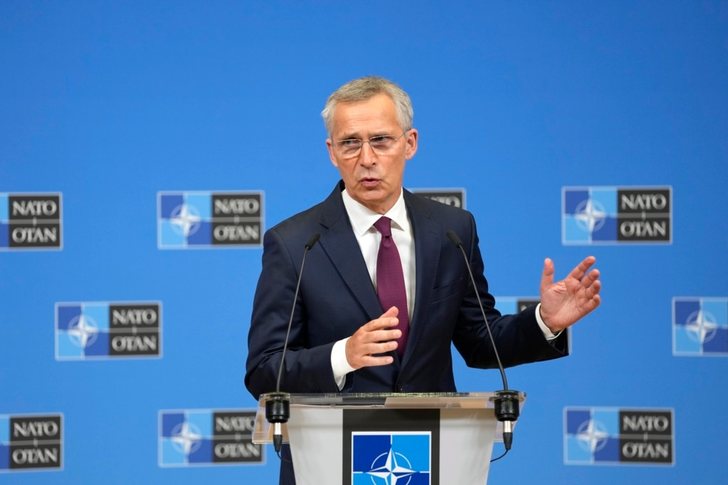
NATO Secretary General Jens Stoltenberg said Thursday, aft...

The police have prevented the further escalation of a figh...
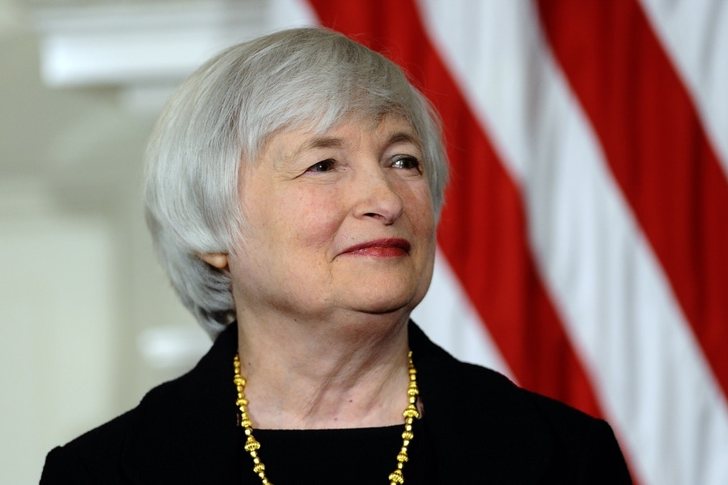
US Treasury Secretary Janet Yellen has arrived in Beij...
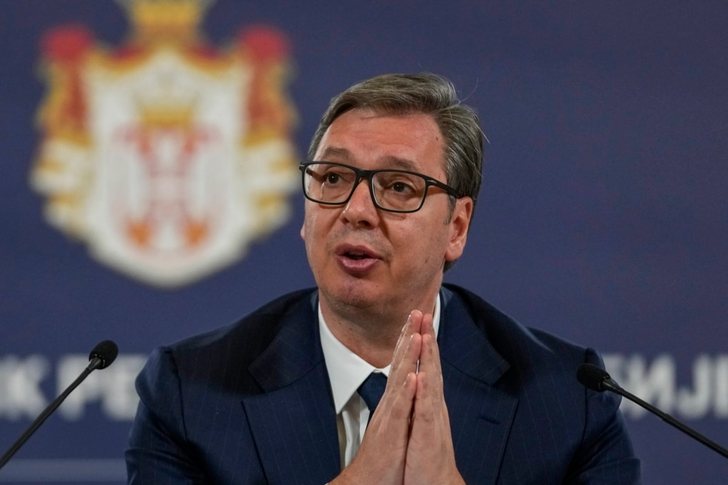
The President of Serbia, Aleksandar Vučić, declared on Jul...
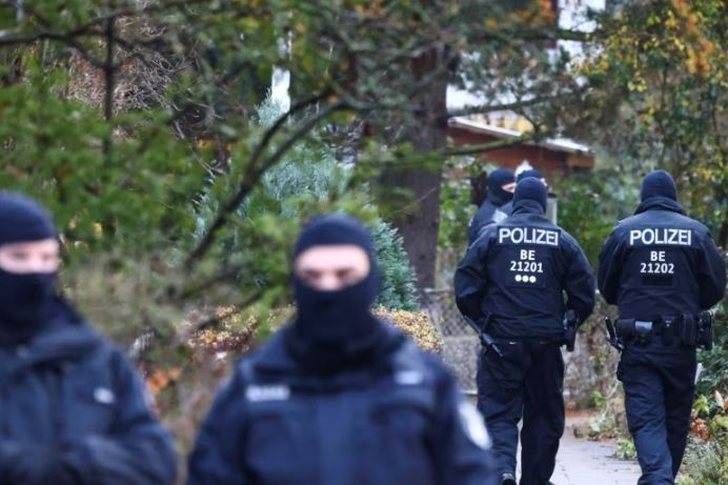
Seven people have been arrested in western Germany on susp...
The Embassy of Germany in Pristina has confirmed for Radio...
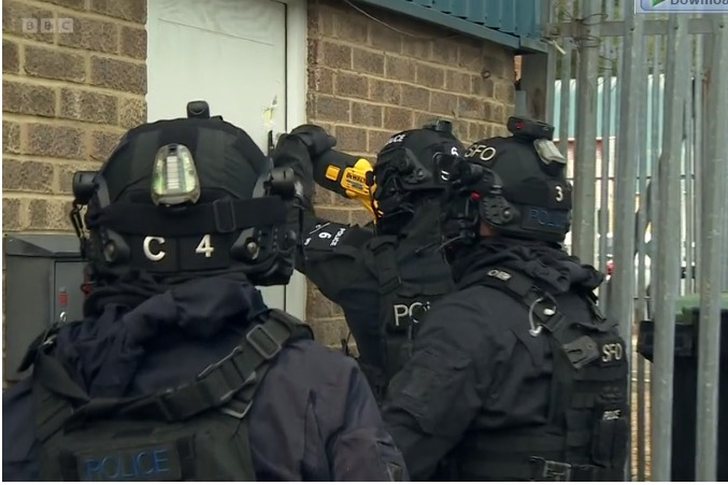
During a nationwide mega-operation, British police have se...
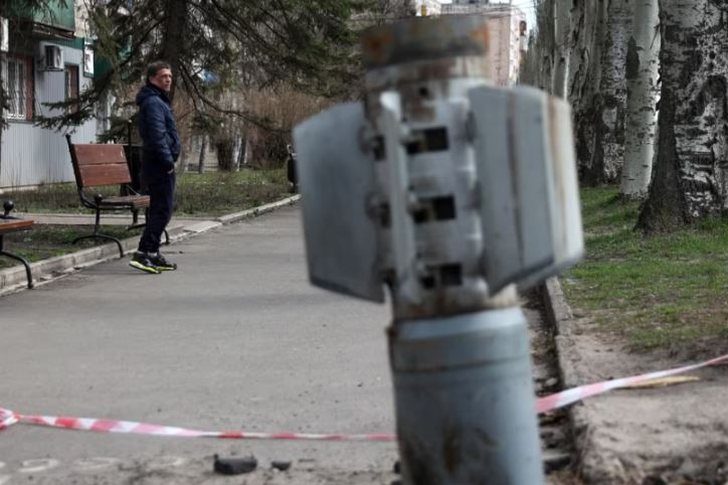
Both Russian and Ukrainian forces have used cluster muniti...
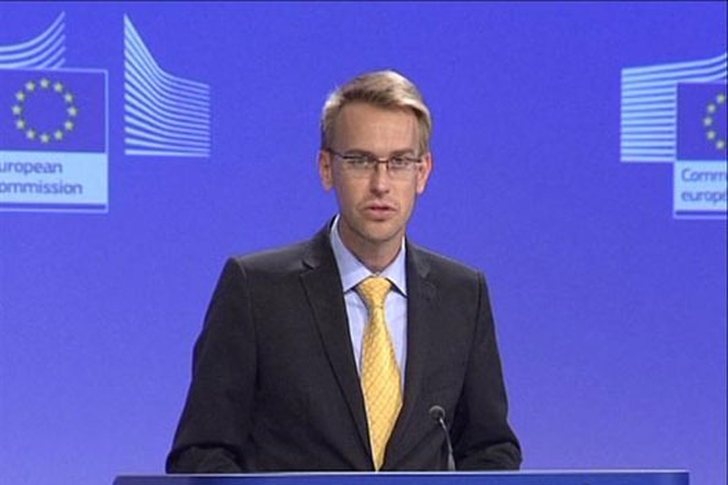
Bashkimi Evropian nëpërmjet zëdhënësit të BE-së, Peter Sta...
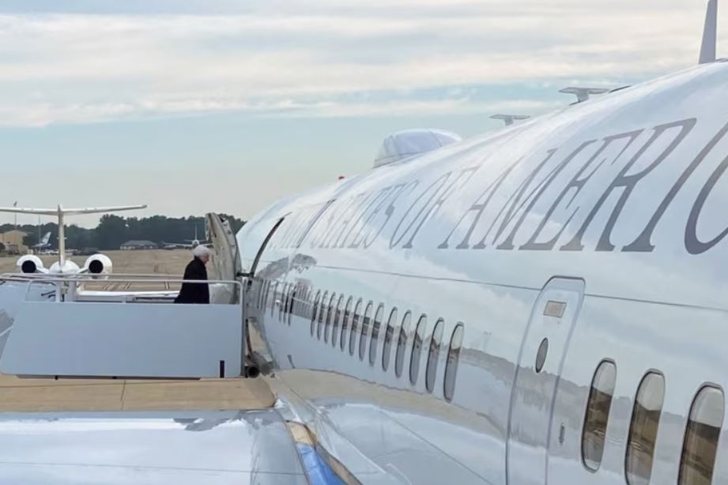
Treasury Secretary Janet Yellen travels to China on Thursd...
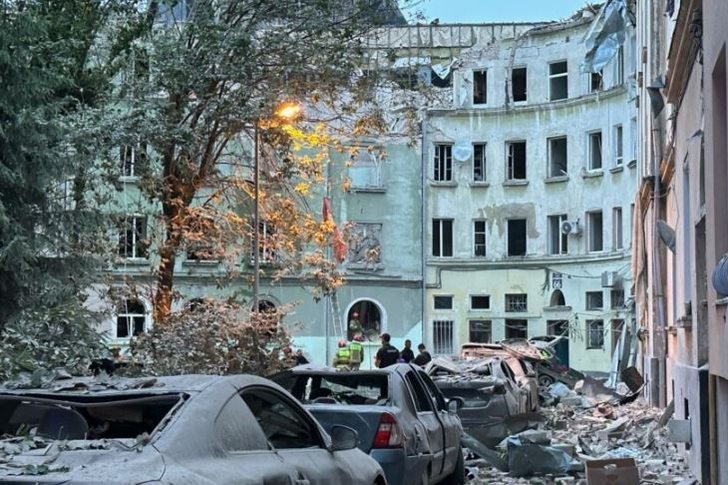
At least four people have been killed after a rocket attac...
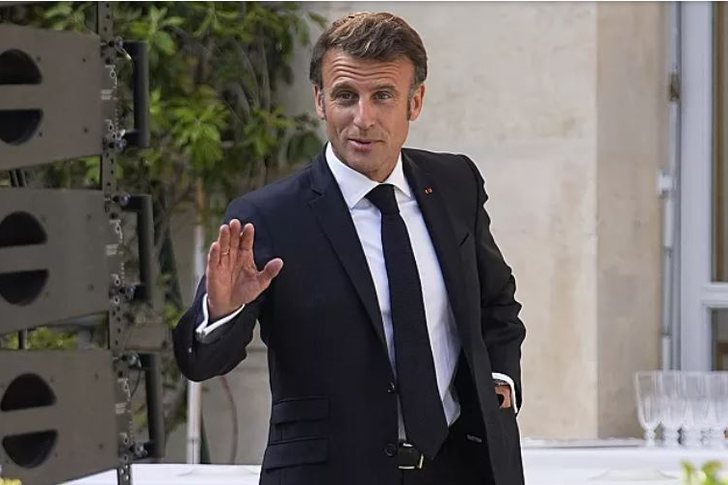
French President Emmanuel Macron claims protesters are usi...
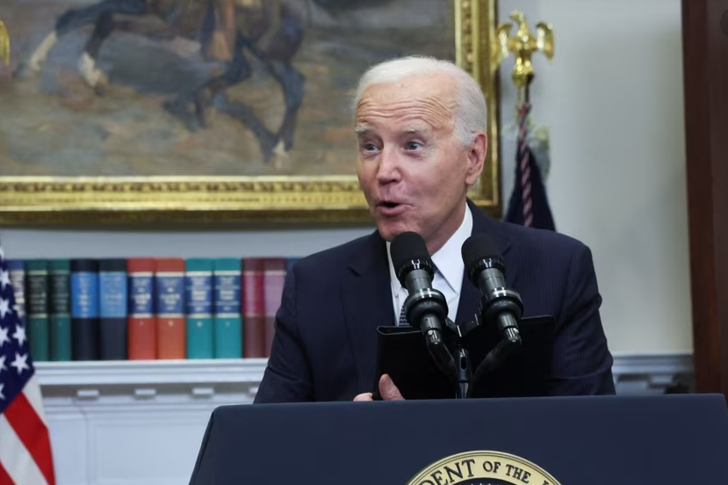
President Joe Biden will host Swedish Prime Minister U...
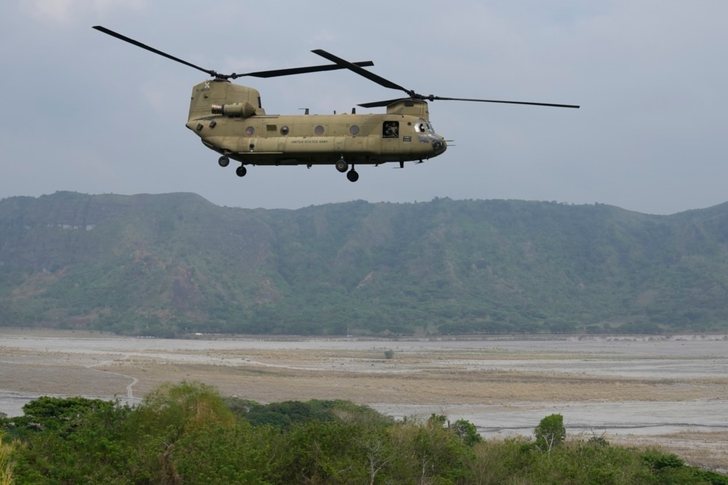
Germany will buy 60 Chinook helicopters, manufactured by t...
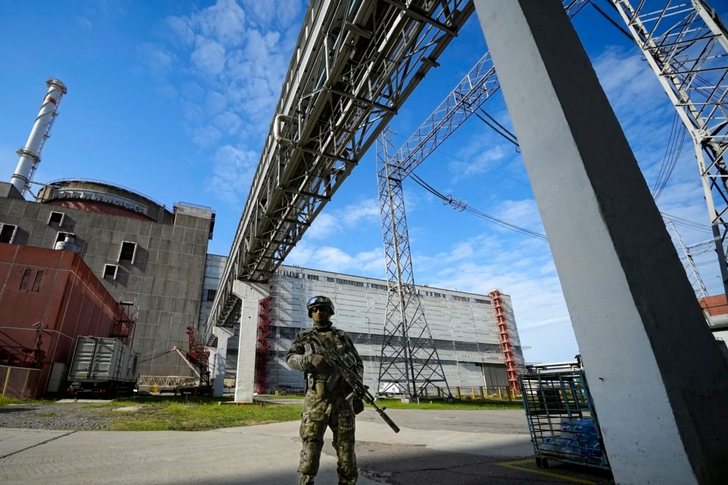
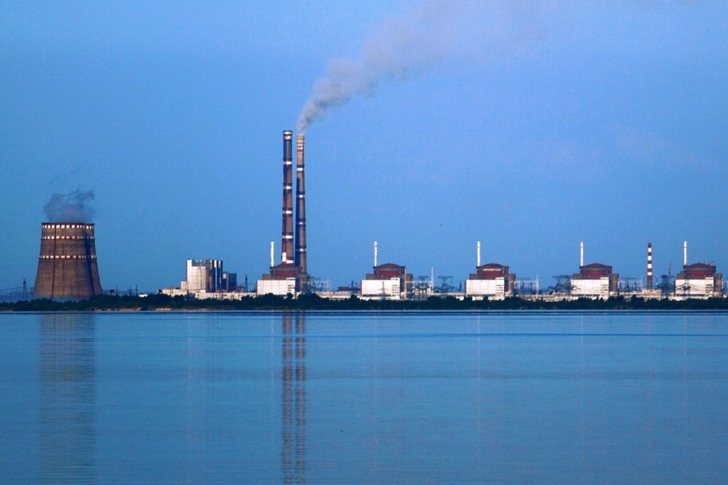
Russia and Ukraine are accusing each other of plotting to ...
Ukrainian President Volodymyr Zelensky has said that Russi...
Qeveria e Kosovës ka miratuar ndryshimet në ligjin për pen...
In a statement to the media, Prime Minister Albin Kurti sa...

CNA has launched another investigation that could lead to ...

Irfan Hysenbelliu is a businessman that we call "Irfan the...

In March 2026, CNA launched another investigation centered...
The arrested mayor of Tirana, Erion Veliaj, with 13 charge...

The Special Board of Appeal (KPA) decided this Monday ...

The KPA vetting decided this Thursday to dismiss the p...

Suela Salavaçi, a prosecutor in the Prosecutor's Offic...

The Special Board of Appeal reinstated the prosecutor ...
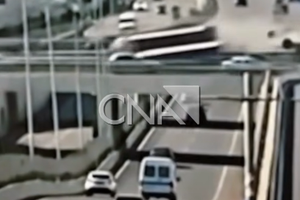
Footage emerges from the serious accident that occurred th...

A Shkodra traffic police officer was hit with hard objects...
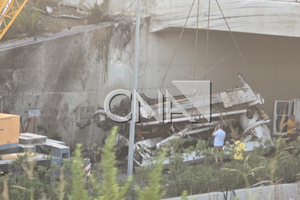
This Wednesday, around 4:00 PM, a serious accident occurre...

Tirana Police have shared details regarding the accident t...

On Thursday, our country will be under the influence of st...
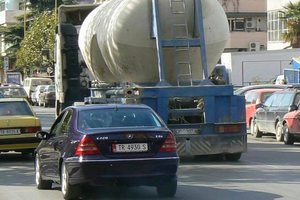
A serious accident that occurred this Wednesday with the c...

The Institute of Geosciences has shared a forecast for wea...
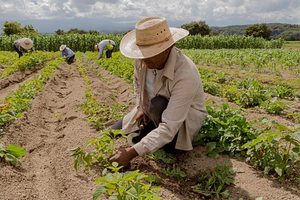
Rising energy and fertilizer prices are expected to contin...

Artificial intelligence (AI) models from the American comp...
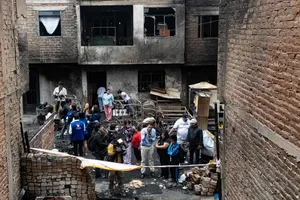
At least 10 people have died after a fire broke out in a h...
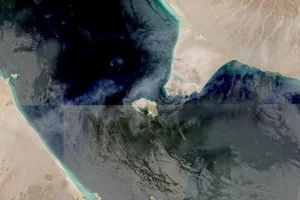
Yemen's Houthis have claimed to have attacked two Saudi oi...
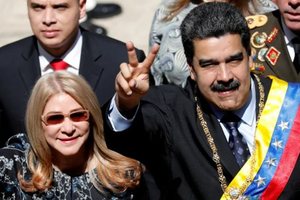
The trial of ousted Venezuelan President Nicolas Maduro on...

At a time when industrial products are increasingly taking...

Trust among people is not just a three-syllable word. It c...

Master of humor Todi Llupi has passed away at the age of 7...

The ninth edition of "MIK Festival" kicked off with one of...
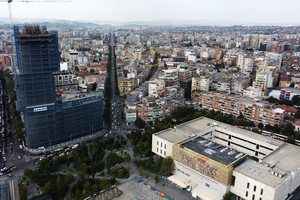
The average sale price of apartments in Tirana reaches rec...
This Thursday, one US dollar is bought for 81.5 lek and so...
The price of diesel reached 206 lek per liter from 198 lek...

Businesses will no longer be required to simply register t...