

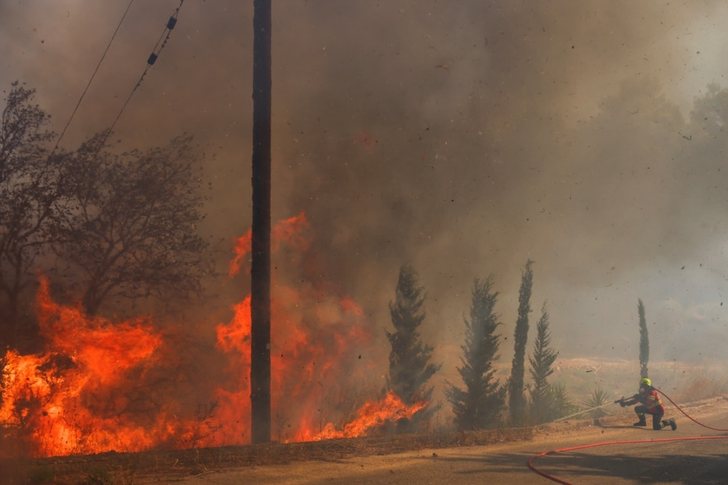
Fires threaten Athens/ Thousands of people are evacuated
Thousands of people living around Athens were evacuated on...



In the 75th anniversary of its officialization, the Geneva Convention, which defines the rules of war, remains the most well-known international convention. But from the war in Gaza to the war in Syria, from the conflict in Ukraine to the one in Myanmar, this set of rules on the protection of civilians, prisoners and soldiers injured in war is largely ignored and its defenders are call for renewed commitment to respect international law.
The Geneva Convention, which has been adopted by almost all countries of the world since it was drafted on August 12, 1949, is in a disadvantageous position. Militant groups and armies are regularly flouting the laws of war.
The president of the International Committee of the Red Cross, Mirjana Shpoljaric, says that "international humanitarian law is under pressure."
"International law is being ignored. It is being undermined to justify violence. More than ever, the world must recommit itself to respecting this framework that provides protection during armed conflict, on the premise of protecting life and not justifying death," says Mrs. Shpoljaric.
The roots of the convention stretch back to the 19th century. Its purpose is to define the rules of war: they prohibit torture and sexual violence, provide for the humane treatment of prisoners, and oblige the parties to the conflict to search for the missing.
According to Ms. Shpoljaric, the Convention "has stood the test of time" and it reflects "an international consensus that every war must have a limit." She adds that "the dehumanization of enemy combatants and the civilian population is a path that leads to destruction and disaster."
"The fourth part of the convention, which provides very adequate protection of civilians after the Second World War, at the time it was adopted, was a miracle. But despite universal support, its non-compliance remains a serious problem. Even when the parties say they respect each other, overly narrow interpretations hinder its effectiveness. That's why I call today for states to make compliance with the Geneva Convention a political priority everywhere," she says.
According to the Red Cross, there are currently over 120 active conflicts in the world, a sixfold increase since the Convention marked its 50th anniversary in 1999.
"Today there are over 120 conflicts recorded by my organization and while governments and media are focused on the destruction in Ukraine and Gaza, armed conflicts in other parts of the world are just as shocking. Violence in Ethiopia has claimed hundreds of thousands of lives. The war has forcibly displaced 8 million people in Sudan and 6 million in Congo. The ongoing conflicts in Mali, the Central African Republic, Colombia, Mozambique, Myanmar, Syria and Yemen have a high human cost," declared Mrs. Shpoljaric.
Currently, many states and armed groups exploit the shortcomings of international humanitarian law and interpret it as they wish.
Hospitals, schools, ambulances have been hit in attacks, and aid workers and civilians continue to be killed, while states deny access to prisoners.
According to Ms. Shpoljari?, international relations are breaking away from cooperation agreements towards defense spending and preparations for conflict and towards a divisive approach, which, according to her, has high costs.
She added: "Given this situation, I am asking a simple question: where are the peacemakers?"/ VOA

Thousands of people living around Athens were evacuated on...
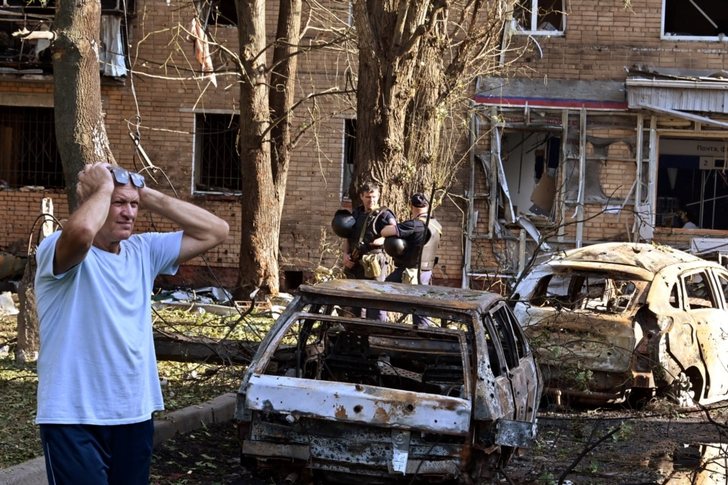
An official in Russia's border region of Kursk urged resid...
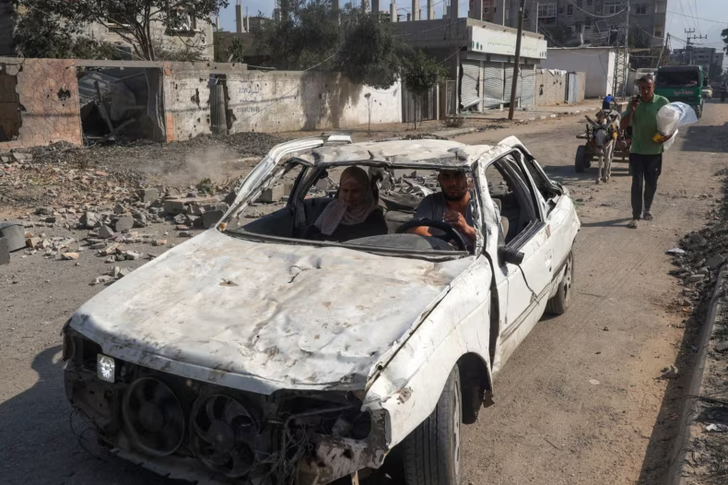
The leaders of France, Germany and Great Britain have ...

Delyan Peevski, politician and one of the most powerfu...

There have been several attempts to reach a cease-fire...
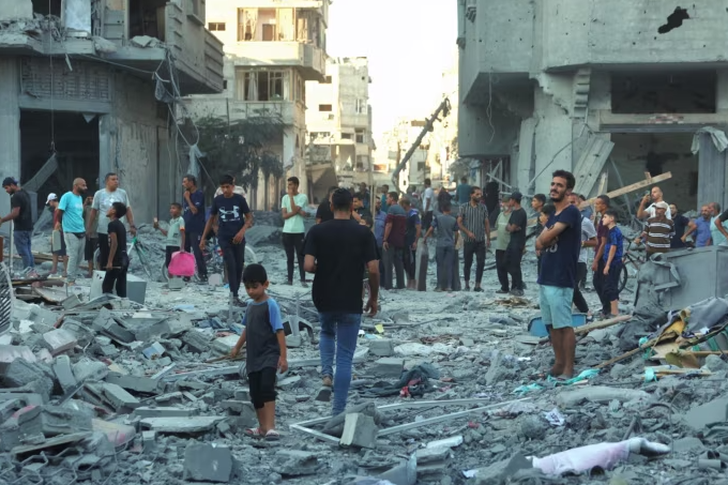
Hamas, the Palestinian group designated a terrorist or...
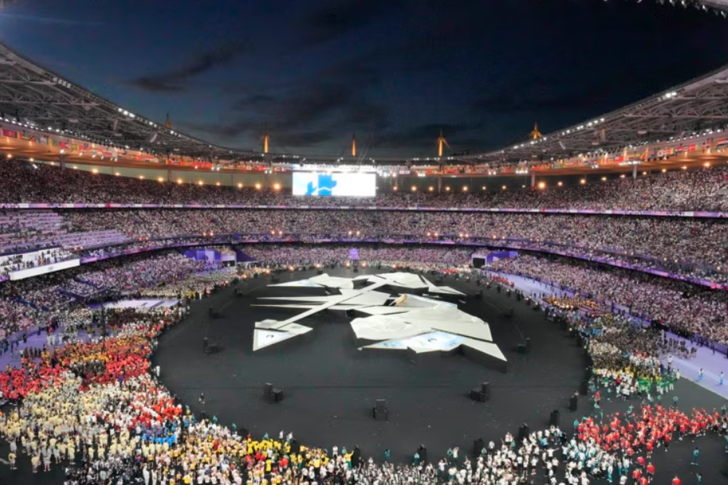
Paris capped two and a half weeks of the Olympic Games...
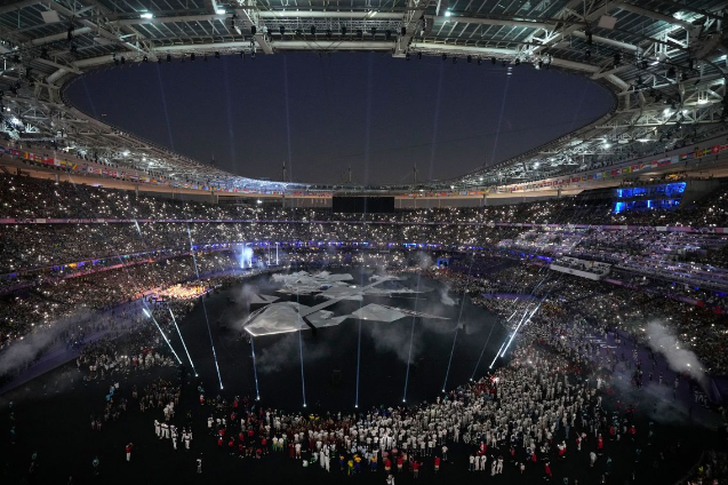
The closing ceremony of the Olympic Games was held in ...
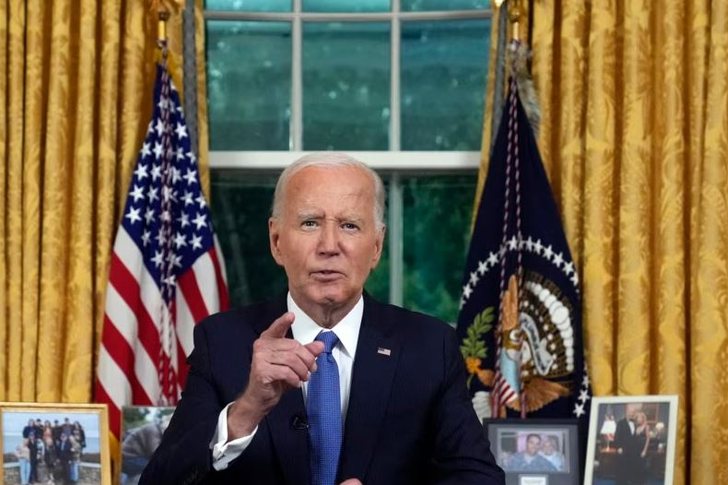
The President of the USA, Joe Biden, has revealed why ...
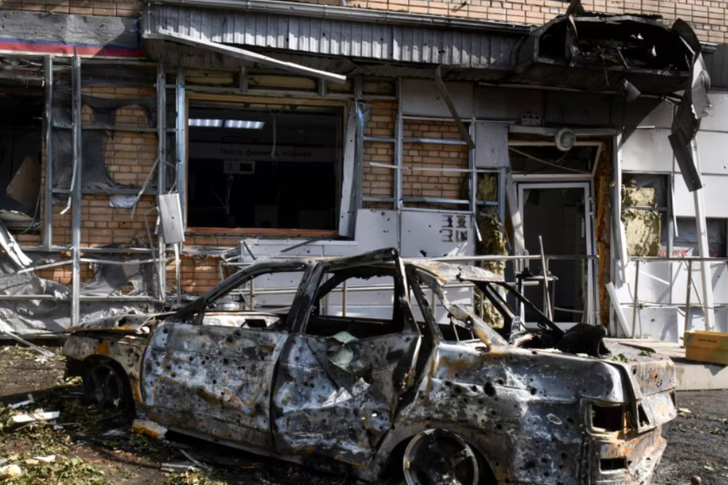
Russia claimed on Sunday that it has halted the advance of...

Republican nominee Donald Trump last month announced t...
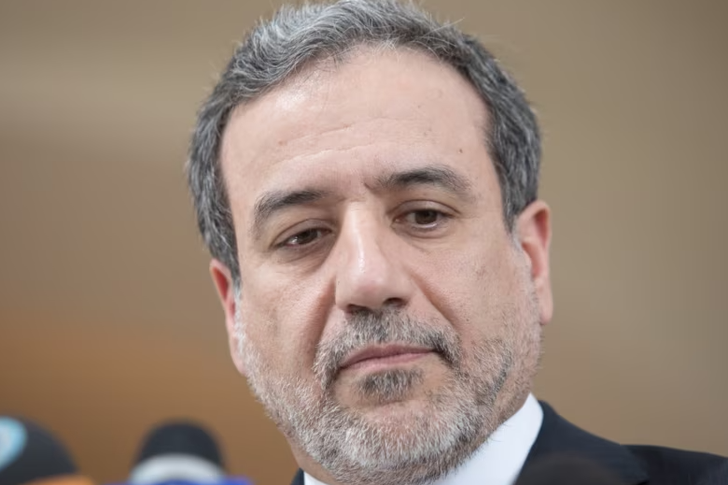
Abbas Araghchi, Iran's former nuclear negotiator, a Wester...
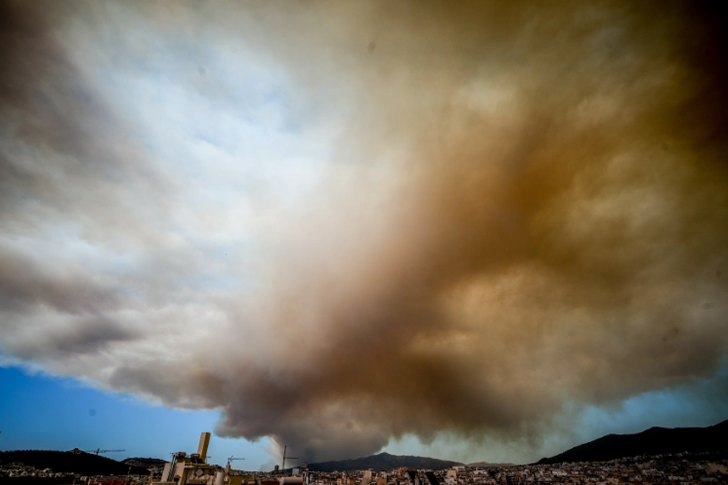
While the firefighters are fighting the fire in Varnav...
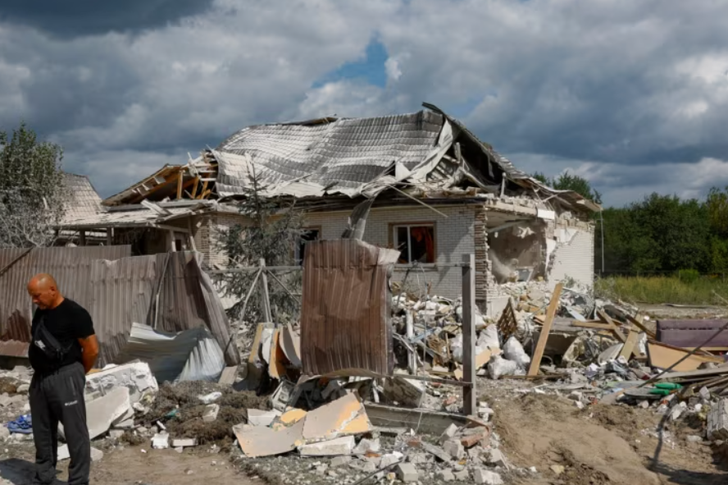
The President of Ukraine, Volodymyr Zelenskiy, indirec...

Republican presidential candidate Donald Trump's campa...

Turkey restored access to the Instagram platform after...

Serbian President Aleksandar Vucic said on Sunday that...
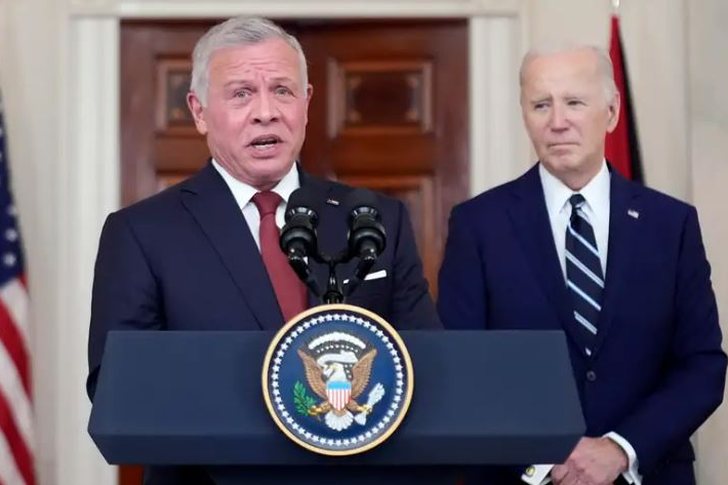
Some Arab countries behind the scenes maintain close relat...
Ukrainian President Volodymyr Zelensky has admitted for th...

The eventual addition of punitive measures of the Euro...

CNA has launched another investigation that could lead to ...

Irfan Hysenbelliu is a businessman that we call "Irfan the...

In March 2026, CNA launched another investigation centered...
The arrested mayor of Tirana, Erion Veliaj, with 13 charge...

The Special Board of Appeal (KPA) decided this Monday ...

The KPA vetting decided this Thursday to dismiss the p...

Suela Salavaçi, a prosecutor in the Prosecutor's Offic...

The Special Board of Appeal reinstated the prosecutor ...

Citizen MH, 61, a fisherman, was found dead near the islan...

Another phase of the international operation, codenamed "T...

Police have arrested a 34-year-old woman at Rinas Airport ...

A serious accident has occurred on the Lezhë-Shëngjin axis...

The Institute of Geosciences has shared a forecast for wea...

Rising energy and fertilizer prices are expected to contin...

Over 18,000 foreign citizens from 140 countries have appli...

This Wednesday, our country will be under the influence of...

Prime Minister Andy Burnham has announced that most bus fa...

France's parliament has passed a law to ban social media f...

US Secretary of State Marco Rubio arrived in Manila on Jul...

In the space of a few days, Ukrainian President Volodymyr ...

At a time when industrial products are increasingly taking...

Trust among people is not just a three-syllable word. It c...

Master of humor Todi Llupi has passed away at the age of 7...

The ninth edition of "MIK Festival" kicked off with one of...

Businesses will no longer be required to simply register t...

Despite economic growth and income in recent years, Albani...

This Wednesday, one US dollar is bought for 81.4 lek and s...

Construction company licenses will have a validity period ...