


Serious accident on the Tirana-Elbasan axis/ Concrete mixer falls from a height, suspected victims
A serious accident occurred this Wednesday on the Elbasan-...

A serious accident occurred this Wednesday on the Elbasan-...

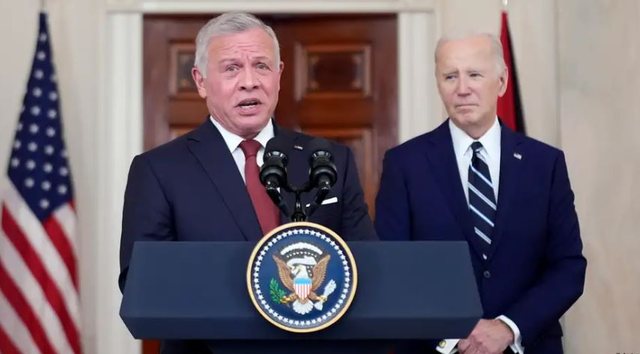
Some Arab countries behind the scenes maintain close relations with Israel. Others are hotbeds of Iran-backed groups and consider themselves part of the "axis of resistance" against the US and Israel.
Jordan: Balancing act
In Jordan, a constitutional monarchy must constantly balance. One in five people in Jordan, including the queen, are of Palestinian origin. Support for the Palestinian state and equal rights are the desire of many locals, the country's leaders often speak openly about this. But Jordan is also close to Israel and the US, perhaps more than many locals want, experts say. In 1994, Jordan signed a peace agreement with Israel. The two nations work together on security-related issues, such as security at the Al-Aqsa Mosque compound.
In 2021, the US and Jordan signed a defense cooperation agreement that allows US forces, vehicles and aircraft to enter and move freely through Jordan. In April of this year, when Jordan allegedly helped shoot down Iranian missiles that crossed its airspace toward Israel, many locals saw it as a betrayal. Jordan also maintains diplomatic relations with Iran, but they tend to be cold. Jordanian Foreign Minister Ayman Safadi's recent visit to Iran to discuss escalating tensions in the region was one of the rare.
Egypt: Self-Interest and Diplomacy
Neighboring Egypt, under the authoritarian rule of Abdel Fatah el-Sisi, must also carefully balance its relationship with Israel. Since signing a peace treaty with Israel in 1979, "Egypt has tried to balance its national interests, particularly those related to the insecurity in Sinai with support for the Palestinian cause," said a May report by the International Crisis Group. . "Specifically, this effort has meant rejecting any direct responsibility for the plight of the people in Gaza, supporting efforts to reach a diplomatic solution based on the two-state solution."
The topic of security and economic cooperation with Israel is a common part of the relationship, and until the beginning of the Gaza conflict, Egypt was responsible for the Gaza-Egypt border crossing at Rafah. Israeli demands to be allowed to control the area are problematic for Egypt, as is the potential for the worsening humanitarian situation in Gaza to spill over into Egyptian territory. The Egyptian government previously opposed Hamas, seeing it as an Islamist organization and a threat to it, but recently, this attitude has changed somewhat and Egypt has played an important role in the ceasefire negotiations. Egypt's relations with Iran have also improved since 2023, but they also tend to be cold.
Lebanon: Hezbollah
Lebanon, a parliamentary democracy, has itself been saddled with a severe political and economic crisis in recent years. The country has not had an elected government since 2020 and is facing one of the world's worst crises. Prior to this, the Lebanese government was always composed of representatives of the country's many different religious and ethnic groups.
Hezbollah's political wing represents the interests of Shiite Muslims and plays an important role in Lebanon's governance. He must balance his own interests with those of other powerful groups, including Lebanese Christians, Sunni Muslims and the Druze. But the military wing of Hezbollah is something else. It is categorized as a terrorist organization by the US and several European countries and is thought to be better equipped and organized than Lebanon's own army. Many Lebanese and local politicians do not necessarily want Hezbollah to start a larger war with Israel. But Lebanese politicians also know they have little control over Hezbollah, which is the powerful player in the so-called "axis of resistance," a loose coalition of militant groups backed by Iran and opposed to Israel and the US.
Syria supported by Iran
Since the creation of the state of Israel in 1948, Syria has considered itself at war with its neighbor. There are frequent exchanges of fire between the two sides, although they are largely considered symbolic. Today, Syrian dictator Bashar Assad is in power thanks to Iran, which supported him militarily during the country's 13-year civil war. This also explains the growing presence of pro-Iranian militias in Syria, including members of Hezbollah and others from Iraq. This has led to the intensification of Israeli attacks since 2017 and further escalation since the October 7 attack by the terrorist Hamas against Israel. An April attack by Israel on the Iranian diplomatic compound in Damascus, the Syrian capital, which killed a senior Iranian commander, led to Iranian retaliation.
Iraq: Against foreign interference
Iraq does not recognize Israel, and although the Iraqi government - currently dominated by Shiite Muslim politicians - has drawn closer to Iran over the past decade, the Palestinian issue crosses religious lines, experts say. Inside Iraq there are a number of militant groups that also belong to Iran's "axis of resistance". These groups have previously hit US bases inside Iraq with missiles and have also tried, but mostly failed, to hit Israel. The US has retaliated against them. The Iraqi government and its security forces tend to either tolerate these groups or have little contact with them. "Iraq has always been forced to balance its relationship between the US and Iran," Marsin al-Shamary, a scholar at the Brookings Institution, a Washington-based policy think tank, said recently.
"This is not new for Iraqi leaders. Baghdad's relationship with Washington has had clear lines, especially regarding Iraq's position on Israel...Iraq has consistently supported the Palestinian cause and its position on this current conflict is not shaped by Iran's support for Hamas."
Yemen: Everything is connected to the Houthis
Due to a civil war, Yemen is divided between the internationally recognized government in Aden, southern Yemen, and the Houthi rebel group in northern Yemen. Neither side recognizes Israel. Yemen's neighbor Saudi Arabia previously led a coalition against the Houthis, but since a ceasefire was signed in early 2022 there has been relative calm. The Houthis are also considered part of the "axis of resistance". They support Hamas, claim Israel is a destabilizing force in the Middle East, and oppose the US presence in the region. In November last year, they began firing rockets at Israel and blocking sea traffic in support of Hamas.
Saudi Arabia, the Emirates and Qatar: Pragmatic and wealthy
The autocratic monarchies of the Gulf Arab states, meanwhile, have a more pragmatic approach to the current conflict. They see Iran as an enemy and have been working for a long time to normalize relations with Israel. In 2020, the United Arab Emirates and Bahrain signed the so-called Abraham Accords, establishing diplomatic contacts with Israel. Saudi Arabia seemed to be the next country to take this step.
But Qatar has been more of a place of mediation. It avoids normalizing relations with Israel, but in fact established economic ties with it as early as the 1990s. Because Qatar is also home to the political wing of Hamas, this country has played an important role in the ceasefire negotiations. /DW

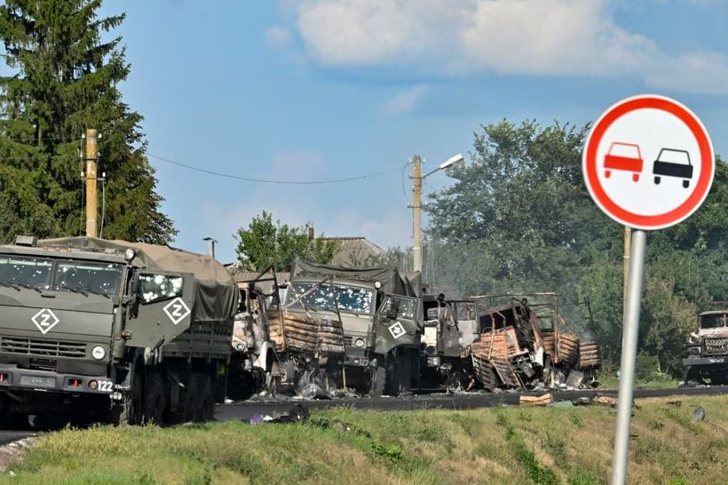
Ukrainian President Volodymyr Zelensky has admitted for th...

The eventual addition of punitive measures of the Euro...

Thousands of protesters marched in Belgrade on Saturda...
Belarus' Foreign Minister summoned Ukraine's Charge d'...

The socialist politician, Salvador Illa, was sworn in on S...
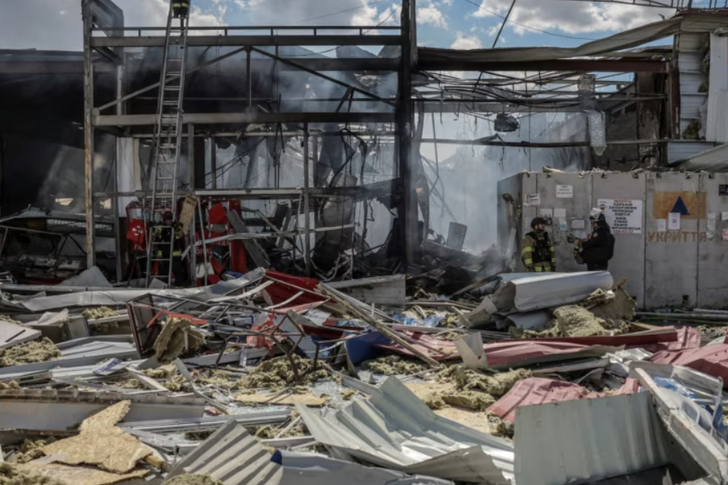
The United States announced on Friday that it will send $1...
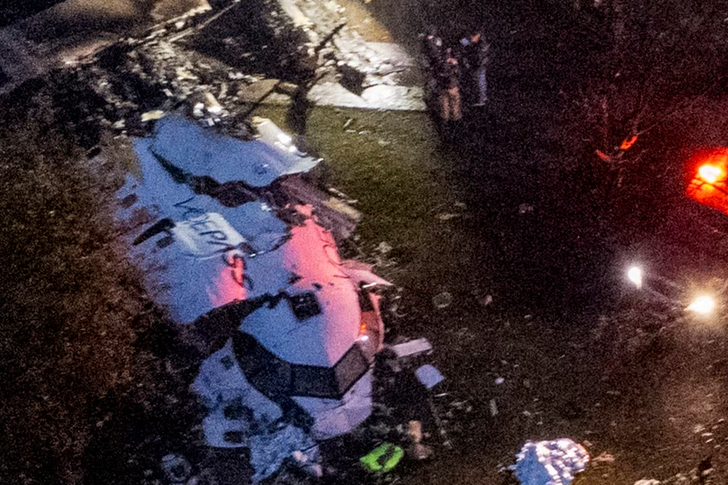
Civil defense teams in Brazil worked through the night...

Organizers of the Paris Olympics have said that France has...
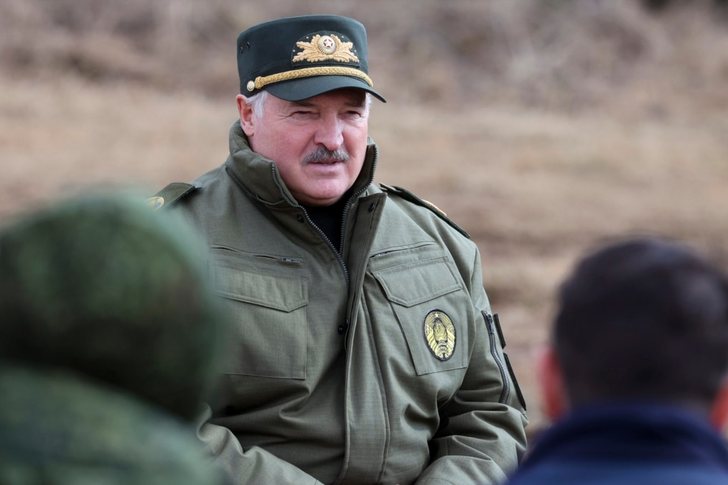
The Belarusian authoritarian leader, Alexander Lukashenko,...
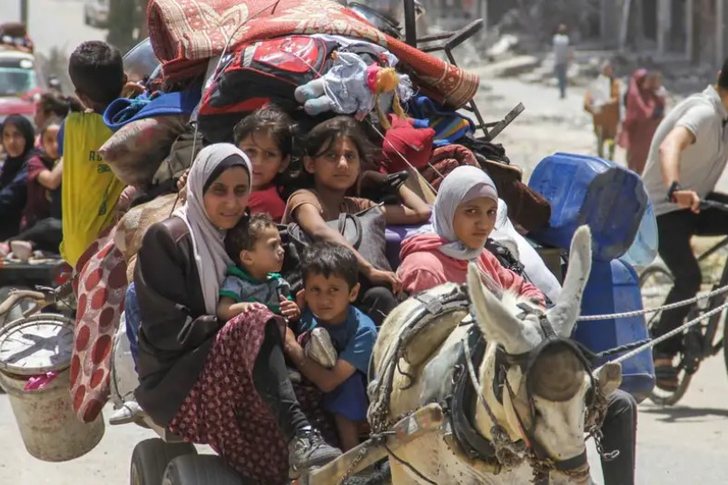
Residents say thousands of people in the Khan Yunis ar...
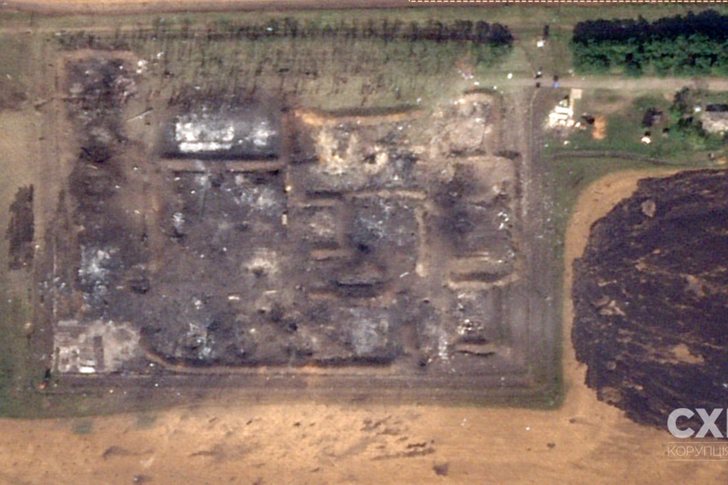
Russia has begun implementing counter-terrorism measures i...
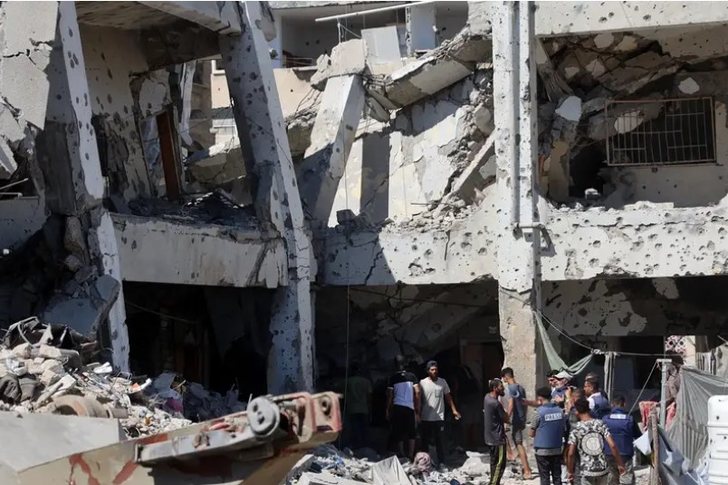
After an Israeli air attack on a school in the Gaza St...

It all started with a fake news. In Southport a 17-yea...
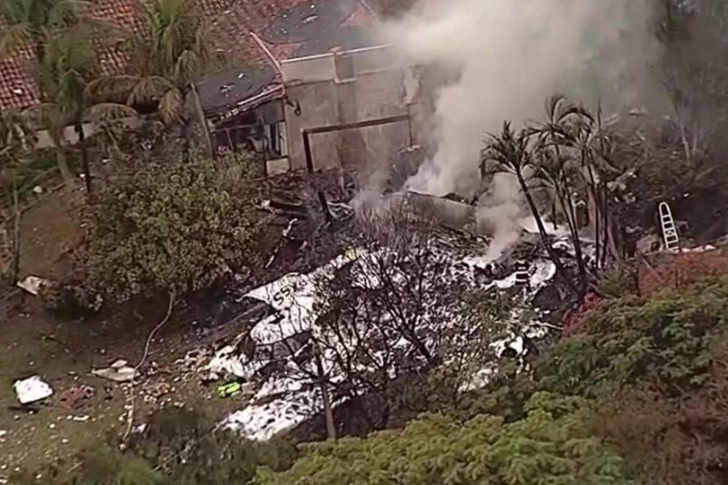
New details have emerged from the plane crash in Sao P...
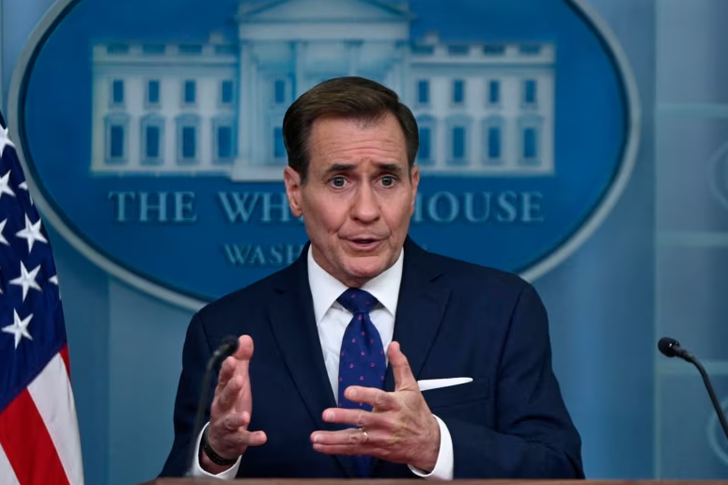
President Joe Biden's administration will not allow "extre...

Iran is intensifying cyber activity aimed at influenci...

A plane with 58 passengers and four crew members has c...

Austrian authorities announced a third arrest on Friday in...

France strongly condemned on Friday what it called the uni...
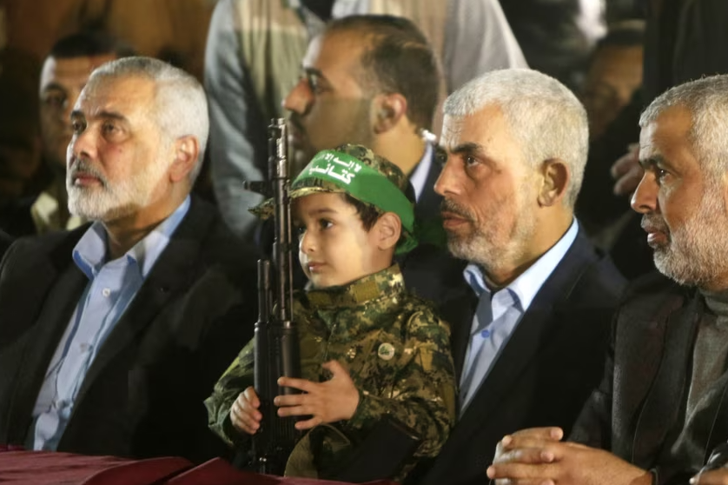
Israelis have even less hope of reaching a ceasefire a...

CNA has launched another investigation that could lead to ...

Irfan Hysenbelliu is a businessman that we call "Irfan the...

In March 2026, CNA launched another investigation centered...
The arrested mayor of Tirana, Erion Veliaj, with 13 charge...

The Special Board of Appeal (KPA) decided this Monday ...

The KPA vetting decided this Thursday to dismiss the p...

Suela Salavaçi, a prosecutor in the Prosecutor's Offic...

The Special Board of Appeal reinstated the prosecutor ...
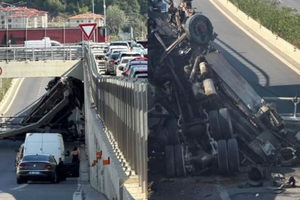
A serious accident occurred this Wednesday on the Elbasan-...
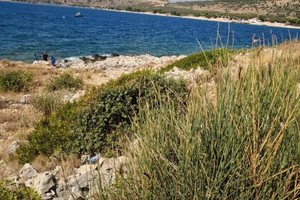
Citizen MH, 61, a fisherman, was found dead near the islan...

Another phase of the international operation, codenamed "T...

Police have arrested a 34-year-old woman at Rinas Airport ...

The Institute of Geosciences has shared a forecast for wea...
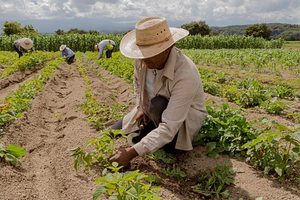
Rising energy and fertilizer prices are expected to contin...

Over 18,000 foreign citizens from 140 countries have appli...

This Wednesday, our country will be under the influence of...

Prime Minister Andy Burnham has announced that most bus fa...

France's parliament has passed a law to ban social media f...

US Secretary of State Marco Rubio arrived in Manila on Jul...

In the space of a few days, Ukrainian President Volodymyr ...

At a time when industrial products are increasingly taking...

Trust among people is not just a three-syllable word. It c...

Master of humor Todi Llupi has passed away at the age of 7...

The ninth edition of "MIK Festival" kicked off with one of...

Businesses will no longer be required to simply register t...

Despite economic growth and income in recent years, Albani...

This Wednesday, one US dollar is bought for 81.4 lek and s...

Construction company licenses will have a validity period ...