

In this year's race for the Oscars, a film depicting the Russian attack on the industrial city and important port of Ukraine, Mariupol, at the beginning of the war, has also been nominated in the best documentary category. This city became a symbol of the destruction that this war would bring to the frontier of Europe. The documentary is the first of its kind - reporting from a war front - to compete for the prestigious Academy of Arts award. In an interview for the Voice of America, the author of the documentary, the Ukrainian journalist Mstyslav Chernov, says that he hopes that Mariupol will not remain just a name and that his documentary will give meaning to the suffering of the people of this city.
20 days of the curfew of the Ukrainian city of Mariupol, filmed by journalist Mstyslav Chernov, are fragments of a 20-day marathon to escape death, of the price of war for ordinary people, suddenly caught up in an unexpected and for them senseless war .
"War never starts with explosions. The war begins with silence," says Chernov in the introduction to the documentary "20 Days in Mariupol", which summarizes the beginning of the Russian attack on this city, an important Ukrainian port and industrial center, 50 kilometers east of Russia, a strategic point connecting Ukraine with Crimea occupied by the Russians.
The silence that precedes February 2022 in Mariupol is short. It is broken by 190,000 Russian troops pounding town after town in Ukraine and by warplanes piercing the sky over Mariupol attacking parks, hospitals, schools. People wander in terror and desperately ask "why".
The documentary is a shocking narrative that has touched the tops of world festivals. On March 10, his year-long journey will culminate in the prestigious Oscar awards ceremony, nominated by the American Academy of Arts in the category of best documentary.
In an interview with Voice of America, the author Chernov, who was part of the only team of foreign media journalists in Mariupol during the curfew, still finds it unbelievable that as a witness of such a tragedy, he lived to tell about the people of just that one day they lost everything.
"Every step in this journey was a miracle. The fact that we survived and filmed everything that happened in the city, that we were the only journalists there and that we were sending footage from the city was a miracle. The fact that we were able to break through the curfew and get the original footage out of there was truly a miracle. About 30 hours of footage, most of which had not been shown, and the fact that we managed to make the documentary is also a miracle. Each step is a surprise. I didn't know how the audience would receive the film because it is emotionally very difficult at times. But the public not only understood its importance, but continued to share thoughts about it, continued to engage after seeing it. We received so many accolades, thanks... but all thanks to the people of Mariupol, those who survived and those who didn't."
Through the journalist Chernov, who together with his colleagues from the international news agency The Associated Press won the prestigious Pulitzer Prize for journalism, the viewer sees closely the struggle of Russian President Vladimir Putin. The film documents how the shock and panic are quickly replaced by long lines of wounded in bombed hospitals, doctors crying at their inability to save an unending stream of wounded, and parents screaming at the colorless feet of their lifeless children.
The world of the Oscar awards ceremony is in stark contrast to that experienced two years ago in Mariupol, where there are no fancy or imagined scenes.
In the world of Mariupol, life and death are separated by seconds. The reality appears without filters, in the mother's scream, in the father's oil that does not support the legs, in the blood under the bed, the heavy hands of the doctors who feel powerless as they try to save the lives of the injured or have to close them eyes when they can't reach it.
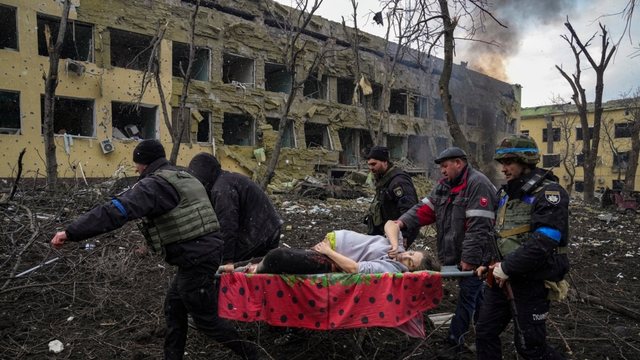
This world is seen in the pregnant Irina, who was filmed as she was being carried from the newly bombed hospital and who finally could not survive her wounds.
"I am spiritually exhausted, just like many other journalists. But I think that in the modern world where many important and tragic developments are happening, we can't ignore them, since we are ignoring them, people who take advantage of our passivity will continue to destroy the world. It is better to be shocked than to be indifferent in this world. Better to feel pain but act, do something instead of hiding and ignoring the pain... I know what I'm doing makes some sense. It's my choice. But for most of the people of Mariupol, for example, this was not their choice. Their suffering and loss has no meaning and is truly devastating, hurtful and traumatic. When there is no reason for losing your child or for losing your home in your city, when there is neither justification nor justice, it is much more traumatic for people and that is why it is my priority to tell their stories and not the confession my."
But in this gloom, it's the moments of human strength—and life, that, according to Mr. Chernov, make you stand. For him, this moment came suddenly and stuck in his mind.
"It is the sight of a baby that was born in the hospital that was already surrounded by Russian forces and bombs were falling around the hospital. The baby's mother was injured. The doctors were very afraid for the baby. And for a while, the baby was silent when he was born, everyone thought he wouldn't survive. We didn't know what to think. And then the baby started crying and everyone burst into tears. I remember that at that moment a doctor told me that people only die in this hall and now someone was born. It was a miracle, a miracle that will stay in your mind forever."
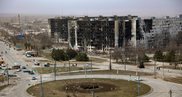
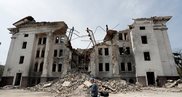
Footage of the massive destruction of the city, which has become a symbol of Russian brutality in Ukraine, where the basements of buildings from shelters are transformed into morgues within days, are woven together in a grim account of the cost of war, a warning of the goals and consequences that will Ukrainians were suffering and for a war that would bring back suffering unprecedented in Europe for a quarter of a century and collective insecurity after almost a century on this continent.
"Personally, I wish the movie never existed. But this tragedy happened and we recorded it. And not just to exist. But now that it exists and since it exists, I want to make sure that as many people as possible see it. Every victory, every accolade, every recognition is a way for this film to find a bigger audience and to make sure that Mariupol is not just a name, but that it remains a symbol of every destroyed city of Ukraine and the ongoing war and now. I owe this to the residents of Mariupol who lost everything."
The documentary "20 days in Mariupol" marks the first time that such a realization is included in the list of Oscar candidates and the first time in the history of this prestigious award that paves the way for reporting and journalism from a war zone in real time at the top of the cinematography./ VOA

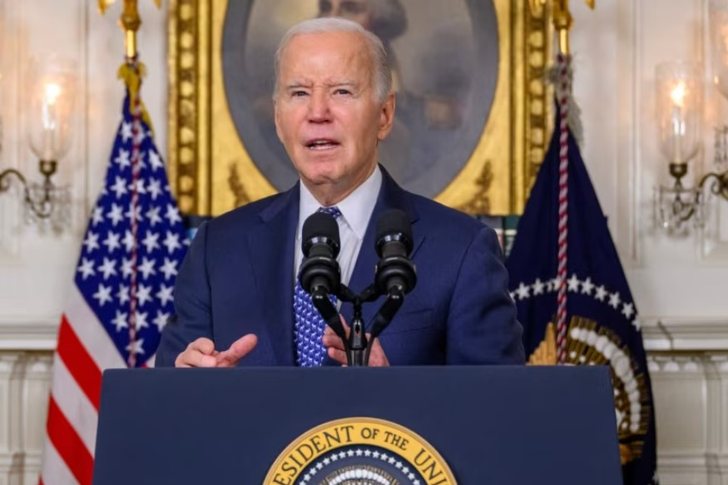
Republican rivals are raising questions about the mental a...
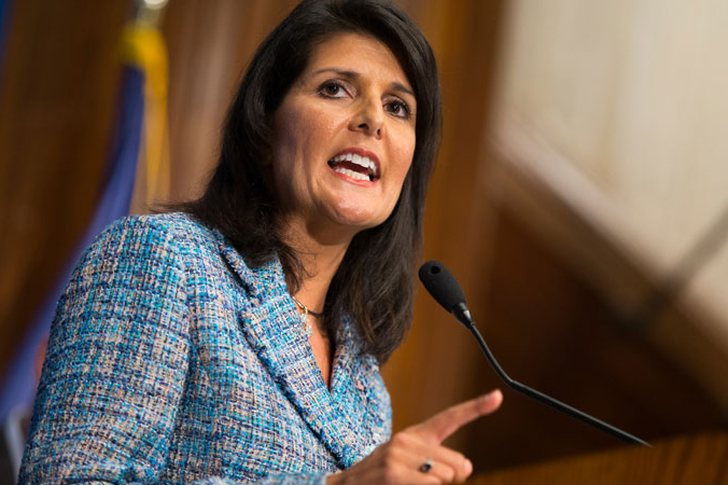
Casting doubt on his political rivals, whether they me...
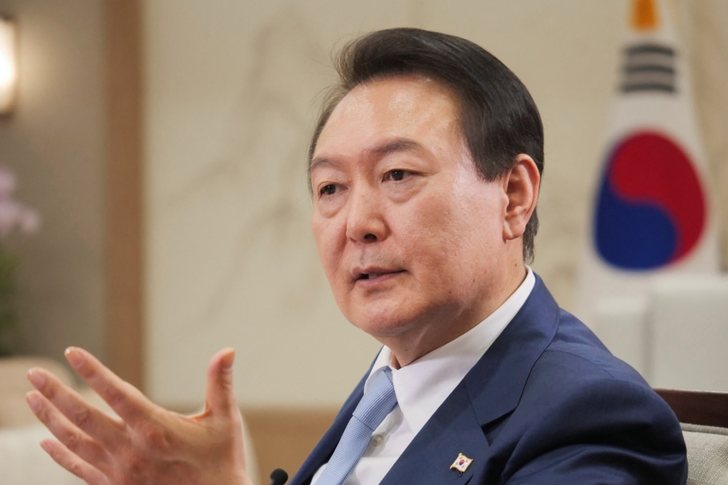
South Korean President Yoon Suk Yeol told marines on Satur...
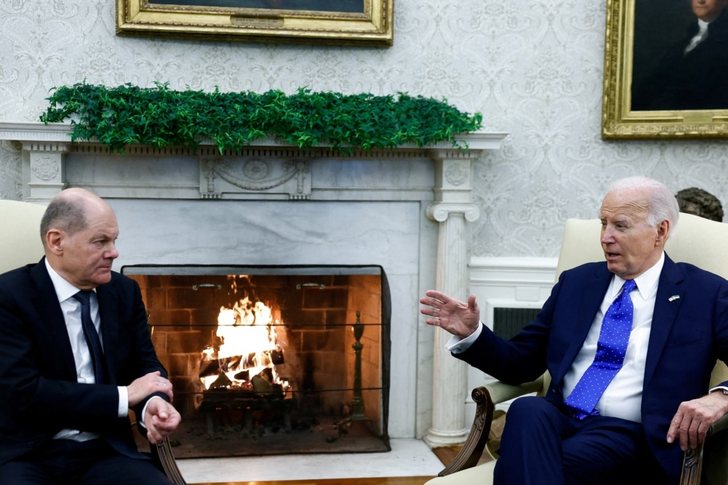
The US Senate will consider an emergency aid package for U...
A Russian attack on any of NATO's member states cannot be ...
The Deputy Minister of Defense of Ukraine, Oleksandr P...
Kryeministri i Kosovës, Albin Kurti ka deklaruar se ka...
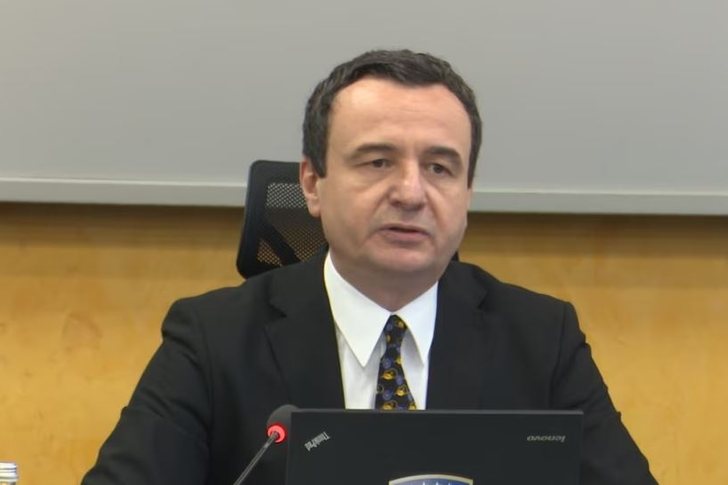
The Prime Minister of Kosovo, Albin Kurti, has been th...
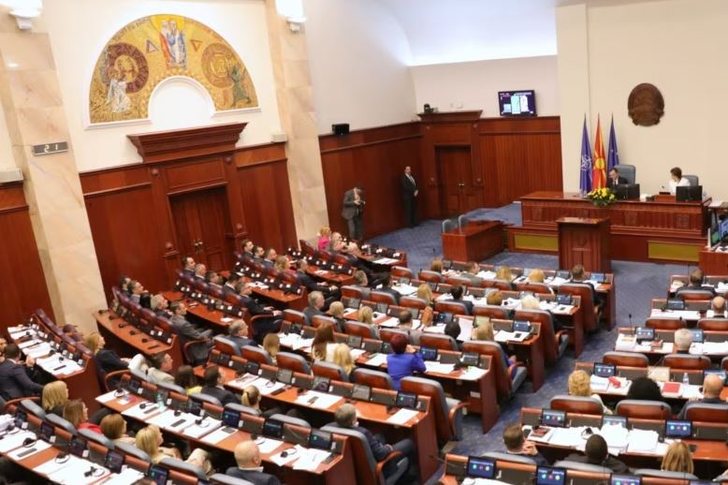
The Assembly of North Macedonia on Friday at midnight ...

Swedish authorities have said the country is facing sh...
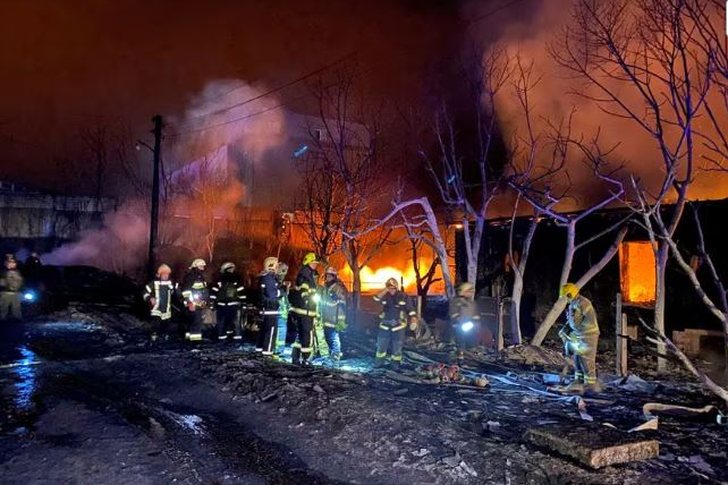
Russia launched a drone strike in the Ukrainian city o...
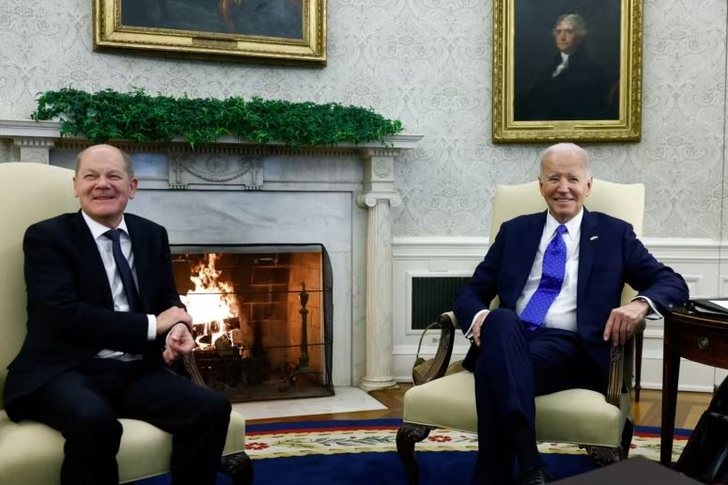
Presidenti i Shteteve të Bashkuara Joe Biden tha se Ko...

The resolution of the European Parliament, which was a...
Dries van Agt, ish-kryeministri Kristian-demokrat i Holand...
Prosecutor Robert Hur has ruled that President Joe Bid...
Fewer people wanted to become French citizens in 2023, dow...
Ukraine's Air Defense Forces have shot down 10 of 16 d...
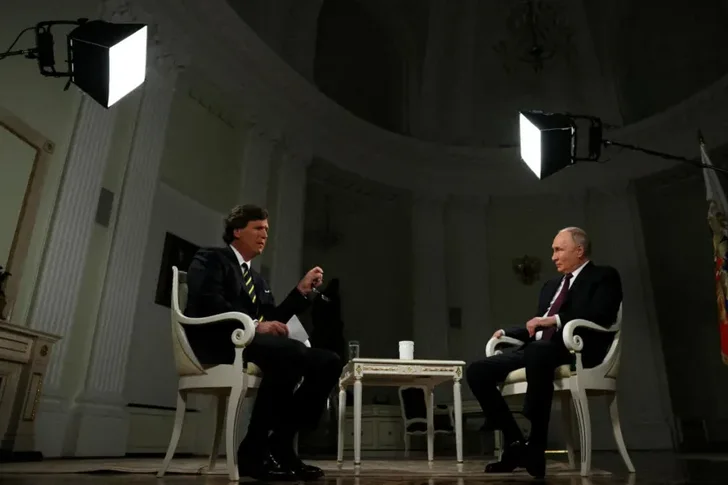
Russian President Vladimir Putin gave an interview to ...
An air transport strike has been called for February 9...
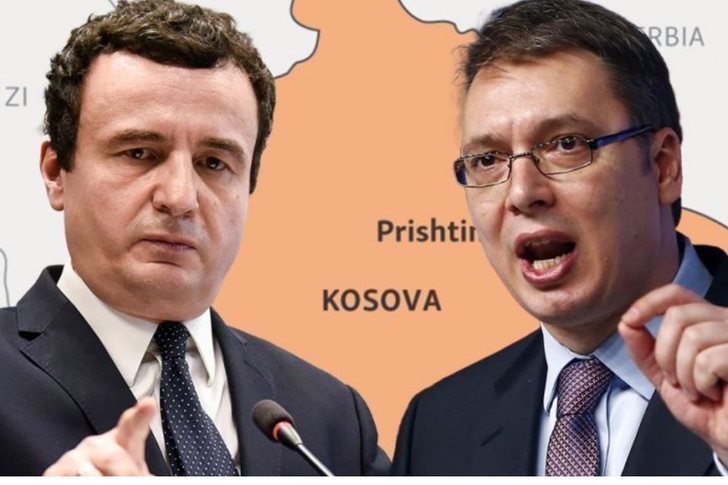
The President of Serbia Aleksandar Vučić and the Prime...

CNA has launched another investigation that could lead to ...

Irfan Hysenbelliu is a businessman that we call "Irfan the...

In March 2026, CNA launched another investigation centered...
The arrested mayor of Tirana, Erion Veliaj, with 13 charge...

The Special Board of Appeal (KPA) decided this Monday ...

The KPA vetting decided this Thursday to dismiss the p...

Suela Salavaçi, a prosecutor in the Prosecutor's Offic...

The Special Board of Appeal reinstated the prosecutor ...
A conflict occurred this Thursday evening in the toy area ...
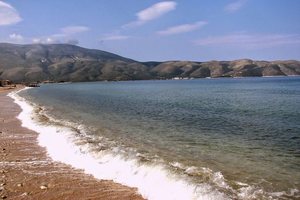
A person has died today on Orikum beach. According to repo...
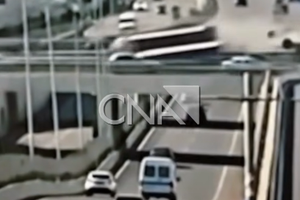
Footage emerges from the serious accident that occurred th...
A Shkodra traffic police officer was hit with hard objects...

Children without parental care, for whom alternative famil...

On Thursday, our country will be under the influence of st...
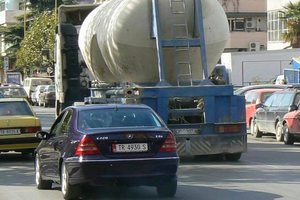
A serious accident that occurred this Wednesday with the c...

The Institute of Geosciences has shared a forecast for wea...

The European Union Office in Kosovo has called on all poli...
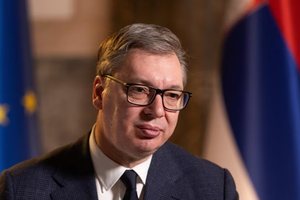
Serbian President Aleksandar Vučić, at a press conference ...
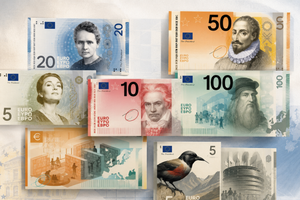
For the first time since the launch of the euro, European ...

Artificial intelligence (AI) models from the American comp...

At a time when industrial products are increasingly taking...

Trust among people is not just a three-syllable word. It c...

Master of humor Todi Llupi has passed away at the age of 7...

The ninth edition of "MIK Festival" kicked off with one of...
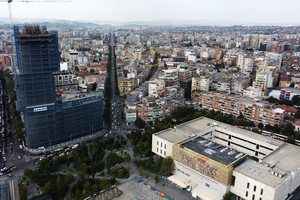
The average sale price of apartments in Tirana reaches rec...

This Thursday, one US dollar is bought for 81.5 lek and so...

The price of diesel reached 206 lek per liter from 198 lek...

Businesses will no longer be required to simply register t...