


"Berisha called me 1 hour before the candidacy"/ Korreshi reveals the behind-the-scenes of the DP elections
Democratic Party MP, Saimir Korreshi, shared today some un...

Democratic Party MP, Saimir Korreshi, shared today some un...


Lending to the economy increased again during November. According to data from the Bank of Albania, the new loan had a value of 27.1 billion ALL, an increase of 34% compared to the same month last year.
For the 11 months of 2023, the new loan disbursed by the banking sector has reached the value of 273.7 billion lek, an increase of 10.4% compared to the same period of 2023. The new loan has already reached double-digit growth rates, despite the effect negative exchange rate, which has reduced the value of the loan granted in foreign currency.
New credit is showing high growth rates, considering the fact that monetary policy is in a tightening cycle and interest rates have increased in the last two years. Despite this, the more moderate approach followed by the Bank of Albania in the normalization rhythms of the monetary policy seems to have had its effect on lending, especially seeing that the growth came mainly from loans in the local currency. Albania has a base rate of 3.25%, among the lowest in Europe. The new loan this year is increasing both in the segment of businesses and individuals.
The loan for private commercial companies for the 11th month of 2023 reached 181.6 billion ALL, increasing by 10.5% compared to the same period last year. Despite the slowing rates of economic growth, business lending seems to be maintaining quite high rates. Business lending has increased in local currency and mainly in short-term loan products for liquidity needs.
Lending to individuals also appears to be increasing, following a positive cycle of several years. According to the Bank of Albania, the new loan for individuals during the 11th month of 2023 reached 82.5 billion ALL, an increase of 6.2% compared to the same period last year. Even among individuals, the increase in credit has all come in the local currency, while this increase is distributed between loans for the purchase of housing and consumer loans.
However, the reading of the new loan figures should be done with some reservations, because it also includes the refinancing of existing loans, the transfer of loans from one bank to another or even the conversion of loans from one currency to another, which this year have been numerous, due to the low Euro-Lek exchange rate and lower interest rates in the local currency.
In fact, despite the relatively high growth of new credit, the stock or surplus of the credit portfolio for the month of November suffered a significant decrease by 8 billion ALL for November. At the end of last month, the portfolio reached the value of 722.2 billion ALL, an increase of almost five billion ALL compared to the month of September.
On an annual basis, credit growth remains low, at around 0.3%. However, even here the strong statistical effect of the exchange rate must be taken into account. Stripped of the effect of the strengthening of the lek, credit growth would still be at relatively high levels.
Another factor that could explain the significant differences between the growth of new credit and the credit surplus could be the fact that new credit was less affected by the exchange rate effect, given that new lending this year was mainly in Leka. Meanwhile, the credit surplus has been more affected by this effect, since the portfolio in foreign currency constitutes almost half of the total.
The annual growth of the loan portfolio continues to rely entirely on the growth of the individuals segment, while the loan for private and public enterprises is presented at lower values ??compared to the same period a year ago./Monitor


Production deficits and rising costs are increasingly ...
Today, on December 28, 2023, the US dollar is bought a...

Hekurudhat janë mjeti më ekonomik dhe më i lirë i transpor...

According to data from the Bank of Albania, Dutch direct i...

Today, on December 27, 2023, the US dollar is bought at 93...

Today, on December 26, 2023, the US dollar is bought a...

In September of this year, the Parliament of Albania appro...

The growth of the tourism sector has directly transmitted ...

Today, December 25, 2023, the US dollar is bought at 93.3 ...
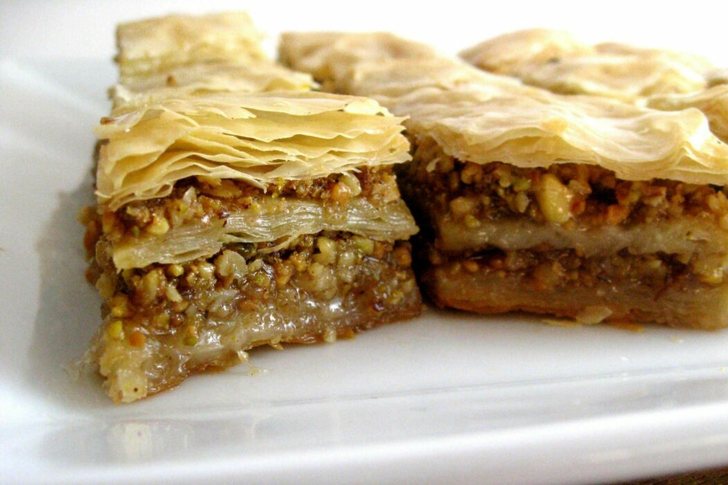
On the eve of the Christmas and New Year holidays, the con...

Today, December 24, 2023, the US dollar is bought at 9...
Today, December 23, 2023, the US dollar is bought at 93.4 ...

At least 44% of the energy consumed in the country in 2022...
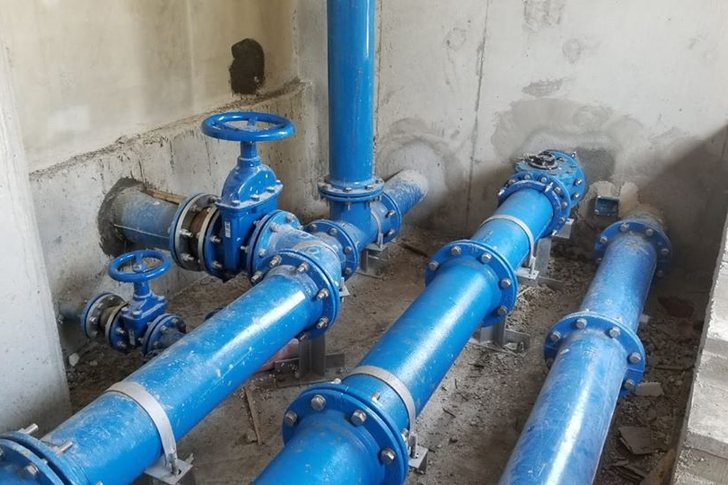
One month after the closing of the procedure, "Water s...

Today, December 22, 2023, the US dollar is bought at 93.8 ...

The European Commission has approved a new growth agenda f...

The number of employees paying social insurance reached 73...

Today, December 21, 2023, the US dollar is bought at 94 AL...
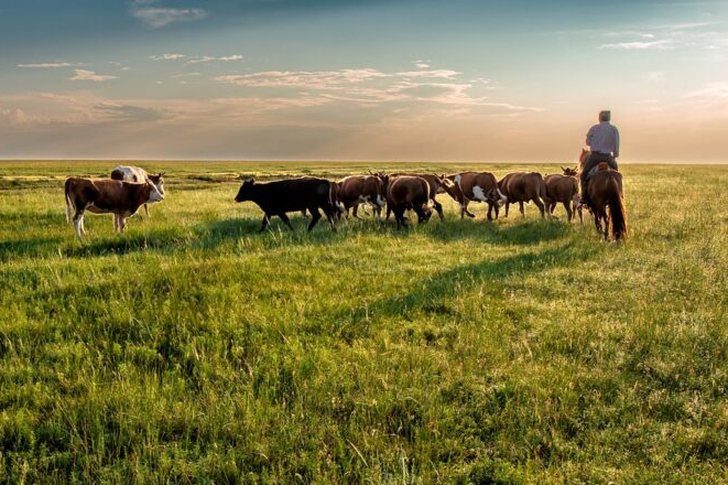
Agricultural and livestock farms will receive more VAT ded...
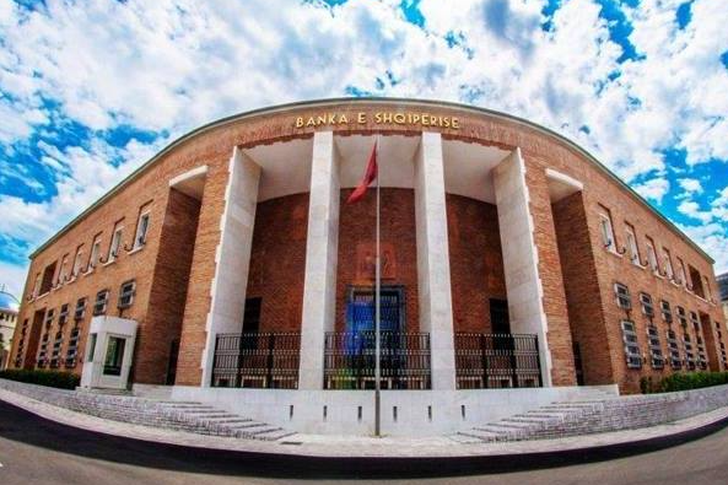
The governor of the Bank of Albania, Gent Sejko, once ...

CNA has launched another investigation that could lead to ...

Irfan Hysenbelliu is a businessman that we call "Irfan the...

In March 2026, CNA launched another investigation centered...
The arrested mayor of Tirana, Erion Veliaj, with 13 charge...

The Special Board of Appeal (KPA) decided this Monday ...

The KPA vetting decided this Thursday to dismiss the p...

Suela Salavaçi, a prosecutor in the Prosecutor's Offic...

The Special Board of Appeal reinstated the prosecutor ...

This Wednesday, around 4:00 PM, a serious accident occurre...

Tirana Police have shared details regarding the accident t...

New details have emerged regarding the accident that occur...

New details have emerged from the serious accident that oc...
A serious accident that occurred this Wednesday with the c...

The Institute of Geosciences has shared a forecast for wea...
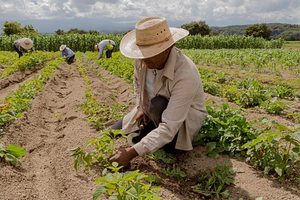
Rising energy and fertilizer prices are expected to contin...

Over 18,000 foreign citizens from 140 countries have appli...

US President Donald Trump has issued another warning to Ir...

Prime Minister Andy Burnham has announced that most bus fa...

France's parliament has passed a law to ban social media f...

US Secretary of State Marco Rubio arrived in Manila on Jul...

At a time when industrial products are increasingly taking...

Trust among people is not just a three-syllable word. It c...

Master of humor Todi Llupi has passed away at the age of 7...

The ninth edition of "MIK Festival" kicked off with one of...

Businesses will no longer be required to simply register t...

Despite economic growth and income in recent years, Albani...

This Wednesday, one US dollar is bought for 81.4 lek and s...

Construction company licenses will have a validity period ...