


Euro "freezes", other currencies in crisis/ Exchange rate, August 17, 2024
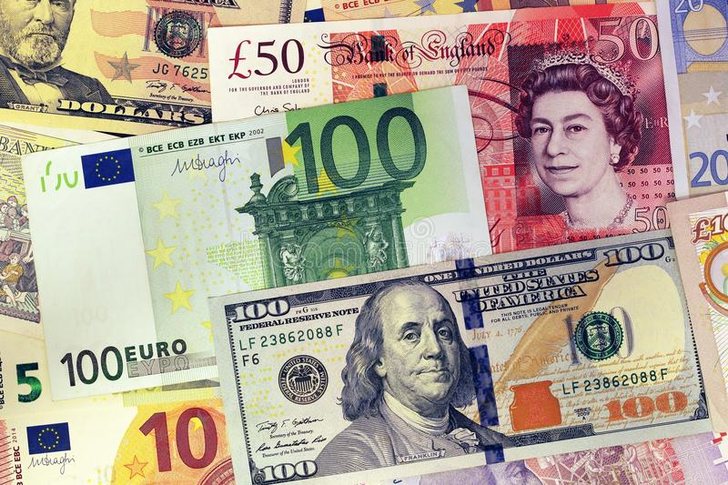
Today, on August 17, 2024, in the foreign exchange mar...



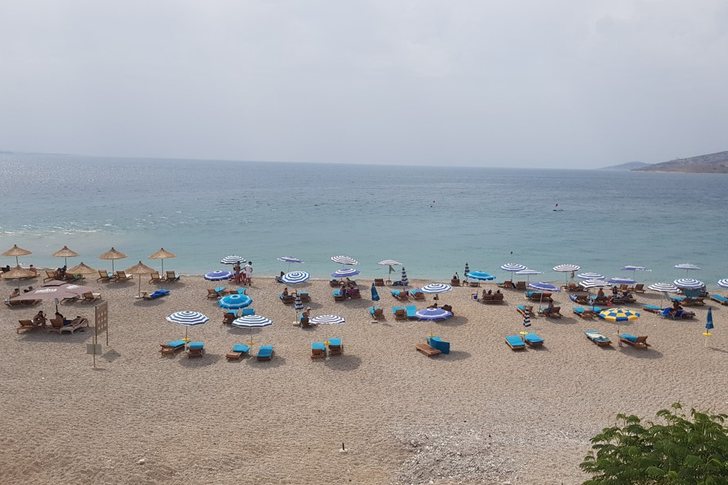
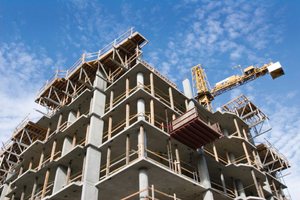
Unsustainable development on the coast, where the high pace of construction is not being followed by infrastructure, environmental management such as garbage or waste water, sewage, energy, etc., is in danger of turning into a boomerang for the sector, which really has the potential to becomes the main engine of economic growth. The expression "a good start is half the work" is not working this year for tourism.
The first few months were quite optimistic, with foreign arrivals increasing by around 40% in January-May. Extending the season throughout the year was a wish for many years that finally became a reality.
Albania is attracting, not only with the beach in the hot summer months, but also with culture, cuisine, history, heritage from antiquity, nature, etc.
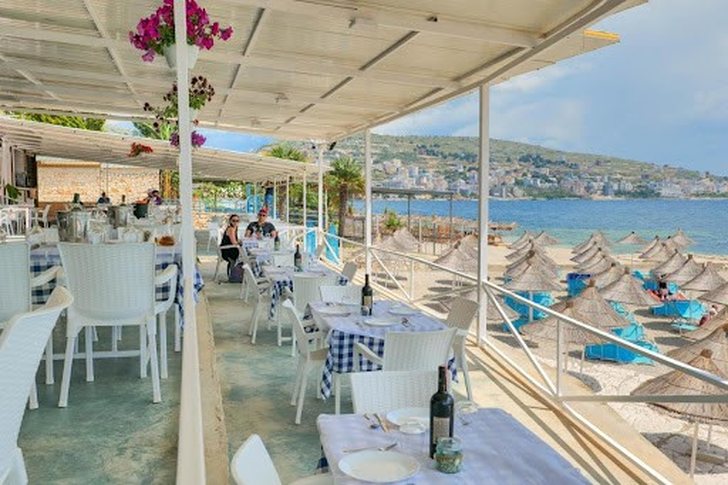
Albania became a "hit" on social networks for cheap prices, hospitable people, safety, numerous tourist alternatives, food. Foreign media were especially attracted by Ksamil, labeled as the "Maldives of Europe".
The demand for accommodation units was twice as high compared to last year, prompting many locals to let their houses for daily rent, both in the capital and in other areas from South to North.
Given the high demand for accommodation units and the increase in entries, expectations were very high for this summer season. Businesses, especially those in the South, rushed to raise prices.
Accommodation units became more expensive up to 90%. Admittedly, it wasn't just demand that drove up prices. The costs of running the business have increased.
The lack of employees raised wages in the South, to such levels as 1,000 euros per month for service workers. The hotels, although they pay taxes, were forced to bear the investments for the waste water plants themselves.
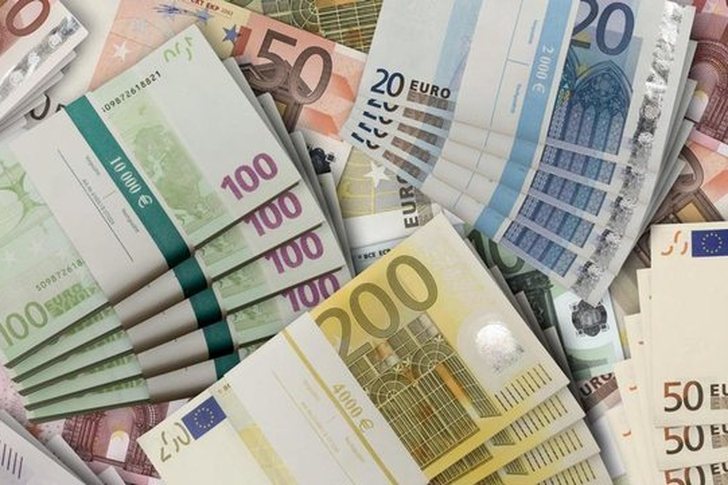
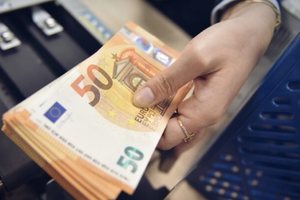
The fall of the Euro was another factor that negatively affected the income of hotel structures, which they tried to compensate for in price.
In a country that has cheap prices as its main competitive advantage, it is normal that their increase would inhibit tourism.
This happened very quickly, as complaints about the drop in vacationers began. In June, the rate of increase in the entry of foreign citizens was halved compared to the first 5 months.
The departure of citizens from Kosovo, due to the removal of visas, the reduction of the local population and the departure of potential Albanian vacationers, as a result of high prices, also had a significant impact on demand.
However, in these cases, the self-regulation mechanisms "come into force" and prices started to decrease again, but the damage to the image was done.
While the market is regulated by supply and demand, balancing prices, the country has deeper problems that cannot be solved with the drop of a pencil.
For many years, the infrastructure remains problematic, as investments were concentrated only in the South of the country, leaving the center prey to a traffic that becomes unmanageable in the summer.
Public transport remains disorganized and tourists find it difficult to navigate, due to the lack of Google Maps.
For example, to go from Tirana to Vlora, the map tells you that you must first go to Rinas and there take the bus to Vlora! A recent European Commission report ranks Albania last in Europe with only 41.6% of its coastal waters being considered excellent.
This percentage is much lower than the first country, Croatia, with over 99% and Italy, which is among the 26 countries ranked, with over 90%. The same ranking is also for internal waters, where Albania is the last of 27 countries, with 33% of its excellent waters.
Unlike other countries, which according to the report have made continuous efforts to reduce pollution and improve water quality, our government left this burden to businesses this year, just as municipalities left the obligation to remove garbage to hotel structures themselves. , although the cleaning fee is regularly charged.
Unsustainable development on the coast, where the high pace of construction is not being followed by infrastructure, environmental management such as garbage or waste water, sewage, energy, etc., is in danger of turning into a boomerang for the sector, which really has the potential to becomes the main engine of economic growth./ Monitor magazine

Today, on August 17, 2024, in the foreign exchange mar...
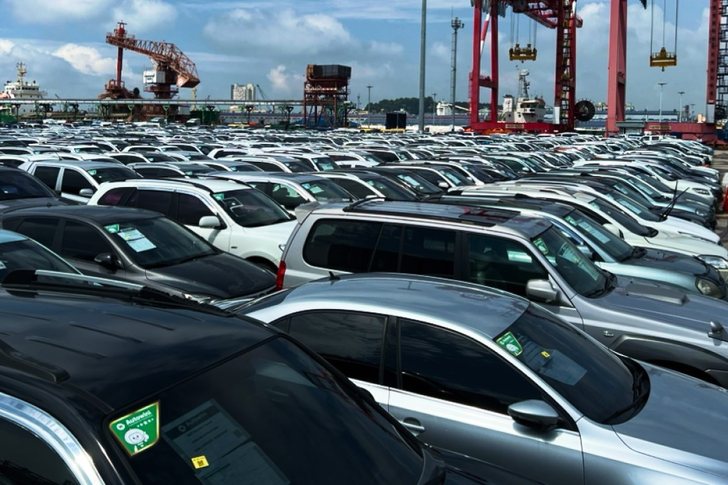
South Korea has returned to the second place from wher...
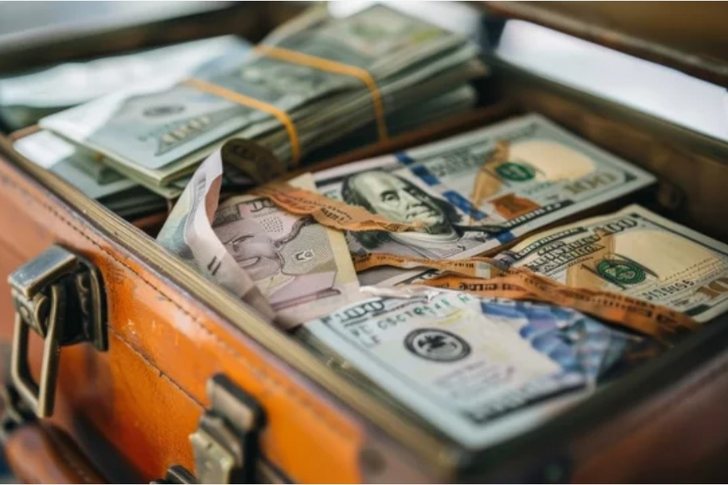
Today, on August 16, 2024, in the foreign exchange mar...
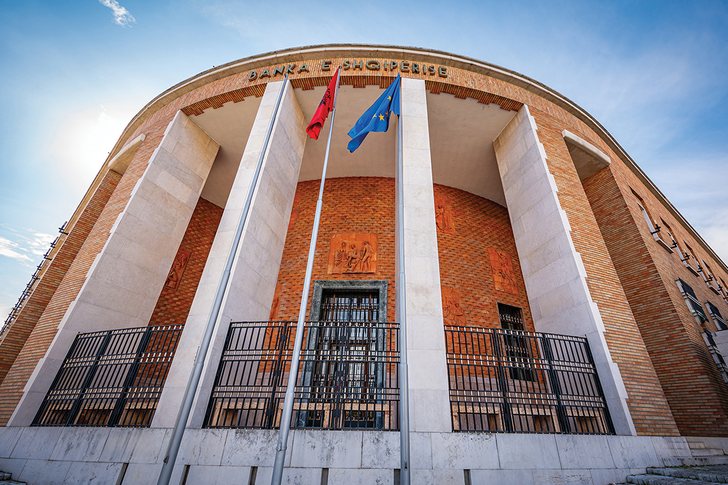
Internal inflationary pressures are slowing down, but stil...
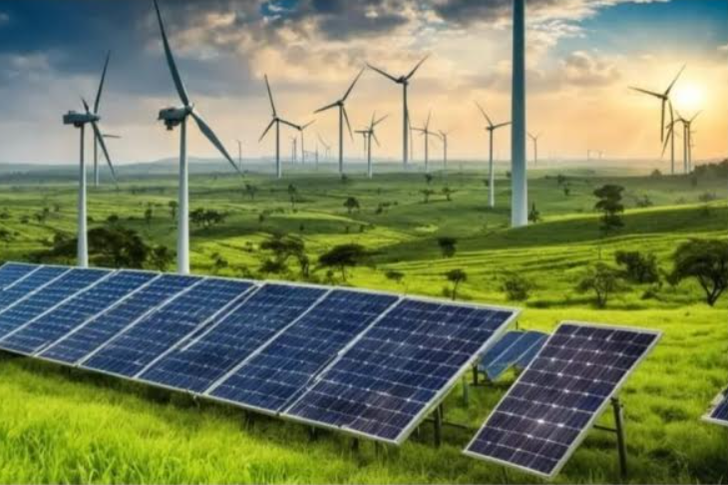
An international feasibility study has confirmed the econo...

High salaries in the tourism industry are attracting m...
Today, on August 15, 2024, in the foreign exchange mar...
Contrary to what was expected for the month of August, con...

Today, on August 14, 2024, in the foreign exchange mar...
The exchange rate of the euro fell below the limit of ...

Today, on August 13, 2024, in the foreign exchange mar...
The summer season in Durrës is turning out to be weaker th...

60% of families in Albania can have enough liquidity t...
Vacations are no longer just sea and sand. The additio...
Today, on August 12, 2024, in the foreign exchange mar...
The majority of locals have chosen to stay in Albania for ...
Today, on August 10, 2024, in the foreign exchange mar...
The common currency has recorded a continuous decrease...

Loans that do not return on time in banks, in relat...

Today, on August 9, 2024, in the foreign exchange mark...

CNA has launched another investigation that could lead to ...

Irfan Hysenbelliu is a businessman that we call "Irfan the...

In March 2026, CNA launched another investigation centered...
The arrested mayor of Tirana, Erion Veliaj, with 13 charge...

The Special Board of Appeal (KPA) decided this Monday ...

The KPA vetting decided this Thursday to dismiss the p...

Suela Salavaçi, a prosecutor in the Prosecutor's Offic...

The Special Board of Appeal reinstated the prosecutor ...
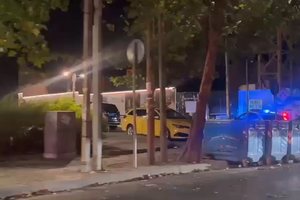
A road accident occurred this evening on Nikolla Zoraqi St...
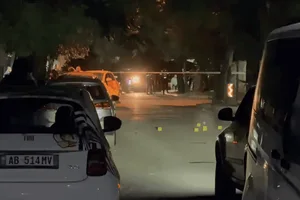
Three people were shot and wounded in Elbasan last night b...
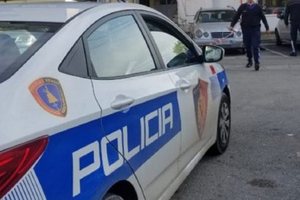
A serious incident occurred this Tuesday in the Yrshek are...
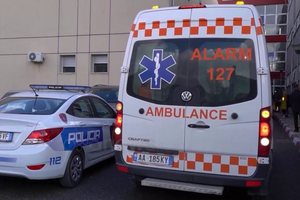
An accident occurred this Tuesday on "Dituria" street in K...
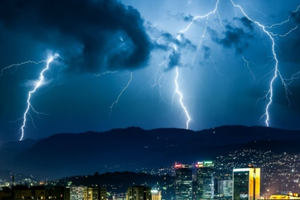
All of Southern Europe will face changing weather conditio...
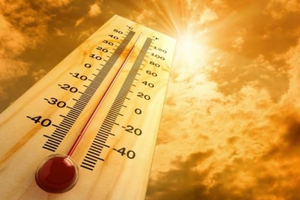
Albania was hit by temperatures significantly higher than ...

For the first time, Pogradec welcomed the Inter-Lake Chess...
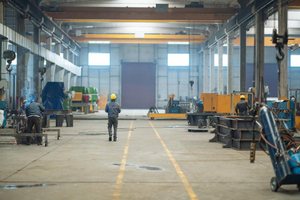
Albania has achieved a record for the employment of foreig...

US Secretary of State Marco Rubio arrived in Manila on Jul...
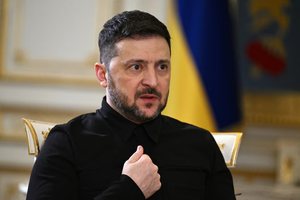
In the space of a few days, Ukrainian President Volodymyr ...
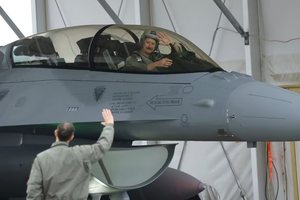
The spokesman for the Iranian Foreign Ministry warned Bulg...
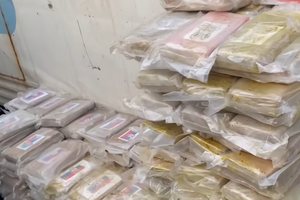
Autoritetet italiane sekuestruan pako me afër 800 kilogram...

At a time when industrial products are increasingly taking...

Trust among people is not just a three-syllable word. It c...
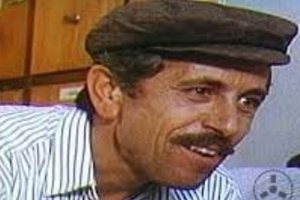
Master of humor Todi Llupi has passed away at the age of 7...
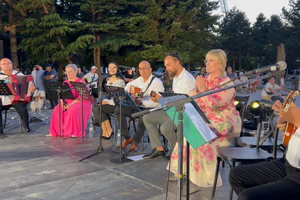
The ninth edition of "MIK Festival" kicked off with one of...
Construction company licenses will have a validity period ...
The Centralized Purchasing Operator recently opened a tend...
The new draft law "On the Bank of Albania" provides that t...
This Tuesday, one US dollar is bought for 81.2 lek and sol...