

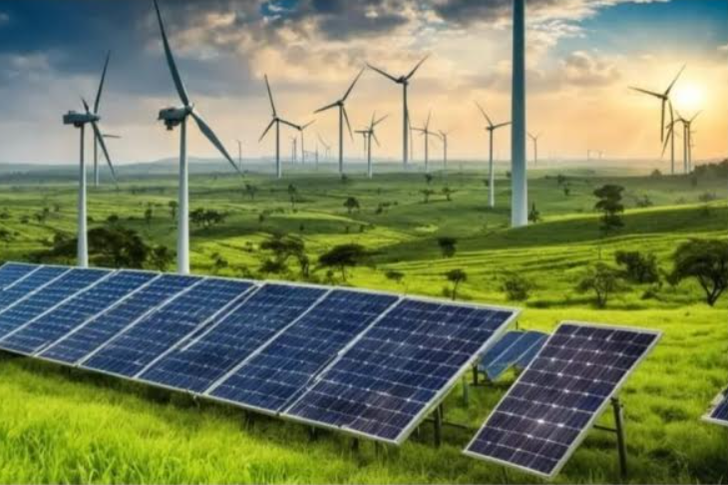
Azerbaijan diversifies energy sources to export to Europe
An international feasibility study has confirmed the econo...


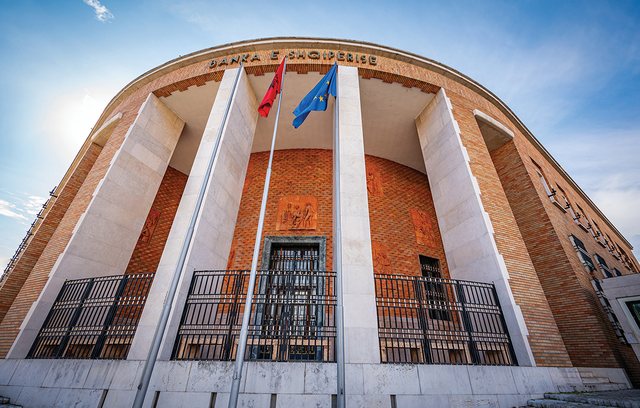
Internal inflationary pressures are slowing down, but still they continue to be dominant in the formation of total inflation.
The Monetary Policy Report of the Bank of Albania points out that the contribution of the domestic economy was predominant in the total rate of inflation for the second quarter as well. Of the 2.1% that was average inflation, 1.9% was the contribution of internal inflation.
According to the Bank of Albania, internal inflationary pressures maintained their stability, reflecting the increase in demand for goods and services and unit labor costs.
Meanwhile, the imported component of inflation further reduced its contribution to the formation of total inflation in the second quarter of the year.
The report concludes that the Albanian economy is characterized by the continuation of the positive progress of economic activity in the first half of the year, while the fall in inflation accelerated in the second quarter of the year. Inflation fell to an average level of 2.1%, from 2.7% in the first quarter.
As in the beginning of the year, its decline was dictated by the fall in inflation of food items, which reflected the similar performance of these prices in regional markets.
However, although it was dominated by this category, the fall in inflation in the second quarter was observed on a broader price base, among them the prices of some services.
Overall inflationary pressures have been reduced, helped by falling inflation in trading partners, exchange rate appreciation and the normalization of monetary policy stance over the past two years.
The slowdown in inflation during the second quarter of 2024 was broad-based, but the sharpest decline was experienced by the short-term and imported components of inflation.
Short-term and foreign-origin components of inflation slowed significantly, hovering around historic lows. Non-core inflation and imported inflation reached 1.7% and 1.3%, respectively, in the second quarter, decreasing by 0.8 and 1 percentage point from the corresponding values ??of the previous quarter.
The decrease in food inflation in the foreign and domestic markets, as well as the effects of the appreciation of the local currency, were reflected in the slowdown of the inflation of these components. Core and internal inflation also decreased, but maintaining the dominant role in the formation of total inflation.
Core inflation, net core inflation and domestic inflation marked respectively the values ??of 2.3%, 2.7% and 2.3% in this quarter, decreasing by almost the same step (0.5 percentage points), from the respective values ??of the previous quarter.
Although declining, the most stable components of inflation remained at higher values ??than the total inflation of the quarter. In addition, net core inflation continued to remain slightly above the average of the last three years, reflecting the stronger persistence of inflation in services and other durable goods./Monitor

An international feasibility study has confirmed the econo...

High salaries in the tourism industry are attracting m...
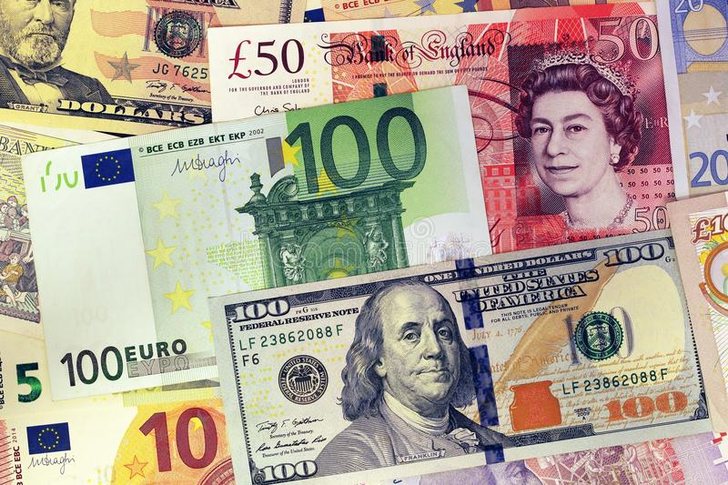
Today, on August 15, 2024, in the foreign exchange mar...
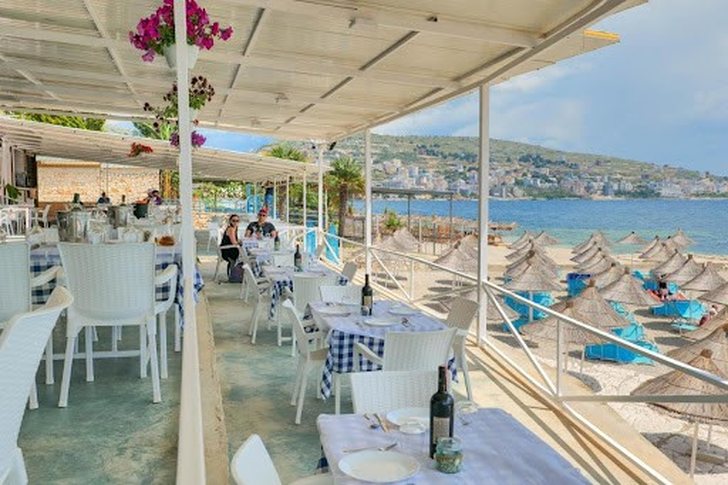
Contrary to what was expected for the month of August, con...

Today, on August 14, 2024, in the foreign exchange mar...
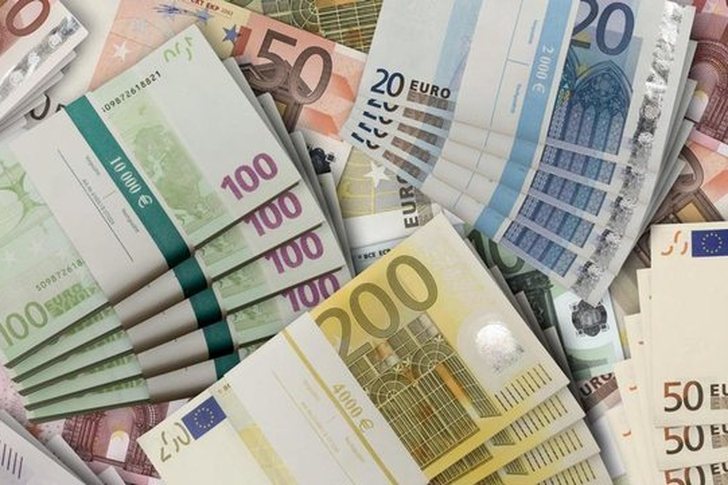
The exchange rate of the euro fell below the limit of ...

Today, on August 13, 2024, in the foreign exchange mar...
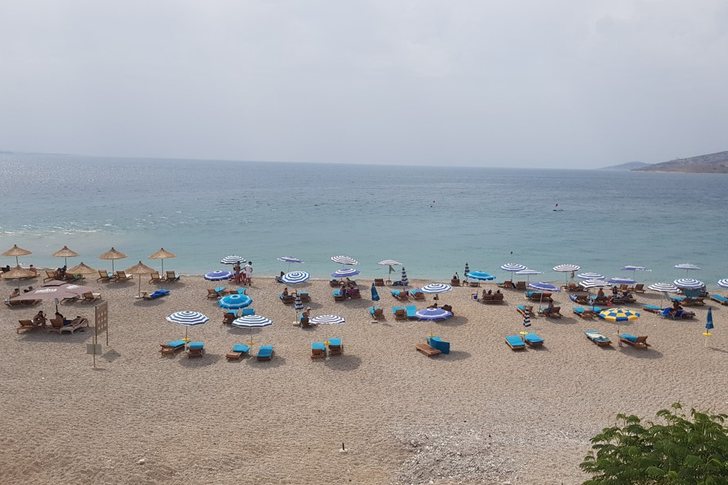
The summer season in Durrës is turning out to be weaker th...

60% of families in Albania can have enough liquidity t...
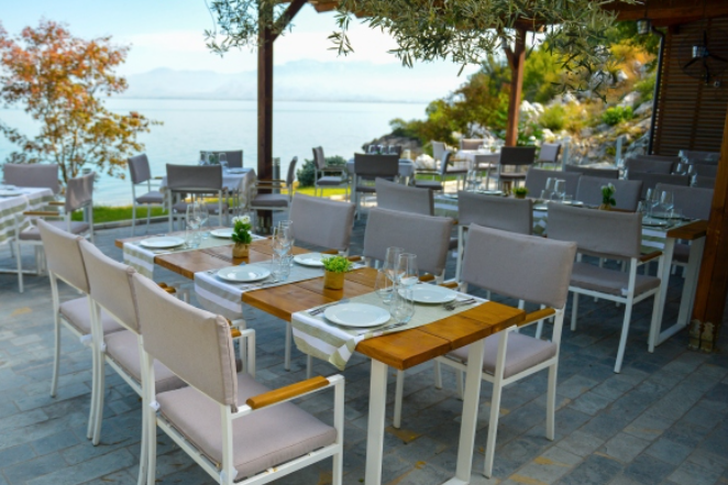
Vacations are no longer just sea and sand. The additio...
Today, on August 12, 2024, in the foreign exchange mar...

The majority of locals have chosen to stay in Albania for ...

Today, on August 10, 2024, in the foreign exchange mar...
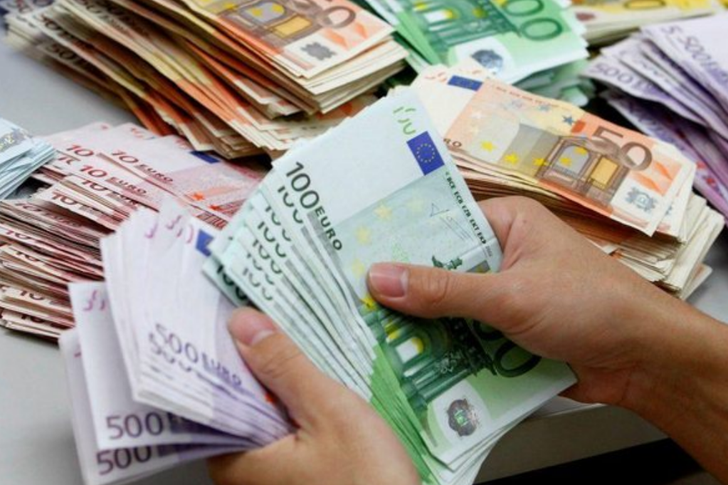
The common currency has recorded a continuous decrease...

Loans that do not return on time in banks, in relat...

Today, on August 9, 2024, in the foreign exchange mark...

Pensions that will be calculated after July 1, 2024 will b...
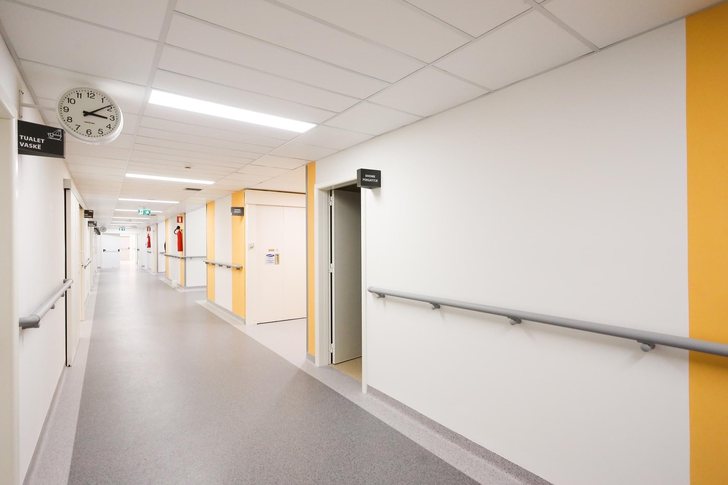
From 100 Lek for patients who perform radiotherapy ses...

Today, August 8, 2024, in the foreign exchange market,...

European shares opened higher on Wednesday, as global ...

CNA has launched another investigation that could lead to ...

Irfan Hysenbelliu is a businessman that we call "Irfan the...

In March 2026, CNA launched another investigation centered...
The arrested mayor of Tirana, Erion Veliaj, with 13 charge...

The Special Board of Appeal (KPA) decided this Monday ...

The KPA vetting decided this Thursday to dismiss the p...

Suela Salavaçi, a prosecutor in the Prosecutor's Offic...

The Special Board of Appeal reinstated the prosecutor ...

A road accident occurred this evening on Nikolla Zoraqi St...

Three people were shot and wounded in Elbasan last night b...

A serious incident occurred this Tuesday in the Yrshek are...

An accident occurred this Tuesday on "Dituria" street in K...
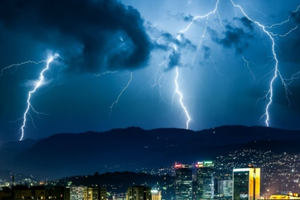
All of Southern Europe will face changing weather conditio...
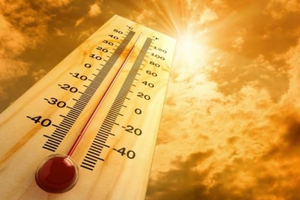
Albania was hit by temperatures significantly higher than ...

For the first time, Pogradec welcomed the Inter-Lake Chess...
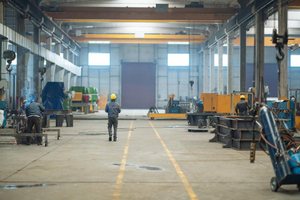
Albania has achieved a record for the employment of foreig...

US Secretary of State Marco Rubio arrived in Manila on Jul...

In the space of a few days, Ukrainian President Volodymyr ...

The spokesman for the Iranian Foreign Ministry warned Bulg...

Autoritetet italiane sekuestruan pako me afër 800 kilogram...

At a time when industrial products are increasingly taking...

Trust among people is not just a three-syllable word. It c...

Master of humor Todi Llupi has passed away at the age of 7...

The ninth edition of "MIK Festival" kicked off with one of...

Construction company licenses will have a validity period ...
The Centralized Purchasing Operator recently opened a tend...
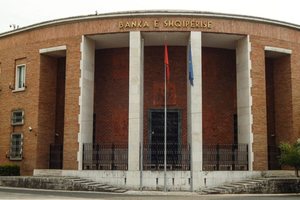
The new draft law "On the Bank of Albania" provides that t...

This Tuesday, one US dollar is bought for 81.2 lek and sol...