

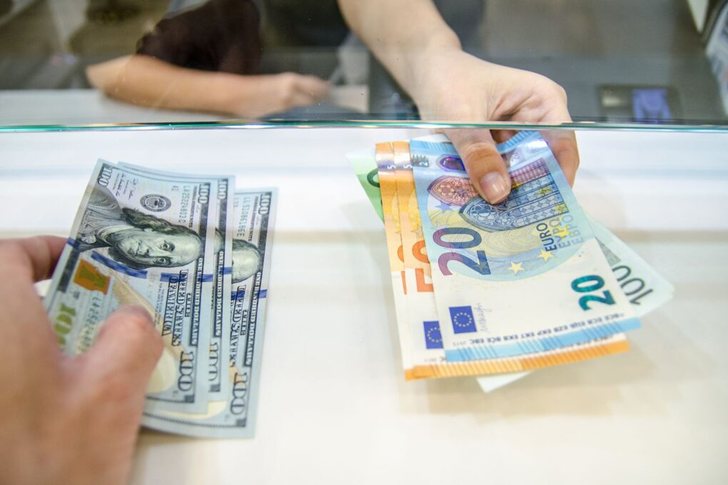
Currency trading increased by 21% in the third quarter of the year
Currency trading continued to grow rapidly in the third qu...


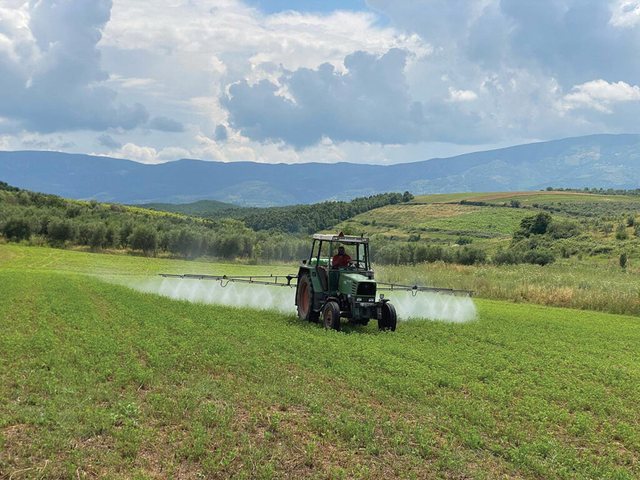
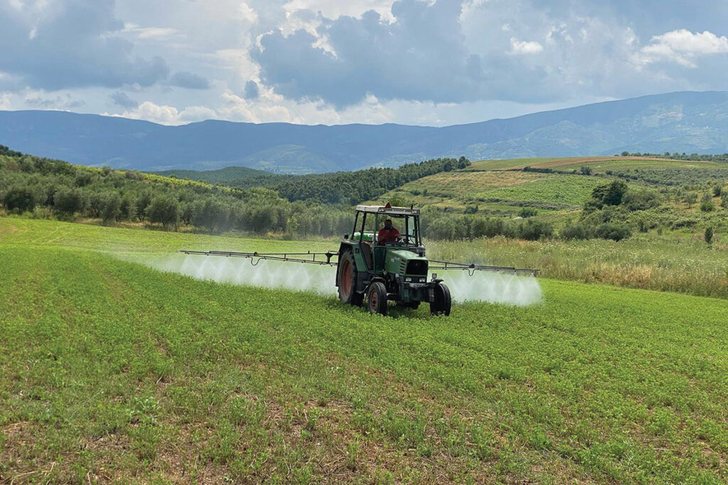
In addition to the Government of Albania providing the lowest funding as direct support to farmers, most of the funding ends up as recurring expenses and very little is invested in farms to increase production.
According to official tables from the draft budget of 2025, of the total budget expenditures for rural development of 7.2 billion, more than 5 billion ALL or 69 percent of the funds go to current expenditures and only 21 percent as capital expenditures in the service of growth of production.
Of the approximately 72 million euros that have been allocated for "Rural development and production promotion", only 22 million euros are invested, the rest are expenses that go to the payments of the staff of the Ministry of Agriculture and for consulting.
The 2024 budget is also in similar reports, while Albanian farmers were involved earlier this year in protests for the lack of financial support.
Imports of agricultural products have increased by over 20 percent this year because they easily compete with our products. Europe and the Region have higher subsidies than Albania and their products come out at a lower cost and therefore have cheaper prices than those produced in our country.
Albania financed an average of 0.19% of GDP in the agricultural sector during the years 2020-2023, while in 2025 it finances only 0.56% of GDP in agriculture, while European countries have financing rates three times higher in relation to GDP.
Only Albania stands out as a country in the Region with a low level of agricultural support for agriculture, which at the same time is the sector with the largest weight in GDP with about 19% of it.
In addition to internal funding from national budgets, agriculture was benefiting from significant funding from the European Union's IPARD program, an instrument for countries in the EU accession process. Across the region, IPARD funds saw increased disbursements following the pandemic. Albania and Serbia were the biggest beneficiaries of the IPARD program, but an investigation by the Office of the Investigation for the Regularity of the Process (OLAF) has blocked the funds for Albania indefinitely.
The scarce funds available are not enabling investment in the protection of agriculture from climate change, nor can it stimulate innovation in this field to increase the yield which in many crops is much lower than in the EU.
The lack of investment in agricultural innovation is being considered as an obstacle to the use of private financing and is a missed opportunity to address environmental concerns and climate change in agriculture.
A recent estimate by the World Bank shows that closing the gap by 25% for research and development investments in the Region could increase agricultural productivity by 15% in Albania, 25% in BiH, 16% in North Macedonia and 6% in Serbia ./ Monitor magazine

Currency trading continued to grow rapidly in the third qu...
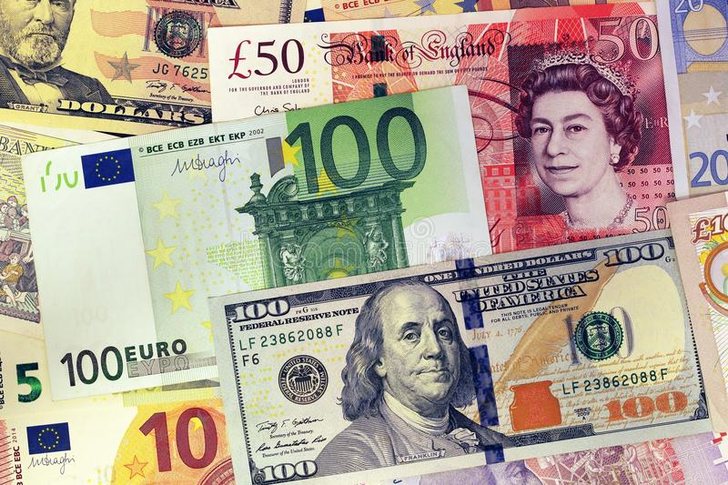
Today, on November 20, 2024, in the foreign exchange marke...
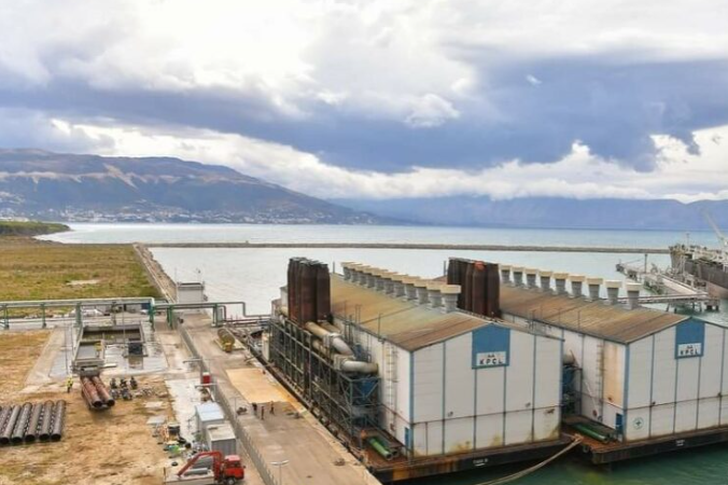
The Public Procurement Commission has asked the Albanian E...
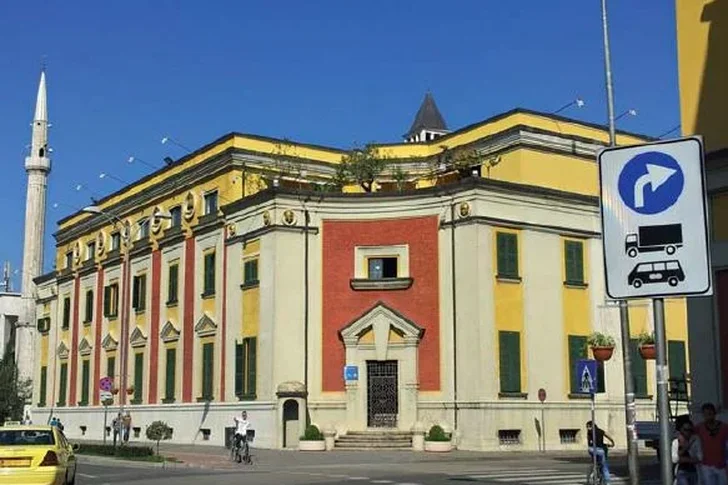
At the end of the discussion in principle of the 2025 draf...
The curse of being poor is haunting the small municipaliti...

Today in the foreign exchange market, the US dollar is bou...
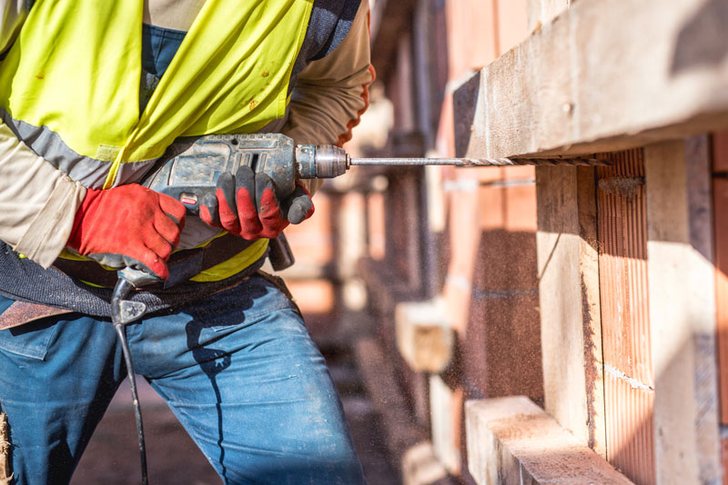
The growth of the unit labor cost indicator slowed again i...

Today in the foreign exchange market, the US dollar is bou...

The Deputy Minister of Economy, Culture and Innovation, Ol...
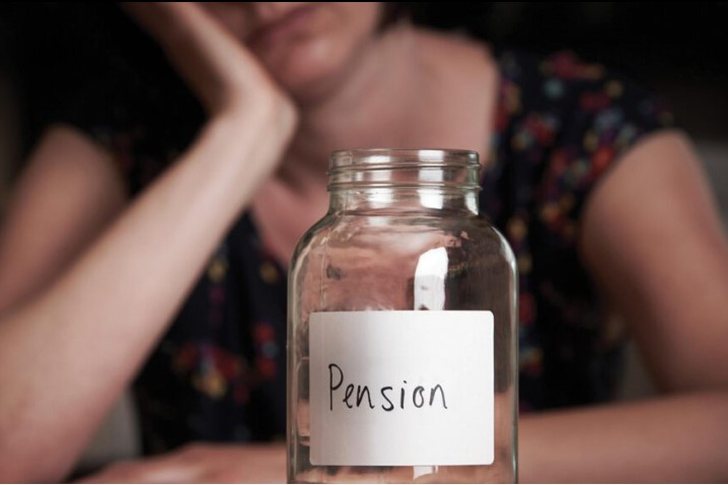
Albania has doubled its economy and budget revenues in the...
The domestic economy has recorded an increase in consumpti...
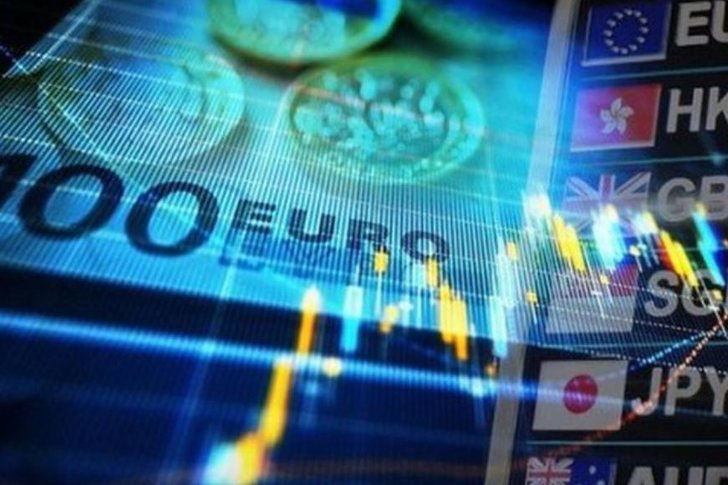
Today in the foreign exchange market, the US dollar is bou...
Debt (obligations) in the form of unpaid insurance of empl...
Today in the foreign exchange market, the US dollar is bou...
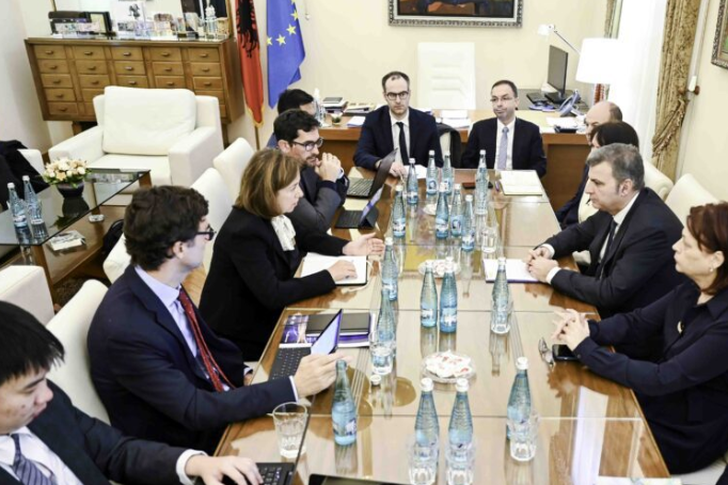
The Governor of the Bank of Albania, Gent Sejko, today hel...
Today in the foreign exchange market, the US dollar is bou...
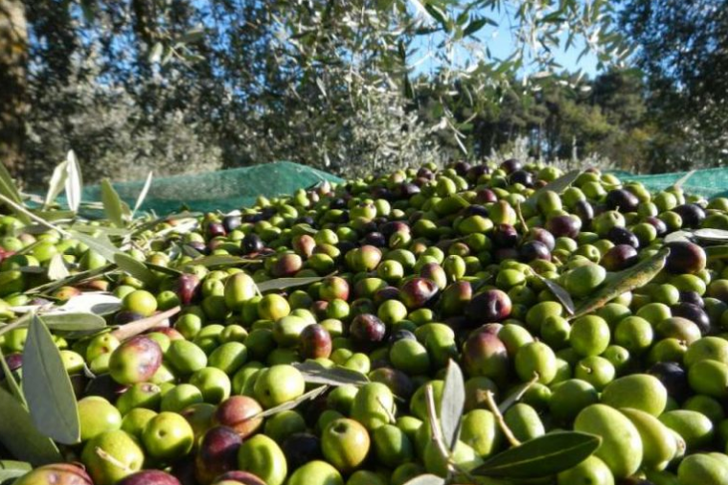
After the high growth of olive oil exports in 2023, their ...

Today in the foreign exchange market, the US dollar is bou...
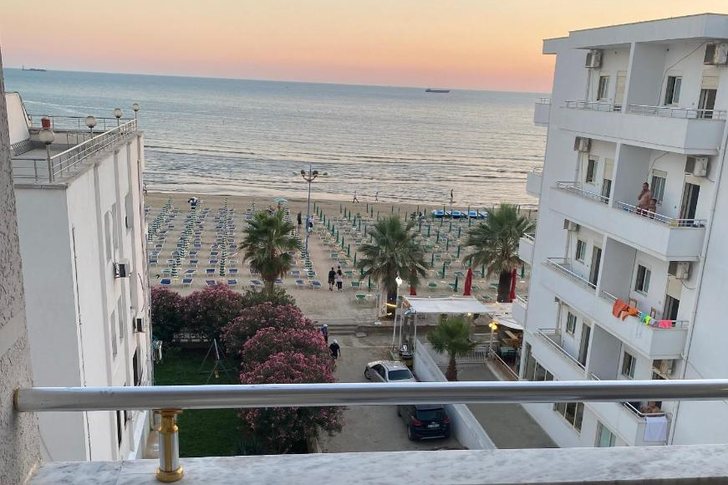
In the Court of Administrative Appeals, a hearing is held ...
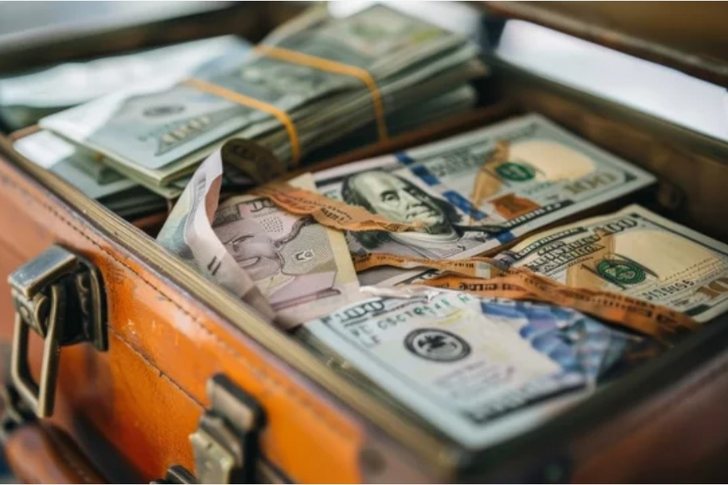
Today in the foreign exchange market, the US dollar is bou...

CNA has launched another investigation that could lead to ...

Irfan Hysenbelliu is a businessman that we call "Irfan the...

In March 2026, CNA launched another investigation centered...
The arrested mayor of Tirana, Erion Veliaj, with 13 charge...

The Special Board of Appeal (KPA) decided this Monday ...

The KPA vetting decided this Thursday to dismiss the p...

Suela Salavaçi, a prosecutor in the Prosecutor's Offic...

The Special Board of Appeal reinstated the prosecutor ...
Footage emerges from the serious accident that occurred th...
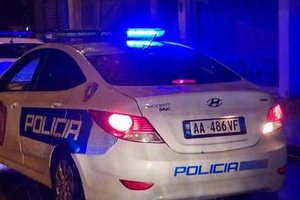
A Shkodra traffic police officer was hit with hard objects...
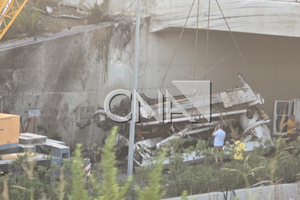
This Wednesday, around 4:00 PM, a serious accident occurre...
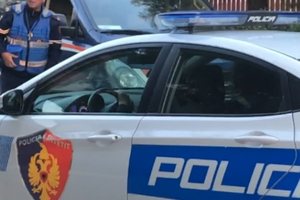
Tirana Police have shared details regarding the accident t...
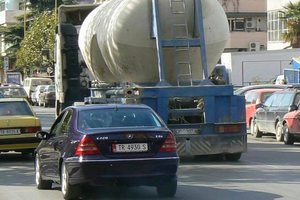
A serious accident that occurred this Wednesday with the c...

The Institute of Geosciences has shared a forecast for wea...
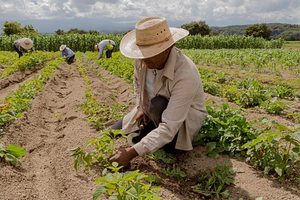
Rising energy and fertilizer prices are expected to contin...

Over 18,000 foreign citizens from 140 countries have appli...
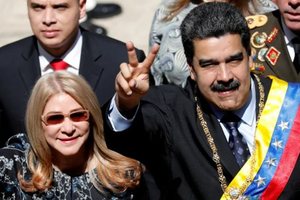
The trial of ousted Venezuelan President Nicolas Maduro on...
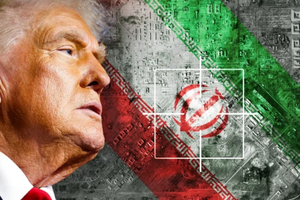
US President Donald Trump has issued another warning to Ir...
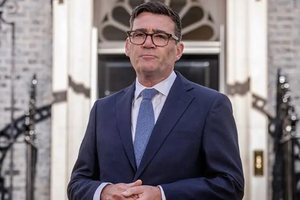
Prime Minister Andy Burnham has announced that most bus fa...

France's parliament has passed a law to ban social media f...

At a time when industrial products are increasingly taking...

Trust among people is not just a three-syllable word. It c...
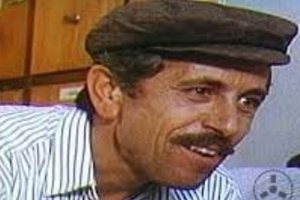
Master of humor Todi Llupi has passed away at the age of 7...

The ninth edition of "MIK Festival" kicked off with one of...
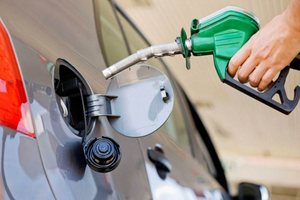
The price of diesel reached 206 lek per liter from 198 lek...

Businesses will no longer be required to simply register t...

Despite economic growth and income in recent years, Albani...
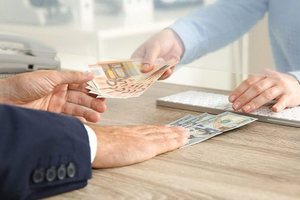
This Wednesday, one US dollar is bought for 81.4 lek and s...