

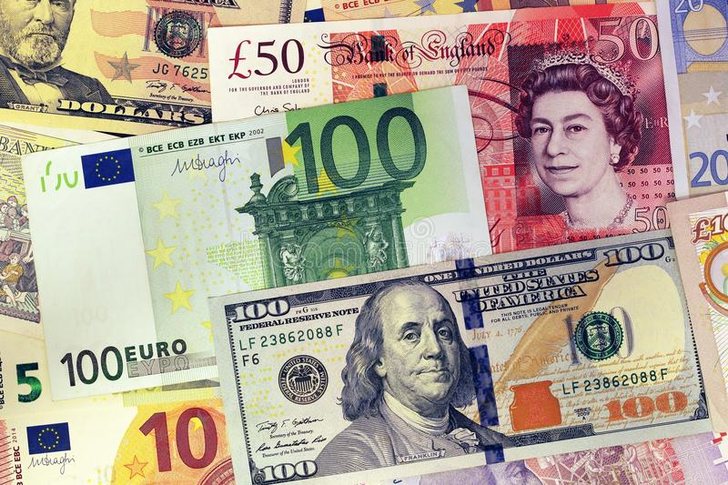
Currency exchange for today, how much the dollar and euro are bought and sold
Today, on November 20, 2024, in the foreign exchange marke...


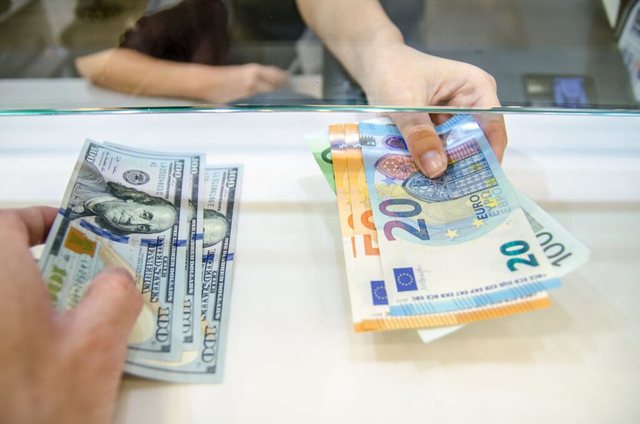
Currency trading continued to grow rapidly in the third quarter of the year. According to the information of the Bank of Albania, the trading volume increased by 21% compared to the same period of the previous year.
Currency trading has grown at double-digit rates throughout the first 9 months of the year, proving the presence of high foreign exchange flows in the economy. Currency trading volumes had increased by 30% in the second quarter of the year and by 16% in the first quarter.
The Bank of Albania states that the exchange rate of the lek against the main currencies continued to be characterized by strengthening pressures during the third quarter as well. The appreciation of the lek reappeared from August, although not at the same speed as at the beginning of the second quarter of the year.
The average euro-lek exchange rate gradually decreased to 100 in August, and further to 99.4 in September, after the stability at an average of 100.4 observed in the May-July period.
Meanwhile, after hitting a low of 2.8% in July, annual appreciation deepened in the following three months, averaging 6.4%. This level is still below the average inflation rate of 9.3% observed during the first six months of the year.
However, the performance of the exchange rate has been partially influenced by the interventions of the Bank of Albania. The Central Bank has regularly intervened during the May-July period, with the aim of not allowing the exchange rate to fall further.
But, after the Bank of Albania withdrew from interventions in August, leaving the course to market forces, the euro has continued to fall below the 100 lek mark and is constantly breaking new historical records.
According to the official exchange rate of the Bank of Albania, on Tuesday the euro was exchanged for 98.11 ALL, reaching the lowest level of all times.
Over the past five years, the exchange rate of the euro against the lek has fallen by almost 20%.
The source of the high foreign exchange supply in the economy can be identified especially in the increase in the number of foreign tourists and in foreign investments, especially those in the real estate market.
Market agents always perceive a significant effect from foreign exchange flows related to informal or illegal activities, as a factor that continuously affects the country's economic and financial indicators, including the exchange rate.
On the other hand, the strong lek for this is partially supported by the fiscal policy followed by the government. The high budget surplus has reduced the supply of local currency in the market and further fueled the appreciation trends. According to the figures of the Ministry of Finance, at the end of the 9th month the surplus reached a record value of almost 69 billion ALL.
The strengthening of the lek helped the Albanian economy to cope with the inflationary wave of 2022 with milder consequences. Also, the strengthening of the lek is generally estimated to have played a positive role in financial stability, increasing the solvency of borrowers in euros, with income in Lek. But, on the other hand, the stronger lek has had obvious negative effects on the exporting sectors of the economy./ Monitor magazine

Today, on November 20, 2024, in the foreign exchange marke...
The Public Procurement Commission has asked the Albanian E...
At the end of the discussion in principle of the 2025 draf...
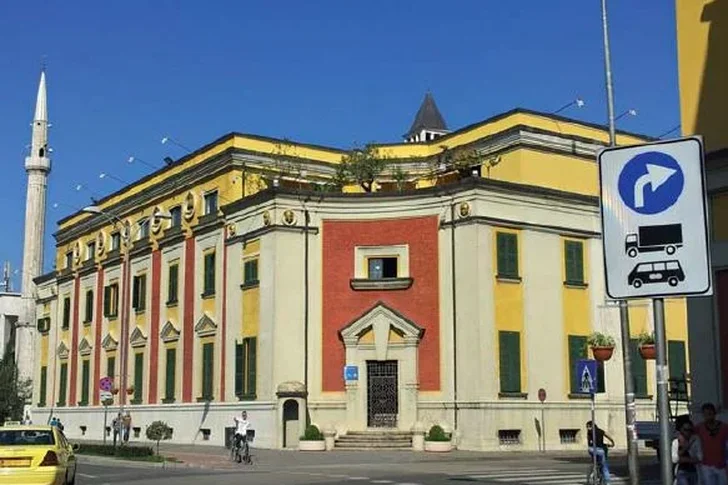
The curse of being poor is haunting the small municipaliti...

Today in the foreign exchange market, the US dollar is bou...
The growth of the unit labor cost indicator slowed again i...

Today in the foreign exchange market, the US dollar is bou...
The Deputy Minister of Economy, Culture and Innovation, Ol...
Albania has doubled its economy and budget revenues in the...
The domestic economy has recorded an increase in consumpti...
Today in the foreign exchange market, the US dollar is bou...
Debt (obligations) in the form of unpaid insurance of empl...
Today in the foreign exchange market, the US dollar is bou...
The Governor of the Bank of Albania, Gent Sejko, today hel...
Today in the foreign exchange market, the US dollar is bou...
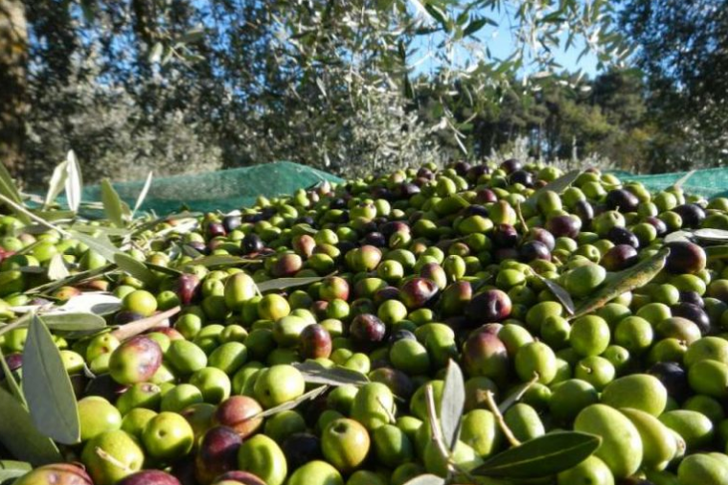
After the high growth of olive oil exports in 2023, their ...

Today in the foreign exchange market, the US dollar is bou...
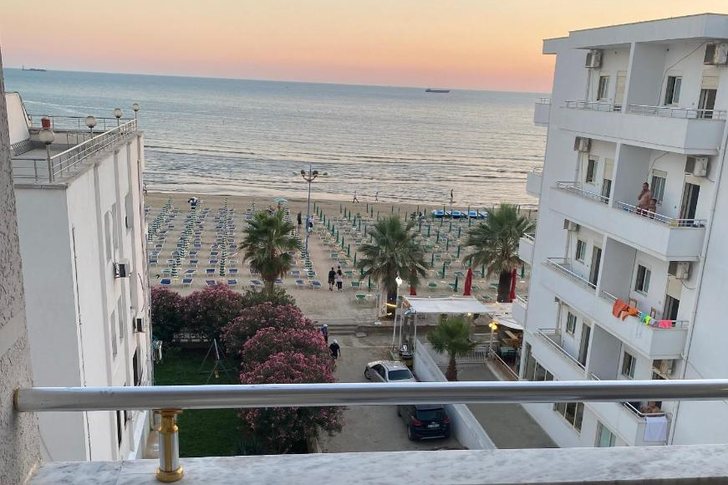
In the Court of Administrative Appeals, a hearing is held ...
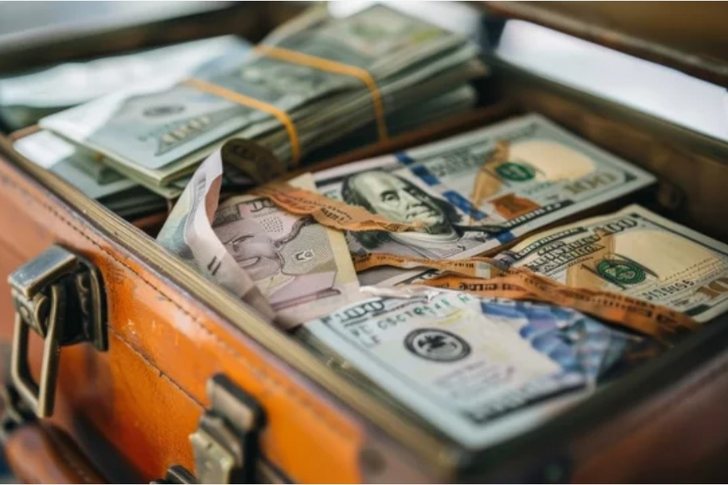
Today in the foreign exchange market, the US dollar is bou...
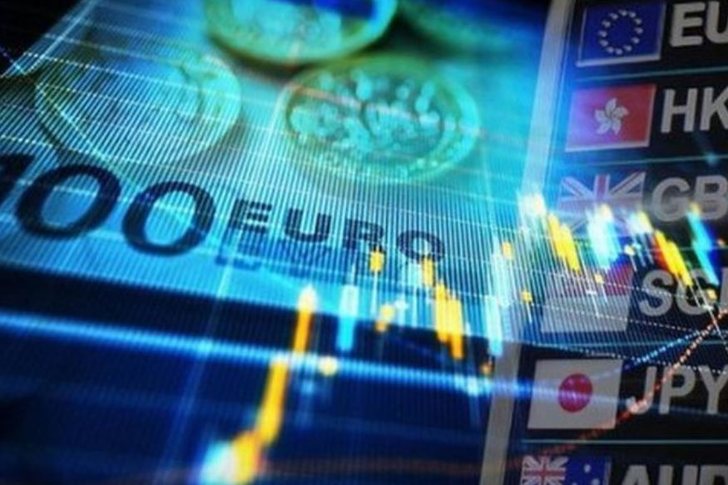
Today in the foreign exchange market, the US dollar is bou...

CNA has launched another investigation that could lead to ...

Irfan Hysenbelliu is a businessman that we call "Irfan the...

In March 2026, CNA launched another investigation centered...
The arrested mayor of Tirana, Erion Veliaj, with 13 charge...

The Special Board of Appeal (KPA) decided this Monday ...

The KPA vetting decided this Thursday to dismiss the p...

Suela Salavaçi, a prosecutor in the Prosecutor's Offic...

The Special Board of Appeal reinstated the prosecutor ...

Footage emerges from the serious accident that occurred th...

A Shkodra traffic police officer was hit with hard objects...

This Wednesday, around 4:00 PM, a serious accident occurre...

Tirana Police have shared details regarding the accident t...
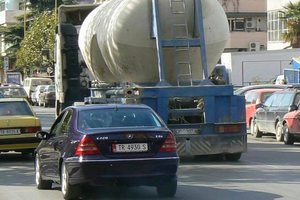
A serious accident that occurred this Wednesday with the c...

The Institute of Geosciences has shared a forecast for wea...
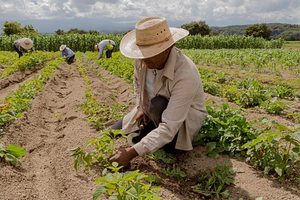
Rising energy and fertilizer prices are expected to contin...

Over 18,000 foreign citizens from 140 countries have appli...

The trial of ousted Venezuelan President Nicolas Maduro on...

US President Donald Trump has issued another warning to Ir...

Prime Minister Andy Burnham has announced that most bus fa...

France's parliament has passed a law to ban social media f...

At a time when industrial products are increasingly taking...

Trust among people is not just a three-syllable word. It c...

Master of humor Todi Llupi has passed away at the age of 7...

The ninth edition of "MIK Festival" kicked off with one of...
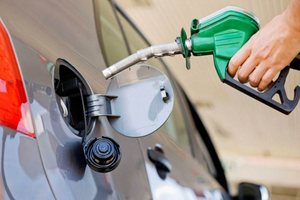
The price of diesel reached 206 lek per liter from 198 lek...

Businesses will no longer be required to simply register t...

Despite economic growth and income in recent years, Albani...
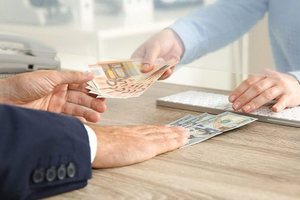
This Wednesday, one US dollar is bought for 81.4 lek and s...